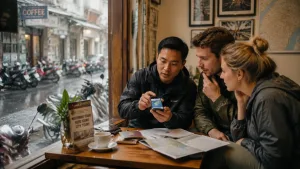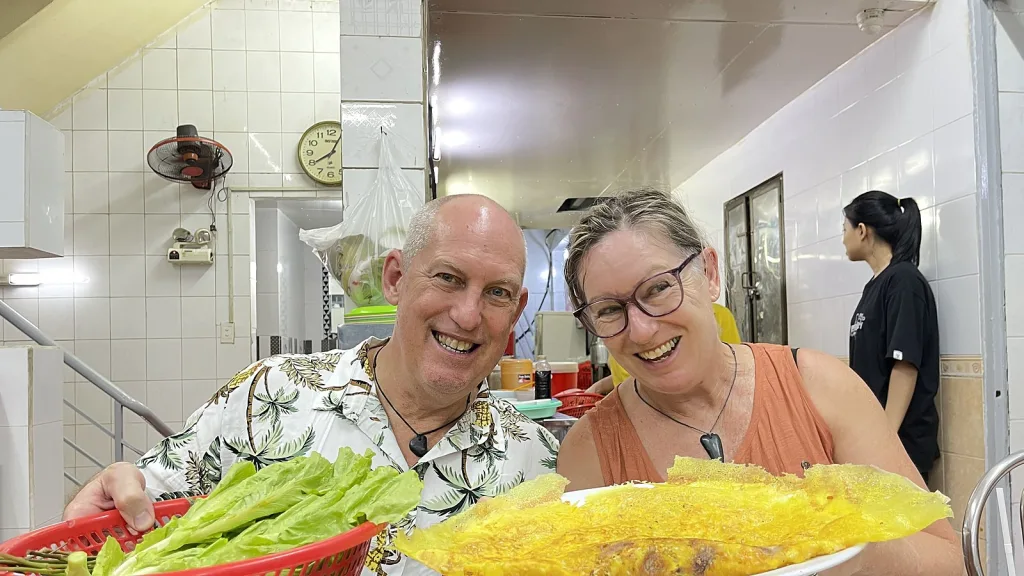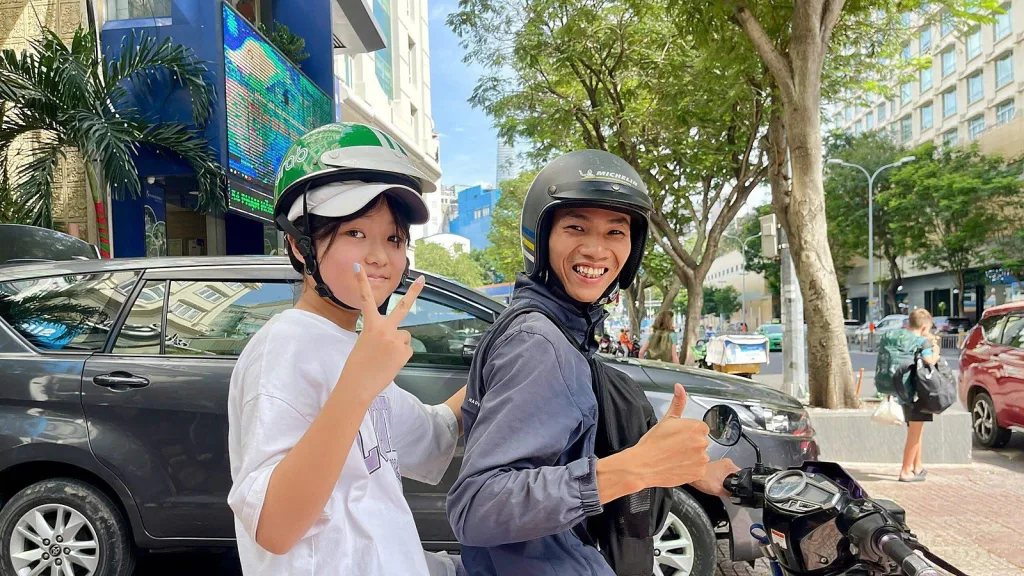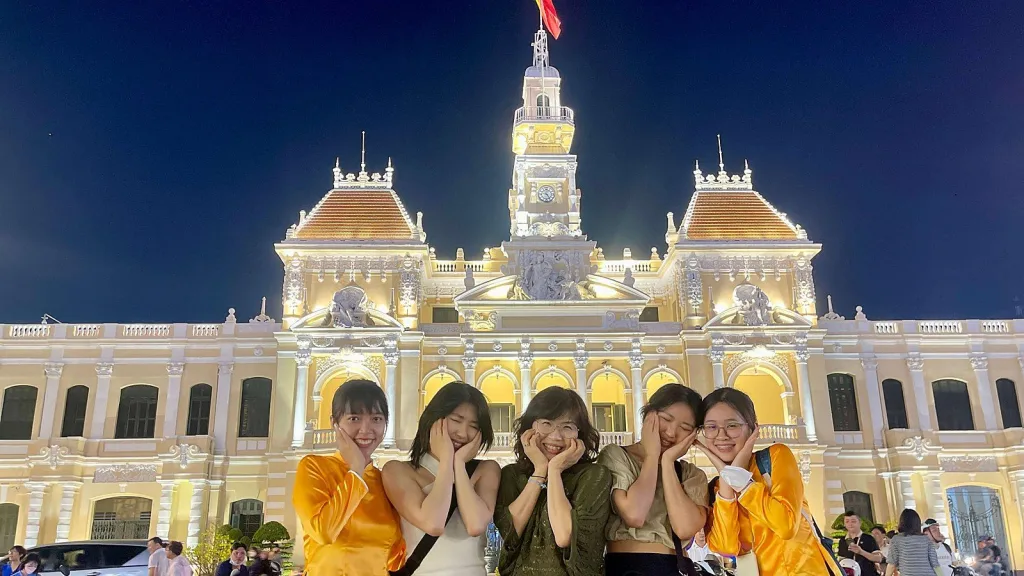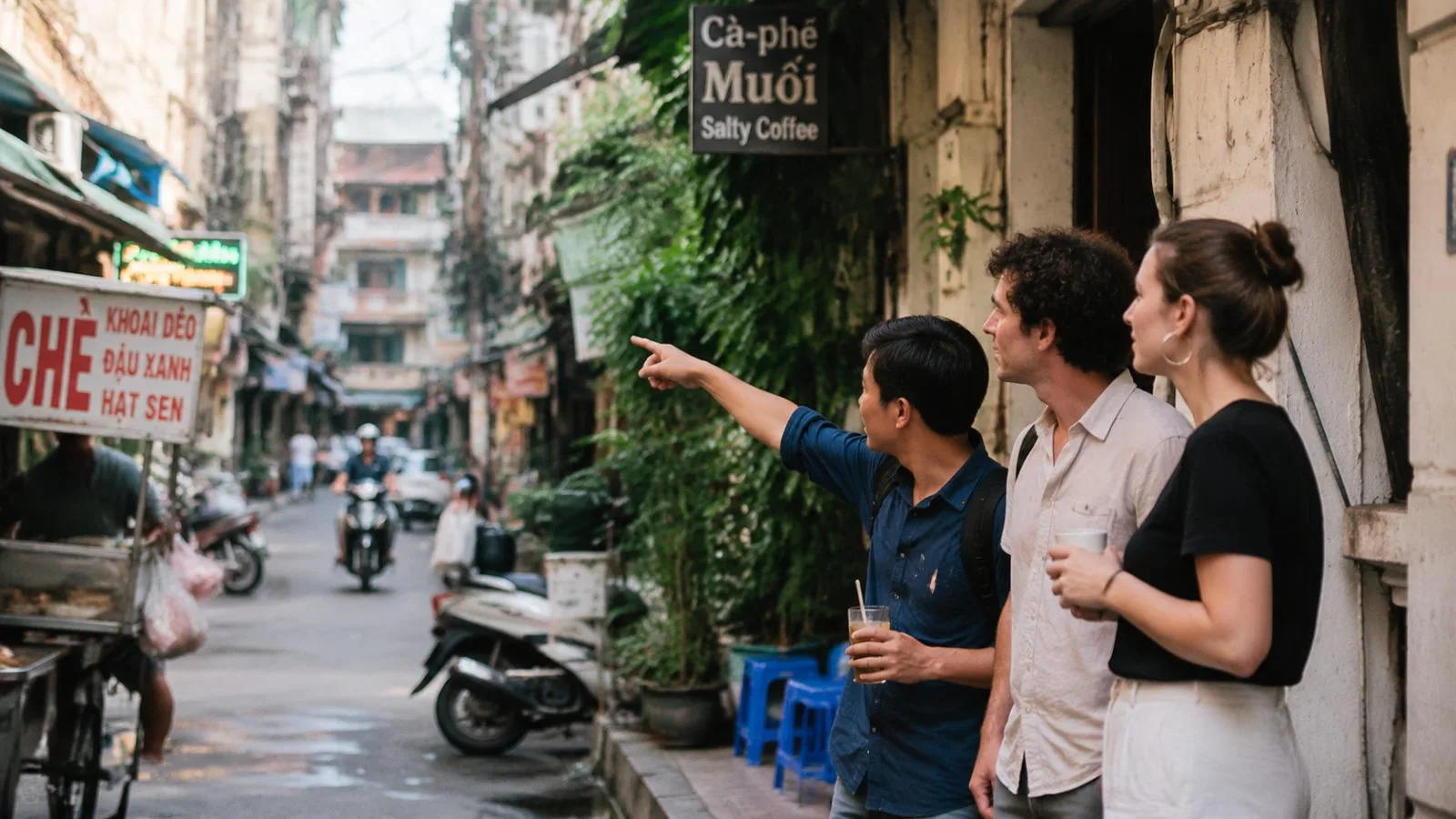

Ho Chi Minh City travel guide is the easiest way to make sense of a city that moves fast, feels loud, and can overwhelm first-time visitors with traffic, tangled neighborhoods, and endless choices. If you are planning your first trip, this guide helps you travel smarter from the start, with practical Saigon travel tips and a clear focus on the best places to stay, eat, and explore.
For solo travelers, couples, families, and adventurous visitors from Europe, North America, Korea, and Japan, the real challenge is not finding things to do in Ho Chi Minh City, but knowing what is worth your time. A good Ho Chi Minh City travel guide cuts through the noise, so you can avoid common mistakes, move around confidently, and experience the city like a local instead of a rushed tourist.
What Makes Ho Chi Minh City a Must-Visit Destination
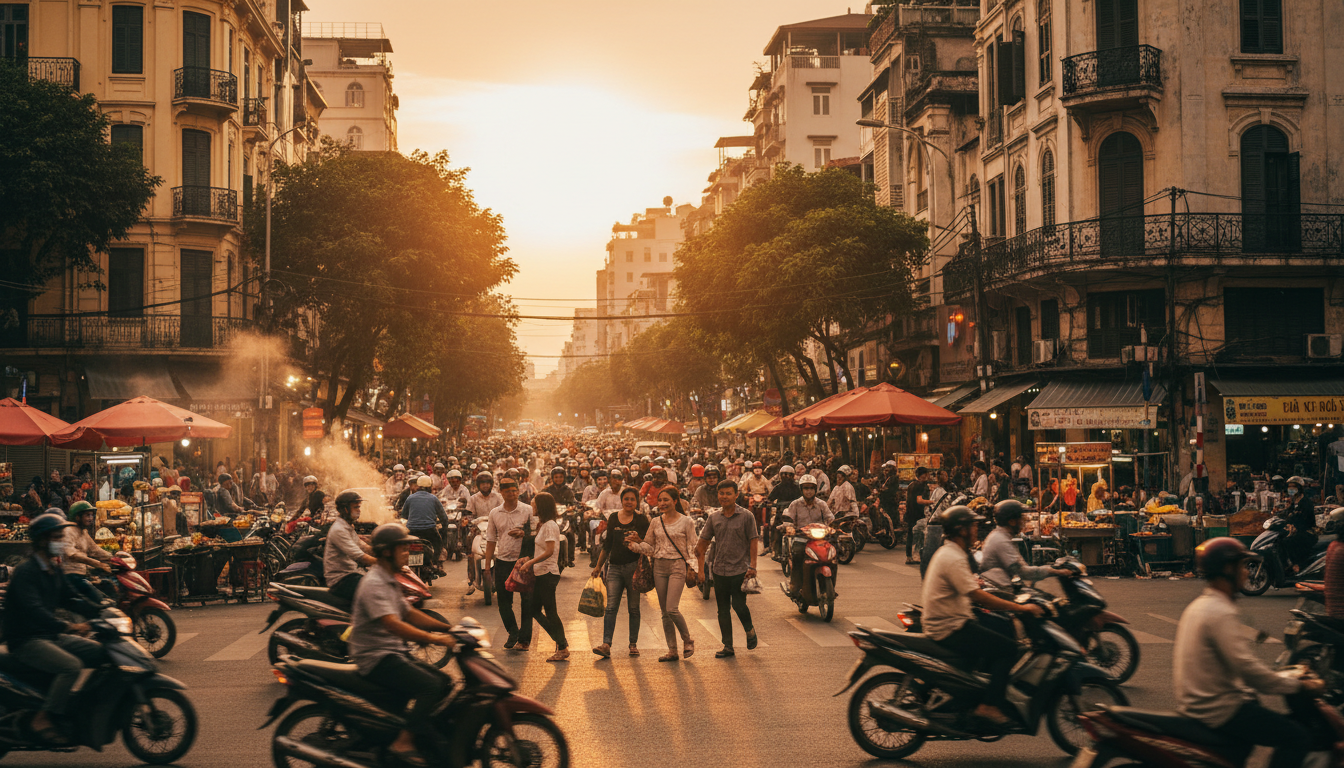
Ho Chi Minh City travel guide searches usually come from one simple problem: travelers want a city that feels exciting, easy to explore, and worth more than a quick stopover. Ho Chi Minh City solves that well. It mixes colonial landmarks, energetic street life, strong food culture, and modern districts that still feel deeply local, which is why many visitors end up staying longer than planned.
The city is still widely called Saigon in everyday conversation, especially by locals, because the name carries history, identity, and a more intimate city feel. For first-time visitors, that matters. It signals a place where old and new live side by side, from French-era buildings and busy markets to rooftop bars and hidden alley cafés, all within a compact travel footprint.
At a glance, Ho Chi Minh City is Vietnam’s largest urban hub and the best place to understand how the country moves today. You will see office workers sharing sidewalks with fruit sellers, scooters weaving through food stalls, and creative neighborhoods growing around old apartment blocks. That contrast is the city’s real appeal: it is not polished in the usual tourist sense, but it is full of life, detail, and momentum.
A practical way to experience it is by district. District 1 works for history and landmarks, District 3 feels more local and walkable, and District 5 brings Chinese-Vietnamese heritage into focus. If you want to add a food-centered experience without wasting time on planning, consider HCMC food experiences as a soft starting point, especially if your trip is short and you want the city to feel immediate.
Feature snippet: Ho Chi Minh City is one of Southeast Asia’s most dynamic destinations because it combines history, local street culture, and fast-changing neighborhoods in one compact city. Visitors often call it Saigon, and that older name reflects the city’s everyday rhythm, heritage layers, and more personal, local feel.
| Criteria | District 1 | District 3 | District 5 |
|---|---|---|---|
| Best for | First-time sightseeing | Local atmosphere | Heritage and food |
| Travel feel | Busy and central | Calmer and walkable | Cultural and tradition-rich |
The best time to visit Ho Chi Minh City is usually the dry season from December to April, when rain is lighter and walking between markets, cafés, and landmarks is easier. This is also the most reliable period for couples, solo travelers, and families who want smooth logistics and more outdoor time. For a deeper regional trip, many travelers pair the city with Da Nang tours or continue onward to the central coast.
If you enjoy festivals and busy city energy, late January to February can be rewarding because Lunar New Year changes the atmosphere completely. Some shops close briefly, but streets, decorations, and family gatherings make the city feel unusually vivid. The tradeoff is worth knowing in advance, because timing here affects both convenience and the type of local experience you get.
When planning a Ho Chi Minh City travel guide itinerary, think in layers: choose dry months for comfort, festive weeks for atmosphere, and shoulder periods if you prefer fewer crowds and better value. If you want to compare options across Vietnam before booking, browse all Toward Local tours to match the pace of your trip with the right destination.
If you are building a local-focused Vietnam itinerary, start with the city that shows the country’s pace, flavor, and energy in the clearest way.
Book enough time in Ho Chi Minh City to explore beyond the obvious, because the real reward comes from its neighborhoods, food, and everyday street life.
How to Explore Ho Chi Minh City Like a Local
Ho Chi Minh City travel guide planning gets much easier when you stop treating the city like one big downtown. The real experience is district by district, where narrow streets, hidden cafes, and late-night food spots shape the rhythm of the day. If you want a local-style trip, focus on where people actually live, eat, and move instead of only checking landmark stops.
For adventurous travelers, the best approach is simple: stay central, move smart, and leave room for spontaneous detours. District 1 gives you first-timer convenience, District 3 adds a more lived-in feel, and District 4 brings a rougher, more energetic edge. That mix is what makes the city feel real, especially if you like exploring on foot between meals, markets, and small neighborhood streets.
Featured snapshot: The best local-style route in Ho Chi Minh City is a district-based plan. Start in District 1 for easy access, spend more time in District 3 for authentic street life, and use District 4 for food and riverfront energy. Move by Grab or taxi for comfort, walk short distances in calmer areas, and use buses only when you are not in a hurry.
The main districts to know, including District 1, District 3, and District 4
District 1 is the practical base for a first stay. It is where you will find major hotels, museums, and the easiest access to cafes, bars, and day tours. The tradeoff is higher prices and more traffic, but if you are arriving jet-lagged or traveling with family, the convenience is worth it. A useful rule is to sleep in District 1, then spend your daytime hours elsewhere.
District 3 feels more local without being difficult to navigate. You will see older apartment blocks, tree-lined streets, and a stronger neighborhood pace. It is a good area for couples and solo travelers who like walking between coffee shops, temples, and casual restaurants. For a more spontaneous meal stop, you can also pair a District 3 afternoon with a local food tour that shows you how residents eat beyond the usual tourist strips.
District 4 is smaller but full of energy. It has a gritty, everyday feel that appeals to travelers who want something less polished and more real. The area is especially useful for street food, night scenes, and short rides back into District 1. A simple decision rule helps here: choose District 1 for convenience, District 3 for atmosphere, and District 4 for a more adventurous food-first experience.
| Criteria | District 1 | District 3 | District 4 |
|---|---|---|---|
| Best for | First-time visitors and easy access | Local atmosphere and walking | Food hunting and edgy nightlife |
| Travel style | Comfort and speed | Balanced and relaxed | Adventurous and casual |
If you want to experience the city through local eating, planning a guided route can save time and reduce guesswork, especially on a short trip.
How to get around using taxis, ride-hailing apps, motorbikes, and public transportation
For most visitors, ride-hailing apps are the easiest way to move around. They are clear on price, simple to use, and helpful when the heat or rain makes walking less appealing. Taxis are also reliable if you choose a reputable company and confirm the meter before leaving. This is the safest option for families, newcomers, and anyone arriving late at night.
Motorbikes are the fastest local-style option, but they are best for confident travelers who are comfortable with traffic. They work well for short hops between districts, especially when you want to skip congestion. Public buses are cheaper, but they demand more planning and patience, so they suit slow travelers more than tight schedules. A smart mix is to walk in compact areas, use Grab for longer hops, and save motorbike rides for calm daylight trips.
For readers who want a deeper local experience without handling every detail alone, all Toward Local tours can be a useful starting point when building a flexible city plan. The main insight is that transport in Ho Chi Minh City works best when you match the vehicle to the moment, not when you force one method for the whole day.
Book a local-style food experience or neighborhood tour if you want to spend less time navigating and more time tasting, observing, and enjoying the city like someone who knows where to go.
Top Things to Do in Ho Chi Minh City for First-Time Visitors
Ho Chi Minh City travel guide planning starts with one simple rule: do not try to see everything. First-time visitors enjoy the city more when they mix one landmark, one neighborhood walk, one market, and one food stop per day. That balance gives you the Saigon energy without turning the trip into a rushed checklist.
The city is best for travelers who like street-level discovery, local food, and a little contrast between old and new. In one morning, you can visit a cathedral and post office, then spend your afternoon in a hidden alley café, and finish with a bowl of noodles in a busy local district. That rhythm is what makes a first trip feel real.
For a first visit, prioritize District 1 for landmarks, District 3 for walkable local life, and Cholon in District 5 for heritage and food. Add one market, one museum, and one strong street food meal. If you only have one day, stay central. If you have three or five days, spread out slowly and let the city open up.
Start with the core sights that explain the city fast. The Reunification Palace, Central Post Office, and Notre Dame area give you the French colonial layer, while the War Remnants Museum adds the historical context many travelers need. Nearby, Ben Thanh Market is busy and touristy, but it still works as a reference point before you move to more local places. If you want a calmer, better-paced food experience, book a HCMC food tour and learn what locals actually eat in everyday neighborhoods.
After the headline sights, shift into places with stronger local texture. District 3 is ideal for walking past old villas, shaded streets, temples, and family-run cafes. Cholon in District 5 is where you see a different side of the city, with Chinese-Vietnamese temples, herbal soups, and wholesale markets that feel active rather than staged. A good rule: one cultural stop, one snack stop, and one coffee stop in each district keeps the day varied without wasting time in traffic. For travelers who want to keep exploring Vietnam after Saigon, all Toward Local tours can help you compare trip styles before booking.
Key priorities by interest
| Criteria | Best choice | Why it works | Who it suits |
|---|---|---|---|
| First-time landmarks | District 1 | Easy access to major sights | Short stays and beginners |
| Local atmosphere | District 3 and Cholon | More everyday life and better food variety | Solo travelers and couples |
Build your itinerary by time, not by attraction count. In one day, focus on District 1 plus one food stop and one evening viewpoint. In three days, add District 3 and Cholon so you can compare colonial history, modern cafes, and heritage food. In five days, slow down enough to include a market morning, an art or craft stop, and a more local dinner experience. A soft way to make the trip smoother is to pre-book one guided meal or neighborhood walk, especially if you want fewer logistics and more local insight.
Simple itinerary structure
1 day: landmarks in the morning, local lunch, coffee break, rooftop or river evening
3 days: District 1, District 3, Cholon, one museum, one market, one specialty meal
5 days: add slower mornings, hidden cafes, shopping in apartment-style lanes, and one deeper food-focused experience
If you travel as a couple, balance busy sightseeing with one relaxed dinner and one sunset drink. If you travel solo, use cafes, markets, and walkable districts to stay flexible. Families usually do best with shorter transit and a clear rhythm, while adventurous travelers can push deeper into alleyways and specialty food streets. The best Ho Chi Minh City travel guide is the one that leaves room for surprise, not exhaustion.
For a stronger local experience, choose one organized activity that saves time and improves access to the city’s food culture. A well-run Ho Chi Minh City food experience is especially useful when you want to sample multiple dishes without guessing what to order. End the trip with one final meal in a district you have not explored yet, because the city changes fastest when you see it from more than one angle.

Where to Stay, Eat, and Compare Travel Options in Ho Chi Minh City
Ho Chi Minh City travel guide planning gets easier when you match where you stay and eat with the way you travel. In this city, the right district can save you time, reduce taxi hopping, and make your days feel more local. The sweet spot is not the fanciest option, but the one that fits your pace, budget, and appetite for adventure.
For first-time visitors, solo travelers, couples, and families, the main trade-off is between convenience, character, and cost. District 1 puts you close to major sights and late-night food, while District 3 and Thao Dien offer a calmer rhythm with stronger neighborhood feel. That choice shapes everything from breakfast to your last drink of the night.
Choose your base by travel style. Budget stays work best for street-food hunters and solo travelers, mid-range stays suit couples and families who want comfort with access, and luxury stays fit travelers who want service, skyline views, and easy transfers. In Ho Chi Minh City, district choice often matters more than hotel star rating.
How to choose between budget, mid-range, and luxury stays based on your travel style
Budget stays are the best fit if you plan to spend most of your time outside. Think clean hostels in District 1 or simple guesthouses near District 3, where you can walk to food alleys, coffee shops, and evening markets. A solo traveler who wants more experiences than room service will usually get the best value here.
Mid-range hotels make sense if you want comfort without losing the local feel. This is the strongest option for couples and families who need reliable air conditioning, easier check-in, and quieter sleep after a long day exploring. If you want a balanced base before joining local food tours or moving between districts, this tier is usually the smartest choice.
Luxury stays are less about showing off and more about convenience in a busy city. Expect better soundproofing, rooftop pools, strong concierge support, and shorter recovery time between sightseeing stops. A common mistake is paying for luxury in the wrong area; a polished hotel in a walkable district often beats a bigger room far from the action.
| Criteria | Budget | Mid-range | Luxury |
|---|---|---|---|
| Best for | Solo travelers and backpackers | Couples and families | Comfort-focused travelers |
| Travel feel | Local, flexible, social | Balanced, easy, practical | Private, polished, seamless |
| Best area | District 1 or 3 | District 3 or Thao Dien | District 1 |
Browse all Toward Local tours if you want to pair your stay with a food-first itinerary, then build the rest of your trip around neighborhood discovery instead of long transfers.
Comparing street food, local restaurants, and rooftop dining for different experiences
Street food is the fastest way to understand the city. It is cheap, lively, and often the most memorable part of the trip, especially in busy alleys where locals stop for noodles, banh mi, broken rice, or iced coffee between work and errands. For adventurous travelers, this is the most direct way to eat like the city eats.
Local restaurants are the best middle ground when you want cleaner seating, clearer menus, and a deeper sense of regional cooking. A good family-run place can still feel authentic without the chaos of a sidewalk stall, which matters if you are traveling with kids or want to relax between sightseeing stops. This is also where many travelers discover the difference between everyday comfort food and polished Vietnamese cuisine.
Rooftop dining is the experience play. You pay more for the view, slower pacing, and a more curated evening, which works well for couples, celebrations, or a final night in the city. If your trip includes a mix of eating styles, start with street food for lunch, then move to a guided Ho Chi Minh City food experience for context, and save rooftop dining for sunset.
The best trips in Ho Chi Minh City usually combine all three. Street food gives energy, local restaurants give comfort, and rooftop dining gives perspective. That mix keeps the city from feeling one-dimensional and helps you match each meal to the mood of the day.
For adventurous travelers from Europe, North America, Korea, and Japan, the strongest strategy is simple. Stay in a district that reduces transit friction, eat street food when the energy is high, choose local restaurants when you want a pause, and use rooftops only when the skyline is part of the experience. Book the base that supports movement, then let the city do the rest.
If you want a trip that feels local from the first meal to the last evening, plan your stay around walkable districts and anchor your food choices around real neighborhood spots. Start with Toward Local to compare experiences, then build a Ho Chi Minh City itinerary that matches your travel style and makes every stop count.
Ho Chi Minh City Travel Guide Tips, FAQs, and Final Planning Advice
Ho Chi Minh City travel guide planning gets much easier when you stop treating the city like a quick stopover. The biggest mistake is trying to cover everything in one day, then spending too much time in traffic and too little time in the neighborhoods that actually feel local. Focus on one base, one food plan, and one flexible evening, and the city starts to make sense fast.
For adventurous solo travelers, couples, and families from Europe, North America, Korea, and Japan, the real win is balance. Stay central, use reliable transport, keep small cash ready, and leave room for alley cafes, street food, and evening walks. If you want a deeper local feel, pairing this chapter with local food tours in Saigon can save time while helping you read the city like a resident.
The best way to plan Ho Chi Minh City is to stay in a central district, use Grab or trusted taxis, carry small Vietnamese dong notes, and avoid overpacking your schedule. Most first-time visitors enjoy the city more when they mix one or two major sights with local food, slow exploration, and a realistic travel pace.
Common mistakes travelers make usually come down to overconfidence. Many people assume every taxi is fair, every crossing is simple, and every market price is fixed. In reality, the city rewards calm habits: check the meter, confirm the destination, and ask for prices before ordering anything unlabelled. A small example is coffee, where a good cafe may still serve better value than a rushed street stop if you are unsure about hygiene or communication.
Safety is more about attention than fear. Keep your phone secure on sidewalks, avoid flashing cash, and use a crossbody bag in busy areas. For etiquette, dress modestly when visiting temples, speak softly inside sacred spaces, and hand money or cards with two hands when possible. locals often appreciate visitors who move confidently but politely, especially in crowded night markets and alleyways.
Money is straightforward if you prepare well. Carry some small notes for food stalls, parking, and short rides, because not every place wants large bills. Cards are common in hotels and modern restaurants, but cash still matters for the most local experiences. If you are building a wider Vietnam itinerary, it can also help to compare your city base with Da Nang experiences or Hoi An day trips before booking the full route.
| Criteria | Central District 1 | District 3 | Thao Dien |
|---|---|---|---|
| Best for | First-time visitors and short stays | Food lovers and slower city walks | Families, expats, and riverside stays |
| Main tradeoff | Busier and more touristy | Less polished hotel cluster | Farther from the core center |
FAQ
How do I get around Ho Chi Minh City?
Grab is the simplest option for most visitors, especially after dark or when crossing district lines. Walking works best in compact areas, while buses are cheaper but slower and less intuitive for newcomers.
How expensive is a trip?
Budget travelers can manage on modest daily spending if they rely on street food, simple cafes, and midrange hotels. Costs rise quickly with rooftop bars, private transfers, and upscale dining, so the biggest variable is your lifestyle, not the city itself.
Where should I stay?
District 1 is best for convenience, District 3 is a smart middle ground, and Thao Dien suits longer stays or travelers who want a quieter base. If you care most about local energy, choose the area that puts you near food lanes and walkable streets rather than only big hotels.
Is Ho Chi Minh City worth visiting?
Yes, especially if you enjoy a city that feels alive, layered, and easy to explore through food, cafes, and neighborhood contrasts. It is not just worth a stopover; it works well as a standalone destination when you give it at least two to four full days.
If you want to turn planning into a smoother trip, start with one district, one food strategy, and one reliable transport app. Then build your days around the city’s best strengths: local meals, small discoveries, and flexible pacing. For travelers who want less guesswork and more real neighborhood experience, browse all Toward Local tours and match the route to your travel style before you arrive.