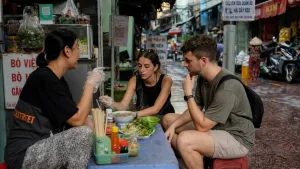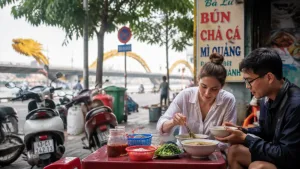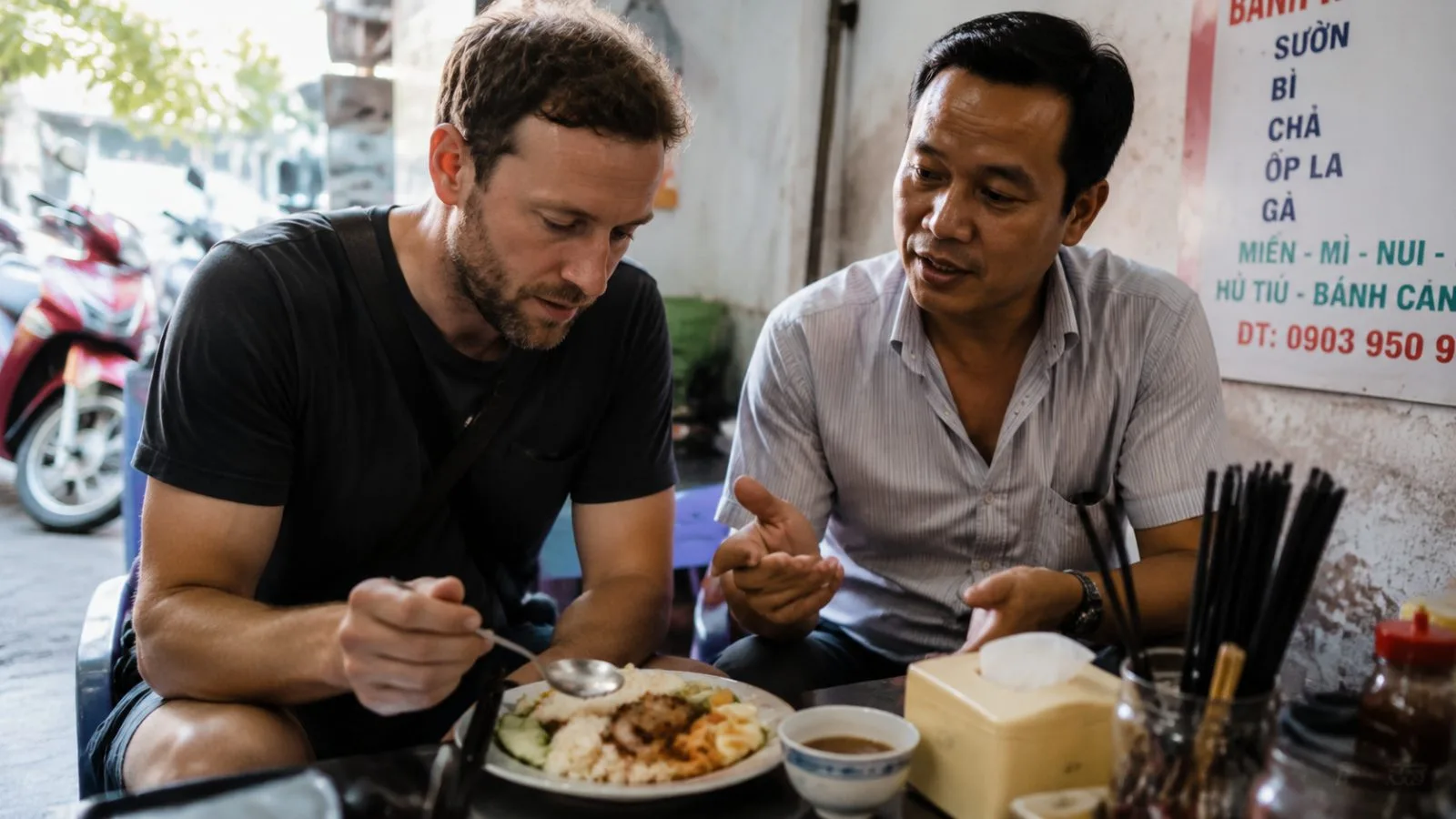

Com tam Long Xuyen is the kind of dish first-time visitors look for when they want something local, filling, and easy to understand. If you have ever felt unsure about where to start with Vietnamese broken rice, this is a simple entry point because it feels familiar, yet clearly belongs to An Giang cuisine.
In this guide, you will see what makes the rice different, why the toppings matter, and how the flavor balance works in everyday food culture. For travelers planning a food stop, it helps to compare styles before choosing where to eat, and places like Toward Local tours can make that search feel much easier.
What Com Tam Long Xuyen Is and Why It Matters
Com tam Long Xuyen is a regional broken rice dish from An Giang that stands apart from the better-known Saigon version. If you are planning a local food stop in the Mekong Delta, this is one of the clearest dishes to try when you want something rooted in place, not just a popular menu item.
For first-time visitors, the main challenge is knowing what makes it different and whether it is worth the detour. The short answer is yes, especially if you enjoy adventurous local food, smaller family-run eateries, and dishes that tell you where they come from before you even ask.
Com tam Long Xuyen is a Long Xuyen-style broken rice dish from An Giang, usually served with sliced braised pork, eggs, pickles, and sweet fish sauce. It matters because it reflects the cooking style of southwestern Vietnam, where balanced sweetness, soft textures, and simple home-style toppings create a distinct regional identity.
The easiest way to define com tam Long Xuyen is by its three visible signals: the rice, the toppings, and the sauce. The rice is often finer and softer than many travelers expect, while the topping usually leans toward braised pork and egg instead of grilled pork chops. The fish sauce is sweeter, thicker, and designed to coat every bite.
This matters because food in Long Xuyen is not just about taste. It is a quick read on the region itself. In An Giang food culture, sweetness is familiar, comfort is central, and meals often feel complete without complexity. That is why many locals see com tam Long Xuyen as everyday food rather than a special occasion dish. For a deeper city-context stop, you can combine it with all Toward Local tours when planning a wider Mekong route.
Examples of what you may notice at a good shop:
- thin slices of caramelized pork belly instead of grilled ribs
- a boiled or broken egg served with sauce
- small-grain broken rice that feels firmer and more compact
- sweet fish sauce that ties the plate together
One useful insight is that travelers often compare it with Saigon broken rice, but the comparison only helps if you focus on texture and seasoning. Saigon versions usually feel bolder and smokier, while Long Xuyen style feels softer, sweeter, and more home-cooked. If your trip also includes city food exploration, HCMC food tours can help you contrast the two styles in one itinerary.
| Criteria | Long Xuyen Style | Saigon Style | Why It Matters |
|---|---|---|---|
| Main topping | Braised pork and egg | Grilled pork chops | Shows regional identity |
| Flavor profile | Sweeter and softer | Smokier and richer | Helps travelers choose by taste |
Travelers usually search for com tam Long Xuyen when they are already headed to the Mekong Delta, planning a food-focused day trip, or looking for something local that is not heavily commercialized. That search pattern is important because it means the dish often appears at the stage when people want confidence, not just inspiration.
If you are building a food-first trip through southern Vietnam, this is the kind of dish that rewards curiosity. It is simple, affordable, and easy to recommend for solo travelers, couples, and families who want a real local meal without needing insider language skills. For more regional variety, Da Nang tours and Hoi An tours can help you compare how Vietnamese food changes from one destination to another.
In practical terms, com tam Long Xuyen matters because it gives you an entry point into Long Xuyen itself. When a dish carries the name of a city, it usually signals more than a recipe. It signals local pride, daily habits, and the kind of flavor balance residents actually prefer. If that is the experience you want, make it part of your route and book a food-led itinerary early.
How Com Tam Long Xuyen Is Made and Served
Com tam Long Xuyen is a southern Vietnamese broken-rice dish defined by its softer balance, sweeter seasoning, and a topping style that feels more homestyle than grilled. Travelers who want to understand what makes it different from Saigon-style cơm tấm usually need one clear answer: the details matter. The rice, the pork, the egg, and the sauce all work together in a way that feels local, practical, and easy to love.
For first-time visitors, the dish can look simple at a glance, but that is exactly why it is worth paying attention to. In Long Xuyen and in authentic city shops, the serving style is built for everyday eating, not performance. That makes it a useful dish for adventurous solo travelers, couples, and families who want to try a meal that locals actually order on repeat.
Com tam Long Xuyen is made with broken rice, thinly sliced braised pork, egg, pickles, and a sweet fish sauce that ties everything together. The rice is usually softer and finer than Saigon-style versions, while the topping leans toward braised flavors instead of grilled meat. It is served hot, simple, and fast, the way locals prefer it for lunch.
Core Ingredients Behind the Dish
The main identity of com tam Long Xuyen comes from three things: com tam nhuyen rice, caramelized pork, and egg. The rice is usually finer and firmer than the broken rice many travelers know from Ho Chi Minh City. The pork is braised, sliced thin, and often served with a glossy sauce that clings to every bite. The egg adds richness and makes the plate feel more complete.
The sweetness is not a mistake, it is the signature. In the Mekong Delta, dishes often lean slightly sweeter, and that shows up clearly in the fish sauce and braising liquid. If you are comparing styles, this is where the regional personality becomes obvious.
| Criteria | Long Xuyen style | Saigon style | What travelers notice |
|---|---|---|---|
| Rice texture | Finer, firmer, more compact | Looser, softer, more common | Long Xuyen feels more distinctive |
| Toping profile | Braised pork and egg | Grilled pork chop | Long Xuyen tastes more homestyle |
The Usual Preparation and Plating Style
In a typical shop, the dish is built quickly but carefully. The rice goes first, then the pork and egg are arranged on top, followed by pickles and a spoon or two of fish sauce. The plating is meant to stay practical: easy to eat, easy to mix, and easy to serve during busy lunch hours. That speed is one reason locals trust it as a daily meal.
For visitors booking a local food experience, this is the kind of dish that shows how Vietnamese lunch culture works in real life. You order, sit down, and eat while the food is still warm. If you want to compare it with other southern favorites, HCMC food tours often include similar no-fuss stops where the atmosphere matters as much as the flavor.
If you are planning a food-first trip, try com tam Long Xuyen early in the day when the rice is freshest and the toppings are still glossy. It is one of the easiest ways to experience a regional specialty without needing advanced food knowledge.
A Real-World Example of How Locals Enjoy It
A local lunch is usually straightforward: one plate, one drink, and little waiting. A worker might choose the standard set for a fast meal, while a family may add a pork chop or a fried egg for more volume. The meal works because it is flexible. You can keep it light, or build it into a heavier lunch depending on your schedule and appetite.
Think of it this way: the dish is not trying to impress with complexity, but with balance. The sweet sauce, tender pork, and warm rice create a familiar rhythm that feels comforting even for a first-time visitor. That is why com tam Long Xuyen stays popular with both locals and travelers who want an authentic meal that still feels accessible.
If your trip includes Vietnam’s southern food culture, make room for this dish on your list. It is one of those meals that explains a region better than a guidebook, and it gives you a clear, memorable taste of everyday Long Xuyen eating.
Why Com Tam Long Xuyen Is Popular with Locals and Visitors
com tam Long Xuyen stands out because it combines a softer, finer broken rice base with deeply savory toppings that feel both familiar and regional. For first-time visitors, that balance matters: the dish is easy to understand, but still different enough to feel like a local discovery. The result is a meal that is comforting, affordable, and memorable without being heavy to approach.
The appeal is not just flavor. It is the contrast in texture, the sweet-savory sauce, and the way the dish fits real travel routines. In busy neighborhoods, locals often choose it for a fast, reliable meal, while visitors like it because it reveals how southern Vietnamese cooking changes from city to city. If you are exploring the food culture of the Mekong, a stop for guided local food experiences can help you recognize those regional differences faster.
Com tam Long Xuyen is a regional broken rice dish from southern Vietnam known for fine rice grains, caramelized pork, egg, and a sweeter fish sauce. It is popular because it is filling, affordable, and easy to eat for breakfast, lunch, or a quick meal.
Its biggest strength is the flavor and texture mix. The rice is firmer and smaller-grained than the Saigon version, while the pork and egg add richness without feeling too greasy. The sweet fish sauce ties everything together, so each bite feels complete rather than separated into parts.
- Finer rice gives a lighter chew and better sauce absorption
- Caramelized pork adds depth, salt, and a soft glossy finish
- Egg brings creaminess and makes the plate feel more filling
- Pickles and fish sauce keep the dish balanced for repeated bites
That is why many travelers remember it after a single meal. It feels local, but not intimidating. If your trip also includes HCMC food tours, this is the kind of dish that helps explain how everyday Vietnamese comfort food works in real life, not just in restaurants.
People choose it in different moments of the day because it is practical. Locals may eat it before work, during a lunch break, or when they want something quick that still feels like a proper meal. Visitors often pick it when they need a safe first step into regional food, especially if they prefer dishes with clear ingredients and no complicated ordering process.
| Criteria | Breakfast | Lunch | Quick meal |
|---|---|---|---|
| Best for | Early, filling start | Reliable midday fuel | Fast, low-stress order |
| Why it works | Warm rice and protein | Balanced and satisfying | Easy to finish quickly |
For travelers who like adventurous trips but still want dependable food, this dish is a smart choice. It is local enough to feel authentic, yet familiar enough for couples, solo travelers, and families to enjoy without hesitation. The simple advice: when you see it on a menu, order it once and compare it with other broken rice styles in the city.
In practice, com tam Long Xuyen works because it solves three common travel needs at once: it is easy to find, easy to eat, and easy to enjoy without prior knowledge. That mix is exactly why locals keep returning to it and visitors keep talking about it after they leave. If you want to explore more regional food with less guesswork, consider Hoi An tours or other curated routes that connect meals with local context.
Best use cases: order com tam Long Xuyen when you want a quick breakfast before sightseeing, a dependable lunch between attractions, or a light but complete meal after arriving in a new city. It is one of those dishes that rewards curiosity while staying easy for first-time visitors to trust.
How to Choose a Good Com Tam Long Xuyen Spot
Com tam Long Xuyen is easiest to enjoy when you know what to look for before you sit down. The best spots are not always the busiest, and the cheapest plate is not always the best value. If you are traveling solo, with a partner, or with family, a smart choice saves time, avoids weak flavors, and helps you find a place that feels genuinely local.
A good spot usually balances three things: fresh rice, a clearly made sauce, and a kitchen that can handle steady turnover. In practice, that means watching how locals order, how quickly dishes leave the counter, and whether the toppings look cooked in small batches. For adventurous travelers, this is the difference between a forgettable meal and a real regional experience.
Featured tip: choose the place where the rice looks freshly steamed, the braised pork still glistens, and the sauce is poured to order. Those details often matter more than a fancy sign or a long online review. If you want to plan a broader food route after this meal, you can also compare it with Toward Local tours for a smoother local-food day.
When comparing street stalls, casual shops, and local eateries, start with speed, seating, and consistency. Street stalls often win on atmosphere and price, while casual shops usually offer cleaner seating and more stable quality. Local eateries can be the best middle ground because they often serve regulars all day, which pushes them to keep standards high. A practical choice depends on your schedule: quick lunch, relaxed dinner, or a stop between sightseeing. If you are building a city food day, the full tour list can help you pair food stops with neighborhoods.
| Criteria | Street Stall | Casual Shop | Local Eatery |
|---|---|---|---|
| Best for | Fast, cheap, very local | Comfort and easy seating | Balanced taste and value |
| Watch for | Steady crowd and fresh sauce | Clean counter and turnover | Local regulars and clear prep |
Better taste often shows up in small signs. Fresh rice should feel light, not dry or clumped. Braised pork should look glossy without tasting overly sweet. Eggs should be firm but still tender. The fish sauce matters most: if it is balanced, the whole plate comes together; if it is thin or too sugary, the dish loses depth. These are the cues that separate a dependable meal from a tourist trap.
If you want the right place based on your needs, use a simple filter. Solo travelers may prefer compact shops with fast service. Couples usually enjoy quieter local eateries with more comfortable seating. Families should look for places with enough room, quick delivery, and easy ordering. A good middle option is a neighborhood spot that serves regular lunch traffic, because that usually means the kitchen knows how to keep quality steady even during busy hours.
If you are planning a local-food stop as part of a bigger trip, save time by checking nearby food experiences before you go. That way, you can match your meal with the right neighborhood and avoid random detours.
In the end, the best choice is not the place with the loudest online praise. It is the one where the rice is fresh, the toppings are handled with care, and the room feels like real daily life. For travelers who want com tam Long Xuyen with honest flavor and fair value, trust the line of locals, the smell at the counter, and the pace of the kitchen. If those three are strong, you are probably in the right place.
Bottom line: go for freshness, regular customers, and a menu that feels specific rather than overdone. That combination usually leads you to the most satisfying plate and the most authentic experience.
Common Mistakes, FAQ, and Final Tips for Trying It
Com tam Long Xuyen is easiest to enjoy when you know what makes it different from Saigon-style broken rice. Many first-time visitors expect grilled pork, a heavy sauce, and a familiar taste, then miss the dish’s softer texture, sweeter braise, and the balance between rice, egg, and pork belly. The fix is simple: slow down, taste the sauce first, and treat it as a regional dish, not a copy of another one.
If you are traveling with friends, family, or solo, this is a smart stop for a local food break that feels authentic without being difficult to order. It also fits adventurous diners who want something deeply southern Vietnamese but still approachable. When you plan a wider food day, consider pairing it with a guided Saigon food tour or browsing all Toward Local tours for more local ideas.
Mistakes first-time eaters often make
Many visitors overdo the fish sauce, skip the pickles, or expect the same smoky char as com tam Saigon. A better approach is to taste in this order: rice, egg, pork belly, then sauce. The rice is usually finer and firmer, so it absorbs flavor quickly. The sweet-savory profile may feel unusual at first, but that is exactly why the dish stands out in Mekong Delta cooking.
| Criterion | Good Choice | Risky Choice | Why It Matters |
|---|---|---|---|
| First bite | Small spoon of rice and sauce | Pouring all sauce at once | Lets you control sweetness and salt |
| Topping order | Egg and pork belly together | Eating only the meat | Shows the full texture contrast |
FAQs about com tam Long Xuyen
What is it? It is a Long Xuyen regional version of broken rice with caramelized pork belly, egg, pickles, and a sweeter fish sauce. How is it different from Saigon com tam? The rice is usually finer, the toppings are less grilled and more braised, and the sauce tends to be richer and sweeter. Is it good for beginners? Yes, because the flavor is bold but familiar enough to feel comforting.
What should you order first? A standard plate is enough for most people. If you want a bigger meal, add a fried egg or extra pork cut, but do not overload the plate on your first try. The best version is often the balanced one, where every element still has room to show its own texture and flavor.
If a shop serves the rice hot and keeps the sauce slightly thick, the dish usually tastes more cohesive. That small detail often matters more than extra toppings.
A simple CTA for exploring more local Vietnamese dishes
If this style of broken rice makes you curious, use it as a starting point for a wider food trip. Local dishes across Vietnam often reward patient tasting more than flashy presentation, and that is especially true in southern comfort food. For travelers staying in central Vietnam, Hoi An food tours and Da Nang tours are also strong choices for discovering everyday flavors with less guesswork.
Try one regional dish, learn its rhythm, and then build the rest of your trip around that experience. That is the easiest way to turn a single meal into a better travel memory, especially if you prefer places that feel local, lively, and a little off the usual tourist path.
Com tam Long Xuyen is a southern Vietnamese broken rice dish known for finer rice, braised pork belly, egg, pickles, and a sweeter fish sauce. First-time eaters should start with a small bite, mix the sauce gradually, and compare the texture to Saigon-style broken rice to understand its regional character.
Final tip: go at lunch, when the rice is freshest and the dining room feels busiest. That is usually when the dish tastes most complete, and when you can best judge whether the shop really understands the Long Xuyen style. For travelers who like real local food and want more than one stop, this is exactly the kind of meal that can anchor a memorable day out.