
Vu Lan Festival is the best-known Buddhist observance in Vietnam for filial piety, but many first-time visitors only hear about the rose ritual and miss the deeper meaning. If you want to understand why families go to pagodas, prepare offerings, and speak about gratitude so openly, this introduction gives you the clearest starting point.
At its core, Vu Lan Festival connects remembrance, compassion, and family duty in a way that still feels very alive in modern Vietnam. Travelers who join a local Ho Chi Minh City food tour or spend time near neighborhood temples often notice how food, incense, and prayer shape everyday culture, not just special occasions. That is what makes the festival meaningful for both locals and curious visitors.
| Criteria | Traditional view | Modern view | What travelers notice |
|---|---|---|---|
| Meaning | Honor parents and ancestors | Gratitude, compassion, reflection | Rose pins, temple visits, family offerings |
| Experience | Religious ceremony | Cultural and spiritual event | Quiet pagodas, vegetarian meals, local customs |
For visitors planning a deeper cultural day, the festival is easier to appreciate when paired with a guided local experience, especially in places where tradition is still visible in the street. If your trip also includes Central Vietnam, you can compare how the spirit of remembrance feels different in Hoi An tours, where heritage streets and temple life create a slower, more reflective atmosphere.
Vu Lan Festival is a Vietnamese Buddhist observance that honors parents, ancestors, and gratitude. It is celebrated through temple visits, offerings, rose-pin rituals, vegetarian meals, and charitable acts, especially on the 15th day of the 7th lunar month. Travelers see it as both a spiritual tradition and a living cultural experience.
For a quick takeaway, think of Vu Lan Festival as a day when family respect becomes public, visible, and deeply symbolic. A daughter wearing a white rose, a son bringing fruit to the altar, or a group quietly praying at a pagoda all show the same idea: gratitude is not private here, it is part of community life.
If you are planning Vietnam travel around cultural seasons, this is one of the most rewarding times to observe local behavior with real context. Stay with the article to learn the origin, key rituals, and the best places to experience Vu Lan Festival in an authentic way.
What Is the Vu Lan Festival and Why It Matters
Vu Lan Festival is one of Vietnam’s most meaningful Buddhist observances, held on the 15th day of the seventh lunar month. It is a time for honoring parents, remembering ancestors, and reflecting on gratitude. For travelers, it also offers a rare window into everyday Vietnamese values, not just temple rituals.
At its core, Vu Lan is about filial piety, a deep respect for family that shapes home life, ceremonies, and even the way people speak about duty. If you are planning a culturally rich trip, understanding this festival helps you read the country with more clarity. It is not only a religious date; it is a social code that still matters today.
Vu Lan Festival is a Vietnamese Buddhist holiday that honors parents and ancestors on the seventh lunar month full moon. It combines prayer, offerings, and remembrance, while also revealing how strongly family gratitude shapes Vietnamese culture.
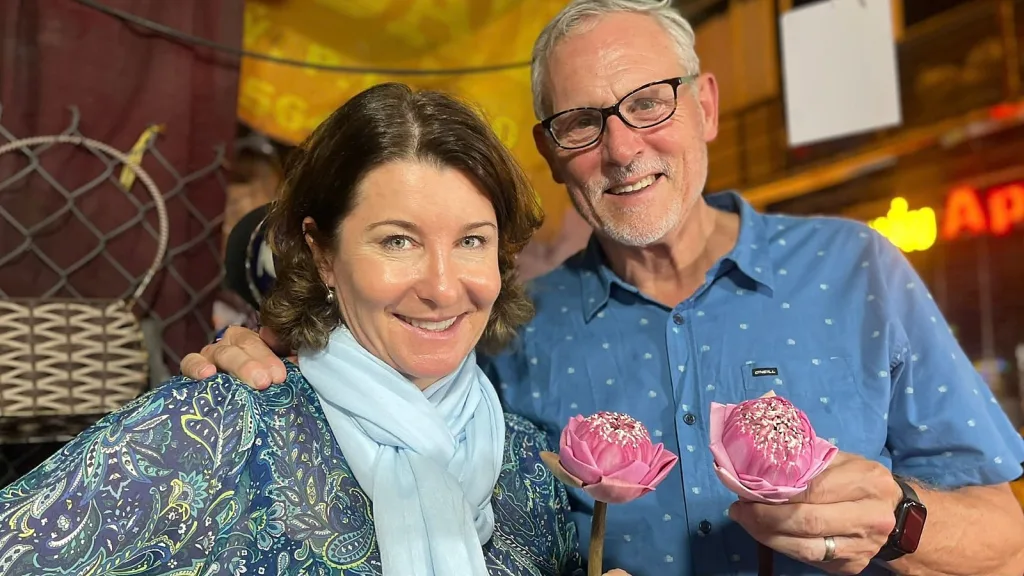
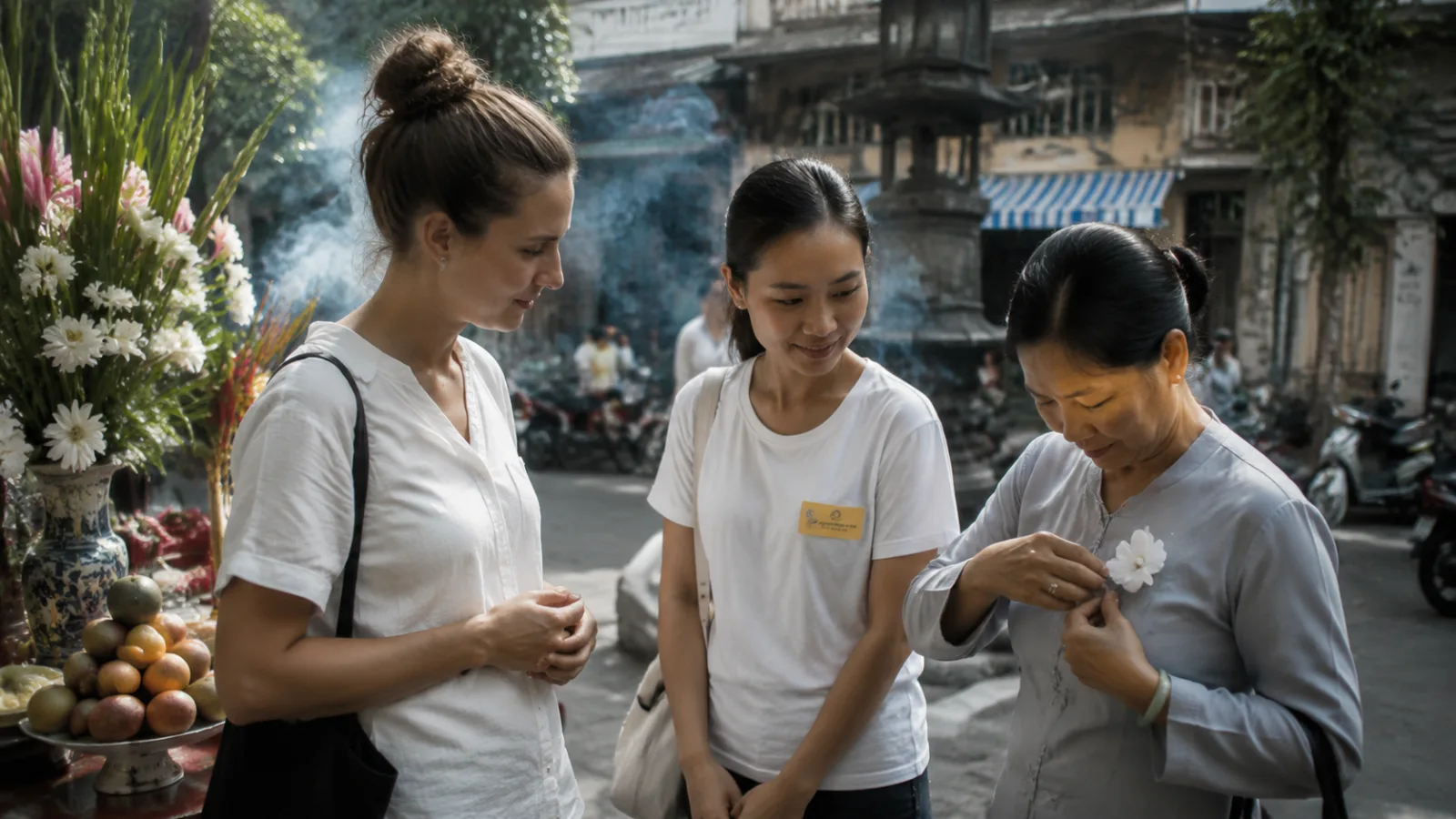
In practical terms, the festival is easy to spot in pagodas and family homes. You may see incense, fruit trays, flower offerings, and people wearing red or white roses on their chest. Red means a living mother or both parents are still present; white is a sign of remembrance. This small detail tells you a lot about how emotion, religion, and social memory come together in Vietnam.
Many travelers expect Vu Lan to feel quiet or ceremonial, but it often feels deeply human. Families arrive together, children help prepare offerings, and monks lead prayers that are both spiritual and personal. That mix is what gives the festival its lasting power.
| Criteria | Vu Lan | Typical Cultural Holiday | Traveler Value |
|---|---|---|---|
| Core focus | Parents, ancestors, gratitude | Seasonal celebration or public holiday | High cultural insight |
| Best place to observe | Pagodas and family altars | Festivals, parks, city events | Authentic local experience |
If you want to pair this experience with a deeper local journey, consider exploring all tours of Toward Local, especially if your trip includes temple visits, food stops, or neighborhood walks. In Ho Chi Minh City, a HCMC food tour can be a good match because seasonal dishes and family-style meals often reflect the same values of sharing and remembrance.
Why it matters: Vu Lan is not just about ritual. It explains how Vietnamese people express love, loss, duty, and respect in daily life. For first-time visitors and adventurous travelers alike, that makes it one of the most useful cultural touchpoints in the country.
The Origins, Legends, and Buddhist Meaning Behind Vu Lan Festival
Vu Lan Festival is one of Vietnam’s most important Buddhist observances, but many travelers first encounter it as a mix of temple rituals, family offerings, and quiet acts of remembrance. If you want to understand what is happening around pagodas and altars in August, the key is simple: this festival is built on filial piety, compassion, and gratitude.
The legend behind it gives the day emotional weight, while Buddhist teaching turns it into a living tradition. That is why Vu Lan Festival feels both deeply personal and widely shared, especially in cities where local families visit temples, bring flowers, and honor parents in a very visible way.
The core story centers on Maudgalyayana, known in Vietnam as Muc Kien Lien, one of the Buddha’s great disciples. After gaining spiritual insight, he saw his mother suffering in the realm of hungry spirits. He tried to save her by offering rice, but it turned to flames, showing that love alone was not enough to undo karma.
The Buddha then explained that liberation required collective merit and ritual support from the monastic community. In practice, this means the meaning of the festival is not just private devotion, but shared spiritual action. A visitor may see families at a pagoda in local Ho Chi Minh tours, lighting incense beside parents and grandparents, then joining a merit-making ceremony that reflects this teaching.
This is why the festival matters so much to Vietnamese families abroad and at home. It is a reminder that caring for parents is not only emotional; it is also a moral duty shaped by Buddhist values.
| Criterion | Legend | Buddhist Meaning | Traveler Takeaway |
|---|---|---|---|
| Muc Kien Lien story | Son saves his mother through merit | Compassion needs community support | Temples become active ritual spaces |
| Festival symbol | Rose pinned to the chest | Gratitude for living or departed parents | Easy sign of the festival in public |
In modern Vietnam, Buddhist values shaped the festival into a public expression of remembrance, charity, and filial care. You may see people offering food, donating to the poor, or attending chanting sessions, and these actions are all connected by the same idea: merit should benefit others, not only the self.
For travelers who want a deeper cultural route, the most rewarding experience is often to observe respectfully, then continue into a neighborhood meal or all Toward Local tours that connect temple visits with real local life. That balance of spiritual meaning and everyday practice is what makes Vu Lan unforgettable.
Vu Lan Festival comes from the Buddhist story of Muc Kien Lien, who sought help to save his mother from suffering. The festival became a time for honoring parents, making merit, and expressing gratitude through temple rituals, charity, and the symbolic rose worn on the chest.
If you want to understand Vietnam beyond sightseeing, start with Vu Lan Festival. It reveals how religion, family duty, and compassion shape daily life, and it gives travelers a rare chance to witness a tradition that is both emotionally powerful and culturally authentic.
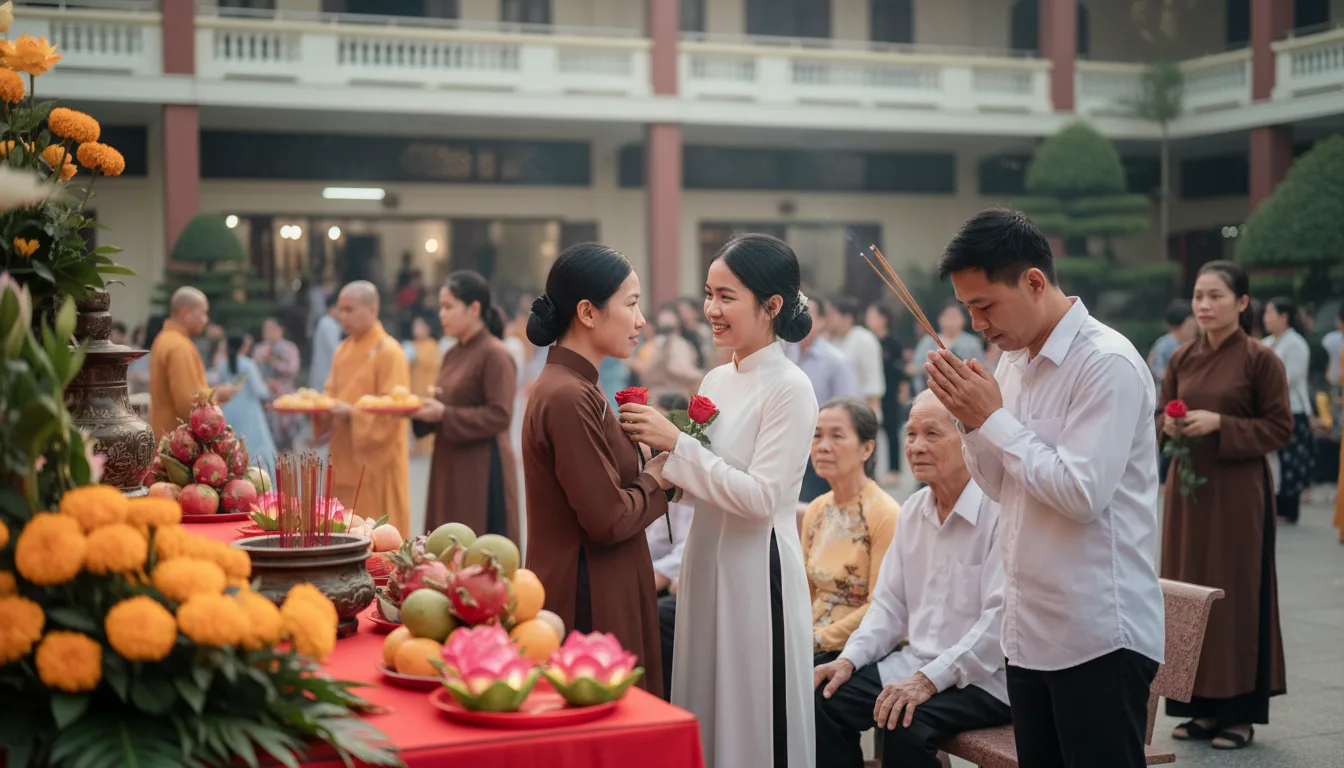
How the Vu Lan Festival Is Celebrated Today
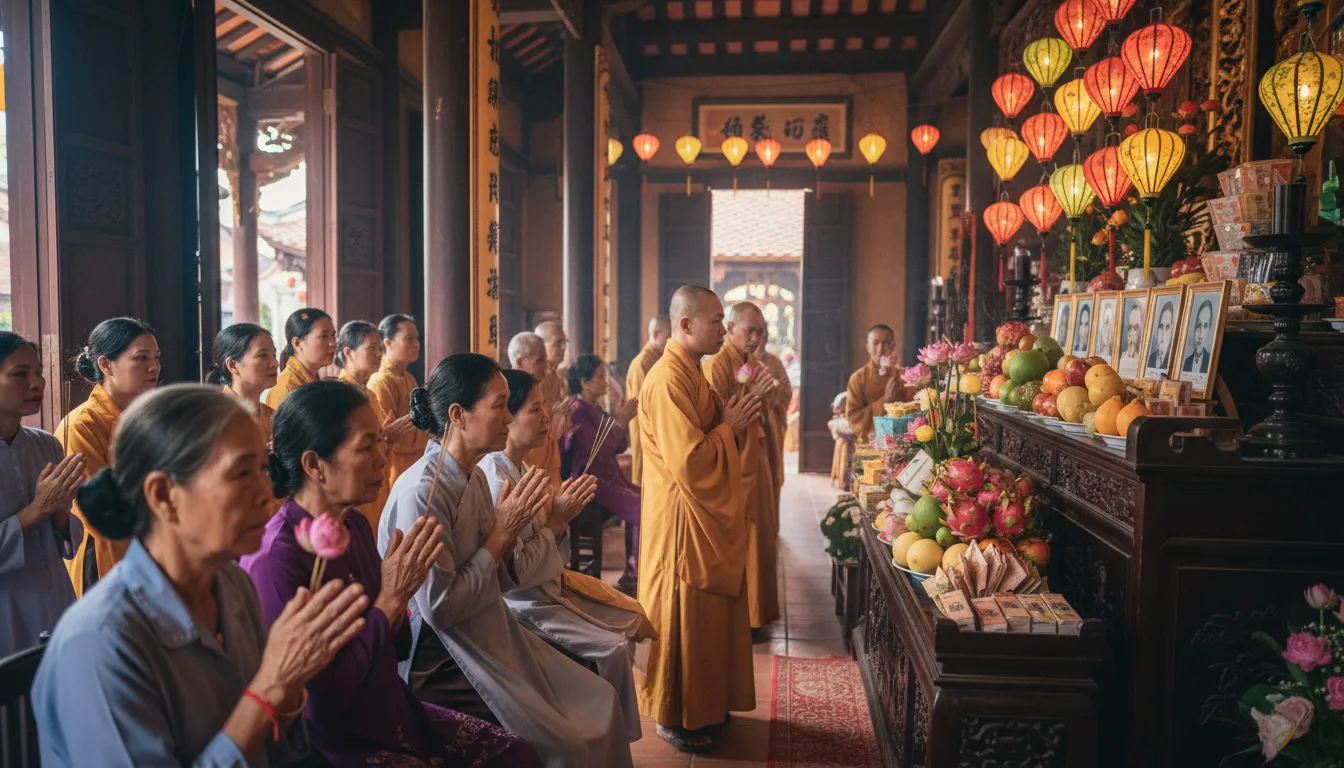
Vu Lan Festival today is less about formal ceremony alone and more about visible gratitude in everyday life. Visitors often notice incense at family altars, quiet temple visits, and small acts of care that connect children to parents and ancestors. For travelers, that makes the festival easy to understand, but best experienced with context and respect.
A simple way to read the festival is to look for three layers at once: family devotion, Buddhist merit-making, and community charity. In cities like Ho Chi Minh City and Hoi An, the atmosphere is active but orderly, with locals arriving before sunset, carrying flowers, fruit, and paper offerings. If you want to explore more local cultural experiences, a stop on HCMC local tours can help you understand the festival in real settings rather than from a distance.
Vu Lan Festival is celebrated today through temple offerings, ancestor worship, charitable acts, and the red rose ceremony. Families visit pagodas, prepare vegetarian food, and honor parents with flowers, prayers, and shared meals. The tradition blends Buddhist practice with Vietnamese family values, making it one of the country’s most emotional cultural observances.
At temples, the most common rituals are practical and easy to observe: lighting incense, offering fruit and flowers, joining chanting sessions, and listening to monks speak about filial piety. Some pagodas also organize food donations, releasing birds or fish as a compassionate gesture, and memorial prayers for deceased relatives. A useful traveler tip is to arrive early, dress modestly, and stay quiet during the main ceremony.
Modern celebrations add a more personal layer. The red rose ceremony has become a powerful symbol: red for those whose mothers are still alive, white for remembrance. Many Vietnamese families also share a vegetarian meal, call relatives, or visit the family altar at home. For travelers combining culture with local food, Toward Local tours can fit well around temple visits, especially if you want to balance spiritual observation with authentic neighborhood experiences.
| Criteria | Temple ritual | Family tradition | Traveler value |
|---|---|---|---|
| Best for | Prayer and merit-making | Ancestor respect and reunion | Authentic cultural insight |
| What you see | Incense, chanting, offerings | Rose pins, meals, altar visits | Respectful, memorable experience |
If you are traveling during Vu Lan, the best approach is simple: observe first, participate gently, and follow local cues. That mindset helps you experience the festival as Vietnamese families do, through gratitude, restraint, and shared memory. For a deeper trip that connects culture, food, and everyday life, this is one of the most meaningful times of year to be in Vietnam.
If you want to see Vu Lan Festival traditions in a real neighborhood setting, plan a local-guided experience that pairs pagodas, markets, and family-focused stops.
Book a culture-led Vietnam trip that lets you experience temple rituals, local meals, and the red rose tradition with a guide who understands the festival from the inside.
The Deeper Benefits and Cultural Value of Vu Lan Festival
Vu Lan Festival is more than a religious observance. It is a living social ritual that teaches gratitude, slows family life down, and gives travelers a rare look at how Vietnamese households express respect across generations. For visitors who want local culture with real emotional depth, this is one of the clearest windows into daily values in Vietnam.
A featured insight: the festival turns abstract ideas like filial piety into visible actions. Children bring offerings, adults visit pagodas, and families speak more openly about parents, memory, and care. In cities such as Ho Chi Minh City, many travelers combine temple visits with a local food walk, especially when pairing a cultural stop with Ho Chi Minh City tours that reveal the city beyond the usual landmarks.
The deeper benefit is emotional renewal. A short ceremony can reset family priorities in a way that feels practical, not ceremonial. For example, many Vietnamese families use Vu Lan to gather for a simple meal, clean the ancestor altar, and share stories about grandparents. That small routine often does more to strengthen bonds than a formal celebration.
Gratitude becomes easier when it is linked to action. A bowl of fruit, a quiet prayer, or a shared vegetarian meal can be enough to remind people that family care is not a once-a-year duty. It is a habit built through repetition, respect, and presence.
| Criteria | Family Impact | Community Impact | Diaspora Value |
|---|---|---|---|
| Core meaning | Honors parents and ancestors | Encourages shared values | Keeps heritage alive abroad |
| Practical result | Stronger communication | More charity and temple activity | Family members stay emotionally connected |
For younger generations, Vu Lan also works as a cultural bridge. Many students and young professionals do not fully practice traditional rituals every day, but they still respond to the festival because it gives them a clear reason to reconnect. In a fast, global lifestyle, that matters. It creates a moment to pause and ask what family responsibility means today.
This is especially relevant for diaspora families. A Vietnamese family in Paris, Toronto, or Seoul may not follow every local custom, but they can still light incense, cook a familiar meal, or call relatives back home. Even a simple ritual can preserve identity across distance. Travelers who want to understand how culture adapts over time can browse all Toward Local tours for more locally grounded Vietnam experiences.
For visitors, the value is not only spiritual but social. You see how a festival can connect households, neighborhoods, and overseas families through shared remembrance. That is why Vu Lan feels so relevant now. It is traditional, but it still speaks to modern life, where people want meaning, belonging, and a more human pace.
If you are planning a trip during the festival season, choose experiences that let you observe respectfully, move slowly, and meet local people in real settings. That is where the culture becomes memorable.
For travelers who want a deeper, more authentic understanding of Vietnam, Vu Lan Festival is worth timing your journey around. It offers a rare chance to see gratitude in action and to experience a tradition that still shapes family life, community values, and cultural identity today.
Common Misunderstandings, Practical Tips, and FAQs About Vu Lan Festival
Vu Lan Festival is often misunderstood by first-time visitors as a single temple ceremony, but it is really a wider season of family respect, offerings, and quiet reflection. Travelers who know the basics can avoid awkward mistakes and experience the festival with more confidence, especially in busy cities like Ho Chi Minh City and Hoi An.
For international visitors, the main challenge is not language, but context. Some customs are symbolic rather than literal, and the best way to participate is to observe carefully, dress modestly, and follow the mood of the space. If you want to see how locals combine spirituality and daily life, pairing a temple visit with one of our Ho Chi Minh tours can help you understand the city beyond the usual sightseeing route.
Common mistakes visitors make include treating incense as a photo prop, speaking too loudly inside pagodas, or assuming every offering has the same meaning everywhere. In reality, local practice can vary by region, and the respectful approach is simple:
- Arrive early and move slowly
- Wear covered shoulders and knees
- Ask before taking photos of people or altars
- Keep your voice low near prayer areas
| Criteria | Good approach | Common mistake | Why it matters |
|---|---|---|---|
| Temple behavior | Quiet, observant, modest | Noisy, rushed, casual | It shows respect for worshippers |
| Participation | Follow local cues | Copy rituals without asking | It prevents cultural misunderstanding |
Vu Lan Festival is held on the 15th day of the 7th lunar month. Red roses symbolize having living parents, white roses symbolize remembrance, and respectful participation means dressing modestly, staying quiet in temples, and following local custom rather than forcing your own ritual style.
The most asked question is about the roses. Red roses are worn by people whose parents are still alive, while white roses usually honor those whose mother has passed away, though some communities interpret the symbolism more broadly. The date also shifts by the lunar calendar, so travelers should always confirm the exact day before planning temple visits or cultural activities.
If you are in central Vietnam, Hoi An experiences can be a gentle way to combine culture, food, and heritage without feeling intrusive. A helpful rule is to watch first, then join only when the action is clearly open to visitors.
When in doubt, follow this simple checklist: ask, observe, step back, and thank your host. That small habit makes your visit more meaningful and helps you join Vu Lan Festival with genuine respect rather than tourist curiosity.
For travelers who want a deeper cultural day, choose guided experiences that explain temple etiquette and local stories in context. A local expert can save you from mistakes, make the festival easier to understand, and turn a short visit into a stronger memory. If you are planning a broader Vietnam trip, explore all Toward Local tours to match the festival with the right city and pace.
If you want to experience the festival respectfully and without confusion, book a local-led cultural tour that gives you the right timing, the right route, and the right context.
Choose a guided local experience now so your Vu Lan Festival visit becomes meaningful, comfortable, and culturally accurate from the first stop to the last.