
Vietnam 0% alcohol limit is the first rule every driver, rider, tourist, and expat should understand before getting on the road. Vietnam does not use a safe drinking margin, so even one drink can turn a normal ride into a fine, a checkpoint stop, or an insurance problem. If you are planning to drive here, the safest move is simple: assume zero alcohol and plan your night accordingly.
This matters because drink driving laws in Vietnam are enforced seriously, especially around cities, nightlife areas, and early-morning checkpoints. Many visitors are surprised by the alcohol test rules, but the system is clear: if you are the one driving, you need a clean reading. For a practical local trip, it helps to build your day around transport options, or use a trusted local operator like all tours of Toward Local when you want adventure without the risk of driving after a drink.
What the Vietnam 0% Alcohol Limit Means
Vietnam 0% alcohol limit means drivers and riders are expected to have no measurable alcohol in their system before they get on the road. In practice, that includes motorbike riders, car drivers, and professional drivers, because even a small amount can turn into a traffic violation during a checkpoint.
The policy is not just a legal rule. It reflects Vietnam’s road safety priorities after years of alcohol-related crashes, especially at night and around holiday travel. For visitors, the main takeaway is simple: if you drank at dinner, at a beer stall, or after a long day exploring, do not assume you are safe to ride home.
In real life, this rule matters most after social drinking, late-night street food stops, and family celebrations where drinking can be part of the atmosphere. A traveler who feels fine may still fail a breath test the next morning, which is why timing matters as much as volume.
For a practical comparison of travel styles, see all Toward Local tours when planning routes that keep your schedule flexible, or choose a city experience like Ho Chi Minh City food tours if you want local culture without worrying about driving after drinks.
| Criteria | What it means | Who should pay attention | Best action |
|---|---|---|---|
| Zero alcohol rule | No measurable alcohol before driving | Motorbike, car, and professional drivers | Do not ride after drinking |
| High-risk moments | Nightlife, holidays, morning checkpoints | Travelers, expats, locals | Use a taxi or leave the vehicle |
Vietnam’s 0% alcohol limit means any measurable alcohol can lead to a fine for drivers and riders. The law applies to motorbikes, cars, and professional drivers, and the highest risk moments are after social drinking, holiday travel, and early-morning checkpoints.
If you want to explore Vietnam safely and still enjoy the local food scene, plan your transport first and your drinks second. Book flexible travel, leave the wheel to someone sober, and you avoid fines, stress, and insurance problems.
If you are building a route-heavy trip and want low-friction logistics, choose experiences that do not require self-driving after dinner.
For a safer local adventure with zero alcohol worries, browse Toward Local tours and plan your Vietnam days around walking, riding, and eating without the risk of a checkpoint mistake.
How the Vietnam 0% Alcohol Limit Is Enforced
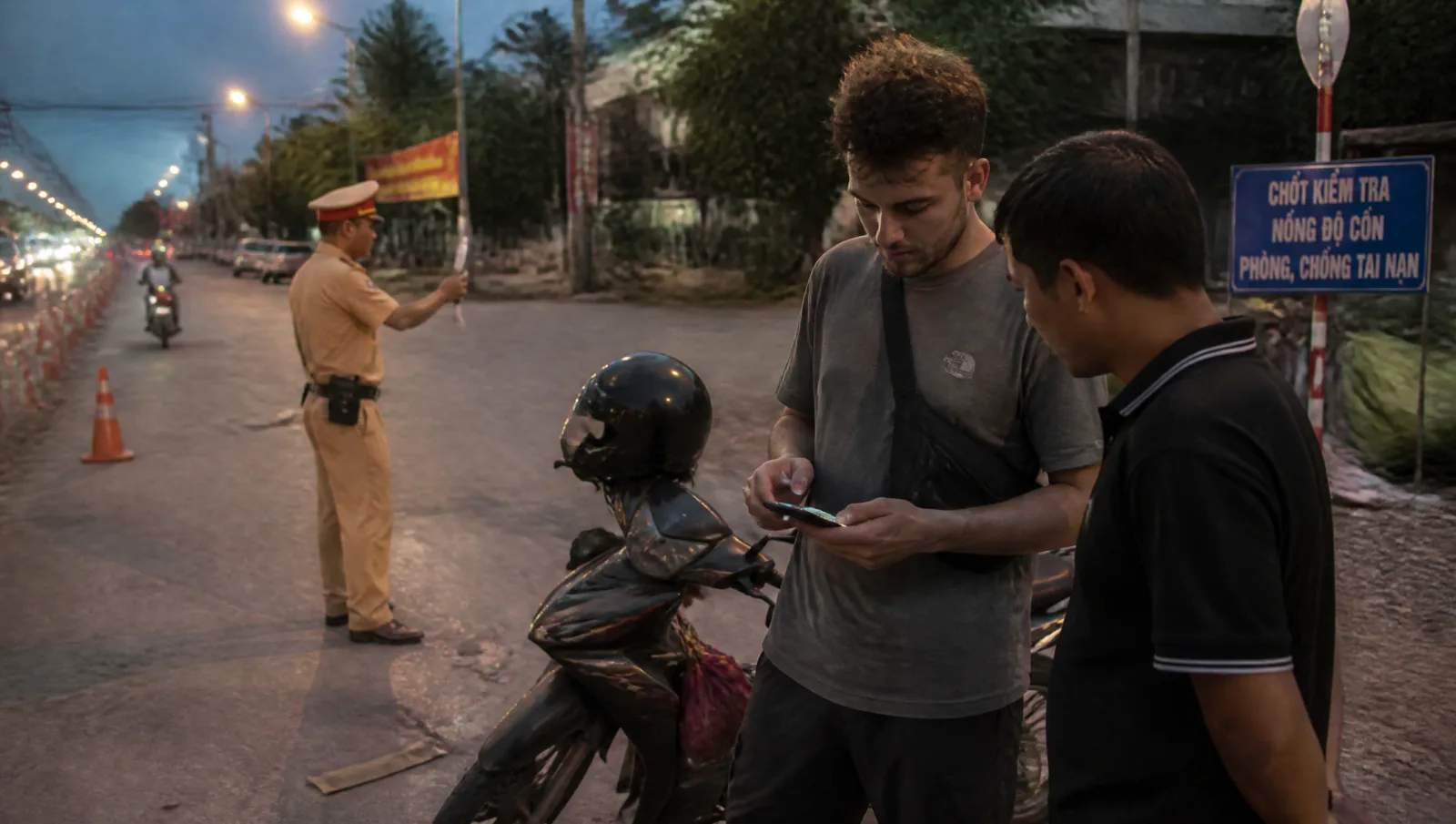
Vietnam 0% alcohol limit is enforced through visible traffic checkpoints, random stops, and breath testing that can happen day or night. For foreign riders, the key issue is not only the roadside test but also the delay, document check, and legal risk that can follow even a small drink.
What catches many travelers off guard is how routine the process looks. Officers may wave vehicles into a funnel lane, ask for your papers, then decide whether you need a quick breath test or a full device test. If you are planning a night out, the safest approach is to avoid riding after drinking and use a taxi or book a local ride instead, such as HCMC food tours or a city transfer when you want a hassle-free evening return.
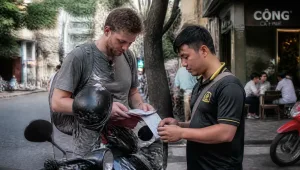
At a checkpoint, expect three things: stop, document check, and testing. Police typically ask for your passport copy, driving license, IDP if applicable, and vehicle papers. If an officer suspects alcohol, you may be asked to blow into a roadside breath device, then repeat the test with a sealed mouthpiece for a more accurate result. This can take a few minutes or longer if several riders are being processed.
Practical trigger examples include riding after one beer at dinner, being stopped near a nightlife district, or passing a morning checkpoint after heavy drinking the night before. Even trace alcohol can matter because the Vietnam 0% alcohol limit is strict, and breath tests can detect residue from recent drinking, mouthwash, or certain fermented foods. A small amount may still lead to a stop, paperwork review, or a longer wait while officers verify the reading.
Penalties depend on the vehicle and reading, but they usually include a fine, possible license action, and in serious cases vehicle retention. For motorbikes and cars, the consequences can escalate fast once alcohol is confirmed. A low reading may still create a costly roadside record, while a higher result can mean suspension, impoundment, and extra recovery fees if you are on a rental.
| Criterion | Low Risk | Higher Risk | What It Means |
|---|---|---|---|
| Roadside outcome | Paper check only | Secondary breath test | Expect delays if alcohol is suspected |
| Legal consequence | No violation | Fine or impound risk | Even a small reading can become expensive |
Enforcement of the Vietnam 0% alcohol limit usually starts with a checkpoint stop, document inspection, and breath testing. Drivers should carry original papers, expect possible delays, and know that even a small amount of alcohol can trigger fines, license issues, or vehicle retention.
If you are building a route around northern or central Vietnam, plan your evenings around transport first, then food, then drinks. That is the easiest way to keep your trip smooth and avoid a roadside problem.
For travelers who want local exploration without stress, it is smarter to stay flexible and choose transport that does not depend on riding after dinner. Browse Hoi An tours or check all tours from Toward Local when you want an experience that keeps the logistics simple and the focus on the destination.
Why the Vietnam 0% Alcohol Limit Matters for Road Safety
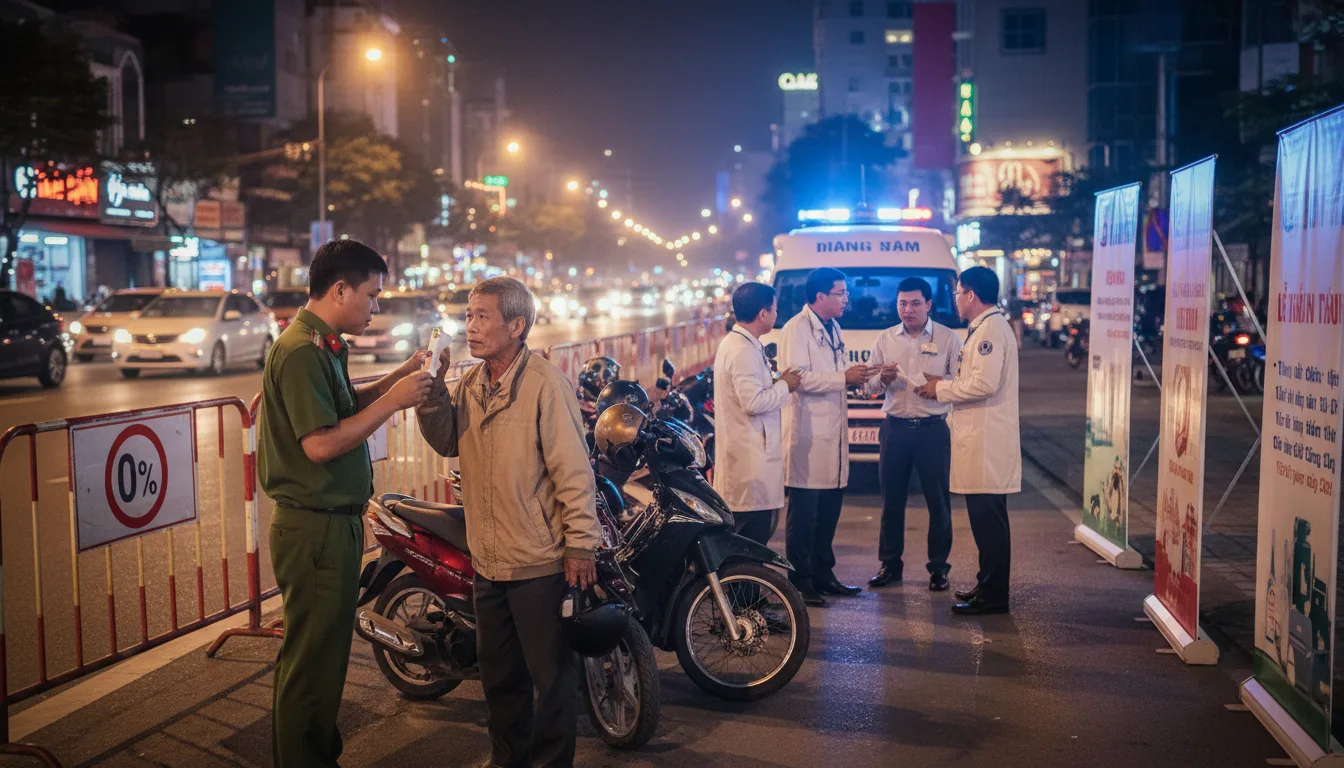
Vietnam 0% alcohol limit matters because it removes the gray area that often leads to poor decisions on the road. For visitors, expats, and locals alike, the rule reduces drunk-driving incidents, lowers crash risk, and creates safer streets in cities where traffic already moves quickly and unpredictably.
Vietnam applies a strict zero alcohol rule for drivers and riders. If you plan to drink at dinner, at a wedding, or during a night out, do not ride afterward. Arrange a taxi, ride-hailing app, or designated driver before the evening starts.
The safety benefit is simple: when alcohol is not allowed at all, enforcement is easier and drivers are less likely to bargain with themselves after one beer. That supports broader traffic management goals, especially in busy areas where one risky rider can affect many other people on the road.
Common situations where the rule matters include business dinners, rooftop bars, beach nightlife, weddings, and holiday gatherings. A practical example is a couple leaving a celebration in Da Nang or a solo traveler finishing dinner in Hanoi and deciding between a bike and all Toward Local tours the next day. If drinking is part of the plan, make the transport plan first.
| Criteria | Safe Choice | Risky Choice | Best Action |
|---|---|---|---|
| After one drink | Use Grab or taxi | Ride a motorbike | Leave the bike parked |
| Group dinner or wedding | Pre-book return transport | Hope you feel fine | Plan a sober driver |
For travelers who want to stay flexible and still enjoy local food and nightlife, this is where smart planning pays off. If you are spending time in Ho Chi Minh City, consider matching dinner plans with a Ho Chi Minh City food tour or choosing accommodation that makes it easy to return without riding.
The strongest rule of thumb is this: if there is any chance you will drink, do not treat your vehicle as the backup option. Book your ride first, keep your documents safe, and protect your insurance coverage. That is the simplest way to enjoy Vietnam’s social life while staying compliant and safe.
Vietnam 0% Alcohol Limit vs. Other Countries’ Drink-Driving Rules
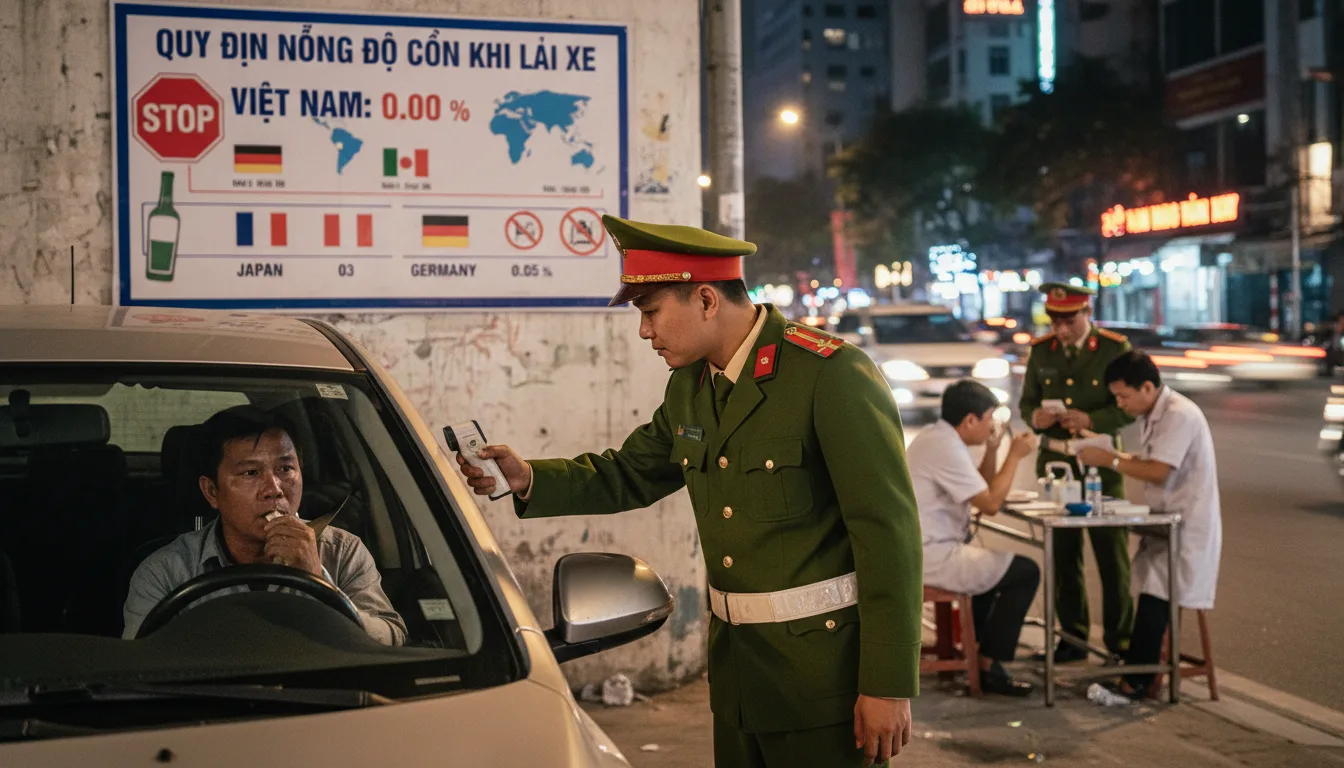
Vietnam 0% alcohol limit means there is no legal buffer for drivers or riders. If you plan to rent a motorbike, drive a car, or join a nightlife dinner, the rule is simple: do not drink before taking the wheel. Visitors from countries with low legal BAC thresholds often underestimate how strict this is, and that mistake can lead to fines, insurance problems, and a ruined trip.
In many countries, a small amount of alcohol is still legal, such as 0.02 percent or 0.05 percent BAC. Vietnam does not use that model. Here, the law is built around zero tolerance, so even one beer can become a problem if you are stopped. For foreign travelers, the safest mindset is to treat every ride as a sober ride, especially after sunset or early the next morning.
In practice, the difference is not just legal wording. A threshold-based system allows a measured margin, while a zero-tolerance system removes judgment calls and makes enforcement faster. That helps police and makes the rule easier to explain, but it also means visitors must be more careful with drinks, mouthwash, and the morning after. If you are planning a food-focused evening, consider booking a local experience through HCMC Food Tours and leave the driving to someone else.
| Criteria | Vietnam | Low-BAC Countries | Visitor takeaway |
|---|---|---|---|
| Legal limit | Zero alcohol allowed | Small BAC buffer may be legal | Do not rely on habit |
| Enforcement | Clear and strict | Often threshold-based | Plan a sober return |
A strict no-alcohol policy has real advantages: it is easy to understand, easier to enforce, and strongly discourages risky night riding. The downside is inconvenience, especially for travelers used to having one drink with dinner. The fastest way to adapt is to decide in advance who will drive, use Grab or a taxi after drinking, and keep a hotel or homestay parking plan ready. For a broader overview of local travel options, see all tours of Toward Local.
Vietnam uses a zero-tolerance drink-driving rule, which means any alcohol in your system can make driving or riding illegal. Unlike countries with low BAC limits, there is no safe social-drinking buffer. The best visitor strategy is simple: drink after you park, or book a ride instead of taking the vehicle.
Quick adaptation steps for visitors:
1. Assume zero means zero before every ride.
2. Use ride-hailing after dinner or drinks.
3. Do not trust the morning after if you drank heavily.
4. Carry your documents and keep your bike parked overnight when needed.
The safest rule for solo travelers, couples, and families is to separate drinking from driving entirely. That small habit protects your money, your insurance, and your trip.
If you want to explore Vietnam without worrying about traffic rules, choose guided routes, local transport, or a planned tour instead of self-driving after alcohol.
Book a local-led trip, keep your evenings flexible, and enjoy Vietnam with zero stress by treating the Vietnam 0% alcohol limit as non-negotiable.
Common Mistakes, FAQs, and What to Do Instead
Vietnam 0% alcohol limit means there is no safe legal margin for drivers or riders. The most common mistakes happen when travelers assume one drink is harmless, trust their own tolerance, or believe food and time will cancel out alcohol quickly. In reality, checkpoints are common, and even a small amount can lead to fines, vehicle delays, and a ruined day.
What matters most is not how you feel, but how the law is enforced. A beer with dinner, a late-night cocktail, or a long wait after drinking does not create a guaranteed exception. For visitors planning a motorbike day trip, an evening out, or a scenic drive, the safer move is to decide before the first drink whether you will use a taxi, a ride-hailing app, or a designated driver.
The Vietnam 0% alcohol limit is enforced as a zero-tolerance rule for anyone operating a car or motorbike. One drink can still create legal risk, especially if police test you at a checkpoint. The safest choice is not to drive after any alcohol at all.
Frequent mistakes are easy to avoid once you know the pattern. A few travelers say they feel fine after one beer, but personal tolerance is not a legal defense. Others assume food slows absorption enough to make riding safe, yet meals only soften the effect, they do not reset your BAC. Nightlife areas, beach towns, and city centers are also common enforcement zones, so the risk rises when you are least focused.
Use this quick decision check before you start the engine:
| Criteria | Best Choice | Risk Level | What to Do |
|---|---|---|---|
| Had any alcohol | No driving | High | Take a taxi or ride-hailing app |
| Planning a long ride | Stay sober | High | Use a designated driver |
If you want a low-stress way to explore Vietnam after dinner, consider booking a local experience instead of self-driving, such as HCMC food tours or Hoi An tours, where transport planning is handled for you.
FAQ
Is the Vietnam 0% alcohol limit really zero for all drivers? Yes. The rule is enforced as a zero-tolerance standard for anyone operating a car or motorbike. In practice, that means no legal drinking margin before driving.
Can you drive after one beer in Vietnam? No safe answer exists. Even one beer may be enough to trigger a breath test, especially if you are stopped soon after drinking. The smart assumption is that one drink still counts.
What happens if police stop you after drinking? You may be tested, fined, and in some cases have your vehicle held or impounded. If you are a foreign driver, the process can also become slow and expensive, especially if documents are missing.
Does the rule apply to motorbikes? Yes. It applies to motorbikes, scooters, and cars. For many travelers, this is the biggest surprise because short rides often feel harmless but are treated the same way under the law.
What is the safest alternative if you plan to drink? Stop driving before you drink. Use a taxi, a ride-hailing app, or a designated driver, and if you are staying out late, leave the vehicle parked until the next day.
Before you ride, check the latest local traffic rules, because enforcement can change fast. If you plan to drink, skip the risk and choose a taxi, a ride-hailing app, or a designated driver instead. It is the simplest way to protect your trip, your wallet, and your peace of mind.