
Vietnam police guide for travelers: if you are stopped, the main thing is to stay calm, understand what the officer is asking, and know the difference between a routine traffic check and a situation that needs formal help. In Vietnam, most friction comes from missing documents, unclear road behavior, or simple communication gaps, not from serious trouble. A little preparation removes most of the stress.
This guide gives you the basics you need before you ride, walk, or move around the country. You will learn who local police and traffic police are, when to call for help, and how to handle a stop with respect. If you are planning a local adventure, it also helps to know where city travel gets more complicated, so smart planning matters as much as confidence.
In practice, the safest approach is simple: carry your passport copy, driving documents, and accommodation details, then respond briefly and politely if an officer asks questions. For many visitors, the difference between a smooth experience and a long delay is just being organized and patient. If your trip includes food, neighborhoods, and easy city movement, consider pairing your plans with HCMC food tours or local Vietnam tours to reduce guesswork while exploring.
| Criteria | Routine Check | Traffic Stop | Police Help |
|---|---|---|---|
| Typical reason | Document check | Traffic rule issue | Lost item or emergency |
| Best response | Show papers calmly | Ask what happened | Request clear directions |
For travelers, the key insight is that a respectful, low-key response usually works better than arguing or rushing. If you are unsure where to go next, ask your hotel, host, or tour operator before you head out. That is especially useful for first-time visitors, solo travelers, and families who want a smoother trip and fewer surprises on the road.
Understanding the Vietnam Police Guide and Police Structure
Vietnam police guide readers usually want one thing first: who handles what, and what to do when a situation turns official. In Vietnam, the police system is split by function, so the officer you meet on the street is not always the same authority that handles a lost passport, a theft report, or a traffic stop. That matters if you are moving through busy cities, small coastal towns, or remote roads on your own.
For travelers, expats, and residents, the safest approach is simple: identify the right office, stay calm, and keep basic documents ready. A traffic stop in Ho Chi Minh City is handled differently from a missing-item report in Da Nang, and that difference saves time when you need help fast. If you are planning a local-style trip, you can also check Ho Chi Minh City tours for routes that reduce confusion in dense urban areas and keep your trip smoother.
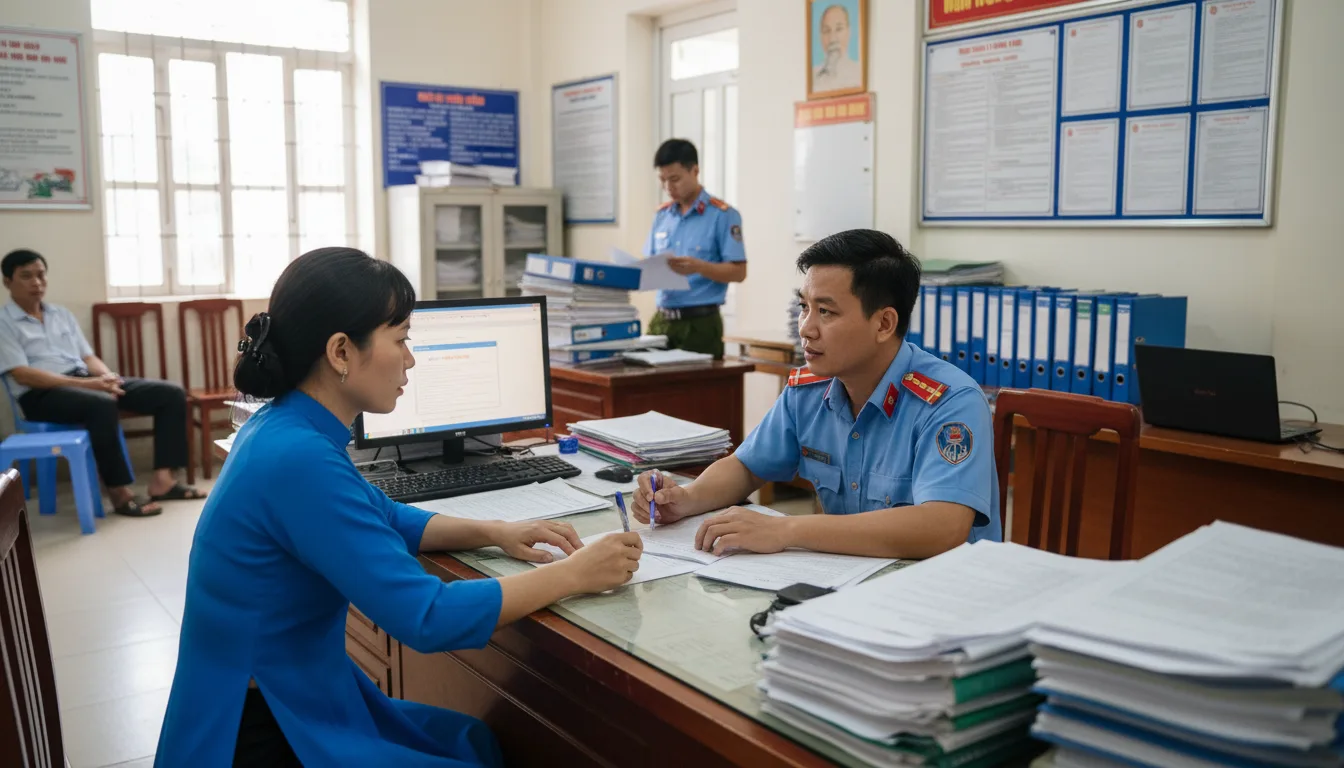
Vietnam police are organized by role, not just location. Traffic police handle road safety and vehicle checks, while local ward police and other units support residents, lost-property cases, and incident reports. For foreigners, the right move is to ask which office handles the issue before you explain everything. That saves time and reduces stress.
The Vietnam police structure is more practical than it first appears. Traffic police focus on roads, helmets, licenses, and checkpoints. Local police offices usually deal with neighborhood matters, registration, and basic reports. In real life, that means a rider stopped for a document check should not expect the same process as someone reporting a stolen phone.
Examples help. A solo traveler with a minor scooter issue may only need to show documents and continue. A family that loses a bag in a market may need a local report for insurance or embassy follow-up. When your route is spread across central Vietnam, it helps to know where local support is strongest, which is why some travelers prefer Da Nang tours as an easier base before moving on.
The best outcomes usually come from being prepared, not from speaking loudly or arguing. Keep your passport copy, accommodation details, and any rental papers accessible. If you are unsure where to go, ask for the nearest ward police office first, then confirm whether your case needs a traffic unit or a local administrative desk.
| Criteria | Traffic Police | Local Police | Best Use |
|---|---|---|---|
| Primary role | Road safety and vehicle checks | Neighborhood and incident support | Pick the right office first |
| Common traveler need | License or helmet check | Lost item or basic report | Save time and avoid confusion |
When the issue is not urgent, ask for the process before you act. If you are traveling beyond one city, keep your route flexible and your paperwork organized. For a smoother trip through Vietnam, browse all Toward Local tours and choose experiences that fit your pace, especially if you prefer local streets, smaller groups, and less friction on the road.
Bottom line: the Vietnam police guide is less about fear and more about knowing structure. Understand who handles traffic, who handles local reports, and when to ask for the correct office. That one habit can prevent delays, reduce stress, and help you move through Vietnam with confidence.
How to Deal With Police in Vietnam Step by Step
Vietnam police guide: if you are stopped in Vietnam, the goal is not to argue, but to slow the situation down, stay polite, and verify what is being asked. Most checkpoints are routine, especially in cities and near popular roads, and a calm response usually resolves things faster than panic.
For foreign travelers, the main pressure points are documents, language, and confidence. If you know what to show, how to speak, and when to ask for a written ticket, you can handle most stops without drama. The steps below are designed for solo travelers, couples, and families who want a practical, local-safe approach.
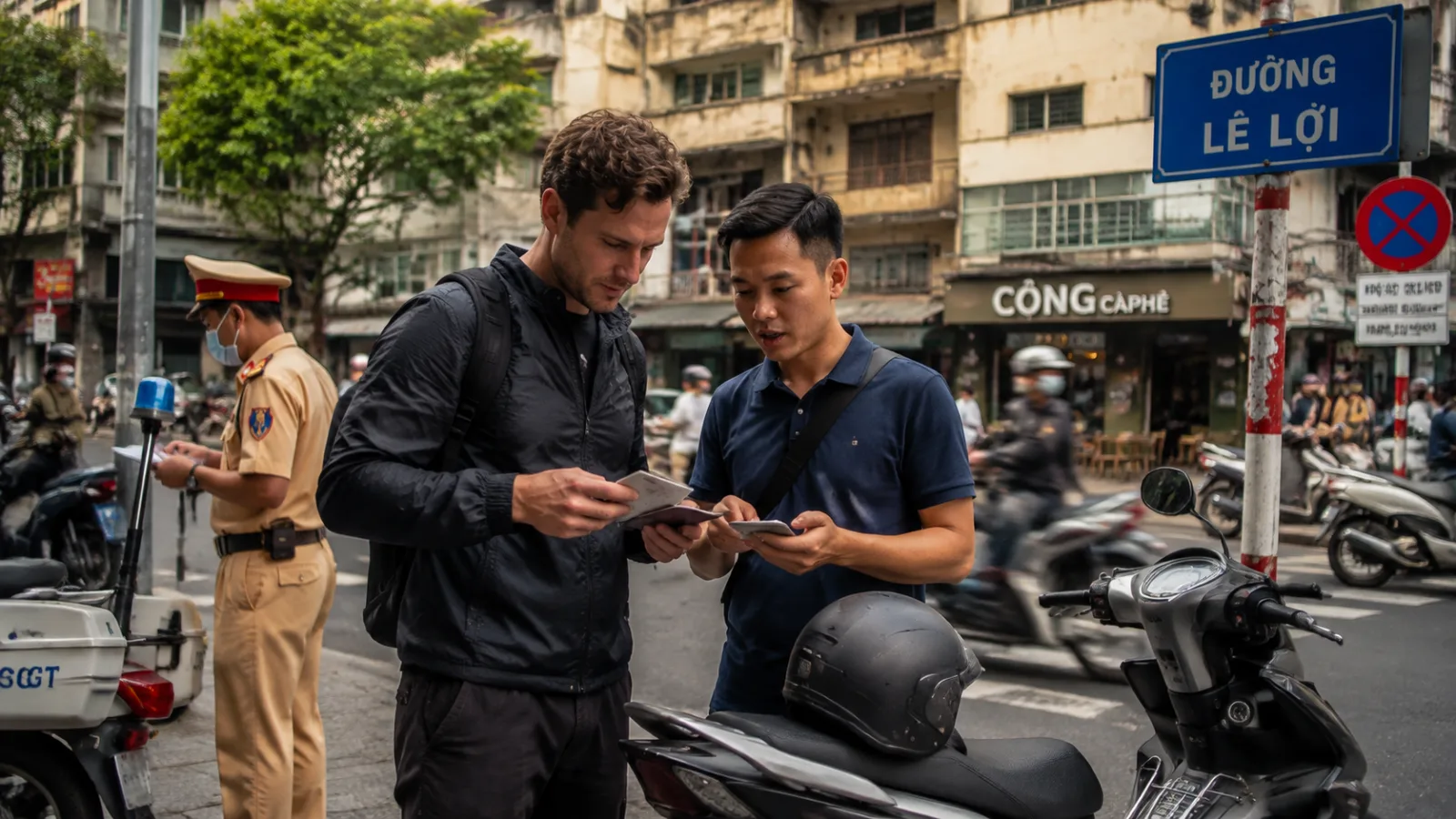
When police stop you in Vietnam, stay calm, greet the officer, and ask what they need. Show your passport copy, driver license, and rental papers if relevant. If something seems unclear, request a written ticket and avoid paying cash on the spot unless you fully understand the reason.
During a stop, keep both hands visible and wait for the officer to speak first. A simple yes, no, or sorry, I do not understand is enough. Do not reach into bags quickly, and do not raise your voice. If you are on a scooter, switch off the engine and stand beside the bike.
A useful rule is to separate routine checks from disputes. For a routine inquiry, show documents in this order: passport copy, entry stamp or visa page if available, driving license, and rental contract or blue card. If you are missing something, be honest and brief. For travelers who want to reduce friction before riding, booking a route through local day tours in Vietnam can be a safer option than navigating unfamiliar traffic alone.
| Criteria | Safe response | Risky response | Best use case |
|---|---|---|---|
| Routine checkpoint | Show papers and wait calmly | Argue or film aggressively | City roads and tourist corridors |
| Document issue | Ask for a written ticket | Pay without understanding | When papers are missing or unclear |
Communication matters more than perfect English. Use short sentences, point to documents, and repeat the same answer if needed. A takeaway: officers usually respond better to travelers who look prepared than to travelers who overexplain. If you are exploring the country more broadly, a well-planned stop in Da Nang tours can reduce the number of stressful self-navigating situations.
If your trip includes motorbike travel, save this Vietnam police guide before you ride, keep copies of your documents in your phone, and choose routes where traffic is predictable. That small preparation can save time, money, and a lot of stress.
Key documents and behavior tips are simple. Carry a passport copy, valid driving license, rental papers, and enough cash for normal travel, not for negotiation. Wear a helmet, follow signals, and avoid sudden lane changes. If a checkpoint feels unusual, slow down, stay respectful, and let the officer define the next step.
Example: a solo traveler on a scooter at a city checkpoint can stop, remove the key, hand over papers, and answer with one sentence at a time. A family in a car can keep everyone seated, lower the window, and let one adult speak. This reduces confusion and makes the interaction feel routine rather than confrontational.
The strongest communication rule is consistency. If you say you are a tourist, keep your explanation simple and do not invent a story. If you are unsure about a request, ask politely whether it is a warning or a ticket. When in doubt, request time to read the paper before paying. That is often enough to shift the tone.
Before your next road trip, prepare your documents, learn these steps, and choose guided travel when you want less hassle. If you are planning a local, adventurous itinerary across the country, check the full range of Toward Local tours and travel with more confidence from the start.
Common Situations Covered in a Vietnam Police Guide
Vietnam police guide readers usually need practical answers fast, especially when a traffic stop, lost passport, or theft report happens far from home. The safest approach is to stay calm, confirm who has authority, and know what details to record before you speak. That simple habit saves time, money, and stress on the road.
For adventurous travelers, the real issue is not just police contact, but knowing when a situation is minor and when it needs official help. In busy cities, beach towns, and remote provinces, the right response depends on the incident type, your documents, and whether you are dealing with traffic police or local officers.
If you are stopped by police in Vietnam, stay polite, ask for identification, keep your passport copy handy, and only visit a station when the incident is serious or an official report is needed. For theft, lost property, or accidents, note the time, location, and officer details before leaving.
Traffic stops are the most common case. If an officer signals you to stop, pull over safely, keep your hands visible, and wait for clear instructions. A traveler on a scooter in Da Nang once avoided a longer delay by showing a copy of the rental agreement and asking for a written explanation. That simple proof made the conversation easier. If you are planning a flexible city day, a local travel experience can help you understand how traffic works before you ride alone.
Lost property and theft reports work differently. If your wallet, phone, or passport goes missing, go to the nearest station as soon as possible and bring any supporting evidence, such as hotel records or photos. Use this quick decision guide:
- Minor loss with no crime signs: ask hotel staff and nearby shops first
- Theft with clear evidence: file a police report immediately
- Document loss: contact your embassy after the report is made
When you are in a district you do not know well, especially after dark, it helps to identify the closest station before you need it. For travelers moving between neighborhoods, a Ho Chi Minh City tour can also help you get familiar with central routes, landmarks, and safe public areas.
Emergency numbers matter when the situation turns urgent. In Vietnam, use 113 for police, 114 for fire, and 115 for medical emergencies. Call immediately if there is violence, a road accident with injuries, or a situation where you feel unsafe. Local police stations are the right place for theft reports, document loss, or disputes that need a written record. If the issue is only a misunderstanding or a minor traffic check, stay calm and ask whether the problem can be handled on the spot or at the station.
| Criteria | Traffic stop | Theft or loss | Emergency |
|---|---|---|---|
| Best first move | Stop safely and wait | Check area and report | Call 113, 114, or 115 |
| When to visit station | When documents are requested | Always for a formal report | After immediate danger is handled |
If your route includes multiple cities, save these numbers before you arrive and keep a passport copy in your day bag. That small habit makes any police interaction faster and less confusing, especially for solo travelers and families.
Bottom line: the smartest way to use a Vietnam police guide is to match the response to the situation. Traffic stop, theft, lost item, or emergency each needs a different action, and knowing that difference helps you travel with confidence instead of panic.
If you want to explore Vietnam with fewer logistics concerns, book a guided day out and focus on the experience instead of the paperwork. For a smoother local travel day, see Da Nang adventure tours or browse the Hoi An tours collection before your next stop.
Vietnam Police Guide: Safety, Rights, and Practical Do’s and Don’ts
Vietnam police guide starts with one simple idea: stay calm, stay respectful, and know what officers can ask for. For foreign visitors, the real pressure usually comes from uncertainty, not the police themselves. On a motorbike or in a taxi, a clear response can prevent a small checkpoint from turning into a stressful delay.
This chapter is for travelers who want to explore Vietnam locally without guessing how to react. Whether you are in Hanoi, Da Nang, or a smaller town, the safest approach is to understand the difference between routine checks, traffic enforcement, and situations where you should ask for a proper receipt or official process.
How Vietnam police compare with police in other countries
In many countries, police interactions are formal, fast, and highly procedural. In Vietnam, especially on the road, the style can feel more direct and less scripted, with officers often focused on traffic order, documents, and practical control of busy streets.
The biggest difference is not force, but pace and communication. A traffic stop may feel informal, and language can be a real barrier, so simple behavior matters more than long explanations. If you are exploring the city after a full list of local tours, keep your passport copy, driving license, and rental papers easy to reach, because confusion is what usually creates problems.
Vietnam police are usually easiest to deal with when you stay polite, show requested documents, and avoid arguing on the roadside. If something feels unclear, ask for the official process, note the officer details, and do not hand over cash without understanding why it is being requested.
| Criteria | Vietnam | Many Western countries | Best traveler response |
|---|---|---|---|
| Roadside check style | Often direct and document-focused | Usually more procedural | Stay calm and hand over papers |
| Communication | Language gaps are common | English is often more available | Use short, clear sentences |
If you want to pair city exploration with easier logistics, choose guided local experiences such as HCMC food tours, where transport and timing are handled more smoothly than self-navigation.
Common mistakes to avoid and how to choose the right response
The most common mistake is overexplaining. When travelers panic, they talk too much, reach for the wrong document, or act irritated. That usually makes the interaction longer. The better response is simple: slow down, acknowledge the officer, and show exactly what is asked for without volunteering extra details.
Other mistakes are more practical: riding without the correct license, carrying no rental agreement, or assuming every stop is the same. A smart traveler also knows when to stop and clarify instead of resisting. If you are heading to the coast, a Da Nang tour can be an easy way to avoid unnecessary road stress while still seeing the local side of the city.
- Do not argue loudly at the roadside
- Do not reach into bags before being asked
- Do not hand over your original passport unless absolutely necessary
- Do ask what document is missing or what rule was broken
The right response is usually the one that reduces uncertainty. If the situation feels unclear, ask for a ticket, a written explanation, or a station procedure rather than guessing.
When you are unsure, choose safety over speed. In practical terms, that means keeping copies of documents, using legal transport, and accepting that a short delay is better than a messy dispute. For travelers who want a smoother route through local neighborhoods, Hoi An tours can reduce the chance of roadside hassle while still giving you a local experience.
Final takeaway: the best way to handle police in Vietnam is not to perform confidence, but to use it. Stay polite, stay organized, and choose the response that protects your time, your money, and your trip.
Important FAQ and Final Advice for Using This Vietnam Police Guide
Vietnam police guide readers usually want one thing above all: a clear plan if they are stopped, checked, or asked for documents while traveling. The safest approach is simple. Stay calm, show respect, keep your passport copy and driving papers ready, and avoid any argument at the roadside. If you are riding a motorbike, a valid license, helmet, and insurance matter more than confidence alone.
For first-time visitors, the biggest risk is not the police itself, but uncertainty. A prepared traveler moves faster, speaks less, and makes fewer mistakes. If your trip includes a ride through major cities, a food stop, or a day trip with local roads, you may also want a trusted base such as Ho Chi Minh City tours or all Toward Local tours to reduce stress and keep the trip enjoyable.
Frequently asked questions about police, reporting, and emergencies
What should I do if I am stopped? Slow down, stop safely, and be polite. If asked for documents, show them one at a time. If something is unclear, ask for the reason in simple English. If you feel unsafe or the situation escalates, do not resist. Move to a public place if possible and contact your embassy, hotel, or local support.
What is the best emergency habit? Save local emergency numbers in your phone before you ride, and keep a screenshot of your passport, visa, and driving license. A small folder in your phone can save time during a roadside check. Most problems become easier when your documents are organized before the trip, not after the stop.
| Criteria | Best action | Why it matters | Traveler tip |
|---|---|---|---|
| Routine traffic check | Show documents calmly | Speeds up the stop | Keep copies in one pocket |
| Unclear request | Ask for clarification | Reduces confusion | Use short, polite sentences |
Final safety reminders and a light CTA for preparedness
The best outcome is not winning a roadside discussion. It is reaching your destination safely and with less stress. Before you set out, check your license, phone battery, cash, and travel insurance. If your route takes you to the coast or central Vietnam, a guided day with Da Nang tours can be a smart way to enjoy the region while staying focused on the experience instead of the logistics.
Use this Vietnam police guide as a practical checklist, not a reason to worry. Be visible, be prepared, and do not overcomplicate the moment. If you are ready to explore Vietnam more confidently, choose routes, activities, and local experiences that match your comfort level, then travel with a calm mindset and a well packed day bag.