
Vietnamese Women’s Day is a meaningful Vietnamese holiday that many travelers notice first through flowers, greetings, and busy cafés on October 20. People search for its meaning, date, and celebration ideas because it is both a women’s celebration and a window into everyday Vietnamese culture, especially for visitors who want to understand how locals mark respect in real life.
For first-time visitors, the date is easy to miss unless you know what to look for, yet it changes the atmosphere in cities, offices, and family homes. If you are planning a local trip, this guide will help you quickly understand the tradition and see where it fits into travel, culture, and simple celebration ideas. Toward Local tours can also help you experience Vietnam in a more authentic way.
| Criteria | Quick fact | Why it matters | Traveler cue |
|---|---|---|---|
| Date | October 20 | Fixed annual observance | Look for flowers and greetings |
| Meaning | Honors Vietnamese women | Shows respect in daily life | See family, work, and school celebrations |
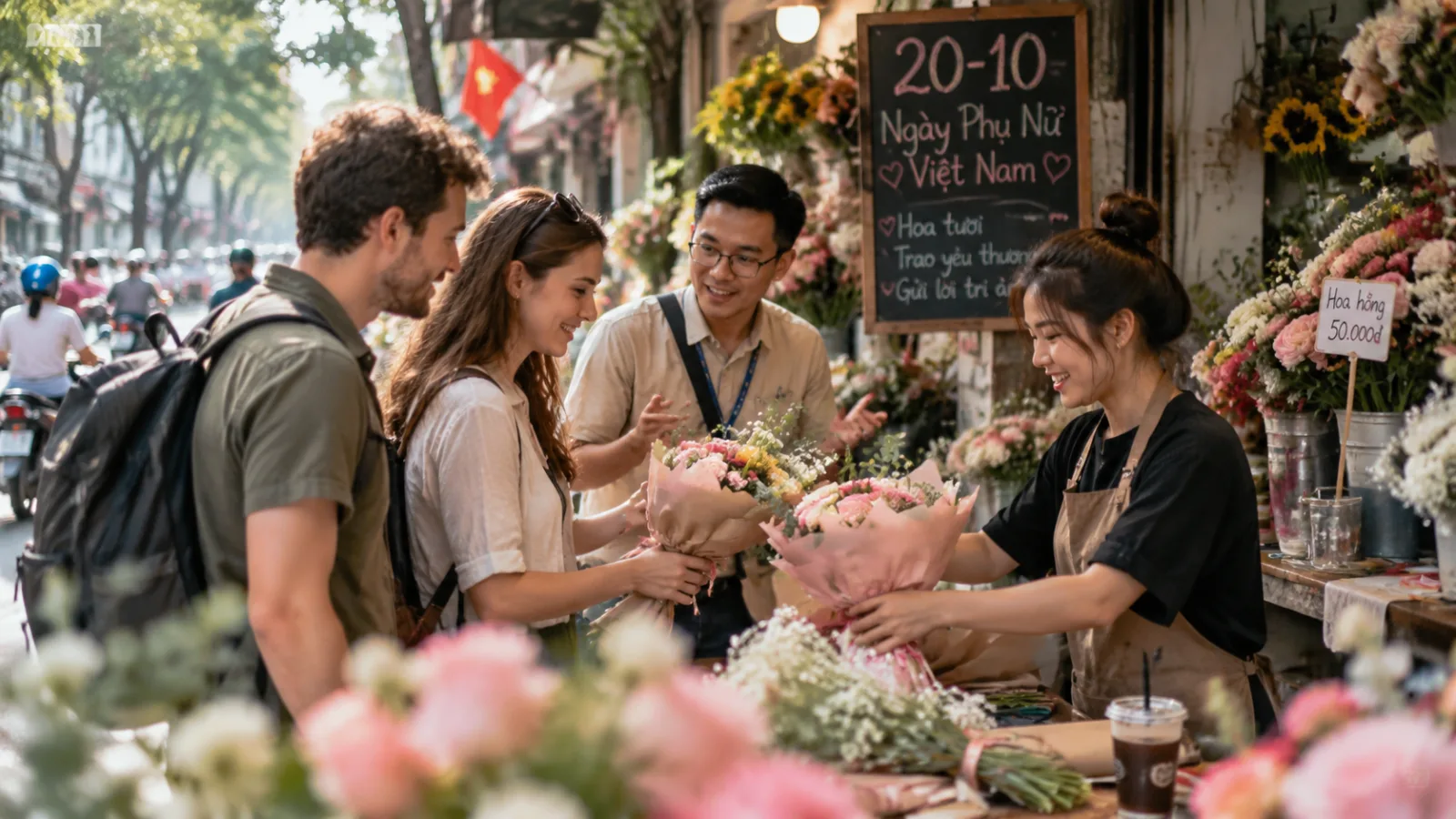
Vietnamese Women’s Day is celebrated on October 20 each year to honor women in Vietnam. It is not a public holiday, but flowers, gifts, and small gatherings are common in homes, workplaces, and schools. Travelers often notice busier flower shops and a warmer social atmosphere.
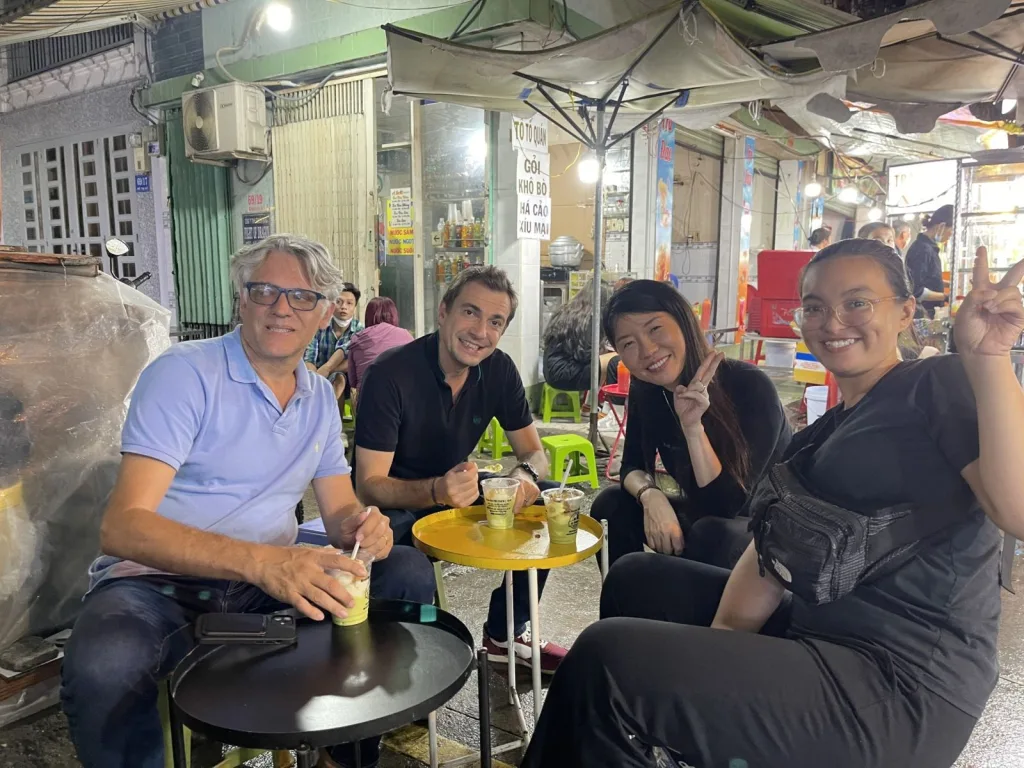
If you are exploring local neighborhoods, this is one of the easiest cultural moments to observe without changing your itinerary. A simple stroll, a café stop, or a HCMC food tour can reveal how naturally the day appears in everyday life.
What Vietnamese Women’s Day Is and Why It Matters
Vietnamese Women’s Day is celebrated on October 20, and it gives travelers a clear window into how Vietnamese people show respect, affection, and gratitude in daily life. If you are planning a trip that feels local rather than scripted, this date can help you see the country through family rituals, flower stalls, workplace gestures, and small public celebrations.
For foreign visitors, especially solo travelers, couples, and families who enjoy adventurous and local experiences, the day is easy to notice once you know what to look for. A simple walk through a market or café district can reveal the mood, while a stop on Toward Local tours can help you experience everyday culture with more context and less guesswork.
Vietnamese Women’s Day is an annual cultural occasion on October 20 that honors women’s role in family, work, and society. It is not a public holiday, but flowers, gifts, meals, and warm greetings are common across Vietnam.
A simple definition of Vietnamese Women’s Day
Vietnamese Women’s Day is a national occasion observed every year on October 20 to honor Vietnamese women and recognize their contributions at home and in society. It is not a day off, but it is widely celebrated in offices, schools, homes, and neighborhood businesses with flowers, messages, and small gatherings.
In practice, the day is both personal and social. A husband may buy flowers for his wife, children may prepare a small surprise for their mother, and coworkers may organize a lunch or send greetings. This mix of private affection and public appreciation is what makes Vietnamese Women’s Day feel culturally specific rather than generic.
- October 20 is the fixed date every year
- Flowers are the most visible tradition
- Gifts are usually simple and thoughtful
- The tone is warm, respectful, and social
For travelers, that means October 20 is less about ceremonies and more about observing everyday Vietnamese behavior in motion. You may see crowded flower shops, busy gift counters, and small celebrations in local cafés or workplaces. If you want a city-based experience, HCMC food tours can be a practical way to see how locals celebrate while exploring the city’s street life.
Its cultural and social significance in Vietnam
The importance of Vietnamese Women’s Day goes beyond flowers. It reflects how women are viewed in Vietnamese society: as caregivers, professionals, community builders, and cultural anchors. The day highlights appreciation, but it also mirrors changing social roles as more women lead businesses, work in education and healthcare, and contribute visibly to modern urban life.
A useful way to understand the day is to compare tradition and meaning. Traditionally, it is about family respect and gratitude. Socially, it is also a reminder that women have shaped Vietnam’s history, from the Trưng Sisters to present-day leaders and workers. That historical continuity gives the celebration emotional depth.
| Criteria | Vietnamese Women’s Day | International Women’s Day | Traveler takeaway |
|---|---|---|---|
| Date | October 20 | March 8 | Vietnam has two women-centered dates |
| Focus | Vietnamese cultural recognition | Global women’s rights and equality | October 20 feels more local and personal |
If you are in Vietnam on October 20, the most valuable experience is not a formal event but the atmosphere around you. Watch how people choose gifts, how cafés decorate tables, and how families greet one another. That is where the cultural meaning becomes visible.
For travelers who want to understand local life without forcing it, the best approach is to stay curious, move slowly, and observe how the day unfolds in public spaces. If your route includes central Vietnam, Hoi An tours can add a strong local context to your trip while keeping the experience relaxed and authentic.
If you want to combine cultural timing with real local experiences, plan part of your route around October 20 and choose activities that let you see everyday Vietnamese life up close.
Quick decision guide:
- Want local culture: visit markets, flower streets, and neighborhood cafés
- Want social context: observe family and workplace celebrations
- Want easier planning: treat the date as a normal travel day with extra atmosphere
- Want deeper insight: join a local tour that explains customs in context
Vietnamese Women’s Day matters because it shows how appreciation is expressed in Vietnam: quietly, visibly, and with real social meaning. For visitors, it is one of the easiest dates to understand and one of the most rewarding to observe.
The History and Origins of Vietnamese Women’s Day
Vietnamese Women’s Day began as a way to recognize women’s role in family life, work, and nation building. For travelers, the history matters because it explains why October 20 feels both personal and cultural, with flowers in city streets, greetings in offices, and a warm local atmosphere that you can notice without changing your plans.
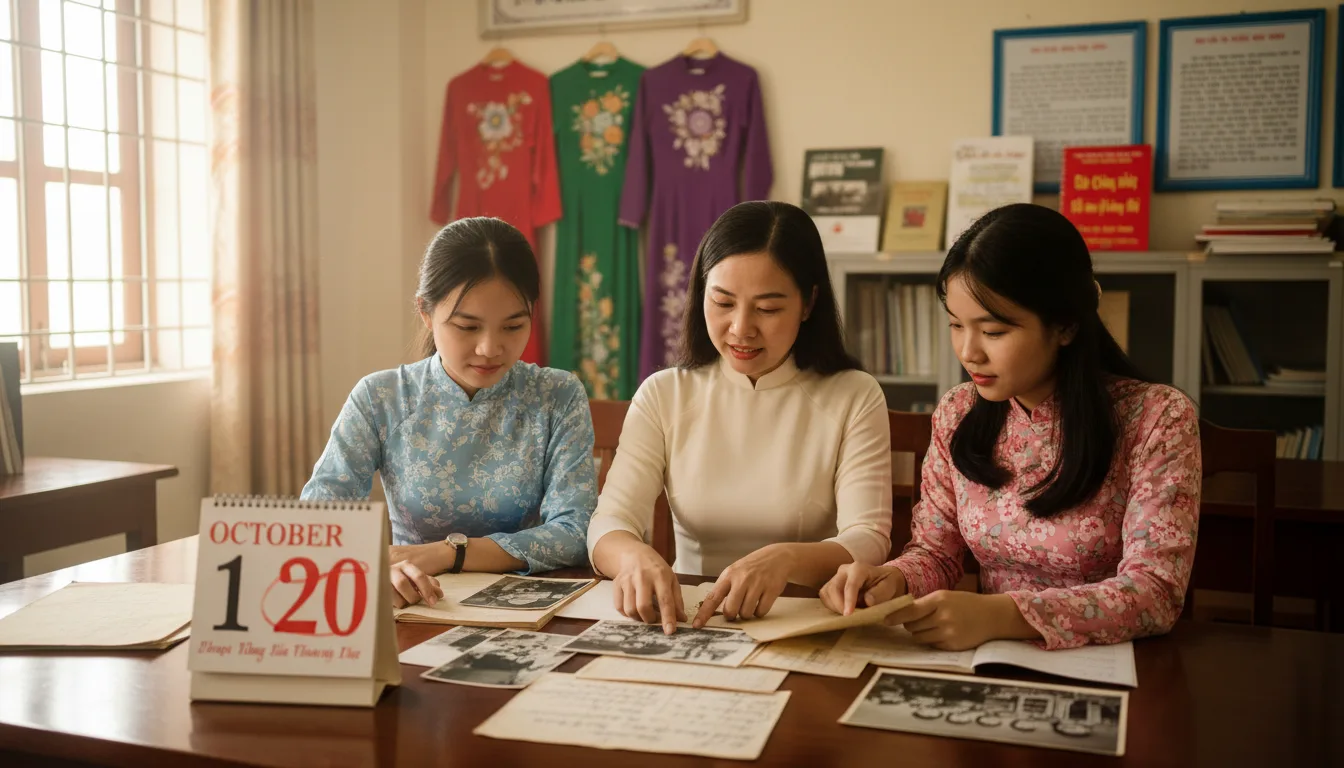
The origin is linked to the women’s movement in Vietnam and the founding of the Vietnam Women’s Union in 1930. Over time, the date became more visible in daily life, so today it is not just a formal observance but a social moment that helps visitors understand how respect is expressed in Vietnamese culture.
Vietnamese Women’s Day is observed on October 20. It began from Vietnam’s women’s movement and the Vietnam Women’s Union, founded in 1930. Today, it is a nationwide occasion for appreciation, marked by flowers, gifts, greetings, and small celebrations at home, work, and in public spaces.
Where the holiday came from
The roots of Vietnamese Women’s Day are tied to the country’s modern history and the effort to formally honor women’s contributions. In 1930, the Vietnam Women’s Union was established, giving women’s social participation a clearer national platform. That history is why October 20 is not random; it reflects a longer tradition of recognition, resilience, and collective identity.
A simple way to see it is this:
| Criteria | Before 1930 | After 1930 | Today |
|---|---|---|---|
| Meaning | Women supported family and community quietly | Women gained a stronger public voice | National appreciation and social celebration |
| Traveler clue | Historical context only | Movement becomes visible | Flowers, greetings, local events |
If you are exploring local neighborhoods, the holiday feels more authentic in everyday places than in tourist zones. A walk through a flower market or a neighborhood café often shows the meaning better than a formal ceremony.
How it evolved into a national celebration
What started as a political and social recognition gradually became a widespread yearly tradition. Schools, offices, families, and communities now use the date to show appreciation, which is why Vietnamese Women’s Day feels visible across cities and towns. For visitors, it is an easy cultural moment to observe without needing a special event ticket.
Common signs of the modern celebration include:
- Flowers and small gifts in homes, offices, and shops
- Warm greetings between colleagues, friends, and couples
- Small meals, speeches, or group activities at workplaces
- Busy flower stalls and decorated cafés in local areas
If you want to experience this side of the country more deeply, local food and neighborhood walks are a great match for the day, especially if you are already planning HCMC food tours or looking at city-based cultural stops. The holiday is easy to understand once you see how naturally it fits into daily life.
Strong takeaway: the evolution of Vietnamese Women’s Day shows how a historical movement became a living tradition. For travelers, that makes October 20 useful not just as a date, but as a lens into how Vietnamese people express respect, family values, and community identity in a real, observable way.
How Vietnamese Women’s Day Is Celebrated Today
Vietnamese Women’s Day is celebrated on October 20 with flowers, small gifts, warm greetings, and simple gatherings that show appreciation for women at home, at school, and at work. For travelers, the day is easy to notice because local flower shops get busy, offices add decorations, and people make time for a thoughtful gesture rather than a formal ceremony.
The celebration is personal, practical, and widely understood, which makes it a useful cultural moment for visitors who want to see everyday Vietnam beyond tourist spots. If you are exploring cities with a local feel, you may spot families buying bouquets, students preparing cards, or coworkers organizing lunch. For a broader trip idea, the rhythm of the day feels similar to the community energy you may see on Toward Local tours in busy neighborhoods and markets.
Vietnamese Women’s Day on October 20 is usually marked with flowers, gifts, greetings, and small social events. It is not a public holiday, but it is widely observed in homes, schools, and workplaces across Vietnam. The focus is on appreciation, respect, and simple shared moments.
| Criteria | At Home | At School | At Work |
|---|---|---|---|
| Typical gesture | Flowers or a small gift from family | Cards, messages, or class activities | Group greetings and office presents |
| Atmosphere | Warm and intimate | Cheerful and organized | Polite and social |
Common gifts are usually simple and affordable: bouquets, chocolates, perfume, cosmetics, or a meal shared with loved ones. The real value is the gesture, not the price. A husband may bring flowers after work, a student may prepare a handwritten card, and a colleague may gather everyone for a short celebration. If your itinerary includes central Vietnam, a Hoi An local tour can also show how gift giving and neighborhood life blend naturally in smaller streets and family-run spaces.
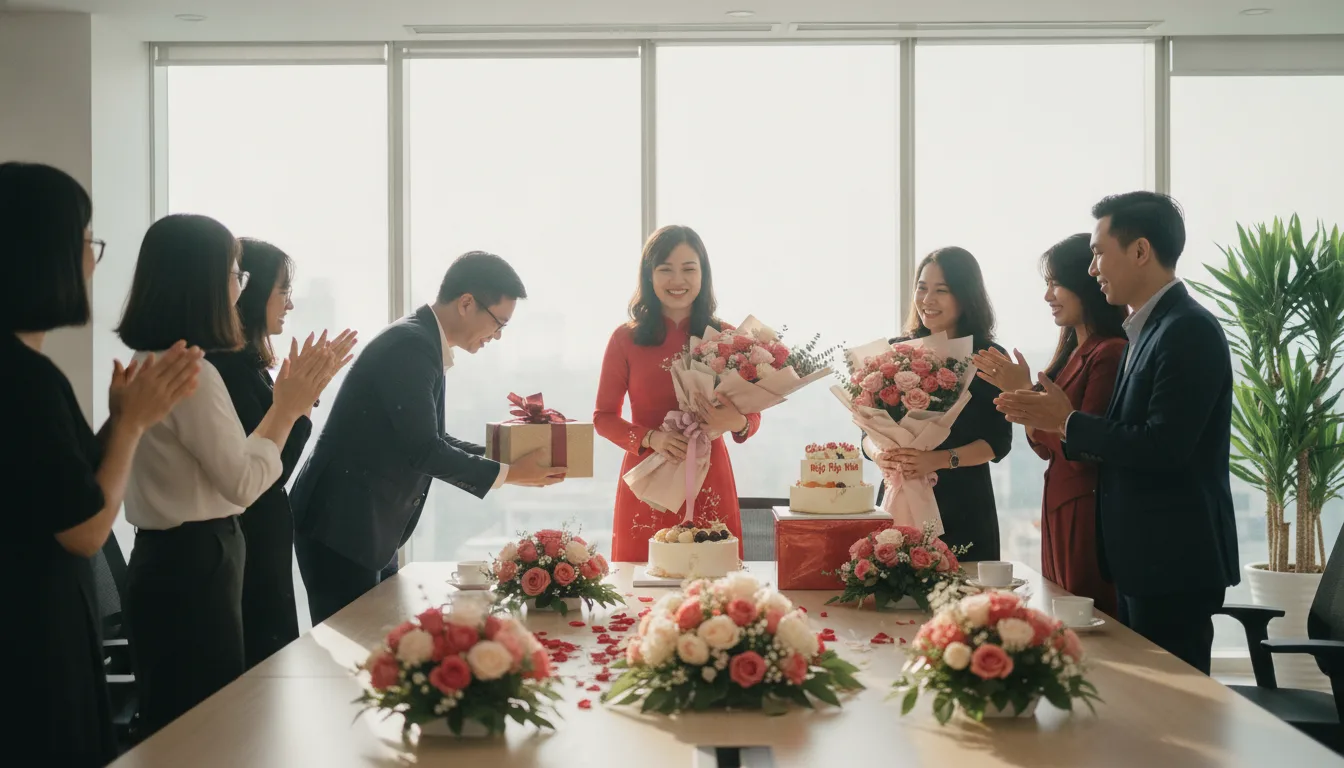
A practical travel insight is that October 20 is not about big public events, so you do not need to change your schedule. Instead, watch for small details like flower stalls near schools, tea breaks in offices, or cafés with extra bouquet orders. In a real home setting, children may thank their mother with breakfast, while workplaces may invite female staff to lunch or decorate a meeting room with flowers.
If you enjoy observing local culture in everyday settings, plan a walk through markets, cafés, or residential streets on October 20 and notice how people celebrate quietly but meaningfully.
Here is how the day often looks in real life:
- Families: breakfast, flowers, and a shared meal
- Schools: student-made cards, performances, or small ceremonies
- Workplaces: group greetings, flowers on desks, and team lunches
In families, the celebration is usually intimate. A father may buy flowers, children may help with a gift, and the whole household may spend more time together after dinner. In schools, teachers and female staff may receive attention from students and colleagues, often in the form of songs, cards, or simple stage activities. In offices, the mood is often polite and upbeat, with coworkers sending messages before the workday starts. On a city day out, a Da Nang city tour can be a good fit if you want to pair cultural observation with easy local exploration.
For visitors, the main thing to understand is that Vietnamese Women’s Day is not a spectacle. It is a social custom built on respect, gratitude, and small but sincere actions. That makes it especially interesting for solo travelers, couples, and families who prefer authentic local moments over staged events. If you are in Vietnam on October 20, keep your eyes on flower shops, school gates, and office entrances, because those are the places where the celebration feels most real.
How Vietnamese Women’s Day Compares to International Women’s Day
Vietnamese Women’s Day is celebrated on October 20, while International Women’s Day falls on March 8. Both honor women, but they serve different purposes: one is rooted in Vietnamese history and social appreciation, the other is a global day focused on equality, rights, and visibility.
For visitors, the key difference is how the day feels on the ground. March 8 is broader and more recognizable worldwide, while October 20 often feels more personal in Vietnam, with flowers, family greetings, and office celebrations. If you are planning a trip, this distinction helps you read local behavior correctly and avoid confusing the two occasions.
Featured answer: Vietnamese Women’s Day on October 20 is a national cultural observance that celebrates women in Vietnam. International Women’s Day on March 8 is a global event centered on women’s rights and equality. In Vietnam, both are marked with flowers and gifts, but October 20 carries a stronger local identity.
Key differences in purpose and observance
The easiest way to compare the two is by purpose. March 8 is internationally recognized and often linked to public conversations about gender equality, social progress, and women’s achievements. October 20 focuses more specifically on Vietnamese women, their role in families, workplaces, and society.
| Criteria | Vietnamese Women’s Day | International Women’s Day | What travelers notice |
|---|---|---|---|
| Date | October 20 | March 8 | Two separate celebration dates |
| Main focus | Vietnamese women and national appreciation | Rights, equality, and global awareness | October 20 feels more local |
In daily life, both occasions may look similar: flowers, greetings, gifts, and small gatherings. The difference is the cultural lens. A café in Hanoi or Ho Chi Minh City may decorate for both dates, but October 20 often feels more tied to local relationships and workplace etiquette. If you want to combine sightseeing with a deeper cultural stop, consider a relaxed city experience such as Ho Chi Minh City tours where you can notice how modern Vietnam celebrates in real life.
Which occasion to celebrate in different contexts
For expats, solo travelers, and couples, the best choice depends on the situation. If you are celebrating a Vietnamese partner, colleague, or host family, October 20 is the more relevant date. If you are joining a broader international conversation, March 8 is the safer reference point.
- Choose October 20 for local greetings, gifts, and personal appreciation in Vietnam
- Choose March 8 for global messaging, campaigns, or international audiences
- Use both if you want to respect local culture and broader women’s awareness
A practical travel insight: October 20 is usually easier to observe in everyday settings, while March 8 may have more public events and commercial promotions. That means travelers interested in authentic local life can watch for flower stalls, office gift exchanges, and family dinners. If your route includes central Vietnam, a cultural stop on Da Nang tours can also reveal how city life blends tradition with modern celebration.
For visitors, the smartest approach is simple: do not treat the two days as interchangeable. Use March 8 for global context, and use October 20 when you want to acknowledge Vietnamese Women’s Day in a way that feels natural, respectful, and locally informed.
If you are planning a local trip around the date, keep it light and observant. A flower market, a neighborhood café, or a family-style dinner can tell you more than a formal event. For more options across the country, explore all tours of Toward Local and build a trip that fits the moment.
If you want to experience Vietnamese Women’s Day with local context, choose activities that pass through neighborhoods, markets, and everyday city life rather than only major tourist spots.
For travelers who want a deeper cultural read on Vietnam, plan a route that lets you see how October 20 is observed in real settings, with local food, flowers, and genuine family or workplace traditions.
Best Ways to Celebrate Vietnamese Women’s Day + FAQ
Vietnamese Women’s Day is easiest to celebrate well when the gesture feels personal, practical, and locally aware. For travelers, couples, and families, that usually means choosing something thoughtful rather than expensive, and keeping the tone warm, respectful, and simple.
A good plan also helps avoid the most common mistake visitors make, which is treating the day like a generic gift occasion. In Vietnam, small details matter: timing, presentation, and the setting can make a modest moment feel meaningful.
| Criteria | Best choice | Why it works | Travel-friendly |
|---|---|---|---|
| Gift style | Flowers or a small local gift | Feels sincere without being excessive | Easy to find in any city |
| Best setting | Breakfast, café, or dinner | Creates a shared memory, not just a purchase | Works for solo travelers, couples, and families |
Here are thoughtful ways to celebrate: buy flowers from a neighborhood florist, plan a relaxed meal, write a short message of appreciation, or join a local experience that shows Vietnam from the inside. If you are exploring the city, a well-planned food outing can turn the day into something memorable, especially with local food walks in HCMC or an easy shared evening on Toward Local tours.
The best celebrations often feel calm, not crowded. In Vietnam, a simple lunch, one bouquet, and a sincere thank-you can land better than a flashy gift.
Common mistakes to avoid include buying flowers too late, choosing something too impersonal, or assuming every woman wants the same present. A better approach is to notice what she actually enjoys, then keep the plan simple, useful, and respectful.
Vietnamese Women’s Day is best celebrated with a thoughtful, low-pressure gesture such as flowers, a meal, or a short message of appreciation. For visitors, the most effective approach is to keep it personal, local, and respectful, while avoiding generic gifts, rushed plans, or overly formal behavior.
Frequently asked questions: Yes, October 20 is the main date; no, it is not a public holiday; yes, flowers are still the safest gift; and yes, travelers can join the atmosphere without changing their itinerary. If you are in central Vietnam, a relaxed day with Hoi An tours or a scenic outing on Da Nang tours can add a memorable local touch.
If you want to experience Vietnamese Women’s Day in a way that feels authentic, choose one simple local moment and enjoy it fully. A good neighborhood café, a flower shop, or a guided city experience can reveal more than a packed sightseeing schedule.
For a more local, easy-to-plan celebration, explore Toward Local options and build the day around food, culture, and meaningful time together. That is often the most natural way to turn Vietnamese Women’s Day into a memory worth keeping.