
Scams in Ho Chi Minh City are one of the first things many travelers worry about, especially if it is their first time in a busy Southeast Asian city. In crowded streets, taxi queues, and tourist markets, small mistakes can lead to overpaying or feeling pressured, so the smartest approach is simple awareness, not fear.
This guide breaks down how scams in Ho Chi Minh City usually work, where they are most likely to happen, and what practical habits help you avoid them. If you want to explore the city more confidently, start with trusted transport, clear prices, and a few local rules that keep your trip smooth. For travelers who like curated experiences, local food tours in HCMC can be a safer way to enjoy the city while staying focused on the experience instead of the hassle.
| Criteria | High-risk situation | Safer choice | Quick action |
|---|---|---|---|
| Transport | Unmarked taxi or street offer | Grab or trusted cab | Check fare before you ride |
| Purchases | No price shown | Clear menu or listed fee | Confirm total first |
Scams in Ho Chi Minh City often involve taxis, street vendors, motorbike rentals, bars, and crowded markets. The safest way to avoid them is to use trusted apps, confirm prices before paying, keep valuables secure, and decline unsolicited help or offers that feel rushed.
The biggest clue is usually pressure. If someone wants you to decide fast, hand over cash quickly, or accept help you did not ask for, step back and reset the interaction. A simple pause, a clear no, and a move toward a busier, better-lit place will prevent most problems before they begin.
A good rule for first-time visitors is to treat convenience as a risk test. If the price is unclear, the vehicle looks unofficial, or the offer sounds unusually generous, choose another option. If you want a calmer way to discover the city, browse all Toward Local tours and compare options that fit your pace.
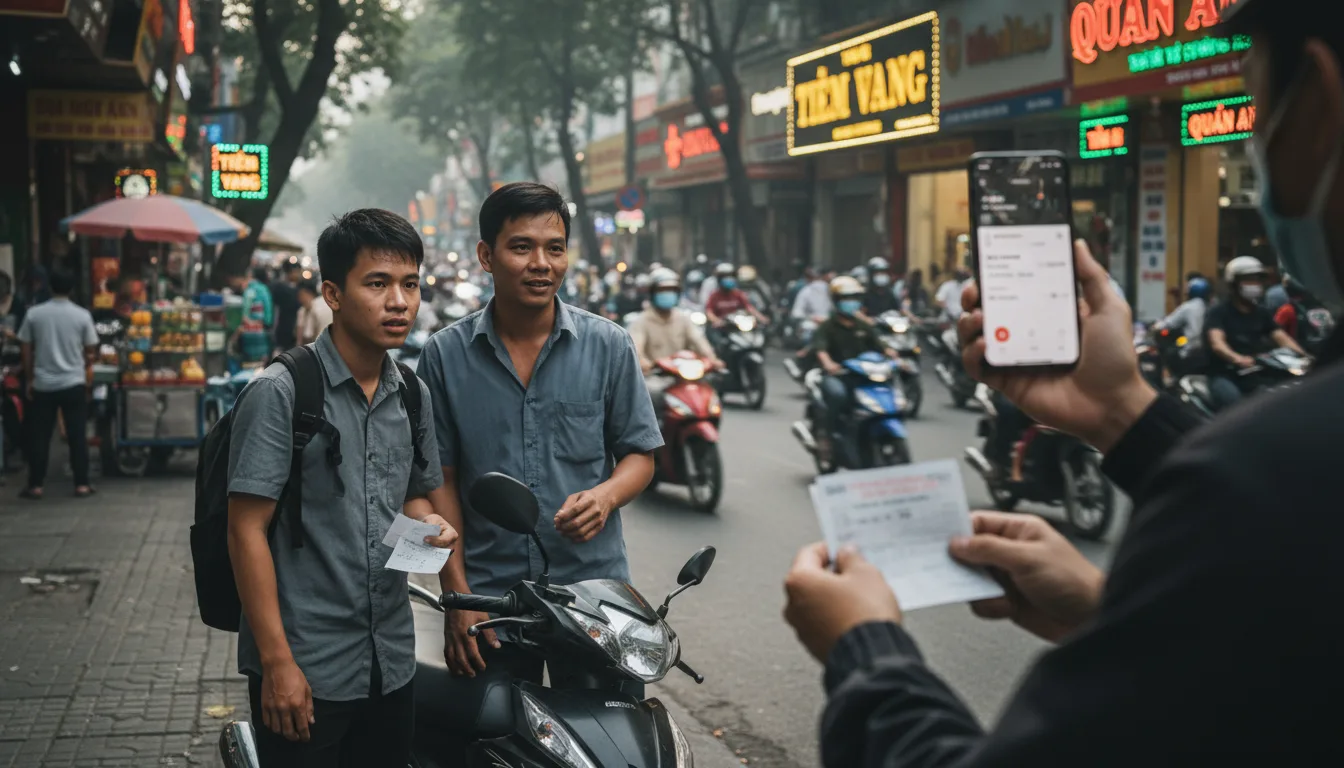
What Scams in Ho Chi Minh City Look Like Today
Scams in Ho Chi Minh City usually feel small at first, then become expensive if you stay polite for too long. Most are built around distraction, pressure, or vague pricing, especially in busy tourist streets, markets, and transport hubs.
For first-time visitors, the real risk is not a dramatic crime scene. It is a quick confidence trick that turns a normal purchase into an overcharge, a fake fee, or a rushed decision. If you know the patterns, the city becomes much easier to enjoy with less stress.
The most common scams in Ho Chi Minh City rely on distraction and unclear pricing. Travelers are usually targeted in taxis, markets, motorbike rentals, and nightlife areas. The safest response is simple: agree on the price first, check the meter, keep valuables close, and walk away from any offer that feels rushed.
Common scam types travelers should recognize include fake taxis, shoe shine pressure, cyclo overcharging, luggage help fees, bar tab padding, and currency confusion. In practical terms, these are not random events. They follow the same script: someone offers help, creates urgency, then names a price after you are already committed.
| Situation | What it looks like | Best response | Risk level |
|---|---|---|---|
| Taxi or Grab alternative | Driver avoids clear pricing or takes a long route | Use apps or trusted companies only | Medium |
| Street offer | Free photo, shoe help, or quick repair | Decline and keep walking | High |
Why these scams happen in tourist-heavy areas is simple: the city has dense foot traffic, fast turnover, and many visitors who do not know local prices yet. That makes places like District 1, large markets, and nightlife streets ideal for opportunists who depend on hesitation.
Another reason is that many visitors arrive tired, hungry, and carrying cash or phones in open view. A tiny split-second distraction is enough for someone to add a service you never wanted. If you want to explore more local parts of the city with less guesswork, consider joining our HCMC food tours after you settle in, because a guided setting removes much of that uncertainty.
If you are planning your first walk through central Saigon, build a simple rule set now: confirm prices, reject unsolicited help, and use mobile payments when possible.
The safest traveler is not the one who looks fearless, but the one who does not pause long enough to be pulled into a script. In Ho Chi Minh City, speed and clarity beat politeness every time.
For travelers who want a broader way to plan local experiences across Vietnam, browse all Toward Local tours and compare options before you arrive.
If this chapter helped you understand scams in Ho Chi Minh City, use it as your street checklist and move through the city with confidence, not suspicion. The goal is not to avoid every interaction, but to know which ones deserve a firm no.
How Scams in Ho Chi Minh City Usually Work
Scams in Ho Chi Minh City usually start with speed, friendliness, or confusion. A stranger creates a small moment of pressure, then pushes you to decide before you can compare prices, check a route, or think clearly. The goal is not always to steal directly; often it is to make you feel awkward enough to pay more than you should.
For first-time visitors, the biggest risk is not one dramatic trick but a pattern: an offer that looks helpful, a price that is vague, and a final bill that changes. If you know the rhythm, you can spot the setup early and move on without drama. That matters in a city where taxis, motorbike rides, and markets can all become test cases for your attention. For a smoother experience, many travelers combine street smarts with a planned route, and some also book local Ho Chi Minh tours when they want less guesswork.
Most scams in Ho Chi Minh City work by creating pressure, confusion, or false trust. Watch for rushed conversations, unclear prices, unofficial help, and sudden changes after the service starts. If the deal depends on you not asking questions, that is usually the warning sign.
Typical tactics are simple. A driver may quote one price and drive in circles. A market seller may hand you an item before naming the cost. A shoe shiner or guide may act as if you already agreed. The pattern is always the same: they move the interaction forward faster than your ability to verify it. Red flags include no written price, no meter, no receipt, and anyone who touches your belongings before you consent.
In real life, the taxi version often begins with a car that looks official but is not, or a meter that climbs too quickly. In motorbike rides, the problem is usually vague pricing or a hidden expectation of extra cash for fuel, waiting, or baggage. In markets, the trap is more social: a friendly approach, a photo, a sample, then an inflated charge. A simple rule helps here: if the first contact feels rushed, slow everything down.
| Criteria | Safe sign | Risk sign | Best move |
|---|---|---|---|
| Taxi or ride | Metered, branded, app based | No meter, vague fare, detour | Confirm price before entering |
| Market or street sale | Clear price, optional purchase | Item placed in hand, pressure to buy | Decline fast and keep walking |
For adventurous travelers, that does not mean avoiding local life. It means staying in control while you enjoy it. Use exact questions, agree on the total price, and treat any surprise fee as a reason to leave. If you want to explore food and neighborhoods with less friction, choose trusted planning tools or a reliable full list of Toward Local tours before you head out. The best trips feel local, not vulnerable.
If you want to experience the city more confidently, plan your rides, food stops, and walking routes before you arrive. A little preparation removes most of the pressure scammers rely on.
In taxis, look for a meter that starts cleanly and a driver who follows the route you expect. In motorbike rides, insist on the full price before the bike moves. In markets, never accept a free item, an unsolicited fix, or a photo setup without knowing the cost first. The fastest way to avoid trouble is to treat every unclear offer as a no until proven otherwise.
That approach works especially well in Ho Chi Minh City because the city rewards confident, informed travelers. You can still enjoy the energy, the street food, and the local scenes. You just do it with your wallet, time, and boundaries intact.
Stay alert, ask direct questions, and choose verified services when the situation feels unclear. That is the simplest way to enjoy Ho Chi Minh City without paying for someone else’s shortcut.
How to Avoid Scams in Ho Chi Minh City
Scams in Ho Chi Minh City are usually not dramatic crimes, but small pressure tactics that target tired, distracted, or overly trusting travelers. The good news is that most of them are easy to avoid once you know the pattern: agree on prices early, keep your phone and wallet secure, and never let a stranger rush you into a decision.
For adventurous solo travelers, couples, and families, the smartest approach is to treat the city like any busy global hub. Use trusted transport, check every fare, and stay calm when someone tries to create urgency. That mindset protects your budget and keeps the trip focused on food, neighborhoods, and real local experiences.
The safest way to handle scams in Ho Chi Minh City is to slow down before you pay, confirm prices in advance, and use trusted services for taxis, tours, SIM cards, and shopping. Most problems happen when travelers feel rushed or assume a street offer is automatically fair.
Before you arrive, prepare a simple anti-scam routine: download your ride-hailing app, save offline maps, and keep one payment card separate from your main travel money. If you are planning a food-focused trip, local HCMC food tours can be a safer way to explore busy districts without worrying about surprise charges or poor directions.
At the airport, in markets, and around nightlife areas, watch for the same repeat pattern: a friendly approach, a fast price change, then pressure to decide immediately. A quick personal rule works well. If someone will not give you a clear total in writing, walk away. That applies to taxis, motorbike rentals, salon treatments, and even simple souvenirs.
| Situation | Safer choice | Risk level | Best response |
|---|---|---|---|
| Taxi from the street | Use a trusted app or branded cab | Medium | Confirm fare before entering |
| Market purchase | Check the price twice and count change | Medium | Pay exact cash if possible |
| Tour booking | Book through known platforms | Low | Verify company name and reviews |
When it comes to safe payment habits, cash is still useful in Vietnam, but you should not carry everything in one place. Keep small notes ready for street food, use bank ATMs in visible locations, and check your change carefully. Currency confusion is common, especially when notes look similar, so slow counting helps more than confidence.
For transport, apps such as Grab are usually the easiest option because the fare appears before the ride begins. If you prefer a private day trip, look for tours booked through trusted platforms or your hotel, and avoid vague offers near bus stations. For travelers heading south after Saigon, all Toward Local tours can help you compare safer options across Vietnam without wasting time on unreliable sellers.
Shopping is similar. Good stores show prices clearly, while risky stalls often avoid labels or switch currencies to confuse visitors. If a bargain looks unreal, assume there is a catch. That simple habit protects you from counterfeit goods, inflated bills, and fake add-ons that can turn a fun day into a frustrating one.
Use this rule set and you will stay ahead of most scams in Ho Chi Minh City: pay less attention to the pitch, more attention to the process. Clear price, clear service, clear change. When those three are in place, you can relax and enjoy the city with far less stress.
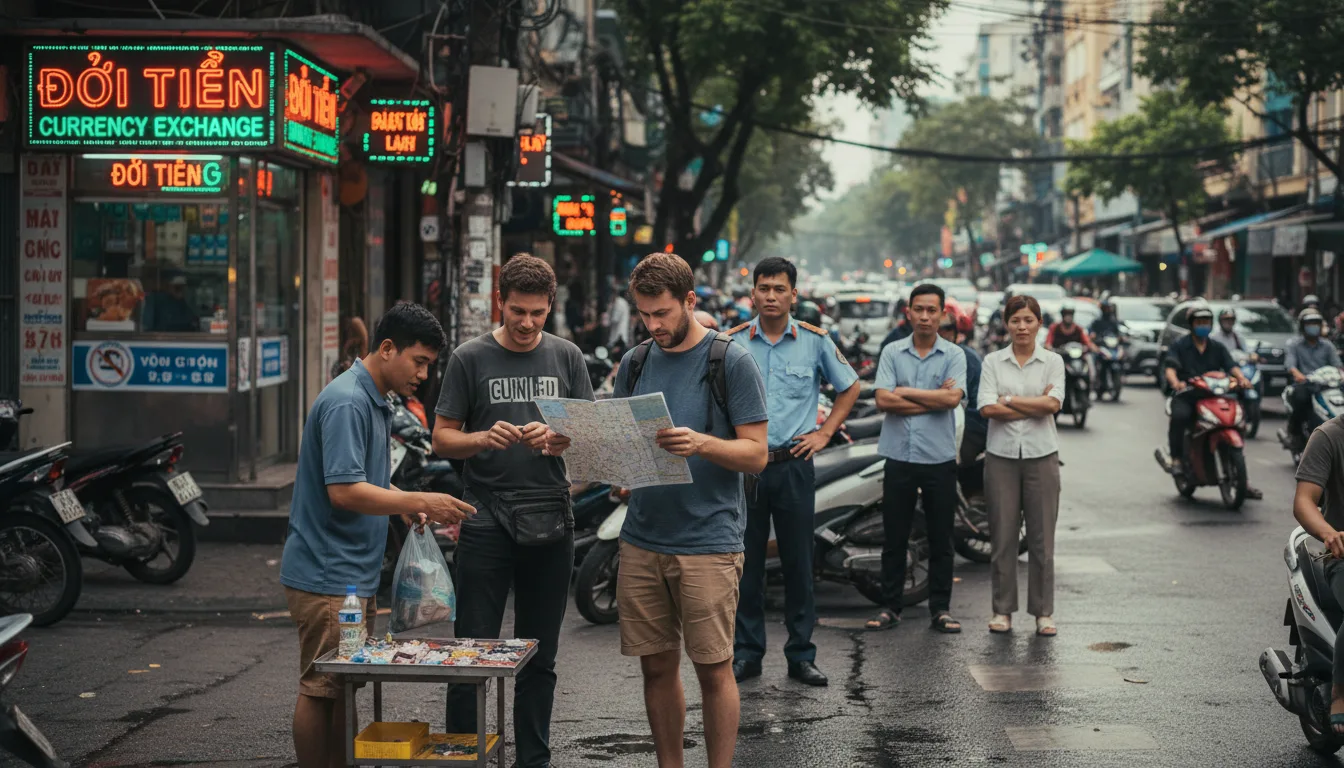
Where Scams in Ho Chi Minh City Are Most Likely to Happen
Scams in Ho Chi Minh City are most likely to happen in places where visitors are rushed, distracted, or unsure of local prices. That usually means airports, nightlife streets, busy markets, and transport hubs. If you know the pressure points before you arrive, it becomes much easier to stay calm, compare options, and avoid paying for convenience you do not actually need.
For adventurous travelers, the city is still worth exploring, but the safest approach is to choose trusted services before you land. A little planning protects your budget and your time, especially when you are moving through District 1, catching a ride late at night, or stopping for food in a crowded area. In practice, scams in Ho Chi Minh City often succeed because people agree too quickly, not because they are careless.
High-risk zones are predictable. Airports and station exits are common for baggage help, overcharged taxis, and unofficial transfer offers. Nightlife streets can bring bar tab padding and pressure to keep ordering. Markets often create confusion around fake goods, currency, and short-changing. In these places, the best defense is simple: confirm the price first, keep your phone ready for maps, and ignore any service that approaches you before you ask for it.
| Risk area | Common problem | Safer choice | Best move |
|---|---|---|---|
| Airport exits | Unlicensed taxis, luggage help, inflated fares | App-based ride or hotel pickup | Book before arrival |
| Nightlife streets | Drink bill surprises, pressure selling | Reviewed bars with clear menus | Pay per order |
| Busy markets | Fake goods, confusion pricing, pickpocketing | Known stalls and fixed-price shops | Count money carefully |
A useful rule is to avoid making decisions in motion. If someone is walking beside you, touching your bag, or pushing a deal before you have checked it, the answer should be no. This matters most for solo travelers and couples arriving tired after a flight, because fatigue lowers judgment and makes small charges feel harmless. If you want a smoother start, use a trusted option such as Toward Local tours for pre-arranged experiences, or choose a fixed pickup arranged through your hotel.
Safer alternatives are usually obvious once you slow down. Use official airport counters, licensed taxis, and ride-hailing apps for transfers. For food and shopping, pick places with visible prices, busy tables, and clear menus. For local exploring, join a guided experience like Ho Chi Minh City tours instead of negotiating every step yourself. That way you still get the local energy, but with less exposure to the most common scams in Ho Chi Minh City.
The places where scams are most likely in Ho Chi Minh City are airports, nightlife streets, busy markets, and transport hubs. These areas combine crowds, hurry, and price confusion, which makes it easier for dishonest sellers or drivers to overcharge visitors. Safer alternatives include official taxis, fixed-price services, and reputable tours booked in advance.
Choose the safer option when the difference is small, because the cheapest offer is often the one that costs more later. A few extra minutes spent checking a company name, a fare, or a menu can save you from a bad start to the day. If you want to explore the city confidently and still enjoy the adventurous side of it, book trusted services early and keep your street decisions simple.
What to Do If You Encounter a Scam in Ho Chi Minh City
Scams in Ho Chi Minh City can happen fast, especially when you are tired, distracted, or still figuring out the local pace. If something feels off, the safest move is to slow the moment down, protect your documents, and avoid turning a small problem into a bigger one.
For first-time visitors, the goal is not to panic. It is to create enough distance to assess what happened, keep control of your money, and move on with confidence. A calm response usually works better than arguing, and it helps solo travelers, couples, and families stay safer in busy streets, markets, and transport hubs.
If you think you have been targeted by a scam, stop negotiating, secure your wallet and passport, take a photo or note of the person or place, and move to a public area. If money has not changed hands yet, leave immediately. If you have already paid, report it to your bank, hotel, or local police as soon as possible.
Immediate steps to protect your money and documents
If you suspect scams in Ho Chi Minh City, the first priority is distance. Step into a shop, hotel lobby, or café, then check your wallet, phone, and passport. Do not keep discussing the issue on the street, especially with taxi drivers, unofficial guides, or anyone trying to pressure you.
Use this quick response plan:
- Keep your passport and card in your bag, not in your hand
- Take a screenshot or photo of receipts, license plates, or ticket details
- Cancel card payments immediately if needed
- Tell your hotel staff what happened and ask for local advice
- If cash was taken, report the amount clearly and move on quickly
For transport or tour problems, a trusted booking platform can help you avoid repeated issues later, and a local option like HCMC food tours is often easier to verify than a random street offer. A useful takeaway: scammers usually rely on speed, so your best defense is slowing everything down.
| Criteria | Do this | Do not do this | Why it matters |
|---|---|---|---|
| Money safety | Move to a safe place first | Count cash in public | Reduces pressure and distraction |
| Document safety | Keep copies of passport and cards | Hand over originals casually | Helps you prove identity without risk |
If you want a lower-stress way to explore the city after a bad experience, choose vetted local experiences instead of reacting to street pressure. That small shift often makes the rest of the day easier.
Common mistakes, FAQs, and a quick traveler checklist
The biggest mistake is trying to win the argument. In many cases, the safest answer is to say no, leave, and report it later. Another common error is assuming a uniform, a name badge, or a polished sales pitch means the offer is legitimate. It often does not.
Quick checklist:
- Do not show large amounts of cash
- Do not leave your bag open in crowds
- Do not accept sudden help without asking why
- Do ask for prices in writing before paying
- Do keep a backup card and digital copies of key documents
FAQ: If a scammer follows you, go to the nearest hotel, pharmacy, or convenience store and ask staff to help. If your card is lost or cloned, contact your bank immediately and freeze it in your app. If you only lost a small amount, sometimes the fastest and safest option is to walk away and focus on the rest of your trip.
For travelers who still want to enjoy the city, planning one reliable activity can restore confidence, and all Toward Local tours can be a safer starting point than improvising every booking on the street. Final takeaway: being alert is useful, but staying calm, documented, and mobile is what really protects you.
If you encounter a scam in Ho Chi Minh City, secure your money, keep your documents close, leave the situation early, and report serious issues through official or bank channels. The best recovery strategy is simple: protect what matters, avoid escalation, and reset your day with trusted transport and verified bookings.