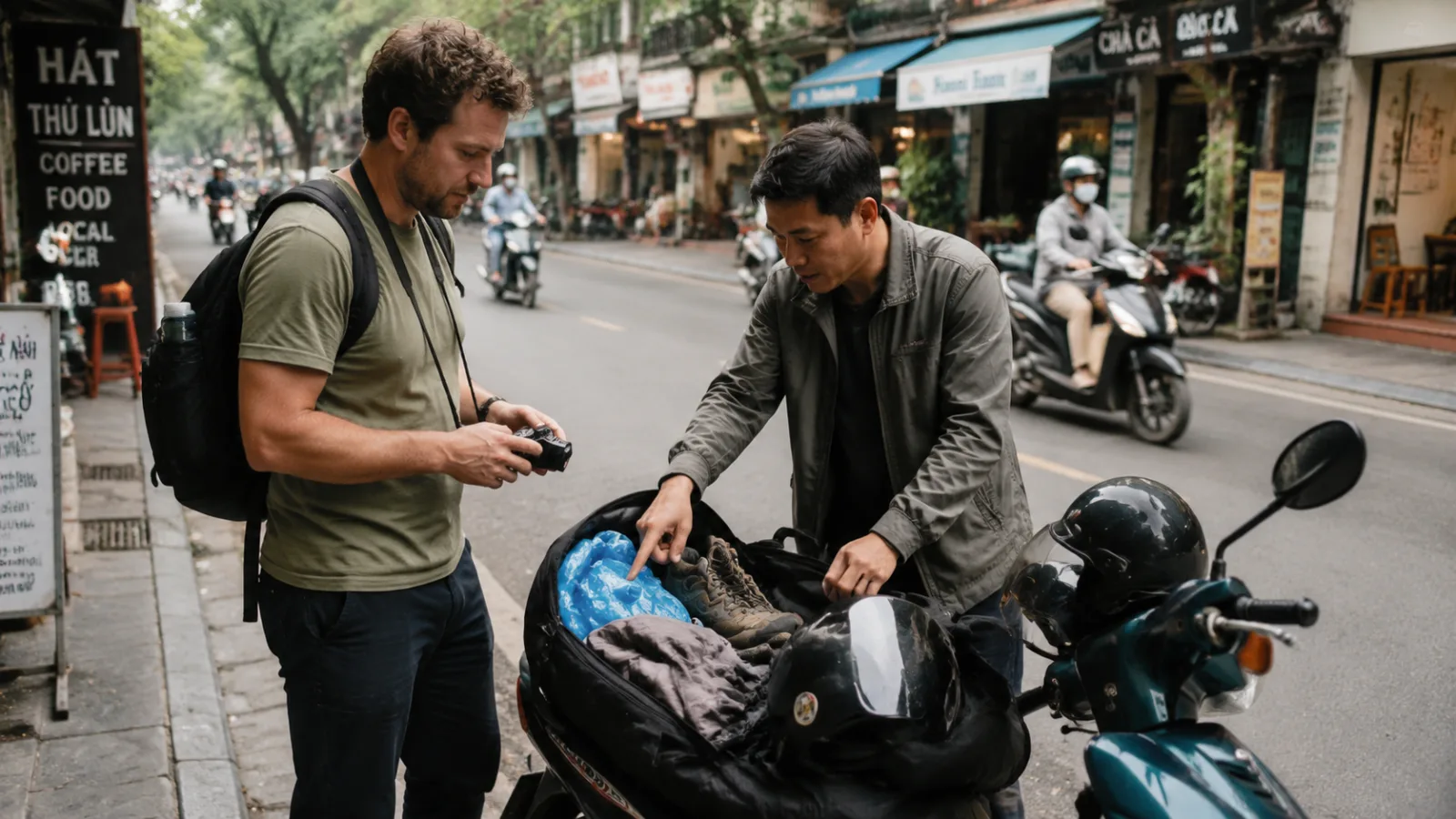

What not to bring on a Vietnam motorbike tour is usually the difference between a smooth ride and a day full of avoidable stress. Many first-time riders overpack, choose the wrong shoes, or carry valuables they never need, then feel the weight every time the road gets rough or the weather changes.
This guide breaks down the packing mistakes that matter most so you can stay light, safe, and flexible from the first city exit to the last mountain pass. If you want a local, adventurous trip with fewer hassles, the smartest move is simple: leave behind anything bulky, fragile, or replaceable, and keep only what truly supports the ride.
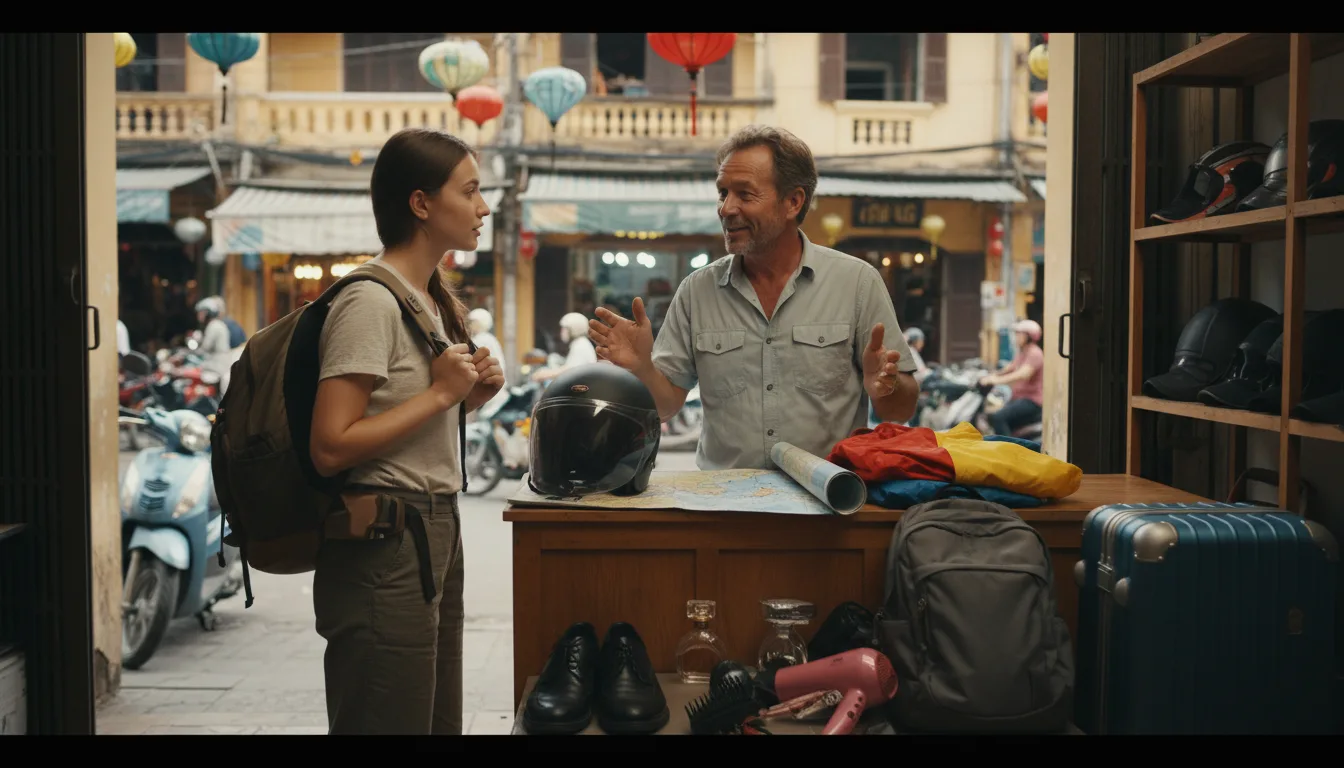
What Not to Bring on a Vietnam Motorbike Tour: The Basics
What not to bring on a Vietnam motorbike tour matters because the wrong items can make a beautiful ride feel heavy, unsafe, and stressful. On Vietnam’s mix of city traffic, mountain bends, and sudden rain, packing less is usually the smarter choice. The goal is simple: keep your body protected, your bag light, and your day flexible.
This guide covers the most common packing mistakes first-time riders make, from bulky luggage to fragile electronics and unnecessary valuables. It also explains when these rules matter most, such as rainy-season rides, long-distance routes, and temple visits. If you are planning a local-style adventure, smart packing will help you ride farther with less effort.
The main things to avoid on a Vietnam motorbike tour are heavy luggage, open footwear, excess cash, expensive jewelry, and unnecessary electronics. These items add risk, slow you down, or create stress on the road. Pack light, protect essentials, and leave anything replaceable at your hotel.
One of the most practical rules is to avoid anything that limits movement or balance. That includes hard suitcases, oversized camera bags, and too many outfit changes. If your luggage is hard to secure on the bike, it becomes a problem on rough roads and during quick stops. A compact dry bag or small backpack is usually enough for most riders.
It is also wise to skip items you can easily buy in Vietnam, such as toiletries, rain ponchos, and basic travel supplies. For example, on a short route through central Vietnam, you may stop for lunch near a local market and find everything you need within minutes. If you want to pair a riding day with a city stop, consider browsing Ho Chi Minh City food tours or planning a relaxed break with Da Nang local tours.
A useful rule is to ask whether the item protects you, helps you ride, or can be replaced cheaply. If the answer is no, leave it behind. That mindset keeps your kit lean and makes the trip easier for solo travelers, couples, and families who want more freedom on the road.
| Criteria | Do not bring | Why it matters | Better choice |
|---|---|---|---|
| Bag weight | Large hard suitcase | Hard to secure and tiring to handle | Small backpack or dry bag |
| Road comfort | Open sandals and loose extras | Less protection on rough roads and in rain | Closed shoes and compact essentials |
These packing rules become especially important in the mountains, during the rainy season, and on longer routes where every stop matters. On a full-day ride, one unnecessary heavy item can turn into constant discomfort. The cleanest approach is to bring only what supports the ride and your safety, then adjust for your route and season.
If you are still building your Vietnam route, use this packing rule early so you can travel lighter, move faster, and enjoy more of the country instead of managing your bag.
When the trip includes multiple destinations, think beyond the motorbike itself and plan how you will move between stops. A lighter bag makes it easier to check into homestays, walk through villages, and join side activities without hassle. For travelers extending the journey into heritage towns, Hoi An tours can be a smart add-on after a riding section.
Pack like a rider, not like a tourist moving house. Leave the unnecessary gear, protect the essentials, and focus on the road ahead. If you want the best Vietnam motorbike experience, start with less, then let the trip itself give you everything else.
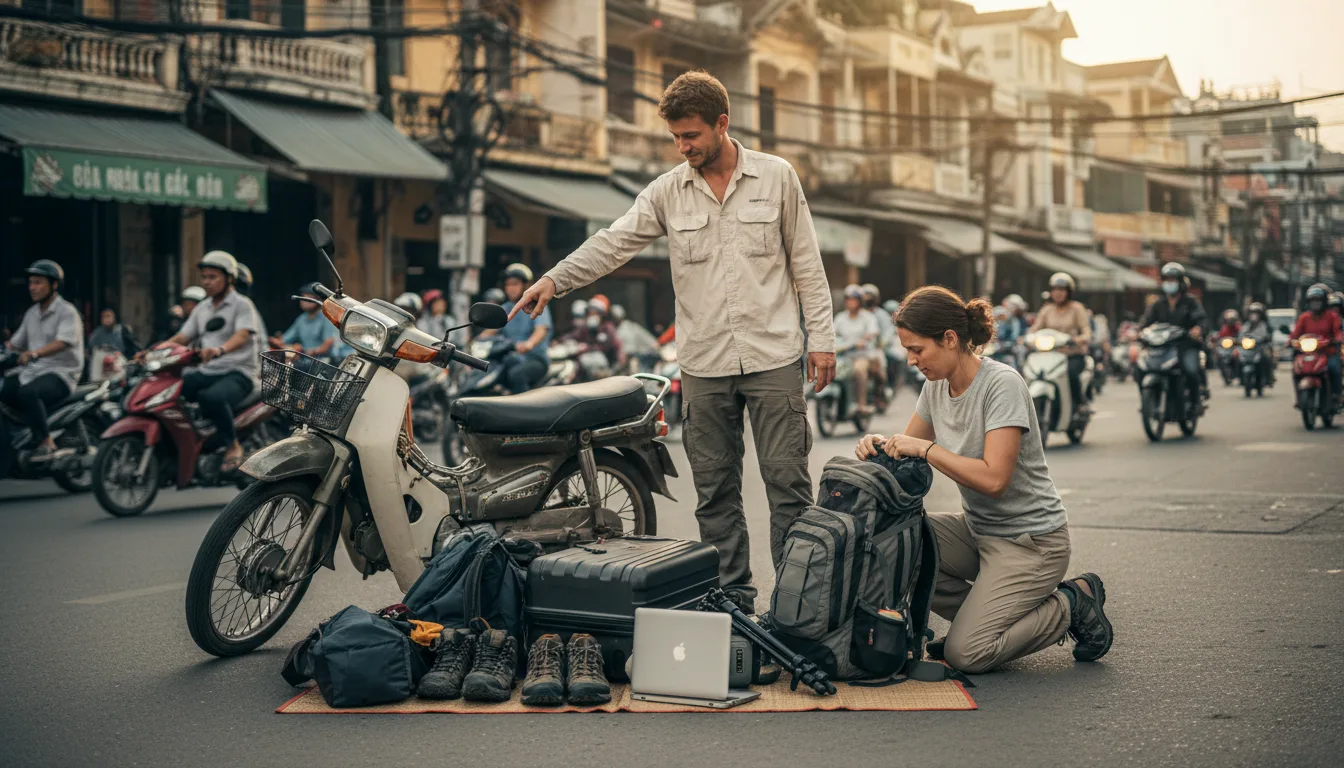
What Not to Bring on a Vietnam Motorbike Tour: Heavy, Bulky, and Unnecessary Items
What not to bring on a Vietnam motorbike tour is just as important as what to pack. Heavy bags, hard-shell suitcases, duplicate gear, and flashy valuables can slow you down, raise the risk of damage, and make every stop more annoying than it should be. The best setup is simple: light, compact, easy to secure, and easy to move when the road gets rough.
On local routes, especially in mountain areas, your luggage is part of your ride experience. If it is awkward to lift, hard to strap down, or too valuable to leave unattended, it becomes a problem fast. That is why smart travelers pack for motion, weather, and convenience first, then leave the rest behind. The result is less stress, safer balance, and more room to enjoy the journey.
Featured takeaway: The fastest way to improve comfort on a Vietnam motorbike tour is to remove anything bulky, fragile, or replaceable. Pack only what you will use every day, keep gear compact, and choose items that dry quickly, fit securely, and do not attract unnecessary attention.
| Criterion | Bring It | Leave It | Why |
|---|---|---|---|
| Bag type | Soft backpack or dry bag | Large suitcase or hard case | Easier to strap down and carry |
| Personal items | Daily essentials only | Extra clothes, duplicate gear, valuables | Less weight, less loss risk, more space |
Large suitcases, hard cases, and oversized luggage are the biggest packing mistake. They do not sit well on a motorbike, they are awkward on stairs and homestay entrances, and they make quick transfers harder than they need to be. A soft bag is better because it compresses, straps down cleanly, and moves with the bike instead of fighting it. If you want an easy stop-and-go trip, choose all Toward Local tours that keep travel simple and road-friendly.
A practical example: a couple arriving in Da Nang with rolling suitcases usually needs extra help before the ride even starts, while a solo traveler with one compact bag can get on the road faster. On narrow village roads or gravel sections, that difference matters. As a takeaway, the less your luggage looks like airport luggage, the better it usually works for a motorbike route.
Extra clothes, duplicate gear, and nonessential valuables are the second thing to cut. You do not need a full wardrobe, a second pair of everything, or jewelry you will never wear on the road. Pack one versatile outfit for riding, one for evenings, and a small backup layer for rain or cooler weather. If you are pairing your trip with local sightseeing, our Ho Chi Minh City tours also work best when you travel light and keep your day bag minimal.
A good rule is simple: if it is easy to replace, leave it out; if it is expensive, hard to secure, or not useful every day, leave it at home. That includes laptops, heavy toiletry kits, extra shoes, large towels, and stacks of snacks. Strong motorbike packing is not about carrying more. It is about carrying less, with better judgment and fewer regrets.
Before departure, check your bag against this short list: 1 soft main bag, 1 small personal day bag, 1 rain layer, 1 compact toiletry kit, 1 set of spare clothes, and only the valuables you truly need. That is usually enough for a comfortable route through Vietnam, whether you are riding solo, as a couple, or with family. If you plan to continue your trip through central Vietnam, Hoi An tours are an easy add-on after a light and flexible ride.
If you want a smoother, safer trip, keep your bag small and your load simple. The right packing decision will save time, reduce stress, and make every stop feel more relaxed.
Book a route that suits light travelers and local explorers, then leave the oversized baggage behind. Vietnam is best enjoyed when your motorbike tour feels agile, practical, and easy to handle from the first kilometer to the last.
What Not to Bring on a Vietnam Motorbike Tour: Unsafe or Impractical Gear
What not to bring on a Vietnam motorbike tour is just as important as choosing the right gear. The wrong items can make the ride heavier, wetter, and less safe, especially on mountain roads, sudden rain, and long transfer days. If you are packing for Vietnam for the first time, focus on light, secure, and weather-ready essentials.
The best approach is simple: reduce weight, protect your valuables, and avoid anything that can move around while the bike is in motion. That means leaving behind loose items, fragile electronics, and anything that blocks movement or balance. On routes like Toward Local tours, smart packing often matters more than packing more.
Do not bring loose bags, glass items, large laptops, heavy jewelry, or non-waterproof gear on a Vietnam motorbike tour. These items can shift, break, get soaked, or distract the rider. Pack only compact, weather-ready essentials that stay secure in a dry bag or small backpack.
Loose items are the fastest way to make a motorbike day feel messy. A jacket without a pouch, a water bottle with no holder, or a phone floating in an open bag can fall out during stops or get damaged in a quick rain shower. In real riding conditions, even a small item bouncing around the seat can become annoying after two hours.
Leave out: loose chargers, unpacked snacks, glass bottles, and anything that needs constant rearranging.
Bring instead: a compact dry bag, zip pouches, and one stable day pack that closes fully.
Fragile electronics also deserve caution. A laptop, tablet, or large camera kit may be fine in a city hotel, but it is often too bulky and risky for road travel. Sudden road vibration, humidity, and rain can damage gear quickly, while extra weight makes the ride less comfortable. If you want to capture the trip, a phone, small action camera, or compact mirrorless camera is usually enough.
When rain is likely, poor protection becomes a real problem. A thin tote bag, non-waterproof backpack, or fabric pouch can soak through in minutes, especially on coastal or mountain routes. If your route includes long outdoor stops, consider how quickly gear can get wet before you even reach the next cafe.
In Vietnam, rain often arrives fast and leaves just as fast, so your packing system should be ready before the weather changes.
Items that distract riders or reduce control should also stay home. Heavy jewelry, dangling scarves, oversized headphones, and bulky fashion accessories can interfere with helmets, movement, or visibility. Even a bag strap crossing the chest in the wrong way can become uncomfortable on a bumpy road.
A practical test helps here: if an item needs attention during the ride, it probably does not belong on the bike. This is especially true for solo travelers and couples who want a smoother, safer day without constant stops to fix bags or adjust clothing.
| Criteria | Avoid | Better choice | Why it matters |
|---|---|---|---|
| Weight | Laptop or full camera bag | Phone or compact camera | Less strain and easier handling |
| Weather protection | Open tote or fabric pouch | Dry bag or sealed backpack | Stops rain from ruining gear |
If you are booking a route with long riding hours, keep your packing list tight and route-specific. For a more local and flexible travel style, browse Hoi An tours or compare options across Da Nang tours before you decide what fits your pace and luggage style.
Final tip: pack for movement, not for hotel comfort. The lightest bag is usually the one you forget about on the road, and that is exactly what you want on a Vietnam motorbike tour.
What Not to Bring on a Vietnam Motorbike Tour: How to Pack Smarter Instead
What not to bring on a Vietnam motorbike tour is usually the first packing question riders get wrong. The biggest mistake is overpacking for comfort that never arrives on the road. A motorbike trip across Vietnam rewards light, practical gear, not a full suitcase of maybes. The goal is simple: stay safe, stay mobile, and keep your essentials easy to reach.
If you are riding through mountain passes, coastal roads, or busy city streets, every extra item becomes a problem. Heavy bags affect balance, fragile electronics get exposed to dust and rain, and bulky clothing slows you down at stops. Pack with the route in mind, then cut anything that does not protect you, dry fast, or earn its space.
Avoid bulky luggage, fashion-first clothing, expensive jewelry, full-size toiletries, and unnecessary electronics. Bring only weather-ready layers, closed-toe shoes, compact rain protection, a small power bank, and a few daily essentials. On a Vietnam motorbike tour, lighter packing improves comfort, safety, and flexibility on long riding days.
What not to bring on a Vietnam motorbike tour often comes down to five categories: heavy luggage, non-protective footwear, valuables, oversized tech, and duplicate toiletries. A better setup is a small dry bag, one riding outfit, one casual layer, and one rain layer. If you need more, you can usually buy it locally in towns and cities along the way.
| Criteria | Avoid | Bring Instead | Why It Matters |
|---|---|---|---|
| Footwear | Flip-flops and loose sandals | Closed-toe shoes or boots | Better grip, protection, and control |
| Luggage | Large suitcase or hard shell bag | Compact duffel or dry bag | Easier handling on the bike |
| Valuables | Expensive jewelry and lots of cash | Minimal cash and basic cards | Lower theft risk and less stress |
For a safer, lighter setup, choose gear that solves more than one problem at once. A light rain shell, quick-dry clothing, and a compact phone mount are more useful than a bulky jacket, extra jeans, or a laptop. If you want a more structured way to plan your route, check the all tours of Toward Local to compare trip styles before you pack.
The right gear depends on where you ride. Northern mountain routes need warmer layers and stronger rain protection, while southern trips usually call for breathable fabrics and sun coverage. On a route that mixes food stops, city riding, and rural scenery, like a day around Ho Chi Minh City tours, the best choice is gear that works in heat, traffic, and sudden showers without adding bulk.
Use this simple filter before departure: if an item is heavy, fragile, replaceable locally, or only useful once, leave it out. If it protects your body, keeps you dry, or saves time on the road, keep it. Riders who pack this way enjoy shorter mornings, fewer bag changes, and more freedom to stop for views, food, and local detours.
When in doubt, pack for comfort on the bike, not for comfort in a hotel room. That mindset keeps your load lean and your ride smoother from the first kilometer to the last. If your route includes coastal stops and warm weather, a practical option is to browse Da Nang tours for ideas that match lighter travel planning.
Final tip: bring one set of essentials, one backup layer, and one small bag for daily access. Leave the rest behind. On a Vietnam motorbike tour, smart packing is not about bringing more options. It is about removing friction so you can focus on the road, the scenery, and the local experience.
What Not to Bring on a Vietnam Motorbike Tour: Common Mistakes, FAQ, and Final Tips
What not to bring on a Vietnam motorbike tour is usually less about forgetting gear and more about overpacking the wrong things. First-time riders often carry too much, choose unsafe clothing, or bring items that add weight without improving comfort. The smartest approach is simple: pack light, protect your body, and leave anything that can be bought locally or safely skipped.
That matters even more on long rides through mountain roads, wet coastal stretches, and small rural stops where every extra kilo makes the bike harder to manage. If you want a smoother trip, think in terms of function, not habit. A lighter bag means easier balance, faster checks at homestays, and less stress when weather changes or roads get rough. If you are planning a broader travel route before or after the ride, browse all Toward Local tours for more flexible trip ideas.
The most common packing mistakes first-time riders make are predictable. They bring bulky luggage, heavy electronics, too much cash, and clothing that looks fine in a city but fails on the road. A better rule is simple:
- Leave behind valuables you do not need daily
- Avoid oversized bags that shift while riding
- Skip fashion-first items that reduce safety
- Carry only one reliable set of essentials
A practical example: a small daypack, one power bank, travel-size toiletries, and quick-dry clothing usually cover most routes. You do not need full-size shampoo bottles, extra towels, or multiple pairs of bulky shoes. If your itinerary includes a city stop before the ride, a light reset in Ho Chi Minh City experiences can help you sort supplies and travel onward with less clutter.
| Criteria | Leave Behind | Bring Instead | Why It Matters |
|---|---|---|---|
| Weight | Large suitcase | Small backpack | Improves balance and control |
| Safety | Jewelry and loose items | Closed shoes and fitted layers | Reduces snagging and injury risk |
Do not bring bulky luggage, unnecessary electronics, large cash amounts, or unsafe footwear on a Vietnam motorbike tour. Pack only what supports riding comfort, weather protection, and daily essentials, then adjust your load after the first ride if needed.
FAQ: what to leave behind, what to carry, and when to adjust your load
Should I bring a lot of cash? No. Carry enough for fuel, food, and small purchases, then keep the rest secure elsewhere. A modest amount lowers risk and keeps your day simpler.
Do I need a laptop or tablet? Usually not. A phone, charger, and compact power bank are enough for maps, photos, and communication. Heavy electronics are hard to protect and add stress on bumpy roads.
What about rain gear and toiletries? Bring a light rain layer and travel-size basics only. In many towns, you can buy replacements easily, which is why overpacking toiletries is one of the most common mistakes.
When in doubt, adjust your load after your first stop. Riders often realize they do not need half of what they packed, especially on routes with simple homestays and frequent local services. If your Vietnam trip includes a scenic base in central Vietnam, Da Nang tour options can fit neatly around a lighter riding setup and short transfers.
Final tip: Pack for movement, not for fear. The best motorbike trips feel easy because the load is simple, the essentials are close at hand, and nothing in your bag gets in the way of the road. Leave the extras behind, trust local availability, and keep your setup flexible from day one.
If you want a route that feels more local, more flexible, and easier to combine with food, culture, and short transfers, choosing the right plan matters as much as the packing list. Start light, stay practical, and book the style of trip that matches how you actually travel.