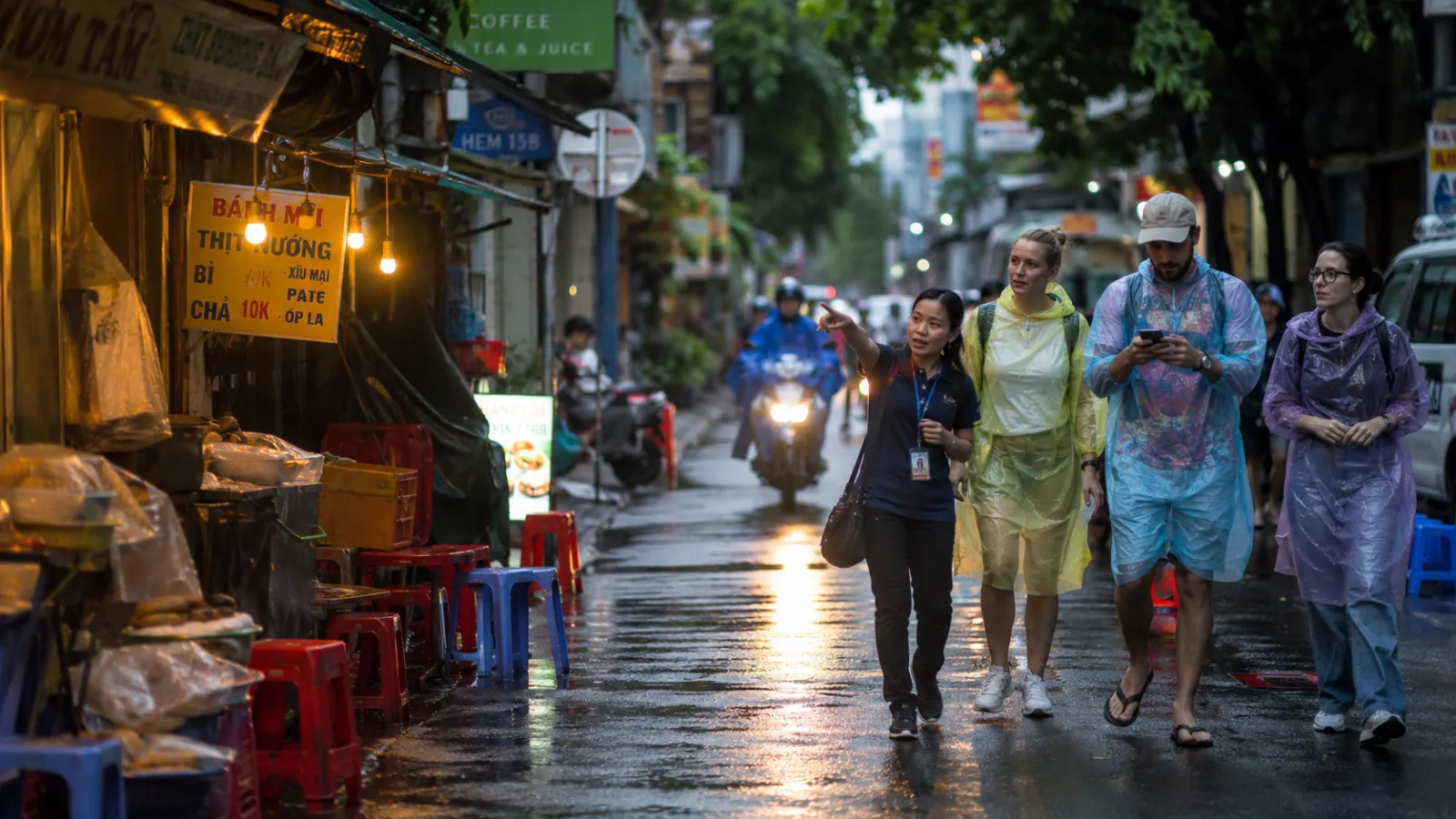

Ho Chi Minh City rainy season is the part of the year that catches many first-time visitors off guard: clear skies can turn into a heavy shower in minutes, and the heat returns just as fast after the rain stops. For travelers, the real challenge is not the rain itself but the mix of humidity, traffic delays, and last-minute planning changes. This guide breaks down Saigon weather in a practical way so you can stay comfortable and flexible.
The monsoon season in southern Vietnam usually means short, intense downpours rather than all-day rain, which is why the rhythm of the city feels unpredictable but manageable. If you know how rainfall in Ho Chi Minh City affects transport, walking routes, and daily timing, you can still enjoy local food, markets, and neighborhood life. For a deeper look at the city, our free Saigon Street by Street guide maps the local eats and streets that suit wet-weather planning.
What the Ho Chi Minh City Rainy Season Is Like
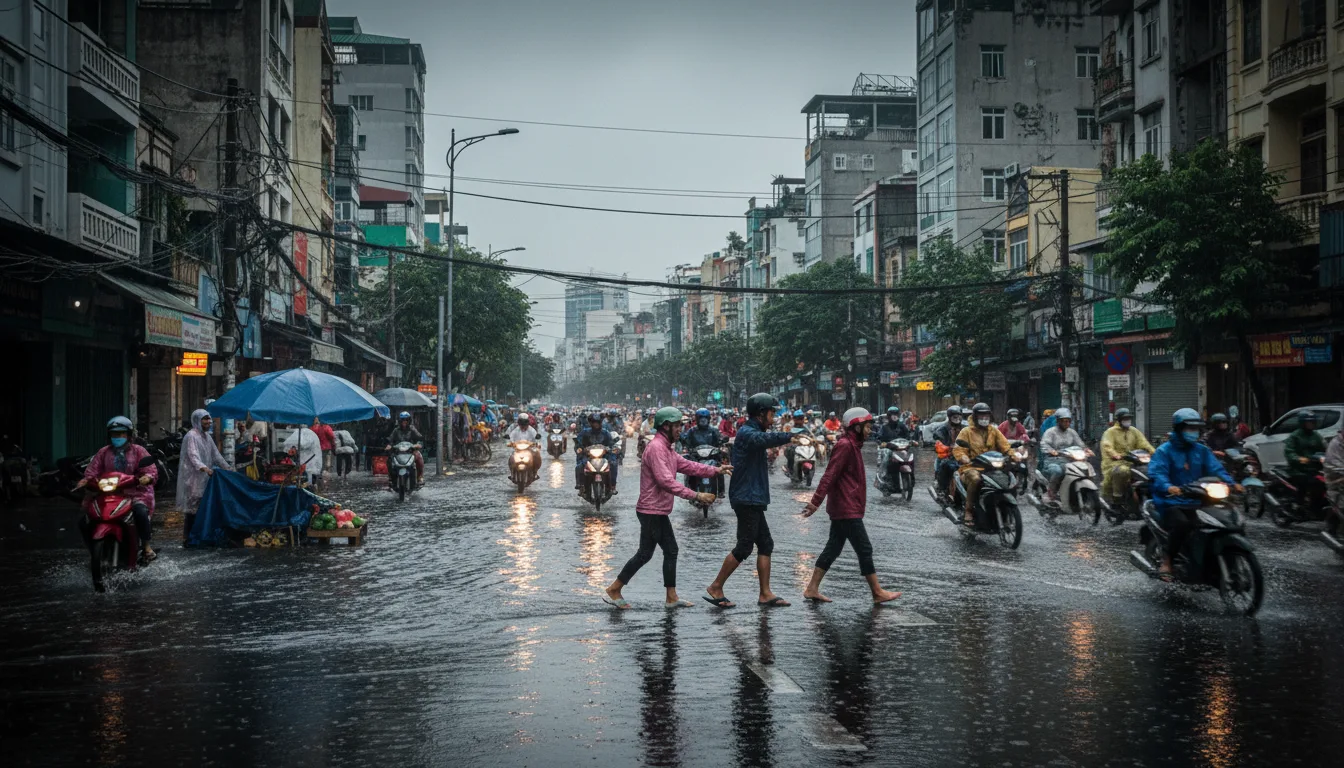
Ho Chi Minh City rainy season means short, heavy tropical showers, high humidity, and sudden changes in street conditions. For travelers, the key is not to avoid the rain completely, but to plan around it so you can still explore food stalls, local neighborhoods, and evening walks with less stress.
The Ho Chi Minh City rainy season usually runs from May to November, with the heaviest rain often arriving between June and September. Most showers are intense but brief, so a clear morning can turn into a fast afternoon downpour. That pattern matters if you are booking street food tours, scooter rides, or day trips that depend on timing. If you want a flexible local experience, browse HCMC food tours before you lock in your schedule.
What defines the rainy season in Ho Chi Minh City is less about all-day rain and more about predictable disruption. You may see blue skies, then thunderclouds, then a 20-minute burst that floods curbs and cools the air at the same time. A practical rule is simple:
• Carry a compact poncho or umbrella
• Wear quick-dry shoes
• Keep one indoor backup plan for late afternoons
That rhythm is why many solo travelers and couples still enjoy the season. Prices can be softer, crowds can feel lighter, and the city often becomes more comfortable after a storm passes. For comparison, trips farther south or west can follow different weather patterns, so see all Toward Local tours if you are building a wider Vietnam route.
| Criteria | Rainy season | Dry season | Best for |
|---|---|---|---|
| Weather pattern | Short heavy showers, humid afternoons | Hot, brighter, less rain | Flexible travelers |
| Trip style | Local food, indoor breaks, short hops | Longer sightseeing days | First-time visitors |
The rainy season in Ho Chi Minh City typically lasts from May to November. Expect brief tropical downpours, high humidity, and occasional flooding in low-lying streets, but also cooler air after rain and better value for flexible travelers.
If you are planning a local adventure, the rainy season is not a reason to skip the city. It is a reason to pack smarter, move earlier in the day, and keep your schedule loose. For travelers who want to eat, walk, and discover the city like a local, that mindset usually pays off.
If you want help choosing experiences that still work well in wet weather, check the most practical options first and build your route around the rain, not against it.
Ready to explore Ho Chi Minh City with a local rhythm that fits the season? Start with a food-focused experience and make the rainy months part of the trip rather than a problem to solve.
How the Ho Chi Minh City Rainy Season Affects Daily Life and Travel
Ho Chi Minh City rainy season changes how the city feels, moves, and plans its day. Visitors often expect a constant downpour, but the reality is more practical: short heavy showers, sticky air, and sudden street flooding in low areas. If you are planning local food walks, motorbike rides, or flexible sightseeing, knowing the pattern helps you stay dry without slowing the trip.
The good news is that the wet season rarely cancels a day, it just reshapes it. Mornings can be bright, afternoons can turn stormy, and evenings often cool down after rain. That rhythm matters for solo travelers, couples, and families who want to explore beyond the obvious tourist stops and still keep the day comfortable, efficient, and safe.
Typical weather patterns, showers, and humidity
The city usually sees high humidity, warm temperatures, and fast-moving showers that arrive with little warning. Rain often lasts from 20 to 90 minutes, which means you can still get a full café stop, market visit, or museum session between storms. The real challenge is not the rain itself, but the combination of heat and moisture that makes even short walks feel tiring.
For example, a midday stroll through District 1 can feel manageable before the clouds build, then suddenly turn uncomfortable when the streets steam after the shower. A light poncho, breathable clothing, and waterproof shoes make a bigger difference than most first-time visitors expect. This is also why local food experiences in Saigon often work well in the wet season, because you can move between stops quickly and stay close to shelter.
Rain usually reduces the heat for a few hours, so the best window for walking is often right after a shower rather than before it.
| Criteria | Dry Season | Rainy Season | Best Response |
|---|---|---|---|
| Walking comfort | Hot but predictable | Sticky with sudden rain | Start early and stay flexible |
| Transport | Stable and fast | Slower with flooding risk | Use ride-hailing and buffer time |
Common impacts on transport, outdoor plans, and sightseeing
Transport is where most travelers feel the rainy season first. Motorbike taxis become less comfortable during heavy showers, sidewalks can pool water, and a short ride may take longer than expected if a street floods. If you are moving around after work hours or around market districts, allow extra time and avoid tight transfer plans.
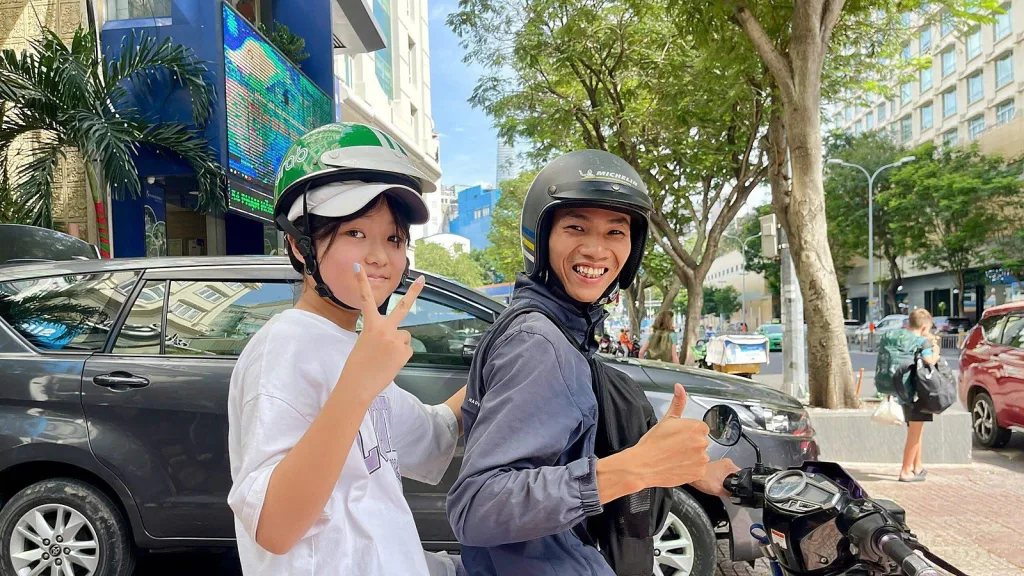
Outdoor activities are still possible, but they need smarter timing. Rooftop bars, city markets, and riverfront strolls can work well in the morning or after rain clears, while long open-air sightseeing is better saved for a dry forecast. If you want something more structured, our Saigon night food tour by motorbike puts you pillion behind a local driver, so the route and timing are handled for you.
If you want to enjoy Ho Chi Minh City in the wet season, build your plan around short transfers, indoor backups, and one flexible outdoor anchor activity. That approach keeps the trip local, adventurous, and low stress, even when the weather shifts fast.
How to Prepare for the Ho Chi Minh City Rainy Season
Ho Chi Minh City rainy season travel is easier when you plan for sudden showers, high humidity, and streets that can turn slick in minutes. The goal is not to avoid the rain completely, but to move with it confidently.
For first-time visitors, the smartest approach is simple: pack light, stay flexible, and choose transport that keeps you dry. If you are building a local-style itinerary, this is also a good moment to slow down and enjoy covered markets, cafés, and indoor food stops between showers.
| Criteria | Best Choice | Why It Helps | Traveler Fit |
|---|---|---|---|
| Footwear | Quick-dry sneakers or sandals | Better grip on wet pavement | Solo travelers, couples, families |
| Outer layer | Light poncho or compact rain jacket | Easy to carry and use fast | Motorbike riders and city explorers |
What to pack and wear for wet-weather comfort
Wear breathable clothes that dry fast, because cotton gets heavy once humidity rises. A thin rain jacket works better than an umbrella when you are walking through narrow sidewalks or hopping on and off a local food tour between short bursts of rain.
Pack a small set of practical items: waterproof phone pouch, compact poncho, extra socks, mosquito repellent, and a foldable tote for wet items. For most travelers, one pair of closed shoes and one pair of sandals is enough. The takeaway here is that comfort matters more than style when streets are flooded after a heavy afternoon downpour.
Smart planning tips for getting around and staying dry
Rain usually comes in intense waves, so plan your longest walks earlier in the day and keep indoor stops ready as backups. A soft practical move is to book a ride-hailing car instead of a motorbike when the sky turns dark, especially if you are carrying camera gear or traveling with children.
When timing matters, check your route before leaving and choose hotels or cafés with easy shelter nearby. If your trip is flexible, you can still enjoy the city through the rain, and the right mix of food, transport, and timing makes the full tour collection a useful fallback for weather-proof planning.
During the Ho Chi Minh City rainy season, pack quick-dry clothing, a compact poncho, insect repellent, and waterproof footwear. Plan outdoor sightseeing for earlier hours, use ride-hailing during heavy showers, and choose indoor food or café stops as flexible backups.
If you want a smoother rainy-season plan, build your day around local food, short transfers, and flexible sightseeing windows.
Book a weather-aware city experience early so you can explore Ho Chi Minh City without wasting time waiting out the rain.
Best Ways to Enjoy Ho Chi Minh City During Rainy Season
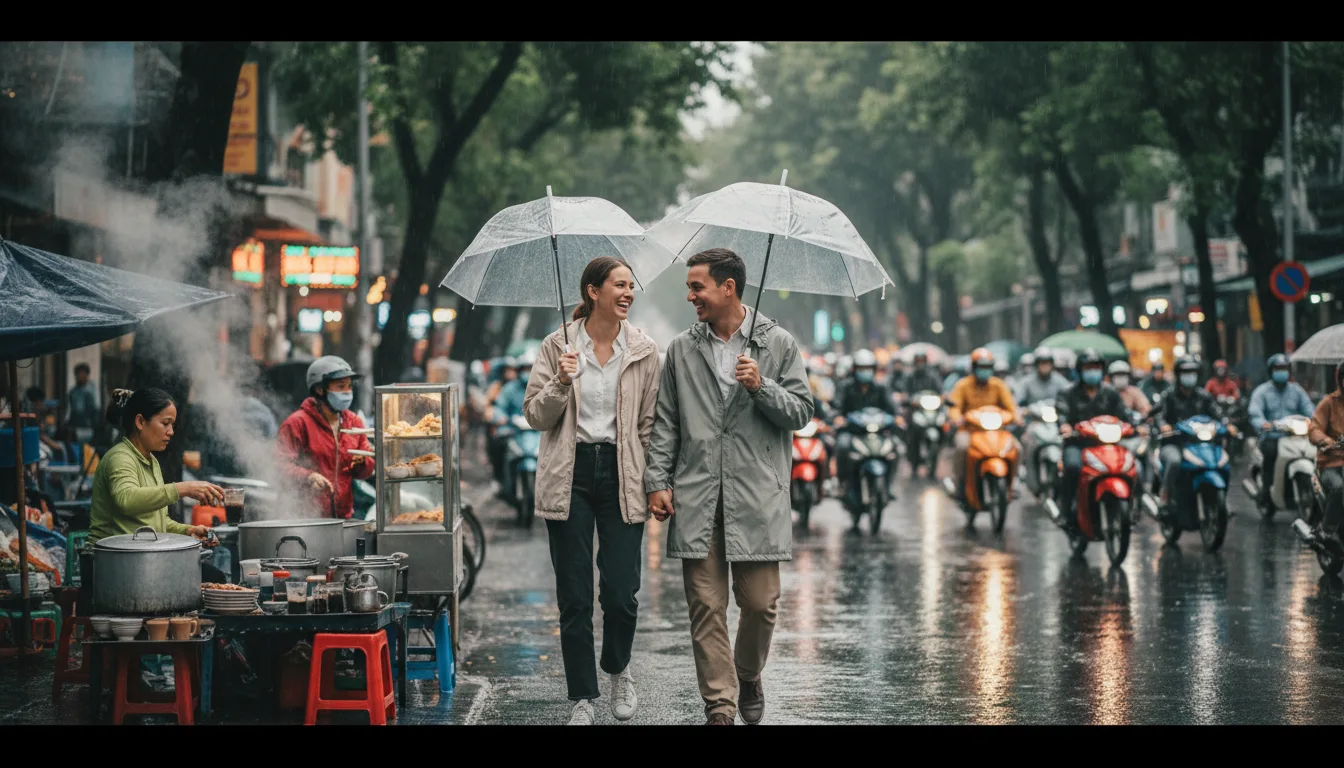
Ho Chi Minh City rainy season does not have to slow your trip down. In fact, the city often feels more comfortable after the afternoon rain, with cooler streets, easier taxi rides, and fewer crowds at major sights. For first-time visitors, the key is to plan around short downpours instead of trying to avoid them completely.
If you like local experiences, this season can work in your favor. Cafes, galleries, markets, and food halls stay active while outdoor plans pause briefly, which makes it easier to focus on what Saigon does best: food, culture, and everyday street life. A good rain jacket, flexible timing, and a smart route can turn wet weather into a smoother travel day.
The best way to enjoy Ho Chi Minh City during rainy season is to build your day around indoor attractions, local food stops, and short cultural visits between showers. Start with a late breakfast, move to a museum or cafe when rain hits, then end the day with a food tour or evening stroll after the streets dry.
Indoor activities, food spots, and cultural experiences
When rain arrives, shift to places that are easy to access and worth the time indoors. A practical route could look like this: morning coffee in a hidden cafe, a museum or gallery before lunch, then a long food stop in the afternoon. If you want a guided local experience, HCMC food tours are especially useful in wet weather because they keep movement short while still covering neighborhoods and dishes that most travelers would miss on their own.
Good rainy day options include the War Remnants Museum, the Fine Arts Museum, and small specialty cafes in District 1 and District 3. Families usually prefer places with easy transport and air conditioning, while couples and solo travelers often enjoy slow afternoons in design cafes or bookshops. A useful rule: if the rain is heavy, stay in one district and go deeper instead of rushing across the city.
| Criteria | Best for | Why it works | Rainy season tip |
|---|---|---|---|
| Museums and galleries | Culture lovers | Air-conditioned, easy to combine with cafes | Go before lunch to avoid peak rain |
| Food tours and market stops | Food-focused travelers | Local, flexible, and weather friendly | Keep poncho and cash ready |
If you are comparing seasons, our guide to Ho Chi Minh City in February shows what the drier months feel like. A soft booking cue is useful here: rainy season is often the best time to book activities that keep you close to the local scene, because you spend less energy on transit and more on the actual experience.
Why the rainy season can still be a good time to visit
The main advantage of the wet season is not just lower prices. It is the atmosphere. Rain cools the air, street noise softens, and the city feels less overwhelming than in the dry season. For many visitors, that makes Saigon easier to enjoy on foot, especially if they like observing daily life rather than ticking off landmarks as fast as possible.
The real strategy is simple: start early, stay flexible, and treat showers as a scheduling break, not a problem. Book indoor activities first, leave room for food stops, and use short windows of dry weather for walking. If you are planning a local and adventurous trip in Ho Chi Minh City rainy season, this approach gives you better comfort, better timing, and a more authentic look at the city after the rain passes.
If you want to make the most of rainy-season Saigon, choose experiences that keep you close to the food, culture, and local rhythm of the city. Start with a well-planned route, pick one neighborhood at a time, and book a local tour when you want the easiest way to stay dry while still exploring deeply.
Rainy Season Tips, Common Mistakes, and FAQ
Ho Chi Minh City rainy season can surprise first-time visitors with fast showers, sticky humidity, and sudden street flooding, but it does not need to derail a local-style trip. The key is to travel with a flexible plan, the right shoes, and a realistic sense of how the city moves after 3 p.m., when heavy rain often changes traffic, food stops, and walking routes.
For adventurous travelers, the wet months can actually improve the experience if you know where the friction points are. A good rain shower cools the city, café culture gets better, and indoor plans become more valuable. Smart visitors use the season to slow down, eat well, and book neighborhood-focused experiences like local food tours when the weather turns unpredictable.
In Ho Chi Minh City rainy season, pack a compact poncho, waterproof footwear, insect repellent, and a backup plan for every outdoor activity. Expect short but intense afternoon rain, traffic slowdowns, and occasional flooding in low areas. The best strategy is to stay flexible, book central accommodation, and shift sightseeing to mornings or indoor food and culture stops.
Mistakes travelers often make during the rainy season
One common mistake is treating the rain like a minor inconvenience instead of a daily pattern. Many visitors go out in sneakers that dry slowly, carry no cover for a backpack, and assume a taxi will always stop exactly where they need it. In reality, a five-minute walk in the wrong shoes can ruin the rest of the day.
- Choosing cotton clothing that stays wet for hours
- Planning only outdoor attractions with no indoor backup
- Ignoring mosquito risk near parks, canals, and standing water
- Booking a hotel in a low-lying street without checking flood history
A small but useful insight: locals often time errands before the rain arrives, then shift to cafés, malls, or family meals once the streets flood. That same rhythm helps travelers stay comfortable. If you want a deeper local rhythm beyond the city center, check dates for the Saigon night food tour as a backup option for wetter days.
| Tip | Best for | Why it works | Quick note |
|---|---|---|---|
| Pack a poncho | Solo travelers and motorbike rides | Light, cheap, and fast to use | Buy one before the storm |
| Stay central | Families and first-time visitors | Reduces time lost to flood-prone streets | Check access to main roads |
FAQ: What people should know before visiting Ho Chi Minh City in the rainy season
Is the rainy season a bad time to visit? No. It is better to think of it as a different style of trip. You may lose some open-air comfort, but you gain cooler air, fewer crowds at some attractions, and stronger opportunities for food-first travel, café hopping, and neighborhood exploration.
When does the rain usually come? Most showers hit in the afternoon or early evening, often after a hot, humid morning. That makes early sightseeing the easiest win, while lunch, coffee, and indoor planning become the natural pause point.
What should I pack? Use the simple rule: quick-dry clothes, sandals or shoes with grip, a compact umbrella, insect repellent, and a waterproof bag for electronics. If you are traveling with children, keep a spare outfit in day bags, because one heavy shower can change the whole schedule.
Can I still do street food and local exploring? Yes, and many travelers actually prefer it. Rain can make the city feel more authentic, as long as you avoid flooded corners and keep your plans flexible. The strongest trips mix market visits, small eateries, and short neighborhood walks with a fallback café or covered venue nearby.
If you want the easiest rainy-season experience, stay near District 1 or another central area, start early, and avoid rushing after dark. That simple approach saves time, lowers stress, and keeps the trip feeling adventurous instead of chaotic. For travelers who want to make the most of the season, book a local experience, watch the weather, and let the city set the pace.
For a softer decision point, rainy season is best for travelers who value atmosphere, food, and flexibility over perfect weather. If that sounds like your style, choose a centrally located stay, plan indoors for the hottest part of the day, and keep your evenings open for spontaneous local finds.
If you are ready to turn wet weather into a better trip, plan smarter, pack lighter, and build your days around local rhythm. That is how the city becomes easier, cheaper, and far more memorable in the rain.