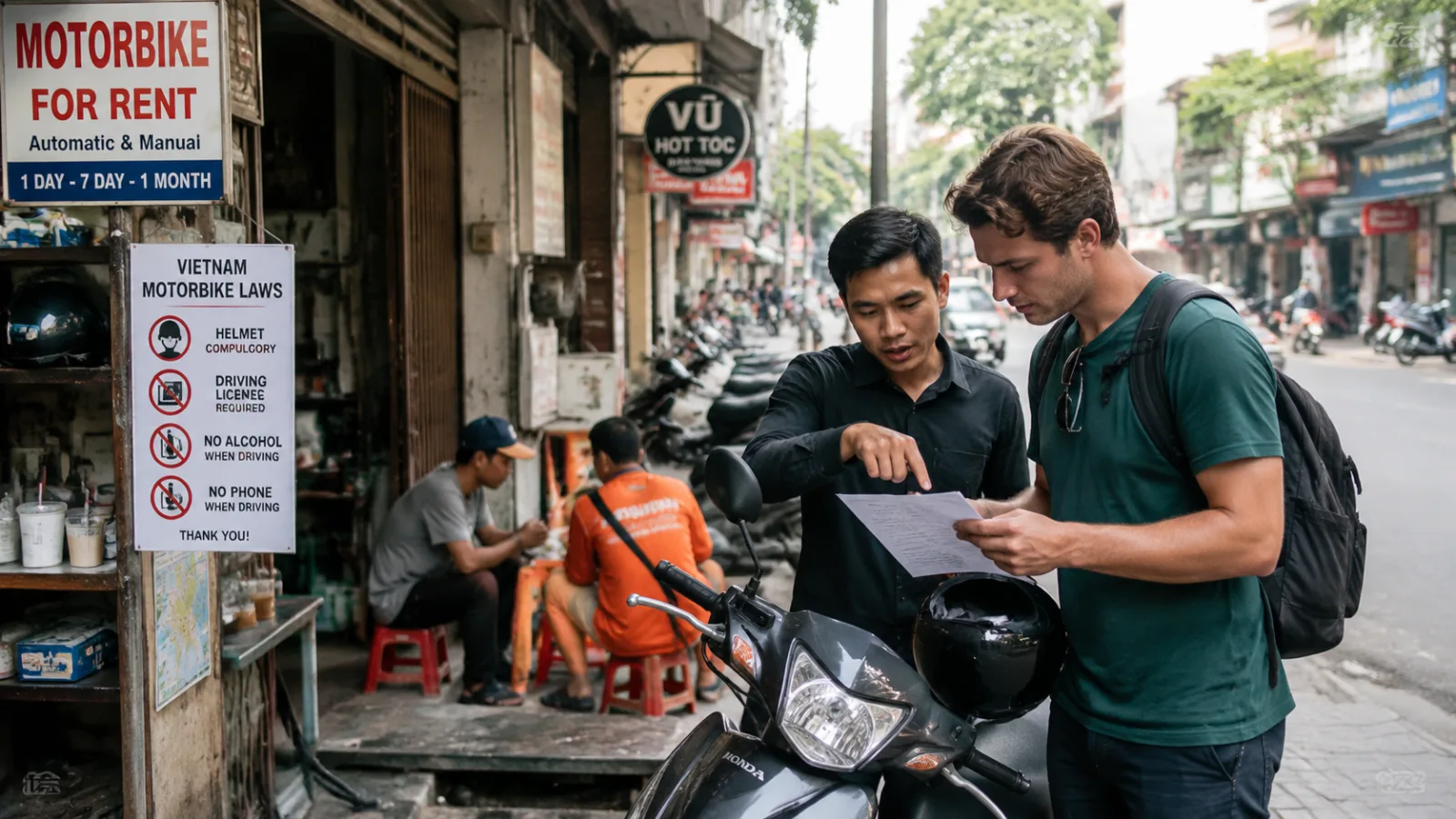

Vietnam motorbike laws can feel confusing the moment you arrive, especially if your home country handles licensing, helmets, and police stops differently. Many riders assume a car licence is enough or that a quick rental handover means they are covered, then discover the rules are stricter on the road. This guide gives you the practical basics so you can ride with less stress, fewer fines, and better confidence.
If you are planning a scenic ride, the safest approach is simple: check your licence, wear a proper helmet, keep your documents ready, and understand how enforcement works in real life. Vietnam motorbike laws are not hard once you know the pattern, and that is what this chapter is here to clarify. For travelers who want a smoother start, a guided local tour can also remove the guesswork while still keeping the trip adventurous.
| Criteria | Legal ride | Risky ride | What to do |
|---|---|---|---|
| Licence | Recognized IDP with correct category | Home licence only or wrong IDP | Confirm before renting |
| Safety | Helmet strapped properly | Loose helmet or no helmet | Check every ride |
A quick practical insight: most problems happen before the engine even starts. If your paperwork is wrong, the rest of the ride becomes expensive fast. That is why experienced travelers usually sort the legal side first, then enjoy the road, especially on routes where a small mistake can end a day trip early. If you want a safer, easier way to explore, a local experience such as Hoi An tours can be a smart alternative when you are not confident riding yourself.
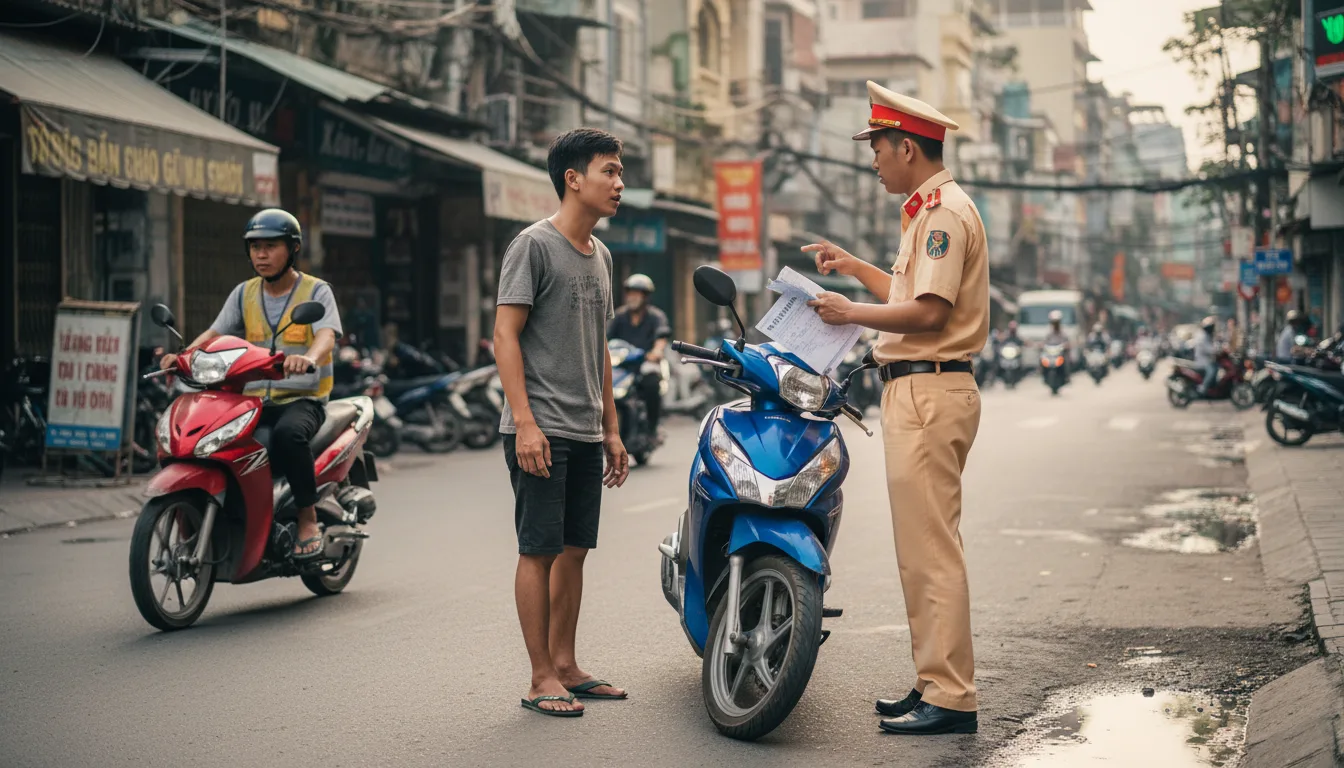
Vietnam Motorbike Laws Explained: The Basics for Riders
Vietnam motorbike laws matter most when you plan to ride beyond the city center, because a small mistake can lead to a fine, an impounded bike, or a ruined day. For visitors, the main issues are licensing, registration, helmets, alcohol limits, and road behavior. If you are exploring on your own, the safest approach is to understand the rules before you start the engine.
Vietnam motorbike laws are not just for locals. They affect tourists on short trips, expats living here, and long-term residents who ride daily. The good news is that the rules are straightforward once you know what police check, what rental shops expect, and when a paper form matters more than riding skill. That is especially true if you want to ride legally and stress-free on scenic routes or between cities.
The basics of Vietnam motorbike laws are simple: carry a valid licence, wear a fastened helmet, register the bike properly, obey speed and lane rules, and never drink and ride. These rules matter most for tourists, expats, and long-term residents because enforcement is active, fines are real, and insurance often depends on legal compliance.
In practice, the law covers four things most riders feel immediately: licensing, vehicle papers, safety gear, and road discipline. A foreign rider on a rented scooter may need to show a recognised licence and passport details, while the rental company should provide a properly registered bike. Helmets must be worn by everyone on the bike, and the strap should be fastened before you move. Even a short hop to a cafe can turn into a problem if you skip these basics.
A simple example helps. A couple renting a 110cc scooter for a beach day may think a car licence is enough, but if the licence is not recognised in Vietnam, the ride is technically illegal. On the other hand, an expat with the right permit and a valid local registration can ride with far less risk, as long as they keep the documents accessible and follow road rules. Small details often matter more than confidence on the road.
| Criteria | Tourists | Expats | Long-term residents |
|---|---|---|---|
| Licence check | Must match Vietnam recognition rules | Often need local conversion or valid permit | Best handled with a local licence setup |
| Daily risk | Higher during short leisure rides | Medium, especially in city traffic | Depends on commute length and route |
For tourists, the law matters most when renting a bike for city exploring, coastal day trips, or mountain loops. For expats, it becomes part of daily life, because even routine errands can expose you to checkpoints or insurance issues. For families and couples, the key insight is practical: a safe, legal ride starts with paperwork, not just a helmet. If you want a smoother trip, browse all Toward Local tours and compare options that reduce the stress of self-driving.
A useful rule of thumb is to treat every ride like a short legal checklist. Confirm the licence, inspect the bike papers, wear proper gear, and avoid alcohol completely. If the route takes you into a place with local restrictions or more intense enforcement, plan ahead rather than reacting at a checkpoint. That is where smart travelers save time, money, and frustration.
If you love discovering Vietnam at street level but want a safer setup, consider a guided ride or tour where the logistics are already handled. It is a better fit for first-time visitors who want local flavor without legal uncertainty.
In short, Vietnam motorbike laws are simple to understand but important to respect. Riders who prepare properly avoid the most common problems and get more freedom on the road. If your goal is a memorable trip with fewer surprises, keep the legal basics in place before you chase the views.
Before you book a bike or plan a loop, make sure your documents, helmet, and route all match the law. That small preparation can turn a risky ride into a smooth, memorable experience.
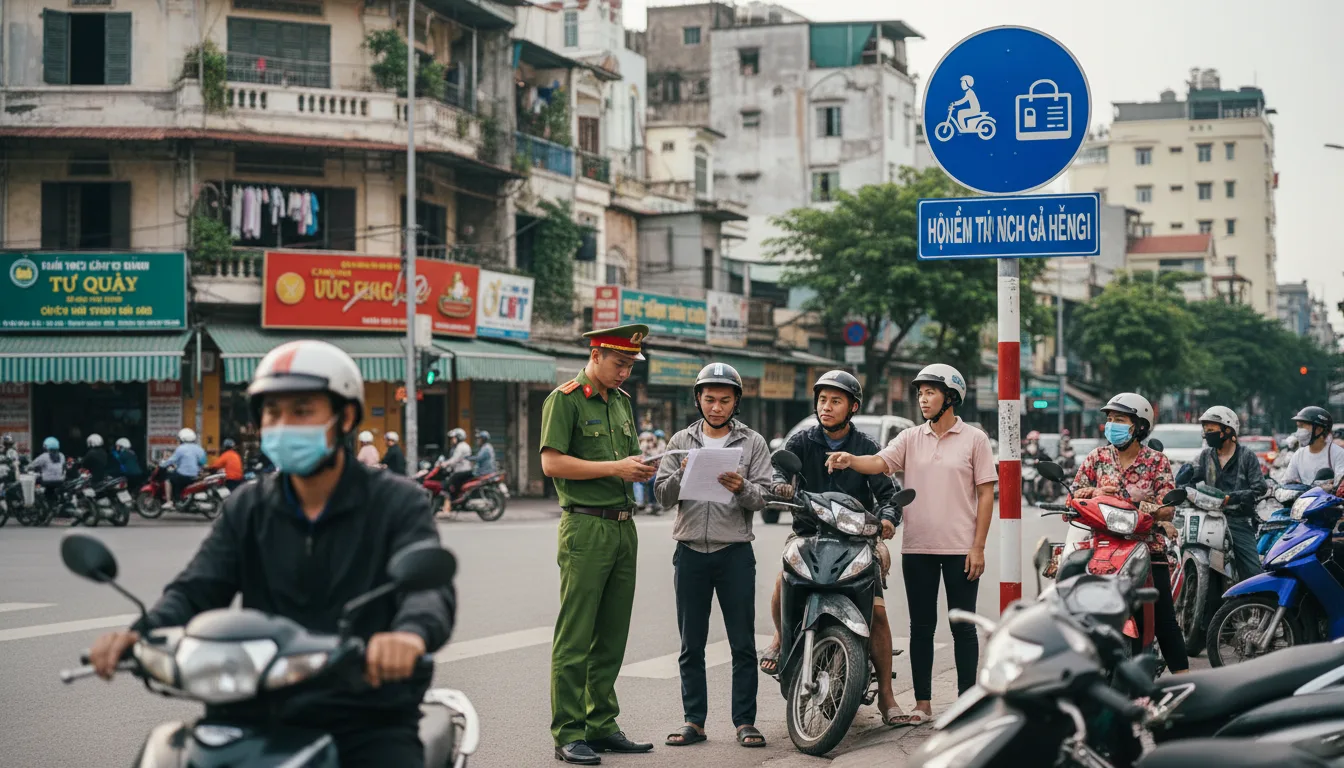
How Vietnam Motorbike Laws Apply in Real Life
Vietnam motorbike laws matter most at the moment you leave your hotel, not after something goes wrong. For foreign riders, the practical test is simple: do you have a recognised licence, the right papers, and a bike that matches your category. If any one of those is missing, a normal ride can turn into a fine, a delayed trip, or a rental dispute.
The easiest way to think about it is this: legal riding in Vietnam is a checklist, not a feeling. A lot of first-time visitors assume a home licence is enough, but roadside enforcement looks at documents, helmet use, and vehicle details together. That is why a quick pre-ride routine saves time, money, and stress, especially if you plan an adventurous route with remote roads and frequent checkpoints.
Before riding in Vietnam, carry a recognised international licence, your original home licence, bike registration, and insurance, then wear a fastened helmet and keep zero alcohol in your system. Police checks usually focus on missing licence documents, helmet straps, and route-specific permits, so a one-minute paper check can prevent a costly roadside stop.
The real-world process is straightforward. Before you start the engine, make sure your documents are physically with you, because digital copies alone are rarely enough. If you are booking a guided day or multi-day ride, it can also help to compare a self-drive route with a local guided option through Toward Local tours when you want less stress and more time for the scenery.
What you need before getting on the road:
| Criteria | Required | Why it matters | Common mistake |
|---|---|---|---|
| Licence | Recognised IDP and home licence | Proves you are allowed to ride | Car licence only |
| Bike papers | Registration and rental documents | Shows the bike is legal and traceable | Riding without a contract |
In practice, police or traffic checks usually begin with a visual stop, then a request for your licence, passport copy, and bike documents. If you are missing one item, the conversation becomes slower and more expensive. Worth knowing: officers often notice the small things first, such as an unfastened helmet strap, no turn signal, or a rider who looks unsure at a checkpoint.
If you are staying in a city and want a lighter travel day, a well-planned food or half-day outing can be a smart alternative to riding everywhere yourself. For example, travelers who want a more relaxed local experience often choose HCMC food tours instead of navigating traffic at rush hour, which keeps the trip enjoyable without risking a paper problem.
A realistic roadside check usually follows this order:
1. Officer signals you to stop.
2. You hand over the requested documents calmly.
3. They check licence class, bike plate, and helmet use.
4. If everything matches, you continue quickly.
5. If something is missing, the stop can lead to a fine or a delayed release of documents.
For riders who are exploring several regions in one trip, the same principle applies everywhere, from city streets to mountain routes. If your plan includes coastal roads or central Vietnam, it may be worth balancing some self-drive days with a guided segment, especially when you want to spend more time enjoying the route and less time dealing with logistics.
If you are unsure whether your papers are valid, double-check them before departure or choose a guided ride where the route, timing, and paperwork are handled for you.
In real life, Vietnam motorbike laws are not complicated once you treat them as a travel prep item rather than an afterthought. The riders who avoid problems are the ones who carry the right licence, keep the bike paperwork organized, and understand that roadside checks are routine. If you want a smoother experience on local roads, book with operators who know the rules and can keep your trip moving.
Travel prepared, ride legally, and use local experts when you want the freedom of the road without the risk of a preventable stop.
Benefits of Following Vietnam Motorbike Laws
Following Vietnam motorbike laws protects your trip from the problems that stop most riders fast: fines, crashes, and insurance denials. For first-time visitors, the biggest benefit is simple peace of mind. When your licence, helmet, speed, and alcohol choices are all legal, you can focus on the road instead of worrying about checkpoints or rental disputes.
A rider who follows Vietnam motorbike laws also keeps more control over the full travel budget. A small mistake, like a missing helmet strap or a wrong licence category, can quickly lead to a costly stop, a delayed rental return, or a claim rejection after an accident. That risk matters even more for local-style Vietnam tours, where riders often cover busy cities, mountain roads, and remote roads in one trip.
Following Vietnam motorbike laws helps riders avoid fines, reduce accident risk, and protect travel insurance coverage. It also makes city commuting and long-distance riding easier because you can pass checkpoints, handle rentals cleanly, and stay focused on navigation instead of paperwork or penalties.
In practice, compliance matters most in two situations. In city commuting, traffic moves quickly, lane changes are frequent, and police often check helmets, turn signals, and document validity. On long-distance routes, the risk shifts to fatigue, weather, and border or provincial checkpoints. A rider heading south after exploring Da Nang tours will benefit from knowing the rules before leaving urban traffic behind.
Key benefits of riding legally:
| Criteria | Cột 1 | Cột 2 | Cột 3 |
|---|---|---|---|
| Fine risk | Lower chance of police penalties | Fewer rental issues | Cleaner trip budget |
| Safety and insurance | Better crash prevention | Higher chance of coverage | Less stress after incidents |
For solo travelers and couples, the quiet advantage is confidence. You know when to slow down, when to stop, and what documents to keep ready. For families, that same discipline keeps everyone safer and makes the ride feel organized rather than chaotic. The result is not just legal compliance, but a smoother, more memorable road trip with fewer surprises.
If you want to explore more local places with less risk, follow the rules before the road gets busy. That is the simplest way to make your adventure feel freer, not more restricted.
Choose the legal route, keep your documents ready, and ride with confidence. If you want a trip that feels adventurous but stays simple, browse Hoi An tours and plan the rest with a safer mindset. Legal riding in Vietnam is not about slowing the journey down; it is about making sure the journey actually continues.
Choosing the Right Riding Option Under Vietnam Motorbike Laws
Vietnam motorbike laws shape the smartest choice between renting, buying, and joining a guided tour. For many foreign riders, the real decision is not about preference first, but about how much legal exposure they can accept, how much local support they need, and how much time they want to spend sorting paperwork instead of enjoying the road.
In practice, the best option depends on your licence, route, and trip length. A short holiday, a mountain loop, and a long stay all create different risk levels. If you want freedom without surprises, compare each option through cost, convenience, and checkpoint risk before you commit.
The safest way to choose a riding option in Vietnam is to match it with your licence, route, and trip length. Renting is flexible but carries full legal responsibility. Buying suits long stays but increases paperwork and resale risk. Guided tours reduce stress and legal exposure, especially for first-time visitors.
For most solo travelers and couples, renting only makes sense when the bike category matches the licence and the rider is comfortable with traffic, navigation, and roadside checks. A short city break or a coastal ride may be manageable, but missing documents can turn a cheap rental into an expensive problem. If you want a lower-friction day out, browse all Toward Local tours and compare options that already include route planning and local support.
| Criteria | Rent | Buy | Guided tour |
|---|---|---|---|
| Legal exposure | Medium to high | High if unmanaged | Low |
| Best for | Flexible short trips | Long stays or expats | First-timers and scenic routes |
A useful takeaway: guided tours often save more than they cost once you factor in permits, route mistakes, breakdowns, and time lost at checkpoints. That matters on remote routes where one wrong turn can add hours. If your goal is comfort with authentic local access, a local operator can be the smarter spend. For example, travelers heading north often prefer a Hoi An tours style experience when they want culture, scenery, and less legal stress in one package.
Buying a motorbike only becomes attractive when you stay long enough to absorb setup costs, registration issues, and eventual resale. It gives freedom, but also more responsibility for maintenance, documents, and understanding the current rules. Renting is simpler for short stays, while guided travel is the cleanest option when your priority is peace of mind, safety, and soft conversion to a booked experience.
Bottom line: choose rent if you have the right licence, buy if you are settling in for a while, and book a guided tour if you want the lowest legal risk and the highest convenience. For adventurous riders who still want a local edge, a structured trip can deliver the best balance of freedom and control. Start by checking your route, then match it to the riding option that keeps you legal and relaxed.
Common Mistakes, FAQs, and Final Tips for Vietnam Motorbike Laws
Vietnam motorbike laws are easy to overlook when the road feels open, the scooter looks harmless, and everyone around you seems relaxed. That is exactly where foreign riders get into trouble: the wrong licence, a loose helmet strap, or one small police stop can turn a great day into a costly problem. The safest approach is simple: check your documents, ride within the legal cc limit, and treat every checkpoint as part of the trip.
A first-time rider from Europe, North America, Korea, or Japan can enjoy Vietnam confidently once the basics are clear. If you are planning a scenic stop after the city, consider a slower local route such as HCMC food tours or browse all tours of Toward Local to keep the journey flexible while you sort out transport. The key is not to guess; the key is to ride with the right paperwork before you start.
Common mistakes are usually simple, but the penalties are not. The biggest one is riding with a licence that Vietnam does not recognise, especially a 1949 IDP from the US, Canada, Australia, or New Zealand. Another frequent error is assuming a car licence is enough for a motorbike. It is not. For most short trips, your licence and IDP must match the bike category, and your helmet must be properly fastened every time you move.
Other problems happen in the first five minutes of a ride: no mirror check, no turn signal, no valid insurance, or a passenger without a helmet. A mini rule to remember is this: if police can see it from a distance, they can fine it quickly. That is why careful riders keep documents in an easy pocket, avoid alcohol completely, and double-check the rental bike before leaving the shop.
| Criterion | Common mistake | Safer choice | Why it matters |
|---|---|---|---|
| Licence | Using the wrong IDP | Carry a recognised licence set | Avoids major fines and bike impoundment |
| Helmet | Strap left loose | Fasten it before riding | Prevents instant roadside penalties |
FAQ one: Can I ride with a US, Canadian, Australian, or New Zealand licence? In most cases, not legally, unless the documentation matches Vietnam’s recognition rules. FAQ two: What about insurance? Many policies only pay if you were riding legally, so invalid papers can affect your claim. FAQ three: Will police check documents? Yes, especially in tourist areas and on mountain routes where checkpoints are common.
FAQ four: Do I need a permit for border areas like Ha Giang? Yes, if the route requires one, you should get it before you ride. FAQ five: What should I do before leaving the rental shop? Check the licence category, helmet fit, mirrors, brakes, and insurance papers together. A simple pre-ride review takes less than two minutes and can save the whole trip. If you are unsure about your setup, pause and verify it now rather than fixing a problem at a checkpoint.
Before you start the engine, make a final habit of checking your licence, your helmet, your bike size, and your route. If you are joining a guided ride, a destination like Da Nang tours can be a good low-stress option while you build confidence on Vietnamese roads. The smartest riders are not the fastest ones; they are the ones who stay legal, stay alert, and keep their documents ready every time they ride.