
Drone regulations in Vietnam matter because a casual flight can quickly turn into a fine, a permit issue, or a problem in a restricted zone. For tourists, content creators, and commercial operators, the real challenge is knowing where you can fly, when you need a drone permit in Vietnam, and how Vietnam drone laws apply to your specific trip.
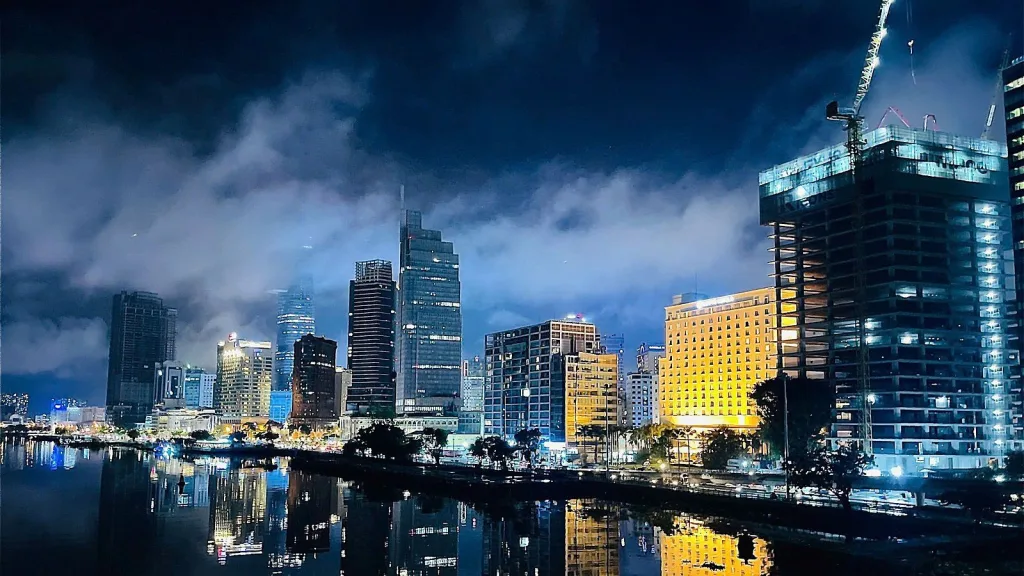
If you are planning to film rice fields, city skylines, or coastal roads, this guide gives you the practical route: check the rules first, avoid sensitive areas, and keep your flight legal from the start. You will get a clear overview of permits, no-fly zones, and the mistakes that most often lead to penalties, so you can fly safely and with confidence.
Overview of Drone Regulations in Vietnam
Drone regulations in Vietnam are designed to protect airspace, public safety, privacy, and sensitive national sites. For travellers, the key point is simple: do not assume you can fly just because you are using a small drone. Vietnam treats drone use as a controlled activity, and the rules can apply to tourists, expats, content creators, and commercial operators alike.
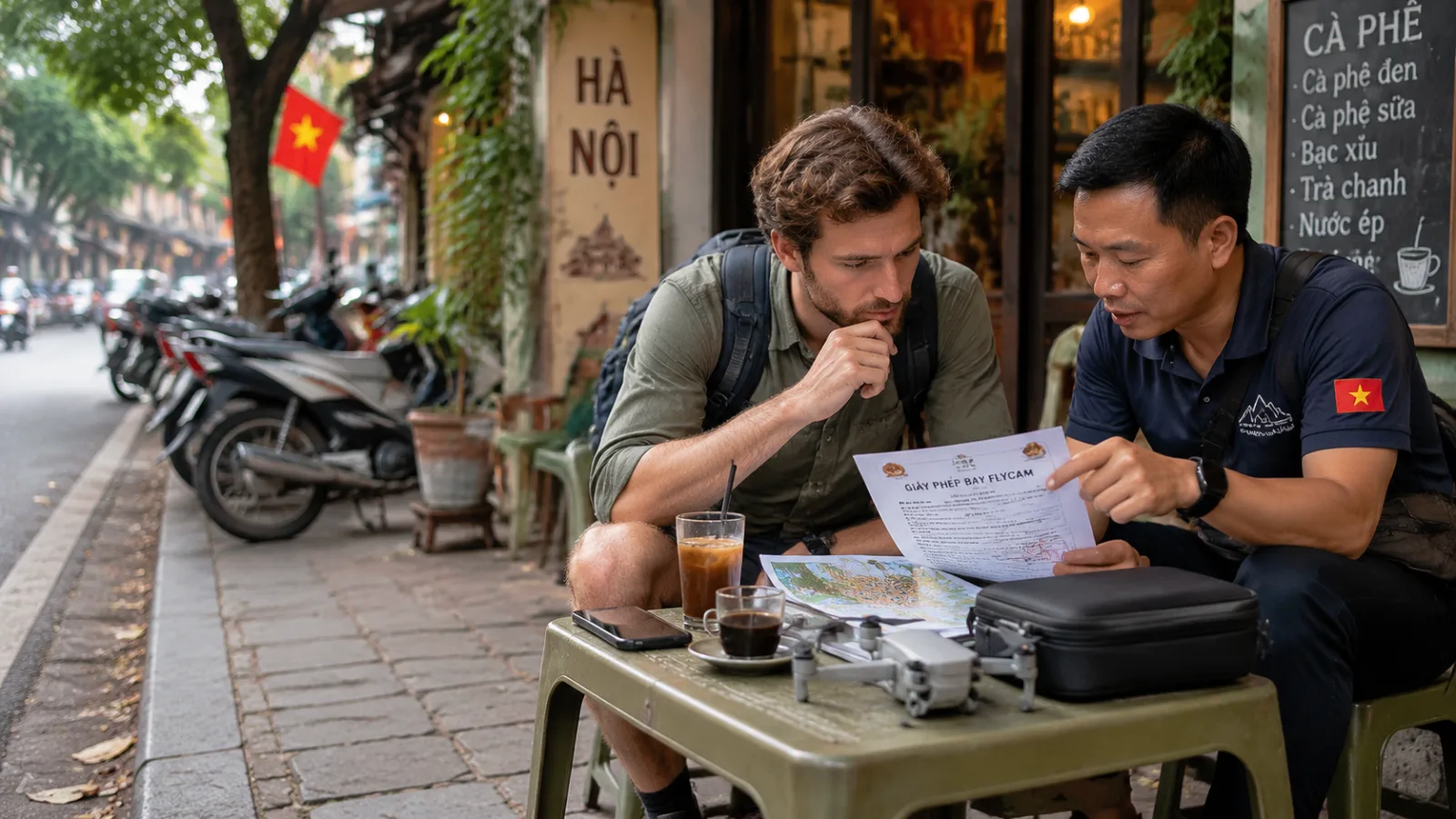
The practical issue is not only the drone itself, but also where and why you fly. A short scenic flight over a quiet rice field may still be restricted if the area sits near an airport, military zone, border region, or local community event. If you are planning a local adventure, it is smart to check the route in advance and compare it with the official map before takeoff.
A fast way to understand the system is this: weight, location, and purpose all matter. A drone under 250g may face fewer steps, while heavier drones usually need approval. Even then, permission is not a blanket pass. The permit normally ties your flight to a fixed place, date, altitude, and purpose, so moving a few kilometres can change the answer.
Why the rules are strict:
| Criteria | What it means | Traveller takeaway | Risk if ignored |
|---|---|---|---|
| Security | Protects military and sensitive sites | Check maps before every flight | Denied access or fines |
| Public safety | Reduces crash and crowd risks | Avoid people, roads, and airports | Confiscation or penalties |
Drone rules in Vietnam control where, when, and why you can fly. Travellers should check the official no-fly map, confirm whether a permit is required, and avoid airports, borders, military areas, and crowded public spaces. For many visitors, a small drone still needs careful review before use.
If you are combining travel with guided exploration, it helps to keep drone plans separate from your activity schedule. You can review all Toward Local tours while planning the rest of your trip, then check aviation rules last so your filming ideas do not conflict with local restrictions. That small habit saves time and stress.
In practice, the safest approach is to verify before every flight, even if you already flew somewhere else in Vietnam the day before. Conditions change by location, and enforcement can be strict. For travellers who want smooth local experiences, the best rule is simple: check first, fly second, and keep your flight low-impact and respectful.
If you want to explore Vietnam more freely while keeping your trip practical, plan your activities around locations that are easy to navigate and easier to verify in advance. That makes drone decisions faster and avoids last-minute changes.
Final CTA: before flying anywhere in Vietnam, confirm the current permit requirement, review the restricted zones, and follow the exact conditions on your approval if one is issued. If the location feels uncertain, do not launch the drone until you have official confirmation.
How Drone Regulations in Vietnam Work in Practice
Drone regulations in Vietnam can be manageable if you follow the right order: check the map, confirm the zone, then request approval when needed. For travellers, the biggest mistake is treating a scenic place like open airspace. In practice, a flight is only simple when the location is not restricted and your drone falls under the lighter recreational rules.
The easiest way to stay safe is to treat every flight as a local compliance check, not a casual hobby session. If you are planning a city shoot or a coastal panorama, the difference between legal and risky often comes down to one detail: the exact place on the map.
In Vietnam, drone use usually follows a three-step process: confirm the flight area on the official map, apply for permission if the zone or drone weight requires it, and fly only within the approved altitude, time, and location limits. Most problems happen when travellers skip the map check or assume a beach is automatically allowed.
The basic workflow is straightforward. First, identify whether your drone is under 250g or 250g and above. Second, verify the exact launch spot against restricted airspace. Third, submit the permit request if the flight involves filming, a sensitive area, or a heavier aircraft. This is why drone regulations in Vietnam are less about the device itself and more about where and how you use it.
A practical example: if you want a sunrise shot in central Ho Chi Minh City experiences, you should expect a much stricter process than on an open rural trail. A tourist site near roads, government buildings, or dense crowds may require permission even if it looks visually open. A quiet beach can still be restricted if it sits near an airport corridor or military zone.
| Criteria | Safer Choice | Higher Risk | Practical Action |
|---|---|---|---|
| Flight location | Open rural area | City center or border area | Check the official map first |
| Drone weight | Under 250g | 250g or more | Confirm whether permit rules apply |
Altitude matters as much as location. A permit can define how high you may fly, where you may stand, and whether the flight needs additional coordination. The smart habit is to keep your drone well below any uncertain limit and never improvise near airports, borders, or sensitive infrastructure. If your trip includes a beach or heritage stop, planning ahead with Toward Local tours can help you focus on the experience while staying practical about access, timing, and on-the-ground conditions.
If you want a simple rule to remember, use this: open space does not always mean open permission. Cities, beaches, and tourist landmarks may all look drone-friendly, but the legal answer depends on the approved zone and the conditions attached to your flight. A careful check takes minutes and can prevent fines, equipment loss, or a ruined travel day. For most visitors, that small step is the difference between a great shot and a costly mistake.
Benefits and Common Uses of Flying Drones Legally in Vietnam
Drone regulations in Vietnam matter most when you want smooth shooting, fewer delays, and less risk of fines. For travelers, creators, and businesses, legal planning means you can focus on the shot or the job instead of worrying about sudden stops, confiscation, or being turned away at sensitive sites.
When your drone setup is compliant, the experience is easier to trust and easier to scale. A legal flight plan also helps you choose the right location, match the right drone weight, and avoid wasting time in areas where filming is not allowed.
Flying drones legally in Vietnam gives travelers, creators, and businesses safer access, better shot planning, and fewer legal risks. It is the best way to capture travel footage, support property marketing, and complete technical work while staying within approved airspace and permit rules.
Main benefits of compliance for travelers, creators, and businesses
Compliance saves time, protects equipment, and makes your content or project more usable. A traveler can land at a viewpoint, check the map, and know whether the flight is possible before unpacking. A creator can confirm permission before sunrise filming. A business can schedule work without redoing the whole job because the location was blocked.
The practical benefit is confidence. If you are documenting a road trip, shooting a couple session, or producing content for a hotel, legal preparation reduces friction. For teams working across provinces, this matters even more because drone regulations in Vietnam can vary by zone, purpose, and altitude. As a soft next step, you can review all Toward Local tours when planning a trip that also includes local experiences.
| Criterion | Travelers | Creators | Businesses |
|---|---|---|---|
| Main gain | Stress-free filming | Reliable footage | Approved project work |
| Main risk avoided | On-the-spot refusal | Lost content day | Penalty and delay |
Popular use cases: travel videos, real estate, surveying, and inspections
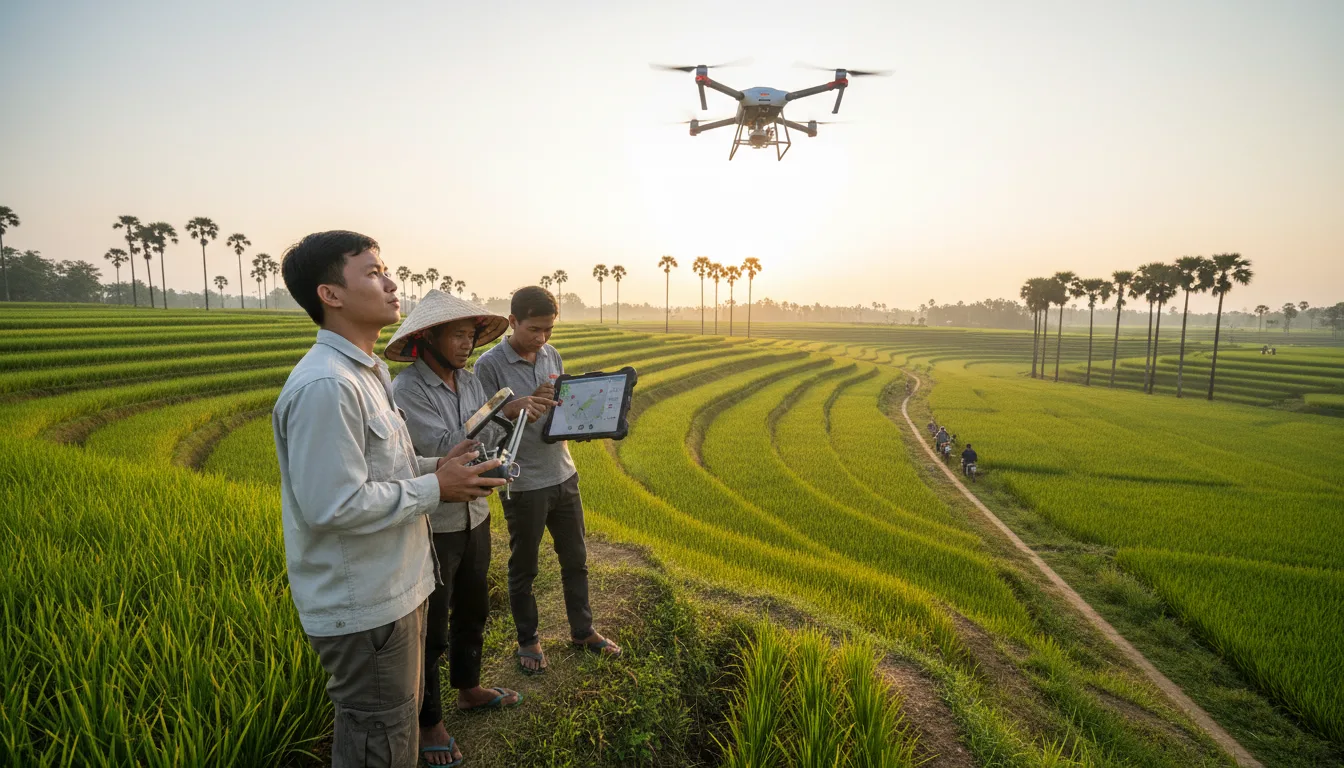
Travel video is the most common use because Vietnam has strong visual variety, from coastal roads to limestone peaks and old town rooftops. A solo traveler may use a small drone for dawn footage above rice terraces, while a couple may want a short cinematic clip near a quiet beach. Legal setup keeps those moments usable instead of risky.
Commercial use is often more structured. Real estate teams need clean aerial angles for villas and resort listings. Surveying crews use drones for site overview and mapping. Inspection teams may check roofs, solar panels, or industrial structures. In cities where access is tight, a permitted flight can be faster than sending staff into hard-to-reach areas. If you are based in the south, local experiences in Ho Chi Minh City can pair well with a well-planned city shoot.
The best drone content in Vietnam usually comes from simple planning, not from pushing higher or farther. Clear weather, legal airspace, and a short approved window often outperform a risky all-day search for the perfect angle.
When a legal drone setup is the best choice
A legal drone setup is the best choice whenever the flight matters to your trip, your brand, or your client. If the scene is important, you do not want to gamble on a low-battery flight in the wrong zone. A compliant setup is also smarter for remote areas, border regions, airports, and places with security sensitivity.
It is especially useful when you need repeatable results: property marketing, tourism reels, infrastructure checks, or a family trip with a fixed itinerary. In those cases, the right answer is not flying first and asking later. It is checking the area, matching the drone to the permit rules, and keeping the shot list realistic. For northern itineraries, Toward Local tours can help you build a local-friendly travel plan around places that are easier to enjoy responsibly.
If you want the flexibility of drone footage without unnecessary risk, plan for compliance before you travel. That approach gives you better coverage, less stress, and a far higher chance of leaving Vietnam with the images or project results you actually wanted.

Choosing the Right Approach for Drone Use in Vietnam
Drone regulations in Vietnam can be straightforward if you separate hobby flying from any flight that creates risk, records footage, or enters controlled airspace. For solo travellers, couples, and families exploring locally, the right choice is usually about location first, then weight, then purpose. A light drone is not automatically legal, and a scenic spot is not automatically safe.
The fastest way to avoid trouble is to treat every flight as a permission question. If you are unsure, assume the location needs checking, especially near cities, borders, airports, military areas, and infrastructure. That mindset saves time, protects your trip, and keeps your attention on the experience instead of a possible fine.
Choose hobby flying only when the drone is light, the area is clearly open, and the flight is away from sensitive sites. Choose a permit when the flight is commercial, near restricted airspace, or likely to affect security or aviation. When in doubt, use local support before takeoff.
Hobby flying and commercial drone operations are not treated the same. A tourist filming a waterfall for personal memories may only need to confirm the area is allowed, while a creator filming a paid resort shoot is entering a higher-risk category. The difference is not just the price of the drone, but the intent, location, and how public the flight is.
A practical comparison looks like this:
| Criteria | Hobby flying | Commercial operation | Best choice |
|---|---|---|---|
| Purpose | Personal photos or memories | Paid content or client work | Use a permit for commercial work |
| Risk level | Lower if outside restricted zones | Higher due to planning and visibility | Check map and get approval |
Worth knowing: many problems start with location, not equipment. For example, a small drone used near an airport corridor can be more problematic than a larger drone flown legally in a safe rural area. If you are building a longer Vietnam itinerary, see all Toward Local tours to pair travel planning with local experiences that do not depend on risky flying.
Applying for permission is slower, but it gives clarity. You know the approved area, dates, and altitude, which is valuable if you want clean footage or are working with partners. Avoiding restricted use is faster, but the downside is uncertainty, and in Vietnam that uncertainty can become a fine, equipment loss, or a ruined day if authorities intervene.
In practice, the best decision comes from three questions. First, is your drone under 250g and clearly outside sensitive zones. Second, are you filming only for yourself, or for a brand, guesthouse, or client. Third, do you have enough time to secure local help if the site is near a controlled area. If the answer to any of those is unclear, get assistance before you fly.
HCMC food tours or Hoi An tours can be smart alternatives when you want rich visuals and local atmosphere without dealing with drone risk. For drone use specifically, a local fixer, hotel host, or guide can help confirm the exact spot, while a professional support service is worth it when the flight matters to your content or business.
If your plan mixes sightseeing with aerial content, ask a local contact to verify the location before you pack the drone. That small step often decides whether your day stays relaxed or turns into a compliance problem.
If you need reliable footage in Vietnam, choose the safest route first, then build the shot list around approved locations, local support, and clear permission. That approach protects your trip and gives you better results than improvising on arrival.
Common Mistakes, FAQs, and Final Tips for Drone Flights in Vietnam
Drone regulations in Vietnam can feel simple at first, but most problems start with avoidable mistakes. The biggest issues are flying without approval, ignoring restricted areas, and planning late. For travellers who want strong photos without a legal headache, the safest approach is to check the map, confirm the location, and get permission before takeoff.
A practical example: a couple visiting Hanoi may see an open rooftop or lake and assume it is fine to fly. In reality, many city areas sit close to sensitive airspace, and one wrong launch can lead to fines or confiscation. A quick pre-flight routine saves time and protects your trip.
| Criteria | Safe Choice | Risky Choice | Traveller Impact |
|---|---|---|---|
| Approval | Confirm before flying | Assume tourist use is free | Avoids delays and fines |
| Location | Check restricted zones | Launch near airports or borders | Reduces enforcement risk |
Do tourists need permits?
In most cases, yes, especially if the drone is 250g or heavier or the flight is not clearly exempt.
Can you fly in Hanoi or Ho Chi Minh City?
Usually only in limited, approved spots, because both cities contain sensitive airspace and dense crowds. If you are combining drone plans with a city experience, a local day plan such as our Toward Local tours can help you build a smoother itinerary around permitted hours.
How long does approval take? Plan for at least 7 working days, and longer if your route needs extra aviation notice. What happens if you break the rules? Fines can apply, equipment may be confiscated, and your future applications may be harder to approve. The earlier you submit, the more flight options you keep.
Final tip: check local rules, plan ahead, and confirm permissions before every flight. If you want to keep your trip flexible, save your drone session for the exact location that has been cleared. For travellers exploring southern Vietnam, a route that pairs with approved city time, like our Ho Chi Minh City tours, can make it easier to balance sightseeing and compliance. The safest drone day is the one you prepare before you arrive.
Most drone mistakes in Vietnam come from skipping approval, flying in restricted zones, or planning too late. Tourists should verify the location, follow permit conditions, and allow at least 7 working days for approval. In Hanoi and Ho Chi Minh City, flying is often limited to approved areas only.