
Vietnam with kids can be a brilliant family trip, but the country moves fast, and that can feel stressful when you are juggling naps, meals, heat, traffic, and sightseeing. The good news is that Vietnam is one of the easiest places in Asia for families once you understand the rhythm: pick the right region, keep travel days realistic, and build in simple breaks.
This guide is designed to make Vietnam with kids feel manageable from the start. You will see which destinations work best for families, how to move between cities without wearing everyone out, what to pack for mixed weather, and which experiences are worth your time. For families who want a smoother planning process, browse all Toward Local tours as a starting point for local experiences that fit different ages and energy levels.
Vietnam is family-friendly when you plan around short travel days, reliable transport, and child-friendly stops such as beaches, lantern towns, food markets, and easy cultural experiences. Families do best by choosing one region first, then building around comfort, weather, and age-appropriate activities.
A practical rule is to match the destination to your child’s pace. Hoi An works well for easy days, Da Nang suits beach time and resort breaks, and Hanoi adds culture without being too spread out. If you want a family day that feels active but not overwhelming, explore Ho Chi Minh City tours for food, history, and urban energy in smaller doses. The right plan keeps the trip fun for parents too, which is usually the difference between a good holiday and a great one.
If you are still deciding where to begin, use this guide as a shortcut to build a family route that balances comfort, sightseeing, and local experiences without overpacking the itinerary.
Keep reading to choose the best region, the easiest transport, and the most practical family activities so your Vietnam trip feels smooth from arrival to departure.
What to Know Before Visiting Vietnam with Kids
Vietnam with kids works best when you plan around climate, transport, and your family’s pace. The country is long, weather changes fast between regions, and a great beach week in the south can turn into cool rain in the north. The easiest fix is simple: choose one region first, then build days around short transfers, easy food, and child-friendly stops.
For first-time family trips, Vietnam rewards flexible planning more than packed itineraries. A slower route gives you time for markets, boats, old towns, and downtime by the pool, which matters when children are tired or jet-lagged. If you want a low-stress start, consider using local day tours in Ho Chi Minh City tours or Hoi An family tours to anchor your trip with easy wins.
Vietnam is a strong family destination because it combines affordable hotels, mild-flavored food, easy day trips, and a wide choice of beaches, cities, and cultural sites. The best family trips keep transfers short, avoid peak heat when possible, and match activities to your children’s age and energy level.
Why Vietnam is a Good Family Destination
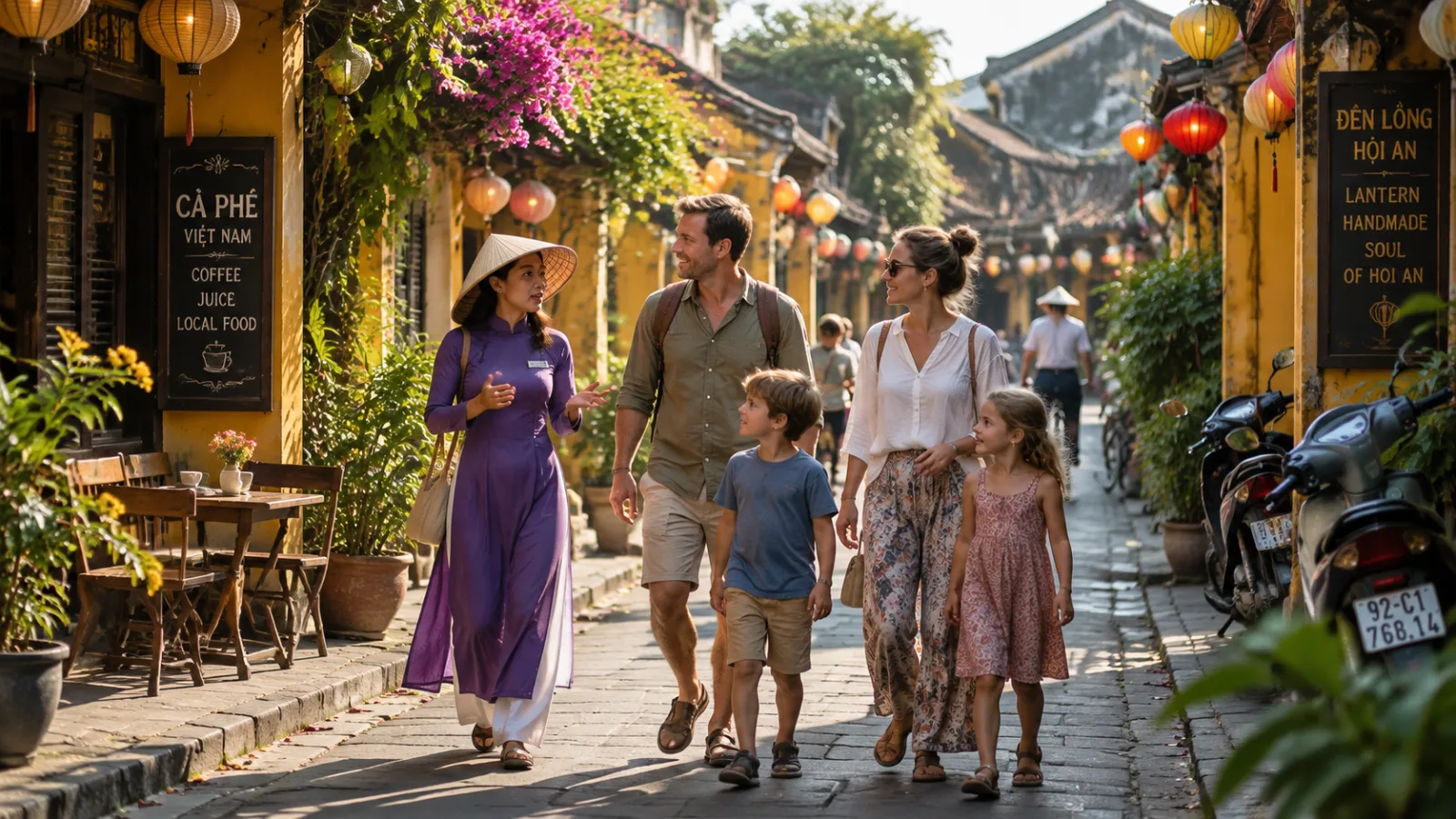
Vietnam is practical for families because it gives you variety without forcing expensive logistics. You can eat well for less, book decent hotels with pools, and mix culture with play. In Hoi An, for example, kids can do lantern making in the afternoon, then eat noodles by the river at night. In Da Nang, beach time is close to city comforts and easy transport.
Children usually handle Vietnam better when each day has one main highlight, not five. That could be a market visit, a short boat ride, or an evening show. If your family likes active travel, look at the range of local Vietnam tours to avoid overplanning while still seeing the best places.
| Criteria | Best for | Why it works | Watch out for |
|---|---|---|---|
| South Vietnam | Beach time and easy city access | Warm weather and short trips | Heat and traffic in busy areas |
| Central Vietnam | Culture and slower family stays | Hoi An and Da Nang are simple to combine | Seasonal rain and flooding |
Best Time to Visit and Trip Planning Basics
The best time depends on where you go, not just when you travel. Northern Vietnam can feel cool in winter, central Vietnam has a wetter season, and the south stays warm for much of the year. That means a good family trip starts by checking regional weather, not only flight prices. For many parents, February to April and October to December are the easiest balance points.
Plan transport with children in mind. Trains can be calmer than long road journeys, while short flights save time on longer routes. Pack light layers, sun protection, and one backup day for delays. If you want to reduce friction, use a simple rule: one base, two or three nearby activities, and one rest period every few days.
If you are building a family itinerary, start with one region that matches your child’s age and your preferred pace, then add tours only where they reduce stress and improve comfort.
Bottom line: Vietnam is family-friendly when you choose the right season, keep transfers short, and mix practical comforts with local experiences. Use the weather, not the map alone, to shape your route, and your trip will feel easier, safer, and more enjoyable for everyone.
How to Travel Around Vietnam with Kids
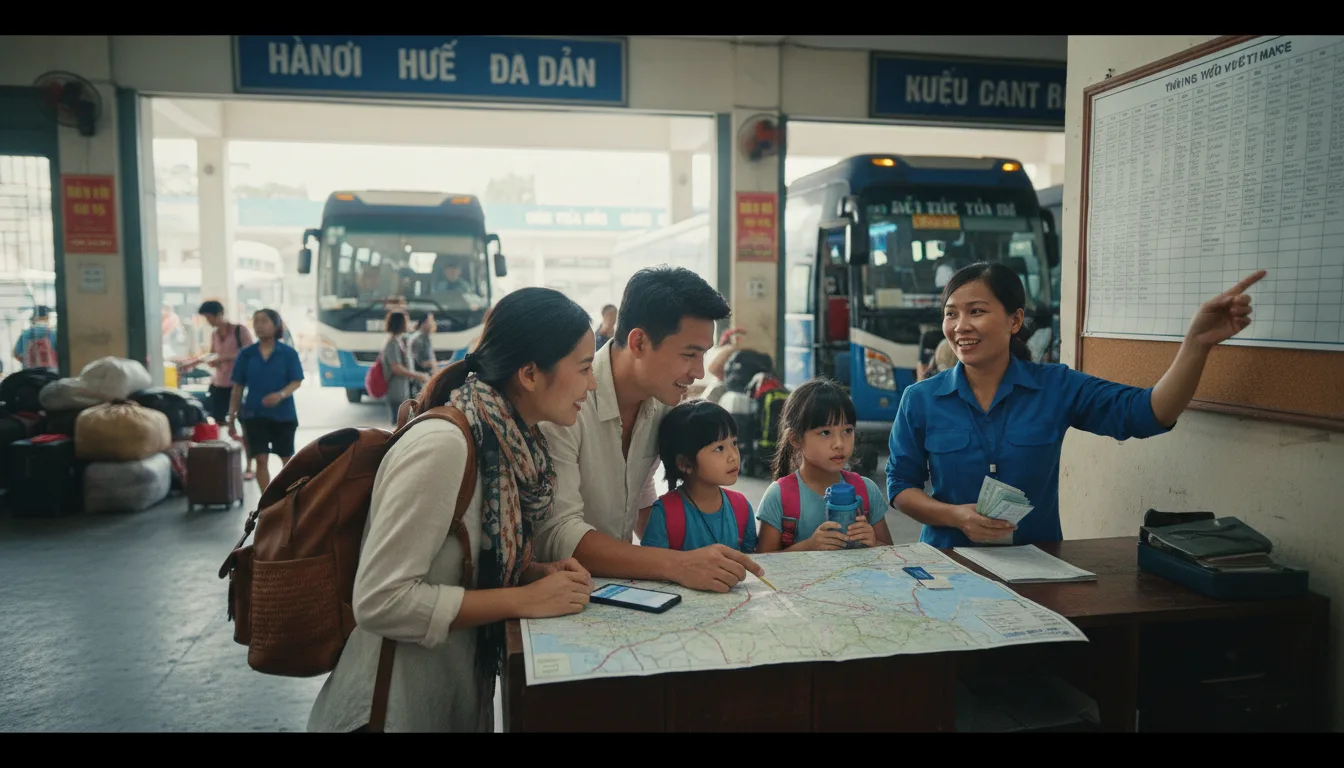
Vietnam with kids works best when transport is simple, short, and planned around energy levels rather than distance alone. Families often find that the hardest part is not choosing where to go, but choosing how to move between places without turning each transfer into a long, tiring day.
The good news is that Vietnam offers a practical mix of flights, trains, private cars, taxis, and day tours, so you can match each leg of the trip to your child’s age and your own pace. A little structure goes a long way, especially when you are balancing naps, luggage, and sightseeing in the same day.
The easiest way to travel around Vietnam with kids is to use short domestic flights for long distances, trains for scenic routes, and private transfers for city-to-city comfort. For families, the best plan is usually a mix of transport types, booked in advance, with fewer moves and more time in each destination.
Family-friendly transportation options usually come down to three things: comfort, control, and predictability. A private car is often the best choice for airport transfers or direct day trips, while trains can be a calmer option than buses for older children. For example, a family going from Da Nang to Hoi An may prefer a pre-booked transfer, while a family on the Hanoi to Hue route may enjoy an overnight train if the kids like the novelty.
One useful rule: if a journey is more than four to five hours, break it up or switch transport mode. a clear next step here is to build your route around one or two comfortable bases, then add local experiences around them. That keeps sightseeing high and fatigue low, which matters more than squeezing in one extra stop. For a strong local-style day in central Vietnam, Hoi An tours for families can work well because the area is compact, walkable, and easy to combine with short transfers.
| Criteria | Private car | Train | Domestic flight |
|---|---|---|---|
| Best for | Door to door family comfort | Scenic medium-distance routes | Long north south hops |
| Main tradeoff | Higher cost | Slower travel time | Airport transfers needed |
When booking hotels, tours, and day trips for families, think in layers. First, pick family hotels with pools, elevators, and flexible room sizes. Then choose day trips that limit moving parts, such as a lantern workshop, a food tour, or a half-day countryside ride. If you are staying in the south, Ho Chi Minh City tours are useful because many of the best family activities sit within easy reach of the center.
Practical example: a parent traveling with two children can book a hotel near the Old Town in Hoi An, arrange an airport transfer from Da Nang, and reserve one guided excursion instead of trying to self-organize everything on arrival. That one change often saves hours. Family trips usually feel smoother when the hotel is the anchor, not the afterthought. Before you go, our guides to what to wear in Vietnam and the travel emergency guide cover two practical basics.
If you want Vietnam to feel easy rather than exhausting, book the transport first, then layer in the hotel and one or two child-friendly activities around it. That sequence gives you better timing, fewer surprises, and more flexibility when your plans need to change. It is the simplest way to keep a family trip moving without losing the local feel.
Best Places to Visit in Vietnam with Kids
Vietnam with kids works best when you match each stop to your family’s pace. Hanoi gives you culture, easy day trips, and a strong food scene. Ha Long Bay adds a slower rhythm on the water. Hoi An brings walkable streets, beaches, and simple family logistics. The smartest route is not trying to see everything, but choosing places that reduce transit stress and keep children engaged.
For first-time family planners, the real win is balance. Mix one city, one scenic highlight, and one coastal base so the trip feels varied without becoming tiring. That pattern gives you room for short activities, good meals, and quiet afternoons, which matters more than packing in every famous sight.
The best places to visit in Vietnam with kids are Hanoi, Ha Long Bay, and Hoi An, plus family-friendly beaches and nature stops nearby. These destinations work well because they combine easy transport, kid-friendly food, flexible activities, and enough variety to keep both younger children and older kids interested.
Hanoi, Ha Long Bay, and Hoi An for Families
Hanoi is a strong starting point because it gives families an immediate sense of place. Lakes, old streets, and water puppet shows create easy wins for children, while parents get history and good coffee in the same day. If your kids like movement, the Old Quarter is best explored in short bursts, with breaks built in.
Ha Long Bay works well for families who want a change of pace. A one-night cruise is usually enough for younger children, while older kids may enjoy kayaking, caves, and deck time. If you want a smoother version of the same idea, consider Cat Ba Island as part of the route, since it often feels less crowded and more relaxed.
Hoi An is usually the easiest family base in Central Vietnam. It is compact, atmospheric, and practical for parents who want beaches, markets, and low-stress walks. A good soft add-on here is Hoi An family tours, especially if you want lantern-making, village rides, or a local guide to simplify the day.
| Criteria | Hanoi | Ha Long Bay | Hoi An |
|---|---|---|---|
| Best for | Culture, food, short city stops | Scenery, cruises, downtime | Walkability, beaches, easy family days |
| Family comfort | Good with planning | Best on a short cruise | Excellent for mixed ages |
If you are traveling with younger children, Hoi An usually gives the best daily rhythm because it is easy to reset after sightseeing.
Beaches, Nature, and Child-Friendly Attractions
For many families, the best trip includes at least one beach stretch. Da Nang is a practical choice because it combines long sandy beaches, modern transport, and quick access to Hoi An. This makes it useful for families who want more space than a city offers, without losing access to food, shopping, and simple day trips.
If your children like nature, Ninh Binh offers boat rides, karst scenery, and open landscapes that feel different from the coast. Phong Nha is better for older kids who can handle caves, steps, and a more adventure-driven pace. For a lighter day out, Da Nang also gives you easy access to Da Nang day tours that can include beaches, Marble Mountain, or family-friendly sightseeing.
If you are building a first family route, start with one northern stop, one central base, and one relaxing coast. That structure keeps transport simple and gives each person something to enjoy.
Practical family picks include:
Hanoi for culture and easy arrival
Ha Long Bay for a short scenic cruise
Hoi An for beaches, lanterns, and low-stress exploring
Da Nang for wide beaches and convenient transfers
Ninh Binh for landscape and boat trips
Phong Nha for older kids who love caves
Vietnam is especially good for families who want variety without high friction. You can move from city energy to quiet water, then finish by the sea, which keeps the trip interesting without overloading children. A good final step is to browse all Toward Local tours if you want to compare family-friendly options before booking.
For the strongest result, choose places based on age, pace, and transfer time. That approach is what turns Vietnam into a smooth family trip rather than a rushed checklist.
How to Make Vietnam with Kids Easier and More Enjoyable
Vietnam with kids can be easy, affordable, and genuinely fun when parents plan around food, heat, transport, and rest time. The biggest win is not trying to do everything. Build the trip around one or two child-friendly hubs, keep travel days short, and leave space for slow mornings, snacks, and simple local experiences that children actually remember.
The best family trips in Vietnam balance adventure with comfort. A street market breakfast, a calm beach afternoon, or a lantern-making workshop in Hoi An can do more for a child than a packed sightseeing schedule. If you want a softer start, combine culture with downtime, then add one organized activity such as Hoi An family experiences or a food-focused day in Ho Chi Minh City tours.
The easiest way to travel Vietnam with kids is to choose fewer bases, use taxis or private transfers for longer hops, eat where locals eat but order simply, and pack for heat, rain, and mosquito protection. Keep days flexible, and the trip becomes far smoother for parents and children.
Food, Health, and Safety Tips for Parents
Food is usually the least stressful part of Vietnam if you keep it simple. Start with familiar dishes like pho, rice, grilled chicken, banh mi, eggs, fruit, and yogurt. Freshly cooked food is usually the safest choice, and many families find that Vietnamese meals are milder than expected. If a child is cautious, pair local dishes with bread, rice, or noodles so they never feel stuck.
For health, carry hand sanitizer, a small supply of rehydration salts, and basic medicine for fever, upset stomach, and motion sickness. Drink sealed water, wipe down shared surfaces, and be careful with ice in remote places. Safety is mostly about traffic awareness. Cross slowly, stay visible, and avoid rushing children across roads. In beach towns and cities, a private transfer can reduce stress, especially after a long flight or late arrival.
| Criterion | Best Choice | Avoid | Why It Helps |
|---|---|---|---|
| Meals | Freshly cooked rice, noodles, soup | Unclear buffet food sitting out long | Easier on sensitive stomachs |
| Transport | Grab, train, private car, short flights | Overlong night buses with tired kids | Less fatigue and fewer tantrums |
Many families worry about street food more than they need to. In busy local places with high turnover, hot food is often safer than food that has been sitting around. The real rule is to choose places that look active, clean, and well used by locals.
Common Mistakes to Avoid and What to Pack
The most common mistake is overplanning. Vietnam looks compact on a map, but distance, weather, and traffic can slow everything down. Do not schedule too many cities in one trip. Children need time to adjust, and parents need margin for delays. Another mistake is packing only for tropical heat. Northern Vietnam can be cool, central Vietnam can be rainy, and air conditioning can be strong indoors.
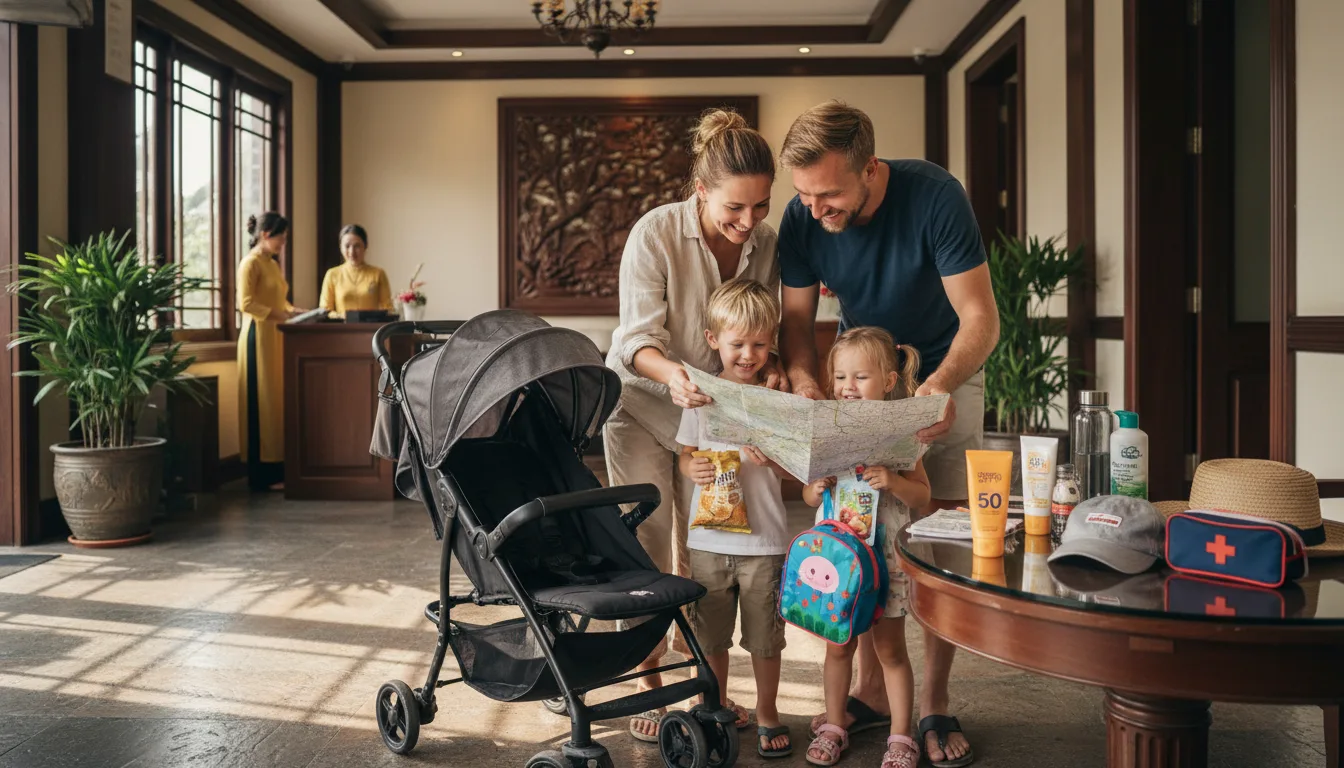
Pack light but smart: insect repellent, sunscreen, light rain jackets, quick-dry clothes, flip flops, a small first-aid kit, child-safe helmets if you plan bike rides, and a few comfort snacks from home. A familiar toy or tablet for transport can save the day. For a smoother route, match your destination to your style, then build around one base such as Da Nang tours for beach time or all Toward Local tours for wider planning.
If you want Vietnam to feel relaxed instead of rushed, pick one region, keep meals simple, and book only the experiences that suit your children’s energy level. That approach makes the trip easier, safer, and far more enjoyable for everyone.
Vietnam with Kids: FAQ and Final Travel Tips
Vietnam with kids is easiest when you plan around weather, pace, and the age of your children. Families who do well here usually keep transfer days short, choose one or two base cities, and mix sightseeing with beach time or easy food experiences. That simple structure reduces stress and gives children enough energy to enjoy the trip.
The main question parents ask is not whether Vietnam is family friendly, but how to make it feel smooth. The answer is to book a few flexible anchors, leave room for rest, and use local transport only when it makes sense. For a balanced trip, many families combine city culture, coastal downtime, and one guided day out such as Ho Chi Minh City tours or a slow heritage stop in Hoi An.
Frequently Asked Questions About Family Travel in Vietnam
Vietnam works well for families when you keep journeys short, choose child-friendly food, and avoid overpacking the itinerary. The best plan is usually one major city, one coastal base, and one high-interest day trip, with transport booked in advance for smoother movement.
| Criterion | Best for younger kids | Best for older kids | Why it helps |
|---|---|---|---|
| Trip style | Hoi An and beach time | Hanoi, Hue, and history | Reduces fatigue and keeps interest high |
| Transport choice | Private car and short flights | Train, Grab, guided day trips | Matches energy, comfort, and attention span |
Is Vietnam safe for children? In general, yes, but families should still watch traffic, crossing points, and helmet use. A practical example is choosing a hotel near the old quarter or beach strip so you can walk more and reduce taxi dependence. That small decision often matters more than the destination itself.
What should picky eaters eat in Vietnam? Start with rice, noodles, eggs, bread, fruit, and simple grilled dishes. Many kids adapt quickly because the food is fresh and not heavily spiced. If your child prefers familiar options, most tourist hubs also have western cafes, bakeries, and pizza. A good fallback city for easy meals is Da Nang tours, where beaches, malls, and food are all easy to combine.
How long should you stay? For first-time visitors, 7 to 10 days is enough for one region. Two weeks gives you a better rhythm, especially if you want both culture and rest. The real mistake is trying to see the whole country in one short trip with young children.
Final Planning Checklist and Gentle CTA
Before you go, check these basics: passports, visas, travel insurance, weather by region, airport transfers, and at least one family-friendly activity near each base. If you want the trip to feel easy, book accommodation first, then lock in the transport that connects your big stops. That order prevents wasted time and last-minute stress.
Final checklist: choose dates with good weather, pack light shoes and sun protection, download offline maps, carry a small first-aid kit, and keep one buffer day after long travel. Families who build in this margin usually enjoy Vietnam more because the country feels exciting instead of exhausting.
Soft planning tip: if you want a well-paced itinerary with local flavour, look at a mix of city, food, and heritage experiences rather than only famous landmarks. That approach keeps kids engaged and makes the trip feel more memorable. For a fuller browse of options, start with all Toward Local tours and choose the style that fits your family.
Strong final CTA: Vietnam rewards families who travel with curiosity, not pressure. Pick a realistic route, leave space for spontaneity, and let local food, beaches, markets, and simple guided days do the heavy lifting. If you plan it that way, Vietnam with kids becomes one of the easiest and most rewarding family trips in Southeast Asia.