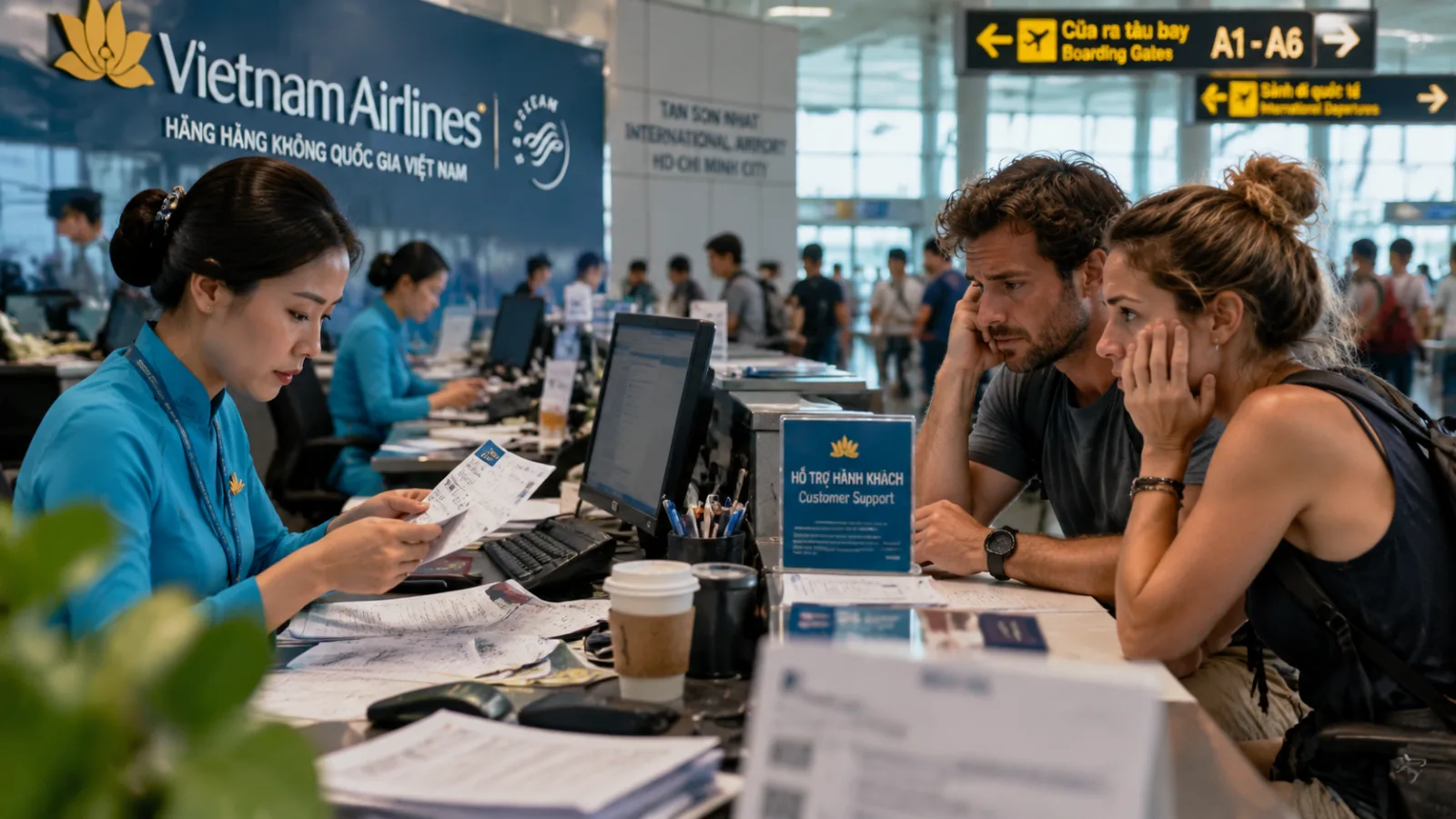

Vietnam Airlines compensation matters most when a delay, cancellation, denied boarding, or baggage problem has already disrupted your trip. If you are a solo traveler, couple, family, or adventure-focused visitor heading through Vietnam, the fastest way forward is to confirm your rights, gather proof, and file the right claim before the deadline passes.
In simple terms, compensation depends on what happened, where your flight started or ended, and whether the airline was responsible. A missed connection in Hanoi, a cancelled return from Ho Chi Minh City, or delayed baggage after a beach transfer in Da Nang can all follow different rules, so understanding the category first saves time and improves your chance of getting paid. For planning support around your trip, you can also review local Ho Chi Minh tours or compare all Toward Local tours while you sort out the claim.
| Criteria | Best for | Typical result | Action |
|---|---|---|---|
| Delay over 3 hours | Passengers with strong evidence | Possible cash compensation | Keep boarding pass and receipts |
| Cancellation or denied boarding | Travelers rebooked last minute | Refund, reroute, or payout | Ask for written reason immediately |
Vietnam Airlines compensation is the money or reimbursement a passenger may receive after a qualifying delay, cancellation, denied boarding, or baggage issue. Eligibility usually depends on the route, the cause of disruption, and the documents you can show. The best first step is to confirm what happened, keep your receipts, and submit the claim with clear flight details.
A practical rule is this: do not wait until memory fades or emails get buried. If your trip involved a long-haul arrival, a tight island connection, or a family itinerary with extra hotel costs, document everything now and then decide whether to claim directly or use a claim helper. When you want to pair your recovery time with something worth doing on the ground, browse Da Nang local tours for a low-stress way to keep the trip moving.
Check your eligibility early so you do not miss the filing window, especially if your flight involved multiple segments or a stopover.
Start your Vietnam Airlines compensation claim as soon as you have your booking reference, flight number, and proof of disruption, because clean documentation is what usually decides the outcome.
What Vietnam Airlines Compensation Covers
Vietnam Airlines compensation helps passengers recover money or practical support when a trip goes wrong in a way the airline may be responsible for. For many travelers, the real issue is not the delay itself, but the extra cost and missed plans that follow. If you are comparing your options after a disrupted journey, you can also review all tours from Toward Local for a flexible backup plan once your trip is back on track.
In simple terms, compensation can cover more than a ticket refund. It may include cash payment, meal support, hotel stays, or transport if the disruption leaves you stranded. For visitors who planned a local adventure, that matters because one cancelled connection can affect a full itinerary, from a food tour in the city to a short escape along the coast. Vietnam Airlines compensation is about restoring what the disruption took away, not just closing the booking.
Vietnam Airlines compensation is the money or assistance passengers may receive when a flight delay, cancellation, missed connection, or denied boarding causes disruption and the airline is liable. It can cover direct financial loss, care during the wait, and reimbursement for reasonable costs such as meals, hotels, or transport.
What compensation means for passengers is usually practical, not abstract. If your flight arrives several hours late and you miss a booked train, hotel check-in, or guided experience, the claim is meant to reduce that loss. For example, a solo traveler flying into Ho Chi Minh City might lose a same-day transfer, while a family could need an extra night near the airport. In both cases, the issue is the added expense and inconvenience, not only the delay itself.
When you may be eligible to claim depends on the cause, the length of the disruption, and whether the airline was in control of the problem. Common cases include:
- Flight delays that reach the required threshold at arrival
- Flight cancellations with short notice or limited rerouting
- Missed connections caused by the airline schedule
- Denied boarding because the flight was full
- Extra expenses for meals, hotels, or ground transport
Keep receipts for every realistic cost you had to cover after the disruption. Airlines often pay faster when the expense is clearly linked to the trip. If you want to stay efficient while sorting a claim, browse Ho Chi Minh City tours once you know your arrival plans, because a delayed flight should not erase the experience entirely.
| Criteria | Usually Covered | Often Not Covered | Why it Matters |
|---|---|---|---|
| Delay at arrival | Cash compensation or care | Small schedule changes only | Eligibility usually depends on time lost |
| Out-of-pocket costs | Meals, hotel, transport | Unrelated purchases | Receipts make the claim easier to prove |
If your trip involved a delay, cancellation, or missed connection, check the details before you assume nothing is owed. Many passengers miss valid claims because they only look at the ticket price and ignore the wider disruption. The smarter move is to review the cause, the arrival time, and the costs you had to pay yourself.
In practice, Vietnam Airlines compensation is strongest when you can show a direct link between the airline disruption and your loss. That is why the best claims are simple: what happened, how late you arrived, and what money you spent because of it. For adventurous travelers, that can be the difference between losing a day and still making the most of Vietnam.
If your flight was delayed, cancelled, or overbooked, gather your boarding pass, receipts, and booking details now. Then check whether your case fits the rules before the evidence gets lost. A clear claim is faster to review and far more likely to succeed.
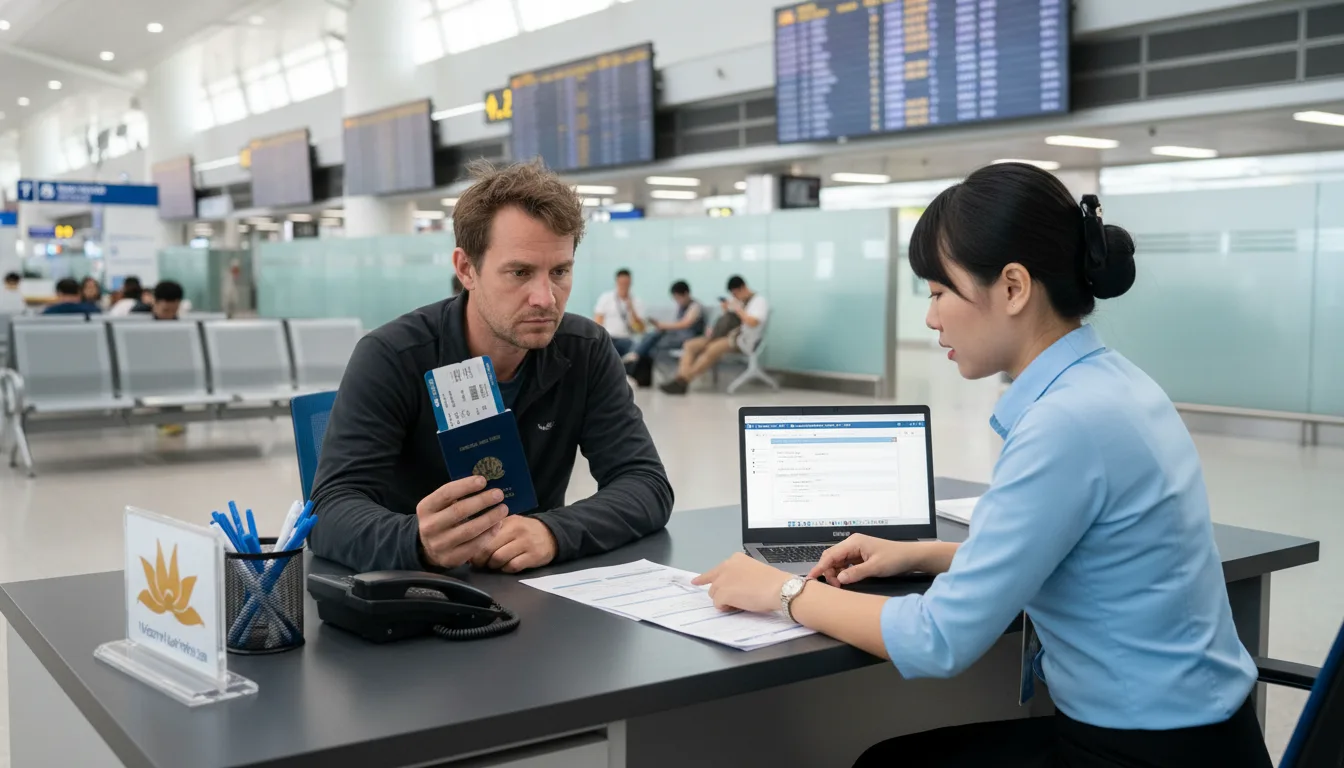
How to File a Vietnam Airlines Compensation Claim
Vietnam Airlines compensation claims usually fail for one simple reason: passengers wait too long or send weak evidence. If your flight was delayed, cancelled, or you were denied boarding, the fastest way forward is to file a clean claim with dates, booking details, and proof of disruption.
This chapter shows the practical path. You will see what to send, when to send it, and how long a response usually takes. For travelers planning an adventurous trip across Vietnam, that matters because a missed connection can affect hotel check-ins, local tours, and the rest of your itinerary.
To file a Vietnam Airlines compensation claim, collect your booking reference, boarding pass, flight confirmation, and disruption proof, then submit a short written request to the airline. Include the reason for delay or cancellation, your expenses, and any receipts. Keep copies, track the case, and follow up if the airline does not reply within a reasonable period.
Step by step claim process
Start with the facts, not emotion. Write down the flight number, route, date, scheduled departure, actual arrival time, and the reason staff gave at the airport. Then submit your Vietnam Airlines compensation request through the airline channel, or use a claim service if you want help handling the paperwork and follow-up.
A simple claim normally includes three parts:
- A short explanation of what happened
- Proof that you were booked on the flight
- Your contact details and preferred payout method
If your trip was part of a longer holiday, mention the practical impact. For example, a delayed Hanoi to Da Nang flight can force you to miss a pre-booked transfer or a Hoi An day trip, which helps show why timing matters. Soft insight: claims with a clear timeline are usually easier for airline staff to review than long complaint letters.
Required documents and evidence
Keep the claim file tight. Airlines do not need a travel diary; they need proof. The most useful documents are your e-ticket, boarding pass, booking confirmation, and any airport messages showing delay or cancellation. If you spent money because of the disruption, save receipts for meals, transport, hotel nights, or rebooking costs.
Use this quick checklist before you submit:
| Criteria | What to keep | Why it matters | Priority |
|---|---|---|---|
| Travel proof | Ticket and boarding pass | Confirms you were on the flight | High |
| Disruption proof | Delay notice, screenshots, photos | Shows what happened and when | High |
| Expense proof | Receipts and invoices | Supports reimbursement for extra costs | Medium |
If you lost time during a Vietnam stopover and want to protect the rest of the trip, keep your documents on your phone and in email. That makes it easier to act quickly before heading to another city such as Da Nang or before joining all Toward Local tours. If you are unsure whether your evidence is enough, gather it first and review it before submitting.
Typical timelines and response expectations
Most passengers should expect an initial response within a few weeks, but a full resolution can take longer if the airline asks for more proof. If your case is straightforward, the airline may confirm receipt quickly and then review the claim in stages. If it goes silent, a follow-up email is normal and often necessary.
Think in stages rather than one deadline:
- Submission confirmed
- Evidence reviewed
- Eligibility assessed
- Payment or rejection issued
The fastest claims are the ones that leave no room for guessing. A short, organized file beats a long emotional message. If the route was eligible and your records are complete, your Vietnam Airlines compensation case has a much better chance of moving without repeated back-and-forth.
When the airline delays its answer, stay calm and keep every message. Many passengers lose momentum after the first silence, which is exactly when persistence matters. If you are on a tight schedule or connecting to a local trip, a structured claim can save time while you stay focused on the holiday itself.
File your claim as soon as your documents are ready, keep the wording simple, and follow up until you get a clear answer. If you prefer a smoother process, prepare the evidence now and submit it before the trip details become harder to trace.
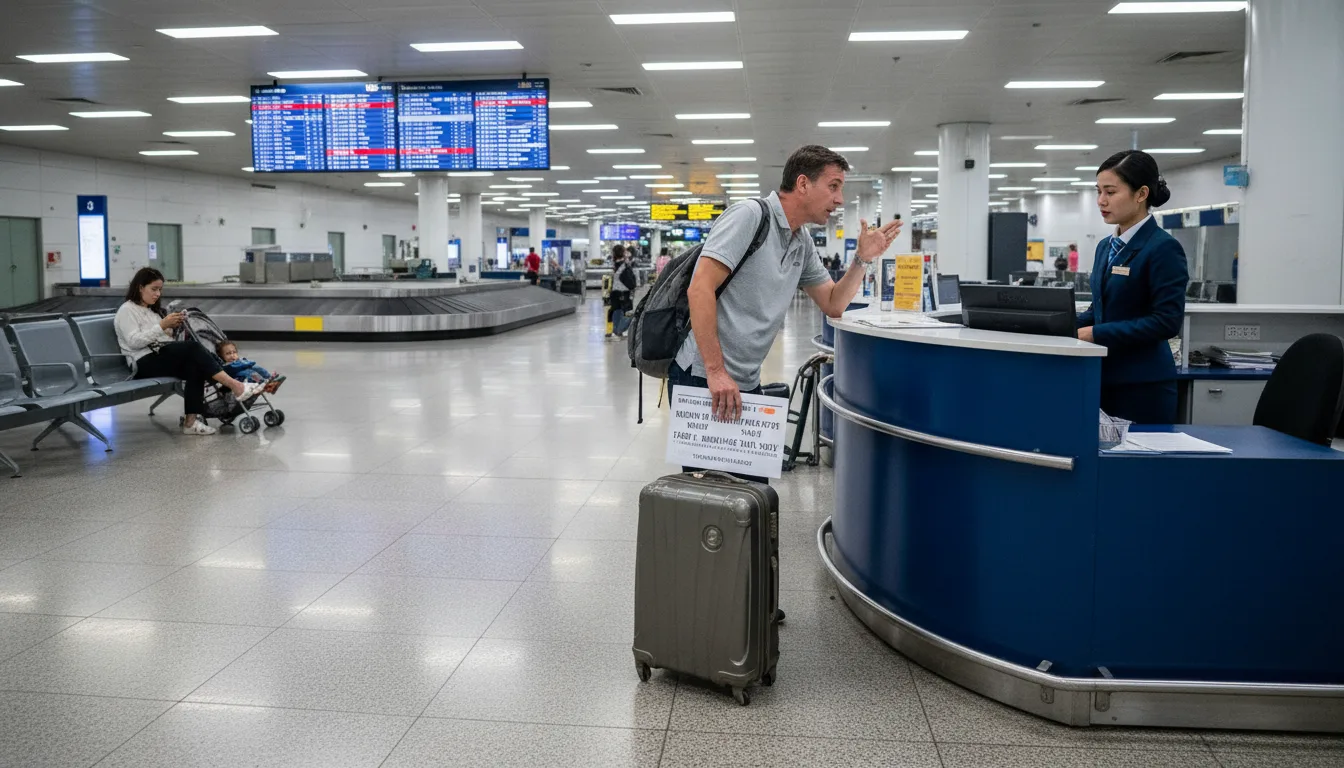
Common Types of Vietnam Airlines Compensation Cases
Vietnam Airlines compensation usually comes into play when a trip is disrupted in a way that affects your time, your connection, or your checked bags. For most travelers, the real issue is not whether the problem was annoying, but whether it created a clear loss that can be claimed. Delays, cancellations, denied boarding, missed connections, and baggage problems are the most common cases worth reviewing.
If you are flying into Vietnam for a beach break, a city hop, or a multi-country adventure, the impact can be immediate. A missed connection can mean losing a hotel night in Da Nang, a delayed bag can derail a one-bag trip to Hoi An, and a cancellation can push your whole itinerary off track. The good news is that these situations are often easier to assess than travelers expect.
The most common Vietnam Airlines compensation cases are flight delays, cancellations, denied boarding, missed connections, and baggage issues. In each case, eligibility depends on what happened, how long the disruption lasted, and whether the airline was responsible. Keep your boarding pass, receipts, and booking details so you can check the claim properly.
For delays and cancellations, the key question is simple: did you arrive significantly late, or was the flight removed from your schedule without enough notice? A 4-hour delay on a long-haul route can be much more than a nuisance if it causes a missed tour, an overnight stay, or a domestic transfer. That is why travelers often start by reviewing the disruption before looking at the ticket fare.
Example: a couple flying from Seoul to Ho Chi Minh City lands late and misses their onward flight to Da Nang. Even if the first delay felt manageable at the airport, the real damage appears later when the connection is gone and hotel plans are lost. In this kind of case, the strongest claim is usually the total effect on the journey, not just the first delay.
Keep screenshots of gate changes, delay notices, and any messages from the airline. These details matter more than memory when you file a claim.
all local tours can help if your original plan is disrupted and you need to rebuild the trip after a delay or cancellation. If your compensation case takes time, having a flexible backup activity is useful, especially for solo travelers and families who do not want the whole day to be wasted.
Denied boarding is another common situation, especially when a flight is oversold or the airline reassigns seats at the last minute. If you had a confirmed booking but were not allowed to travel, the claim may be stronger than many passengers realize. The same logic applies to missed connections caused by airline-controlled delays, where the second flight was impossible to reach because the first one arrived too late.
Baggage issues are different, but they matter just as much. A delayed suitcase is frustrating for any traveler, yet it becomes a real problem for people on active itineraries who have packed light. A damaged or lost bag can create replacement costs, missed activities, and extra transport fees. For adventurous trips, even a single missing item such as hiking gear, rainwear, or a power bank can change the day.
| Case type | Typical trigger | What to keep | Main claim focus |
|---|---|---|---|
| Delay or cancellation | Late arrival or removed flight | Boarding pass and notices | Time loss and extra costs |
| Denied boarding or baggage issue | Oversold flight or missing bag | Receipt, bag tag, airport report | Alternative travel cost and replacement expenses |
Before you submit anything, compare the disruption against your actual travel plan. A minor schedule shift may not justify much, while a same-day cancellation, a broken connection, or a lost bag can create a solid case. That is why the smartest approach is to document the event first, then decide whether the issue fits a compensation claim.
For travelers who want to keep moving, it helps to pair the claim process with a backup plan. A short city experience, a food walk, or a day trip can save the mood while the airline issue is being sorted. If you are building a flexible itinerary, Ho Chi Minh City tours and Toward Local tours are practical options that fit solo travelers, couples, and families who prefer a more local experience.
If you think your case may qualify, gather your documents now and review the disruption while the details are still fresh. Clear records make Vietnam Airlines compensation checks faster, stronger, and easier to prove.
Do not wait until the trip blur makes the timeline harder to remember. Save the receipts, note the delay, and prepare your claim as soon as possible so you do not lose a case that could have been valid.
Vietnam Airlines Compensation vs. Refunds and Travel Insurance
Vietnam Airlines compensation is not the same as a refund, and that distinction matters when your plans collapse in a busy trip across Vietnam or beyond. If your flight is delayed, cancelled, or you miss a connection, the right route depends on who caused the problem, how long you waited, and what your ticket actually covers.
For solo travelers, couples, and families trying to keep a holiday on track, the wrong claim choice can cost time and money. A refund gives back the unused ticket value. Compensation may add extra cash for disruption. Travel insurance sits beside both, helping when the airline is not responsible or when your loss is tied to accommodation, illness, or missed activities.
Compensation covers disruption caused by the airline or a qualifying operational issue. A refund returns the ticket price when the flight is cancelled or unused. Travel insurance is usually better for illness, missed non-refundable hotels, or delays outside airline control. Choose based on cause, evidence, and whether you need cash back or full trip protection.
How compensation differs from a refund
Think of a refund as money back for the ticket itself, while compensation is extra payment for the inconvenience of the disruption. If Vietnam Airlines cancels your flight and you no longer travel, a refund is usually the first question. If the delay reaches a qualifying threshold and the airline is at fault, compensation may also apply.
Example: a couple flying to Hoi An misses a booked cooking class because the departure is delayed by several hours. The refund only covers the unused flight segment. Compensation can address the disruption cost, while the class loss may need insurance if it is non-refundable.
Many travelers assume one claim replaces the other. In reality, all tours of Toward Local and other pre-paid plans are often protected differently from the flight itself, so separate the transport claim from the trip-loss claim before you submit anything.
| Criteria | Refund | Compensation | Travel insurance |
|---|---|---|---|
| What it covers | Unused ticket value | Disruption caused by airline | Extra trip losses or covered events |
| Best use case | Cancelled or unused flight | Long delay or eligible cancellation | Illness, missed hotel, weather, baggage |
When travel insurance may be a better option
Travel insurance is often the better route when the airline is not legally on the hook. Bad weather, medical issues, a missed departure because of your own delay, or a lost passport can fall outside an airline claim. In those cases, the policy may cover hotels, rebooking, or emergency costs that compensation would not touch.
For adventurous travelers heading from Hanoi to Da Nang, a missed domestic connection can quickly become a hotel night plus a tour change. If the cause is outside airline responsibility, insurance is usually the cleaner claim route. If you are planning a multi-city trip, Hoi An tours or beach-day bookings are easier to recover through insurance when they are pre-paid and non-refundable.
Before you decide, check the cause, the booking terms, and any coverage limits. That small review can save days of back-and-forth with the airline and your insurer.
How to choose the right claim route
Use this simple decision path. First, ask whether Vietnam Airlines caused the problem. Second, check whether you still want the flight or a cash refund. Third, review your insurance policy for trip interruption, delay, and cancellation cover.
If the airline changed or cancelled the flight, start with the carrier claim. If the disruption came from illness, weather, or a personal emergency, start with insurance. If you paid for onward plans, hotel nights, or local experiences, gather receipts before filing. Travelers on a short city break often recover faster when they claim in the right order instead of sending the same story to every provider.
Da Nang tours and other local bookings can be time-sensitive, so keep the paper trail simple: flight notice, receipts, booking confirmations, and photos of any service disruption. Strong claims are built on clean evidence, not volume.
Choose the route that matches the cause, the money at stake, and the documents you already have. If the airline is responsible, pursue compensation first. If the loss is broader than the flight, insurance may do more for you. For a complete trip plan, start with the highest-value claim and move step by step until every recoverable cost is covered.
Bottom line: refund for the ticket, compensation for airline-caused disruption, insurance for everything else that policy covers. That is the fastest way to protect both your budget and your itinerary.
Tips, FAQs, and Next Steps for a Stronger Claim
Vietnam Airlines compensation claims are won or lost on details, not luck. If your flight was delayed, cancelled, or you were denied boarding, the strongest claims usually have clear proof, a clean timeline, and a simple explanation of what happened at the airport and after landing.
A weak claim often misses one of those pieces. That is why travelers who organize their evidence early usually move faster through the review stage, especially on long-haul routes or tight connections where the airline may question the cause of disruption.
Common mistakes that weaken claims
Most rejected claims start with avoidable errors. If you want a cleaner case, check the basics before you submit. For many travelers, this is the difference between a quick payout and weeks of back-and-forth.
- Not keeping the boarding pass, booking reference, or delay notice
- Using only a vague complaint instead of exact flight times
- Missing receipts for meals, transport, or hotel costs
- Assuming weather or operations issues are the same thing
- Waiting too long to act after the incident
The airline does not need a perfect story, but it does need a consistent one. If your flight left from Hanoi and arrived hours late in Europe, write down the actual departure and arrival times before memory gets fuzzy.
For travelers planning a bigger trip across Vietnam, it also helps to keep your overall itinerary tidy. If you are combining a claim with a local adventure, you can still stay organized by using resources like local HCMC experiences or browsing all Toward Local tours while you wait for updates.
Key FAQ: eligibility, payout amount, and status checks
Eligibility: You usually need a real disruption, not a voluntary change. A delayed arrival, cancellation, or denied boarding is the starting point, but the route, cause, and timing all matter.
Payout amount: The amount depends on flight distance, route type, and legal basis. For some cases, the compensation is fixed by regulation; for others, only a refund or expense reimbursement may apply.
Status checks: If you already submitted a claim, review your email, claim portal, or airline case number regularly. Silence does not always mean rejection, but it often means the file is still moving.
| Criteria | Best for | Risk level | Next step |
|---|---|---|---|
| Delayed arrival with proof | Compensation review | Low | Submit with documents |
| Missing receipts and times | Internal follow-up | Medium | Rebuild evidence first |
If you are unsure whether your case is worth filing, start with a quick check and then decide whether to push forward. A short review can save time, and it is often smarter than sending a weak claim that gets delayed.
When to escalate or get help
Escalate when the airline stops replying, gives conflicting reasons, or keeps asking for the same documents without moving the case. That is often the point where a stronger letter, formal complaint, or external support becomes useful.
It also makes sense to get help if your flight included multiple legs, a missed connection, or a schedule change that affected a family trip. In those cases, the paper trail matters more, and a structured approach usually performs better than a rushed follow-up.
For travelers who want to keep the trip moving, it is smart to separate claim handling from travel planning. If your journey continues through Central Vietnam, you can still explore Da Nang tours while your case is under review. The key is to keep your documents, dates, and contact history in one place.
Next step: review your evidence, confirm the disruption type, and submit a claim only when your timeline is clear. If the airline resists or the case feels complex, escalate early rather than letting the file go stale.
Strong claim rule: clear proof, accurate timing, and fast follow-up create the best chance of success for Vietnam Airlines compensation.