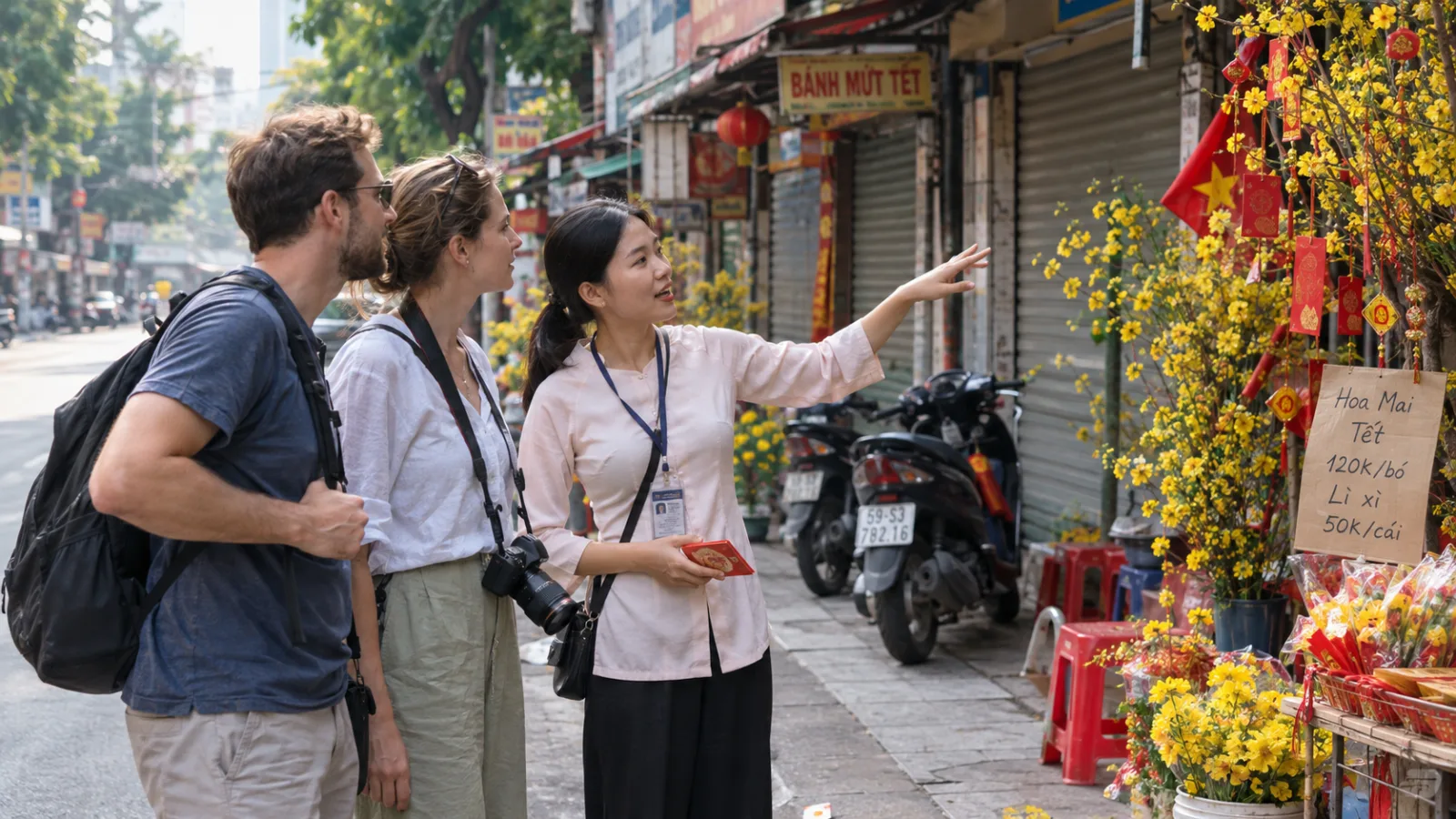

The Vietnam Tet holiday is the most important celebration in the country, and it shapes everything a traveler sees, hears, and can actually do. For first-time visitors, expats, and anyone planning a local-style trip, Tet explains why streets feel quieter in one moment and deeply alive the next. It is also the best time to understand Lunar New Year in Vietnam and the meaning behind Tet traditions.
The challenge is practical as much as cultural. Many shops close, buses and trains fill early, and simple etiquette matters more than usual when visiting homes, markets, or temples. If you are traveling solo, as a couple, or with family, this guide will help you prepare with confidence, avoid common mistakes, and move through the holiday like someone who knows what to expect. For a food-focused city experience before the holiday rush, see HCMC food tours and plan around local hours. Useful for quiet trip planning: all Toward Local tours.
What the Vietnam Tet Holiday Is and Why It Matters
Vietnam Tet holiday is the Vietnamese Lunar New Year, the most important annual celebration in Vietnam. It marks a reset in family life, business rhythms, travel plans, and public space. For first-time visitors, Tet can feel surprising because the country does not slow down evenly; some places become quiet, while others turn bright, crowded, and deeply festive.
For travelers, that matters because Tet changes what is open, how people move, and how locals spend time. If you are planning a trip for the Vietnam Tet holiday, the right expectation helps you avoid closed restaurants, sold-out transport, and rushed schedules. It also opens the door to one of the most meaningful cultural experiences in Southeast Asia.
The core meaning of Tet is simple: people return home, honor ancestors, and begin the year with fresh hopes. In many households, families clean the home, prepare special food, and gather for reunion meals. A visitor may notice local experiences across Vietnam become more visible during this period, because daily routines shift toward family, prayer, and celebration.
One practical example: in major cities, convenience stores and hotels usually stay open, but small eateries and local markets may close for one or more days. That contrast is exactly why Tet is not just a holiday, but a travel planning issue. A simple rule helps: if you need food, cash, or transport, handle it before Tet Eve.
| Criteria | Before Tet | During Tet | Traveler Impact |
|---|---|---|---|
| Food and shopping | Fully active | Many shops close | Buy essentials early |
| Transport | High demand | Very limited seats | Book well in advance |
If your route includes Hoi An, consider timing your stay around the celebration period so you can compare calm mornings with festive evenings, and see Hoi An with local guides while the city is at its most atmospheric.
Tet is Vietnam’s Lunar New Year and the country’s most important holiday. It brings family reunions, ancestral traditions, special food, and major travel disruption. For visitors, Tet matters because opening hours, transport, and city energy all change at once, especially in the days before and after the holiday.
The cultural meaning goes beyond celebration. Tet is about respect, luck, and starting the year with good intentions. Children receive lucky money, elders are visited first, and homes are decorated to welcome prosperity. In the south, yellow apricot blossoms are common; in the north, peach blossoms dominate. These details make the holiday feel local, not staged.
If you want to understand Vietnam beyond surface-level sightseeing, Tet is the best lens. It shows how food, family, religion, and daily routines are connected. For couples, families, solo travelers, and adventurous visitors, that makes the holiday both beautiful and logistically important. Treat it as a cultural milestone first, and a travel season second.
How the Vietnam Tet Holiday Works in Practice
Vietnam Tet holiday is the period when daily life shifts from normal routines to family rituals, slower streets, and short business closures. For travelers, that means the key challenge is not seeing the holiday itself, but knowing what happens before Tet Eve, on the first day, and during the quiet days that follow.
The good news is that Tet is easy to navigate once you understand the pattern. Shops close, homes get cleaned, altars get prepared, and many locals travel or stay with family. If you plan for a few basics early, you can still enjoy temples, markets, and city walks without feeling caught off guard.
Tet in Vietnam usually follows a clear rhythm: pre-Tet cleaning and shopping, Tet Eve family reunions, the first three days for ancestor worship and house visits, and temple trips for good luck. Travelers should expect reduced transport, many closures, and crowded sacred sites, especially in major cities.
Tet usually starts to feel different about one to two weeks before the holiday. Homes are scrubbed from top to bottom, flower markets appear, families buy fruit trays and gifts, and people return to their hometowns. The practical result is simple: roads get busier, transport sells out, and local services begin shortening hours.
On Tet Eve, many families prepare a small altar with incense, fruit, flowers, and offerings for ancestors. At midnight, some households welcome the new year with prayer, fireworks, or a first visitor believed to bring good fortune. For visitors, this is a strong cultural moment to observe quietly rather than intrude.
| Criteria | Before Tet | Tet Eve | Tet Days 1 to 3 |
|---|---|---|---|
| Street activity | Very busy | Late shopping rush | Quiet in local neighborhoods |
| Best traveler focus | Book transport early | Observe rituals respectfully | Visit temples and open sites |
A useful rule is to keep flexible plans. If you want to stay in the loop, use a city base and consider a guided food or culture experience such as Ho Chi Minh City local tours, where you can still find open streets and active neighborhoods during the holiday period.
Key customs also explain what you will see on the street. Spring cleaning is about removing bad luck before the new year. Lucky money in red envelopes is given to children and younger relatives. Temple visits happen early in the year because many Vietnamese want health, peace, and a strong start. These are not decorative traditions; they shape where people go and when they move.
For solo travelers, couples, and families, the smartest approach is to plan around the rhythm instead of fighting it. Stock up early, expect slow service, and choose neighborhoods that stay lively during holidays. If your route includes central Vietnam, Da Nang holiday tours can be a practical way to keep sightseeing easy while still respecting local customs.
If you want to experience Tet without losing time to closed businesses or sold-out transport, build your trip around the holiday calendar first, then layer in food, temples, and local walks.
To make the most of the Vietnam Tet holiday, book early, move respectfully, and choose experiences that remain open and meaningful throughout the new year period.
What to Expect During the Vietnam Tet Holiday
The Vietnam Tet holiday is the moment when the country slows down, resets, and turns deeply local. If you are visiting as a solo traveler, couple, or family, expect closed shops, higher transport demand, and a lot more movement before the holiday than during it. The upside is real: quieter streets, vivid decorations, and a chance to see daily life in a more personal way.
For practical planning, think in two phases. Before Tet, buses, trains, and flights fill fast, while prices often rise. During the first days of the holiday, many restaurants, markets, and small businesses close, but major hotels and tourist zones usually stay open. A smart traveler keeps one eye on logistics and the other on local atmosphere.
Here is the short version for visitors: book transport early, carry cash, and expect reduced service for a few days. If you want a smoother arrival, consider staying near a major tourist district and keeping meals flexible. This is especially useful for adventurous travelers who want to explore local neighborhoods without getting stuck by shutdowns or long waits.
Travel impact during the Vietnam Tet holiday is strongest in the week before Tet Eve and the first two to three days after it begins. Roads get crowded, intercity seats sell out, and some taxi or ride-hailing pickups can take longer than usual. For this reason, many travelers choose to move before the peak rush or stay put and enjoy the quieter city rhythm.
Common changes to expect include:
• Trains and sleeper buses reaching full capacity earlier than normal
• Domestic flight fares increasing close to the holiday window
• Restaurants, pharmacies, and small shops closing for short periods
• Cash machines and delivery apps working, but sometimes with slower response times
For example, a couple planning a short Hanoi to Ninh Binh trip may find afternoon buses gone days ahead, while a family arriving in Ho Chi Minh City may see fewer open local eateries on Day 1. In these cases, the best move is simple: book transport early and keep a backup meal plan. If your route is still flexible, see all tours from Toward Local for options that fit different travel styles without adding last-minute stress.
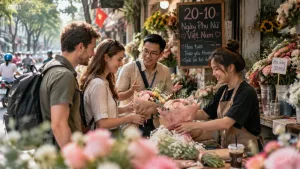
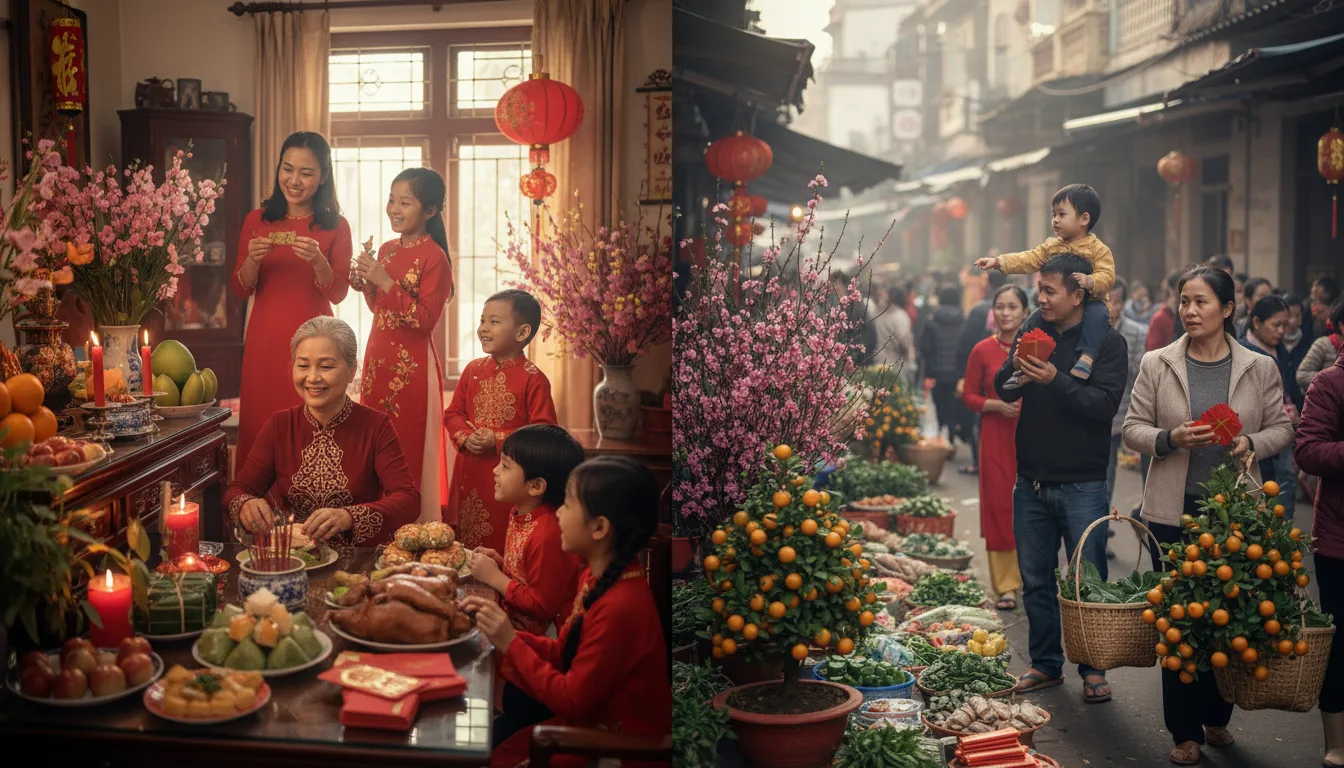
The best experiences during Tet are the ones that reward curiosity and timing. Flower markets are the most photogenic choice, especially when locals shop for peach blossoms in the north or apricot blossoms in the south. Decorations also make ordinary streets feel special, with red banners, kumquat trees, lanterns, and family altars visible in many neighborhoods. In cities, parades and public displays can create an energetic holiday mood, while temples become lively with visitors making first prayers of the year.
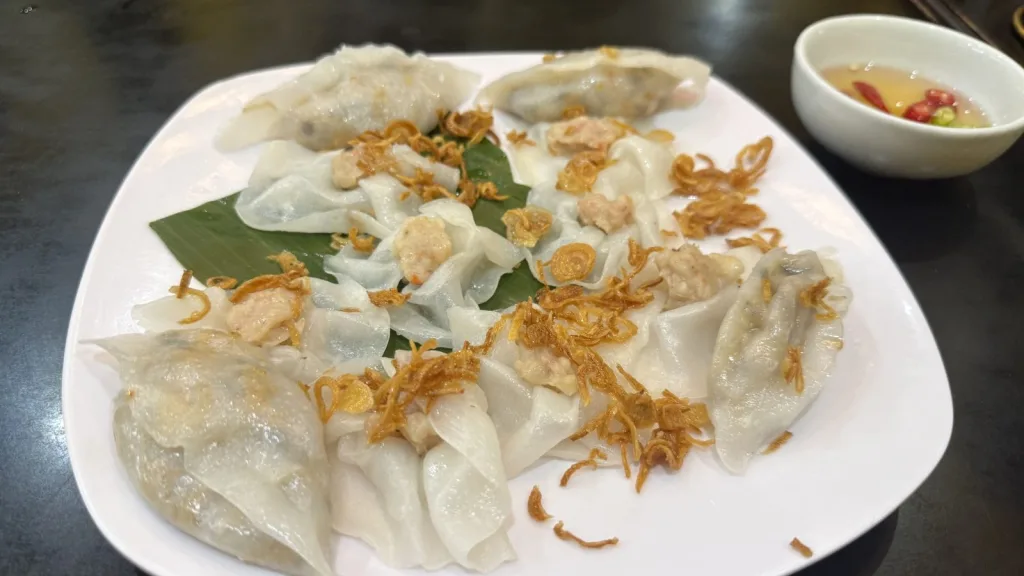
For food, look for festive dishes such as banh chung, banh tet, candied fruits, and warm family-style meals served in local homes or heritage restaurants. If you are spending time in southern Vietnam, pairing a holiday walk with HCMC Food Tours can be a smart way to taste Tet specialties when smaller eateries are closed. A useful takeaway: the most memorable Tet moments are often not big attractions, but the quiet details, like a street vendor arranging flowers at dawn or a child holding lucky money in a crowded courtyard.
| Criteria | Before Tet | During Tet | Best Move |
|---|---|---|---|
| Transport | Very busy | Limited seats | Book early |
| Food and services | Open but crowded | Many closures | Plan backup options |
What matters most is balance. If you want convenience, stay near central districts and lock in transport in advance. If you want culture, move slowly, walk through decorated streets, and visit flower markets early in the morning. For travelers who want a softer way to enjoy the holiday atmosphere, Da Nang tours can be a practical base for coastal sightseeing while keeping Tet logistics easier to manage.
In short, the Vietnam Tet holiday is busy, beautiful, and sometimes inconvenient in the same day. That is why it can be such a rewarding time to visit. Prepare for closures and price changes, then leave room for spontaneous local moments. If you want a deeper, well-paced experience, choose one city, book ahead, and let the holiday shape the trip instead of fighting it.

How to Plan Your Trip Around the Vietnam Tet Holiday
Vietnam Tet holiday planning starts with one simple rule: move early or expect sold-out transport, closed shops, and crowded sights. If you want the holiday atmosphere without the stress, book trains, flights, and hotels before the last two weeks before Tet. That gives you more choices, better prices, and less time lost in transit.
Tet is best for travelers who want local culture, flower markets, and family rituals, but it is not the easiest time for flexible sightseeing. Many small businesses close for the first days of the holiday, while major hotels and tourist areas stay active. The smartest approach is to plan around a few anchor days, then use the rest of your route for easier travel windows.
The best timing depends on what kind of trip you want. Before Tet, cities feel alive with preparations, shopping, and blossom displays. During Tet, the mood becomes quieter and more traditional, which suits travelers who enjoy local rhythm and fewer tourist crowds in some areas. After Tet, services reopen gradually, and transportation becomes easier again.
For a practical travel plan, think in three phases:
• 30 to 45 days before Tet: book intercity transport and hotels in advance
• 3 to 5 days before Tet: buy snacks, cash, and essentials for temporary closures
• 1 to 3 days after Tet: expect slower service, but easier movement in popular cities
A useful example: if you are planning Hoi An, Da Nang, or Ho Chi Minh City, stay near central districts where hotels, convenience stores, and restaurants are more likely to remain open. If your route includes a local food stop, consider Ho Chi Minh City food tours before the holiday rush, when stalls and markets are still fully active.
During Tet, the biggest advantage is atmosphere. You may see families visiting temples, flowers filling the streets, and streets that feel more personal than usual. The main downside is reduced flexibility: private drivers, domestic flights, and sleeper buses sell out early, and some attractions run on shorter hours. For adventurous travelers, that tradeoff can still be worth it if the trip is planned carefully.
| Criteria | Before Tet | During Tet | After Tet |
|---|---|---|---|
| Transport availability | Best choices and lower stress | Very limited unless booked early | Improves quickly |
| Local atmosphere | Busy and festive | Most authentic holiday mood | Calmer and more practical |
For couples and solo travelers, Tet works best when the itinerary is shorter and more intentional. Build in one city, one cultural experience, and one flexible buffer day. For families, the safest plan is to stay near services and book everything that matters before the holiday week begins. If you want a smoother route after Tet, browse Hoi An tours when shops and activity levels return to normal.
Bottom line: visit before Tet if you want energy and convenience, during Tet if you want culture and atmosphere, and after Tet if you want fewer disruptions. The best trip is not the one with the most movement. It is the one that matches the holiday rhythm and gives you enough room to enjoy Vietnam without fighting the calendar.
Tet Etiquette, Common Mistakes, and FAQ
Vietnam Tet holiday is the easiest time to misunderstand local customs if you arrive unprepared, but it is also the fastest way to build goodwill when you handle the basics well. For first-time visitors, the key is simple: greet people politely, avoid awkward money or gift mistakes, and accept that daily routines slow down for a few days. That small shift in expectations makes the holiday feel warm instead of confusing.
Think of Tet as a family-centered reset, not just a public holiday. Shops may close, streets may feel quieter in the morning, and some services run on limited hours, especially outside major cities. If you plan ahead, carry small gifts when invited, and speak respectfully to elders, you will usually be welcomed with genuine curiosity. The experience can be especially rewarding if you pair it with a local tour from all Toward Local tours or a food-focused walk like HCMC food tours.
During Tet, greet people politely, avoid giving unlucky gifts, do not demand normal business hours, and bring a small amount of cash and patience. Vietnam is still open during Tet, but many shops, restaurants, and services reduce hours for several days. The best travel experience comes from planning around closures instead of fighting them.
| Criteria | Good choice | Avoid | Why it matters |
|---|---|---|---|
| Greeting | Smile, say Chuc Mung Nam Moi, and use a calm tone | Rush in loudly or joke about age and money | Respect matters more than perfect language |
| Gift-giving | Bring fruit, tea, or sweets in neat packaging | Give sharp items, black gifts, or overly expensive presents | Simple gifts feel thoughtful and culturally safe |
Common mistakes are easy to avoid once you know the pattern. Do not visit someone’s home empty-handed if you are invited, and do not expect every family member to be available for long sightseeing plans. If you are staying in a city, book essential meals and transfers early, then leave space for surprises. A quiet half-day temple visit or a market walk is often better than a packed itinerary, especially if you want a smoother trip in Hoi An tours territory during the holiday week.
FAQ: Is Vietnam open during Tet? Yes, but not fully. Major hotels, airports, tourist attractions, and many convenience stores stay open, while local eateries, markets, and government offices often close for 1 to 3 days. How long does Tet last? The main holiday usually lasts 7 to 9 days, but the atmosphere can influence travel a week before and after. Is it a good time to travel? Yes, if you want local culture, flowers, and family traditions, and if you are comfortable with slower logistics. It is less ideal for travelers who need rigid schedules or full restaurant choice every day.
If you want to travel with less friction, prioritize open neighborhoods, reserve transport in advance, and keep a backup plan for meals. That approach gives you the best balance of comfort and local immersion, especially for solo travelers, couples, and families who want a softer adventure. For a wider selection of routes, check Da Nang tours and choose the pace that fits your Tet trip.
Plan your Tet trip like a local, not like a tourist rushing through a normal week. Book early, respect the holiday rhythm, and choose experiences that stay open when others pause. If you want to turn Tet into a memorable cultural journey instead of a logistical headache, start with the right route and the right timing, then build the rest around what is realistically open.