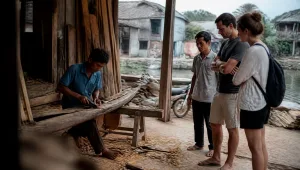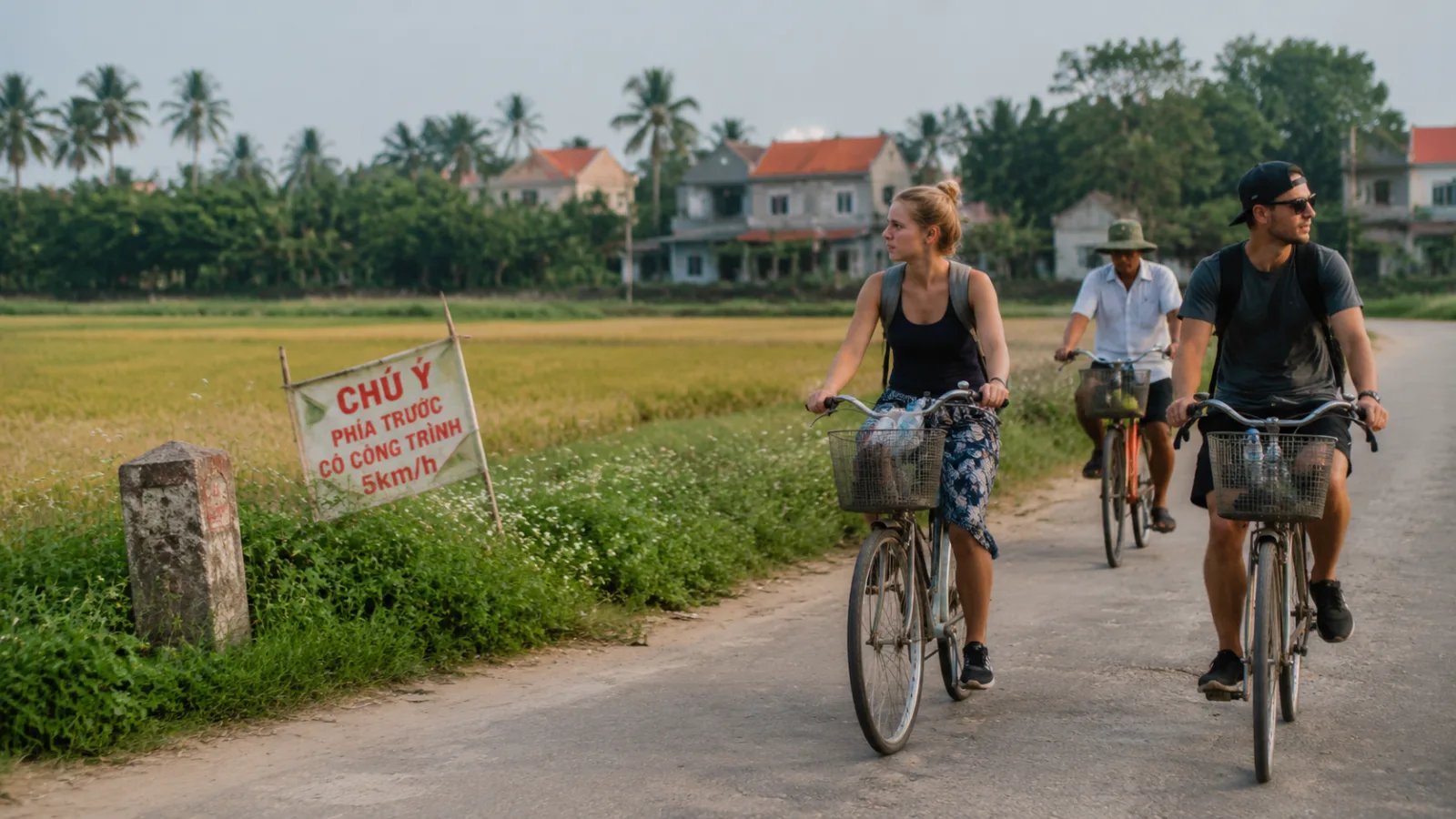

Cycling in Vietnam gives travelers a close look at rice fields, village roads, coastal scenery, and daily life, but first-time riders often worry about busy traffic, heat, and picking the wrong route. The good news is that the country rewards flexible planning, and a well-chosen ride can feel both adventurous and manageable for solo travelers, couples, and families.
For most visitors, cycling in Vietnam works best when you match the route to your comfort level and the season. Flat countryside paths, short heritage loops, and guided point-to-point rides are easier than trying to cover too much distance too soon. If you want a stronger sense of place, browse all Toward Local tours to compare trip styles before you commit.
| Criteria | Best for | Why it works | Watch out for |
|---|---|---|---|
| Flat countryside | Beginners and families | Low stress, easy pace | Heat and afternoon rain |
| Heritage routes | Couples and culture seekers | Mix of scenery and stops | Traffic near city edges |
Vietnam is best for cyclists who choose the right region, ride early, and keep daily distances realistic. Northern mountains suit experienced riders, while the Mekong Delta, Hoi An, and the outskirts of Da Nang are better for relaxed days with more local interaction and fewer pressure points on the road.
Plan around weather, road quality, and support. A short route with a reliable operator often delivers more value than a long self-planned ride that leaves you exhausted. For readers comparing soft adventure options, Hoi An tours and Da Nang tours are strong starting points because they combine easy riding with food, culture, and scenery in one trip. Choose a route that matches your pace, then build the rest of the trip around it. If you want a smoother, safer cycling experience in Vietnam, start by selecting a route that fits your fitness level and travel season, then book with a team that understands local conditions.
What Cycling in Vietnam Is Really Like
Cycling in Vietnam is best understood as a high-contrast travel experience: one moment you are slipping through calm rice fields, and the next you are sharing space with scooters, market stalls, and school traffic. For travelers, that mix is the appeal. It feels local, active, and surprisingly flexible, whether you want an easy half-day ride or a multi-day cycling route.
For first-time visitors, the main surprise is not distance, but rhythm. Roads can be busy, weather can change fast, and the scenery shifts much more quickly than people expect. That is why cycling in Vietnam works best when you choose the right region and pace, then let the trip feel a little adventurous rather than overly controlled.
Featured answer: Vietnam offers cycling for many travel styles, from urban rides and village loops to coastlines and mountain climbs. The best experience depends on traffic tolerance, heat, fitness level, and how local you want the route to feel.
The country’s cycling landscape is varied enough to suit couples, solo travelers, and families. In cities like Hanoi or Ho Chi Minh City, the ride is short, lively, and often paired with food stops or heritage neighborhoods. If you want something gentler, countryside areas near Hoi An or the Mekong Delta give you flatter roads, slower traffic, and frequent photo stops.
For a more scenic challenge, the northern mountains and coastal roads deliver bigger rewards. Expect narrow passes, limestone valleys, and long views that make each climb worthwhile. A simple way to compare options is:
| Criteria | Cities | Countryside | Mountains or coast |
|---|---|---|---|
| Traffic level | Busy and active | Light to moderate | Low traffic, but more terrain |
| Best for | Short local rides | Relaxed discovery | Adventure and scenery |
A practical insight: the best rides in Vietnam are rarely about cycling fast. They are about reading the environment well, stopping for coffee or fruit when the route asks for it, and picking a destination that matches your comfort level. If you are planning a trip that balances local culture with easy logistics, you can explore Hoi An cycling day trips or browse all Toward Local tours for route ideas.
For travelers who want the strongest experience, start with a route that matches your energy, not your ego. Soft roads, local guides, and a realistic daily distance make the difference between a tiring ride and a memorable one. When chosen well, cycling in Vietnam becomes one of the most intimate ways to understand the country, because you see how people live between the famous landmarks.
Ready to turn that understanding into a real trip plan? Choose a region that fits your style, then book a guided ride that handles the navigation, pacing, and local details for you. That is the easiest way to enjoy Vietnam with confidence while still keeping the adventure alive.
How to Plan a Cycling Trip in Vietnam
Cycling in Vietnam rewards travelers who plan around climate, terrain, and daily distance, not just the map. The country looks compact on paper, but heat, hills, traffic, and road quality change fast from region to region. A good plan helps you ride more and waste less energy on guesswork.
For first-time visitors, the easiest win is to match your route to your riding style. If you want quiet countryside, short transfer times, and a softer start, build around places like Hoi An, Da Nang, or the Mekong Delta. If you want stronger adventure and elevation, the north offers bigger views and more demanding days.
The best cycling trip in Vietnam starts with one simple decision: choose the region before you choose the route. Northern Vietnam gives you mountain drama, rice terraces, and cooler air in the highlands. Central Vietnam is better for mixed terrain, heritage towns, and smoother logistics. The south suits riders who prefer flat roads, tropical scenery, and easier pacing.
A practical example is a couple planning four riding days. They may prefer Hoi An for relaxed coastal countryside, while solo travelers often choose the north for a stronger sense of challenge. Families usually do better with shorter loops and fewer elevation changes, because the ride should feel fun, not like a test.
| Criteria | North Vietnam | Central Vietnam | South Vietnam |
|---|---|---|---|
| Best for | Adventure, climbs, scenic backroads | Balanced riding and culture | Flat, relaxed, tropical cycling |
| Typical rider fit | Experienced solo riders | Couples and mixed-level groups | Families and beginners |
Route length matters just as much as region. Many travelers underestimate Vietnam because the daily distance looks manageable, but heat and road conditions slow you down. For a first trip, 25 to 50 kilometers per day is a comfortable range. Strong riders can push farther, but it is smarter to leave room for lunch stops, photos, and unplanned detours.
A shorter ride in Vietnam often feels better than a long one. You will remember the noodle stall, the village road, and the river crossing more than the final kilometer count.
Season is the next critical filter. Northern Vietnam is usually best from October to April, when temperatures are cooler and rain is lighter. Central Vietnam often works well from February to August, while the south is more stable but still benefits from dry-season planning. If you ride in the wet season, start early and keep your schedule flexible.
For riders who want a local feel without stressful logistics, routes around Hoi An and Da Nang are a strong entry point. You can combine countryside cycling with a city break, or even pair the ride with Hoi An bike tours if you want support on navigation, timing, and local highlights.
Bike choice should match the route, not your ego. A hybrid bike works well for flat and mixed surfaces, while a mountain bike is safer for rougher roads and hill country. If you are traveling with family, an e-bike can help keep the group together on longer days. Always check brakes, tire condition, chain wear, and seat fit before leaving the city.
Gear can stay light, but it should be smart. Bring sunscreen, padded shorts, a small repair kit, a power bank, and a refillable water bottle. Sunglasses and a rain layer are useful almost everywhere. If you ride in rural areas, add cash for snacks and a few extra electrolytes, because convenience stores are not always close by.
A simple pre-ride checklist helps prevent most problems: choose one region, confirm the daily distance, check the weather window, test the bike, and save transfer times between riding points. This is the difference between a smooth trip and a frustrating one.
Looking for a trip that feels local, active, and easy to manage? Start with a route that matches your pace, then build the rest around it. If you want help comparing destinations, you can review all Toward Local tours and shortlist the style that fits your travel dates.
Plan a cycling trip in Vietnam by choosing the right region, keeping daily rides realistic, and riding in the best season. North Vietnam suits adventure, central Vietnam suits balance, and south Vietnam suits easier flat routes. Check the bike, pack basic repair gear, and leave space for heat, rain, and local stops.
To book with confidence, choose a route that matches your comfort level, then add support only where you need it. That might mean a guided first day, luggage transfer, or a fully planned itinerary. For travelers who want a smoother experience, a well-built local tour often saves time and removes the hardest part of cycling in Vietnam: logistics.
Best Benefits and Real-World Uses of Cycling in Vietnam
Cycling in Vietnam gives travelers a slower, closer way to see the country without losing the sense of adventure. It solves a common problem for first-time visitors: how to experience real local life while still moving efficiently between markets, rice fields, river villages, and heritage towns.
For solo travelers, couples, families, and active explorers, the appeal is simple. You can cover more ground than walking, stop more often than on a bus, and still feel connected to the places you pass through. That balance makes cycling especially rewarding in Vietnam, where the best moments often happen between major sights.
Cycling in Vietnam is best for travelers who want authentic scenery, light adventure, and flexible pacing. It works well for sightseeing, fitness trips, guided touring, and slow travel because riders can reach local lanes, rural paths, and heritage areas that bigger vehicles often miss.
Why cycling is a rewarding way to explore Vietnam is not just about exercise. It is about access. A bike lets you move through narrow village roads, cross small bridges, and notice details that are easy to miss from a car window, such as a family drying rice paper, fishermen sorting nets, or a morning market waking up.
That is why cycling in Vietnam fits travelers who want a more local feel. In places like Hoi An, the countryside around Hue, or the waterways near the Mekong Delta, the rhythm is gentle enough for beginners but still engaging for adventurous riders. If you want to compare route styles, the full tour collection is a useful starting point.
Popular use cases are very practical:
- Sightseeing: short rides through old quarters, riverside paths, and village lanes
- Fitness travel: active days that feel purposeful without becoming extreme
- Adventure tours: longer routes with hills, rural roads, and scenic challenges
- Slow travel: immersive days with more stops, photos, and local interaction
A small but important insight is that the best cycling experiences are usually planned around pace, not distance. A 25-kilometer ride through quiet countryside can feel richer than a 70-kilometer transfer day, especially when the route includes a local lunch stop or a craft village. For example, travelers heading to central Vietnam often combine relaxed riding with heritage exploring, and Hoi An tours are a strong fit for this style.
| Criteria | Sightseeing | Adventure | Slow Travel |
|---|---|---|---|
| Pace | Easy and flexible | Moderate to active | Unhurried and immersive |
| Best for | Short scenic routes | Rural or hilly terrain | Local culture and photo stops |
If you want a route that matches your pace and travel style, look for tours that clearly separate easy sightseeing from more adventurous cycling days. That helps couples and families avoid overcommitting, while solo travelers can choose the level of challenge they actually want.
The real-world value of cycling here is adaptability. In one trip, you can do a short sunrise ride, a countryside lunch loop, or a full-day regional journey, depending on weather and energy. That flexibility is one reason many visitors keep it on their short list when planning an active holiday in Vietnam.
For travelers who want the strongest mix of local atmosphere, physical activity, and memorable scenery, cycling often delivers more than expected. It is practical, immersive, and easy to tailor. Start by checking Da Nang tours if you prefer coastal riding and city-to-countryside variety, then choose a route that matches your comfort level and curiosity.
If your goal is to experience Vietnam in a more authentic, active, and low-pressure way, cycling is one of the smartest choices. Browse the routes, compare the pace, and pick the journey that fits your travel style before the best dates sell out.
Cycling in Vietnam vs Other Ways to Travel
Cycling in Vietnam is the best option when you want to feel the country at street level instead of watching it pass from behind glass. For travelers who enjoy local markets, small villages, and flexible detours, it creates a slower, more human way to move through the landscape.
If you are choosing between a bike, motorbike, car, or tour bus, the right answer depends on your comfort level, route, and travel style. The key is not speed. It is how much of Vietnam you want to notice, hear, and remember along the way.
Featured insight: Cycling gives you the strongest sense of place, but it is not the fastest or easiest transport. Compared with a motorbike, it is quieter and more immersive. Compared with a car or bus, it reaches smaller roads, stays closer to local life, and works better for travelers who value discovery over distance.
Motorbikes cover more ground and handle hills better, but they can feel rushed and require more confidence in traffic. Cars offer air conditioning and privacy, while tour buses are efficient for long transfers, yet both keep you separated from the scenery. In places like Hoi An or the Mekong Delta, Hoi An cycling tours often make more sense than motorized transport because the roads are flatter, calmer, and lined with everyday village life.
The more local the route, the stronger cycling becomes. On short rural legs, you can stop for coffee, photos, or a roadside snack without needing a fixed schedule. That flexibility is hard to match with larger vehicles.
| Criteria | Cycling | Motorbike | Car or Bus |
|---|---|---|---|
| Local immersion | High | Medium | Low |
| Distance covered | Short to medium | Medium to long | Long |
| Comfort in heat | Moderate | Moderate | High |
| Best traveler type | Adventurous, curious, fit | Independent, experienced | Families, comfort seekers |
Cycling suits solo travelers, couples, and active families who want a meaningful pace rather than a checklist trip. It is especially strong for people who like scenic backroads, soft adventure, and cultural detail. If your priority is to see Vietnam in a quieter, more grounded way, all Toward Local tours can help you compare routes that match your stamina and trip length.
It is less suitable if you dislike heat, need maximum luggage space, or want to cover very long distances every day. The smartest choice is often a mixed itinerary, with cycling for local discovery and a vehicle transfer for bigger hops. That balance keeps the journey enjoyable instead of exhausting.
For most first-time visitors, the best rule is simple. Choose cycling when the route is scenic, the road is manageable, and the experience matters more than speed. Choose a motorbike, car, or bus when distance, weather, or comfort become the main concern. If you want a soft reset between cities and a more local rhythm, cycling in Vietnam is usually the most rewarding option.
Common Mistakes, FAQ, and Final Advice for Cycling in Vietnam
Cycling in Vietnam can be one of the most rewarding ways to see the country, but the biggest mistakes are usually simple ones: underestimating traffic, packing for the wrong weather, and planning routes that are too ambitious. If you avoid those three problems, the experience becomes much safer, smoother, and more enjoyable.
The best approach is to match your route to your fitness, season, and travel style. For first-time visitors, that means choosing roads with light traffic, starting early, and leaving room for breaks, hydration, and unexpected delays. A little planning goes a long way when the day includes heat, hills, and busy local roads.
Safety mistakes usually start with overconfidence. Many travelers assume short distances are easy, but Vietnam can feel harder because of humidity, road noise, and mixed traffic. A better rule is to ride shorter than you think you should, especially on your first day.
Common mistakes to avoid include: riding at midday in hot season, ignoring rain forecasts, using poor lights after dark, and carrying too much luggage. On rural roads, worn shoulders and sudden potholes are common, so keep both hands ready and watch for motorbikes entering from side streets. If you want a more relaxed way to explore, consider a supported guided cycling tour, especially for longer or less familiar routes.
The safest rides are not always the flattest ones, but the ones where the road is predictable and the pace gives you time to react.
| Criterion | Good Choice | Poor Choice | Why It Matters |
|---|---|---|---|
| Time of day | Early morning | Midday heat | Comfort and safety drop fast in strong sun |
| Route style | Quiet backroads | Fast highways | Backroads reduce stress and improve control |
Cycling in Vietnam is safe when you choose the right roads, avoid peak heat, use proper lights and rain gear, and plan shorter daily distances than you would at home. Beginners usually do best with early starts, flexible timing, and routes that stay away from heavy traffic.
Is cycling safe in Vietnam?
Yes, for most travelers it is safe when you ride with local conditions in mind. The main challenge is not crime but traffic, road surfaces, and weather. Daytime riding on quieter roads is the smartest choice, and a helmet, front and rear lights, and a repair kit are essential.
When is the best time to ride? In many regions, the drier months are easier, but the best season depends on where you go. Northern routes can be cool and clear in autumn and spring, while central and southern areas often ride best when rain is lower and mornings are cooler.
Do you need a guide? Not always. Confident riders can self-guide on simpler routes, but a guide helps with navigation, pacing, local road changes, and support if the weather turns. For families, couples, and solo travelers who want a smoother trip, a guide often adds value rather than taking it away.
What gear is essential? A well-fitted helmet, breathable clothing, sunscreen, sunglasses, a reusable water bottle, and a compact rain shell are the basics. Add gloves, lights, and a phone mount if you are navigating independently. Good gear does not make the ride easier by itself, but it reduces stress when conditions change fast.
How do you handle traffic? Stay calm, hold a steady line, signal clearly, and avoid sudden moves. Let motorbikes pass, use eye contact when crossing busy junctions, and never assume drivers will stop automatically. In practice, confidence matters more than speed.
If you want to keep the planning simple, choose a route that matches your comfort level and leave the complicated logistics to a local operator who knows the road conditions.
Final advice: start early, drink often, carry less than you think, and never force a long ride just to match a map. The most memorable cycling days in Vietnam usually come from a good rhythm, not from chasing distance. If you want a more local experience, combine riding with food stops, village visits, or a Ho Chi Minh City food tour after your ride to balance the day with a strong cultural finish. For travelers building a wider itinerary, you can also explore all Toward Local tours for more options across Vietnam.
For the best experience, book a route that fits your season, your fitness, and your travel goals. The right support can turn cycling in Vietnam from a stressful challenge into a trip you will actually want to repeat.