
Ho Chi Minh City food guide travelers often feel overwhelmed on the first day because the city is loud, busy, and full of tempting dishes on every corner. If you are new to Saigon street food, the best approach is to start with a few iconic foods, choose busy local spots, and follow the crowd instead of guessing where to eat.
This Ho Chi Minh City food guide is built for first-time visitors, solo travelers, couples, and families who want a local experience without wasting time. You will learn what dishes to look for, which areas are easiest for food hopping, and when to join a local HCMC food tour so you can eat confidently and still enjoy the city after dark.
What Makes the Ho Chi Minh City Food Scene So Special?
Ho Chi Minh City food guide is often the first search people make before landing in Saigon, and for good reason. The city is one of Asia’s easiest places to eat like a local without feeling lost, even if it is your first visit. The appeal is not just variety; it is how everyday meals, street stalls, and family-run shops stay close to the rhythm of daily life.
For foreign travelers, that matters because the best food in Saigon is rarely hidden behind a formal dining room. You will find strong flavors, quick service, and dishes built for real neighborhoods, not tourist checklists. That mix makes the city especially rewarding for solo travelers, couples, and families who want something adventurous but still practical.
A quick overview of the city’s food culture: Saigon is a city where breakfast, lunch, and late-night snacks can all feel like different worlds. A bowl of pho in the morning, broken rice at lunch, and banh mi after dark is a normal day here. The food scene is shaped by mobility, migration, and constant reinvention, which is why one district can feel traditional while the next feels modern and experimental. If you want a deeper look at how visitors structure their meals, this Ho Chi Minh City food tour option can save time while still keeping the experience local.
What makes Saigon stand out is balance. You get rich broths, fresh herbs, crisp bread, and smoky grilled meat in the same city, often within a short walk. A local lunch might include com tam, while an evening crawl could move from seafood stalls to a tiny dessert shop. That is why a good Ho Chi Minh City food guide should not only list dishes, but also explain how to eat the city well.
| Criteria | Street Food | Sit-Down Shops | Why It Matters |
|---|---|---|---|
| Local feel | Very high | Moderate | Best for first-time cultural immersion |
| Comfort for families | Mixed | High | Easier for slower meals and larger groups |
Many first-time visitors think Saigon is only about street food, but that is only half the story. Some of the best meals come from humble neighborhood restaurants with a specialty that has been perfected over decades. If you are planning a wider Vietnam route after Saigon, it also helps to compare styles with Da Nang tours or browse all Toward Local tours for trip planning ideas.
Why Saigon is a must-visit destination for food lovers: the city is approachable, fast, and full of flavor, but never repetitive. One street can give you banh mi, pho, and grilled pork noodles, each with a distinct local identity. The real takeaway: Saigon rewards curiosity. The more open you are to following local recommendations, the more the city gives back in taste, value, and memorable meals.
Ho Chi Minh City stands out because it combines street food, heritage dishes, and neighborhood specialties in a compact, easy-to-explore setting. Travelers can eat well at any budget, discover regional Vietnamese flavors, and move between casual stalls and beloved local restaurants without needing a complicated plan.
For travelers who want a softer start, choose one local food district, follow a short eating route, and leave room for a second meal. That simple approach usually delivers the best results, especially if you want authentic flavor without rushing. For a focused local experience, consider a guided Saigon food tour that fits your pace.
In short, Saigon is special because it feels alive at every hour, and food is part of the city’s identity rather than just an attraction. Eat early, stay curious, and let local habits lead the way. If you want the easiest path to great meals, book one of the best Saigon food tours and turn your first visit into a confident, local-style food adventure.
What to Eat in Ho Chi Minh City: Essential Dishes and Local Favorites
Ho Chi Minh City food guide searches usually start with one question: what should I actually eat if I only have a few days in town? The answer is simple enough, but the best results come from knowing which dishes are worth the detour, which ones are easy to find, and where locals really eat them. That is how you avoid tourist traps and turn every meal into part of the trip.
For first-time visitors, Saigon food is best approached by category rather than by random restaurant name. Start with a signature dish, then match it to the right setting, such as a street stall, market, or local eatery. If you want a faster way to plan a real food crawl, consider HCMC food tours because they cut down the guesswork while still keeping the experience local.
In Ho Chi Minh City, the must-try dishes are banh mi, pho, bun thit nuong, com tam suon nuong, and fresh seafood. For the most authentic experience, eat them at busy local stalls, early-morning noodle shops, or neighborhood restaurants where the menu is short and the turnover is high.
Signature dishes every visitor should try
Start with banh mi for a quick, affordable introduction to Saigon flavor. A good one should have crisp bread, savory fillings, pickles, herbs, and enough balance to feel light rather than heavy. Pho is the safer breakfast choice if you want something familiar, but southern-style pho in Ho Chi Minh City is typically a little sweeter and served with more fresh herbs and bean sprouts. That small difference matters more than many travelers expect.
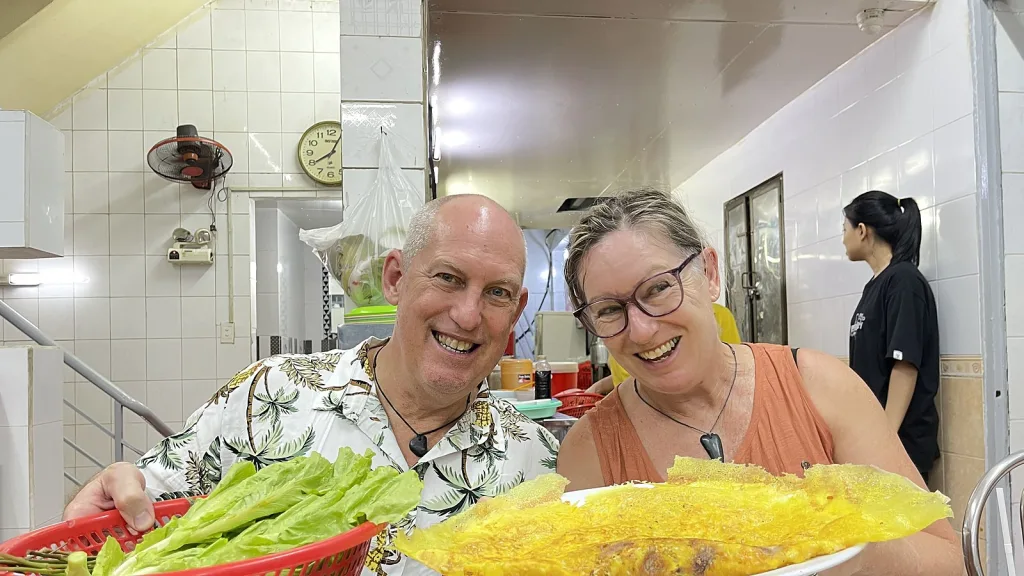
Two dishes that often surprise visitors are bun thit nuong and com tam suon nuong. Bun thit nuong is a cold noodle bowl with grilled pork, peanuts, herbs, and fish sauce dressing, which makes it ideal on a hot afternoon. Com tam, or broken rice, is even more local in feel because it is simple, filling, and deeply tied to everyday dining in the city. The grilled pork chop is the real test of quality, so look for juicy meat and well-seasoned rice.
| Criteria | Best for | Flavor profile | Local tip |
|---|---|---|---|
| Banh mi | Fast snack or breakfast | Crispy, savory, fresh | Choose busy stalls with fresh bread |
| Pho and bun dishes | Slow breakfast or lunch | Brothy, herbal, balanced | Go early for the best stock and herbs |
Best street food, markets, and local eateries
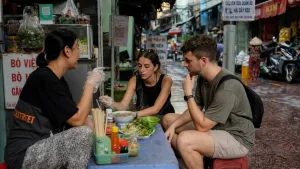
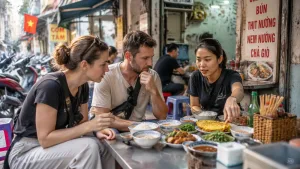
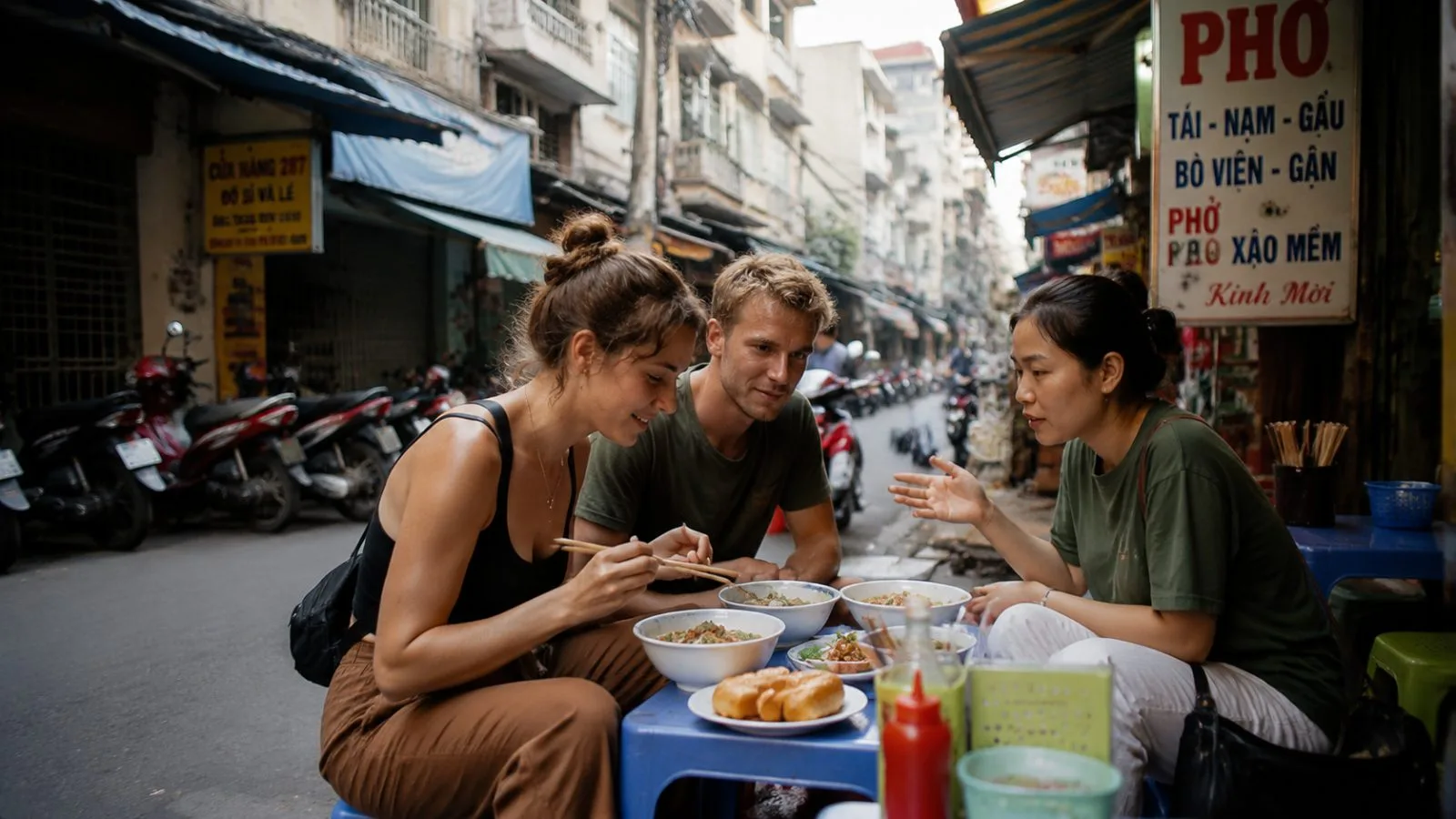
If your goal is a real local meal, street food is where Ho Chi Minh City becomes most interesting. Look for stalls with office workers, families, and steady turnover rather than polished interiors. A crowded counter at breakfast or lunch usually tells you more than a perfect online rating, especially when the kitchen is visible and the cooking is happening right in front of you.
Markets are useful when you want variety in one stop, but small neighborhood eateries often give the strongest single-dish experience. That is also why many visitors build a food day around one district, then walk between shops instead of crossing the whole city. For a curated option that still feels adventurous, book a local HCMC food tour and use it as a tasting map for the rest of your stay.
Here is a simple way to plan your food stops:
1. Start early with pho or banh mi near your hotel
2. Add a dry noodle bowl or broken rice for lunch
3. Finish with a local cafe, dessert, or late-night snack
4. Choose the place with the most local foot traffic
For adventurous travelers, the best meals are often the least complicated ones. A tiny stall with one signature dish can be more memorable than a long menu, because the focus stays on freshness, technique, and speed. That is the real Ho Chi Minh City food guide lesson: eat where the locals are already lining up, and let the city show you what it does best.
From a trip-planning point of view, this also works well for couples and families because it keeps meals flexible and low-stress. You can share a few dishes, compare textures, and move on without wasting time. If food is one of the main reasons you came to Saigon, the safest choice is to let the city’s classics lead the way, then explore deeper from there.
If you want local flavor without spending hours researching, start with one food district and one trusted experience, then build the rest of your itinerary around it.
For a smoother and more immersive trip, explore all Toward Local tours and choose the route that matches your food style, pace, and travel group.
How to Navigate Ho Chi Minh City Food Safely and Like a Local
Ho Chi Minh City food guide travelers often want the same thing: bold local flavors without guessing wrong on hygiene, pricing, or etiquette. The easiest way to eat well is to watch the stall, not the menu. A busy place with fast turnover, visible prep, and clean utensils usually beats a flashy spot with no locals in sight.
For first-time visitors, the city feels intense at street level, but that is also where the best meals happen. If you know how to read a food stall, order simply, and pay with confidence, you can eat like a local and stay relaxed. That is the balance this chapter helps you find.
To eat safely in Ho Chi Minh City, choose stalls with strong local traffic, fresh-looking ingredients, and hot, made-to-order food. Ask for prices before ordering when needed, keep your cash ready, and follow simple table etiquette. The result is a smoother, safer, and more local-feeling food experience.
When choosing a stall, look for clear signs of consistency. Steam rising from fresh dishes, separate containers for raw and cooked ingredients, and a vendor who handles money and food with different hands are all good signals. If the area around the stall is tidy and the queue is made up of office workers or families, that is usually a stronger cue than any online rating. A practical Ho Chi Minh City food guide should always start with what you can observe in front of you.
A useful rule is to compare two nearby stalls before you sit down. The one with faster rotation is often the safer bet because ingredients are not sitting out as long. For example, a banh mi stand that keeps bread wrapped and fillings chilled usually feels more reliable than one with uncovered ingredients in heavy sun. If you are planning a broader food day, you can combine this approach with a local HCMC food tour that already filters for trusted stops.
| Criteria | Safer Choice | Lower Confidence | Quick Reason |
|---|---|---|---|
| Customer flow | Steady local queue | Empty during meal time | Fresh turnover matters |
| Food handling | Clean tools, covered food | Open trays in heat | Less exposure, better control |
Ordering is usually easier than it looks. Pointing works, and short phrases are enough. If a dish has two sizes or versions, ask for the price first, then confirm the item by gesture if needed. In many local places, you pay after eating, so keep small notes ready and avoid holding up the line. A soft way to build confidence is to start with simpler dishes like pho, com tam, or bun thit nuong before moving to more adventurous seafood spots.
Etiquette is mostly about speed, respect, and space. Do not block the counter while choosing, and do not expect long table service at a street stall. Share plastic tables, wait for your turn, and make room once you finish. If you want a deeper local experience without the stress of figuring everything out alone, Toward Local also offers curated Vietnam tours that suit solo travelers, couples, and families who like authentic food stops.
For pricing, remember that many stalls do not have a printed menu. If you are unsure, ask how much before you order, especially at places near tourist zones or night markets. A fair price is usually clear, consistent, and posted or repeated without hesitation. If the answer feels vague, step back and compare another stall a few meters away. That simple habit protects your budget and helps you eat more confidently across the city.
When in doubt, choose heat, visibility, and popularity over hype. Hot broth, freshly grilled meat, and a crowd of repeat customers are strong indicators of a good meal. That is why the best local food often comes from places that look humble but run with discipline. Use that mindset, and Ho Chi Minh City becomes much easier to enjoy safely.
If you want the easiest path to great food with less guesswork, book a curated HCMC food experience, follow the local pace, and let the city do the rest. That is how you eat well, stay safe, and still feel adventurous in Ho Chi Minh City.
Best Areas in Ho Chi Minh City for Food Exploration
Ho Chi Minh City food guide searches usually start with one simple problem: where should you eat first when the city is big, busy, and packed with strong opinions? The answer depends on whether you want famous street food, a quiet local meal, or a neighborhood that matches your pace. For first-time visitors and adventurous travelers, the best food areas are the ones that are easy to navigate and dense with real local choices.
If you want the fastest way to eat well, focus on districts where office workers, students, and families actually eat every day. That usually means more reliable flavors, better value, and less tourist noise. A smart food crawl in Ho Chi Minh City is not about chasing one viral dish. It is about choosing the right area, then letting the neighborhood guide your appetite.
The best food areas in Ho Chi Minh City are District 1 for classic street food, District 3 for local favorites, District 4 for seafood and late-night eating, and District 5 for Chinese Vietnamese flavors. Choose District 1 for convenience, District 3 for balance, District 4 for adventurous eating, and District 5 for deeper local character.
For the most efficient route, District 1 works well for a first meal because it combines easy access with well-known stalls. District 3 is often better if you want a more everyday local feel without going too far from central hotels. If you are building a flexible food day, HCMC food tours can help you sample several districts without wasting time on transport or guesswork.
| Criteria | District 1 | District 3 | District 4 |
|---|---|---|---|
| Best for | First-time food explorers | Local meals and variety | Seafood and late-night eating |
| Food style | Popular street food and cafes | Everyday restaurants and stalls | Casual grills and seafood spots |
District 4 is the best pick if your ideal night includes shared plates, grilled shellfish, and a louder local atmosphere. District 5 is where you go for stronger regional identity and Chinese Vietnamese dishes that feel different from central Saigon. the more local the neighborhood, the earlier or later it can feel alive, so timing matters as much as location.
For couples and solo travelers, a simple rule works well: start in District 1 for confidence, move to District 3 for depth, then reserve District 4 or District 5 for a more adventurous second round. If you want a structured plan instead of navigating alone, all Toward Local tours make it easier to match your food preferences with the right part of the city.
Where to find the best street food and local restaurants depends on how bold you want your trip to feel. District 1 gives you convenience and famous names. District 3 gives you balance and authentic daily eating. District 4 gives you raw energy and seafood. District 5 gives you a deeper local flavor profile. For families, District 1 and District 3 are usually the easiest starting points because the food is familiar, the pace is manageable, and transport is simple.
Which neighborhoods fit different food preferences? If you want a clean introduction to the city, choose District 1. If you want a true Ho Chi Minh City food guide experience with less polish and more neighborhood character, choose District 3. If you want a late-night challenge with strong local personality, choose District 4. If you want a more niche food walk with older streets and distinct eating habits, choose District 5.
In practice, the best food day is often built by mixing areas, not staying in one zone. That is why a soft plan works better than a rigid list: eat breakfast in one district, lunch in another, and keep dinner flexible. For travelers who like adventurous trips but still want comfort, this approach gives you local discovery without making the day feel chaotic.
Common Mistakes, FAQ, and Final Tips for Your Ho Chi Minh City Food Guide
Ho Chi Minh City food guide trips are easiest when you avoid the mistakes that turn a great meal crawl into a rushed, overpriced, or confusing day. First-time visitors often try too much, too fast, then miss the local spots that actually define Saigon eating. The fix is simple: slow down, choose neighborhoods with strong food density, and leave room for unplanned stops.
If you are traveling solo, as a couple, or with family, a smarter pace also gives you more confidence around street food, language barriers, and busy service. For a deeper local-style plan, compare options on Toward Local food tours and build your route around one or two dishes per area instead of chasing every famous name in one day.
Avoid these common mistakes in Ho Chi Minh City. Do not eat only in tourist-heavy blocks, do not ignore peak meal hours, do not skip cash for small stalls, and do not order too many dishes at once. A better plan is to map one district, test one signature dish, then move to the next place only if you still feel hungry.
| Criteria | Smart Choice | Common Mistake | Best For |
|---|---|---|---|
| Meal pace | Two stops per half day | Five stops in a rush | Solo travelers and couples |
| Food focus | One dish per stop | Overordering everything | Families and first-time visitors |
Mistakes first-time visitors should avoid start with timing. Many local favorites sell out early or get strongest at lunch and dinner, so arriving at random hours can mean weaker food or a longer wait. Another issue is assuming every popular restaurant is the most local experience. In reality, some of the best bites come from humble stalls where the menu is short and the service is fast.
A dish with a line of locals is usually a better signal than a place with polished decor and empty tables. That is especially true for street food in District 1 and District 3, where the strongest flavors often hide in plain sight. If you want to branch out beyond Saigon later, it can also help to browse all Toward Local tours for future food-heavy trips.
What foods should I try first?
Start with banh mi, pho, bun thit nuong, and com tam.
Are street stalls safe?
Usually yes when the stall is busy, the food is cooked fresh, and turnover is high.
Do I need a tour?
Not always, but a guided route helps if you want efficient local finds without spending half the day researching.
How much cash should I bring?
Keep small notes for street snacks and basic meals, then use cards for higher-end restaurants.
What is the best strategy for a short stay?
Choose one morning market-style stop, one lunch bowl, and one evening snack run. That keeps your Ho Chi Minh City food guide practical instead of exhausting.
Final tip: trust the rhythm of the city. Saigon rewards curiosity, not speed, and the best meals often happen between plan A and plan B. If you want a smoother, more local food trip with less guessing, consider a curated route through Ho Chi Minh City food experiences and book early, especially for weekends and peak travel months.