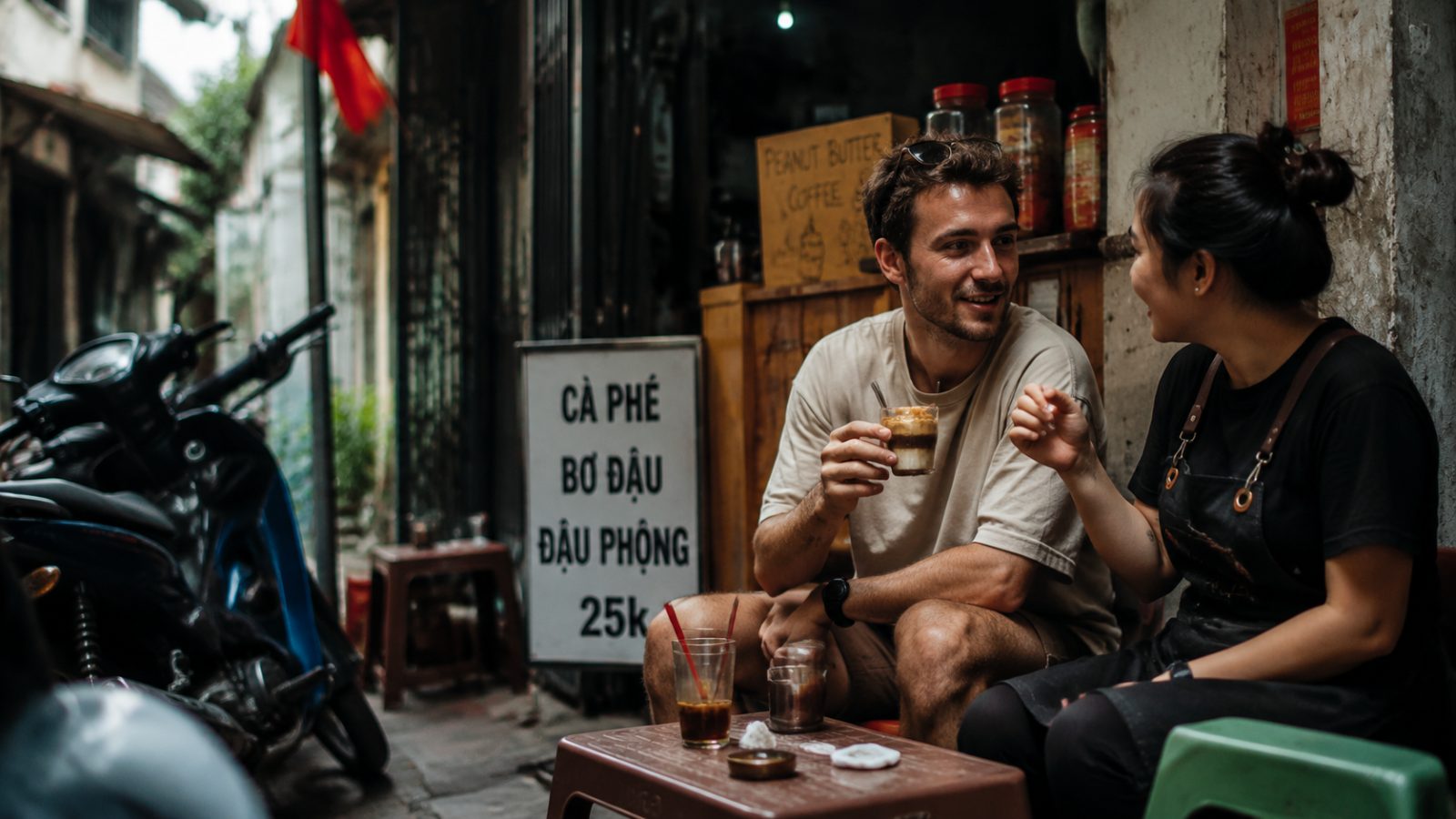

Street food in Ho Chi Minh City is one of the easiest ways to understand the city on your first trip, because every street corner seems to serve something hot, fresh, and affordable. For travelers who want local food without spending much, Saigon street food offers a direct taste of everyday life, from early morning noodles to late-night grills and sweet desserts.
The challenge is knowing what to try, where to go, and how to enjoy Vietnamese street food without feeling lost. A smart first step is to focus on busy stalls with fast turnover, look for dishes you can recognize, and start with a simple plan such as Ho Chi Minh City food tours or a self-guided walk through a local food street. This guide makes the choices easier, so you can eat well, stay comfortable, and enjoy the real rhythm of the city.
What Makes Street Food in Ho Chi Minh City So Special
Street food in Ho Chi Minh City is special because it is part of daily life, not a staged attraction. On one corner, a vendor fries bánh xèo beside office workers; on another, a family shares noodles at a plastic table while motorbikes pass within arm’s reach. If you want the city’s real rhythm, food is the fastest way to see it.
The scene is built by local street vendors, busy markets, and a habit of eating outside the home. That is why the best meals often come from small stalls with high turnover, simple menus, and a steady crowd of residents. For first-time visitors, this matters because it turns street food in Ho Chi Minh City into both a practical meal and a local experience.
Featured snippet: Ho Chi Minh City street food stands out because it is fresh, affordable, and woven into everyday urban life. The best stalls are usually busy, informal, and easy to spot by their local customers, simple setup, and constant movement of cooks, delivery riders, and diners.
| Tiêu chí | Best for | What to expect | Why it matters |
|---|---|---|---|
| Busy market stall | Quick lunch and variety | Fast service, many dishes, local crowd | High turnover usually means fresher food |
| Neighbourhood vendor | Authentic daily eating | Small menu, repeat customers, simple seating | Best for seeing how locals actually eat |
If you are building a short food-focused itinerary, a local Saigon food tour can help you reach the right streets faster and avoid tourist traps. The smartest rule is simple: follow the busiest stall, not the fanciest sign.
Street food is the best choice when you want value, speed, and authenticity in one stop. Solo travellers can eat freely, couples can share more dishes, and families can keep costs low while trying several flavours. A good street-side meal often becomes the most memorable part of the day because it shows how the city eats when nobody is performing for visitors.
For travellers who want a wider Vietnam plan after Ho Chi Minh City, browse all Toward Local tours and compare routes by city and travel style. Start with one trusted area, eat like a local, and let the city’s food culture do the rest.
Must-Try Street Food Dishes in Ho Chi Minh City
Street food in Ho Chi Minh City is the fastest way to understand how the city eats: bold, affordable, and built for the sidewalk. For first-time visitors, the challenge is not finding food, but knowing what to order and how to spot the stalls locals actually trust. This chapter breaks down the dishes, the flavors, and the visual cues that make a good stop obvious.
If you are planning a food-focused walk, start with dishes that are easy to recognize and easy to love. A good street-side bowl or baguette usually gives you a clear signal through aroma, line length, and the way people eat it standing up, sitting low, or taking it away in a plastic bag. That is often the difference between a random stop and a memorable meal.
The four signature dishes below are the safest and most rewarding starting point for adventurous travelers. Banh mi gives you crunch, herbs, and rich fillings in one hand; pho offers a clear broth and rice noodles; broken rice is the local comfort plate with grilled meat and pickles; Vietnamese iced coffee is the bitter-sweet finish that keeps the pace of the day moving. Together, they explain why street food in Ho Chi Minh City feels so complete.
Banh mi is the easiest dish to spot because the stall is usually built around a glass case, a stack of baguettes, and a rapid assembly line. You will often see pâté, pork, chicken, pickled carrot, cucumber, chili, and coriander in constant rotation. The flavor is sharp, salty, and crunchy, with enough freshness to keep it from feeling heavy. If the line is moving fast and the bread is toasted to order, that is usually a strong sign.
Pho is more common in the morning, where you will notice large steaming pots, thin rice noodles, herbs on the side, and customers seasoning the bowl themselves. In Ho Chi Minh City, the broth tends to taste slightly sweeter and softer than northern versions, which is useful if you are comparing styles. A good pho stall usually has visible beef cuts, fresh bean sprouts, and a steady flow of regulars rather than tourists.
| Dish | What to expect | Best time | Street clue |
|---|---|---|---|
| Banh mi | Crispy baguette, pâté, herbs, pickles, pork or egg | Morning to late evening | Glass case, fast prep, toasted bread |
| Broken rice | Grilled pork, egg, pickles, rice, fish sauce | Lunch and dinner | Charcoal smoke, rice plates, busy tables |
| Vietnamese iced coffee | Strong coffee, condensed milk, ice | Any time | Small metal filter, slow drip, thick sweetness |
Broken rice, or cơm tấm, is one of the best local comfort meals for travelers who want something filling without losing the street-level feel. The plate usually includes grilled pork, shredded pork skin, a fried egg, pickles, and a spoonful of fish sauce poured over warm rice. The broken grains absorb flavor well, so each bite feels smoky, savory, and balanced. If you want a practical first meal, this is one of the easiest choices.
Vietnamese iced coffee is not just a drink, it is part of the rhythm of the street. The dark coffee drips through a metal filter, then mixes with condensed milk and ice until the cup turns deep brown and smooth. Order it if you want a quick caffeine hit with a sweet edge. For travelers who want a more guided route through local Ho Chi Minh City food tours, this is often one of the most useful dishes to begin with because it is easy to recognize and easy to compare across stalls.
To choose well, use three simple checks: look at the smoke, watch the queue, and notice what the regulars do. If the stall has a specific specialty, clean tools, and people who know exactly how to eat there, that is a better sign than a fancy signboard. Local street food is rarely subtle, so the strongest flavors usually come with the clearest presentation.
Popular foods often reveal themselves through ingredients and setup. A busy vendor will usually show one main protein, a small set of fresh herbs, a sauce bottle within reach, and a visible cooking method such as charcoal, broth, or a hot griddle. When you see customers seated on low stools with bowls close to the road, you are usually in the right place. That simple pattern is one of the most reliable ways to read the street.
For a practical decision, compare the dish style before you order. If you want something fast and handheld, choose banh mi. If you want a bowl and a calmer sit-down meal, choose pho. If you want the most local lunch plate, choose broken rice. If you want to reset your energy between stops, choose iced coffee. For a broader food day, you can also pair this chapter with all Toward Local tours as a flexible planning option.
In short, the best street food stops are the ones that look active, smell fresh, and serve a dish the vendor clearly makes all day. That is the pattern to trust in Ho Chi Minh City. If you follow flavor first and presentation second, you will quickly find the stalls worth your time, your appetite, and your camera.

How to Eat Street Food in Ho Chi Minh City Like a Local
Street food in Ho Chi Minh City can feel chaotic on a first visit, especially if you do not know where to stand, how to order, or which stall deserves your money. The good news is that locals follow a simple pattern: watch the crowd, check the food flow, and choose the place that feels active but not messy. That approach helps you eat well, avoid common mistakes, and enjoy the city with more confidence.
If you are exploring the city for the first time, focus on streets with visible turnover and a mix of office workers, families, and students. That mix usually signals food that is cooked often and served fast. If you want a more guided first taste of street food in Ho Chi Minh City, a structured route like local food tours in Saigon can help you learn the rhythm of the city before you go solo.
Featured snippet: To eat street food like a local, arrive when a stall is busy, read the menu board or look at what other diners are eating, order one or two signature dishes, and sit quickly if the seating is shared. In Vietnam, movement, turnover, and visible freshness matter more than fancy decor.
A simple order of operations works best. First, scan the street for stalls with steady foot traffic, then check whether ingredients are being used quickly. Next, look for a short queue of locals and a table that turns over often. Finally, point to the dish if needed and keep the order small on your first stop so you can sample more than one place.
- Choose stalls with active cooking and a visible line of regular customers
- Prefer dishes that are made to order, such as noodles, grilled meats, or pancakes
- Watch whether the vendor handles cash, food, and utensils cleanly
- Start with one specialty, then move on instead of over-ordering at the first stop
A practical example is a busy noodle stall where bowls leave the kitchen every few minutes. That fast turnover usually means broth is hot, herbs are fresh, and meat is being replenished. By contrast, a nearly empty stall with food sitting under heat lamps may look convenient, but it often delivers a flatter experience and less confidence for cautious travelers.
When choosing where to sit, use the local flow as your guide. If the plastic stools are packed with Vietnamese diners and the kitchen is still serving quickly, that is usually a better sign than a polished facade. A lively stall near a browse all Toward Local tours area or market corner often gives you the best mix of convenience, flavor, and people-watching.
| Tiêu chí | Good sign | Risk sign | What to do |
|---|---|---|---|
| Freshness | Ingredients are being cooked constantly | Food looks untouched for a long time | Choose the stall with active turnover |
| Hygiene basics | Clean hands, tidy prep area, covered ingredients | Open flies, clutter, dirty utensils | Walk past and find a better option |
For hygiene, do not chase perfect western standards because street food is not restaurant dining. Instead, look for basics that matter in real life: hot cooking, clean-looking utensils, covered ingredients, and a vendor who keeps raw and cooked items apart. Small details like a wiped counter or a separate ladle can tell you more than a glossy signboard.
Myth to avoid: the most expensive stall is not always the safest or best. In many neighborhoods, the best food comes from modest setups with strong local demand and a narrow menu. If you want a gentle next step after practicing on your own, a curated local route in Hoi An tours or Da Nang tours can be useful for travelers extending their trip beyond Saigon.
For adventurous travelers, the smartest strategy is simple: eat where the cooking is fast, the line is real, and the menu has a clear specialty. That is how locals judge value, and it is the fastest way to enjoy street food in Ho Chi Minh City without overthinking every stall.
If you want to save time and reduce guesswork on your first night, join a trusted local food experience and learn the city through taste rather than trial and error. It is the softest way to build confidence before exploring on your own, and it usually leads to better meals, better context, and a stronger start to your Vietnam trip.

Best Places to Find Street Food in Ho Chi Minh City
Street food in Ho Chi Minh City is easiest to enjoy when you choose the right area for your schedule, appetite, and comfort level. Some streets are built for variety and energy, while others are better for slow wandering, one-dish meals, or late-night snacking. If you are a first-time visitor, the key is not to chase every famous name, but to match the place to your travel style.
For adventurous solo travelers, couples, and families from Europe, North America, Korea, or Japan, the best experiences usually come from a mix of central districts, older local neighborhoods, and busy food streets. That balance gives you easy access, stronger local character, and better food decisions. In practical terms, the street food in Ho Chi Minh City works best when you eat where locals already gather, not where every menu is translated for tourists.
Featured snippet: The best places to find street food in Ho Chi Minh City are District 1, District 3, Chợ Lớn in Districts 5, 6, and 11, District 4, and a few night food streets around markets and apartment blocks. Choose District 1 for convenience, District 3 for local energy, markets for quick sampling, and residential streets for deeper, more authentic eating.
| Criteria | Market food | Roadside stalls | Local neighborhoods |
|---|---|---|---|
| Best for | Fast sampling and easy navigation | Cheap, casual, high-energy meals | Authentic variety and stronger local feel |
| Best time | Afternoon to evening | Lunch, dinner, and late night | Evening when residents are eating |
District 1 is the easiest starting point because it keeps you close to hotels, walking routes, and classic dishes. Cô Giang is useful if you want a softer entry into local eating, while Trần Khắc Chân gives you a tighter mix of noodles, crab soup, and old-school sidewalk dining. If you want guided confidence on your first night, a local food tour can save time and help you order with less guesswork.
District 3 feels more everyday and less polished, which is exactly why many travelers like it. Nguyễn Thượng Hiền is better for drinks and snack stops than for a full dinner, while Hồ Thị Kỷ suits curious eaters who like a lively lane, mixed menus, and a strong night atmosphere. Mini insight: the best stalls in this city are often busiest after office hours, when the food is freshest and the crowd is most local.
Chợ Lớn, especially Hà Tôn Quyền, is the place for Chinese-Vietnamese specialties such as dumplings and hotpot. This area works well for couples or families who want shared dishes and a slower meal, because the dining style is more seated and less grab-and-go. If you are planning a broader Vietnam trip after Saigon, you can also compare this experience with the city’s regional rhythm through all Toward Local tours.
For the most intense evening energy, District 4 is hard to beat. Vĩnh Khánh is famous for seafood, grilled meat, cold beer, and a noisy street-side atmosphere that feels very local and very alive. Example: one traveler can order seafood, another can choose noodles, and everyone can share fruit smoothies after. That makes it one of the best choices if your goal is not just to eat, but to sit where the city is actually happening.
Soft CTA: If you prefer a smoother first experience, start with one street in District 1 or District 3, then expand into District 4 or Chợ Lớn once you are comfortable with menus, traffic, and table style. That small step makes the whole city feel easier.
In simple terms, choose markets when you want variety, roadside stalls when you want speed and value, and residential food streets when you want the most local atmosphere. The smartest approach is to pair one easy area with one deeper local area, so your trip stays practical without losing its adventurous edge.
Strong CTA: If you want to experience street food in Ho Chi Minh City with less stress and better local context, book a curated food walk with Toward Local and let a guide take you straight to the neighborhoods worth your time.
Street Food Tips for Safety, Budget, and First-Time Visitors
Street food in Ho Chi Minh City is one of the easiest ways to eat well, spend little, and feel the city’s pace up close. For first-time visitors, the challenge is not finding food, but choosing the right stall, reading the signs of freshness, and avoiding the small mistakes that can turn a great meal into a bad memory.
The good news is that the best options are usually obvious once you know what to look for: steady local traffic, visible cooking, and dishes that move quickly. If you are building your first street food in Ho Chi Minh City route, start with places that look busy at mealtimes, then trust simple dishes before moving to more adventurous plates.
Common mistakes are easy to avoid. Do not assume the cheapest stall is the best value if the portions are tiny or the menu is unclear, and do not pick an empty stall just because it looks quieter. Locals usually know where the food turns over fast, which is often a better signal than flashy signage. If a vendor is handling money and food without washing hands, or ingredients sit uncovered for too long, walk on.
A practical first-timer rule is to watch before you order. Choose a stall where bowls are assembled quickly, broth is steaming, and cooked items are stored separately from raw ingredients. For a gentle first meal, try cơm tấm, bánh mì, or a noodle soup, then save shellfish, raw herbs-heavy plates, and very spicy dishes for later. If you want a low-stress way to taste a few classics, join a local food tour and compare stalls with someone who knows the area.
Here is a quick decision table for first-time visitors:
| Criteria | Good sign | Red flag | Best choice |
|---|---|---|---|
| Busy at meal time | Locals queue or sit down | No customers at peak hour | Higher turnover, fresher food |
| Food handling | Cooked fresh in front of you | Raw and cooked mixed together | Safer first meal |
FAQ: What should I order first? Start with one dish everyone eats daily, such as broken rice, a baguette, or a noodle soup. How much should I budget? A casual food walk can stay very affordable if you keep to small plates and drinks. Is street food safe? Usually yes when the stall is busy and clean, especially if the food is cooked to order. Best time to go? Late afternoon to evening, when stalls are active and turnover is strongest.
For a quick rule on budget and comfort, think in rounds: one savory dish, one drink, one small snack. That is usually enough to understand a neighborhood without overordering. If you want to compare local food zones with less planning stress, browse all Toward Local tours and match the route to your style.
If you are here for adventure, not just a meal, use this guide to sample a few iconic dishes, follow the crowds, and build your own route one street at a time. Start simple, stay curious, and let the city lead you from one great stall to the next.