
Vietnam travel dos and don’ts can feel unclear when you are navigating unfamiliar customs, busy streets, and everyday interactions for the first time. You may wonder what to wear at a temple, how to cross traffic, or whether a market price is fair. A little context helps you make safer choices without treating local life as a set of rules to fear.
This guide shares practical Vietnam travel tips for exploring respectfully and confidently, whether you are traveling solo, as a couple, or with family. It covers temple etiquette, street crossings, payments, and ways to connect with local communities. For a closer look at everyday life, you can also explore small-group experiences in Hoi An while learning what to do, what to avoid, and when to follow local cues.
Vietnam Travel Dos and Don’ts for Cultural Respect
Quick answer: The most useful Vietnam travel dos and don’ts are simple: greet people warmly, keep your voice calm, dress modestly at religious sites, remove shoes when invited, and ask before taking photos. Follow local cues rather than assuming one custom applies everywhere.
Greetings, communication, and polite behavior
A gentle tone and a little patience help in busy markets, family-run cafés, and rural villages. If a conversation feels indirect or a request is declined, accept it without pressing; people’s preferences vary by age, region, and setting. A smile and a quiet xin chào can make a first interaction feel more natural.
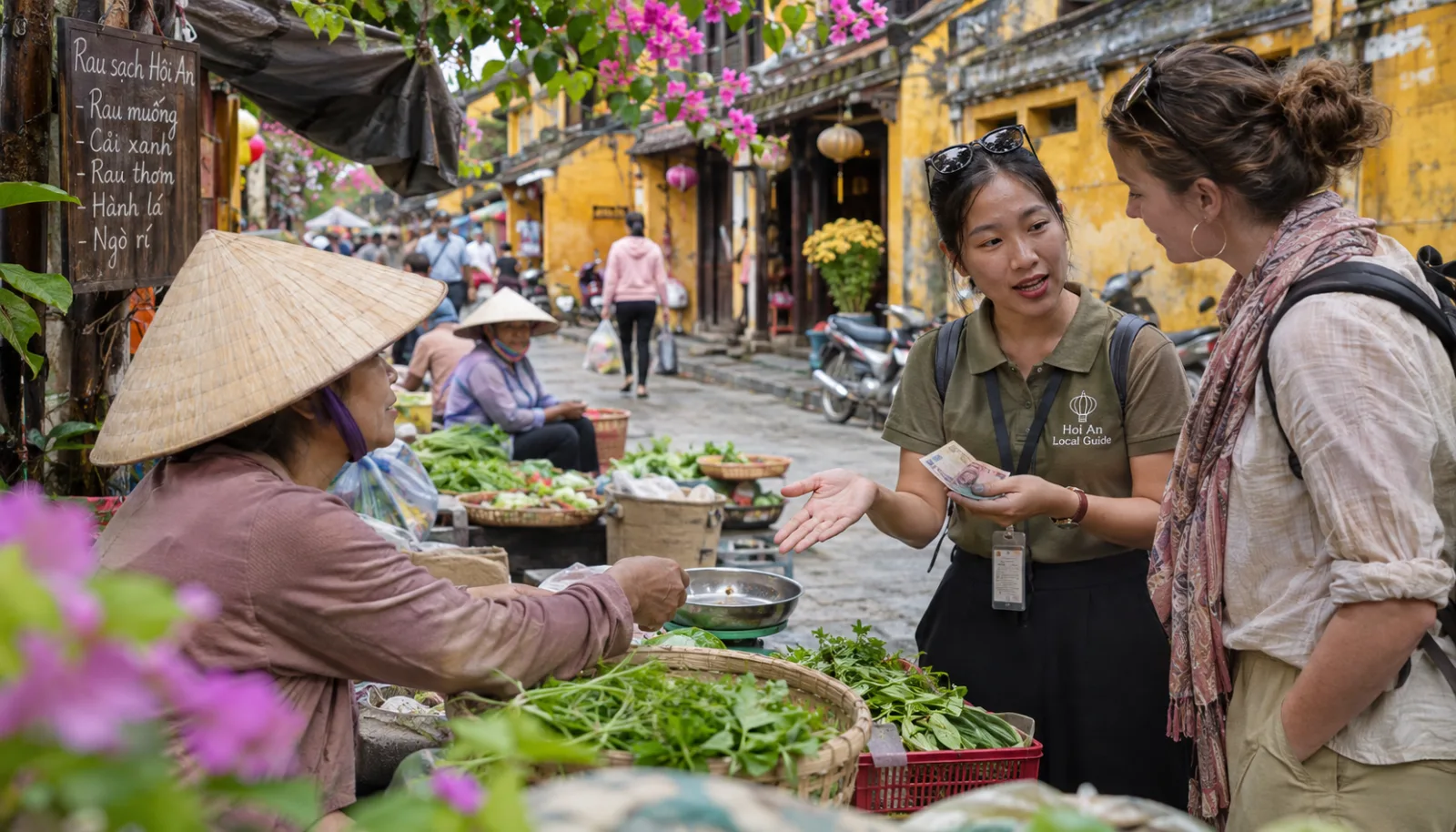
When exploring with a local guide, notice how they greet elders and ask before entering a private space. A small-group Hoi An walk can also offer context for local etiquette as you meet residents and visit neighborhood spots.
Visiting temples, pagodas, and homes
Choose clothing that covers your shoulders and knees when visiting a religious site, and check signs at the entrance. Shoes may need to come off before entering a prayer hall or home; wait for a host or follow what others do. Ask permission before photographing people, worshippers, or household spaces.
- Do speak softly and keep clear of active ceremonies.
- Don’t touch sacred objects or cross in front of someone praying.
| Setting | Do | Check first |
|---|---|---|
| Pagoda | Dress modestly | Shoes and photography rules |
| Private home | Wait for your host | Shoes and photos |
Customs are not identical in every household or place of worship, so posted guidance and a host’s instructions take priority. When unsure, pause and ask politely; that small gesture is often more respectful than guessing.
For a more meaningful local experience, choose a host-led outing and ask your guide about etiquette before you go.
Vietnam Travel Dos and Don’ts for Safety and Getting Around
Vietnam travel dos and don’ts matter most when busy streets and unfamiliar transport make a simple journey feel daunting. A calm crossing routine, a verified ride, and a few precautions for valuables help you explore confidently, whether you are traveling solo, as a couple, or with family.
Quick safety guide: Cross at a steady pace without sudden stops or turns, and let drivers read your movement. Choose a reputable taxi or ride-hailing app, check the vehicle and destination before boarding, and keep your phone and bag secure in crowds. Follow current local advice after dark.
Cross streets and choose transport carefully
At a busy crossing, wait for a manageable gap, then walk slowly and predictably. Do not run between motorbikes or step backward unexpectedly. If you feel unsure, cross alongside a local pedestrian, while still watching traffic.
For longer trips, compare your options before setting off:
| Option | Best for | Check first |
|---|---|---|
| Ride-hailing app | City trips with clear fares | Plate, driver, destination |
| Licensed taxi | Airport or short rides | Meter or fare agreement |
Confirm the destination in the app or with the driver before departure. For a first day in town, small-group local tours can also help you get oriented without having to navigate every unfamiliar turn alone.
Protect yourself and your belongings
In markets, stations, and crowded sidewalks, wear your bag across your body and keep valuables out of easy reach. Avoid holding your phone near the road edge, where a passing snatch can happen quickly. At night, use well-lit routes and trusted transport rather than walking alone through unfamiliar shortcuts.
Check current local guidance and weather or transport updates before heading into remote areas. Stay alert, not anxious: predictable choices make room for the adventurous parts of Vietnam.
Plan your routes, secure your essentials, and explore with confidence.
Eating, Paying, and Shopping: Practical Vietnam Travel Etiquette
Vietnam travel dos and don’ts matter most in everyday moments: ordering at a crowded food stall, sharing a meal, or paying at a market. A little preparation helps you enjoy local places without guessing about prices or accidentally seeming rude.
Choose stalls where food is cooked frequently, keep drinking water with you, and check prices before ordering. At the table, watch your host and follow their lead with shared dishes and chopsticks.
Street food and dining manners
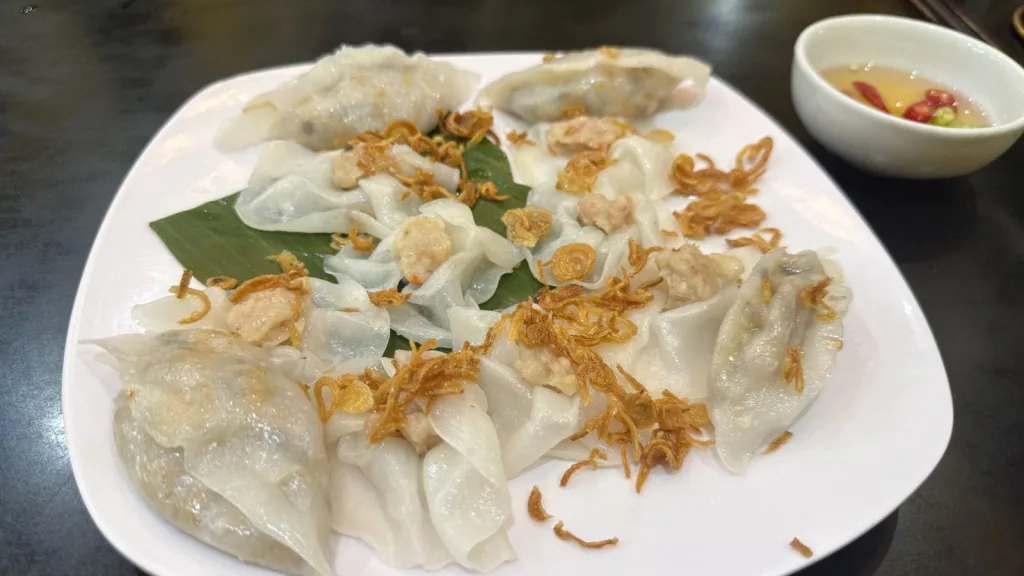
A busy stall often means ingredients turn over quickly, though it is still sensible to choose food cooked fresh and served hot. If you have allergies or dietary needs, explain them clearly; do not assume every vendor can accommodate them. When dining with others, take a modest portion from shared plates and avoid leaving chopsticks standing upright in a rice bowl.
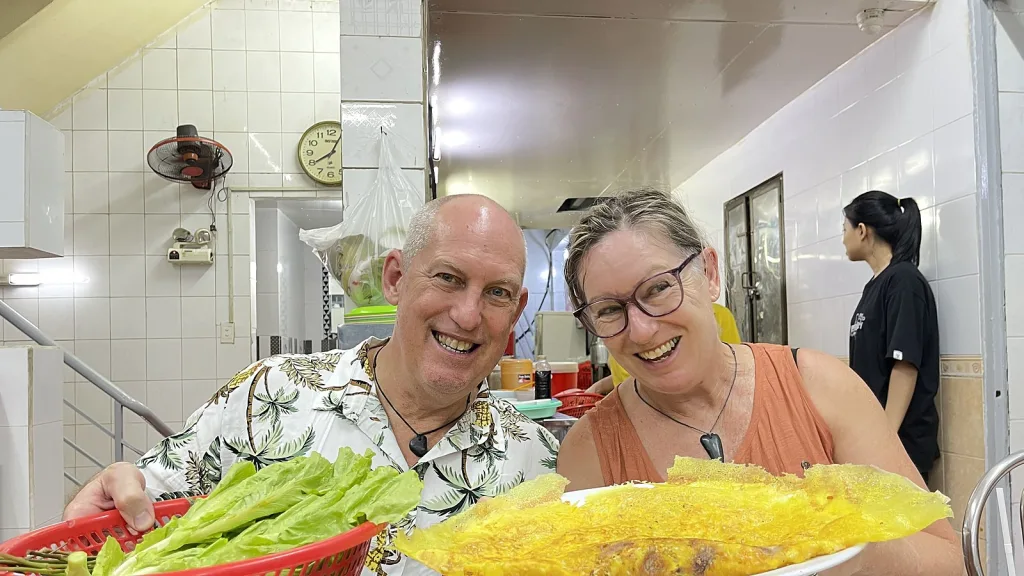
Exploring with a local guide can make unfamiliar dishes easier to navigate; browse Ho Chi Minh food tours for a guided introduction.
Quick guide: Choose a busy stall, check that food is hot, carry water, take shared dishes with serving utensils when provided, and follow your host’s lead with chopsticks. For payments, confirm the price first, use Vietnamese dong, and check your change before walking away.
Cash, cards, bargaining, and receipts
Vietnamese dong (VND) is essential for small stalls and many markets, while cards are more common at larger restaurants and shops. Ask the price before ordering or buying, especially when there is no menu or price tag. Bargaining is usually appropriate at some markets, but not at fixed-price shops or restaurants; keep it friendly and accept a no.
| Situation | Best approach | Check before leaving |
|---|---|---|
| Street food | Confirm the price and pay in VND | Order and change |
| Market shopping | Bargain politely where customary | Agreed total and item |
Check the bill for the items you ordered and count your change calmly. A receipt is useful for larger purchases or when a charge seems unclear. These small habits keep transactions straightforward and let you focus on the experience. For a more immersive meal, book a local food walk and let a guide handle the ordering details.
Planning Vietnam Travel Around Regions, Weather, and Local Customs
Vietnam travel dos and don’ts start with planning for regional weather, not assuming the whole country shares one climate. Northern Vietnam can have cool winters and hot, humid summers; central Vietnam often sees heavier rain later in the year; the south is generally warm, with a distinct wet season. Check local forecasts before setting your route.
Prepare for regional weather and travel conditions
Pack light layers for northern highlands, sun protection for southern cities, and a compact rain jacket for central destinations. Rain can affect mountain roads, boat trips, and walking routes, so leave room to change plans. For example, a wet day in Hoi An may suit a cooking class, while a clear forecast is better for a coastal excursion; browse Hoi An local experiences when comparing options.
Use this quick guide as a starting point, then check the forecast for each stop:
| Region | Plan for | Packing cue |
|---|---|---|
| North | Cool winters, changeable mountain conditions | Layers and rain protection |
| Central | Seasonal heavy rain and possible travel disruption | Waterproof jacket and flexible plans |
| South | Warm days and wet-season showers | Breathable clothes and sun protection |
Adjust plans for Tet and local expectations
Tet, the Lunar New Year, brings family travel and can mean closures or reduced hours at shops, museums, and restaurants. Dates change each year, so confirm opening times and book transport early if traveling around the holiday. Before visiting a temple or rural community, check dress expectations and follow local guidance; covering shoulders and knees is a respectful choice. In Da Nang, a local guide can help you understand neighborhood customs as well as logistics, so consider Da Nang guided visits.
Check weather, holiday schedules, and site rules a few days before each leg of your trip. A flexible itinerary makes adventurous travel easier without missing the local details that matter.
Common Vietnam Travel Mistakes, FAQs, and Final Tips
Vietnam travel dos and don’ts are less about memorizing strict rules and more about staying observant, respectful, and flexible. Ask before photographing someone, confirm prices before agreeing to a service, and pause to understand signs or instructions when a situation feels unfamiliar.
For a more grounded local experience, consider exploring with a small-group local Vietnam tour. A little extra time and courtesy can prevent avoidable stress and make everyday encounters more rewarding.
Mistakes to avoid
Do not assume a market price is fixed or that bargaining is always appropriate. Ask politely, agree on a fare before a ride when needed, and check menus or booking details. At a market or neighborhood gathering, ask permission before taking portraits; a smile and gesture can help if language is a barrier. Follow posted signs, especially at temples and heritage sites, and do not rush when you are unsure.
- Keep small notes handy for everyday purchases.
- Stay alert when crossing busy streets and follow local guidance.
- Step aside to check directions rather than stopping in traffic.
| Situation | A considerate approach | What to avoid |
|---|---|---|
| Photos | Ask first and accept no | Taking close portraits uninvited |
| Tipping | Offer for good service if you wish | Assuming a tip is required |
Is Vietnam safe for first-time visitors?
Many visitors travel comfortably, but no destination is risk-free. Use normal precautions: secure valuables, choose reputable transport, watch belongings in crowded areas, and check current travel advisories. Solo travelers and families should share plans and avoid unfamiliar routes late at night.
Should I tip in Vietnam?
Tipping is not universally expected. Practices vary by service and setting, so a tip for attentive service is a personal choice, not an obligation.
What should I wear when visiting temples in Vietnam?
Choose modest clothing that covers shoulders and knees, remove shoes when requested, and follow signs or staff instructions. Rules can differ by venue.
Save this checklist for your trip, then verify current travel advice and local rules before departure. A calm pace, respectful questions, and sensible precautions are often the most useful travel essentials.