
Binh Tay Market is one of Ho Chi Minh City’s most famous traditional markets, and it is especially useful for visitors who want real shopping, local culture, and clear travel basics in one stop. First-time travelers often wonder whether it is just another Ho Chi Minh City market or a place worth adding to a short itinerary. The answer is simple: it gives you a deeper look at everyday commerce, especially for people curious about Chinatown shopping.
If you want a smooth first visit, focus on the essentials before you go: what the market sells, when it feels busiest, and how to move through it without wasting time. Binh Tay Market is best understood as a working market, not a staged attraction, so the experience is practical, busy, and local. For travelers planning a food-and-market day, it pairs well with other city experiences such as HCMC food tours or a broader all tours collection when you want a guided, low-stress option.
| Criteria | Go if you want | Skip if you want | Best for |
|---|---|---|---|
| Shopping style | Wholesale goods and local variety | Luxury retail and polished displays | Curious first-time visitors |
| Trip value | Culture, snacks, and practical buys | Quiet sightseeing only | Solo travelers, couples, families |
Binh Tay Market is a traditional market in Ho Chi Minh City’s Chinatown area where visitors can shop for dried goods, household items, fabrics, and local snacks. It is most useful for travelers who want an authentic market experience, practical prices, and a quick way to understand everyday life in the city.
For adventurous travelers from Europe, North America, Korea, and Japan, the market works best when you treat it as a local stop with a purpose. Come with a short list, keep your visit focused, and use the atmosphere itself as part of the experience. If you prefer a guided route through local food and market culture, a soft next step is to browse guided Ho Chi Minh tours before deciding how much of the city you want to cover in one day.
Quick decision: go to Binh Tay Market if you want real Chinatown energy, affordable local goods, and a market that feels active rather than curated.
What Binh Tay Market Is and Why It Matters
Binh Tay Market is one of Ho Chi Minh City’s most important wholesale and retail markets, set in District 6 inside the heart of Saigon’s Chinatown. For first-time visitors, it solves a common problem: finding a place that feels genuinely local instead of staged for tourists, while still being easy to explore on your own.
The market matters because it still supports everyday trade for nearby residents, shop owners, and small businesses. You can see that role clearly in the way vendors sell dried goods, spices, fabrics, and household items side by side, creating a working market rather than a souvenir stop. In practical terms, it is where daily life, commerce, and heritage overlap.
Featured insight: Binh Tay Market is not just a place to buy things. It is a living piece of the city’s trade history, where the pace, crowd, and product mix reveal how Chinatown has served locals for generations.
For travelers who want a more adventurous, local-feeling itinerary, this is the kind of stop that adds depth to an HCMC day. If you are building a food-and-culture route, you can also explore our Ho Chi Minh City food tours for a smoother way to experience the area without missing the context behind what you see.
| Criteria | Best for | What you notice | Travel value |
|---|---|---|---|
| Wholesale activity | Curious shoppers | Bulk goods, fast transactions, local buyers | Shows the market’s real economic role |
| Cultural atmosphere | Solo travelers and couples | Chinatown energy, traditional goods, everyday routines | Gives your trip a stronger sense of place |
If you want a broader local circuit after Binh Tay Market, browse all Toward Local tours and match the experience to your travel style, whether you are visiting as a couple, a family, or a solo traveler.
What You Can Find at Binh Tay Market
Binh Tay Market is one of the best places in Ho Chi Minh City to see how a real local trading hub works. If you are looking for souvenirs, dry goods, or everyday items that people actually buy, this market gives you a clearer picture than most tourist stops. The key is knowing which sections matter most, so you do not waste time wandering without a plan.
For first-time visitors, the market can feel busy and a little overwhelming, especially if you want something authentic rather than random shopping. The easiest way to handle it is to focus on the main product zones, compare a few stalls, and buy only the items that are genuinely representative of Binh Tay Market. That approach saves time and makes the visit more rewarding.
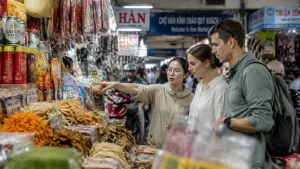
Binh Tay Market is known for dried food, spices, textiles, household goods, souvenirs, and local snacks. Most visitors come for practical shopping and Vietnamese specialties such as dried fruit, tea, herbs, and packaged snacks, while the most representative buys are items linked to daily life in Cholon.
The market is strongest in categories that reflect everyday commerce in Cholon. You will usually see dried food, spices, textiles, household goods, souvenirs, and local snacks arranged by stall type, which makes browsing easier once you understand the layout. In practice, the most worthwhile items are the ones that travel well and feel local, such as dried fruit, preserved seafood, tea, incense, and small gift packs.
A simple way to decide what to buy is to compare need, portability, and local character. Dried fruit and packaged snacks are easy to carry, while fabric and household goods make more sense if you are staying longer. If you prefer a guided food-focused visit before shopping on your own, our HCMC food tours can help you understand which products are worth trying before you spend.
| Criteria | Best for | Why it matters | Traveler tip |
|---|---|---|---|
| Dried food and snacks | Souvenirs and tasting | Light, local, easy to pack | Pick sealed items with clear labeling |
| Textiles and household goods | Practical shopping | Useful for longer stays | Check material quality before buying |
If you are shopping for something representative, look for items locals actually use rather than flashy tourist products. Tea, spices, dried seafood, and traditional snacks are better indicators of the market’s character than mass-made souvenirs. Couples and solo travelers often enjoy this kind of browsing because each stall tells a different story about how the market serves daily life, not just visitors. For travelers planning a broader city experience, see all Toward Local tours for more local-focused options.
The strongest insight here is that Binh Tay Market is less about one signature product and more about variety that feels grounded in everyday commerce. That is why it works well for adventurous travelers who want a real local atmosphere, not a polished shopping street. If you want the most efficient visit, start with the food sections, then move to textiles and practical goods, and finish with a few small souvenirs that fit your bag and budget.
If you want to experience Binh Tay Market with better context and less guesswork, join a local-led route that combines food, culture, and shopping in one easy plan.
Plan your visit with a local expert, explore the market with confidence, and choose the right products instead of just browsing randomly. That is the fastest way to turn Binh Tay Market into a meaningful stop on your Ho Chi Minh City trip.
How to Visit Binh Tay Market Like a Local
Binh Tay Market is easiest to enjoy when you plan around local rhythms instead of tourist habits. The market feels most alive early in the day, when wholesale buyers move fast, vendors are fully stocked, and the aisles still have breathing room. If you arrive too late, you will spend more time dodging carts and less time noticing the market’s real character.
For first-time visitors, the main challenge is not finding the market but reading its pace. This is a working market, so you need a practical approach: come with small cash, comfortable shoes, and a clear route in mind. That simple shift makes Binh Tay Market feel less overwhelming and much more rewarding.
Visit Binh Tay Market early in the morning for the best atmosphere, lighter crowds, and better shopping conditions. Use a ride-hailing app or taxi to reach District 6, bring small Vietnamese dong notes, and bargain politely. Move slowly through each section because the market is built for wholesale shopping, not quick browsing.
Best timing depends on what you want to see. Early morning, roughly 7:00 to 9:00 a.m., is ideal for watching traders open up and fresh goods arrive. Midday is better for snack breaks and casual browsing, but the food area can feel dense. Late afternoon is quieter, though some stalls begin to close, so the selection is weaker. For a more local experience, arrive before the tour groups and stay long enough to notice the market shift from business mode to daily shopping mode.
Getting there is straightforward if you use a taxi or ride-hailing app from District 1. Traffic in Ho Chi Minh City can be unpredictable, so direct transport is often easier than multiple bus changes. If you are already exploring Chinatown, the walk can be pleasant, especially when combined with a nearby food stop from HCMC food tours. That pairing works well for couples and solo travelers who want one compact local day.
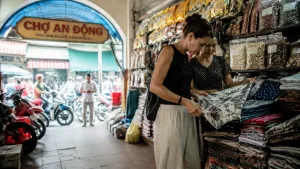
What to expect inside: long corridors, narrow turns, constant movement, and a strong wholesale focus. You will see dried goods, fabrics, household items, herbs, and snacks arranged in dense rows. The market rewards curiosity more than speed. If you slow down, vendors are usually friendlier and you notice better details, like which stalls serve locals and which ones are set up for passersby.
Practical tips make the visit smoother. Use small bills, confirm prices before paying, and bargain only when the item is clearly negotiable. Keep your bag in front of you in crowded aisles, and avoid blocking the flow when taking photos. If you are planning a broader local food day, compare it with other city experiences through all Toward Local tours so you can match the market with the right neighborhood route.
| Criteria | Best Option | Why It Works | Tradeoff |
|---|---|---|---|
| Time to visit | 7:00 to 9:00 a.m. | Fresh stock and lighter crowds | Less time for a relaxed brunch |
| Getting around | Taxi or ride-hailing app | Fast, simple, and direct | Can cost more during traffic |
A useful rule is to shop like a local, not like a souvenir hunter. Focus on everyday items, packaged snacks, dried fruit, tea, or spices, and compare prices across a few stalls before buying. Some vendors welcome bargaining, but the best results come from polite negotiation and a calm tone. For families, this approach keeps the visit efficient. For adventurous travelers, it creates a real sense of how the market operates day to day.
If you want the strongest experience, pair a morning market visit with a food stop nearby, then leave before the crowd peaks. That gives you enough time to absorb the atmosphere without fatigue. Binh Tay Market is not just a place to shop; it is a place to observe how local commerce, neighborhood habits, and everyday Vietnamese life still move in the same rhythm.
To make the most of your visit, go early, carry cash, move steadily, and bargain with respect. That is the simplest way to enjoy Binh Tay Market like someone who knows the city, not just someone passing through.
Binh Tay Market vs Other Ho Chi Minh City Markets
Binh Tay Market is best understood as the local, wholesale side of Ho Chi Minh City shopping. If Ben Thanh Market feels designed for first-time visitors, Binh Tay Market gives you a more working-market experience, with merchants, bulk goods, and fewer tourist-price games. For travelers who want something real, that difference matters more than a perfect photo spot.
The easiest way to choose is to match the market to your travel style. Ben Thanh is convenient and central, while Binh Tay feels deeper, busier, and more rooted in everyday trade. If you enjoy wandering through stalls where locals actually buy things, this Ho Chi Minh City food tour style mindset helps you read the market without wasting time on the wrong stops.
| Criteria | Binh Tay Market | Ben Thanh Market | Other local markets |
|---|---|---|---|
| Atmosphere | Busy, local, less polished | Tourist-friendly, more structured | Varies from neighborhood to neighborhood |
| Pricing and products | Wholesale lean, better for bulk buys | Higher prices, broad souvenir focus | Often cheap, but narrower product range |
In practice, the contrast is simple. At Ben Thanh, you are more likely to find souvenirs, coffee, clothes, and fixed tourist pricing. At Binh Tay Market, you will see dried foods, spices, household goods, and wholesale traders moving fast. the more a market serves daily logistics, the less it behaves like a souvenir stop.
That is why Binh Tay Market often appeals to adventurous solo travelers, couples, and families who want to observe local commerce rather than just shop. It pairs well with exploring nearby neighborhoods, and if you are building a wider city plan, all Toward Local tours can help you connect market time with the rest of your Ho Chi Minh itinerary.
Binh Tay Market is a better fit than Ben Thanh Market for travelers who want a more local, wholesale, and less tourist-driven experience. Ben Thanh is easier for first-time visitors and souvenir shopping, while Binh Tay is stronger for dried goods, spices, and everyday market atmosphere.
The pros are clear. Prices are often better than in central tourist markets, the product mix feels authentic, and the atmosphere is ideal for travelers who want to see daily life in action. The main downside is that it can feel crowded, less curated, and less comfortable for people who expect a clean retail layout. Some stalls also move quickly, so browsing slowly is not always easy.
Who is it best for? Travelers who like local culture, food-focused exploration, and markets with real movement. Who may prefer other places? First-time visitors with limited time, travelers seeking air-conditioned comfort, or anyone looking for a simple souvenir run. If you want the most practical choice, go to Binh Tay for authenticity and Ben Thanh for convenience.
For a softer approach, plan Binh Tay as part of a broader local food day rather than a standalone shopping stop. That way, the market feels rewarding instead of overwhelming. If you are curious about a guided local route, book a local food tour and turn the comparison into a smoother experience.
In short, choose Binh Tay Market when you want value, atmosphere, and a more genuine Ho Chi Minh City market feel. Choose Ben Thanh when you want central access, easy shopping, and a more polished visitor experience. For local-minded travelers, Binh Tay usually wins on character, pricing, and sense of place.
If your trip is built around discovery, Binh Tay Market should be on your list. It gives you the kind of local detail that makes a city memorable, not just visited. For a strong next step, add it to a day that includes nearby food stops and cultural sights so the experience feels complete and worth the time.
Tips, Common Mistakes, and FAQs About Binh Tay Market
Binh Tay Market is easiest to enjoy when you plan around its local rhythm. Arrive early, keep your spending flexible, and expect a wholesale-style layout rather than a polished tourist attraction. The market feels more rewarding when you know what to buy, how to compare prices, and where the busiest food aisles are.
For first-time visitors, the main mistake is treating it like a mall. Many stalls sell in bulk, so a single-item purchase can feel awkward unless you ask politely. If you want a smoother day, pair the visit with a broader Ho Chi Minh City food tour or a guided route through Chinatown, then use the market as a real local stop instead of a quick photo break.
The best way to visit Binh Tay Market is to go in the morning, check prices before buying, and focus on products that suit wholesale shopping. It is tourist-friendly, but the experience is strongest for travelers who enjoy authentic local markets, budget buying, and a busy, everyday city atmosphere.
Common mistakes first-time visitors make include going too late, skipping price checks, and ignoring the wholesale logic of the market. By late afternoon, some sections slow down, and the best produce or dried goods may already be gone. A better approach is simple:
- Go before lunch for better selection
- Ask for the price before touching or choosing large quantities
- Compare at least two stalls for dried fruit, snacks, or spices
- Bring small cash notes for easier bargaining
The market often gives better value for bulk snacks and souvenirs than for one-off impulse buys. If you want to keep your route efficient, you can also combine it with other local experiences from all Toward Local tours and make the area part of a wider city day plan.
| Criteria | Best Choice | Why It Matters | Visitor Tip |
|---|---|---|---|
| Time to visit | Morning | Better stock and lighter crowds | Arrive before lunch |
| What to buy | Dried fruit and snacks | Good value and easy to carry | Check prices across stalls |
What are the opening hours?
Most stalls open early, and the market is strongest in the morning through early afternoon. Exact hours can vary by section, so the safest plan is to arrive before noon if you want the fullest experience.
What should I buy?
Popular picks include dried fruit, spices, snacks, tea, and affordable household goods. Some visitors also buy local sweets and simple souvenirs because they travel well and reflect everyday Saigon shopping habits.
Is Binh Tay Market tourist-friendly?
Yes, but it is more local than polished. English is limited at some stalls, yet the layout is manageable, and the atmosphere is welcoming if you stay patient, smile, and keep your questions short.
Is it worth visiting?
Yes, especially for travelers who like adventurous city travel, street-level culture, and authentic markets. Binh Tay Market is less about entertainment and more about seeing how locals really shop, which makes it a strong stop for solo travelers, couples, and families who want something real.
If you want the visit to feel effortless, build it into a half-day Chinatown route instead of treating it as a standalone stop. That way, you get more context, less walking confusion, and a better chance to enjoy the market at its best pace.
For travelers who prefer a curated local experience, a guided option can save time and help you spot the right food stalls, souvenir items, and nearby streets. It is a smart move if you want to explore efficiently while still keeping the experience authentic.
In short, Binh Tay Market is worth visiting when you come prepared, shop with curiosity, and respect its wholesale-style energy. Visit early, compare prices, and focus on practical buys rather than random browsing. That small shift makes the market far more rewarding and turns a busy visit into a memorable local experience.