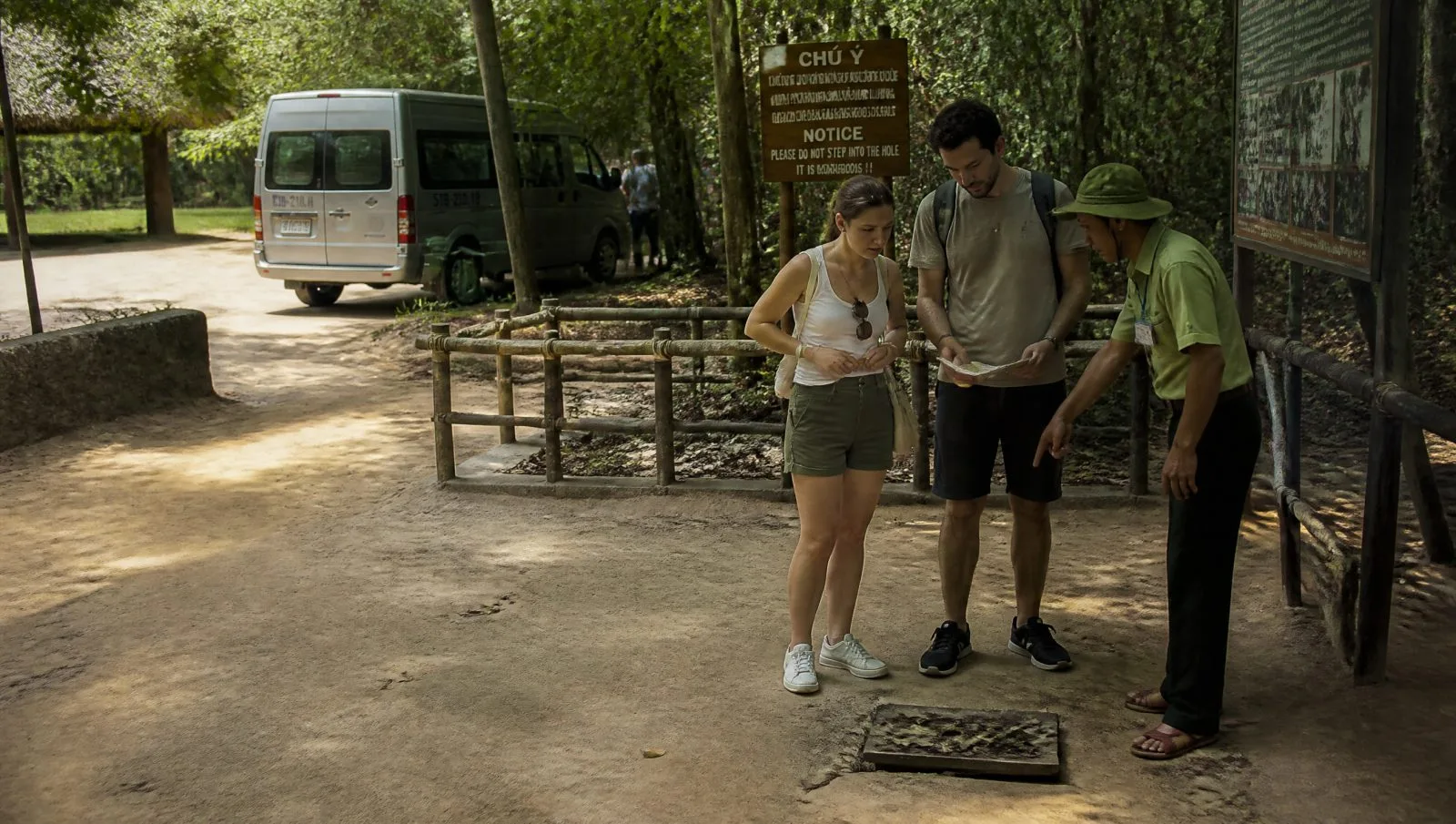

Cu Chi Tunnels visitor guide starts with one simple question: how do you turn a famous war site into a smooth half-day trip without wasting time or energy? If you are arriving from Ho Chi Minh City, the real challenge is not the distance, but choosing the right site, the right pace, and the right tour style for your travel mood.
This guide is built for first-time visitors, history-focused travelers, and adventurous couples, solo travelers, and families who want something more local than a standard city stop. It gives you the practical basics, including transport, timing, and what the experience feels like on the ground, so you can plan with confidence and avoid common mistakes.
What the Cu Chi Tunnels Are and Why They Matter
Cu Chi Tunnels visitor guide readers usually want more than a quick history lesson. They want to know what this place actually is, why it matters, and whether the visit will feel meaningful or just crowded and performative. The Cu Chi Tunnels answer that need with a real underground landscape shaped by war, survival, and practical ingenuity.
For first-time visitors, the site is easiest to understand as a preserved wartime system rather than a single attraction. It is one of the most local-feeling day trips from Ho Chi Minh City because the setting is still rural, the stories are grounded in lived experience, and the visit combines outdoor walking, guided explanation, and optional tunnel crawling. If you are planning an adventurous trip, this is where history becomes physical.
The Cu Chi Tunnels are a wartime underground network near Ho Chi Minh City, built for shelter, movement, storage, and resistance. They matter because they show how civilians and fighters adapted to extreme conditions, and visitors can still walk the site, see trap systems, and enter widened tunnel sections.
The tunnels began as a survival system and later became a major military network. During the war, they helped people move, hide, communicate, and store supplies under air strikes and patrols. That is why the site is not only historical, but also a clear example of practical engineering under pressure.
For many travelers, the experience is memorable for three reasons:
- It makes the scale of wartime hardship feel real
- It offers a direct, hands-on visit instead of a passive museum stop
- It works well for solo travelers, couples, and families who want a meaningful half-day trip
If you are comparing local experiences around southern Vietnam, it helps to pair this kind of visit with other well-guided day trips such as all tours of Toward Local when building a fuller itinerary.
What to expect is straightforward. You walk shaded paths, listen to a guide, see reconstructed living spaces, and decide whether to enter the tunnel section. The tunnel crawl is optional, and that matters for visitors who are curious but cautious. A smart Cu Chi Tunnels visitor guide should prepare you for discomfort without overselling the experience.
| Criteria | What you see | What it means | Best for |
|---|---|---|---|
| Site walk | Forest paths, entrances, traps | How the system worked above ground | History focused visitors |
| Tunnel access | Widened crawl section | Physical sense of scale and pressure | Adventurous travelers |
For travelers who like places with strong context and real atmosphere, Cu Chi is worth the time. It is not a casual sightseeing stop. It is a place to slow down, listen closely, and understand why this part of Vietnam still carries so much historical weight. If that is the kind of trip you prefer, this site belongs on your list.
Before you decide on transport or timing, explore a route that matches your style and pace, especially if you want a more curated local experience. For travelers combining Cu Chi with city time, the Ho Chi Minh City tours page is a useful next step.
How to Visit the Cu Chi Tunnels the Right Way
Cu Chi Tunnels visitor guide helps you plan the site the smart way, so you spend less time guessing and more time understanding what you are seeing. The experience is more than a quick stop; it is a mix of history, jungle walking, tunnel crawling, and practical decisions about timing, comfort, and pace.
For first-time visitors, the biggest mistake is treating Cu Chi like a photo stop. The better approach is to arrive early, choose the right site, move through the exhibits in order, and decide in advance whether you want a guided tour, a private experience, or a DIY trip. That simple planning makes the day smoother and far more meaningful.
The best way to visit the Cu Chi Tunnels is to start early, follow the site in a fixed order, and choose the format that matches your travel style. Most visitors spend 2 to 4 hours there, seeing the documentary, war exhibits, camouflaged entrances, tunnel sections, and the shooting range before leaving for Ho Chi Minh City.
When you arrive, the visit usually begins with a short introduction and a documentary that explains the tunnel network in context. After that, guides lead you through outdoor displays, hidden trapdoors, and reconstructed wartime spaces. If you want a deeper local experience, a Toward Local tours collection can help you compare day trip styles before you book.
The key insight is pacing. Do not rush straight to the tunnel crawl. First, absorb the layout, listen to the guide, and look at the defensive systems. Then decide whether to enter the tunnel section. That order gives you better context and makes the underground part more powerful.
| Criteria | Half-day tour | Private tour | DIY trip |
|---|---|---|---|
| Best for | First-time visitors with limited time | Couples, families, deeper pacing | Independent travelers who want flexibility |
| Main trade-off | Less control over timing | Higher cost | More planning and transport effort |
Step-by-step visitor experience: arrive, watch the intro film, walk the outdoor displays, see the traps and entrances, try the tunnel crawl if suitable, then finish with tea, tapioca, and the optional firing range. For travelers combining history with city food and culture, Ho Chi Minh City food tours can be a smart add-on before or after your Cu Chi day.
One practical tip makes a big difference: go in the morning. The site is cooler, quieter, and easier to enjoy before the heat builds. That matters for solo travelers, families with children, and anyone who wants time for photos, questions, and slow walking instead of a rushed group schedule.
How to choose your visit type: a half-day tour is the easiest option, a private tour gives the most comfort and flexibility, and a DIY trip works best if you already know your way around southern Vietnam. If your trip also includes other destinations, it can help to compare the broader route with all Toward Local tours before locking in your plan.
My recommendation is simple: choose based on energy, not just price. If you want a smooth, low-stress day, take the tour. If you enjoy independent travel and do not mind transport logistics, go DIY. If you care about depth, comfort, and timing, private is the strongest option.
Final takeaway: the right Cu Chi visit is the one that matches your pace, your curiosity, and your comfort level. Plan the flow, choose the right format, and give yourself enough time to understand the site instead of just passing through it.
Best Time to Visit, Tickets, and Tour Options
Cu Chi Tunnels visitor guide is most useful when you are deciding not just what to see, but when to go, how much to budget, and whether a tour is worth it. For first-time visitors, the difference between a comfortable visit and a rushed one usually comes down to timing, heat, crowd levels, and transport planning.
The site is easy to enjoy if you arrive early, choose the right ticket type, and match the format to your travel style. Solo travelers often want flexibility, couples want a smoother pace, and families usually need less friction, especially on hot days when energy drops fast.
For weather and comfort, the best window is the dry season from December to April, when paths are less muddy and the tunnel area feels easier to walk. Morning departures are the smartest choice because the temperature is lower and group buses have not yet filled the busiest sections.
If you are visiting in the rainy season, aim for early weekday starts and expect heavier humidity. A practical example: a 7:30 AM pickup usually means cooler jungle paths, shorter waits at the entrance, and more time to try the tunnel section before the heat builds.
The best time to visit Cu Chi Tunnels is early morning during the dry season from December to April. Go on a weekday if possible, because crowds are lighter, the weather is more comfortable, and the experience feels less rushed.
| Criteria | Dry season | Rainy season | Best choice |
|---|---|---|---|
| Comfort | Lower humidity, easier walking | Hotter, wetter, more slippery | Dry season mornings |
| Crowds | Busy but manageable | Often lighter on weekdays | Early weekday arrival |
Tickets are straightforward: entrance fees are usually around 110,000 VND for adults, while guided tours from Ho Chi Minh City often start near 20 to 30 USD depending on transport and inclusions. Most tickets cover access to the grounds, basic exhibits, and the historical tunnel area, while extras such as the shooting range are paid separately.
Opening hours are generally 7:00 AM to 5:00 PM, so late arrivals lose the best light and the coolest part of the day. If you want a smoother plan, consider all tours from Toward Local for easier trip coordination, especially when you want transport, timing, and entry handled in one booking.
The cheapest option is not always the best value. If you are already tired from city logistics, paying for a guided transfer can actually save time and reduce stress.
Choosing between a guided tour and independent travel depends on your priorities. Guided tours are better if you want pickup, context, and a clean schedule. Independent travel works if you enjoy freedom, already know the route, or want to combine Cu Chi with other local stops at your own pace.
For adventurous couples or solo travelers, a small-group tour often feels easiest because you get local insight without losing too much flexibility. Families usually prefer this format too, especially when a Ho Chi Minh City food tour or city add-on can turn the day into a fuller itinerary.
Simple decision guide: choose guided if you value comfort, choose independent if you value control, and choose a private transfer if you want both. For most first-time visitors, the guided option delivers the best balance of history, convenience, and time on site.
If you want to visit Cu Chi without worrying about tickets, timing, or transport, book a well-planned tour and keep your focus on the experience itself. That is usually the easiest way to make the day feel smooth, local, and worth the journey.
Cu Chi Tunnels Visitor Guide: Tips, Mistakes, and Smart Choices
The Cu Chi Tunnels visitor guide starts with one simple rule: go in expecting a historical site, not an amusement stop. Many first-time visitors arrive with the wrong pace, the wrong shoes, or too little respect for the heat and narrow spaces, which turns a meaningful half-day into a tiring rush.
If you plan it well, the visit feels clear and rewarding. You can choose the right site, avoid the common traps, and decide whether crawling underground fits your travel style. For a broader Vietnam itinerary, many travelers pair this with Ho Chi Minh City tours or build a deeper local day around all Toward Local tours.
The Cu Chi Tunnels are worth visiting for travelers who enjoy history, local context, and hands-on experiences. They are less ideal for people who dislike crowds, heat, or tight underground spaces. The best visit is short, prepared, and matched to your comfort level.
Common mistakes first-time visitors make
Most visitors underestimate how physical the site feels. They wear sandals, skip water, or assume the tunnel section will be a quick photo stop. In reality, the forest paths are uneven, the air is humid, and the most memorable part may be the crawl itself. A small mistake, like arriving late in the morning, can also mean more crowds and less energy.
- Wearing slippery shoes instead of closed walking shoes
- Bringing a large bag that gets annoying on the paths
- Skipping the early tour and facing heavier heat
- Rushing the guide and missing the context behind each stop
The people who enjoy Cu Chi most are usually the ones who slow down and treat it like a field visit, not a checklist attraction. If you want a smoother day, book transport and timing through a well-planned local tour rather than improvising on arrival.
| Criteria | Good choice | Better choice | Why it matters |
|---|---|---|---|
| Travel style | Casual sightseeing | History-focused, adventurous | Sets the right expectations |
| Comfort level | Okay with heat and crowds | Okay with crawling and tight spaces | Decides whether the tunnel section is enjoyable |
What to wear, bring, and prepare before you go
Dress for movement, humidity, and dust. Closed sneakers, light clothing, and a hat are the safest basics. Bring a small bottle of water, tissues, insect repellent, and cash for entrance fees or optional extras. If you are sensitive to heat, go early and keep your schedule light afterward.
Practical prep also means thinking about your group. Families usually do better with a shorter visit and fewer tunnel crawls. Solo travelers and couples often enjoy the site more when they have space to listen, ask questions, and move at their own pace. For travelers combining cultural stops, Hoi An tours can balance the heavier history with a softer city experience later in the trip.
How to decide whether the Cu Chi Tunnels are worth visiting for your travel style
Choose Cu Chi if you like real historical context, local stories, and places that feel grounded in Vietnam’s past. Skip or shorten it if you dislike tight underground spaces, do not enjoy guided tours, or prefer lighter sightseeing. The site is strongest for first-time visitors who want one serious historical day outside Ho Chi Minh City.
If your style is adventurous and curious, Cu Chi delivers a memorable, low-cost experience with clear educational value. If your style is relaxed and comfort-led, a city food or culture day may fit better. A smart compromise is to visit Cu Chi in the morning, then return for an easy afternoon in the city, or pair it with a more casual route such as Da Nang tours on another leg of your trip.
Decision guide:
Go if you want history, authenticity, and a hands-on experience.
Go with caution if you are claustrophobic, traveling with very young children, or sensitive to heat.
Skip the crawl if the underground section feels stressful; the surface exhibits still give you meaningful value.
Book a guided visit if you want context, efficient timing, and less guesswork.
Final CTA: If you want a Cu Chi visit that matches your pace, comfort level, and travel style, plan it with a trusted local operator so you can avoid crowds, save time, and get the historical context that makes the site worth it.
FAQ and Final Planning Tips for Your Cu Chi Tunnels Visitor Guide
Cu Chi Tunnels visitor guide planning becomes much easier when you know what to expect on the ground. Most travelers worry about time, comfort, and whether the site is suitable for their group, especially first-time visitors who want a meaningful experience without wasting a half day on guesswork.
The good news is that the visit is flexible. You can keep it short, skip the tunnel crawl if needed, and still get strong historical value. For adventurous couples, solo travelers, and families, the key is to match the site, timing, and pace to your comfort level before you leave Ho Chi Minh City.
Most visitors spend 2 to 3 hours at Cu Chi, with total round-trip time from Ho Chi Minh City usually taking half a day. The site is generally safe for healthy travelers, but the tunnels are narrow, humid, and not ideal for anyone with claustrophobia, mobility limits, or respiratory concerns.
Here are the answers that matter most:
| Criteria | Short visit | Standard visit | Best fit |
|---|---|---|---|
| Time on site | 1.5 to 2 hours | 2.5 to 3 hours | Travelers on a city day trip |
| Tunnel entry | Optional, skip if needed | Short crawl section included | Visitors wanting the full experience |
| Comfort level | Low physical effort | Moderate effort and crouching | Healthy adults and older teens |
Accessibility and safety tip: If you have knee pain, back issues, asthma, or strong claustrophobia, plan to stay above ground and focus on the documentary, outdoor exhibits, and guided explanations. That still gives you a worthwhile visit, and it is often the smartest choice for families with young children or mixed-age groups. If you want a more curated day with transport and timing handled, browse all Toward Local tours before you lock in your itinerary.
Quick planning checklist:
Arrive early to avoid heat and crowds
Wear closed shoes and light clothing
Bring water, small cash, and insect repellent
Decide in advance whether you want to enter the tunnels
Choose a morning departure if you are staying in the city
A small but useful insight: the best Cu Chi visit is not the one where you do everything, but the one where you stay comfortable enough to pay attention. If your trip also includes food or city exploration, pairing Cu Chi with a local experience in Ho Chi Minh City tours can make the day feel more balanced and less rushed.
Final recommendation: Book early, start in the morning, and choose the site that matches your style. Ben Duoc usually suits travelers who want more authenticity and fewer crowds, while Ben Dinh works better for shorter schedules and first-time visitors. If you are planning a broader Vietnam route, organize this stop before your arrival so you do not lose a half day to last-minute transport decisions.
For a smooth trip, bring the basics, keep your expectations practical, and treat the tunnels as a serious historical site rather than just an adventure stop. That mindset will help you get more value from the visit and make it easier to decide whether to add it to a wider southern Vietnam itinerary.