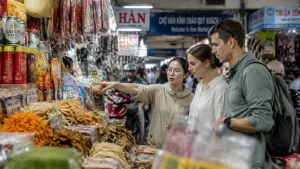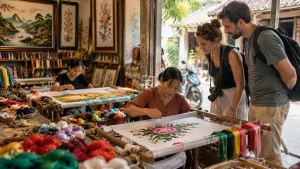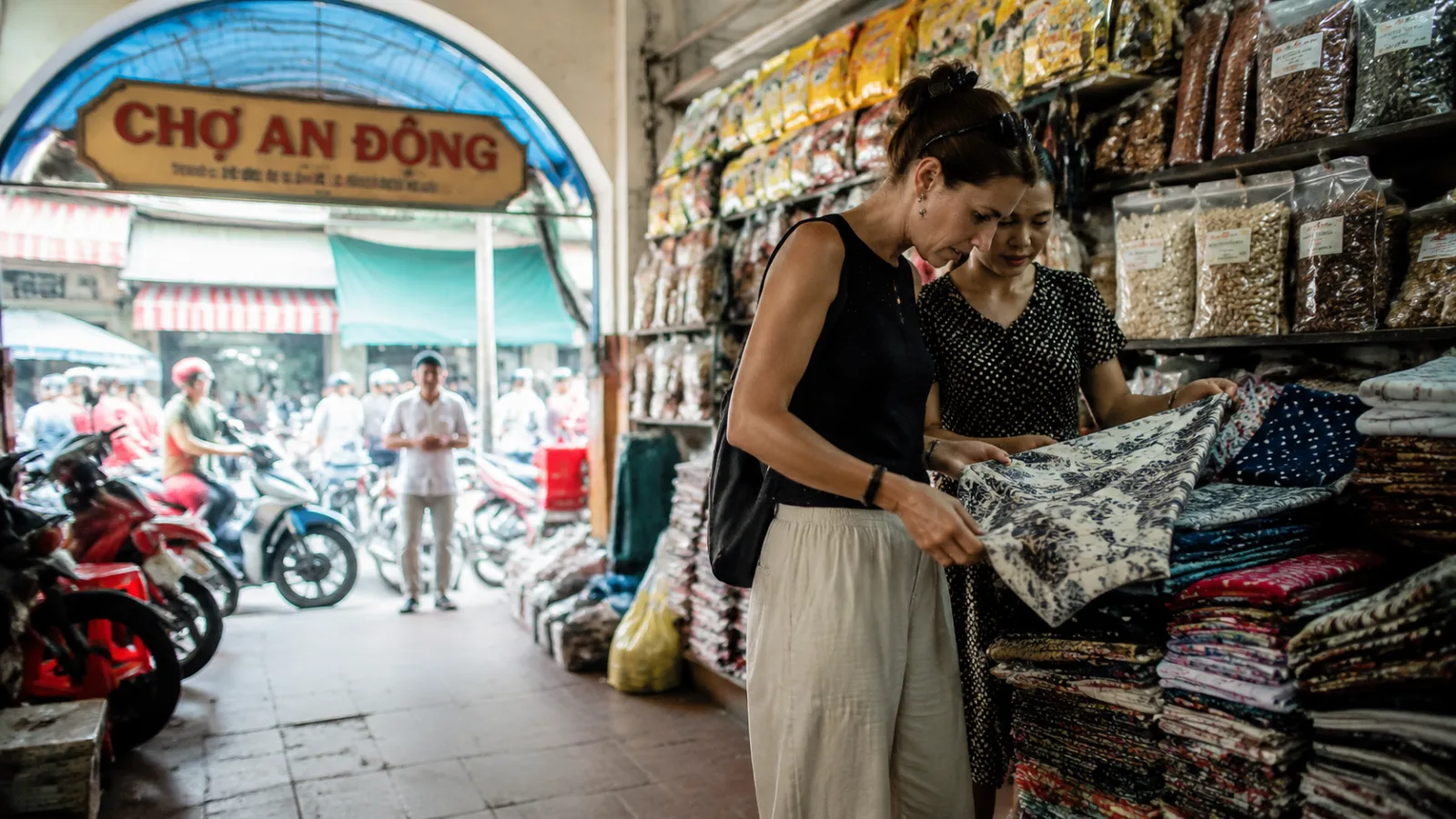

An Dong Market Ho Chi Minh is a smart stop for travelers who want local shopping without the polished tourist feel. If you are hoping to find fabrics, clothing, snacks, and wholesale-style prices in one place, this market gives you a practical way to explore everyday Saigon commerce while avoiding the usual crowded souvenir traps.
For first-time visitors, the challenge is knowing what is worth buying, how to bargain, and when to go. This introduction sets up the basics of HCMC food tours and local market shopping, so you can plan a visit that feels easier, safer, and more rewarding. If you enjoy local discovery, An Dong Market Ho Chi Minh fits well into a half-day city itinerary.
An Dong Market is a local market in Ho Chi Minh City known for fabrics, fashion, dry goods, and food. It is best for visitors who want a quieter, more authentic shopping experience, with practical prices and a strong local atmosphere.
| Criteria | An Dong Market | Ben Thanh Market | Best For |
|---|---|---|---|
| Shopping style | Local, practical, less touristy | More famous and visitor-focused | Travelers who want authenticity |
| Typical goods | Fabrics, clothes, dry goods, food | Souvenirs, snacks, handicrafts | Shoppers looking for variety |
If you are building a food-and-market day in Saigon, keep this market on your shortlist and compare it with other local stops before deciding where to spend your time.
Use An Dong as your starting point for deeper local shopping in Ho Chi Minh City, especially if you want better value, a more grounded atmosphere, and a visit that feels useful rather than scripted.

What Is An Dong Market Ho Chi Minh?
An Dong Market Ho Chi Minh is one of the city’s most practical places to understand how locals shop, eat, and trade in District 5. For first-time visitors, it solves a common problem: finding a market that feels real without being overly staged for tourists. The market is especially useful if you want fabrics, fashion, food, and a slower local rhythm in one stop.
Set in the heart of Cholon, the Chinese-Vietnamese quarter of Ho Chi Minh City, An Dong Market gives travelers a different side of Saigon. It is not built for quick souvenir browsing alone. Instead, it reflects everyday commerce, from wholesale clothing to dried foods and basement eateries. If you enjoy local market experiences, this is the kind of stop that feels grounded and memorable.
An Dong Market Ho Chi Minh is a multi-level local market in District 5 known for fabric, clothing, dry goods, and basement food stalls. It is best for travelers who want an authentic shopping experience, practical prices, and a look at daily life in Cholon rather than a polished tourist market.
Located on An Duong Vuong Street, the market is easy to include in a half-day city plan. Many visitors come for silk, tailoring materials, and affordable gifts, then stay longer for lunch in the food court. A useful way to think about it is simple: Ben Thanh is more familiar to tourists, while An Dong feels more local and more functional.
For adventurous travelers, that difference matters. You can compare fabrics, ask about tailoring, and browse stalls without rushing, especially on weekday mornings. If your trip also includes food-focused exploration, a Ho Chi Minh City food tour can pair well with a market visit, since both show how residents actually eat and shop.
| Criteria | An Dong Market | Ben Thanh Market | Best For |
|---|---|---|---|
| Vibe | Local, practical, less crowded | Tourist-heavy, more curated | Travelers seeking authenticity |
| Main focus | Fabric, fashion, dry goods, food | Souvenirs, snacks, quick shopping | Shoppers who want variety and local prices |
The market matters because it still serves real shopping needs for people in Saigon, especially families, small business buyers, and tailors. That creates a stronger sense of place than a purely visitor-oriented attraction. A quick rule of thumb is this: go to An Dong if you want to observe, compare, and buy with purpose; go elsewhere if you only want a fast photo stop.
When should you visit? Late morning is usually the sweet spot. Stalls are open, the pace is active, and you can still move comfortably through the floors. Early afternoon is fine too, but some shoppers prefer the morning when stock looks fresher and vendors have more time to talk. If you are planning a broader city day, you can combine the market with nearby Chinatown sights and keep the route efficient.
If you want a simple decision point, choose An Dong Market Ho Chi Minh when your priority is local shopping, fabric browsing, or a low-pressure food stop. Choose it less for sightseeing, more for understanding how Saigon actually works behind the scenes.
Best time guide:
- Morning: better for fresh stock and calmer browsing
- Late morning: best balance of activity and comfort
- Weekdays: easier for first-time visitors
- Weekend: busier, but more energetic
For travelers who like independent exploring, this market is an easy win because it rewards curiosity. You do not need a strict plan, only enough time to walk, compare, and stop for a meal when something looks good. If that style fits your trip, you may also like browsing the wider selection of Toward Local tours for more neighborhood-based experiences in Vietnam.

How to Shop at An Dong Market Ho Chi Minh
An Dong Market Ho Chi Minh is easiest to shop when you treat it like a working wholesale market, not a tourist attraction. The layout can feel busy at first, but once you understand where fabrics, clothing, food, and accessories are grouped, the market becomes much easier to navigate. That saves time, reduces overpaying, and helps first-time visitors shop with confidence.
Most travelers come here for local textures, practical gifts, and better prices than in central tourist markets. If you want a smarter route through the market, start with the floor plan, learn how bargaining works, then follow a simple buying routine. For travelers planning a fuller city day, local HCMC food tours can pair well with a market visit, especially if you prefer a low-stress way to explore District 5.
To shop well at An Dong Market Ho Chi Minh, begin on the floors that match your goal, compare prices at two or three stalls, and use polite bargaining only where it fits. Bring cash, check quality carefully, and buy larger quantities if you want the best wholesale value.
The market is usually easier to understand by zone than by floor number alone. The basement is useful for snacks, dry goods, jewelry, and casual food breaks. Higher levels are better for fabric, ready-to-wear fashion, bags, and souvenir hunting. If you are browsing for clothes, ask whether the stall sells retail or wholesale first, because that changes how the price is shown and how flexible the seller may be.
Stalls near escalators and main walkways often charge a little more because they catch the most traffic. A few steps deeper into the same level can reveal better value and a calmer shopping pace. That is one reason experienced shoppers move slowly and compare before committing.
Pricing here is a mix of fixed tags and negotiable quotes. For fabric, shoes, and bulk clothing, polite bargaining is expected. For smaller snack items or clearly marked souvenirs, the price may be less flexible. A practical rule is to ask, compare, then respond with a reasonable counteroffer rather than pushing too hard. Wholesale buyers can often get better terms by purchasing multiple pieces of the same item.
When you are ready to eat, the basement food court gives you a natural break between shopping rounds. If you want to combine browsing with a wider city experience, browse all Toward Local tours for ideas that fit couples, solo travelers, or families who prefer structured local discovery. The soft advantage is simple: you spend less energy planning and more time enjoying the market.
| Criteria | Best For | Price Style | Shopping Tip |
|---|---|---|---|
| Basement stalls | Food, dry goods, jewelry | Mostly fixed or lightly flexible | Great for quick breaks and small buys |
| Upper floors | Clothes, fabric, souvenirs | More open to bargaining | Compare two stalls before you decide |
A simple step-by-step approach works best for first-time visitors. Start with one category, such as fabric or clothing. Walk one full section before buying anything. Check stitching, texture, labels, and seams where relevant. Then ask for the price in a calm tone and compare it with at least one nearby stall. If the item is for daily use or a gift, quality matters more than chasing the lowest number.
For example, a couple shopping for matching souvenirs may do well with scarves, bags, or tea products, while a solo traveler may prefer a single high-quality local item instead of many small purchases. Families often move faster when they decide a budget first, then split up by section. That keeps the visit efficient and avoids impulse buying in crowded aisles.
If you want to shop like a local, bring small bills, keep your hands free, and let the seller finish the first quote before responding. Ask one useful question at a time, such as whether the item is handmade, whether a better price applies for two pieces, or whether the size and color are available elsewhere in the same section. That rhythm feels natural and usually works better than long negotiations.
If you want to turn your market visit into a richer local day, combine An Dong with a nearby food stop or guided route so you can enjoy shopping without planning stress. For visitors who like adventurous but practical travel, that balance gives you more local detail, better value, and a smoother experience from the first stall to the last.
What You Can Buy at An Dong Market Ho Chi Minh
An Dong Market Ho Chi Minh is one of the best places in the city to shop like a local without the tourist markup. If you want fabrics, fashion pieces, accessories, or practical souvenirs, this market gives you a clear view of what Saigon people actually buy. It is especially useful for travelers who like local spots, bargain hunting, and a more adventurous shopping stop.
The market works well when you know what each floor is for. That saves time, avoids random browsing, and helps you compare quality before you buy. In a place like HCMC food and city tours, a market stop like this often becomes the most memorable part of the day because it feels real, busy, and full of everyday commerce.
An Dong Market is best for fashion, textiles, accessories, and souvenirs. Shoppers usually come for fabric bolts, ao dai material, ready-made clothes, shoes, bags, and small gifts. The basement is useful for dry goods and food, while the upper floors are better for clothing and local-style finds.
Popular categories are straightforward, but the value is in the variety. On the ground floor and upper levels, you will find fabric, lace, silk, casual clothes, handbags, shoes, and simple jewelry. If you want tailoring, this is where fabric buyers get a real advantage because many stalls understand bulk, custom, and quick-turn orders. A practical example is a traveler buying silk for an ao dai or a family picking light clothing for the rest of the trip.
The market is strongest for people who know what they want. If you enter with a purpose, you will spot better value faster than in more tourist-centered markets.
| Criteria | Best For | What to Buy | Why It Matters |
|---|---|---|---|
| Fashion buyers | Solo travelers and couples | Clothes, shoes, bags | Good for quick local shopping |
| Textile shoppers | Families, tailors, resellers | Silk, lace, fabric rolls | Useful for custom outfits and bulk buy |
Who benefits most from shopping here depends on buying style. First-time visitors usually enjoy the visual variety, while expats and locals use the market for practical purchases. Resellers often come for wholesale-like pricing on textiles and accessories, and adventurous travelers like the sense of discovery. If you want a softer, food-focused day around the city, you can combine this stop with local Ho Chi Minh City experiences that keep the pace easy and flexible.
For tourists, the best use case is simple: buy one or two useful items, not everything. For locals, it is a working market for routine shopping. For resellers, the main value is price comparison and stock variety. Example: a couple may buy matching travel bags, while a reseller may leave with fabric samples and accessory bundles. That mix is why An Dong Market remains relevant even as the city changes around it.
If you like markets that feel active, local, and useful, add An Dong to your HCMC plan and make it part of a wider city-day route. It pairs well with nearby food stops, district exploration, and casual shopping time, especially for travelers who prefer real local texture over polished retail malls.
Best use cases are easy to compare. Tourists should focus on souvenirs and light fashion pieces. Locals should look at fabric, daily wear, and household shopping. Resellers should prioritize bulk categories, especially textiles and accessories. A smart rule is to inspect stitching, compare two or three stalls, and ask questions before you commit. That keeps the experience practical and avoids rushed buys.
The market is less about luxury and more about value, access, and local buying behavior. That is exactly why it works for independent travelers who want something authentic, not curated.
| Criteria | Tourists | Locals | Resellers |
|---|---|---|---|
| Best purchases | Souvenirs, bags, clothes | Fabric, daily wear, accessories | Textiles, stock items, bulk goods |
| Main benefit | Local atmosphere | Practical value | Price and variety |
In short, An Dong Market Ho Chi Minh is the right stop when you want variety with a local edge. It is not a polished souvenir hall. It is a working market where shoppers, tailors, and small businesses all overlap. If that is the kind of travel experience you want, this market delivers real value.
Final CTA: plan enough time to browse, compare, and buy with intention. If you are building a broader city itinerary, pair the market with a guided food and culture day, then continue to other Toward Local tours for a deeper look at Vietnam beyond the usual tourist path.
An Dong Market Ho Chi Minh vs Other Saigon Markets
An Dong Market Ho Chi Minh is best understood as a practical local market rather than a sightseeing stop. If you want fewer crowds, better access to fabric, clothing, dry goods, and a more everyday Saigon shopping rhythm, this market delivers a very different experience from the city’s most famous names. The main question is not which market is better, but which one matches your time, budget, and travel style.
For first-time visitors, the difference often comes down to atmosphere and purpose. Ben Thanh is easy and iconic, Binh Tay feels historic and wholesale-driven, while An Dong is where adventurous travelers see how locals actually shop. If you are planning a local HCMC food tour, An Dong can be a strong stop because shopping and food happen in the same building, which saves time and keeps the visit efficient.
| Criteria | Ben Thanh Market | Binh Tay Market | An Dong Market |
|---|---|---|---|
| Best for | First-time visitors and souvenirs | Wholesale buying and Chinatown atmosphere | Fabric, fashion, and local shopping |
| Experience | Busy, tourist-focused, easy to navigate | Traditional, spacious, more business-like | Quieter, layered, more local and exploratory |
| Food options | Good but shaped by tourism | Solid local snacks nearby | Strong basement food court and casual eats |
Featured insight: Choose Ben Thanh if you want convenience, Binh Tay if you want heritage and wholesale scale, and An Dong if you want a more local, low-pressure market visit with better time spent inside the experience than standing in crowds.
Comparison with Ben Thanh Market and Binh Tay Market
An Dong is usually calmer than Ben Thanh, which means you can browse fabrics, accessories, and clothes without the same tourist pressure. Ben Thanh is better for a quick emblem of Saigon, but pricing is often higher and the shopping feels more performance-based. Binh Tay, by contrast, has a bigger old-market feel and stronger wholesale energy, especially for traders and repeat buyers.
Example: a solo traveler who wants a half-day wander will likely prefer An Dong because it combines shopping and food in one place. A family with limited time may choose Ben Thanh for simplicity. A couple interested in architecture and old-Chinatown vibes may enjoy Binh Tay more. For a balanced day, compare the three based on pace, not just popularity.
Pros, Cons, and Shopping Experience Differences
Pros of An Dong include better local texture, more practical shopping, and a less overwhelming atmosphere. You can find clothing, tailoring materials, dry foods, and casual meals in one stop, which makes the visit efficient for travelers who like discovering real neighborhoods. The main con is that it is less polished, so some visitors may need time to adjust to the rougher layout and mixed floor structure.
How to Choose the Right Market for Your Needs
If you want easy sightseeing, pick Ben Thanh. If you want old-market scale and wholesale character, pick Binh Tay. If you want authentic browsing, lower pressure, and a stronger local feel, browse all Toward Local tours and look for a market-focused HCMC experience that fits your pace. An Dong works especially well for adventurous solo travelers, couples, and families who enjoy walking, tasting, and comparing what locals actually buy.
Use this simple rule: choose the market by your travel goal. For photos and convenience, Ben Thanh. For tradition and trade, Binh Tay. For a more grounded Saigon shopping experience, An Dong Market Ho Chi Minh is the smart pick because it rewards curiosity, not just sightseeing.
Final takeaway: If your trip is about feeling the city rather than checking off landmarks, An Dong gives the most local value per hour. It is the market to choose when you want useful purchases, honest prices, and a shopping rhythm that still feels lived in.
Tips, Common Mistakes, FAQ, and Final Advice for An Dong Market Ho Chi Minh
An Dong Market Ho Chi Minh rewards visitors who arrive with patience, cash, and realistic expectations. This is not a polished mall or a quick tourist stop. It is a working local market where shopping, bargaining, and casual eating happen at the same pace as daily life, so a smart plan helps you enjoy more and stress less.
If you are visiting as a solo traveler, couple, family, or adventurous city explorer, focus on the floors and stalls that match your goal. Come for fabrics, food, and a real neighborhood atmosphere, then move slowly through the market rather than trying to cover everything. A short, well-planned visit usually feels better than a rushed one.
Common Visitor Mistakes to Avoid
Many first-time visitors make the same mistake: they treat the market like a souvenir mall. Prices here can be better, but only if you know what to look for and where to spend your time. Bring small bills, wear comfortable shoes, and keep your expectations practical.
- Arriving too early and expecting full energy from every stall
- Forgetting to compare fabric, stitching, or material quality before buying
- Using aggressive bargaining instead of a calm, friendly approach
- Skipping the basement food court, where the most local experience often happens
- Carrying valuables loosely in crowded aisles
A useful rule is simple: if you want souvenirs, browse the quieter floors; if you want a local meal, head downstairs first. For a broader day in the city, some travelers pair this stop with HCMC Food Tours or a half-day route through District 5, which helps you see how the market fits into the wider Chinatown area.
| Criteria | Do | Do not | Why it matters |
|---|---|---|---|
| Shopping style | Inspect texture and seams | Buy on impulse | Quality varies by stall |
| Bargaining | Negotiate politely | Push too hard | Friendly buyers get better responses |
Frequently Asked Questions About An Dong Market Ho Chi Minh
What is An Dong Market known for? It is best known for fabrics, ready-made clothing, accessories, dried goods, and a basement food area with simple local dishes. Many visitors come for textile shopping because the market still feels more local than tourist-focused.
Is bargaining expected? Yes, especially for clothes, fabric, and larger purchases. Start politely, compare a few stalls, and do not bargain for every small item. Vendors respond better when the conversation feels respectful rather than forced.
What time should I visit? Late morning is usually the sweet spot. The market feels active, stock is visible, and the heat is still manageable. If you want a smoother visit, avoid arriving too close to closing time when some stalls begin packing up.
Is it good for families and solo travelers? Yes, if you keep the visit focused. Families usually enjoy the food and browsing, while solo travelers often like the local atmosphere and the chance to explore at their own pace. If you prefer more structured sightseeing outside the city center, all Toward Local tours can help you compare options before booking.
Can I eat well inside the market? Absolutely. The food court is one of the strongest reasons to visit. Look for noodle soups, bánh mì, and light drinks, then sit for a simple break before continuing to shop. The experience is practical, affordable, and rooted in everyday Saigon life.
Quick CTA: Plan Your Visit with the Right Expectations
If you want a real local market, come to An Dong Market Ho Chi Minh prepared for movement, noise, and a lot of choice. The best visits are slow, flexible, and focused on one or two goals, such as fabric shopping, a local lunch, or a short Chinatown walk afterward. That mindset turns the market from confusing to memorable.
For adventurous travelers who enjoy markets, food, and neighborhood character, this stop fits well into a wider Saigon day plan. If you are building a food-first itinerary, you can also look at HCMC Food Tours for a softer, more guided way to experience the city, then return here with a better sense of what to look for.
An Dong Market Ho Chi Minh is best visited late morning with cash, comfortable shoes, and a clear plan. Focus on fabrics, local food, and polite bargaining. It is a working market, so the best strategy is to browse slowly, compare quality, and treat the visit like a real neighborhood experience.
Final advice: Do not try to see everything. Pick one shopping goal, one food stop, and one nearby highlight, then leave room for unexpected discoveries. That is usually how the market feels most rewarding, especially for first-time visitors who want something local rather than staged.