
Seafood markets in Da Nang are one of the easiest ways to eat like a local, but first-time visitors often arrive too late, pay tourist prices, or buy fish that has already lost its freshness. The good news is that a few simple checks, a smart timing plan, and the right market choice can save money and improve every meal.
This guide to seafood markets in Da Nang is built for travelers who want a real local experience, not a polished tourist stop. If you are traveling solo, as a couple, or with family, it will help you choose the right market for early-morning freshness, afternoon catches, or budget-friendly buying, then avoid the common mistakes that frustrate many visitors.
What Makes Seafood Markets in Da Nang Worth Visiting
Seafood markets in Da Nang are one of the easiest ways to understand the city’s coastal life without sitting in a polished restaurant. For many travelers, that matters because the real question is not just what to eat, but how to find seafood that feels fresh, local, and worth the stop. If you want a more adventurous food experience, this is where Da Nang starts to feel different.
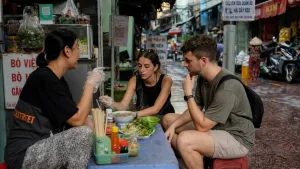
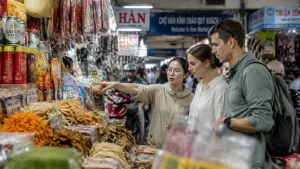
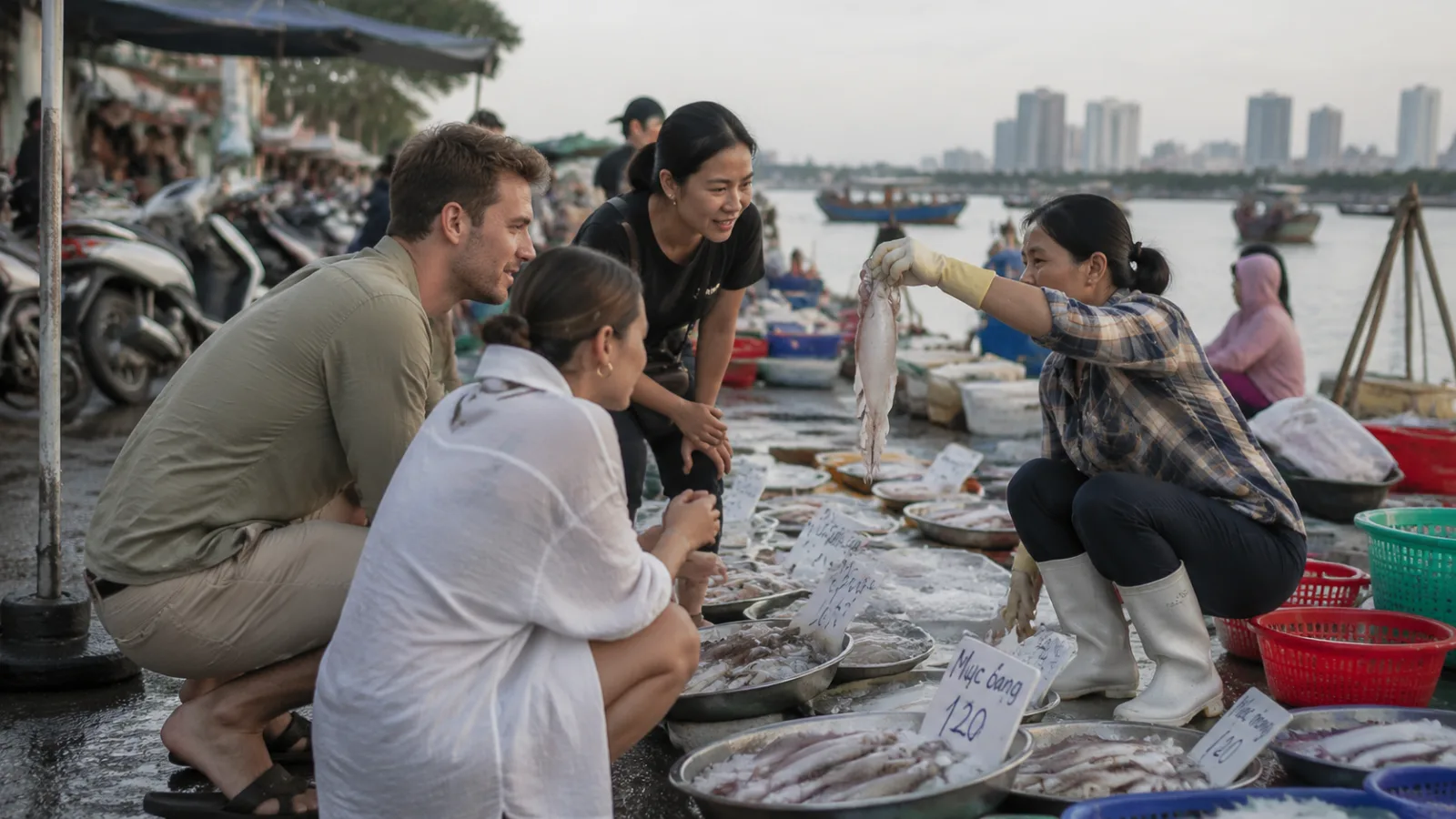
Unlike restaurants, these markets are part shopping, part daily routine, and part travel experience. You may see fishermen unloading crates at dawn, vendors cleaning squid on ice, and families choosing dinner by pointing, asking, and bargaining. That mix is why seafood markets in Da Nang attract first-time visitors, solo travelers, couples, and families who want something real rather than staged.
Seafood markets in Da Nang are local places where fishermen and vendors sell fresh catch directly to buyers. They matter because they show the city’s coastal food culture, offer better freshness cues than many tourist restaurants, and give travelers a direct look at daily life near the sea.
The biggest difference is control. In a market, you can inspect the fish, ask where it came from, and judge freshness by the eyes, smell, ice, and texture. In a restaurant, those decisions are already made for you. A good example is a morning stop near the port or a late-afternoon visit to a neighborhood market, where the selection changes fast and the atmosphere feels busy but friendly.
| Criteria | Seafood Market | Seafood Restaurant | Best For |
|---|---|---|---|
| Freshness check | Direct visual inspection | Hidden in the kitchen | Travelers who want control |
| Experience | Local, lively, informal | Convenient, seated, predictable | Visitors seeking atmosphere |
A soft way to make the most of your trip is to pair a market visit with a city food walk or a local tour, especially if you want help reading the scene and finding the best stalls. If you are planning broader coastal exploring, our Da Nang city experiences can help you connect food stops with nearby sights in a practical way.
Why do these markets matter so much in Da Nang’s travel scene? Because they are one of the few places where food, economy, and everyday coastal identity overlap in plain sight. You are not only buying seafood. You are watching the rhythm of a city that lives by the water, which adds meaning to even a short visit.
A useful takeaway: the best market moments are often not the most perfect ones. A vendor shouting prices, a wet floor, a plastic basket full of crabs, or a fisherman arriving late with the catch can tell you more about local life than any stylized food court. That is why many curious travelers remember the market more clearly than the meal.
Timing makes a real difference. Early morning is best if you want the widest selection and the strongest sense of wholesale energy. Late afternoon works well if you prefer a more relaxed local atmosphere and are curious about what remains after the day’s first rush. For deeper regional planning, many visitors also combine this experience with a short side trip, and Hoi An day tours can fit naturally into that kind of food-focused itinerary.
If you want the freshest seafood and the most authentic atmosphere, go when locals are buying for the day, not when the market is nearly closing. That is the simplest rule, and it usually leads to better value, better selection, and better photos without trying too hard. In Da Nang, the market is not just where seafood is sold. It is where the city’s coastal personality becomes visible.
How Seafood Markets in Da Nang Work for Visitors
Seafood markets in Da Nang can feel busy at first, but the buying process is usually simple once you understand the flow. Most visitors start by walking past the stalls, checking what looks fresh, then asking for the price per kilogram before deciding how much to buy.
The key pain point is not finding seafood, it is knowing what is fair, fresh, and worth paying for. If you want a smoother experience, keep your pace slow, compare two or three stalls, and ask whether the seafood can be cooked nearby or packed for takeaway. That small habit saves money and reduces guesswork.
At seafood markets in Da Nang, visitors usually choose seafood first, confirm the weight, negotiate or check the kilogram price, then decide whether to cook it at a nearby restaurant or take it home. Freshness, seasonality, and clean handling matter more than the lowest price.
Typical market flow is easy to follow. A vendor shows the catch, you point to what you want, the seafood is weighed, and the final price is calculated. In some places, a nearby eatery will cook it for a service fee, which is ideal if you want a quick lunch after shopping. If you prefer a broader city experience, you can also combine this with Da Nang tours for a more structured local day.
Before buying, check three things: freshness, seasonality, and hygiene. Fresh fish should have clear eyes and firm flesh, shrimp should look shiny, and squid should not smell overly strong. Seasonal seafood is usually better value and tastes better, while clean stalls and iced display trays reduce the risk of poor handling. A simple rule works well for solo travelers and families alike.
| Criterion | What to look for | Good sign | Red flag |
|---|---|---|---|
| Freshness | Eyes, smell, texture | Bright, firm, mild scent | Cloudy, soft, strong odor |
| Hygiene | Stall setup and storage | Clean ice, covered items | Warm display, dirty water |
For a real-world example, imagine a couple arriving late afternoon at a local market. They choose squid and clams, ask for the kilogram price, then pay for cooking at a nearby casual restaurant. That setup is common in local districts and gives visitors a direct taste of daily life. If you enjoy this kind of food-first travel style, it is worth comparing options with Hoi An tours as well, especially if you plan to stay longer in Central Vietnam.
My practical advice is to buy small on your first visit, then scale up only after you see how vendors behave. Seafood markets in Da Nang reward calm observation, not rushed decisions. If you want more local, low-stress planning, start with one market, one meal, and one clear standard: good smell, good color, good handling.
If you are building a food-focused trip, choose one market stop, one cooking option, and one nearby walk so the experience feels local without becoming overwhelming.
Plan your Da Nang market visit around early freshness, compare prices before buying, and use a trusted local tour if you want help finding the best stalls and nearby places to eat.
Top Benefits of Exploring Seafood Markets in Da Nang
Seafood markets in Da Nang are one of the easiest ways to experience the city like a local, especially if you want fresher flavors, fairer prices, and a more hands-on food experience than a standard restaurant meal. For first-time visitors, they also solve a common travel problem: where to eat well without overpaying or missing the city’s real character.
If you are planning a local travel day, a market visit can fit between beach time, café stops, and an evening walk by the river. It works well for solo travelers who want an authentic place to observe daily life, couples looking for a relaxed food adventure, and families who prefer shared dishes and simple decision-making. The best part is that you can see what is available first, then choose how to eat it.
Featured insight: the main value of seafood markets in Da Nang is not only lower cost. It is control. You can compare freshness, ask how the seafood was caught, choose the size you want, and decide whether to take it to a nearby cooking spot or eat it on site. That flexibility makes the experience more memorable than a fixed menu.
Freshness, variety, and value usually stand out within minutes. Morning markets often have the strongest selection, while late afternoon stalls can offer a more atmospheric scene with local buyers and fishermen returning from work. Typical choices include crab, squid, prawns, clams, and seasonal fish, and the price difference versus tourist-facing dining can be meaningful, especially for groups.
For a practical example, a couple might buy a small basket of shrimp and squid, then enjoy a simple cooked meal nearby; a family may prefer a broader spread with steamed crab, grilled fish, and rice; a solo traveler may just sample one or two items and use the rest of the visit for photos and people-watching. If you want a curated city experience, browse Da Nang tours here and compare how a market stop can fit into a wider food route.
| Criteria | Seafood market | Standard restaurant | Best for |
|---|---|---|---|
| Freshness | Often very high, especially early in the day | Consistent but less visible | Travelers who care about selection |
| Experience | Local, lively, interactive | Comfortable and predictable | Adventurous visitors and food explorers |
Seafood markets are usually the best choice when your itinerary includes one flexible meal, a desire to explore local life, and enough time to slow down for bargaining, browsing, and deciding. They are less ideal if you want a very polished dining setting or you are rushing between landmarks. For travelers who value discovery, though, this is one of the strongest local food experiences in Da Nang. To compare more local-style options, see all Toward Local tours.
How to Choose the Right Seafood Market in Da Nang
Seafood markets in Da Nang can look similar at first glance, but the best choice depends on what kind of trip you want. Some spots are lively and easy for first-time visitors, while others are quieter, cheaper, and more local. If you know how each option works, you can avoid tourist pricing, save time, and still get a fresh, memorable seafood meal.
For adventurous travelers, the real value is not just in buying seafood, but in matching the setting to your budget, comfort level, and travel style. A crowded market can be exciting, a neighborhood market can feel more authentic, and a sit-down restaurant can be the easiest choice after a long day of sightseeing.
Busy tourist-friendly markets usually win on convenience. They are easier to navigate, vendors are often used to foreign visitors, and some stalls may help with cleaning, packing, or recommending a nearby place to cook. The trade-off is that prices can be less stable, especially in high-traffic areas near the beach or famous attractions.
Local neighborhood markets feel more raw and more everyday. You may see fishermen, residents, and small traders buying early in the morning, which makes the experience stronger for travelers who want a true coastal routine. These places are often better for value, but they can feel less polished, and English may be limited.
Here is the simplest way to compare them:
| Criteria | Tourist-Friendly Market | Local Neighborhood Market | Seafood Street |
|---|---|---|---|
| Price | Higher but easier to negotiate | Usually better value | Mid-range and variable |
| Experience | Simple and visitor-friendly | More local and authentic | Casual, social, and flexible |
| Best for | First-time visitors and families | Solo travelers and value seekers | Quick meals and easy planning |
Markets are best when you want to choose your own seafood and control the process. Seafood streets work well when you want to eat quickly without spending much time on logistics. Sit-down seafood restaurants are the most comfortable option, especially for couples or families who want air conditioning, clearer menus, and fewer decisions.
If you want a deeper local day in the city, pairing a market visit with a Da Nang food experience can save planning time and help you see where locals actually shop and eat. That is especially useful if you are short on time but still want an authentic seafood stop.
Choose based on three things: budget, convenience, and experience. If budget matters most, go to a local market early. If convenience matters most, choose a seafood street or restaurant near your hotel. If the experience matters most, visit one of the more active morning or afternoon markets and stay long enough to watch the buying rhythm.
To choose the right seafood spot in Da Nang, match the venue to your goal. Markets are best for fresh selection and local pricing, seafood streets are best for convenience and casual eating, and restaurants are best for comfort, clear service, and predictable portions.
For travelers who want an easier route, a guided day can remove guesswork while still keeping the local flavor. You can compare options faster, avoid inflated prices, and spend more time enjoying the meal instead of negotiating every detail. If you are building a broader Central Vietnam plan, Hoi An day trip options can also pair well with a seafood-focused stop in Da Nang.
If you like local food but do not want trial-and-error, consider a small-group plan that combines market browsing, tasting, and a trusted meal stop.
The best option is the one that fits your pace. Solo travelers often enjoy the freedom of a local market, couples usually prefer a clean sit-down restaurant after sightseeing, and families tend to do best with a simple place that avoids long waiting times. For adventurous visitors, the most rewarding choice is usually the one that feels slightly outside the obvious tourist route while still being easy to enjoy.
If you want fresh seafood in Da Nang without wasting time on the wrong spot, start with a market that matches your style, then build the rest of the day around that choice for a smoother, more satisfying experience.
What to Know Before You Go: Tips, FAQs, and a Simple CTA
Seafood markets in Da Nang are easy to enjoy when you know a few local rules before you walk in. The main mistake most visitors make is paying too fast, choosing seafood that looks fresh but is actually old, or forgetting to compare prices between stalls. A little preparation keeps the experience fun, fair, and much less stressful.
If you want a smooth first visit, focus on three things: check the daily price, look for lively counters with clean water and active turnover, and order in simple steps. That approach works well for solo travelers, couples, and families who want a local market experience without overthinking every detail.
Common mistakes to avoid are simple, but they matter. At busy seafood markets in Da Nang, some stalls quote a tourist price first, then lower it if you ask again. Others place fish on ice that has already lost its firmness. A quick comparison across two or three vendors usually tells you whether a deal is fair.
Use this fast check before buying:
- Ask the price per kilogram before choosing anything
- Check the eyes, smell, and texture of fish or shrimp
- Confirm whether cooking, cleaning, or packaging costs extra
A useful takeaway: the best-looking stall is not always the best buy. A steady line of local shoppers is usually a stronger sign of value than glossy presentation. For a bigger city food experience, you can also compare it with all Toward Local tours if you want more regional ideas after your market visit.
| Criteria | Good Choice | Risky Choice | Why It Matters |
|---|---|---|---|
| Price check | Clear per-kilo quote | No price until later | Helps avoid overpaying |
| Seafood quality | Firm, bright, fresh smell | Dull color or strong odor | Signals freshness and safety |
FAQs for first-time visitors are usually practical. The best time to go is early morning for the widest freshness or late afternoon for a more local, lively feel. English is often enough for basic buying, especially if you keep your questions short and point to the item you want. Simple gestures work surprisingly well.
What seafood should you try first? Grilled squid, shrimp, clams, crab, and mantis shrimp are easy picks for most visitors. If you are unsure how to order, say the quantity, ask for the total, and confirm whether you want it cleaned. For a smoother route with less guesswork, Da Nang tours can help you connect market time with other local stops.
Here is a simple order flow: choose the seafood, confirm the price, ask for cleaning if needed, and decide whether to cook it elsewhere or eat nearby. If you prefer an easier first outing, Hoi An tours can pair a market visit with a slower heritage stop. Plan your seafood market visit in Da Nang with confidence, keep your questions short, and enjoy the local rhythm instead of rushing through it.
To visit seafood markets in Da Nang well, go early for freshness, compare prices before buying, check seafood quality with your eyes and nose, and confirm extra service fees before paying. Basic English is usually enough for simple ordering, especially when you keep your request clear and short.
Ready to explore like a local? Start with one market, compare two stalls, and choose what looks freshest. If you want a guided day that keeps the logistics easy, HCMC Food Tours can also inspire your next food-focused trip in Vietnam.