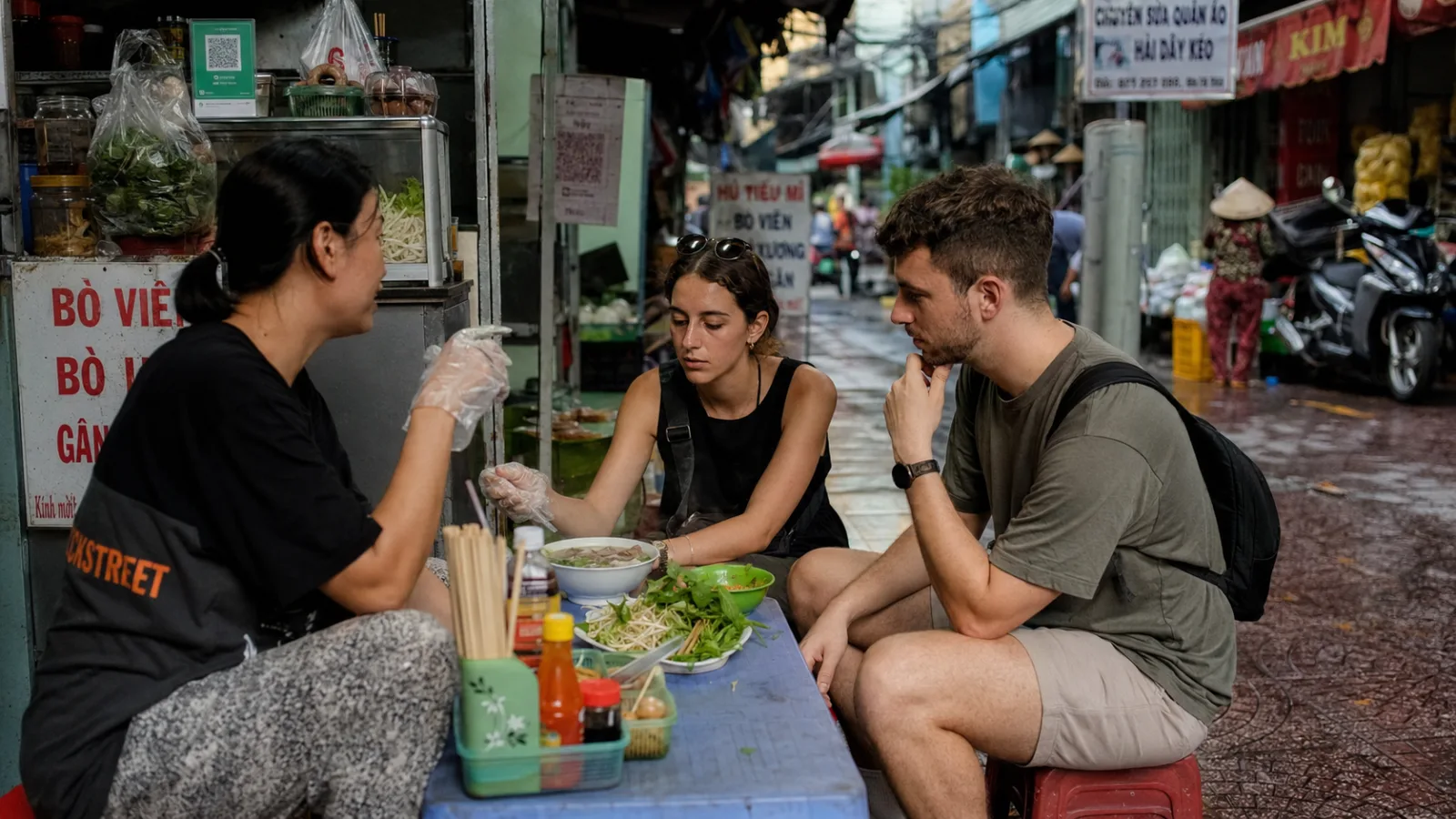

Vietnam street food safety is the first thing many travelers think about before sitting down at a plastic stool in Hanoi or Ho Chi Minh City. The concern is real: you want the flavor and the atmosphere, but not a ruined day from bad hygiene, unsafe water, or food that has been sitting too long. The good news is that most risks are easy to spot once you know what to watch for.
This guide shows how to eat with confidence, starting with simple street food safety tips that work in real stalls, not just in theory. You will learn how to read hygiene signals, choose cooked dishes, and avoid common mistakes that cause stomach issues. If you want a local experience with less guesswork, browse all Toward Local tours or check a city route like HCMC food tours for a safer, more guided start.
How Safe Is Vietnam Street Food?
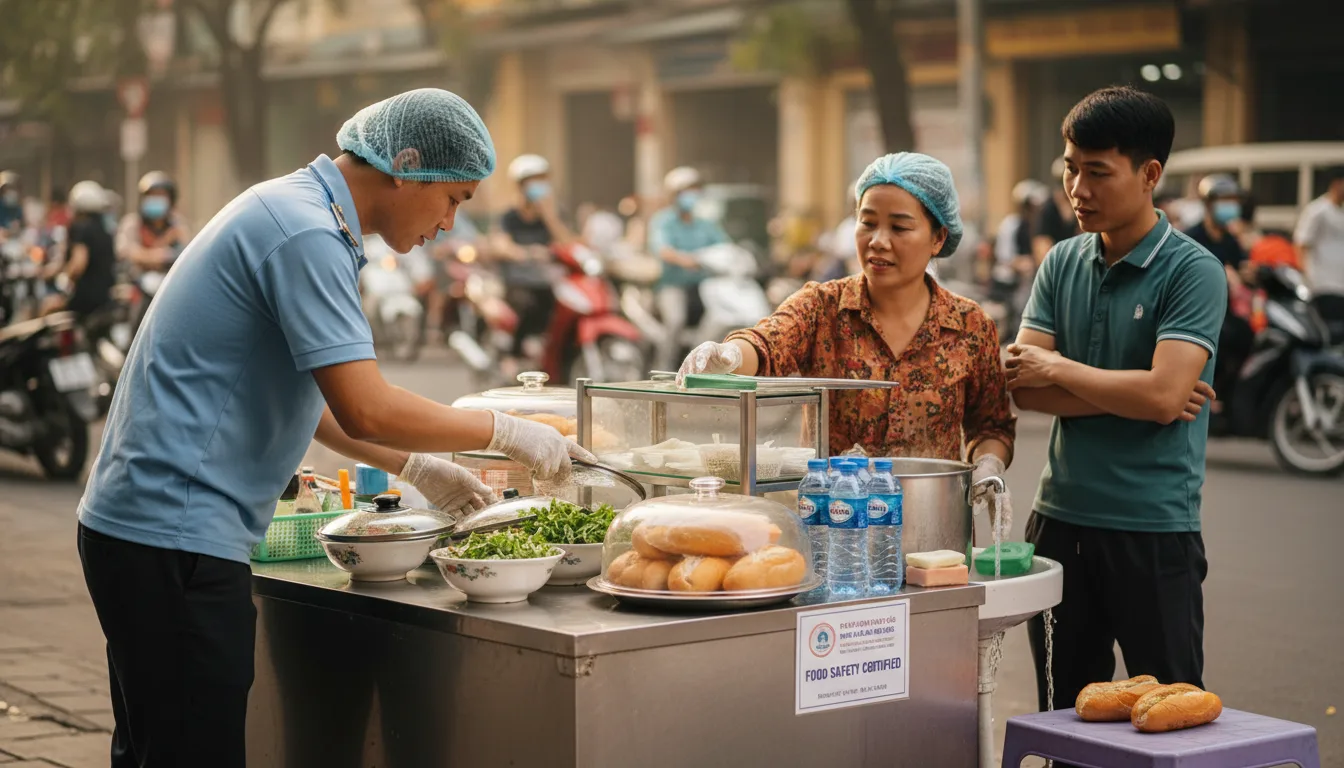
Vietnam street food safety is usually good when you choose the right stall, order food that is cooked fresh, and avoid a few clear red flags. For most travelers, the real risk is not the cuisine itself, but poor handling, unsafe water, and food that has been sitting out too long.
In the Vietnamese context, safety often looks different from what visitors expect. A busy cart with a wok, steam, and a steady line of locals is usually a better sign than a spotless but empty stall. If you want a low-stress way to explore local flavors, browse local food tours and use them as a practical shortcut to trusted vendors.
Vietnam street food is generally safe when it is cooked to order, served hot, and bought from stalls with high customer turnover. Be more cautious with raw vegetables, ice, seafood, and drinks made with untreated water. The safest strategy is to watch the stall first, then order the dish that has the fastest turnover.
What street food safety means in the Vietnamese context is simple: fresh ingredients, fast cooking, and visible hygiene habits matter more than fancy equipment. A vendor who wipes surfaces, keeps raw meat separate, and serves boiling broth is usually a better choice than one with food left uncovered for hours. That is why dishes like pho, banh mi with toasted bread, and grilled pork rice bowls are often safer bets than pre-made cold items.
When you are deciding where to eat, use this quick filter:
- Choose stalls with many local diners
- Prefer food cooked in front of you
- Avoid ice if you do not know the source
- Skip raw salads if you have a sensitive stomach
| Criterion | Better Choice | Use Caution | Why It Matters |
|---|---|---|---|
| Food temperature | Served hot | Held at room temp | Heat lowers bacteria risk |
| Vendor activity | Busy with locals | Almost empty for long periods | High turnover usually means fresher food |
When street food is generally safe and when to be cautious depends on what is being served and how it is handled. A steaming bowl of soup at lunch rush is usually fine, while a tray of cut fruit, lukewarm seafood, or a drink with mystery ice deserves more caution. If you are traveling as a solo visitor, couple, or family, a guided food walk in Ho Chi Minh City food tours can help you compare stalls quickly and eat with more confidence.
A useful takeaway: locals often judge safety by freshness, not presentation. If a dish is made to order and disappears fast, that is usually the strongest sign you can trust it. For adventurous travelers, that makes Vietnam one of the easiest places to eat well without overthinking every meal.
If you want to taste local food without the guesswork, choose a curated route with a local guide who already knows which stalls are consistently clean, busy, and reliable.
Book a trusted street food experience before your trip and turn Vietnam street food safety into a simple yes-or-no decision at the stall, not a gamble at dinner time.
How to Choose Safe Street Food Stalls in Vietnam
Vietnam street food safety matters most when you are standing in front of two stalls that both look tempting. The better choice is rarely the one with the fanciest sign; it is the one with steady turnover, visible hygiene, and food cooked to order. If you are a first-time visitor, this simple filter helps you eat boldly without guessing.
For adventurous travelers, the goal is not to avoid street food, but to read the stall quickly and correctly. Look at how locals queue, how the cook handles money and food, and whether the dishes arrive steaming hot. That small pause before ordering can prevent a bad meal and save the rest of your trip.
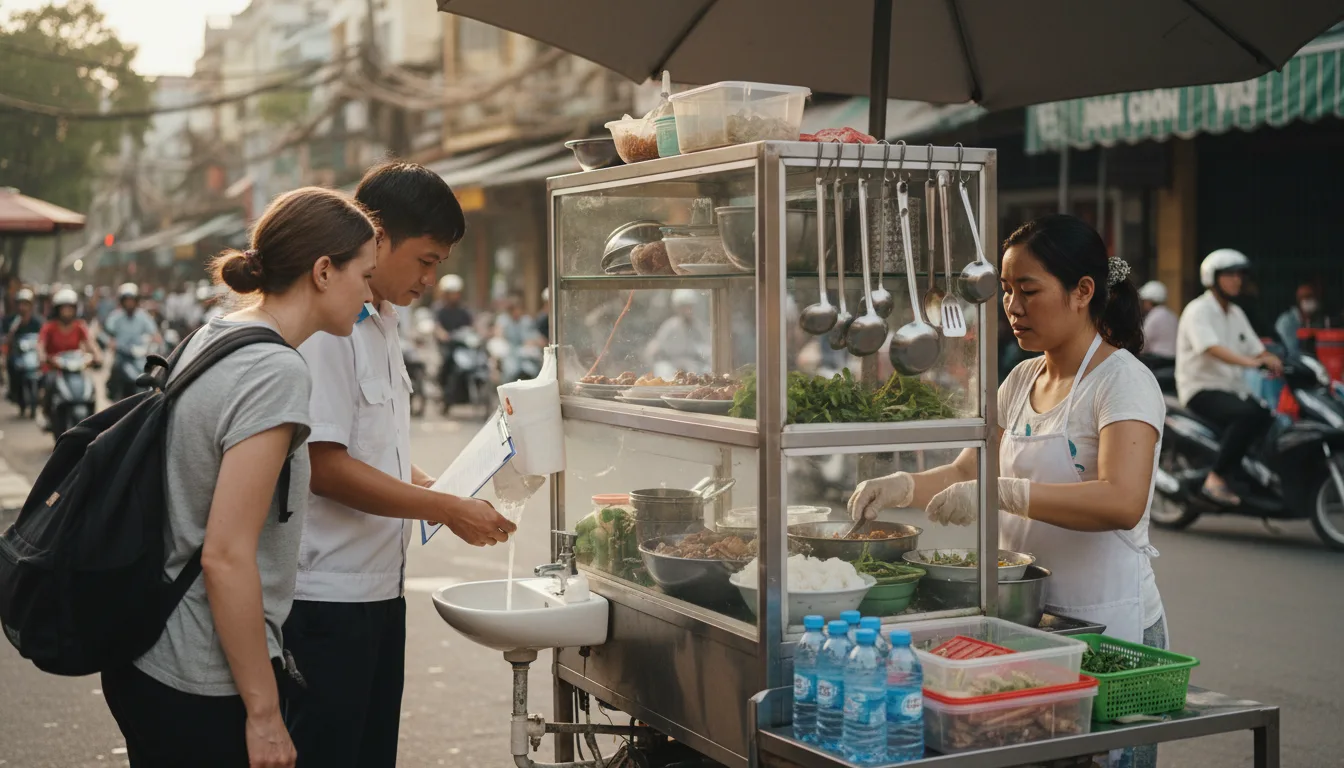
Choose a safe street food stall in Vietnam by checking four signals: a steady local crowd, clean utensils, fresh ingredients, and dishes cooked hot in front of you. Avoid stalls with flies, warm pre-made food, dirty surfaces, or vendors switching between cash and food without washing hands.
Before you order, scan the stall like a local. A good vendor usually has a simple setup that looks active, not neglected. The best signs are easy to spot: clean cutting boards, covered ingredients, clear separation between raw and cooked items, and a cooking area that does not feel chaotic. If you want a practical benchmark, compare a busy noodle stand with a deserted one near it, because the one with turnover is usually safer.
Use this quick check:
| Criterion | Safer choice | Riskier choice | Why it matters |
|---|---|---|---|
| Customer flow | Steady line of locals | Almost no customers | Fast turnover usually means fresher food |
| Food handling | Cooked to order | Food sitting open for hours | Fresh heat lowers contamination risk |
Food handling matters just as much as the crowd. Watch whether the vendor uses separate tongs for raw meat and finished dishes, wipes surfaces between orders, and keeps herbs or sauces covered. A small example: a pho stall that refills broth often and serves noodles immediately is usually a better pick than one with lukewarm pots and wet counters.
Freshness and crowd cues work together. A stall that attracts office workers at lunch or families at dinner often has a menu locals trust, which is a strong sign for travelers too. If you are planning a food-focused day in the city, consider a Ho Chi Minh City food tour to learn these signals from a guide, then use them on your own after.
For solo travelers and couples, this approach is especially useful in unfamiliar neighborhoods where menus are limited in English. A little observation goes further than confidence alone, and it keeps Vietnam street food safety practical instead of stressful. If you want broader options across the country, explore all Toward Local tours for curated local experiences that still leave room for spontaneous street eats.
If you want to enjoy Vietnam street food with less guesswork, build your plan around stalls locals trust, meals cooked in front of you, and routes that fit your comfort level. That is the easiest way to eat well, stay safe, and still experience the real flavor of Vietnam.
Best Practices for Eating Street Food Safely
Vietnam street food safety matters most when you are hungry, excited, and surrounded by great-smelling stalls. The easiest way to stay comfortable is to focus on what looks busy, freshly cooked, and well handled. That simple filter removes most of the risk without taking the fun out of local eating.
For first-time visitors, the real challenge is not finding good food, but knowing when a stall is worth trusting. Look for steady local traffic, visible heat, clean tools, and fast turnover. Those clues help you enjoy authentic dishes in Hanoi, Ho Chi Minh City, Hoi An, and Da Nang with far less guesswork.
Choose crowded stalls with strong turnover, eat food served piping hot, avoid unsafe ice and raw items, and wash your hands before meals. These four habits cover most street food risks for travelers in Vietnam and make it easier to eat confidently without overthinking every bite.
Smart habits before, during, and after eating
Before you sit down, scan the stall like a local would. A small line of customers, clean utensils, and food cooked to order are better signals than a polished sign. If you want a safer first night, a guided walk through all Toward Local tours can help you start with trusted vendors and remove the stress of choosing alone.
During the meal, keep it simple: use sanitizer, choose steaming dishes, and skip anything that has been sitting open for too long. For example, pho, bun cha, or banh xeo are usually better bets than pre-cut fruit or lukewarm seafood. A good rule is if the food is hot, popular, and finished quickly, the risk is usually lower.
After eating, pay attention to how you feel over the next few hours. Mild discomfort can happen when your stomach is adjusting to new spices or oils, but persistent cramps, vomiting, or diarrhea need more caution. If you are planning a food-first city break, HCMC food tours are a smart way to explore with a local who knows which stalls are busy for the right reasons.
| Criteria | Safer Choice | Higher Risk | Why It Matters |
|---|---|---|---|
| Food temperature | Served hot and fresh | Lukewarm or pre-made | Heat lowers bacteria risk |
| Vendor traffic | Busy with locals | Empty for long periods | Fast turnover usually means fresher food |
| Drinks | Bottled or filtered water | Unknown ice or tap water | Water quality affects stomach safety |
What to drink, what to avoid, and how to reduce risk
Drink bottled or filtered water, and treat ice with caution unless you are sure it is factory made. Fresh sugarcane juice or fruit juice can be fine when prepared cleanly, but standing containers and reused cups are warning signs. If you want a relaxed food day in central Vietnam, Hoi An tours can pair tasting stops with safer, well-managed local spots.
Avoid raw salads, raw seafood, and dishes that depend on ingredients washed in uncertain water. Also be careful with strong street sauces if you have a sensitive stomach or allergies, since fish sauce, shrimp paste, peanuts, and soy can hide in many recipes. For solo travelers and families alike, the safest approach is simple: eat hot food, drink sealed water, and ask before you order.
If you want to enjoy Vietnam street food safety without constant second-guessing, choose a local-led food route that matches your comfort level. A good guide helps you taste more, worry less, and still keep the trip adventurous.
For a safer and smarter street food experience, book a local tour that understands which stalls are worth your trust. That way you can focus on flavor, culture, and discovery instead of spending your whole meal checking every detail.
Vietnam Street Food Safety vs. Restaurant Dining
Vietnam street food safety is not about choosing between adventure and risk. It is about matching the right meal setting to your comfort level, schedule, and health needs. For many travelers, the biggest worry is not flavor, but whether a stall, table, or kitchen will be clean enough to trust.
The good news is that both street food and sit-down restaurants can work well in Vietnam. If you know what to look for, you can enjoy local dishes without turning every meal into a guess. The key is to use simple checks, choose the right setting for the moment, and stay flexible as you travel.
Featured answer: Street food is often safe in Vietnam when it is cooked fresh, served hot, and chosen from busy stalls with good turnover. Restaurants usually offer more consistency, easier allergy communication, and more comfort for families or first-time visitors. The best choice depends on your itinerary, stomach sensitivity, and how adventurous you want the meal to feel.
Street food gives you the most local energy, especially in places like Hanoi, Ho Chi Minh City, and Hoi An. You get fast service, bold flavors, and a direct look at how dishes are made. A bowl of pho, grilled pork noodles, or a crisp banh mi from a busy stall often feels more memorable than a formal meal, and for many travelers that is the point.
Restaurants, on the other hand, usually make food safety easier to judge. Menus are clearer, seating is cleaner, and bottled water is more standard. This matters if you are traveling with children, eating after a long flight, or trying dishes for the first time. If you want a guided local food day, HCMC food tours can help you sample street dishes with more confidence.
A quick comparison can help you decide:
| Criteria | Street Food | Restaurant Dining | Best For |
|---|---|---|---|
| Food freshness | High when cooked to order | Usually consistent | Travelers who want hot food |
| Comfort and hygiene | Varies by stall | More predictable | Families and cautious eaters |
For solo travelers and couples, street food works best when the stall is busy, the cooking is visible, and the food comes out steaming. For families, restaurants may be the easier default during lunch or when everyone wants a break from heat and noise. If you are planning a relaxed food-focused stop, Hoi An tours can balance local tasting with a smoother pace.
Use street food when you want an authentic city feel, a cheap meal, and dishes made in front of you. Use restaurants when you need clearer hygiene standards, easier communication, or space to slow down. A smart mix usually works best: start with one trusted stall, then move to restaurants when your body needs a reset or your group needs more comfort.
Simple rule: choose street food for freshness and atmosphere, restaurant dining for control and ease. If a stall looks busy, clean, and active, it may be a better choice than an empty restaurant. If you are tired, unsure, or managing allergies, a proper dining room is usually the safer call. For multi-city planning, see all Toward Local tours for locally guided options.
In short: the safest travel strategy is not choosing one style forever. It is reading the situation well, watching how food is handled, and adjusting by time of day, group type, and appetite for risk. That way, Vietnam street food safety becomes a practical habit, not a source of stress.
When to choose each option:
- Choose street food for peak freshness, local atmosphere, and quick meals
- Choose restaurants for cleaner restrooms, allergy support, and family comfort
- Choose street stalls with long lines of locals and food cooked to order
- Choose restaurants after travel fatigue, late nights, or stomach sensitivity
If you want a soft middle ground, book a guided food experience instead of going random on the street. A local expert can help you avoid obvious risks while still keeping the trip adventurous. That is often the best balance for first-time visitors who want flavor without second-guessing every bite.
For travelers who care about both safety and authenticity, the smartest approach is flexibility. Eat where the food turnover is high, drink bottled or filtered water, and switch to restaurants when the day calls for more comfort. That mix gives you the widest range of flavors with fewer surprises, and it keeps the trip enjoyable from the first meal to the last.
Final takeaway: street food is usually the best choice for local immersion, while restaurants are better for predictability. If you are traveling with family, eating with dietary restrictions, or simply recovering from a long flight, go sit-down first. If you are healthy, curious, and ready to explore, start at the stalls locals trust.
Common Mistakes, FAQs, and Final Tips
Vietnam street food safety matters most when you are trying local dishes for the first time, especially in busy markets where the best stalls are not always the most obvious ones. Many travelers get sick not because Vietnamese food is unsafe, but because they rush, skip basic checks, or choose the wrong drinks and sauces.
The good news is that a few simple habits can cut the risk fast. Watch turnover, order food cooked to heat, and trust stalls that look organized under pressure. If you want a more guided local experience, explore all Toward Local tours to match street food stops with a smarter route through the city.
The safest way to enjoy Vietnamese street food is to choose stalls with high customer turnover, eat food that is cooked fresh and served hot, avoid risky ice and raw items, and use bottled water. Clean hands, clear vendor habits, and simple communication about allergies make a major difference.
Mistakes travelers make with Vietnam street food safety
One common mistake is picking a stall only because it looks popular on social media. In real life, a good stall is usually busy with locals, has fast movement in the kitchen, and serves dishes hot right after cooking. Another mistake is assuming every cold drink or fresh herb plate is harmless.
Look out for these errors:
- Choosing raw salads, ice drinks, or pre-cut fruit from unknown sources
- Eating food that has been sitting out without heat
- Ignoring hand hygiene before eating
- Not asking about peanuts, fish sauce, shellfish, or shrimp paste
A useful takeaway: the safest street food meal is often the one you watch being made from scratch in front of you. If you are planning food-focused days in the south, see HCMC food tours for routes that naturally favor high-turnover, freshly cooked dishes.
| Criteria | Safer choice | Riskier choice | Why it matters |
|---|---|---|---|
| Food temperature | Freshly cooked and served hot | Lukewarm or pre-made | Heat reduces bacteria risk |
| Drinks | Bottled water or sealed drinks | Unknown ice or tap water | Water quality is a common issue |
3–5 FAQs on staying safe while enjoying Vietnamese street food
What is the safest street food to start with? Hot noodle soups, grilled meats, and made-to-order dishes are usually the easiest first choices because they are cooked thoroughly and served immediately.
Should I avoid all street food in Vietnam? No. Vietnam street food safety is mostly about choosing the right stalls and avoiding foods that sit out too long, especially raw or cold items.
Is it safe to drink iced beverages? Only if you know the ice is factory-made or the venue uses filtered water. When in doubt, choose sealed drinks instead.
How do I handle allergies? Tell the vendor clearly what you cannot eat, and avoid dishes with hidden sauces if you are unsure. A simple written note works well for solo travelers and families.
What should I do if my stomach feels off? Rest, drink bottled water, and switch to plain foods like rice or broth. If symptoms get worse or last more than a day, get medical help quickly.
Final tips
For couples, families, and solo travelers, the best rule is simple: eat where the line moves fast, order what is cooked in front of you, and skip anything that feels uncertain. That approach keeps the experience adventurous without turning it into a health problem.
If your trip includes Central Vietnam, browse Hoi An tours for easier access to trusted local food stops, then close each meal with bottled water and a calm pace. Small choices protect your trip, your energy, and your appetite for the next street corner.
If you want a safer, more local street food experience without wasting time on trial and error, let a local expert shape the route for you. Choose the right neighborhoods, the right dishes, and the right pace, then enjoy Vietnam’s food culture with confidence from the first bite to the last.