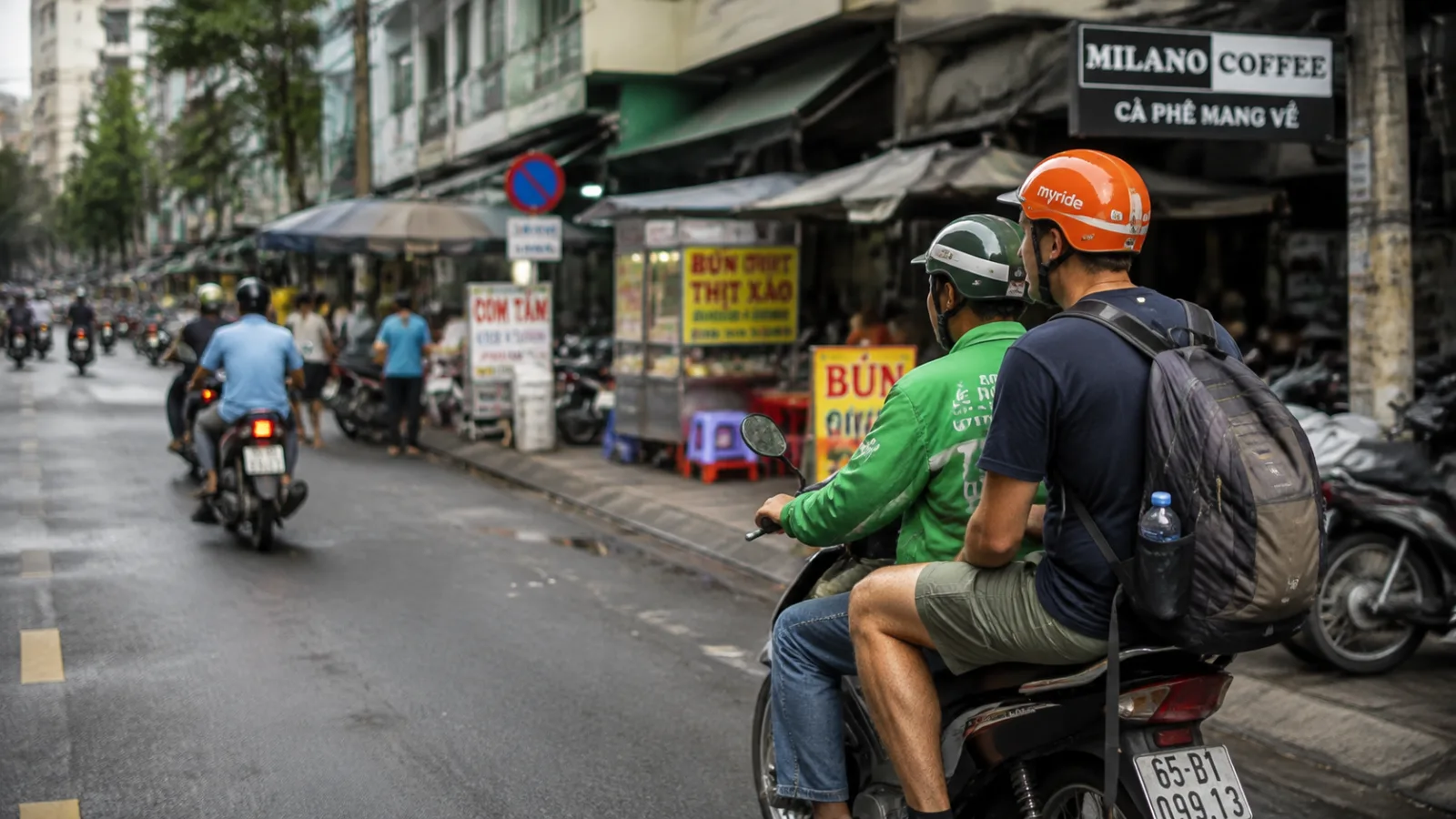

Motorbiking Vietnam is one of the most rewarding ways to see the country, but first-time riders quickly learn that freedom comes with real pressure. Traffic can feel unpredictable, road surfaces change without warning, and route choices can make or break the day. If you want the adventure without the stress, you need a clear plan before you start.
This guide gives you the essentials for riding with confidence, from what to expect on the road to how to prepare your gear, map your route, and avoid common mistakes. It is built for travelers who want a local, adventurous experience while still staying safe, flexible, and in control. For riders who want to mix scenery with easy trip planning, browse all Toward Local tours for ideas that fit your pace.
| Criteria | Self-Ride | Guided Tour | Best For |
|---|---|---|---|
| Flexibility | High | Medium | Independent travelers |
| Confidence level | Needs preparation | Supported by local expertise | First-time riders |
Motorbiking Vietnam is best for travelers who want freedom, scenery, and local immersion, but it works well only when riders prepare for traffic, weather, and changing road conditions. First-time riders should start with flexible routing, offline maps, proper gear, and a calm pace to stay safe and enjoy the trip.
A practical way to begin is to think in short riding days, not big distances. Many beginners feel better after their first morning on quieter roads, then build confidence as they learn how Vietnamese traffic flows. If you want a softer landing before a longer route, a local city experience such as HCMC food tours can help you ease into Vietnam travel before heading out on two wheels.
Quick start steps:
1. Check weather and road conditions before riding
2. Use offline maps and a phone mount
3. Avoid night riding and leave early
4. Keep your route flexible for delays
5. Choose routes that match your skill level
One useful insight for beginners is that confidence grows faster when the day feels manageable. A route with fewer stops, predictable roads, and easy fuel access often creates a much better first impression than chasing the most dramatic scenery on day one. Once you understand that rhythm, motorbiking Vietnam becomes less intimidating and far more enjoyable.
Da Nang tours are a smart option for travelers who want a balanced mix of local food, coastlines, and easier movement before committing to a longer motorbike journey.
What Motorbiking Vietnam Is Really Like
Motorbiking Vietnam is a mix of freedom, noise, weather, and constant awareness. For travelers, it means choosing two wheels over strict schedules so you can reach remote roads, local food stops, and smaller towns that buses often skip. It is exciting, but it also demands patience, focus, and realistic planning from the start.
For many foreign visitors, the real appeal is not just the ride. It is the feeling of moving through rice fields, coastal curves, and mountain passes at a human pace. If you want a trip that feels local and active, this style of travel can be unforgettable, especially when you balance adventure with safety and timing.
Motorbiking Vietnam means traveling by motorbike through cities, countryside, and mountain routes while adapting to traffic, weather, and road conditions. It suits travelers who want flexibility, local encounters, and access to areas that are harder to reach by car or bus.
What motorbiking Vietnam means for travelers and riders is simple: you trade convenience for access. A typical day may include early departure, one or two scenic stops, a roadside coffee, and a sudden weather change that forces a detour. That unpredictability is part of the experience, not a flaw in it.
A good example is a route that passes from a busy town into quiet farmland. In one hour, you can go from honking scooters and market traffic to buffalo on the roadside and village homestays. When you want to add a city break before or after the road trip, many travelers also pair their overland ride with Ho Chi Minh City tours or use all Toward Local tours as a planning reference.
| Criteria | Cột 1 | Cột 2 | Cột 3 |
|---|---|---|---|
| Best for | Independent explorers | Scenic flexibility | Local immersion |
| Main trade-off | More fatigue | Weather exposure | Less schedule certainty |
Why Vietnam is a popular destination for motorbike travel comes down to variety. In a single country, riders can choose city loops, coastal roads, highland passes, and rural backroads. The scenery changes fast, the food is cheap and local, and the distances are manageable enough to make each day feel rewarding rather than exhausting.
The practical upside is strong too. Fuel is affordable, accommodation options are widespread, and you can stop often without losing the rhythm of the trip. A couple may enjoy the freedom of spontaneous detours, while solo travelers get a strong sense of independence. Families who are experienced riders often prefer shorter sections and safer daylight routes.
If you want a trip that combines local atmosphere with easy planning, start by choosing a region that matches your comfort level, then shape the ride around weather and road quality.
When motorbiking Vietnam is the best option is usually when you care more about the journey than speed. It works best for travelers who want mountain scenery, village stops, and full control over their itinerary. It is also a smart choice when public transport would skip the exact places you want to see.
Best fit cases include:
- You want a flexible route with frequent photo stops
- You enjoy local food, roadside cafés, and small-town stays
- You are comfortable riding in mixed traffic and changing weather
- You want access to places that feel far more local than standard tour routes
If your priority is comfort, predictability, or moving quickly between major cities, another transport option may be better. But if your goal is to feel Vietnam at street level, motorbiking gives you the most direct connection to the landscape and the people along the road.
For many travelers, the smartest approach is to ride selectively rather than continuously. Choose the best stretch for your skill level, then combine it with planned stops and local experiences to keep the trip enjoyable, safe, and memorable.
Ready for a stronger travel day plan, route ideas, and local add-ons that fit your style? Explore Da Nang tours if you are heading through central Vietnam, or browse Hoi An tours to pair your ride with slower cultural experiences and great food.
Final takeaway: motorbiking Vietnam is best for travelers who want freedom, scenery, and local connection, but it works well only when you respect traffic, weather, and your own riding limits.
Next step: choose the route type that matches your confidence, pack for changing conditions, and plan enough flexibility to enjoy the ride instead of racing through it.
How to Plan a Safe and Smooth Motorbiking Vietnam Trip
Motorbiking Vietnam is one of the best ways to reach small towns, rice valleys, and coastal roads that tour buses rarely touch. The difference between an unforgettable ride and a stressful one usually comes down to preparation: the right bike, proper documents, realistic routes, and a clear plan for weather and traffic.
If you are a first-time visitor, treat this trip like a moving checklist rather than a spontaneous gamble. A safe ride is not about being overly cautious; it is about reducing avoidable risks so you can enjoy the freedom, food stops, and scenic detours with confidence.
Choosing the right bike starts with your route and your experience level. For city loops and short countryside rides, a semi-automatic scooter is often easier to control. For longer mountain routes, pick a well-maintained manual bike only if you already have the skill to handle hills, gravel, and sudden braking. Before leaving, check tire tread, brakes, lights, horn, and mirrors, then test the bike for a few minutes on a quiet street.
Bring gear that protects you from heat, rain, and road debris. A full-face helmet, gloves, long sleeves, closed shoes, and a light rain layer matter more than style. Keep documents accessible, including your passport copy, rental agreement, and the correct license paperwork for your situation. As a practical rule, the more remote your route, the more important it is to carry a backup plan, cash, and a charged phone.
| Criteria | Short Ride | Long Ride | Best Choice |
|---|---|---|---|
| Bike type | Light scooter | Reliable manual or scooter | Match bike to terrain |
| Route priority | Easy roads and stops | Fuel, rest, weather | Plan by distance and road condition |
Understanding road rules in Vietnam is less about memorizing signs and more about reading traffic behavior. Expect scooters to merge early, trucks to dominate space, and intersections to feel more fluid than orderly. A smart rider keeps speed moderate, uses the horn as a warning signal, and avoids night riding whenever possible.
A useful route tip is to plan one main destination and one backup stop each day. For example, a rider heading from Da Nang to Hoi An may only need a few hours, while a northern loop may require extra rest stops and weather checks. If you want a low-stress day before or after your road trip, consider a Hoi An food and culture tour or explore Da Nang local experiences to break up the ride. This is especially helpful for couples and solo travelers who want adventure without rushing.
To plan a safe motorbiking trip in Vietnam, choose a bike that fits your route, carry the right documents, wear protective gear, study local traffic behavior, and build flexible daily distances. Add offline maps, rain protection, and a backup stop so delays do not turn into pressure.
For a short ride, keep the schedule simple: morning departure, lunch stop, early arrival, and no dark-road riding. For a long-distance trip, divide the route into manageable sections, check fuel availability, and leave room for weather changes. A practical example is riding through a scenic province in the morning, staying in a homestay by evening, and using the next day to continue only if the road conditions feel safe.
If you want a trip that feels adventurous but still well organized, browse all Toward Local tours for ideas that fit your pace before or after the ride.
The safest riders in Vietnam are usually not the fastest; they are the ones who stay calm, expect delays, and make decisions early. Check the bike before every departure, ride defensively, and keep your plan flexible enough to absorb rain, traffic, or a missed turn. That approach turns motorbiking Vietnam from a risk into a memorable, controlled adventure.
If you are planning a longer route and want to balance freedom with local insight, start with a short city or day experience first, then build the ride around what you learn on the ground.
Benefits and Real-World Uses of Motorbiking Vietnam
Motorbiking Vietnam gives travelers a level of freedom that buses, cars, and fixed tours cannot match. For first-time visitors, solo riders, couples, and adventurous families, it opens up quiet backroads, small mountain passes, and coastal detours that rarely appear in standard itineraries. That is the real advantage: you can move at your own pace and still reach places that feel local, scenic, and memorable.
In practice, this matters most when your trip is built around discovery rather than efficiency. You can stop for coffee in a village, change plans after seeing a weather shift, or follow a roadside sign to a viewpoint without asking for permission. That flexibility is why motorbiking Vietnam often feels less like transport and more like access to the country itself.
Featured insight: The main value of a motorbike in Vietnam is not speed. It is the ability to connect routes, people, and daily life in a way that most organized transport skips. If your goal is to see authentic places with minimal scheduling pressure, two wheels usually give you the best balance of access and control.
Freedom, flexibility, and access to scenic routes are the strongest reasons travelers choose a bike. A motorbike lets you leave early, pause for photos, and take the long road when the short one looks crowded. That is especially useful in places like the north, where Toward Local tours can help with city planning, but a self-guided ride gives you more room to explore mountain curves, rice terraces, and smaller communities on your own terms.
Examples that make this clear:
- Solo travelers can stop whenever a view or market looks interesting.
- Couples can turn a transfer day into a scenic experience.
- Families with older children can visit quieter beaches, farms, and craft villages.
The best road is often not the fastest one. It is the one that gives you space to notice the country around you.
Common travel scenarios where a motorbike is the best choice usually involve short to medium distances, flexible schedules, and places with limited public transport. It is practical for day trips between rural stops, food-focused neighborhood exploring, and moving between homestays. For example, if you want to pair a city morning with a countryside lunch, a bike gives you enough independence to do both without waiting for a tour timetable. In central Vietnam, Hoi An tours may suit some travelers, but a bike can be better when you want to visit nearby villages or hidden beaches at your own pace.
| Criteria | Motorbike | Tour | Car |
|---|---|---|---|
| Route flexibility | High, easy to detour | Low, fixed schedule | Medium, limited by roads |
| Local access | Strong for small roads | Good only on planned stops | Poor in narrow areas |
When motorbiking Vietnam makes more sense than tours or cars is usually when your priority is freedom, local access, and lower travel friction. A car is safer in some cases, but it can be less practical on narrow roads, in traffic-heavy towns, or in areas where parking is limited. Tours work well for convenience, yet they reduce spontaneity and often miss the small discoveries that make a trip feel personal. If you want a softer introduction before self-riding, Da Nang tours can be a useful base before heading into more independent travel.
If your trip is still in the planning stage, start by matching your route to your travel style. A guided option may be right for city days, but a bike becomes the smarter choice when the journey itself is part of the experience.
In short, motorbiking is best when you want to travel like a local, stop often, and keep your itinerary open. That is why it appeals so strongly to adventurous travelers from Europe, North America, Korea, and Japan who want a deeper, more flexible way to see Vietnam.
Choose the bike when the road matters as much as the destination. If your goal is authentic access, scenic freedom, and a trip that feels personal, motorbiking Vietnam is often the most rewarding option.
Choosing the Right Riding Style for Motorbiking Vietnam
When planning motorbiking Vietnam, the riding style you choose matters as much as the route itself. A smart choice can make the trip safer, easier, and far more rewarding, especially if you want local experiences without wasting time on avoidable stress.
For first-time visitors, the real decision is not just freedom versus comfort. It is how much responsibility you want on the road, how confident you feel with navigation and traffic, and whether your goal is a solo adventure, a relaxed couple’s trip, or a deeper local journey with support.
Choose self-guided riding if you want maximum freedom and already feel confident on Vietnamese roads. Choose guided tours if you want convenience, local insight, and less planning. Choose an easy rider if you want a scenic, low-stress trip while still reaching remote places and local communities.
| Criteria | Self-guided | Guided tour | Easy rider |
|---|---|---|---|
| Freedom | Highest | Moderate | Low to moderate |
| Stress level | High for beginners | Low | Low |
| Best for | Experienced riders | First timers and families | Adventurous travelers |
Self-guided riding gives you full control. You can stop in a roadside village, chase a rice terrace detour, or stay longer at a market if the scene feels right. That flexibility is ideal for solo travelers and couples who value discovery, but it also means you handle navigation, bike checks, weather, and road decisions yourself.
Guided tours remove most of that friction. A good operator handles routes, timing, luggage support, and local logistics, which is useful if you are short on time or nervous about traffic. If your goal is to enjoy the landscape, eat well, and keep planning simple, this is often the safest first step. For travelers combining city time with short regional escapes, Ho Chi Minh City tours can be a practical add-on before or after a road trip.
Easy rider options sit between the two. You ride as a passenger with a local driver, so you still reach remote passes, family-run homestays, and smaller roads without carrying the pressure of driving. This is the best fit when you want authentic access but have limited riding experience, are traveling as a couple, or prefer to focus on photos, food, and the view. Travelers planning a slower cultural route often combine this with Hoi An tours or other regional stops for a balanced itinerary.
How to choose:
- Choose self-guided if you already ride confidently, want maximum freedom, and can manage navigation in changing road conditions.
- Choose a guided tour if you want efficiency, local knowledge, and less risk in unfamiliar terrain.
- Choose an easy rider if you want scenic access, comfort, and a more local feeling without doing the riding yourself.
A useful rule is simple: if the ride is the main goal, go self-guided. If the destination is the main goal, choose guided support or an easy rider. For many first-time visitors, especially families and cautious solo travelers, a guided option is the fastest way to enjoy the country without reducing the experience. If you want a broader look at routes and styles before deciding, explore all Toward Local tours and match the trip to your comfort level.
If you are still unsure, start with a shorter supported route and test your comfort before committing to a longer independent ride.
Pick the riding style that matches your skill, time, and travel goals, then build the rest of your Vietnam trip around that choice so the journey feels exciting, safe, and worth every mile.
Key Safety Tips, Common Mistakes, and FAQs for Motorbiking Vietnam
Motorbiking Vietnam is exciting, but the roads reward riders who slow down, stay alert, and plan for the unexpected. For first-time visitors, the biggest risks are usually not dramatic crashes, but small errors like riding too fast, using the wrong route settings, or underestimating weather and traffic patterns.
The good news is that most of these mistakes are easy to avoid once you know what to look for. A safer ride comes from a few habits: wear proper protection, keep your day flexible, choose roads that match your skill level, and treat every intersection as a live situation, not a routine one.
The safest way to ride in Vietnam is to keep speeds low, avoid night riding, use offline maps, wear a certified helmet, and never assume other road users will follow the rules. For new riders, the best strategy is defensive driving, flexible planning, and choosing routes that match your experience.
Common mistakes riders make on Vietnam roads
One of the biggest mistakes is riding as if Vietnam works like home. Traffic flow is more fluid, lane discipline is looser, and vehicles often merge without warning. If you react late, you lose space fast. A better approach is to ride predictably, leave room, and assume someone may cut across your line at any moment.
Another common issue is overconfidence on day one. Many travelers start with a long route, then realize that heat, rain, gravel, and roadworks slow everything down. If you are planning a longer adventure, browse all Toward Local tours for inspiration before you lock in your own route. A short test day often teaches more than hours of research.
The most dangerous moment is usually when a rider feels relaxed. That is when speed creeps up, braking distances shrink, and attention drifts. Keep your pace steady, especially on blind corners, wet surfaces, and village roads with children, animals, or parked trucks nearby.
Common mistakes to avoid:
- Riding at night when visibility drops
- Trusting Google Maps without offline backup
- Skipping rain gear and waterproof bags
- Using a phone in hand while moving
- Ignoring fatigue, heat, or poor road conditions
| Criteria | Safer choice | Riskier choice | Why it matters |
|---|---|---|---|
| Ride time | Daylight only | After dark | Visibility and reaction time drop quickly |
| Navigation | Offline maps + backup | One live app only | Signal gaps are common outside cities |
Frequently asked questions about licenses, safety, and rentals
Do I need a license? In most cases, yes. Travelers should check local rules before riding because insurance and police checks can become a problem if documents are missing. The safest setup is an International Driving Permit that matches your home license and a rental agreement that clearly states the bike model and condition.
Is renting safe for beginners? Yes, if you choose a reputable provider and start with an easier route. New riders should ask for a helmet that fits properly, inspect brakes and tires, and take a short practice loop before heading into busy traffic. If you are combining riding with a city stop, explore Ho Chi Minh City tours as a low-stress way to build travel momentum before a road trip.
What should I check before leaving? Brakes, lights, tires, mirrors, fuel range, and your phone mount. Also save emergency contacts and make sure your bag is secured. Small checks prevent big delays, especially in rural areas where repair options are limited.
Quick checklist and soft call to action for planning your ride
Use this quick pre-ride checklist: helmet fitted, rain layer packed, offline maps downloaded, license documents ready, phone charged, and route adjusted for your skill level. If you are heading to central Vietnam, it can also help to plan a rest day around Hoi An tours before continuing north or south.
Before you go, confirm your bike, your route, and your fallback plan for weather or breakdowns. If the idea of riding feels exciting but slightly intimidating, that is normal. The smartest trips are not the most aggressive ones, but the ones built around patience, flexibility, and clear safety habits. Start with a realistic plan, then enjoy the freedom of the road.