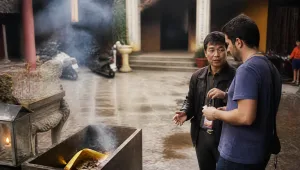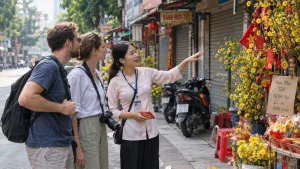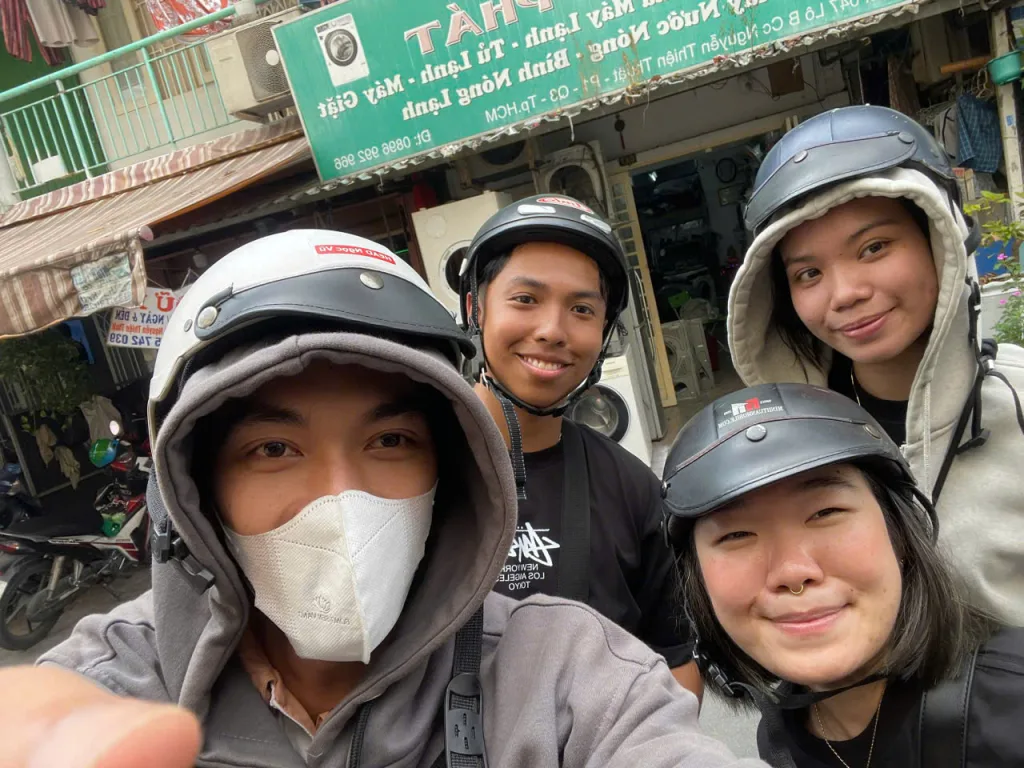

Vietnam motorcycle tour is the answer for travelers who want more than a bus window view, but are still unsure about safety, comfort, and whether the experience fits their style. Many first-time riders worry about traffic, luggage, and choosing the wrong route, so the real challenge is not the road itself, but knowing how to prepare before you start.
With the right local support, a good helmet, and a route that matches your pace, the trip becomes easier to enjoy and far less stressful. This guide gives first-time riders a clear way to decide if a Vietnam motorcycle tour is right for them, what to expect on the road, and how to avoid the common mistakes that turn adventure into frustration.
What a Vietnam Motorcycle Tour Is and Why It Appeals to Travelers
Vietnam motorcycle tour is a guided or self-guided trip that moves you through cities, mountain passes, villages, coast roads, and rural backroads on two wheels. It appeals to travelers who want a more local, flexible way to see the country without staying inside the usual tourist loop.
For many first-time visitors, the challenge is not finding places to go, but choosing a way to experience Vietnam that feels authentic and manageable. A motorcycle tour solves that by combining route planning, local road knowledge, accommodation support, and a pace that still leaves room for spontaneous stops.
A typical ride can include a mix of road types, from smooth highways to narrow scenic lanes, plus fuel stops, meal breaks, photo stops, and overnight stays in local towns. On a well-run full tour collection, the balance is usually simple: enough structure to stay safe, enough freedom to enjoy the ride.
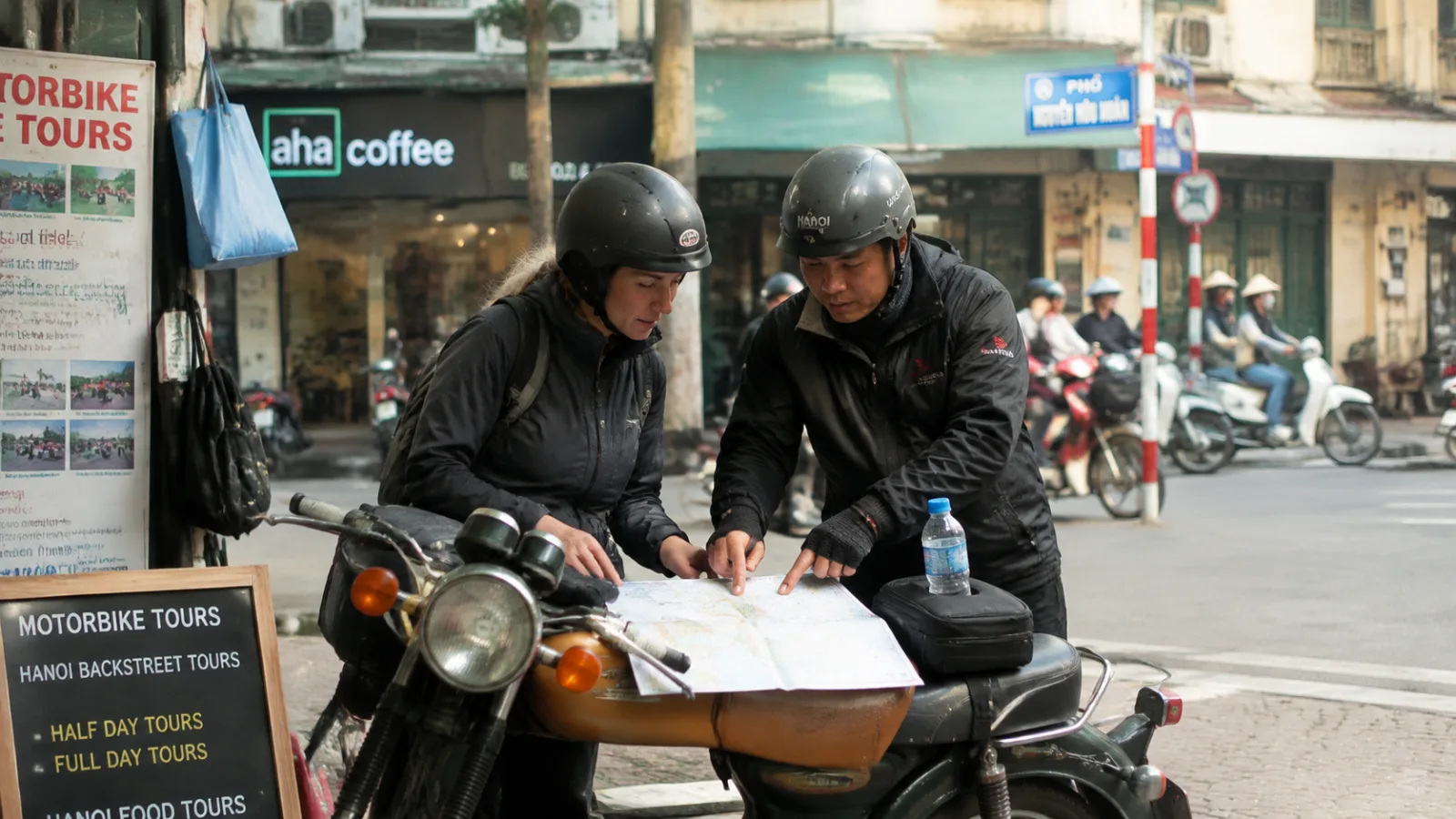
What a Vietnam motorcycle tour includes usually depends on the rider type. Standard tours focus on the bike and the route, while Easy Rider-style trips put a professional rider in control so guests can enjoy the scenery. That makes a big difference for couples, solo travelers, or families who want adventure without managing every road detail themselves.
Why motorcycle travel is popular in Vietnam comes down to access. Many of the most memorable places are not on the main tourist map, and a bike gets you closer to terraced fields, small markets, mountain viewpoints, and roadside food stops. It also makes the journey feel personal, because you notice the weather, the traffic rhythm, and the changing landscape in a way that a car or bus simply cannot.
| Criteria | Motorcycle Tour | Private Car | Group Bus |
|---|---|---|---|
| Local access | High | Medium | Low |
| Flexibility | High | Medium | Low |
A good fit is a traveler who wants scenery, local interaction, and a bit of challenge, but still values comfort and support. If you prefer direct transfers and fixed schedules, this style may feel too open-ended. But if your goal is to discover Vietnam beyond the standard itinerary, a motorbike journey is often the best match.
The best Vietnam motorcycle tour is not the fastest one. It is the one that matches your confidence level, trip length, and appetite for rougher roads, because the right pace is what turns movement into a real travel experience.
If you are comparing formats, start by checking the route style, rider support, and luggage setup before choosing a tour. That small decision usually matters more than the headline distance.
A Vietnam motorcycle tour is a road-based travel experience that combines local routes, flexible pacing, and scenic access. It is ideal for travelers who want adventure, cultural immersion, and a closer look at Vietnam beyond the main tourist trail.
When this travel style is the best fit is usually easy to spot. Choose it if you like changing scenery, local food stops, and moving through places where public transport does not reach easily. It is especially strong for solo travelers seeking independence, couples wanting a shared adventure, and families who prefer a private, supported journey with more real-world moments than a packaged sightseeing tour.
For travelers planning a wider route, it can also pair well with city-based experiences such as Ho Chi Minh City food tours or a slower stop in the north before continuing into the mountains. The key is to match the bike portion with the rest of the trip, so the whole itinerary feels connected instead of rushed.
If this sounds like your style, move to the next step and compare route length, support level, and riding format. The right Vietnam motorcycle tour is the one that gives you freedom without making the journey harder than it needs to be.
How a Vietnam Motorcycle Tour Works from Booking to Riding
Vietnam motorcycle tour planning starts with one simple question: how much riding do you want to do yourself, and how much support do you want on the road? For first-time visitors, the booking process can feel unclear because tour styles, gear, luggage, and daily logistics all change the experience. The good news is that a well-run tour is straightforward once you understand the format, what is included, and what happens each day.
In most cases, you choose a route, confirm the bike or rider setup, share your travel dates, and receive a clear plan for pickup, briefing, and departure. That means less guesswork and fewer surprises, especially if you are comparing a guided ride with a self-drive option or an easy rider experience. If you also want a city-based warm-up before heading north, you can browse Ho Chi Minh City tours or check all Toward Local tours for a wider travel plan.
A Vietnam motorcycle tour usually works in five steps: choose your tour type, confirm dates, review what is included, collect your bike or meet your guide, and ride with daily support. Most tours cover accommodation, fuel, luggage handling, route guidance, and basic safety prep, so travelers can focus on the road instead of the logistics.
Typical tour formats
Guided tours suit riders who want a lead guide, local knowledge, and help with navigation, food stops, and roadside issues. Self-drive tours work better for confident riders who want full control. Easy rider tours are popular with couples, older travelers, and beginners because a trained local rider takes care of the motorcycle while the guest enjoys the scenery.
The right format is less about skill alone and more about how independent you want to be after a long day on unfamiliar roads.
What is included in a standard motorcycle tour package
A standard package often includes a bike in road-ready condition, fuel, accommodation, breakfast, a support rider or guide, basic luggage transfer, and daily route planning. Many operators also provide a helmet, rain gear, a tool kit, and first-aid support. Before booking, ask whether meals, entrance fees, repair costs, and one-way drop-off are included, because those details can change the real price.
| Criteria | Guided | Self-drive | Easy Rider |
|---|---|---|---|
| Best for | First-time visitors | Confident riders | Relaxed travelers |
| Support level | High | Low | Very high |
| Main trade-off | Less freedom | More responsibility | Less riding control |
Example of a multi-day Vietnam motorcycle tour itinerary
Day 1 usually starts with pickup, bike check, and a short ride out of the city. Day 2 and Day 3 often move into mountain roads, local guesthouses, and longer scenic stretches with several stops for food, photos, and rest. By Day 4 or Day 5, the route may include a market town, a waterfall, or a quiet valley before returning to the main city.
A realistic itinerary keeps daily riding manageable, often 100 to 250 kilometers depending on terrain. That matters because steep curves, rain, and roadworks can slow the pace more than map distance suggests. If you want to balance nature with a softer travel style, a side trip after the tour to local food experiences can be a smart way to decompress before flying home.
If you are still deciding between bike types, routes, and support levels, choose the format that matches your comfort zone first, then compare destinations second.
The best Vietnam motorcycle tour is not the longest or the fastest one, but the one that fits your riding confidence, travel style, and appetite for local adventure. Book with clear inclusions, ask about support on the road, and you will know exactly how the trip works before the engine even starts.
Top Benefits and Real Travel Experiences on a Vietnam Motorcycle Tour
Vietnam motorcycle tour travelers usually want more than transport. They want a route that feels real, flexible, and worth the effort. The biggest value comes from reaching places that buses skip, meeting people outside the usual tourist circuit, and choosing a pace that lets the landscape and daily life actually sink in.
For first-time visitors, this format solves a common problem: Vietnam looks compact on a map, but the best scenery and local culture are spread across mountains, coastlines, and rural backroads. On a motorcycle, you do not just pass through those places. You feel the shifts in climate, sound, food, and rhythm as the day changes.
Featured insight: The real advantage of a motorcycle trip in Vietnam is not speed. It is access. You can stop at roadside tea stalls, small family farms, quiet passes, and local markets that larger vehicles rarely reach. That creates a trip that feels personal, not packaged.
Scenic access is the first major benefit. A well-planned route can move from limestone peaks to coastal roads to rice terraces without losing momentum. One morning might start in cool mountain air, then end near the sea with salted wind on your helmet. That variety is what makes a full Vietnam tour collection especially useful when you want to compare routes before booking.
In practice, this means more than nice views. It means easier access to photo stops, short hikes, and quiet villages where the road itself becomes part of the attraction. A couple riding together may remember one sharp bend above a valley more vividly than a city landmark, because the experience is earned.
The best scenic sections are often between headline destinations, not inside them. That is why route planning matters as much as the destination list.
| Criteria | Motorcycle Tour | Bus Tour | Private Car |
|---|---|---|---|
| Scenic flexibility | High, with easy roadside stops | Low, fixed schedule | Medium, but less immersive |
| Local contact | Frequent and natural | Limited | Moderate, mostly planned stops |
Cultural immersion is the second big reason travelers choose this style of trip. On a motorcycle, you notice details that are easy to miss from a window: school uniforms at dawn, farmers drying crops by the roadside, or families sharing lunch in front of their homes. These moments are not staged. They are part of the route.
That is also why local encounters feel more genuine. A mechanic may check your tire and then ask where you are from. A café owner may point to the next pass and warn you about afternoon rain. In central Vietnam, a stop near Hoi An tours can combine countryside riding with food, heritage streets, and easy conversations over coffee.
If you want a route that balances scenery, comfort, and cultural contact, choose an itinerary designed for real road conditions rather than only famous landmarks.
For solo travelers, this is often the strongest benefit. The trip feels independent, but not isolating. You can ride alone, yet still interact with hosts, mechanics, vendors, and other riders in a way that creates confidence. For couples, the shared challenge often makes the journey more memorable than a standard holiday.
Who gets the most value from this type of trip depends on travel style, not age. The best fit is usually:
- Adventure-first travelers who want changing terrain and active days
- Solo riders who enjoy independence with built-in structure
- Couples who prefer shared experiences over passive sightseeing
- Families with older children or teens who are comfortable with road travel
- Travelers from Europe, North America, Korea, or Japan who want a deeper local experience
Families get value when the route is paced well, the riding days are realistic, and the stops are chosen for comfort as well as interest. The trip should feel adventurous, but not chaotic. That balance is what turns a Vietnam motorcycle tour into a trip people talk about long after they return home.
If your goal is to see more, meet more, and remember more, a motorcycle route is one of the most effective ways to travel Vietnam. It gives you access to landscapes, people, and small everyday moments that are easy to miss on conventional tours. For the right traveler, that difference is the whole reason to go.
How to Choose the Right Vietnam Motorcycle Tour for Your Needs
A Vietnam motorcycle tour is easier to enjoy when the format matches your riding confidence, budget, and appetite for independence. The wrong setup can turn a dream route into stress, especially on long mountain days, crowded city exits, or remote roads with limited support. The right one gives you freedom without sacrificing safety, comfort, or local insight.
For solo travelers, couples, and families, the decision usually comes down to three models: guided tour, rental bike, or private driver. Each works well in different situations. The key is to be honest about your skills, the terrain you want to cover, and how much planning you want to do yourself.
Featured answer: Choose a guided tour if you want route planning and backup, a rental bike if you want full independence, and a private driver if comfort matters more than riding. Match the option to your skill level, travel style, and distance rather than just the lowest price.
Guided tours are the safest choice for first-time riders in Vietnam because they remove the hardest decisions from the trip. You still get the road experience, but a local operator handles navigation, hotels, luggage support, and timing. If you want to focus on scenery and local stops, this is often the most efficient option, especially on routes with changing weather or rough passes.
Rental bikes give the most freedom, but they also demand the most responsibility. You control the pace, stops, and detours, which is ideal for experienced riders who want to explore side roads, cafes, and smaller towns. For example, a rider who wants to spend extra time on a coastal stretch can simply adjust the day, while a guided group may need to keep moving.
Private drivers sit in the middle. This option suits couples or families who want a local expert to handle the bike while they enjoy the view from the back. It is also useful if someone in the group is not confident enough to ride alone. The trade-off is lower control, but the upside is less fatigue and less stress in busy traffic.
| Criteria | Guided Tour | Rental Bike | Private Driver |
|---|---|---|---|
| Best for | Beginners and first-time visitors | Experienced independent riders | Comfort-focused travelers |
| Main trade-off | Less flexibility | More responsibility | Less riding control |
The cheapest option is not always the best value. If you are new to Vietnam roads, the cost of a guided setup often pays for itself through saved time, lower stress, and better route choices. If you are experienced, a rental bike may be the smarter spend because it gives you more autonomy per dollar.
If you are comparing routes in the north, it helps to look at operators that know the terrain well, such as all tours of Toward Local, because route quality matters as much as the bike itself. A strong plan should match the road, the season, and the traveler, not just the headline price.
Use this simple filter. If your riding level is beginner, choose guided. If your budget is tighter and you want freedom, choose rental. If your group includes non-riders or you want the easiest trip possible, choose a private driver. That single decision usually removes 80 percent of trip regret.
For city-based trip planning, some travelers also combine the motorcycle part with a few easy local days through HCMC Food Tours or other short experiences before heading out. That helps adjust to Vietnam’s pace, food, and traffic before you commit to a longer ride.
If you are still unsure, shortlist two options and compare them against your route, riding experience, and comfort level before booking.
Choose the setup that fits your skills first, then your budget, then your dream road. That order gives you a better Vietnam motorcycle tour and a much better trip.
Safety Tips, Common Mistakes, and FAQs for Vietnam Motorcycle Tour Planning
Vietnam motorcycle tour planning is where a great ride becomes a safe, smooth trip. Most first-time riders do not struggle because the route is hard, but because they underestimate licenses, weather swings, luggage limits, and the pace of local roads. If you solve those four points early, your trip feels easier from day one.
The biggest advantage is simple: plan for conditions, not just scenery. A mountain section near Ha Giang can feel cold and wet while a coastal ride near Da Nang can turn hot and humid by noon. When riders match the bike, season, and packing style to the route, they save money, avoid stress, and enjoy the road more. For a quick route idea, you can browse all tours of Toward Local while comparing locations and ride styles.
The safest way to plan a Vietnam motorcycle tour is to verify your license, check the seasonal weather, pack light and waterproof gear, and choose a route that matches your riding confidence. Most mistakes happen when travelers rent a bike before they understand road conditions, insurance rules, or how much luggage they can realistically carry.
Mistakes first-time riders should avoid
1. Renting a bike before confirming your legal riding status. A valid permit matters more than bike size, and insurance often depends on it.
2. Packing like you are taking a car trip. On a real road day, one small duffel beats two oversized bags. If you want a mix of city and food stops before heading north, see HCMC Food Tours as a useful warm-up before the ride.
3. Starting with a long mountain day. A first day of 250 kilometers looks efficient on paper, but traffic, rain, and roadworks can turn it into an exhausting stretch.
The riders who enjoy Vietnam most are usually the ones who leave room for slow coffee stops, weather changes, and unexpected detours.
| Criteria | Safe choice | Risky choice | Why it matters |
|---|---|---|---|
| License | Verified before booking | Assumed at pickup | Affects legality and insurance |
| Itinerary | Short first riding days | Big mileage from day one | Reduces fatigue and mistakes |
| Packing | One small waterproof bag | Heavy hard luggage | Improves balance and comfort |
FAQ: license, weather, luggage, and best season
Do I need a special license? In most cases, yes. Riders should check whether their home license, International Driving Permit, or local permit is accepted for the bike class they plan to use. The safest approach is to confirm before payment, not after arrival.
When is the best season? For many routes, the dry months are easiest for new riders because roads are cleaner and visibility is better. Mountain areas can still be cool, so pack layers even if the forecast looks warm. Coastal routes may be more comfortable earlier in the day.
What luggage is best? Use a soft waterproof bag, keep weight low, and bring only what you need for three to four days at a time. Hard suitcases are awkward on narrow roads and weak back roads. If you are planning a longer northern route, a gentle comparison like Da Nang Tours can help you decide whether to ride south to north or keep the trip regional.
Weather changes faster than most packing lists, so a light rain layer is often more valuable than an extra outfit.
Quick next-step CTA for planning a tour
If you are ready to plan a Vietnam motorcycle tour, start with three decisions: your legal riding setup, your preferred season, and the type of route that fits your confidence level. Then choose the tour style that matches how much riding you want versus how much support you want on the road.
For couples, solo travelers, and families who want a safer first trip, the next step is to compare routes, ask about luggage support, and check trip dates before booking. A smart plan now saves several small problems later, and that is what turns a good ride into a memorable one.