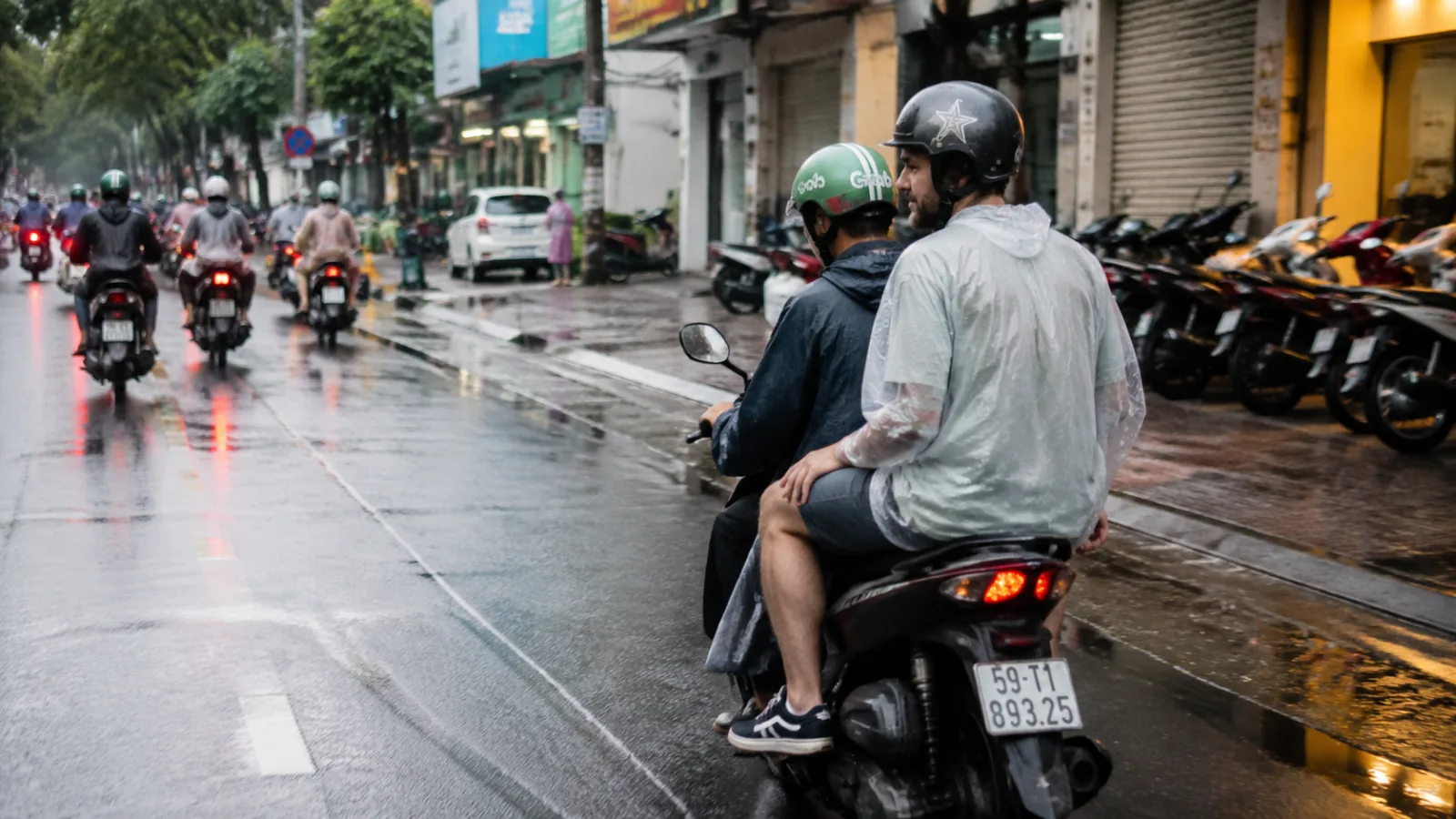

Motorbike riding in the rain feels stressful because visibility drops, wet roads lengthen stopping distance, and traction changes without warning. For commuters and adventurous travelers alike, a sudden shower can turn a normal ride into a real test of judgment, especially when traffic, puddles, and poor lighting all compete for attention.
The good news is that most rain-related risk can be reduced with simple habits: wear proper rain gear, slow your inputs, and give yourself more space to react. When motorbike riding in the rain becomes a matter of technique instead of panic, you stay calmer, protect the bike, and make smarter choices in the moment. A quick example: a rider who eases off the throttle early on shiny pavement usually stays far more stable than one who brakes hard at the last second.
Understanding Motorbike Riding in the Rain
Motorbike riding in the rain changes everything the moment the road gets wet. Grip drops, braking takes longer, and visibility can fade fast, especially for riders who are new to Vietnam’s mix of traffic, weather, and road surfaces. For solo travelers, couples, and families exploring local routes, understanding these changes is the difference between a smooth ride and a risky one.
Wet roads do not just feel slippery. They change how the tires connect with the ground, how the bike responds in corners, and how early you need to slow down. A rider who stays alert, keeps space, and reads the road surface can still travel safely, even when the rain starts unexpectedly.
Featured insight: When the road is wet, your bike needs more time, more space, and more patience. The safest response is not to ride harder, but to ride smoother, especially in places where runoff, oil, and uneven pavement make traction less predictable.
What changes first is traction. Water creates a thin layer between tire and asphalt, so the bike has less contact and less bite. That means sharper turns, fast throttle input, and sudden lane changes can all feel unstable. On local backroads, painted lines, metal covers, and patched sections often become the most slippery spots.
That is why many experienced riders adjust before the bike even starts moving: slower entry into turns, gentler acceleration, and a longer stopping distance. If you are planning a scenic route with local Vietnam tours, it helps to treat rain as a conditions check, not a reason to rush.
| Criterion | Dry Road | Wet Road | Best Response |
|---|---|---|---|
| Traction | Stable grip | Reduced grip | Ride smoother and slower |
| Braking | Shorter stopping distance | Longer stopping distance | Brake earlier and gently |
| Visibility | Clear sightlines | Faded vision | Increase distance and scan ahead |
Rain becomes especially risky when traffic is dense, puddles hide potholes, or daylight is fading. A flooded section can conceal debris, engine-threatening water depth, or sudden drops at the edge of the lane. On a busy city ride, even a small mistake can be amplified by scooters, buses, and drivers trying to reach shelter quickly.
If your route includes coastal roads, rural detours, or mountain curves, build a flexible plan and keep a backup stop in mind. A well-timed pause is often better than forcing a ride through unsafe weather.
Use this simple rule set when conditions worsen: slow down early, avoid sudden braking, stay visible, and skip flooded stretches. If the rain is heavy enough that mirrors blur and lane markings disappear, the smartest choice is to wait it out rather than gamble on the next few kilometers.
In short: wet roads reduce traction, extend braking distance, and make other road users harder to predict. The most dangerous moments are not always the heaviest rain, but the moments when a rider keeps normal speed on abnormal pavement. For motorbike riding in the rain, control comes from calm decisions, not from confidence alone.
For travelers who want to explore beyond the usual stops, choosing routes with reliable road conditions can make a big difference. If you are comparing travel options, you can also browse Ho Chi Minh City food tours for a safer, more relaxed local experience when weather turns uncertain.
Plan your ride around the weather, check your bike before departure, and choose routes that match your experience level. That is how you protect the trip, not just the bike.

How to Ride Safely in the Rain
Motorbike riding in the rain gets risky fast because grip drops, braking distance grows, and visibility disappears in traffic spray. The fix is not to rush through it. It is to slow your inputs, read the road early, and ride with more margin than you would on a dry day.
For riders exploring Vietnam or other wet tropical routes, rain is part of the experience, not a reason to stop. The smart move is to prepare before the first drop, then adjust speed, braking, and cornering so the bike stays calm while everything around you feels less predictable.
In wet conditions, ride slower than usual, brake earlier, and avoid sudden steering. Keep extra distance, use smooth throttle control, and treat painted lines, manhole covers, and puddles as low-grip surfaces. Good rain gear and high-visibility layers help other drivers see you before they react.
| Criteria | Dry Road | Wet Road | Safer Choice |
|---|---|---|---|
| Speed | Normal pace | Lower pace | Reduce speed early |
| Braking | Shorter stopping distance | Longer stopping distance | Brake gently and earlier |
Wet roads punish abrupt moves. A small twist of the throttle, a light brake squeeze, or a slow lean into a corner is usually enough. On mountain curves or city roundabouts, enter wider, look through the turn, and avoid touching the brakes mid-corner unless you have no choice.
Real-world example: a rider crossing Da Nang after sunset may meet rain, taxi spray, and slick lane paint at the same time. In that situation, the safest strategy is simple: stay upright longer, finish your braking before the turn, and let the bike roll smoothly instead of forcing it.
Rain gear matters because comfort affects control. A waterproof jacket and pants keep your body relaxed, while a full-face helmet, clear visor, and anti-fog insert preserve vision. If your hands get cold and stiff, your reactions slow down, so gloves with grip become part of safety, not just comfort.
For riders planning a local adventure, check the bike before departure and choose routes with easier pull-offs. If you want a better prepared day ride, browse all Toward Local tours and compare options that match weather and distance. Good planning lowers stress before rain even starts.
The best habit in heavy rain is patience. Leave earlier, keep more space from buses and trucks, and avoid flooded sections unless you know the road well. Water can hide potholes, open drains, and oil patches, so the smartest rider is the one who assumes the surface is worse than it looks.
Use these habits as a quick checklist:
• Keep both hands relaxed on the bars
• Brake before the hazard, not during it
• Avoid painted road markings when possible
• Pass large vehicles only when visibility is clear
• Stop if wind and rain make scanning the road difficult
When you are ready to ride with more confidence, prepare like a local and plan like a careful traveler. For riders heading south, see HCMC local tours for routes that fit city exploration, while all Toward Local tours can help you compare options for a wetter day.
In the end, safe rain riding comes down to three things: smoother control, better visibility, and slower decision-making. Keep those in place and you reduce almost every common wet-weather risk without losing the freedom that makes motorbike travel so rewarding.
Benefits and Practical Uses of Motorbike Riding in the Rain Preparation
Motorbike riding in the rain becomes far safer when the rider already knows how to prepare the bike, body, and route. The real benefit is not just staying dry. It is having better control, clearer judgment, and less panic when visibility drops or the road surface changes. For visitors exploring Vietnam on a scooter, that confidence matters as much as the ride itself.
This chapter focuses on the practical value of rain-ready preparation for solo travelers, couples, families, and adventurous riders. Whether the plan is a short city commute or a longer day trip, smart preparation helps you keep momentum without turning a weather shift into a stressful detour.
Rain-ready motorbike preparation improves safety by reducing slip risk, protecting visibility, and helping riders brake, turn, and plan with more control. It is most useful when weather changes quickly, roads are busy, or the route includes hills, coastal stretches, or unfamiliar local traffic.
Why rain-ready riding improves safety and confidence
When the road gets wet, the rider who has prepared well usually reacts more calmly. That matters because wet pavement reduces grip, and a small mistake can become a slide. Preparation also improves confidence, which means fewer sudden movements, smoother braking, and better awareness of cars, buses, and local scooters around you.
In practice, this can be as simple as slowing early before corners, checking tire condition, and using proper rain gear that does not block movement. If you are planning a scenic day ride, a useful stop for route planning is Toward Local tours, especially when you want a trip that balances adventure with comfort.
- Better grip management on wet asphalt
- Less panic in sudden rain showers
- Clearer decisions in busy traffic
| Criteria | Prepared rider | Unprepared rider | Practical result |
|---|---|---|---|
| Visibility | Uses proper rain gear and visor care | Gets distracted by water and fog | Fewer errors in traffic |
| Control | Brakes early and rides steadily | Brakes hard and turns sharply | Lower slip risk |
Common use cases for daily commuting and long-distance riding
Rain preparation is not only for big tours. It also matters during daily commuting, airport transfers, and food runs in cities where weather changes without warning. For longer rides, the value becomes even clearer because fatigue and exposure build up over time. A prepared rider saves energy by avoiding constant adjustments and unnecessary stops.
For example, a family riding from the city center to a nearby beach town may face both traffic and sudden showers. A solo traveler crossing rural roads may deal with mud, puddles, and limited shelter. In those cases, preparation is a soft form of risk control that keeps the trip moving. If your route includes central Vietnam, check Da Nang tours for ideas that fit flexible travel days.
- City commuting during afternoon rain
- Intercity rides with changing weather
- Scenic local exploration on narrow roads
When rain riding preparation matters most
The most important moments are not always the heaviest storms. They are the times when visibility changes fast, road surfaces are uneven, or traffic is crowded and impatient. Preparation matters before mountain sections, before sunset rides, and before any route where you may not find shelter quickly. That is where smart planning protects both time and safety.
If you are exploring with a couple, a family, or a small group, this is also when route choice becomes part of the safety plan. A short detour to a covered rest point can be smarter than pushing through soaked roads. For travelers building a local itinerary, Hoi An tours can help you match the right experience with the right weather window.
Rain preparation is most useful when you cannot easily stop, cannot easily reroute, or need to keep luggage and passengers dry. In those moments, the rider who prepared well keeps the trip comfortable and controlled.
Use this simple rule: prepare before the rain, not after it starts. That small habit often decides whether the ride feels chaotic or manageable.
If you want a smoother local trip plan, choose a route and timing that respects the weather instead of fighting it.
Build your next motorbike ride with better preparation, safer pacing, and smarter stops so rain becomes a manageable part of the journey, not the reason it fails.
Choosing the Right Approach for Motorbike Riding in the Rain
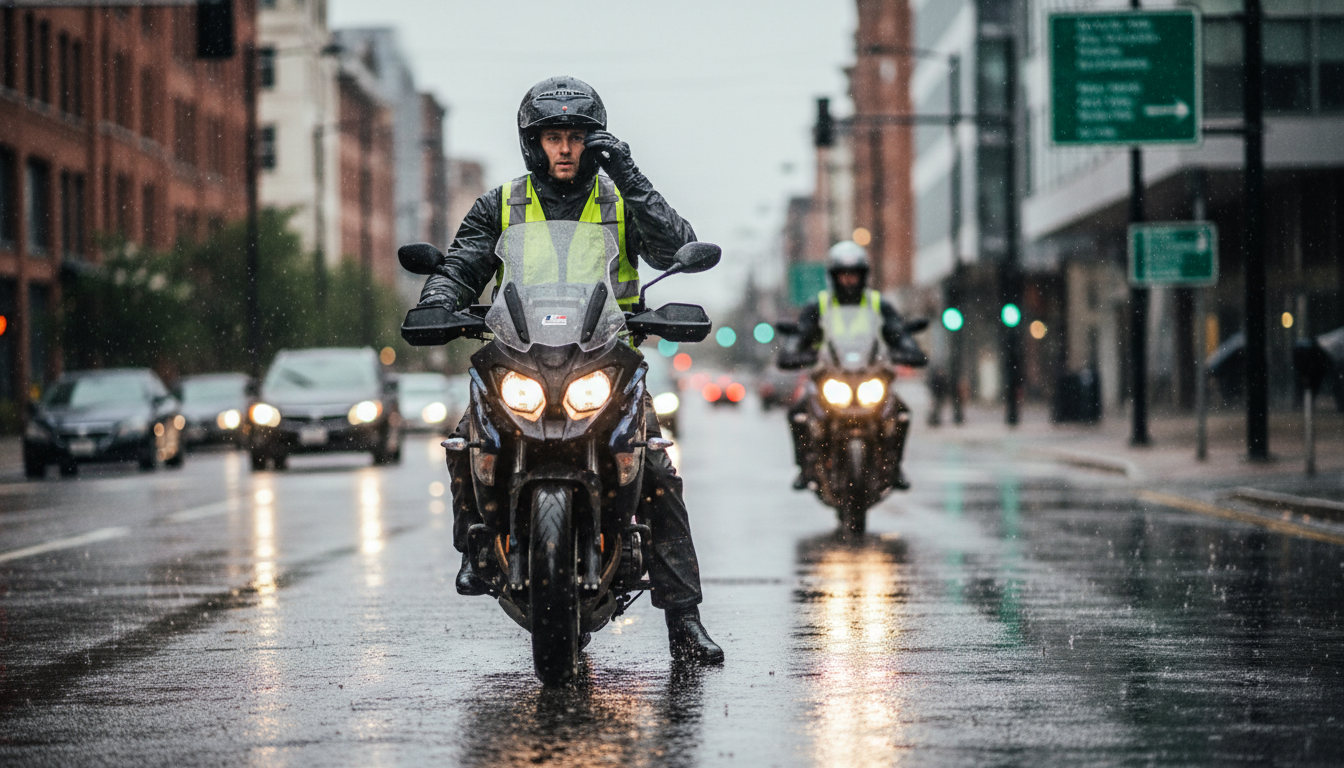
Motorbike riding in the rain forces a quick judgment: keep going, stop, or reroute. The right choice depends on how hard it is raining, how good the road grip is, and whether the trip is truly time sensitive. For travelers exploring Vietnam by scooter, a smart call can protect the ride, the bike, and your confidence on unfamiliar roads.
In light rain, cautious riding can be reasonable if your gear is ready and visibility is still clear. In heavy rain, the safer answer is often to pause or change route. That decision is not about fear; it is about reading the road early, before water, traffic spray, and slick paint lines turn a simple transfer into a risky recovery.
Featured rule: If rain is light, the road is visible, and traffic is moving steadily, ride with extra space and slower braking. If rain is heavy, drainage is poor, or the surface is polished and slippery, stop or reroute. The safest choice is the one that reduces sudden braking, blind corners, and flooded sections before they become problems.
| Criterion | Cautious riding | Stop or wait | Reroute |
|---|---|---|---|
| Rain level | Light and steady | Heavy or stormy | Rain is localized on one road |
| Road surface | Dry patches remain visible | Standing water or poor grip | Another route has better drainage |
| Trip urgency | Flexible schedule | Low urgency, safety first | Need to keep moving but can avoid risk |
When comparing light rain vs heavy rain, light rain has one major advantage: it gives you time to stay smooth. You can keep a steady throttle, avoid abrupt braking, and watch for oil slicks at intersections. The downside is that many riders get overconfident too quickly, especially when the first few minutes feel manageable. A local motorbike tour can be a safer option when you want guidance on roads and timing.
Heavy rain changes the equation fast. Visibility drops, drainage becomes unpredictable, and drivers around you may react late. If you must continue, keep your pace low, use a wider following gap, and avoid flooded dips. If the rain is mixed with wind or traffic spray, stopping at a café or shelter is often the most practical move, even for experienced riders.
The decision should also reflect weather timing, road surface, and urgency. If the forecast shows a short shower, waiting 20 minutes may be smarter than forcing a wet ride. If you are on a mountain road, gravel section, or city street with painted lane markers, grip can change dramatically from one corner to the next. Before leaving, check whether a Ho Chi Minh City experience or another route fits your schedule better than pushing through.
Use this simple decision flow: first, check rain intensity; second, scan the road for standing water, sand, or paint lines; third, judge whether the trip can absorb a delay. If two of those three look risky, stop or reroute. That mindset turns motorbike riding in the rain from a gamble into a controlled choice, which is exactly what keeps adventurous travel enjoyable.
If your route matters more than your arrival time, rerouting is often the best soft compromise. A detour through a busier road with better drainage can be faster than waiting for conditions to improve, and it may keep your day on track without unnecessary exposure. For travelers who value local discovery, that balance matters as much as speed.
When the rain is manageable, ride calmly and stay deliberate. When it is not, treat stopping as part of the trip, not a failure. If you want to keep exploring with less guesswork, browse the Da Nang tours available for weather-friendly plans and flexible timing.
In practice, the best riders do not ask how to beat the rain. They ask whether the road is still giving them enough margin to ride safely. If yes, continue with caution. If no, wait or change direction. That is the clearest way to protect both the journey and the experience.
For riders planning a longer route, choosing the right approach is part of trip design, not just road safety. A flexible itinerary, a realistic weather check, and the willingness to pause can make all the difference. If you want help matching route style to conditions, explore all Toward Local tours and choose the option that fits the day instead of fighting it.
Common Mistakes, FAQ, and Final Safety Tips
Motorbike riding in the rain becomes risky fast when riders assume wet roads only require a slower pace. The real problem is a chain of small mistakes: poor gear choice, late braking, weak visibility, and overconfidence in flooded sections. If you are planning a local adventure with Toward Local tours, understanding these gaps helps you stay in control and enjoy the ride.
The safest approach is simple: prepare for low grip before the first drop falls, then adjust your speed, spacing, and braking. In real conditions, riders who stay calm usually do better than riders who rush. A rain ride can still be manageable when you treat it as a skills check, not a race.
| Criteria | Safe Choice | Risky Choice | Why It Matters |
|---|---|---|---|
| Braking | Brake early and gently | Brake hard at the last second | Wet tires lose grip faster |
| Visibility | Use a clear visor and anti-fog care | Ride with a fogged visor | Reaction time drops when you cannot see |
To avoid slipping in wet weather, keep tire pressure correct, brake earlier than usual, reduce speed before corners, and increase following distance. Use a full rain suit, gloves, and a clear visor, then avoid standing water and oil-slick road markings whenever possible.
Mistakes riders make in wet weather often look small, but they add up quickly. Common examples include wearing loose ponchos that catch wind, riding too close to buses, or crossing flooded patches without checking depth. If water is deeper than the footpegs or you cannot see the road surface, do not gamble. For a safer city break, some travelers pair careful riding with a short guided day plan like HCMC food tours instead of pushing through severe rain.
- Do not brake suddenly on painted lane lines or metal covers
- Do not use a dark visor in heavy rain or dusk
- Do not follow larger vehicles too closely because spray blocks vision
- Do not try to power through deep water if the engine can stall
FAQ: How do you avoid slipping? Ride smoothly, avoid sudden steering, and keep your body relaxed so the bike can move naturally. What gear is essential? A waterproof jacket and pants, non-slip gloves, sturdy shoes, and a helmet with a clear visor matter most.
How do you see better in rain? Keep the visor clean, use anti-fog treatment, and slow down before your vision becomes a problem. How do you dry gear fast? Wipe off excess water, hang items in open air, and avoid direct high heat that can damage waterproof layers. Is it safe to ride in heavy rain? Only if roads are visible, drainage is normal, and you can maintain full control; if wind, flooding, or lightning increase, wait it out.
The riders who stay safest are usually the ones who decide early that the conditions are no longer worth the risk. A wet road is manageable; a flooded, dark, or windy road often is not.
For a better trip plan, prepare your rain gear before departure, check the forecast again before leaving, and choose shorter routes when the weather turns unstable. If you are exploring with family, a couple, or solo, the smartest move is to keep flexibility in your schedule and stop when the road stops feeling predictable.
When your route includes scenic stops, build in time for weather delays and avoid forced riding after sunset. If you want a safer, more enjoyable local experience, book flexible plans through Da Nang tours or compare options across destinations before you ride. Prepare properly, ride only when conditions are manageable, and let the weather shape your pace, not your judgment.