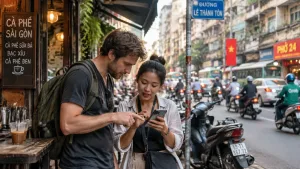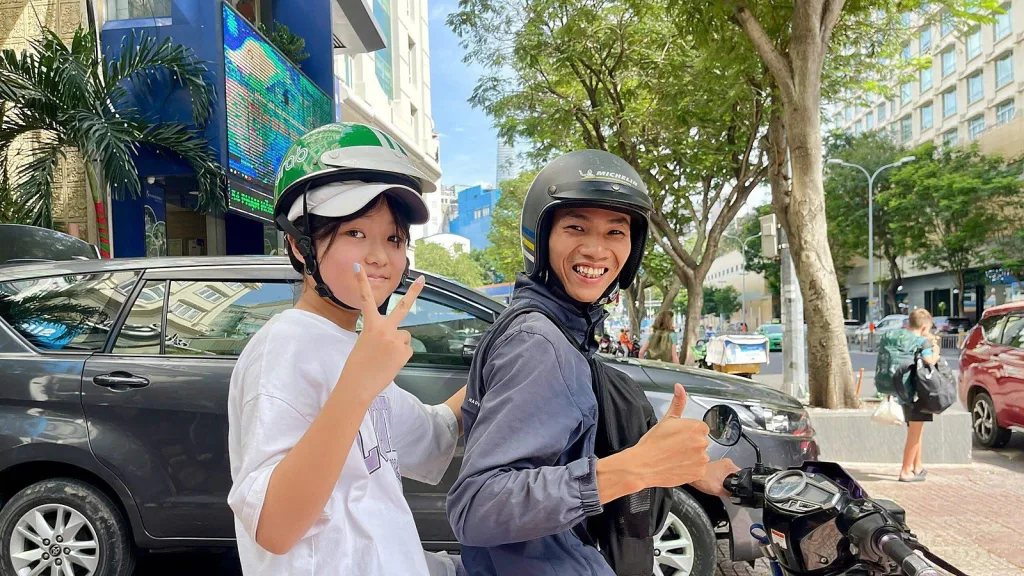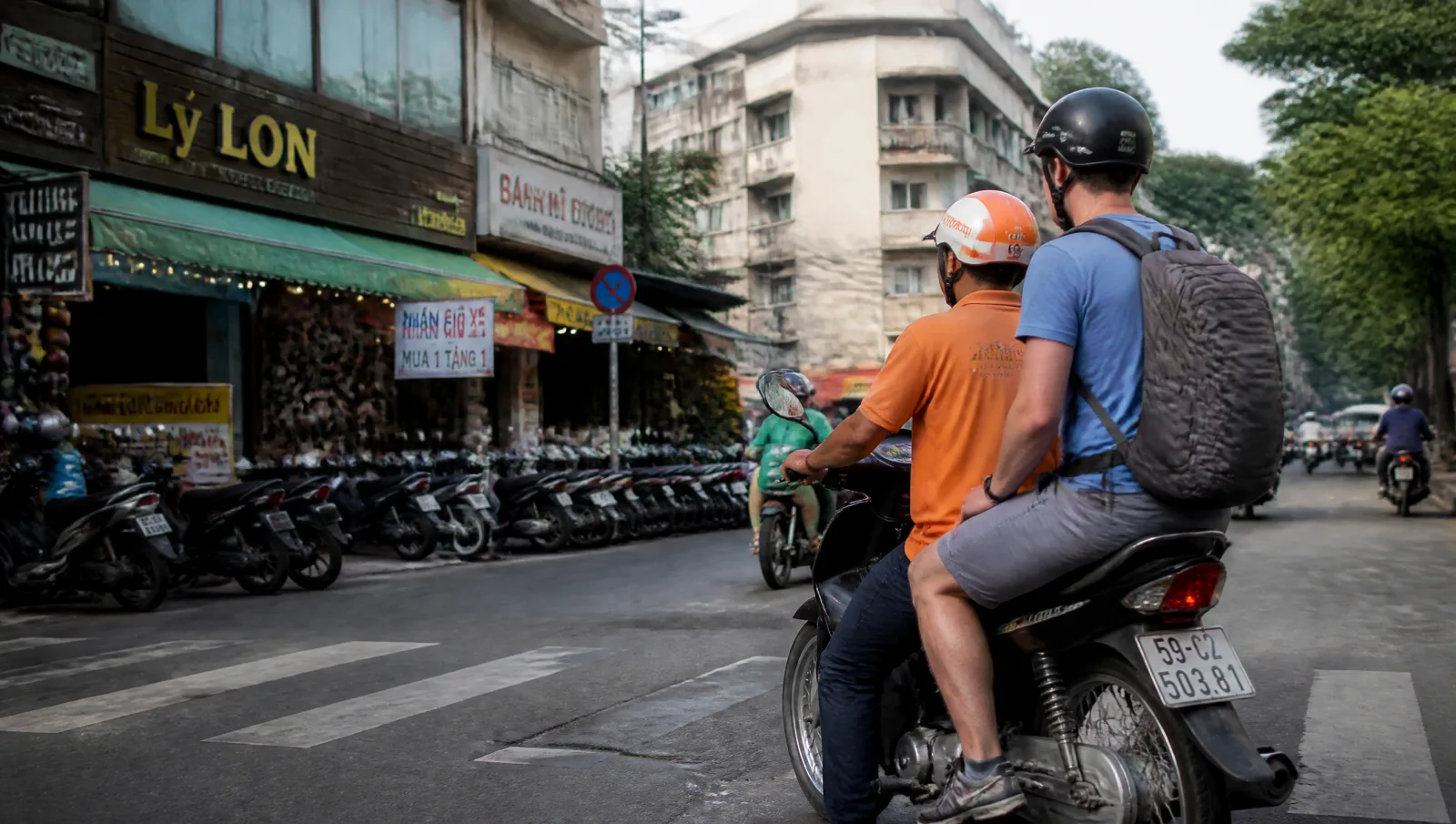

Motorbike safety in Vietnam starts with understanding that the road rhythm is different from what many first-time visitors expect. Traffic in cities like Ho Chi Minh City and Hanoi can move fast, merge often, and leave little room for hesitation, so the smartest approach is not speed but calm anticipation. If you are planning a local ride, the goal is to stay visible, predictable, and prepared.
For travelers, expats, and adventure seekers, this matters because even a short ride can become stressful without the right habits. A good helmet, steady lane awareness, and a clear route can reduce risk quickly, especially when you combine them with local transport awareness. If you want to balance exploration with comfort, you can also browse all Toward Local tours before deciding how much riding you actually need to do on your trip.
Motorbike Safety in Vietnam: What You Need to Know First
Motorbike safety in Vietnam starts with understanding that the road does not behave like a controlled system. Traffic flows in tight spaces, vehicles change direction quickly, and riders often share lanes with cars, buses, taxis, bicycles, and pedestrians. For first-time visitors, that means the biggest risk is not only speed, but unpredictability. If you are planning to ride, learning the rules of the road in real conditions is the first layer of protection, especially for anyone exploring Vietnam through a local and adventurous travel style.
In this context, motorbike safety in Vietnam is less about perfect technique and more about constant awareness. A safe rider scans ahead, expects sudden moves, and keeps enough space to react. That matters whether you are crossing a busy street in Ho Chi Minh City or joining countryside traffic near Hoi An. A short ride can feel manageable, but one distracted moment is often enough to create a close call. The goal is simple: reduce surprise, ride defensively, and choose your route with the same care you would use for any high-activity travel day.
Motorbike safety in Vietnam means riding defensively in traffic that is dense, fluid, and often unpredictable. The safest riders keep their speed moderate, avoid blind spots, watch for sudden lane changes, and stay alert at intersections, where most risky moments usually happen.
Vietnamese traffic is busy, mixed, and highly interactive, so safety starts before the engine turns on. Riders should understand three basics: lane behavior is flexible, horns are communication, and intersections demand extra attention. A scooter entering a main road can face moving bikes from several directions at once, and a family on a short city transfer may feel this immediately.
| Criteria | Safer choice | Riskier choice | Why it matters |
|---|---|---|---|
| City riding | Slow, steady, predictable | Fast lane weaving | Reduces reaction time mistakes |
| Road position | Visible, with space | Hidden beside larger vehicles | Improves visibility in traffic |
For travelers who want local experiences without unnecessary stress, it helps to plan rides around calmer hours. Early mornings are usually easier than rush hour, while rain, night rides, and dense commuter periods raise the margin of error. If you are building a broader trip plan, you can also explore Ho Chi Minh City food tours or compare options through all Toward Local tours instead of relying on self-driving in the busiest zones.
A practical example: a rider leaving a hotel at 7 a.m. may face lighter traffic, better visibility, and fewer abrupt stops than someone riding the same route after sunset. Most accidents are not caused by one dramatic event, but by a chain of small misreads such as following too closely, assuming another rider will slow down, or entering an intersection too confidently. For that reason, the safest approach is to stay alert, reduce speed before conflict points, and treat every ride as active navigation, not casual transport.
If you are a first-time visitor, solo traveler, couple, or family, the smartest move is to treat the motorbike as a convenience, not a shortcut around judgment. Choose routes with lower complexity, avoid riding when tired, and never assume local traffic patterns will feel intuitive on day one. For travelers who want adventure with more control, booking guided local experiences can be a better balance than taking on unfamiliar roads alone.
When riders are most exposed to risk is usually clear once you look at the pattern: intersections, heavy rain, dark roads, and unfamiliar neighborhoods create the highest concentration of mistakes. In those moments, the road rewards patience more than confidence. That is the real foundation of motorbike safety in Vietnam, and it is what helps visitors enjoy the trip without turning every journey into a gamble.
If you want to explore Vietnam with less pressure and more local insight, choose transport and routes that match your comfort level. Stay cautious, ride smart, and use guided experiences when the road becomes too complex for a relaxed trip.
How to Practice Motorbike Safety in Vietnam
Motorbike safety in Vietnam starts before the engine does. For first-time visitors, the biggest risk is not one dramatic mistake, but a chain of small oversights: a loose helmet strap, weak brakes, dim lights, or a tire that looks fine until the road gets wet. A few minutes of checking can turn a stressful ride into a controlled one.
If you plan to explore by scooter, treat every ride like a short safety routine. That means checking the bike, reading the traffic flow, and choosing routes that match your confidence level. It is the simplest way to stay comfortable in busy streets, whether you are riding alone, as a couple, or with family.
Before riding in Vietnam, inspect the helmet fit, brake response, lights, tires, and fuel level. Then ride defensively, keep a steady speed, and avoid sudden lane changes. In city traffic, expect close merging and frequent stops. On highways, maintain more space and pass only when visibility is clear.
Pre-ride checks should be automatic. Your helmet must sit low and snug, the strap should not twist, and the shell should have no cracks. Squeeze both brakes, test the horn, switch on the lights, and glance at the tires for cuts or low pressure. If the fuel gauge is unclear, top up early, especially before leaving smaller towns. These checks are a practical part of motorbike safety in Vietnam, not extra caution.
| Criteria | Good to Go | Fix First | Why It Matters |
|---|---|---|---|
| Helmet | Snug fit | Loose strap | Protects head in sudden stops |
| Tires and brakes | Firm and responsive | Worn or soft | Improves control in traffic and rain |
In the city, ride with calm eyes and predictable hands. Vietnamese traffic often moves like a living flow, so confidence comes from consistency, not speed. Keep your lane position stable, use mirrors often, and signal early when changing direction. A useful habit is to match the pace of local traffic without chasing it. When a gap appears, take it only if you can see the whole move, not just the opening.
On highways, the mistake many visitors make is riding too close to the bike ahead. Leave more distance than you think you need, especially after rain or on roads with sand at the shoulder. If you are unsure about an overtake, do not force it. A safer decision is often the slower one, and that is exactly how Toward Local tours help travelers enjoy the country with less pressure, because local planning can reduce the need for risky self-navigation.
A simple rule works well: if your attention shifts from the road to the scenery, slow down immediately. It is easy to get distracted by mountain curves, market streets, or coast views, and that is when riders make the wrong call. One real-world example is a couple heading from Da Nang to Hoi An who sees heavy traffic and chooses a taxi for the final stretch instead of pushing through fatigue. That choice preserves the trip.
Another example is a solo traveler who notices a front brake feeling soft near Da Nang tours routes and stops at the nearest workshop before continuing. The takeaway is simple: good riders do not try to prove anything on the road. They protect the day, the bike, and the next destination. If you want the same calm on your trip, book flexible experiences and keep your riding limited to distances you can manage comfortably.
For travelers who prefer safer exploration, use the bike for short local movement and let guided day plans cover the rest. That balance works especially well for families and first-time visitors who want adventure without unnecessary risk. The final decision should always be based on weather, road quality, traffic density, and your own fatigue. In Vietnam, the smartest rider is the one who knows when to pause, reroute, or stop.
Benefits of Following Motorbike Safety in Vietnam Guidelines
Motorbike safety in Vietnam matters because the road is full of fast decisions, tight space, and mixed traffic. For solo travelers, couples, and families, the real benefit is not just avoiding crashes, but reducing the stress that comes from riding blind in an unfamiliar system.
Good safety habits also help riders enjoy the trip more. When you know how to position yourself, stay visible, and react calmly, every short city ride feels less chaotic, and every longer route becomes easier to manage. That is especially important if you plan to explore local neighborhoods or join a guided day trip such as all Toward Local tours as part of a wider travel plan.
Featured insight: The biggest value of safe riding is not perfection. It is consistency. Small habits like checking mirrors, keeping speed predictable, and leaving extra space can prevent most common mistakes on Vietnamese roads.
How safety habits reduce accidents and stress
Safe riders make better decisions under pressure. A steady lane position, slow braking, and a clear scan at intersections lower the chance of sudden conflict with buses, cars, and other motorbikes. In real life, that means fewer near misses in dense traffic and less mental fatigue after a long day outside.
- At a red light in Ho Chi Minh City, a rider who keeps space can avoid door swings and side squeezes.
- On a wet road in Da Nang, lower speed gives you more time to stop smoothly.
- In a narrow lane near a local market, a calm pace helps you react to pedestrians and parked bikes.
Common situations where safe riding matters most
Safety matters most where traffic changes quickly. That includes roundabouts, night rides, rain, and routes where taxis, delivery bikes, and tourists all share the same road. If you are planning a food-focused city experience, checking Ho Chi Minh City food tours can also help you build a safer route by keeping the busy part of the day organized and local.
| Criteria | City riding | Tour riding | Long-distance riding |
|---|---|---|---|
| Risk pattern | Frequent stops and dense traffic | New roads and unfamiliar turns | Fatigue and changing weather |
| Best habit | Stay visible and patient | Follow local guidance and route plans | Take breaks and ride within limits |
When motorbike safety matters for tourists, commuters, and long-distance riders
Tourists need safety most when they are still learning the flow of traffic, commuters need it every day to stay consistent, and long-distance riders need it to avoid mistakes caused by fatigue. The same rule applies in all three cases: predictable riding is safer than aggressive riding.
For travelers who want a more local experience without losing control of the day, safety knowledge also supports better planning, especially when combining transport with slower activities in places like Da Nang tours. If you want local exploration with less guesswork, choose routes and activities that match your comfort level.
Use motorbike safety as part of your trip strategy, not just a warning. It protects your time, lowers stress, and helps you explore Vietnam with more confidence, whether you are riding through a city, heading to a beach town, or joining a longer road journey.
Choosing the Right Approach to Motorbike Safety in Vietnam
Motorbike safety in Vietnam starts with choosing the right way to move, not just the right helmet. For some travelers, riding gives freedom and access to local streets. For others, taxis, buses, or ride-hailing reduce risk, stress, and decision fatigue. The safest choice depends on your experience, your route, and how much traffic complexity you can handle.
If you are a first-time visitor, a solo traveler, or a family moving through dense city traffic, the lower-risk option is often not riding at all. A short taxi ride can be safer than forcing a motorbike into rain, night traffic, or unfamiliar intersections. On the other hand, confident riders on quiet coastal roads may value flexibility more than convenience.
Featured answer: choose the option that matches the road, your skill, and the consequences of a mistake. In Vietnam, that usually means reserving self-riding for low-complexity routes and using taxis or ride-hailing in crowded urban areas, after dark, or when luggage, children, or weather make balance and visibility harder.
Riding yourself gives the most control, but it also gives you full responsibility for local traffic, lane changes, and sudden stops. That matters because traffic in Ho Chi Minh City or Hanoi can feel fluid, fast, and unpredictable to newcomers. A rider who is experienced at home may still be overwhelmed here, especially on wet roads or at peak hour.
Using taxis or ride-hailing services is often the smarter safety strategy for short city hops, airport transfers, and late-night returns. It removes the hardest variables: road conditions, navigation, and parking. For travelers planning local food stops, a Ho Chi Minh City food tour can be a better fit than self-riding, because it keeps the focus on the experience instead of the traffic.
Safety is not only about driving skill, it is about reducing exposure to bad timing. A smooth route at 9 a.m. can feel very different at 6 p.m. when school traffic, delivery bikes, and buses all compete for space. That is why the same traveler may ride confidently in Da Nang but choose a car in central Hanoi.
Pros and cons vary by rider type:
| Criteria | Self-riding | Taxi or ride-hailing | Bus or transfer |
|---|---|---|---|
| Best for | Confident riders on simple routes | Most visitors in cities | Budget travelers on fixed routes |
| Main risk | Traffic exposure and mistakes | Less flexibility during delays | Slow timing and limited coverage |
For couples and families, the safest default is usually a private car or ride-hailing, especially when carrying bags, dealing with children, or crossing busy city centers. Solo travelers often want more independence, but that should not override route quality. If the road is narrow, dark, or steep, a motorcycle may be the least safe option even if it looks adventurous.
How to choose the safest option:
Start with your real riding experience, not your confidence after one easy stretch. Then check the route length, lighting, traffic volume, and weather. If any one of those factors is poor, downgrade the transport choice. A short taxi ride can be the safest part of the day, and that is a smart trade when your goal is to enjoy the trip, not test your limits.
If your itinerary includes local markets, city neighborhoods, or food-focused stops, build transport around safety first and adventure second. You will usually see more, relax more, and arrive ready to enjoy the destination.
For most travelers, the safest approach in Vietnam is to ride only when the road is simple and your skill is proven, then use taxis, buses, or ride-hailing when traffic, weather, or fatigue raise the risk. That is the most practical way to protect your trip and keep motorbike safety in Vietnam under control.
Motorbike Safety in Vietnam: Common Mistakes, FAQs, and Final Tips
Motorbike safety in Vietnam matters most when the road feels easy at first and then changes fast. New riders often underestimate local traffic flow, road surfaces, and how quickly a small error can become a serious problem. The good news is that most risks are avoidable with a few practical habits, the right gear, and a calmer pace.
For foreign travelers, especially solo riders, couples, and families exploring Vietnam locally, the goal is not to ride like a local on day one. It is to read the road, stay visible, and make simple decisions that reduce risk. If you are planning scenic stops, this kind of preparation also fits naturally with local tours in Vietnam when you want a day that is adventurous without the stress of navigating unfamiliar traffic.
Common mistakes riders make in Vietnam usually come from overconfidence. The biggest ones are riding too fast on curves, assuming every road is smooth, and staring at the bike in front instead of the whole lane. A safer approach is to keep space, slow down before turns, and expect sudden moves from buses, trucks, and scooters.
In Vietnam, the best rider is often the one who leaves the largest safety margin. That means checking brakes before departure, using both hands on the bars, and avoiding night rides if you are still adjusting to local conditions. When your route includes a city start and a coastal finish, planning transfers through Hoi An tours can remove a lot of pressure from the most technical parts of the journey.
| Criteria | Safe choice | Risky choice | Why it matters |
|---|---|---|---|
| Helmet | Well fitted, strapped, full coverage | Loose, decorative, unfastened | Protects head in sudden stops |
| Speed | Match traffic and road conditions | Fast on unknown roads | Gives time to react to hazards |
FAQ one: Do I need a helmet? Yes, and it should be a proper helmet that fits securely. FAQ two: Do I need a license? For independent riding, you should understand both your home license status and local rules before you go, because enforcement and insurance issues can follow an accident. FAQ three: Is insurance necessary? Yes, because a minor fall can still create high medical or repair costs.
FAQ four: What road rules should I know? Keep to the right, signal early, do not assume right of way, and never ride after drinking. FAQ five: Can beginners ride safely? Yes, but only on short, simple routes with daylight, low traffic, and a clear plan. If you are comparing easy-to-manage city experiences with guided options, Da Nang tours can be a smart alternative while you build confidence.
Simple safety checklist before you ride: wear a certified helmet, test brakes and lights, check tires, confirm fuel, carry water, map your route, and keep your phone charged. Ride defensively, not aggressively, and stop early if weather, fatigue, or traffic feels too heavy. That habit alone prevents many problems.
If you want the trip to stay adventurous but low-stress, plan the riding part first and build the rest of the day around it. That is the easiest way to enjoy Vietnam with confidence and still leave room for discovery. A little preparation now makes every stop, photo, and detour feel better later.
Featured tip: The safest riders in Vietnam are not the fastest or the most experienced. They are the ones who slow down at the right time, wear proper gear, and accept that local roads reward patience more than confidence.
Before you ride: check helmet, license, insurance, brakes, tires, weather, and route. If one item feels off, fix it before you leave. If you want help shaping a smoother travel plan around motorbike days, start with a route that matches your comfort level and keep the rest flexible.