
Travel emergency guide begins with one simple rule: act fast, stay calm, and protect your documents, health, and money before the problem grows. A delayed response can turn a small issue into a lost flight, a denied claim, or a night spent stranded in an unfamiliar city.
That is why this travel emergency guide focuses on the first moves that matter most for solo travelers, couples, and families exploring Vietnam and other unfamiliar destinations. Keep your passport copy, insurer hotline, and local emergency number ready, then use hotel staff, airport counters, or trusted local support to solve the problem step by step. See Toward Local tours if you want safer, well-planned local travel support while staying flexible on the road.
| Criteria | Best First Move | When to Use | Key Benefit |
|---|---|---|---|
| Lost passport | Report it to police and embassy | Before airport check-in or border control | Speeds replacement and reduces travel disruption |
| Medical issue | Go to a clinic or hospital immediately | Fever, injury, or serious discomfort abroad | Protects health and supports insurance claims |
A travel emergency guide tells you what to do first when a trip goes wrong. Save emergency contacts, document the incident, contact the right provider, and keep receipts or reports. The fastest response is usually the one that protects your safety, your identity, and your ability to continue traveling.
For a practical breakdown, think in three steps: secure yourself, secure your documents, then secure your booking or claim. If a bus is canceled, a card is stolen, or luggage disappears, a short checklist prevents panic and saves time. A soft next step is to explore Hoi An tours or other local options with support built into the plan, so you are not solving every problem alone.
The travelers who recover fastest are not the luckiest ones, but the ones who already know who to call, what proof to collect, and how to switch plans without wasting the first 30 minutes.

What a Travel Emergency Guide Covers and Why It Matters
Travel emergency guide is the practical safety layer that helps travelers respond fast when a trip goes off plan. It is not a legal manual or a general packing list. It is a simple system for handling urgent problems on the road, from health issues to lost documents, so a traveler can protect time, money, and safety without freezing under pressure.
For first-time visitors, solo travelers, couples, and families exploring local neighborhoods or remote routes, the real value is speed. When the bus is delayed in Da Nang, a wallet is stolen in Hanoi, or a passport is missing before a border crossing, clear steps matter more than good intentions. That is where a travel emergency guide earns trust.
A strong guide usually covers four things: what the problem is, what to do in the first 10 minutes, who to contact, and what proof to keep. A traveler heading into all Toward Local tours can use the same logic before any day trip or multi-day route, especially when the plan includes rural roads, crowded markets, or late-night transfers.
A travel emergency guide explains how to handle urgent travel problems such as illness, theft, delays, and document loss. It gives travelers quick actions, contact steps, and backup options so they can reduce risk, stay calm, and continue the trip with less disruption.
| Criterion | Basic guide | Strong guide | Best for |
|---|---|---|---|
| Problem coverage | One or two common issues | Health, theft, delays, documents, money | Travelers in unfamiliar destinations |
| Action quality | General advice | Clear steps, contacts, backups | Solo travelers and families |
Common situations are usually more ordinary than dramatic. A traveler may get food poisoning after a street meal, realize a phone is gone in a crowded market, miss a ferry because of rain, or notice a missing passport while checking out of a hotel. The guide matters because these moments become expensive fast when the next step is unclear.
When illness appears, the guide should point to clinics, insurance records, and emergency numbers. When theft happens, it should say what to freeze first, what to report, and what receipts to save. When delays hit, it should explain rebooking, alternate transport, and hotel extension options. When documents are lost, it should make the replacement path easier to follow.
Before booking your next off-the-beaten-path route, check whether your trip plan already includes emergency contacts, insurance details, and document backups. If it does not, add them before departure.
The best emergency preparation is not fear-based. It simply removes decision fatigue when a problem happens, which is why experienced travelers often feel calmer than beginners in the same situation.
For travelers who want local experiences with less guesswork, a travel emergency guide is part of smart trip planning, not extra stress. It helps you stay mobile, protect your booking, and recover faster when the unexpected happens.
Build your own backup plan before the trip starts, save key contacts offline, and keep copies of your passport, cards, and insurance in two places so one problem does not turn into three.
How to Use a Travel Emergency Guide Step by Step
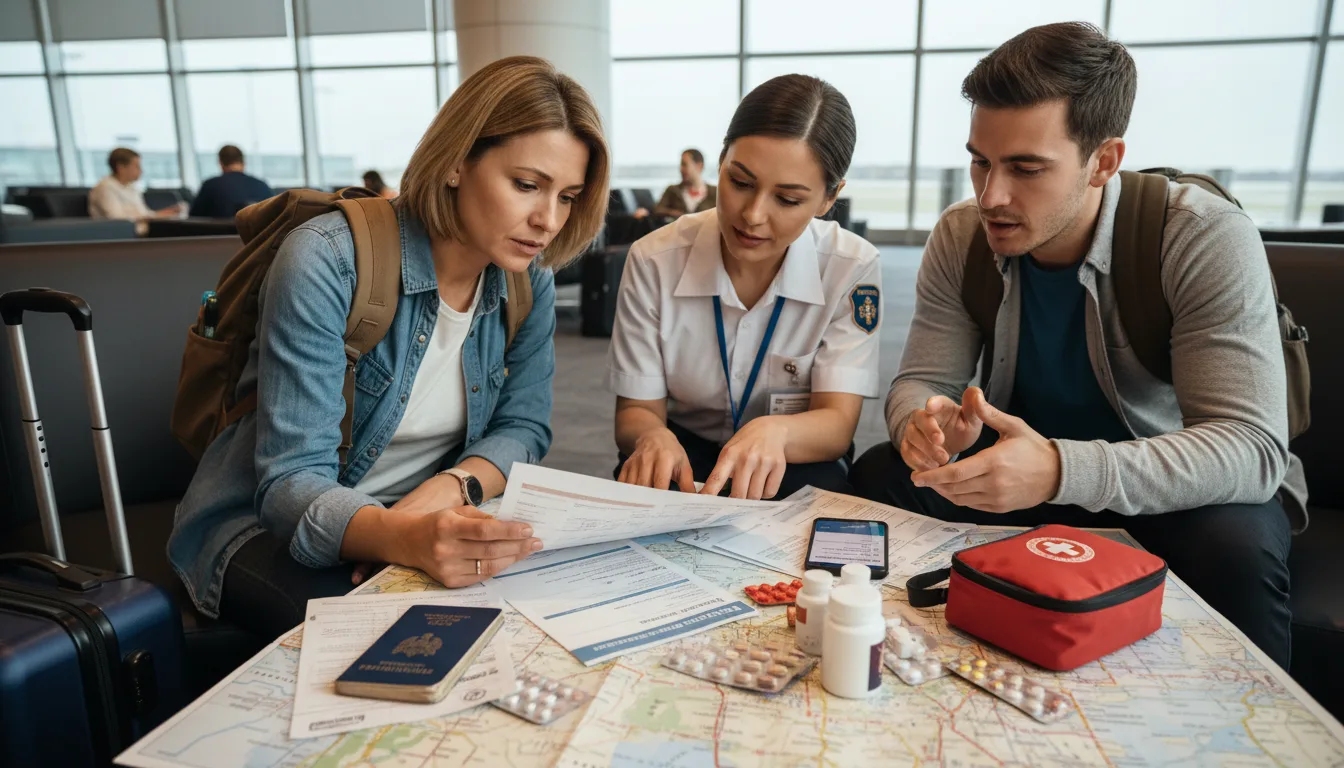
Travel emergency guide planning matters most when a trip suddenly shifts from fun to pressure. A missed bus in Da Nang, a medical issue in a remote village, or a stolen phone in a crowded market can escalate fast if you freeze. The key is not to memorize every scenario, but to follow a simple order: assess, protect, contact, and document.
For adventurous travelers, solo visitors, couples, and families exploring local places across Vietnam, a clear routine saves time and reduces panic. A good travel emergency guide helps you decide what needs immediate action, who should be contacted first, and what details must be kept for insurance or embassy support. That is where the difference between stress and control begins.
Use a travel emergency guide by first checking safety, then contacting local emergency services, your embassy if needed, your airline for travel disruption, and your insurer for claim steps. Keep your passport number, location, and receipts ready so you can act quickly without guessing.
How to Use a Travel Emergency Guide Step by Step
Start by slowing the moment down. Look for immediate danger, move away from traffic, water, unstable ground, or aggressive crowds, and check whether anyone is injured. If the situation is medical or physical, safety comes before phones, money, or bags. In places like rural Ha Giang or busy Hanoi streets, that first pause often prevents a small problem from becoming a bigger one.
Then decide what kind of emergency it is. A broken phone, lost bag, or missed transfer needs a different response from injury or theft. A quick breakdown can help:
- Health or injury: get to a clinic or call local emergency services
- Theft or robbery: move to a safe place and report it
- Travel disruption: contact the airline or booking provider
- Document loss: call the embassy or consulate
A useful takeaway: people waste time trying to solve everything at once. Instead, fix the one issue that protects health or mobility first, then handle the paperwork. If you are moving between regions and want a smoother backup plan, you can check all Toward Local tours for flexible options that fit a changing schedule.
Next, contact the right people in the right order. For medical danger, call local emergency services or ask your hotel to help immediately. For a lost passport, contact your embassy or consulate and prepare a copy of your ID details. For flight or luggage problems, go to the airline desk or use the airline app before leaving the airport. For reimbursement cases, notify your insurer as early as possible because many policies require quick reporting.
Keep the message short and practical. Say where you are, what happened, whether anyone is hurt, and what you need now. If you are in a place with limited English support, show a note with your location and passport number. For travelers combining adventure with city time, this is especially useful after long transfers such as Da Nang tours or other multi-stop trips, where timing problems can cascade quickly.
| Emergency type | First contact | What to prepare | Best next step |
|---|---|---|---|
| Medical issue | Local emergency services | Location and symptoms | Go to a clinic or hospital |
| Lost passport or theft | Embassy or police | ID copy and incident details | File a report and request support |
Before you leave the scene, document everything. Take photos of damage, tickets, receipts, names, and timestamps. Save screenshots of chat support, because insurers and airlines often ask for proof later. A soft but important step is to tell one trusted person what happened, especially if you are traveling alone or in remote areas. That simple update can speed up help if your phone battery dies or you lose signal.
Using a travel emergency guide well is mostly about sequence, not speed alone. Protect safety, contact the correct party, and keep evidence in one place. If the trip can still continue, adjust the plan calmly instead of forcing the original schedule. That mindset keeps you moving, keeps claims cleaner, and helps you stay in control when the unexpected happens.
CTA: Save this process before departure, keep your emergency contacts offline, and build a backup route for your next trip so you can travel with more confidence. If you want experiences that are easier to rework during a disruption, start with flexible local itineraries and plan around options that can adapt fast.
Essential Travel Emergency Preparedness Before You Leave
Travel emergency guide planning starts before departure, not after something goes wrong. If you are heading into Vietnam for local food, remote scenery, or a flexible adventure trip, the smartest move is to prepare for the small failures that cause the biggest stress: missing documents, no mobile data, lost medication, or no one to call when plans change.
The goal is simple. Build a system that keeps your identity, money, health, and communication protected even when your bag is delayed or your phone dies. A few minutes of setup before you leave can save hours of panic later, especially for solo travelers, couples, and families moving between busy cities and more local routes.
Before you leave, save passport copies, insurance details, prescriptions, emergency contacts, offline maps, and a charged power bank. Keep one digital backup in the cloud and one paper copy in your day bag. This simple setup helps you respond faster if documents, phone access, or medications are lost during your trip.
Start with the essentials. Put your passport photo page, visa, insurance policy, flight details, and hotel confirmations into one secure cloud folder. Add a second copy to your email and keep a printed version in your carry-on. If you lose your phone, you still have access to the information you need.
For health readiness, pack all prescription medicine in original containers and bring a small list of active ingredients in English. That matters when a pharmacy does not stock the exact brand. For trips to remote areas, bring extra doses, motion sickness tablets, oral rehydration salts, and any allergy medication you may need.
Emergency contacts should never live in one place only. Save your embassy, insurer, hotel, and one trusted person at home in your phone notes and on paper. A good practice is to add the local emergency number before departure and keep it visible on your lock screen.
| Criteria | Digital Backup | Paper Backup | Best Use |
|---|---|---|---|
| Passport and visa copies | Cloud folder and email | Printed in carry-on | Border checks and hotel registration |
| Insurance and contacts | Phone notes and PDF files | Small wallet card | Medical help and claims |
When you pack, think in layers of failure. A power bank handles dead batteries. A local SIM or eSIM handles weak signal. A small torch helps during power cuts. A compact first aid kit covers cuts, stomach issues, and blisters, which are common on active itineraries and long walking days.
Before leaving the airport, confirm your phone setup. Download offline maps, translation packs, screenshots of bookings, and key address pins. Turn on device tracking and set a strong passcode. If you want a smoother arrival in Vietnam, it also helps to review routes and timing for a planned day trip through all Toward Local tours or check the pacing of HCMC food tours if your first stop is the south.
If you are building a custom itinerary with remote stops, local food, and flexible transfers, make sure your emergency setup is finished before you book the rest of the pace around it.
Practical phone setup for crisis readiness is not complicated. Use this order: 1 save documents, 2 back up contacts, 3 download offline tools, 4 charge battery packs, 5 test access by switching to airplane mode. If everything still works, you are ready.
Prepare your backups today, not the night before departure. The travelers who stay calm in a real emergency are usually the ones who spent ten quiet minutes setting up the basics correctly.
Choosing the Right Response for Different Travel Emergencies
Travel emergency guide decisions matter because not every problem needs the same response. A stomach bug, a missing passport, and a missed flight all create stress, but the right first move is different in each case. If you know what to handle yourself, when to call for help, and when to escalate, you save time, money, and energy.
For adventurous travelers, this matters even more because local transport, remote routes, and spontaneous plans can make small issues spiral fast. The goal is not to overreact. It is to identify the risk level, protect yourself first, and then choose the fastest path to a solution. That is how a travel emergency guide becomes useful in real life.
Use this rule: if the problem affects health or safety, act immediately and contact help; if it affects documents or bookings, secure proof and contact the right provider; if it is inconvenient but not dangerous, self-solve first, then escalate only if the fix fails.
When the issue is medical, time matters most. If someone has chest pain, trouble breathing, heavy bleeding, or fainting, skip self-solving and call local emergency services right away. If it is a minor fever, upset stomach, or headache, move to a pharmacy, hydrate, rest, and ask a hotel or guide to help you find a clinic if symptoms continue. In Vietnam, a trusted hotel staff member can help you navigate local care, and after a stressful day you may want a safer reset with a local HCMC food tour once the crisis is over, because good food and a calm setting often help travelers recover their rhythm.
For a lost passport, self-solving has limits. Check your bag, room safe, and transfer documents first, then report the loss to police if required and contact your embassy or consulate. Keep photos of your passport, visa, and entry stamp stored offline and in the cloud. For a missed flight, go directly to the airline counter or app support, because speed matters more than debating the cause. If you are still adjusting plans and need a flexible fallback, browse all Toward Local tours only after your rebooking is secured, since changing your day plan is easier than fixing a missed connection.
| Criteria | Self-solve | Contact authorities | Escalate |
|---|---|---|---|
| Minor illness or delay | Yes, use pharmacy, app, or airline support | Only if symptoms worsen or booking is blocked | Emergency care or supervisor help if needed |
| Passport or safety issue | Only for quick checks and document backup | Yes, police, embassy, or local emergency line | Escalate immediately if travel is blocked or danger exists |
A smart takeaway: most travel damage comes from waiting too long to make the first call. If the issue involves injury, theft, immigration, or a missed international flight, the best move is usually to document everything, contact the right party fast, and avoid changing the story between conversations. That keeps claims, refunds, and embassy support much smoother.
For solo travelers, couples, and families exploring local Vietnam, the safest pattern is simple: solve what is reversible, report what is official, and escalate what is urgent. If the problem is not dangerous, collect evidence first, then negotiate politely. If it is dangerous, stop optimizing and get help. That is the practical difference between inconvenience and emergency.
If you are building a smarter Vietnam trip, plan for the unexpected before you need it. A flexible itinerary, backup documents, and local support contacts make the entire journey easier.
In short, choose the response by risk. Health first, documents second, bookings third. If you remember that order, you will handle most travel emergencies with less panic and better results, especially when moving through unfamiliar cities, airports, and local routes.
Save this travel emergency guide, share it with your travel partner, and keep your passport copies, insurer details, and emergency numbers ready before your next departure. Preparation is what turns a crisis into a manageable problem.
Common Mistakes, FAQ, and Final Safety Checklist
Travel emergency guide readers usually need one thing first: a clear order of action before stress turns into bad decisions. The fastest way to stay safe is to stop, confirm your location, contact the right people, and protect your documents, money, and phone before trying to solve everything at once.
Most emergency mistakes happen because travelers guess instead of checking. A solo traveler in Da Nang may rush to a random clinic, while a family in Ho Chi Minh City might leave the airport before filing a baggage report. If you are planning a more local trip, it helps to know your route and support options in advance, including Ho Chi Minh City local tours and Da Nang adventure tours that keep logistics simple when plans change.
In a travel emergency, do three things first. Move to a safe place, call the local emergency number or your hotel, and save evidence such as photos, receipts, and reports. Then contact your embassy, insurer, or transport provider in that order, depending on the incident.
| Situation | Wrong move | Better move | Why it matters |
|---|---|---|---|
| Lost passport | Searching city shops first | Report to police and embassy | Replacement starts faster |
| Medical issue | Waiting too long | Go to clinic or hospital now | Reduces risk and claim problems |
| Card theft | Checking balance repeatedly | Freeze the card immediately | Limits fraud exposure |
The best recovery plan is built before departure. Keep offline copies of your passport, insurance policy, hotel address, and emergency contacts. For travelers who want support around flexible routing or backup arrangements, all Toward Local tours can also help you compare safer local-style options with less time pressure.
what should I do first in an emergency?
First, move to a safe place and identify the exact problem. Then call the local emergency number, your hotel, or your insurer, depending on whether it is medical, theft, transport, or document related.
Who should I call?
Call police for theft, a hospital for injury, embassy for passport loss, and airline or booking support for travel disruptions.
How do I recover after the incident?
Collect records, cancel risky cards, replace documents, and write a short timeline for claims.
Common mistakes travelers make include arguing with staff, leaving without a report, trusting strangers too quickly, and forgetting to save receipts. The better habit is simple: pause, document, escalate only to the right authority, and stay reachable on a charged phone. That approach protects both safety and insurance claims.
Final safety checklist: save emergency numbers offline, keep one backup payment method, store documents in cloud and print, learn one local phrase for help, and confirm your insurance hotline before you fly. If you remember only one thing, make it this: the fastest recovery comes from calm action, not perfect preparation.
If you want a trip that feels adventurous but still organized, choose local experiences that reduce friction and give you support when plans shift. A well-planned route makes emergencies easier to handle.
Before your next departure, build your emergency folder, verify your contacts, and choose travel options that match your pace. That is the safest way to enjoy a local journey with confidence.