

Hoi An flood season can catch first-time visitors off guard because the Old Town is low-lying and water can rise fast after heavy rain. If you are planning a trip during the wet months, the main challenge is not just the flood itself, but how quickly it can change transport, walking routes, and sightseeing plans. The good news is that with the right timing and a flexible plan, you can still enjoy the town without feeling stuck.
For most travelers, the real question is whether the flood risk is enough to change the whole trip. In Hoi An, the answer depends on the month, the river level, and how close you stay to the water. A smart plan means checking the season, choosing your base carefully, and keeping room for a weather shift. If you want local experiences that still work well in rainy months, explore Hoi An tours or browse all Toward Local tours for flexible ideas.
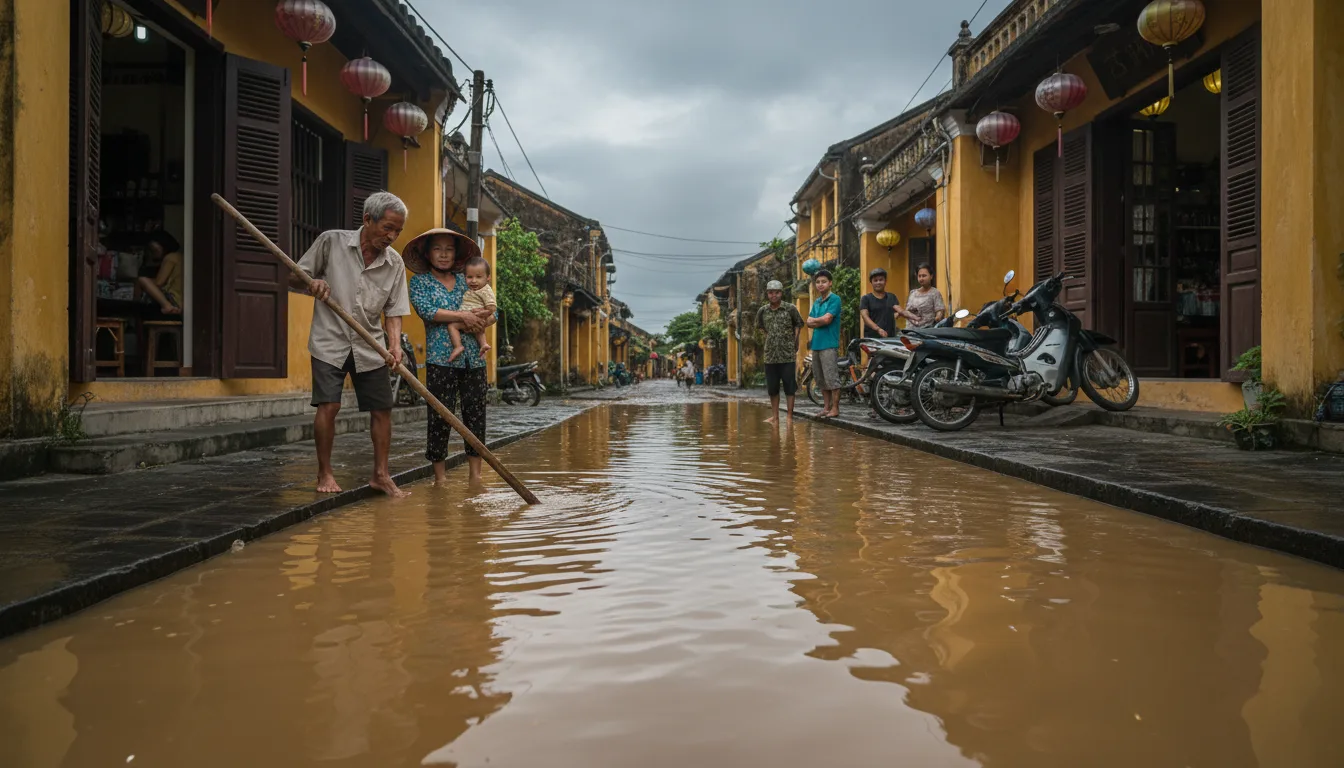
What Hoi An Flood Season Is and Why It Happens
Hoi An flood season is the period when heavy rain, river rise, and tidal pressure can push water into the streets around the Ancient Town. For travelers, it usually means planning around possible street flooding, not permanent disruption. Most years the town stays open, but riverside lanes can turn into shallow waterways for a short time.
The main reason is geography. Hoi An sits low on a river delta, close to the Thu Bon River and the coast, so rain falling inland can arrive here fast. During the rainy season, water from upstream, strong monsoon systems, and occasional typhoons can combine and raise river levels quickly. If you want a broader trip plan that fits local conditions, see our Hoi An tours and compare timing with other local experiences.
In practical terms, the months travelers watch most closely are September through November, with October and November carrying the highest flood risk. A simple rule helps: if you are staying near the riverfront, expect more exposure than if you are in higher inland areas or near the beach.
| Criteria | Lower Risk | Higher Risk | Traveler Takeaway |
|---|---|---|---|
| Location | Beach side or higher ground | Riverfront and low lanes | Choose accommodation by elevation, not only by view |
| Season | February to August | September to November | Build flexibility into bookings during peak rain months |
Hoi An flood season is the part of the year, mainly from September to November, when heavy rain, upstream river flow, and typhoon systems can cause temporary flooding in low-lying areas of Hoi An. The Old Town usually remains visitable, but riverfront streets are the most affected.
For adventurous travelers, this is not a reason to avoid Hoi An. It is a reason to time activities well, stay flexible, and know which areas flood first. A soft booking strategy and a room away from the ground floor can save a lot of stress.
If you want to explore Hoi An with better timing and fewer surprises, check the weather window before you book and consider shifting your walking plans to drier mornings. For a relaxed local base, you can also compare Da Nang tours when you want a backup plan outside the flood zone.
In short, the flood season is part of Hoi An’s identity, but it is also manageable. Travelers who understand the pattern usually get a richer trip, better photo moments, and fewer last-minute changes.
Plan your Hoi An days with the season in mind, and you will travel smarter, safer, and with more room for spontaneous local experiences.
If you are building a Hoi An itinerary, book flexible stays, watch the rainy months closely, and choose local activities that can adapt when the river rises.
How Hoi An Flood Season Affects Travel Plans
Hoi An flood season can change a trip fast, especially if you are planning to walk the Old Town, cross between riverfront streets, or move around by scooter or taxi. The good news is that most disruptions are manageable if you know what usually happens, when openings shift, and how locals adapt.
For first-time visitors, the key is not to expect a ruined trip, but a slower one with more flexibility. Some lanes may become boat-only, some attractions may open late, and transfers can take longer than usual. That is normal in the rainy months, and it is exactly why smart planning matters.
During the Hoi An flood season, walking routes near the river can close, boat traffic may replace normal movement in the Old Town, and some shops adjust hours based on water levels. Visitors should plan flexible sightseeing, keep transport buffer time, and expect the most disruption in October and November.
Typical impacts are easiest to understand by activity. Walking becomes limited in low-lying streets, sightseeing may shift to upper-floor viewpoints, and transportation can slow down when roads between Hoi An and Da Nang are affected. A useful rule is simple: if the river rises, treat the Old Town like a place to explore in short loops, not in one long plan.
| Criteria | Normal Days | Flood-affected Days | Visitor Impact |
|---|---|---|---|
| Walking in Old Town | Easy all day | Some streets close or flood | Shorter routes and slower pace |
| Transportation | Cars and bikes move normally | Delays and occasional detours | Leave extra time for transfers |
Daily activities also change in a practical way. Some cafes, shops, and heritage sites open later, close earlier, or pause service when water reaches their entrance. For a local-style experience, focus on places that stay active on higher ground, or combine your plan with Hoi An local tours that can adapt more easily to weather and street conditions.
If your dates fall in the peak rainy months, build a backup list of indoor experiences, food stops, and one flexible half-day plan. That keeps the trip enjoyable even when the weather does not cooperate.
Realistic expectations matter most in October and November, when heavy rain is more likely and the town may switch into recovery mode after a flood peak. Expect wet streets, muddy corners, occasional power or access interruptions, and slower logistics, but also expect the town to keep functioning. Hoi An is used to this rhythm, and visitors who move with it usually have a better trip.
Travelers who want to pair flexibility with local exploration can also compare options through all Toward Local tours, especially if they want backup activities outside the flooded core. The smartest mindset is simple: plan fewer fixed stops, keep one spare day if possible, and let the weather shape the order of your visit instead of the whole experience.
If you are booking during the rainy season, choose flexible accommodation, allow time buffers for transport, and prioritize walkable plans that can shift on short notice. That approach protects your schedule and keeps the trip adventurous without turning it into stress.
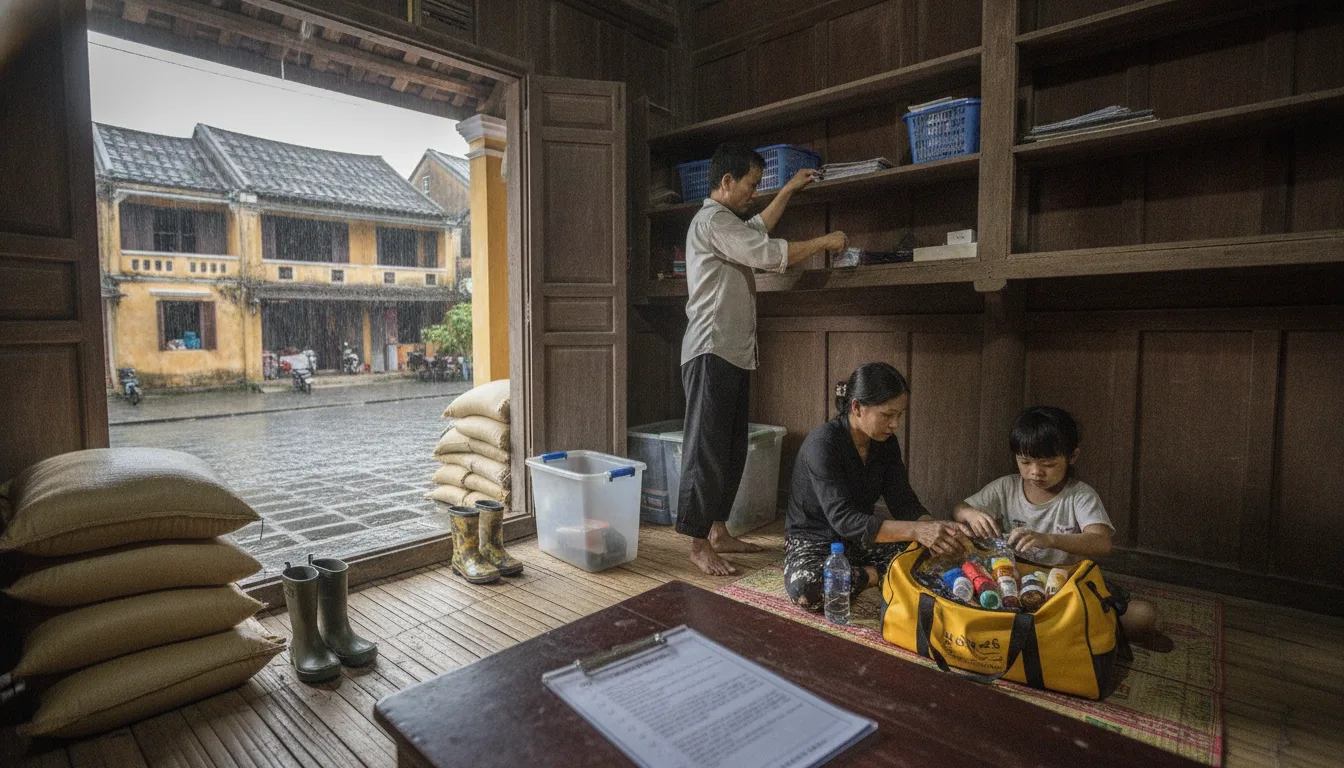
How to Prepare for Hoi An Flood Season
Hoi An flood season can catch first-time visitors off guard, but a little planning turns it from a trip risk into a manageable weather window. The key is to pack for wet streets, check alerts before moving around, and book with enough flexibility to change plans if the river rises.
For solo travelers, couples, and families, the goal is not to avoid every rainy day. It is to stay mobile, protect your valuables, and keep your itinerary realistic. In Hoi An, that usually means choosing the right shoes, watching flood forecasts closely, and staying near areas that are easy to reposition from if conditions change.
The most useful packing rule is simple: prepare for water, not just rain. A compact dry bag, quick-dry clothing, and sandals with grip matter more than fashion shoes when streets near the river begin to flood. If you are carrying a camera or phone, use a waterproof pouch before stepping into the Old Town.
Practical essentials include:
- Light rain jacket or poncho
- Waterproof sandals or trail shoes
- Dry bag for documents and electronics
- Small towel and spare socks
- Power bank and charging cable in a sealed pouch
One small insight most visitors miss: knee-deep water is not the only problem. Wet floors, slow transport, and sudden hotel relocations are often more disruptive than the flood itself. If you want to keep exploring, Hoi An tours can still work well on lighter flood days, especially for activities that start from safer pickup points.
Use weather checks as a daily habit, not a last-minute panic. Local forecasts, provincial flood alerts, and your hotel front desk are usually the fastest ways to understand what is happening. Check in the morning and again late afternoon, because river levels can change after upstream rain or dam releases.
Simple decision guide:
| Criteria | Low Risk | Medium Risk | High Risk |
|---|---|---|---|
| Street access | Dry roads | Shallow pooling | Riverfront water up |
| Plan | Normal sightseeing | Shorter outings | Stay flexible or reschedule |
A good booking strategy reduces stress before you arrive. Choose refundable hotels when possible, avoid ground-floor riverfront rooms, and leave extra time for transfers from Da Nang. A soft but important step is to keep one day open in the middle of your trip, which gives you a buffer if rain changes the schedule.
If you are comparing activities, book experiences that can shift date or time without a penalty. During the Hoi An flood season, that flexibility is often worth more than a small discount. For a wider range of options, all Toward Local tours make it easier to pick a backup plan if your original day trip needs to move.
To prepare for Hoi An flood season, pack waterproof shoes, a dry bag, and a rain jacket; check local flood alerts twice a day; and book flexible hotels and tours. Avoid ground-floor riverfront rooms, keep transfers padded, and leave room in your itinerary to reschedule if water levels rise.
Best practice: Book flexible accommodation, monitor flood alerts daily, and choose activities that can be rescheduled without extra cost. That combination keeps your trip safe, mobile, and far less stressful if rain affects the Old Town.
If your dates fall between September and November, treat planning as part of the experience. Hoi An can still be memorable in wet weather, but only if you travel with the right gear, the right booking terms, and a plan that respects the river.
For adventurous travelers, that is usually the difference between getting stuck and staying in control.
Best Time to Visit Hoi An Compared With Flood Season
Hoi An flood season is the main thing that changes the answer to when you should go. If you want easy walking, long beach days, and stress-free transfers, the dry months are the safer bet. If you are more flexible and enjoy a quieter, moodier version of town, the rainy season can still work with the right plan.
For first-time visitors, the real decision is not dry versus wet in a simple way. It is whether you want maximum comfort or a more adventurous trip with some weather risk. Couples, solo travelers, and families all use different windows, so the best travel dates depend on how fixed your itinerary is and how much disruption you can handle.
In practical terms, Hoi An flood season usually affects travel most from October to November, while February to August is much easier for sightseeing and day trips.
| Criteria | Dry Season | Rainy Months | Best For |
|---|---|---|---|
| Walking and sightseeing | Easy and comfortable | Possible but slower | First-time visitors |
| Weather risk | Low | Higher during floods | Flexible travelers |
Hoi An flood season vs dry season comes down to one key difference: access. In the dry season, the Old Town, lantern streets, and nearby rice fields are easy to move through. During the rainy months, some riverfront lanes may flood, tours can shift, and boat transport may replace walking in a few areas. A good example is an October stay, where you might still enjoy second-floor cafes and indoor food spots, but lose a full day to heavy rain.
On the positive side, rainy months can mean fewer crowds, lower hotel prices, and a more local atmosphere. The downside is simple: shorter outdoor windows, wetter shoes, and occasional schedule changes. If you are booking Hoi An tours, it is smarter to choose flexible activities like cooking classes, food walks, or craft workshops that still work when rain arrives.
How to choose the best travel window for your plans is mostly a planning exercise. If you want beach time, cycling, and day trips, aim for the dry months. If you want atmosphere, photography, and quieter streets, shoulder season can be a good compromise. For travelers who want less risk but still want to explore locally, all Toward Local tours can help you build a flexible plan around the weather.
A simple rule works well: pick dry season for comfort, and rainy season only if your schedule and accommodation can absorb change. For families and shorter trips, avoid peak flood months unless you are ready to adapt. For solo travelers and couples who enjoy a little adventure, the rainy season can still be rewarding if you keep your itinerary light and book with flexibility.
Safety Tips, Common Questions, and Travel Advice
Hoi An flood season is usually manageable if you plan with flexibility, not fear. The main risk is not dramatic danger for most travelers, but poor timing, low-lying accommodation, and a trip schedule that leaves no room to move. If you understand how local flooding works, you can still enjoy the Old Town, the riverfront, and nearby beaches with far fewer surprises.
For first-time visitors, the smart approach is simple: stay informed, avoid ground-floor river rooms, and keep transport plans loose. That matters even more for solo travelers, couples, families, and adventurous visitors who want a local experience without getting caught in avoidable stress. A little preparation turns the Hoi An flood season into a weather challenge, not a trip breaker.
The Hoi An flood season is usually not dangerous for visitors who stay flexible and avoid low-lying areas. The biggest problems are transport delays, temporary street closures, and water entering riverside buildings. Check forecasts, choose higher accommodation, and follow hotel advice if flooding starts during your stay.
Common mistakes visitors make during Hoi An flood season are easy to avoid once you know the pattern. Many travelers book a riverfront room and assume the view is worth the risk, then discover the ground floor is the first place to flood. Others schedule airport transfers too tightly, which becomes a problem when roads toward Da Nang slow down after heavy rain.
Another mistake is treating floodwater like a photo prop. Locals may still move around by boat, but tourists should stay out of moving water because currents can be stronger than they look. A safer plan is to watch from higher ground, use hotel updates, and keep one backup day in your itinerary. If you want a balanced trip plan, browse Hoi An tours for flexible travel and build your activities around weather windows.
Is Hoi An flood season dangerous, and can you still visit?
For most healthy travelers, the answer is that it is usually inconvenient rather than dangerous. Flooding in Hoi An is seasonal and often short-lived, but it can close streets, interrupt transport, and affect lower buildings near the river. You can still visit if you are prepared to adjust plans quickly.
| Criterion | Safer choice | Riskier choice | Why it matters |
|---|---|---|---|
| Location | Higher ground or beach area | Ground-floor riverside room | Lower areas flood first |
| Schedule | Flexible transfers and bookings | Tight same-day connections | Rain can delay roads and boats |
What should you do if flooding happens during your trip?
First, check with your hotel or host before moving anywhere. Local staff usually know which streets are passable, which bridges are affected, and whether it is better to wait or relocate. Second, protect your electronics, passport, and cash in a dry bag or plastic pouch. Third, change your plans instead of forcing them.
If you had a cooking class, walking tour, or dinner booking in the Old Town, ask for a later slot or a different location. Many operators can shift the time if you contact them early. For a broader backup plan, keep all Toward Local tours in mind so you can switch to another activity when the weather changes.
When is the worst month for flooding in Hoi An?
October is usually the month travelers should watch most closely, with November often following as another high-risk period. September can bring the first heavy rain, but the biggest flood risk normally arrives when tropical systems and river water stack together in late autumn. That is when delays become most likely.
A useful rule is to treat October and November as planning months, not panic months. You can still go, especially if your trip is built around food, shopping, spa time, and flexible sightseeing rather than one fixed beach plan. The practical move is to book refundable stays, leave buffer time before flights, and avoid the cheapest room if it sits right beside the river.
How to plan a safer and more flexible Hoi An trip: choose accommodation with easy relocation options, keep at least one indoor backup activity, and watch weather updates daily once you arrive. If you are traveling as a couple or family, this matters even more because changing a plan late is easier when your schedule is not overpacked. For a smoother local experience, check Da Nang tours before arrival if you want a nearby fallback outside the flood zone.
In practice, the best flood-season trip is the one that leaves room to adapt. Book with a little breathing space, listen to local advice, and treat the rain as part of the destination rather than a surprise. That approach keeps the trip safer, more comfortable, and more memorable for the right reasons.