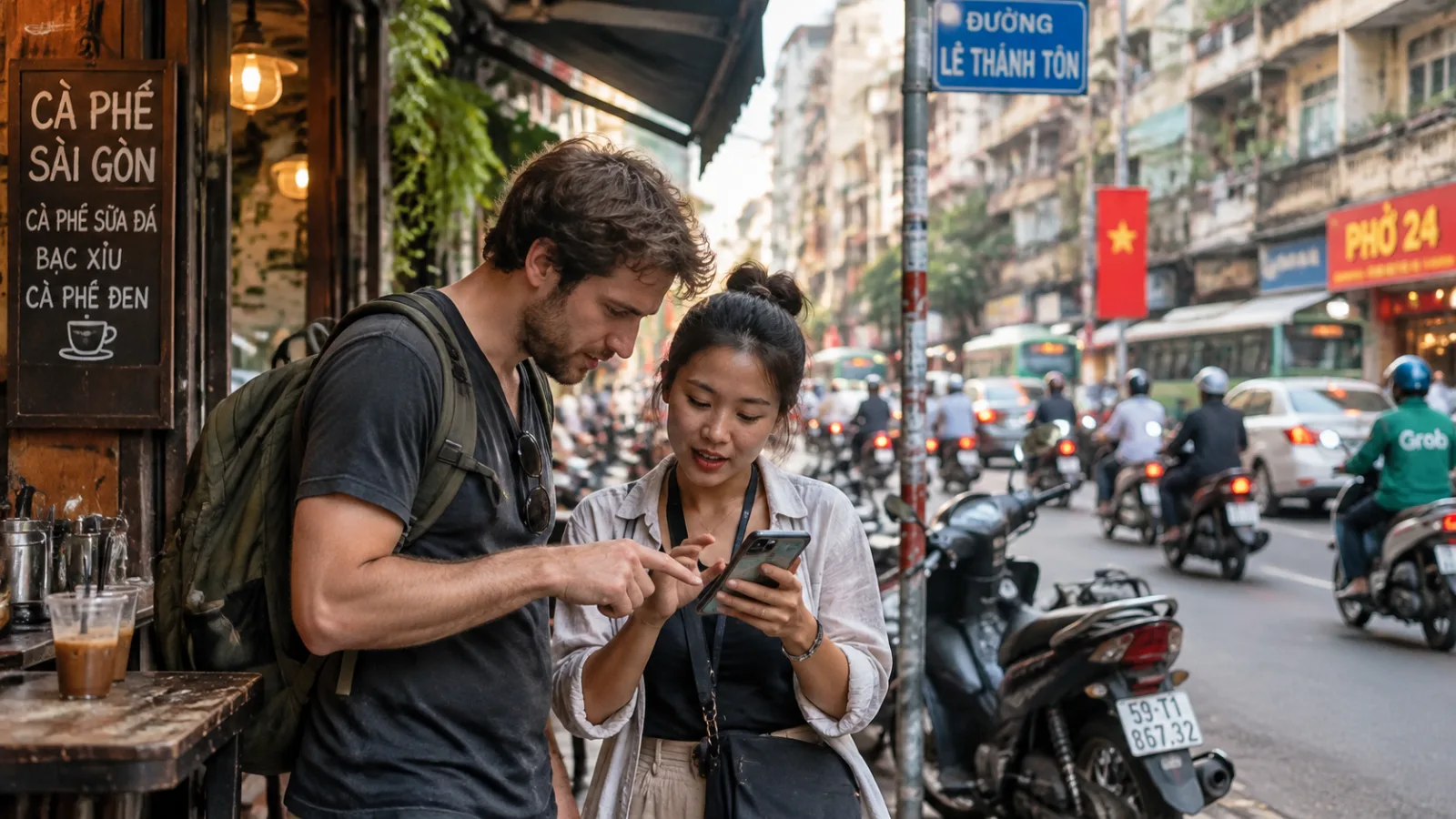

Travel apps for Vietnam can save you from the most common trip friction: getting around fast, understanding menus, and finding trusted services when you land in a new city. For first-time visitors and repeat travelers alike, the right apps turn confusing streets, cash decisions, and language gaps into simple, manageable steps.
If you are planning an adventurous route through Hanoi, Da Nang, Hoi An, or Ho Chi Minh City, the best travel apps for Vietnam should help with navigation, rides, food delivery, and communication without adding clutter to your phone. This guide focuses on tools that actually work in real travel situations, not just apps that look useful before you arrive.
| Criteria | Best for | Why it matters | Traveler fit |
|---|---|---|---|
| Navigation | Street finding and offline maps | Reduces getting lost in busy districts | Solo travelers and couples |
| Transport and food | Ride booking and delivery | Saves time in crowded cities | Families and first-time visitors |
For deeper local experiences, booking a guided day trip can still be easier than piecing everything together alone, especially when your route includes food, culture, and countryside stops. A simple starting point is Toward Local tours, which can pair well with app-based planning when you want flexibility but still prefer reliable logistics. In practice, that mix gives you both freedom and backup.
A good setup also means less time negotiating and more time enjoying the trip. When you know which apps handle maps, transport, and translation best, you can move confidently through markets, stations, and neighborhood streets while keeping your travel day smooth and efficient.
What Travel Apps for Vietnam Actually Help With
Travel apps for Vietnam help travelers move faster, pay smarter, and avoid avoidable stress in a country where street addresses, local payments, and language can change by neighborhood. For first-time visitors, solo travelers, couples, and families, the real value is not having more apps on your phone. It is knowing which ones solve a problem the moment you land.
If you are planning local food hunts, city transfers, or day trips beyond the main tourist strip, the right apps reduce guesswork. They help you confirm directions, compare prices, translate signs, and book transport without standing around and asking three different people. That is especially useful in busy places like Hanoi, Ho Chi Minh City, Da Nang, and Hoi An, where timing and location matter.
What they are and why travelers use them: these are practical tools for navigation, ride booking, translation, food delivery, and cashless payments. In Vietnam, the most useful apps usually do one of four things: show where you are, get you a ride, help you understand what is written, or let you pay without hunting for exact change. The best setups combine a map app, a ride app, a translation app, and one local payment option when available.
For example, a couple heading to a hidden cafe in Hoi An may use maps for the route, a ride app for the last mile, and translation for the menu. A family in Ho Chi Minh City may use a food delivery app after a long day out, then switch to a payment app for convenience. If you want a deeper local experience, pairing these tools with a curated day plan can save time; browse local tours in Vietnam when you want the logistics handled for you.
| Criteria | Map and Navigation | Transport and Payments | Language and Food |
|---|---|---|---|
| Best use | Find streets, hotels, and landmarks | Book rides and pay faster | Read menus and order meals |
| Traveler benefit | Less getting lost in dense cities | Clearer pricing and easier checkout | Better communication in local settings |
When you need them most in Vietnam: the biggest difference shows up on arrival day, during intercity transfers, in night markets, and when you leave major hotel zones. Rural areas, floating villages, mountain routes, and smaller towns may have weaker coverage, so offline maps and saved addresses become more than a nice extra. That is why many travelers prepare their apps before the flight rather than after landing.
A useful rule is simple. Use maps before you move, ride apps when the street is confusing, translation when you cannot confirm meaning, and delivery or payment apps when you want to save time after a full day out. If your plan includes food-focused exploration in the south, see Ho Chi Minh City food tours for an easier way to connect local eating with clear transportation.
Travel apps for Vietnam are most helpful for navigation, ride booking, translation, food delivery, and cashless payments. They matter most when you arrive, move between cities, explore local areas, or need to communicate quickly in places where signs, addresses, or prices are not always obvious.
If you want to spend less time solving logistics and more time enjoying real local experiences, choose your apps before departure and keep one backup plan for offline use.
For travelers who prefer local food, authentic neighborhoods, and smooth routing without stress, a well-planned trip is easier than a reactive one. Combine the right apps with a guided experience and you will move through Vietnam with far less friction.
How to Use Travel Apps for Vietnam During Your Trip
Travel apps for Vietnam help you move faster, avoid language friction, and make better decisions when you are navigating busy cities, rural roads, and street food areas. If you are arriving for the first time, the real challenge is not downloading apps. It is knowing which app to use at the right moment so you do not waste time, money, or energy.
For adventurous travelers, solo visitors, couples, and families, the smartest setup is a small app stack built around four jobs: getting around, understanding signs, booking transport, and paying with less stress. Used well, travel apps for Vietnam can make a day in Hanoi, Da Nang, or Ho Chi Minh City feel smoother without making the trip feel overly planned.
The core app categories are simple, and each one solves a different problem. Maps keep you oriented, transport apps help you move predictably, translation apps remove daily friction, and payment apps make checkout easier in modern cities. The best approach is not to install everything, but to choose one strong option in each category and learn it before landing.
| Criteria | Best for | Why it matters | Practical note |
|---|---|---|---|
| Maps | Walking and offline navigation | Helps in alleys, markets, and new districts | Download areas before moving around |
| Transport | Airport transfers and city rides | Shows price before booking | Use it in major cities for better control |
A practical day-by-day workflow starts before breakfast. Open your map app, check your route, and save your hotel plus the next three stops. If you plan a local food day, pair that with a transport app so you can compare ride options before peak hours. When you are exploring central districts, this is especially useful near Hoi An local tours where timing and walkability matter more than distance alone.
Midday is usually when translation saves the most time. Use the camera for menus, the voice function for quick questions, and offline packs when the signal drops near markets or small villages. If you need a structured day out, it also helps to compare your self-guided plan with Da Nang day trips so you can decide when an app-based plan is enough and when a guided route is more efficient.
In the evening, check payment and ride apps before leaving dinner or a beach area. That habit reduces uncertainty when places get busy, and it also helps families and solo travelers stay flexible. A good rule is simple: map first, transport second, translate third, pay last. That sequence keeps the day moving while leaving room for spontaneous stops.
The best way to use travel apps for Vietnam is to follow a simple routine: download offline maps, precheck ride prices, keep translation ready for menus and signs, and confirm payment options before each stop. This reduces stress, saves time, and works well for first-time visitors in both major cities and smaller local areas.
If you want a trip that feels easier but still adventurous, use apps to handle logistics and leave the experience planning to local experts who understand timing, neighborhoods, and real travel conditions.
For a deeper local experience, combine your app workflow with curated routes and flexible tours that fit your pace, especially if you want food stops, hidden streets, and less touristy moments without losing control of your schedule.

The Best Uses and Real-World Benefits of Travel Apps for Vietnam
Travel apps for Vietnam help foreign visitors move faster, communicate more clearly, and avoid the small mistakes that turn a good trip into a stressful one. For first-time travelers, solo travelers, couples, and families, the real value is not just convenience. It is better decisions in busy cities, unfamiliar food scenes, and places where English support is limited.
In practice, these apps are most useful when plans change. A rain shower hits, a driver cannot find your alley, or a local market does not accept cards. With the right tools, you can keep exploring local neighborhoods, book transport on the fly, and find trusted food or activity options without wasting half the day on guesswork.
Travel apps for Vietnam are most useful for navigation, ride booking, translation, food ordering, and activity planning. They save time, reduce language friction, and help travelers avoid tourist traps, especially in busy cities, smaller towns, and off-the-beaten-path areas.
Saving Time, Reducing Stress, and Avoiding Tourist Mistakes
The biggest benefit of travel apps for Vietnam is simple: they remove friction from everyday travel. Google Maps helps you check walking routes, entrances, and opening times before you commit to a detour. Ride-hailing apps like Grab make airport pickups and cross-city trips easier because you see the fare before you confirm. For travelers staying near local districts, that kind of clarity saves real time.
Translation tools matter just as much. A camera translator can help you understand menu items, street signs, and ticket details without having to guess. That is especially useful in markets or family-run shops where English is limited. If you are booking food, a map review, or a day tour, a quick check in apps can also help you avoid overhyped places that look popular but deliver very little value.
| Criteria | Best for | Main benefit | Typical use in Vietnam |
|---|---|---|---|
| Google Maps | Navigation and planning | Fast route checks and offline access | Finding alleys, cafes, and hidden entrances |
| Grab and similar apps | Transport and deliveries | Clear pricing and easy booking | Airport rides, city transfers, food delivery |
In Vietnam, the most stressful travel moments often come from small gaps, not big problems. A wrong pickup pin, a misunderstood menu, or a missed turn in a dense neighborhood can waste an hour. The best apps close those gaps before they become a problem.
For travelers who want a smoother city-based experience, it also helps to combine app planning with a local-led activity such as all Toward Local tours, especially when you want deeper context instead of just point-to-point logistics.
Common Travel Scenarios Where These Apps Matter Most
These apps are most valuable in real travel moments, not when you are sitting at a desk. Arriving late in Ho Chi Minh City, for example, a ride app can get you to your hotel without negotiating with taxis after a long flight. In Hoi An, a map and translation app help you move between tailors, cafes, and riverside streets without feeling rushed. For travelers seeking local experiences, that flexibility makes it easier to say yes to spontaneous stops.
They also matter when you travel as a couple or with family. Parents can check restaurant ratings, pickup times, and delivery options before children get tired. Solo travelers can use location sharing, reviews, and transit tools to feel more confident moving around after dark. If you want to pair convenience with a more local day out, Hoi An tours can work well alongside your app-based planning because you still keep control of your schedule.
Before your Vietnam trip, download the core apps, save key addresses offline, and test one payment method in advance. That simple preparation can save you a lot of stress once you land.
In practice, the best travel apps for Vietnam are the ones that support how you actually travel. If you love adventurous trips, local food stops, and flexible itineraries, use apps to handle the logistics so you can focus on the experience. For a more active city day, Ho Chi Minh City tours can complement your planning with local guidance and less uncertainty.
If you want Vietnam to feel local, efficient, and easy to navigate from day one, combine smart app use with the right local tour support. That is the fastest way to reduce mistakes, keep your trip moving, and spend more time on what matters most, which is the journey itself.

How to Choose the Right Travel Apps for Vietnam
Travel apps for Vietnam are most useful when they solve real problems fast, not when they try to do everything. For first-time visitors, the right mix usually means navigation, ride booking, translation, and food or activity planning. If you travel independently, a smart setup can save time, reduce stress, and help you move between cities, street markets, and local neighborhoods with more confidence.
The mistake many travelers make is downloading too many apps and still missing the basics. In Vietnam, coverage, offline access, and ease of use matter more than feature lists. A solo traveler may need quick safety and transport support, while couples and families may care more about simple booking, clear pricing, and fewer language barriers.
Choose travel apps for Vietnam based on three things: offline access, strong local coverage, and simple design. The best apps help you navigate, translate, book rides, and confirm places without depending on constant internet. For most travelers, fewer reliable apps beat a long list of tools you never open.
Travel Apps vs. Doing Everything Manually
Doing everything manually can work in major tourist zones, but it becomes tiring once you leave the obvious routes. You may find better food, quieter streets, and more local experiences, yet you still need a way to confirm directions, compare fares, and understand signs. That is where a few well chosen tools make a real difference, especially when you are exploring places that are less polished for visitors.
A good setup usually includes one map app, one transport app, one translator, and one booking platform. For example, a couple heading from Hanoi to a countryside cafe may check the route offline, book a car in advance, then use translation to order from a menu written only in Vietnamese. If you want more structured local experiences, you can also browse local Vietnam tours as a backup for days when planning feels too fragmented.
- Use apps when you need speed, price clarity, or language help
- Go manual when you want flexibility and already know the area well
- Blend both for local districts, smaller towns, and spontaneous detours
The best travelers are not app dependent, but app selective. They keep control while avoiding the common mistakes of overpaying, getting lost, or missing a local spot that would have been easy to find with a simple digital tool.
If you are building a custom route through Vietnam, start with a few reliable tools and add more only when they clearly improve the trip.
What to Look For: Offline Access, Local Coverage, and Ease of Use
When comparing apps, the first filter is offline access. Vietnam has excellent connectivity in many cities, but it is still normal to lose signal on boats, mountain roads, or in remote areas. A map or translator that works without data can save a full day of confusion. This matters even more for adventurers who move between urban streets and quieter local destinations in one trip.
| Criteria | Best Choice | Why It Matters | Travel Type |
|---|---|---|---|
| Offline maps | Simple navigation app | Works when signal drops | Solo, family, road trip |
| Local coverage | Ride and delivery apps | Shows what is available nearby | City travel, couples |
| Ease of use | App with clean interface | Reduces mistakes and wasted time | First-time visitors |
Local coverage is the second filter. Some apps work well in Hanoi or Ho Chi Minh City but become less useful in smaller towns, beaches, or rural provinces. A practical example is a family day trip in Da Nang, where the app should quickly show nearby restaurants, transport, and attractions without forcing too many steps. If your trip includes central Vietnam, Hoi An local tours can also complement app-based planning with easier on-ground logistics.
Ease of use is the last filter, but it affects everything. If an app takes too long to load, translate, or confirm a booking, you will stop using it when you are tired or in a rush. The best apps are the ones you can open in a busy market, understand in seconds, and trust enough to act on immediately. That simple test is often better than reading a long feature list.
Choose fewer apps, but choose them well. Build your setup around the places you will actually visit, then test each one before departure so your first day in Vietnam feels organized, not improvised.
Common Mistakes, FAQs, and Final Tips for Vietnam Travelers
Travel apps for Vietnam are useful, but they can fail when travelers treat them like a complete travel plan. The biggest mistake is trusting one app for maps, transport, food, and payments without checking local conditions. In Vietnam, network coverage, address formats, and pickup points can change fast, especially in smaller streets, night markets, and rural areas.
Another common problem is assuming every app works the same in every city. A ride app may be excellent in Ho Chi Minh City yet limited in a beach town, while a food app may struggle in places where vendors prefer phone calls or cash. The smart approach is simple: use apps as support, not as your only source of truth. If you want a smoother trip, plan key transfers in advance and keep one offline backup for maps and contacts.
Featured answer: The best travel apps for Vietnam help with navigation, ride booking, translation, and payments, but they work best when paired with offline maps, local SIM or eSIM data, cash for small purchases, and a flexible plan for cities, islands, and countryside stops.
Here is the practical checklist I recommend for first-time visitors and adventurous travelers:
- Download offline maps before arrival
- Save hotel addresses in English and Vietnamese
- Keep cash for street food and local buses
- Use translation camera mode for menus and signs
- Check reviews, then verify opening hours locally
If your trip includes local food experiences in Ho Chi Minh City food tours or a slower cultural route through Hoi An tours, apps can save time, but a good local plan saves the trip.
Quick FAQs
| Question | Best Answer | Why It Matters |
|---|---|---|
| Do I need all apps before landing | No, start with maps, ride hailing, and translation | Keeps setup simple and faster |
| Can apps replace cash in Vietnam | Not fully, especially for small vendors and rural stops | Avoids payment delays and awkward situations |
| What is the safest next step | Use apps for planning, then confirm with a local or your hotel | Reduces errors with routes and pickup points |
My final tip is to think like a local traveler, not a passive app user. Compare the app result with what you can see on the street, keep your booking details visible, and leave room for changes. For travelers who want deeper local experiences without the stress of constant planning, browse all Toward Local tours and choose one route that matches your pace.
Next step: Use your chosen apps to build a simple day plan, then lock in transport, meals, and one local activity before you go. That balance gives you freedom, fewer mistakes, and a much better Vietnam trip.





Một phản hồi