
Do I need a tour guide in Vietnam is the right question if you want a trip that feels local without wasting time on wrong turns, tourist traps, or confusing transport. Vietnam is easy to love, but not always easy to navigate, especially for first-time visitors who want to eat well, move fast, and still see the real city.
The answer depends on how independent you are, where you are going, and how much you want explained rather than guessed. In busy cities and food-heavy neighborhoods, a guide can save energy and unlock better decisions. If you are planning an adventurous trip through Hanoi, Ho Chi Minh City, or Hoi An, the smartest choice is usually the one that fits your pace, not someone else’s idea of convenience. all tours from Toward Local
Do I Need a Tour Guide in Vietnam? A Quick Overview
Do I need a tour guide in Vietnam is one of the first questions many first-time visitors ask, especially if they want local food, flexible timing, and a trip that still feels adventurous. The short answer is: not always. But in the right places and for the right travel style, a good guide can save time, reduce friction, and help you reach the kind of local experiences that are hard to find alone.
Vietnam is easy to travel through on your own in many cities, yet it also has layers that are easy to miss without local context. If you want street food with confidence, smoother transport, or deeper cultural understanding, a guide can be the difference between a good day and a great one. If you are planning beyond the obvious sights, browse all Toward Local tours to see what a locally led day can look like in practice.
A tour guide in Vietnam is most useful when you want local insight, faster navigation, safer logistics, and access to places or food spots that are difficult to find on your own. Independent travel still works well in Vietnam, but a guide becomes valuable when your time is limited, your route is complex, or you want a more personal local experience.
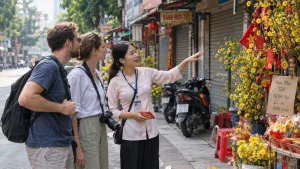
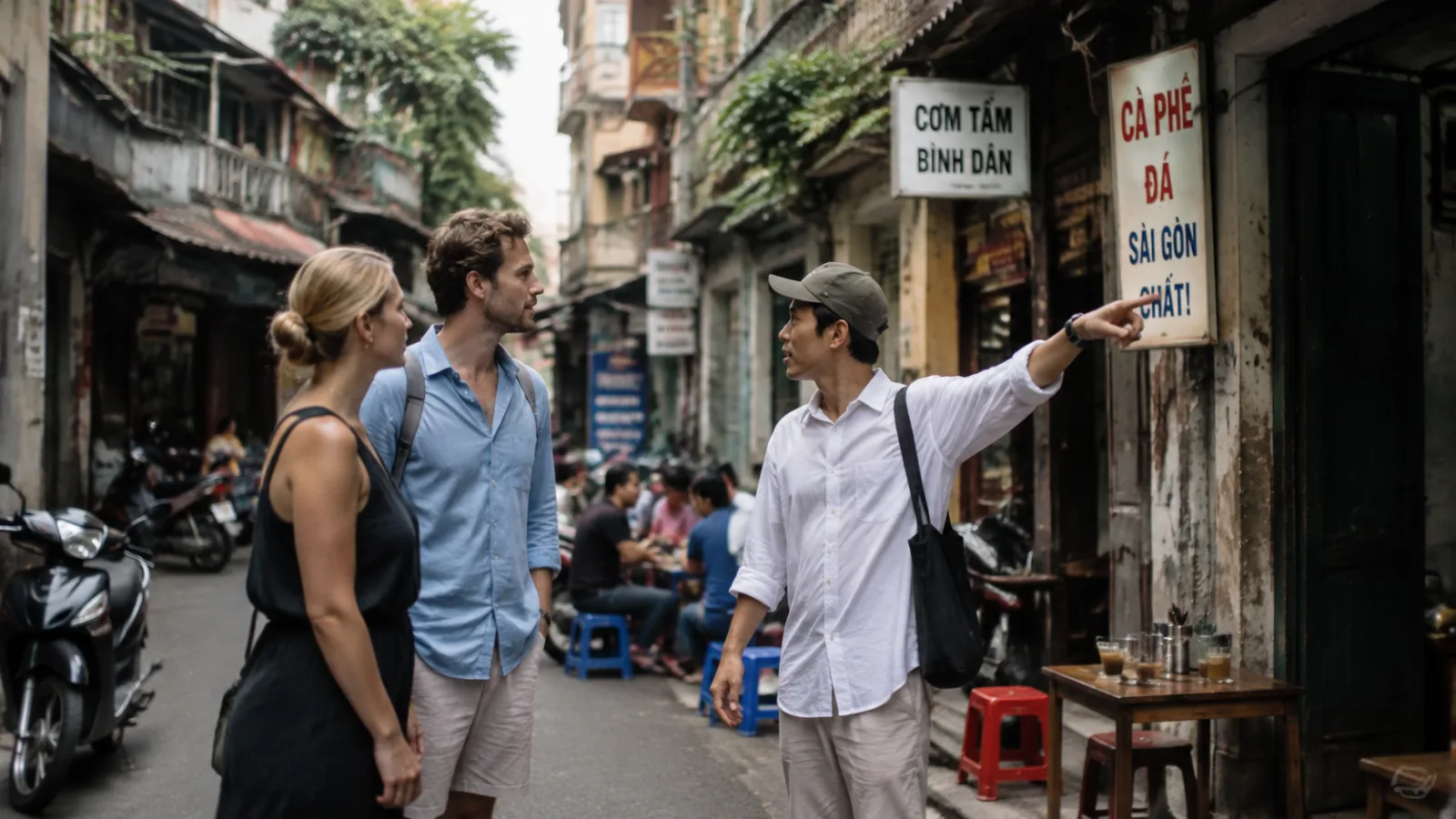
A tour guide in Vietnam does more than point at landmarks. A strong guide helps with timing, transport, local etiquette, and the small decisions that shape the day. That can mean choosing the best route through an old quarter, explaining what you are eating at a street stall, or helping you avoid a tourist trap. For travelers who care about authentic local life, that context matters more than a simple checklist of attractions.
In real terms, a guide may help you do things like:
• move efficiently between neighborhoods without wasting half a day
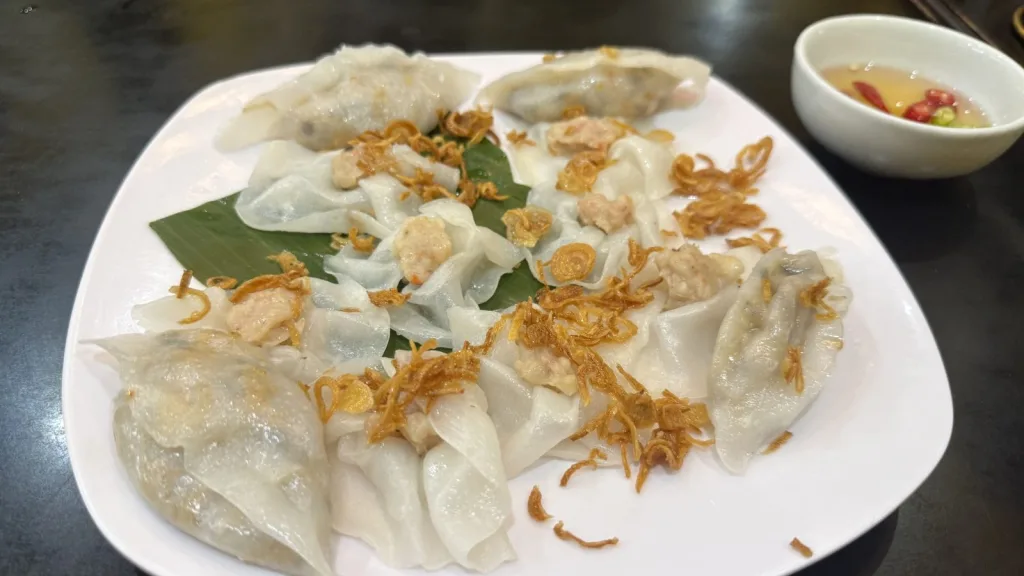
• order confidently at a local market or family-run restaurant
• understand temples, history, and customs with real background
• adjust plans quickly if the weather, traffic, or crowds change
A useful example is a half-day in Hoi An. You might already know the lantern streets, but a guide can show you quieter lanes, explain the meaning behind old houses, and take you to a lunch spot that feels genuinely local. For travelers who prefer culture over crowds, Hoi An tours can turn a simple sightseeing day into something far more personal.
If your trip is focused on food, motorbike streets, hidden alleys, or a local neighborhood feel, that extra guidance is especially valuable. The best guides do not over-script the day. They remove stress, then leave room for discovery. That balance is what many adventurous solo travelers, couples, and families appreciate most.
When a tour guide is most helpful is usually easy to spot. If you have limited time, are arriving after a long flight, or want to combine several areas in one day, a guide can keep the pace realistic. The same is true if you are traveling with children, older parents, or someone who prefers structure. In busy cities, a guide also helps with taxi confusion, food ordering, and neighborhood selection.
Think of it this way: if you only want to walk, look around, and improvise, you can travel independently. If you want a smoother day with fewer decision points, booking support makes sense. That is why many visitors use a guide for their first city, then travel solo once they feel more comfortable.
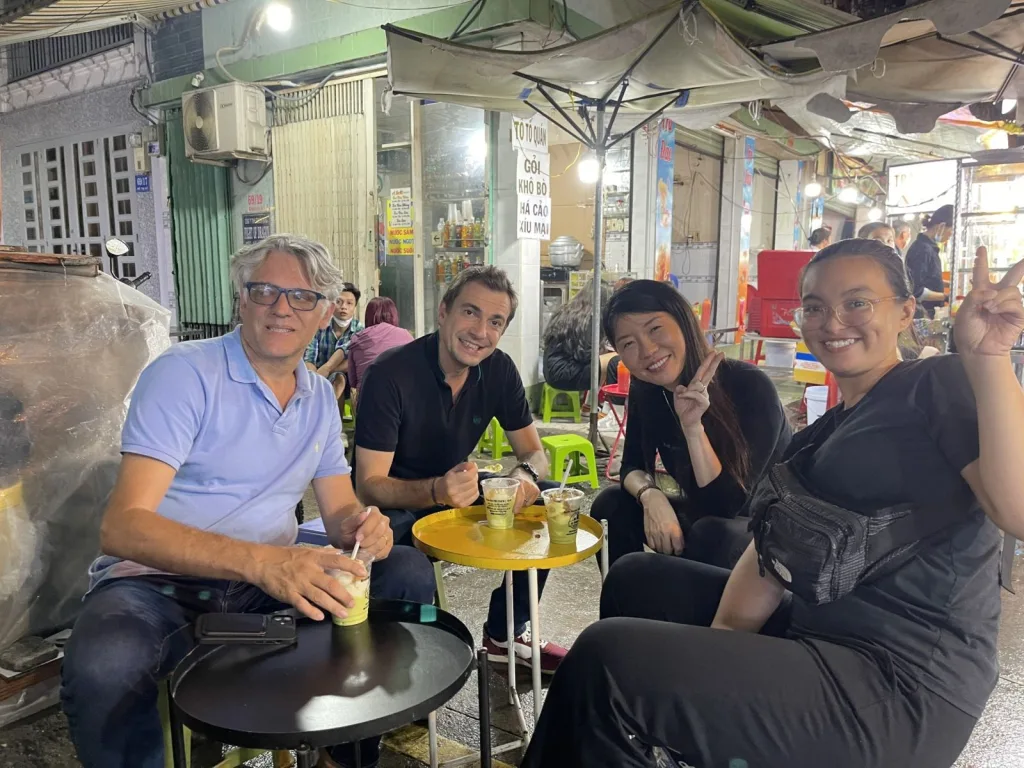
For example, if you want an easy city-food combination in Ho Chi Minh City, a guide can take you directly to spots that fit your taste instead of relying on random online reviews. For travelers who want that kind of curated local eating experience, HCMC Food Tours are a practical place to start. It is not about luxury. It is about reducing guesswork.
If you are wondering which travelers benefit the most, the answer is simple: first-timers, food lovers, solo travelers who value safety and efficiency, couples who want a smoother romantic day, and families who need a flexible pace. Adventurous travelers can still love a guide, because the best local guides do not make a trip feel packaged. They make it feel possible.
| Criteria | Go on Your Own | Hire a Guide | Best Fit |
|---|---|---|---|
| Time pressure | Works if your schedule is loose | Better for tight itineraries | Short stays and day trips |
| Local depth | Basic sightseeing | Stronger cultural context | Food, history, and hidden areas |
If you travel with curiosity but want fewer mistakes, a guide is often worth it. If you enjoy solving everything yourself, Vietnam still rewards independent exploration. The real question is not whether you can travel without one. It is whether you want a trip that feels easier, richer, and more local from the start.
For many visitors, the smartest approach is hybrid: travel independently in easy areas, then book a guide for the places where local knowledge changes everything. If that sounds like your style, see all Toward Local tours and choose the format that matches your pace, interests, and comfort level.
How to Travel in Vietnam With or Without a Tour Guide
Do I need a tour guide in Vietnam is one of the first questions many first-time visitors ask, especially if they want local experiences without wasting time on logistics. The short answer is no, not always. Vietnam can be explored independently with good apps, clear planning, and a bit of flexibility, but a guide becomes useful when you want deeper context, smoother transfers, or access to places that are easier to enjoy with local support.
For solo travelers, couples, families, and adventurous visitors, the real choice is not guided versus unguided. It is how much effort you want to spend on navigation, language, and booking decisions. In cities, self-guided travel can work very well. In rural areas, heritage sites, or food-heavy neighborhoods, a local guide may save time and reveal details you would otherwise miss.
Featured answer: You do not need a tour guide in Vietnam for most city travel, airport transfers, and simple day trips. Use Grab, maps, and offline planning if you want freedom and lower cost. Choose a guide when you value local insight, want to avoid confusion, or plan to visit multiple stops in one day.
Independent travel in Vietnam is practical if you are comfortable using mobile data, ride-hailing apps, and simple route planning. In Hanoi, Ho Chi Minh City, Da Nang, and Hoi An, most visitors can move around with Grab, Google Maps, and basic hotel advice. For a smoother start, book one of the Toward Local tours only when you want a local structure instead of building every stop yourself.
A simple self-guided plan usually includes:
• one base neighborhood per day
• transport booked through Grab or hotel taxi desks
• two to four main stops, not a packed list
• meal breaks in areas with strong foot traffic
Independent travel works best when your itinerary is light. If you try to fit too many temples, markets, and cafes into one day, the time you save by skipping a guide often disappears in transit and decision fatigue.
| Criteria | Independent Travel | Guided Travel | Best Fit |
|---|---|---|---|
| Cost | Lower and flexible | Higher but more efficient | Budget or premium travel |
| Planning effort | You manage everything | Guide handles structure | Busy travelers or beginners |
Guided travel makes sense when you want a stronger local angle. Private guides are ideal for food walks, heritage neighborhoods, or full-day sightseeing where timing matters. Group tours are better for fixed budgets, while day tours are useful when you want transport, tickets, and context in one package. If you are staying in the south, a Ho Chi Minh City food tour can be a smart way to explore street food safely without overplanning.
Use a guide if your trip includes any of these:
• a short stay with many priorities
• nature spots far from the city center
• cultural sites where interpretation matters
• family travel with mixed pacing needs
If you want to keep your trip easy but still local, compare a self-guided day with a private day tour before you book. The right format often depends less on the destination and more on how much energy you want to spend managing the day.
Real-world examples show the difference clearly. In Hanoi or Ho Chi Minh City, independent travelers often do well with food streets, museums, and central landmarks because taxis are easy and distances are manageable. In Hoi An, a guide can help you move beyond the old town and into craft villages or countryside stops, especially if you want a more authentic pace. For that style of trip, Hoi An tours are useful when you want local stories, not just coordinates.
In nature-heavy destinations like Da Nang, a guide may be worth it for Ba Na Hills, Marble Mountains, or coastal day trips where timing and transport are less obvious. For travelers who want a clean comparison, think of it this way:
• cities: often easy on your own
• nature: better with transport help
• cultural sites: better with explanation
If you want less stress, better pacing, and a trip that feels local instead of rushed, book a guide for the one day that matters most. For everything else, travel independently and keep your schedule light enough to enjoy the surprises Vietnam is known for.
Benefits of Having a Tour Guide in Vietnam
Do I need a tour guide in Vietnam is a fair question for travelers who want the local side of the country without wasting days on trial and error. If you are planning an adventurous trip through busy cities, food alleys, or rural day trips, a good guide can turn confusing logistics into a smooth, richer experience.
For first-time visitors, solo travelers, couples, and families, the main value is not just convenience. It is context, timing, and confidence. A guide helps you read the street, understand what you are seeing, and avoid the small mistakes that often cost time, money, and energy.
A tour guide in Vietnam is most useful when you want local knowledge, smoother transport, and less stress. The biggest benefits are better communication, smarter route planning, safer decisions in unfamiliar places, and access to experiences that are hard to find on your own.
Local knowledge, language help, and cultural context
A strong guide does more than translate. They explain why a street market opens at a certain hour, which dishes are worth trying, and how to behave in temples or family-owned shops. That matters in places like Hanoi’s old streets or Ho Chi Minh City’s back alleys, where the best moments often happen away from the main attractions. If you want a deeper street-food day, you can also compare options like HCMC food tours with a guide-led private route.
Local context often saves you from tourist traps before you even notice them. A guide can tell you when a menu is overpriced, when a motorbike pickup is safer than walking, and which neighborhood fits your pace. That is especially useful for travelers who want authentic experiences without spending the whole day decoding the city.
Saving time, avoiding mistakes, and reducing stress
If you are asking do I need a tour guide in Vietnam, the answer often depends on how much time you have and how much planning you want to do. A guide compresses the day: no guessing about transport, no backtracking between sights, and no confusion about entrance points, opening times, or local customs. That is a major advantage for short stays and multi-stop itineraries.
For example, a family in Da Nang may want beach time, a temple visit, and a local lunch without dealing with taxis all day, while a couple in Hoi An may prefer a slower route with hidden cafes and craft stops. In those cases, a guide can make the day feel effortless, and you can browse Da Nang tours or Hoi An tours to see how a structured local route works in practice.
| Criteria | With a guide | Without a guide | Best for |
|---|---|---|---|
| Transport and timing | Planned, efficient, low stress | Flexible but slower | Short stays and tight schedules |
| Local insight | Strong cultural context and hidden spots | Mostly self-researched | Travelers who want deeper experiences |
Best situations where a guide adds the most value
A guide is worth it when the trip includes complicated logistics, sensitive cultural sites, or a strong need for local access. Think private food hunts, countryside routes, family trips with mixed ages, or solo travel in a city you do not know yet. The value is highest when you want to explore beyond the obvious and still keep the day organized. For broader trip planning, you can check all Toward Local tours and match the style to your route.
If your Vietnam plan includes only one or two major stops, compare guided and self-guided options before you book. The right choice depends on how adventurous you want the day to feel, and how much mental energy you want to save for the actual trip.
In practical terms, a guide helps most when you want local stories, street-level confidence, and fewer costly mistakes. For many travelers, that is what turns a normal visit into a memorable one, especially when the goal is to see Vietnam in a way that feels genuine, efficient, and easy to enjoy.
If you want to see Vietnam in a more local and less stressful way, start with a guided day that fits your pace, interests, and budget. The best tours do not just show places, they help you experience the country with clarity and confidence.
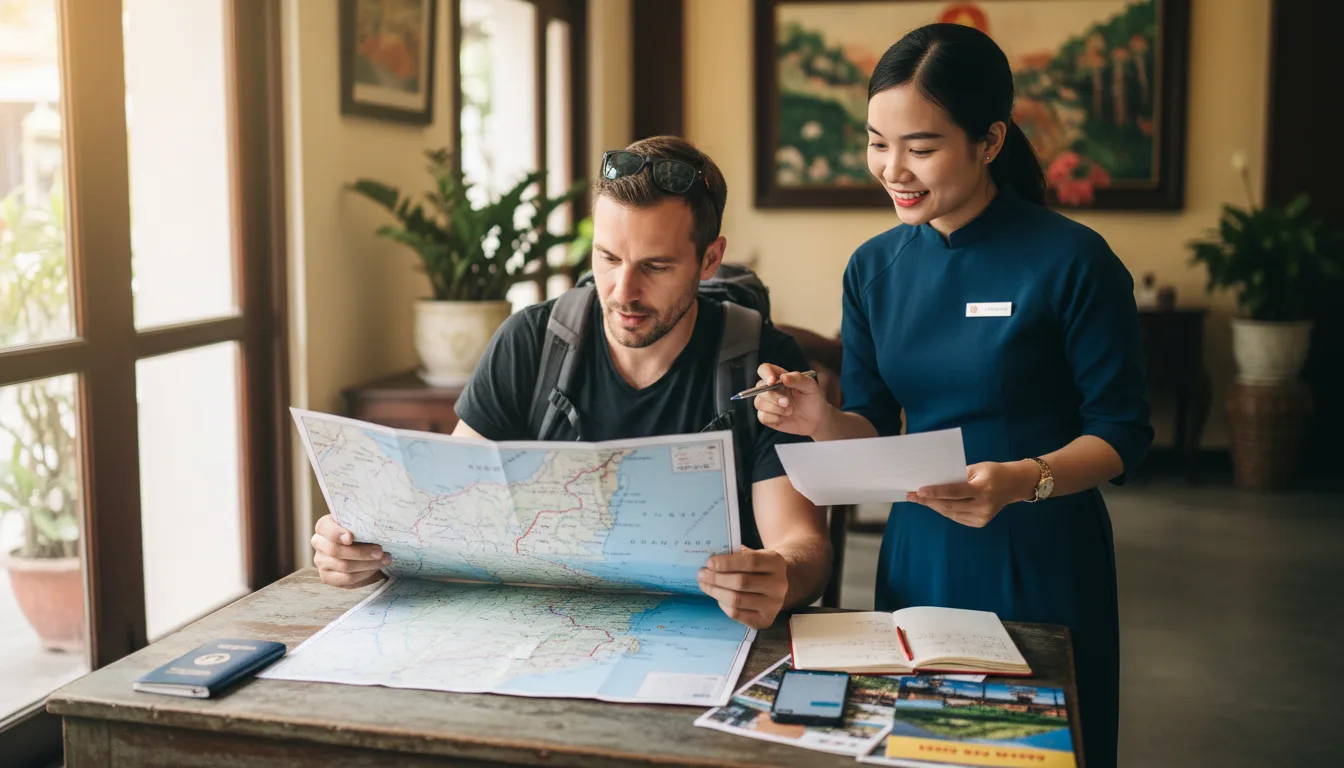
How to Decide Whether You Need a Tour Guide in Vietnam
Do I need a tour guide in Vietnam is a practical question, not a luxury question. The right answer depends on how much time you have, how adventurous you are, and whether you want easy access to local places that are harder to reach on your own.
If you love moving fast, eating well, and exploring beyond the obvious sights, a guide can remove friction without making the trip feel packaged. If you prefer full freedom and already feel confident using maps, Grab, and local transit, going solo can work well too.
Featured insight: The best way to decide is to compare three things at once: cost, convenience, and your travel confidence. If two of those feel weak, a guide usually saves time and stress. If all three feel strong, self-guided travel is often enough.
Cost is the easiest number to compare, but it is not the full story. A guide may cost more upfront, yet it can reduce wasted taxi rides, bad routing, and missed spots. For first-time visitors, that tradeoff often matters more than the daily rate.
Convenience becomes more important when your trip includes market visits, food stops, or multiple neighborhoods in one day. For example, a food-focused day in Ho Chi Minh City can run smoother with a local expert who knows where to stop, and a curated option like Ho Chi Minh City food tours can be useful if you want local flavor without planning every move yourself.
Travel confidence is the last filter. If you feel comfortable reading streets, ordering transport, checking opening hours, and handling small surprises, solo travel is realistic. If that sounds tiring, a guide gives structure, local context, and faster decisions, especially in busy cities or during a short stay.
| Criteria | Go Solo | Hire a Guide | Best For |
|---|---|---|---|
| Budget | Lower upfront cost | Higher upfront cost, fewer mistakes | Solo travelers and flexible couples |
| Ease | More planning needed | Simple routing and local support | Families and first-time visitors |
| Confidence | Good if you like uncertainty | Better if you want backup | Adventurous but time-sensitive trips |
A simple rule: if you are visiting one city for two or three days and want food, culture, and local neighborhoods, a guide often adds value. If you are staying longer and enjoy slow discovery, solo travel gives more room to wander. For travelers heading to the central coast, Da Nang tours are a strong middle ground when you want both flexibility and insider access.
Hiring a guide is worth it when you want fewer logistics and more depth. You get faster movement, clearer explanations, and easier access to places that can feel confusing without local knowledge. That matters most for families, older travelers, and anyone planning a packed itinerary.
Going solo works better when your trip is about spontaneity. You can stop at a café, change plans, or follow a street that looks interesting. The downside is that you may spend more time on research, transport, and translation, especially outside the most tourist-friendly areas.
For couples: choose a guide if the trip is short, food-heavy, or built around one region. Choose solo if you want a slower, more private rhythm and already enjoy figuring things out as you go.
For solo travelers: choose a guide if you want local confidence on day one. Choose solo if meeting strangers, navigating apps, and adjusting plans feels easy.
For families: a guide usually wins because it saves energy and keeps the day organized.
For a balanced option, start with one guided day and keep the rest open. That gives you a local reset without losing independence. If you want to compare all styles before deciding, browse all Toward Local tours and match the format to your pace.
In short: hire a guide if your trip is short, packed, or high-pressure. Go solo if your schedule is loose, your navigation skills are strong, and you enjoy the process as much as the destination.
If you want a Vietnam trip that feels local without being overwhelming, choose one guided experience and build the rest around it. That is often the easiest way to stay adventurous and still travel smart.
Decision rules: choose a guide when you want convenience, local access, and less risk of wasting time. Choose solo when you value freedom, lower cost, and confident self-navigation. For many travelers, the smartest answer to do I need a tour guide in Vietnam is not always yes or no, but which part of the trip deserves local support.
If you are ready to make Vietnam easier, safer, and more rewarding, book a guide for the day that matters most and keep the rest flexible. That approach gives you local insight, more comfort, and a trip that still feels like your own.
Mistakes to Avoid + FAQs About Tour Guides in Vietnam
Do I need a tour guide in Vietnam is the right question to ask before you lock in hotels, transport, and day trips. For many first-time visitors, the real issue is not whether Vietnam is easy to visit, but whether the trip will feel smooth, safe, and worth the time once you arrive.
If you like local streets, food stalls, motorbike energy, and flexible planning, the answer depends on your travel style. A guide can help you avoid costly detours, language friction, and tourist traps, while solo or self-led travel may still work well in places with strong maps, Grab, and dense city centers.
Featured answer: You do not always need a tour guide in Vietnam, but a guide is valuable when you want faster logistics, deeper local insight, and easier access to hidden food spots, villages, or one-day routes. If your trip includes complex cities, rural day trips, or limited time, booking a local expert often saves stress and improves the experience.
Common mistakes first-time visitors make usually come from overplanning or underestimating local reality. A good example is assuming every attraction is easy to reach on foot, when in fact a short ride can save an hour. Another common issue is choosing a generic group tour for a trip that is really about local discovery, such as a Ho Chi Minh City food tour or a private alleyway walk.
Travelers who want local, adventurous experiences often regret booking too late. By the time they ask for help, the best guides, food stops, and time slots are already gone.
| Criteria | Self-guided travel | Local tour guide | Best fit |
|---|---|---|---|
| Navigation | Good in central areas | Handled for you | First-time visitors |
| Local access | Limited to what you find | Better hidden spots | Food lovers and explorers |
Top FAQs: do I need a tour guide in Vietnam, and what should I book? Start with your route, not the product. If you are staying in one city and enjoy researching, a simple self-planned day may be enough. If you want a smooth experience in Da Nang, coastal roads, market stops, or mixed land and food planning, a local option such as Da Nang local tours can make the day far easier.
What should you book depends on three things: time, comfort, and curiosity. Book a guide when you want custom pacing, insider food stops, or local context. Book transport only when you mostly need movement. Book a full tour when you want a clear route, a trusted host, and fewer decisions during the day.
If you are comparing options, shortlist one guided experience and one independent plan, then compare the real effort required to do each well.
Final tip: choose the option that protects your energy, not just your budget. Solo travelers often prefer freedom, couples want a balance of privacy and efficiency, and families usually benefit from structure, safe timing, and fewer surprises. If you are heading to Hoi An, a focused local experience like Hoi An guided tours can be the difference between a rushed visit and a memorable day.
Use this simple decision rule: if the day includes hidden streets, food hunting, rural transfers, or a fixed time window, book a guide. If the day is mainly casual wandering in a compact area, go independent. If you want a broader view of what is available, browse all Toward Local tours and choose the format that matches your pace.
Book the option that fits how you like to travel, then let the local side of Vietnam do the rest.