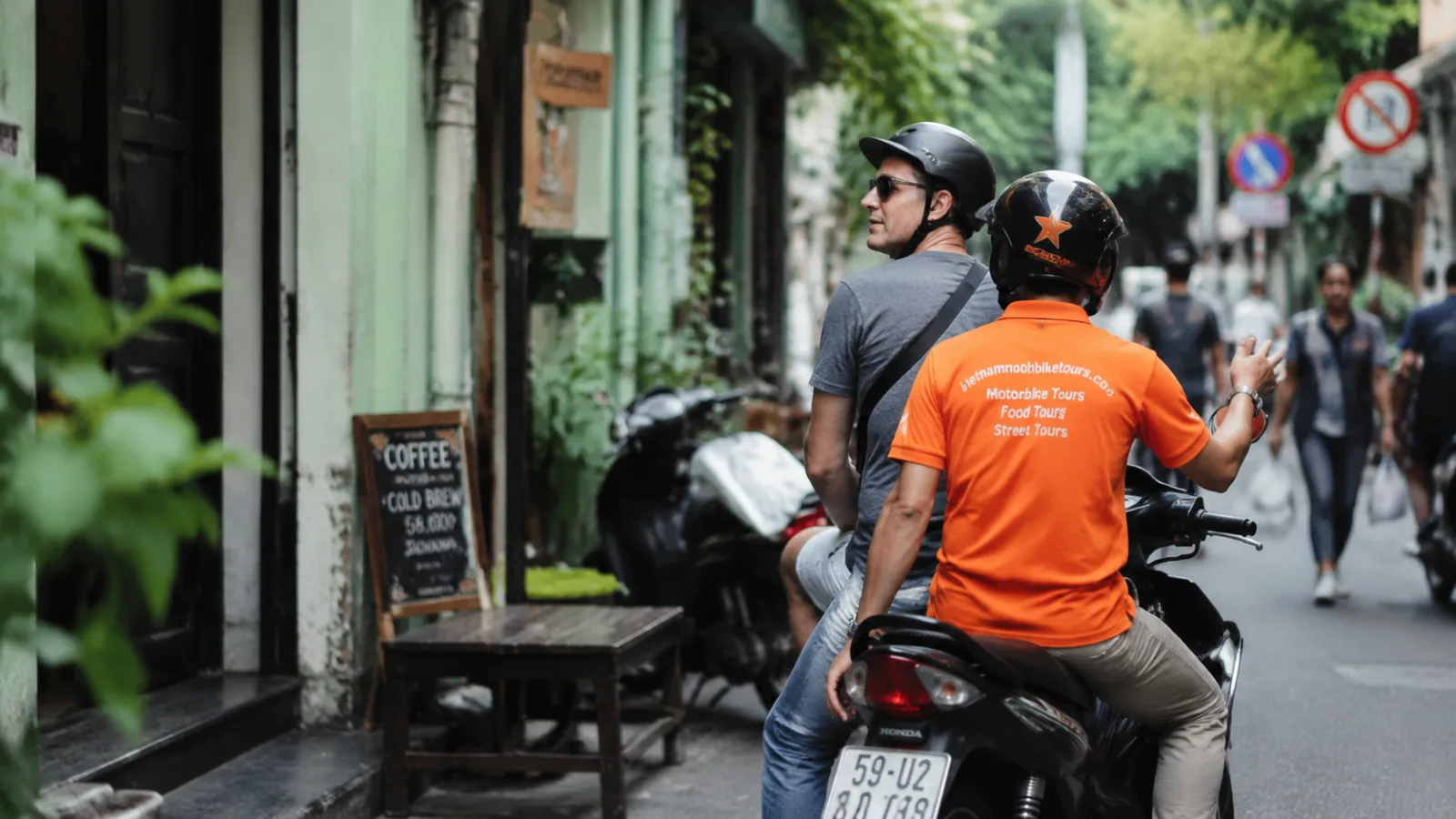

Motorbike passenger sitting position is often the difference between a relaxed ride and one that feels cramped, shaky, or unsafe. Many first-time pillion riders sit too stiffly, lean the wrong way, or hold on too hard, which can make the bike less stable and the journey less comfortable for both people.
The right motorbike passenger sitting position supports balance, helps the rider steer more smoothly, and lowers the risk of sudden movement in traffic. In pillion riding, small posture changes matter: sit centered, stay relaxed, and follow the bike naturally. For a quick overview of motorcycle safety basics, check our local tours when planning a slower, more guided ride.
| Criteria | Pillion posture | Effect on comfort | Effect on control |
|---|---|---|---|
| Seated too far back | Unstable and tense | Less support on bumps | Harder for rider to balance |
| Centered and relaxed | Natural upper body alignment | More comfort over distance | Better rider control |
Understanding the Motorbike Passenger Sitting Position
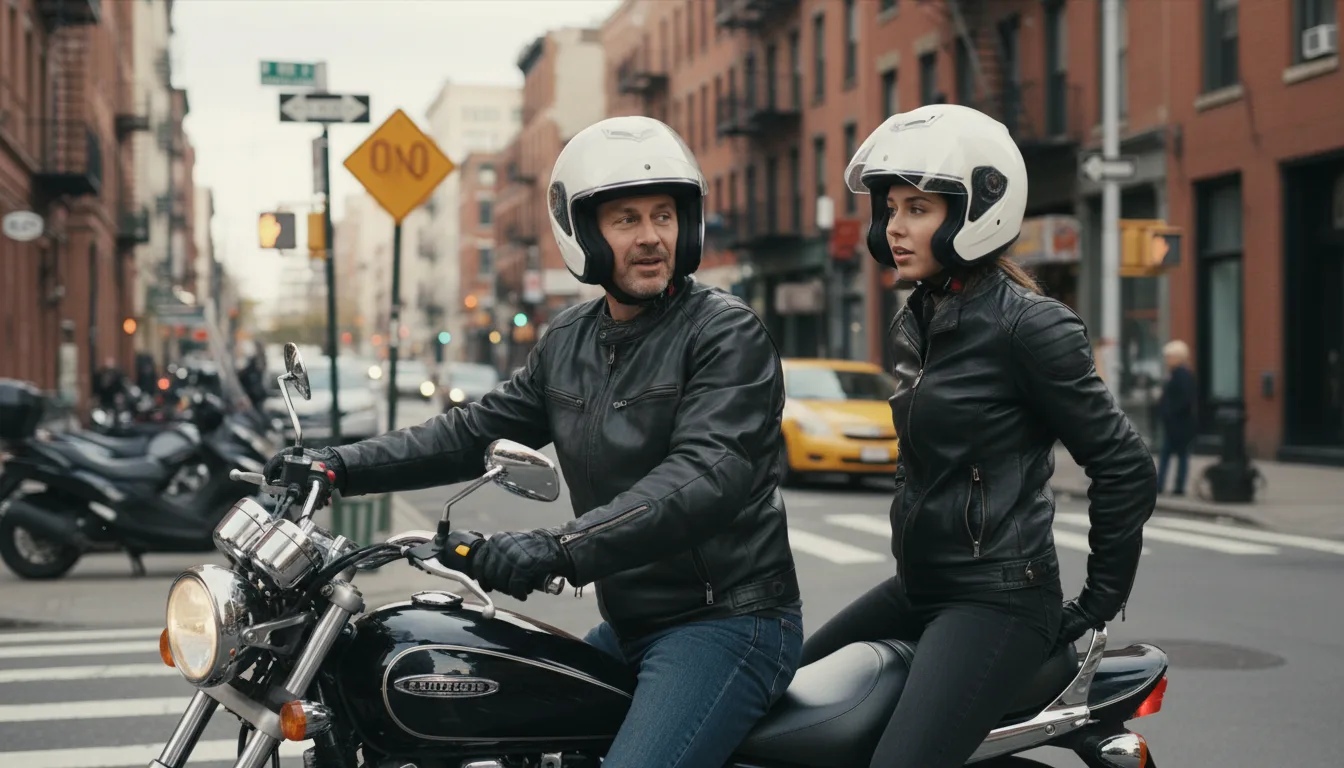
The motorbike passenger sitting position is the way a rider sits behind the driver to stay balanced, comfortable, and safe during the trip. For first-time visitors and adventurous travelers, small posture mistakes can quickly turn a short ride into a tense one, especially on busy city streets or uneven local roads.
Understanding this position matters because the passenger affects the bike’s stability as much as the driver does. A relaxed upper body, steady foot placement, and calm movement help the motorbike move naturally through traffic, corners, and stops. That is why a good start matters before the ride even begins.
In practice, the passenger should sit close enough to the driver to avoid drifting backward, but not so tight that movement becomes stiff. Keep your knees gently in, hold the grab bar or the driver only when needed, and look in the same direction as the bike. A good motorbike passenger sitting position reduces wobble and helps the rider keep control on narrow roads, wet pavement, or sudden turns.
Here is a simple guide for choosing the right posture by situation:
| Situation | Best posture | Why it helps | Quick example |
|---|---|---|---|
| Slow city ride | Upright, relaxed, feet steady | Easier balance in stop and go traffic | Perfect for market streets and short transfer rides |
| Fast or curvy road | Lean with the bike, stay centered | Supports smooth cornering and better stability | Useful on coastal roads or countryside routes |
| Rough surface or wet road | Loose grip, soft knees, no sudden shifts | Reduces impact from bumps and slipping risk | Important on old streets, rain, or gravel sections |
For travelers planning local rides, this is also about comfort over time. If you are joining an urban food tour or a longer route through crowded streets, a stable passenger position helps you enjoy the scenery instead of fighting the bike. Soft posture changes are enough; the goal is to move with the ride, not against it.
A simple takeaway: passengers often feel safest when they tense up, but tension usually makes balance worse. A calm torso, light core engagement, and slow head movement make the ride smoother for both people. If the road gets faster, narrower, or bumpier, adjust early rather than reacting late.
When conditions change, so should the passenger’s posture. On a scooter, stay centered and compact. On a larger motorbike, follow the rider’s lean more naturally. On a family ride, keep movements small so the bike stays predictable. If you want a comfort-first way to explore, check all Toward Local tours for routes designed around local travel speed and real road conditions.
If you are planning a motorbike experience in Vietnam, choose a route that fits your comfort level so the ride feels easy from the first minute.
Book a local tour that matches your pace, terrain, and travel style, so every passenger can sit safely, relax, and enjoy the journey.
How to Sit Correctly as a Motorbike Passenger
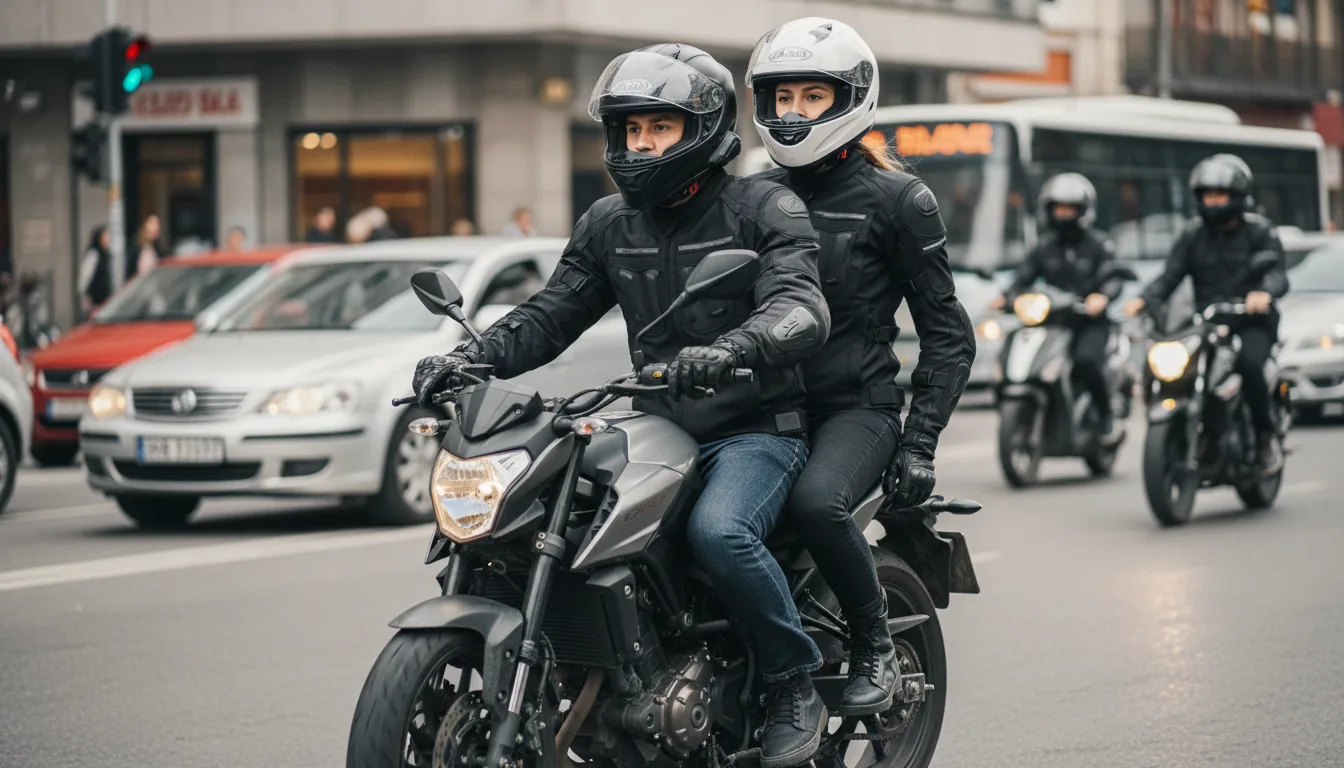
How to sit correctly as a motorbike passenger starts with one rule: stay centered, relaxed, and ready to move with the rider. For first-time passengers, the biggest problem is not fear alone, but sitting too stiffly or leaning the wrong way, which makes the ride feel unstable.
A good passenger position reduces wobble, helps the driver stay in control, and makes even a busy city ride feel smoother. If you are planning local travel in Vietnam, this matters whether you are joining a short transfer, a food stop, or a longer sightseeing route with Toward Local tours along real neighborhood streets.
Sit centered, face forward, keep both feet on the footrests, hold the grab bar or the rider’s waist lightly if needed, and move with the motorbike instead of against it. Stay relaxed through your shoulders and core so the rider can balance the bike naturally.
Step by step, mount the bike only when the rider tells you it is safe, then place both feet firmly on the pegs. Keep your knees close to the bike, your hands light, and your chest aligned with the rider’s back if needed. Avoid twisting your upper body to look around while the bike is moving, because that can pull your balance off center.
A practical example: on a narrow street with frequent turns, a passenger who stays loose and follows the rider’s motion feels much safer than one who tries to correct every lean. This is especially useful on local city rides where traffic changes fast and the road surface may be uneven.
For travelers who want a softer introduction to city riding before a full day out, pairing the right seating habits with a simple route can make the experience easier. If your trip includes food stops and short hops through the center, Ho Chi Minh City food tours are a good example of how guided local movement works in real traffic.
| Criterion | Correct habit | Common mistake | Why it matters |
|---|---|---|---|
| Body alignment | Stay centered and face forward | Lean sideways without reason | Helps the bike stay stable |
| Upper body control | Keep shoulders relaxed | Tense up and grip too hard | Reduces balance mistakes and fatigue |
| Movement | Move with the rider | Fight the turns | Improves safety in traffic |
Core balance and synchronized movement are the two habits that most improve comfort. Keep your abs lightly engaged, not rigid, and let your hips follow the bike through corners and braking. When the rider leans, you lean naturally with them; that small adjustment is what keeps the ride smooth.
If you want to understand local travel in a more immersive way, this passenger skill becomes even more useful on regional routes with stops, hills, and tighter roads. It is one reason many couples and solo travelers choose Da Nang tours when they want a guided ride that feels adventurous but still manageable.
If you are new to motorbike travel, start with a short guided route before trying longer rides. It is the fastest way to learn the rhythm of the road, build confidence, and enjoy the scenery without fighting the bike.
Choose a local tour that matches your comfort level, follow the passenger basics above, and let an experienced rider handle the traffic. That is the easiest way to enjoy a real local journey while staying stable, relaxed, and fully present on the road.
Benefits and Real-World Uses of the Right Motorbike Passenger Sitting Position
Motorbike passenger sitting position is one of the simplest ways to improve safety, comfort, and control when riding two-up. For travelers who want to explore local streets, markets, and scenic roads, the right posture reduces sudden balance shifts and makes the ride feel calmer for both rider and passenger.
It matters on short city hops and on longer day trips because a stable passenger helps the bike stay predictable in traffic, over potholes, and during braking. A small adjustment in body position can reduce strain on the rider, improve weight distribution, and make the experience better for couples, families, and first-time visitors.
In practice, the best passenger posture supports the bike instead of fighting it. The passenger should sit centered, stay relaxed, and move with the rider through turns and stops. For travelers planning flexible sightseeing days, this becomes even more important when riding between local tours across Vietnam and moving through mixed road conditions.
| Criteria | Short city ride | Uneven road | Two-up touring |
|---|---|---|---|
| Body stability | Keep upright and light on the seat | Stay loose to absorb bumps | Hold a steady center position |
| Best result | Smoother stops and turns | Less shock transfer to the rider | Better comfort over longer distances |
A useful rule is simple: the more the road changes, the more the passenger should stay balanced and quiet on the seat. On busy city routes, this helps the rider brake and weave with less effort. On scenic rides, it keeps the bike stable when the road surface changes suddenly. If the goal is a softer, more organized travel day, this habit is worth learning early. For travelers comparing ride options before booking, browse Toward Local tours to match the route style with the experience level.
The right passenger sitting position improves motorbike safety, comfort, and balance by keeping the bike centered, reducing sudden movement, and helping the rider handle braking, turns, bumps, and traffic more smoothly on both short and long rides.
Common real-world situations where posture matters most include city traffic, rough rural roads, and two-up touring with luggage. In city traffic, a steady passenger helps avoid wobble at low speed. On uneven roads, relaxed knees and an upright torso reduce impact. On longer rides, a calm posture lowers fatigue and supports better weight distribution between rider, passenger, and the bike.
For couples and families, this can make the difference between a tiring transfer and a comfortable local adventure. When the passenger knows how to sit correctly, the ride feels more controlled, the rider stays focused, and the whole trip becomes easier to enjoy. For destination planning with a local feel, Hoi An tours can be a strong fit for slower, scenic motorbike routes that reward stable two-up riding.
If you want more comfort, better control, and less stress on the road, make passenger posture part of the ride plan before departure. A few seconds of preparation can improve every mile, especially when you are exploring busy streets or taking a full-day trip. For travelers who want a reliable starting point, choosing a guided local route is often the easiest way to experience the city safely and confidently.
Choosing the Best Passenger Position for Different Motorbike Types
The best motorbike passenger sitting position depends on the bike type, the road surface, and how relaxed the rider and passenger need to stay. For travelers booking local rides, the right posture can reduce wobble, improve balance, and make a long day of exploring feel much easier.
On city streets, a scooter often feels forgiving, while a sport bike asks for a much tighter body position. If you are planning a scenic route with stops, the passenger can stay comfortable without losing control, especially when the ride connects to local tours across Vietnam and mixed traffic conditions.
The ideal passenger position changes by motorbike type. Scooters usually work best with a relaxed upright seat, standard motorcycles need a close and centered posture, sport bikes require a compact supported position, and touring bikes offer the most comfort with back support and steady foot placement.
| Criteria | Upright | Close-seat | Supported |
|---|---|---|---|
| Best for | Scooters and short city rides | Standard bikes and balanced turns | Touring bikes and long-distance comfort |
| Main tradeoff | Less body control at speed | More stable but less space | Most secure, but depends on backrest or grab point |
On scooters, an upright passenger position works well because the seat is wider and the footrests are easy to reach. The passenger should sit light but centered, hold the rider or rear grab rail on uneven roads, and avoid leaning suddenly in traffic. This is usually the safest setup for short food stops, coastal loops, and first-time visitors.
On standard motorcycles, a close-seat position is usually better because it keeps the bike stable during braking and cornering. The passenger should move with the rider rather than fight the motion, especially on crowded roads near Ho Chi Minh City food routes where stop-and-go traffic can shift weight quickly. A small takeaway: the less the passenger sways, the calmer the ride feels.
Sport bikes are more demanding. Their seats are higher and narrower, so the best passenger position is compact, knees in, hands secure, and upper body aligned with the rider. That posture reduces wind drag and improves control, but it is not ideal for very long sightseeing days. For couples choosing a fast transfer between attractions, it works best only when the ride is short and planned.
Touring bikes are the most passenger-friendly because they often include a backrest, broader seat, and more natural foot placement. A supported position is ideal here: sit upright, rest into the back support, and keep weight steady on long highway stretches. This is the best choice for families or older travelers who want more comfort during a full-day ride.
For a simple decision, use this order: short city ride, upright on a scooter; mixed traffic and standard bikes, close-seat; fast or sporty bikes, compact and supported; long scenic routes, touring support. If your trip includes food stops, market visits, and several hours on the road, consider pairing the right bike with a slower pace through Da Nang tours or similar local routes.
If you are unsure which bike fits your route, choose the position that matches the road first, then the comfort level second.
For the safest and most comfortable ride, book a local experience that matches your group size, distance, and pace, then ask for the passenger setup before departure.
Common Mistakes, FAQ, and Final Safety Tips
Motorbike passenger sitting position matters most when the road is busy, the turns come fast, and the rider needs your body to move with the bike. A stable posture helps you feel safer, avoid sudden balance shifts, and enjoy the ride without clinging or freezing up.
For first-time passengers, the biggest mistake is trying to control the bike with your upper body. Sit centered, keep your weight matched to the rider, and stay relaxed through your hips and knees. On local streets, that small adjustment often makes the difference between a smooth ride and a stressful one.
| Criterion | Wrong habit | Better habit | Why it helps |
|---|---|---|---|
| Turns | Leaning the opposite way | Follow the rider naturally | Keeps balance stable |
| Grip | Holding too tightly | Hold lightly and stay loose | Prevents stiffness and jolts |
| Seat position | Sitting too far back | Stay close to the rider | Improves control and comfort |
Featured answer: Passengers should hold on with a light, steady grip on the rider, the seat rail, or a grab handle if available. In turns, follow the bike rather than leaning against it. On bumpy roads, bend your knees slightly and stay soft in your core so the bike can move underneath you.
Common errors are easy to fix once you know what to watch for. Do not lean backward when the rider brakes, do not squeeze the rider so hard that movement becomes awkward, and do not sit so far back that your weight pulls away from the center of the bike. If the ride will be long, local city tours can be a good way to practice short, guided rides before taking a full day trip.
FAQ: on a motorbike, passengers should keep one relaxed hand on a secure point and use the other only if needed for balance. In corners, look where the rider is looking and move as one unit. On rough roads, keep your shoulders loose, lift slightly through your legs when needed, and avoid sudden head turns that can throw off balance.
If you want to stay comfortable on longer journeys, wear closed shoes, keep bags small, and take breaks when possible. A light jacket also helps against wind and dust, especially on open roads. For travelers planning a scenic route, browse all Toward Local tours to compare shorter city rides with longer local experiences that match your pace.
If you are new to riding as a passenger, choose routes with calmer traffic first, then build confidence on busier streets. That simple progression helps you learn the rhythm of the road without feeling overwhelmed.
Final safety tip: Ask the rider to explain the first stop, the hand signals, and where you should place your feet before the bike moves. A 30-second check prevents most passenger mistakes and makes every ride smoother.
For the best experience, sit centered, stay loose, and let the rider lead the motion. Strong grip, proper balance, and calm reactions are the foundation of a safe passenger ride, whether you are exploring a city alley, a coastal road, or a countryside loop.
If you are planning a local adventure and want an easier start, choose a guided route that fits your comfort level, then keep the same passenger habits on every ride. That is the fastest way to stay safe and enjoy the journey more.