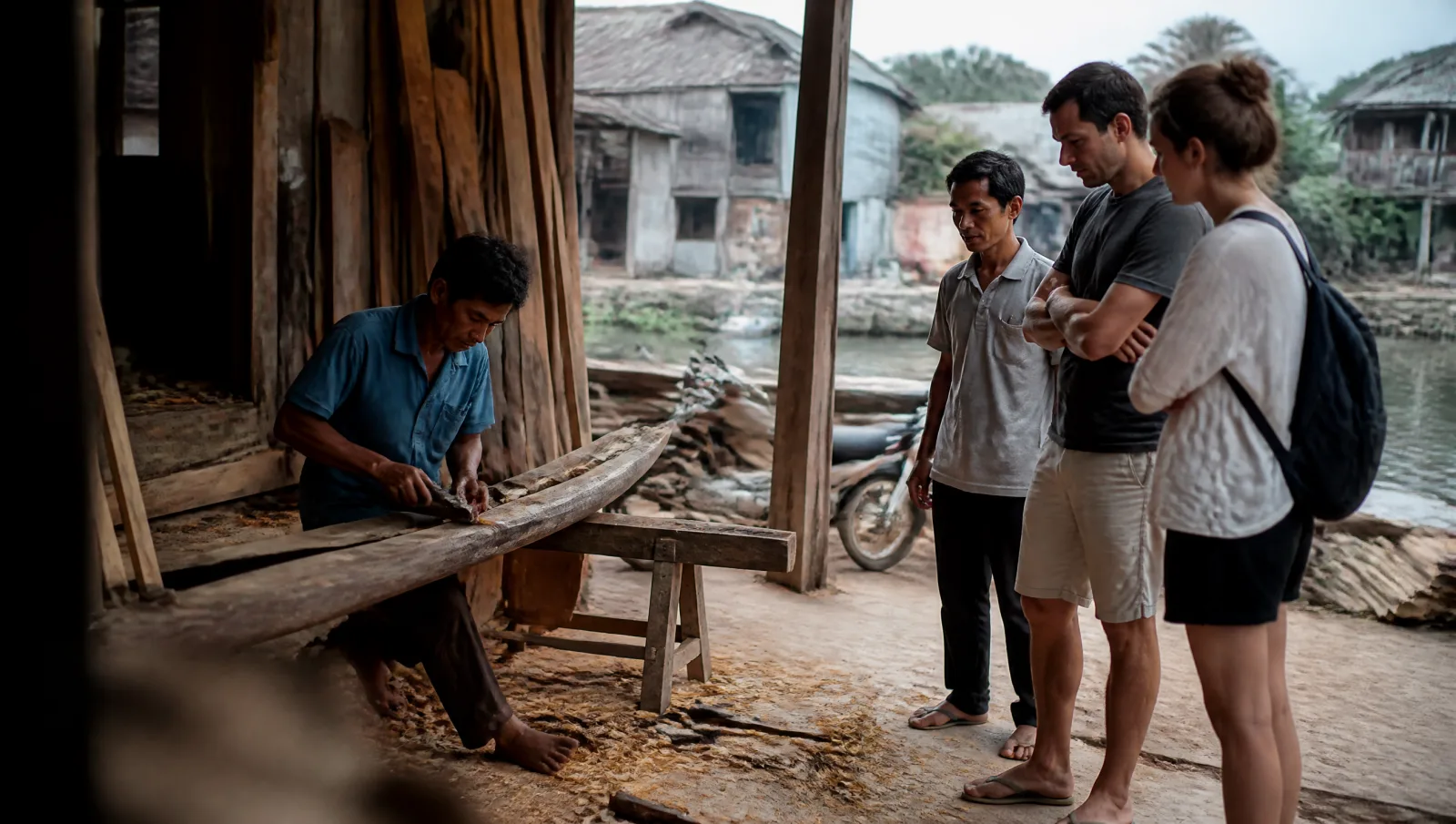

Kim Bong Carpentry Village is a rewarding stop for travelers who want a more local side of Hoi An, especially if the usual old town sights feel too polished or crowded. Here, the challenge is simple: many visitors do not know how to fit a traditional craft village into a short trip. This guide shows you what the village is, why it matters, and how to visit it with purpose.
Set across the Thu Bon River from Hoi An, the village gives you a real look at woodworking heritage, active workshops, and everyday life in a riverside community. If you are planning a slow cultural day, Kim Bong Carpentry Village can be paired with Hoi An tours or explored on its own. The best visits are not rushed; they let you watch artisans work, notice the details, and understand why this craft still belongs to the city’s identity.
| Criteria | Quick Visit | Deeper Visit | Best For |
|---|---|---|---|
| Time needed | 1 to 2 hours | Half day | Flexible planners |
| Experience style | See workshops and walk around | Join a craft demo and local visit | Solo travelers, couples, families |
Kim Bong Carpentry Village is a traditional craft village near Hoi An known for woodworking, shipbuilding, and artisan workshops. It is best for travelers who want a local cultural experience, easy river access, and a quieter alternative to the busy ancient town.
If you want a trip that feels more personal, this is where to slow down and look closer. A soft way to plan it is to combine the village with all tours of Toward Local so you can compare local experiences and choose the one that fits your pace. In the next sections, you will learn what to expect, what to do, and how to make the visit genuinely worthwhile.
What Is Kim Bong Carpentry Village and Why It Matters
Kim Bong Carpentry Village is one of the most authentic craft stops near Hoi An, where visitors can see how wood carving, boatbuilding, and heritage restoration still shape daily life. For travelers who want more than a photo stop, it solves a common Hoi An problem: choosing places that feel local, not staged. The village is small, but the experience is rooted in real craftsmanship and centuries of trade.
For first-time visitors, the value is simple. You get a clearer view of how Hoi An became a cultural hub, and you can combine the visit with a slower riverside route or a half-day craft itinerary. If you are already exploring the area, Hoi An tours can help you fit Kim Bong into a practical route without wasting transit time.
Kim Bong Carpentry Village is a traditional craft village in Hoi An known for wood carving, boatbuilding, and heritage restoration. It matters because it offers a genuine local experience, shows the living craft culture behind Hoi An’s old town, and works well as a half-day stop for travelers who want something educational, scenic, and less crowded.
What makes Kim Bong different is not only the craft itself, but the way the village still functions as a working community. You may see artisans shaping furniture pieces, repairing boats, or carving decorative details for homes and heritage buildings. A practical example is a short visit that includes watching a woodworker at the bench, then walking to the riverside area to compare older techniques with newer workshop setups.
That contrast gives the village its appeal for solo travelers, couples, and families. It is easy to understand, visually interesting, and not exhausting. If your trip also includes beach time or city exploring, all Toward Local tours can help you balance culture with convenience. In short, add Kim Bong when you want one stop that feels local, educational, and worth the detour.
| Criteria | Quick visit | Half-day stop | Tour add-on |
|---|---|---|---|
| Best for | Travelers short on time | Culture-focused visitors | Planned Hoi An itineraries |
| What you get | Basic village impression | Workshop viewing and riverside walk | Better timing and smoother transport |
If your goal is to experience the real craft side of Hoi An, this is one of the most sensible places to start. Visit when you want context, not just scenery, and leave room to slow down and observe the work in progress.
For travelers building a broader route around central Vietnam, Kim Bong also pairs well with nearby cultural stops and easy local transport. That makes it a smart choice for visitors who prefer meaningful detours over crowded highlights, especially when the aim is to understand Hoi An beyond the old town streets.
How Kim Bong Carpentry Village Preserves Traditional Woodworking
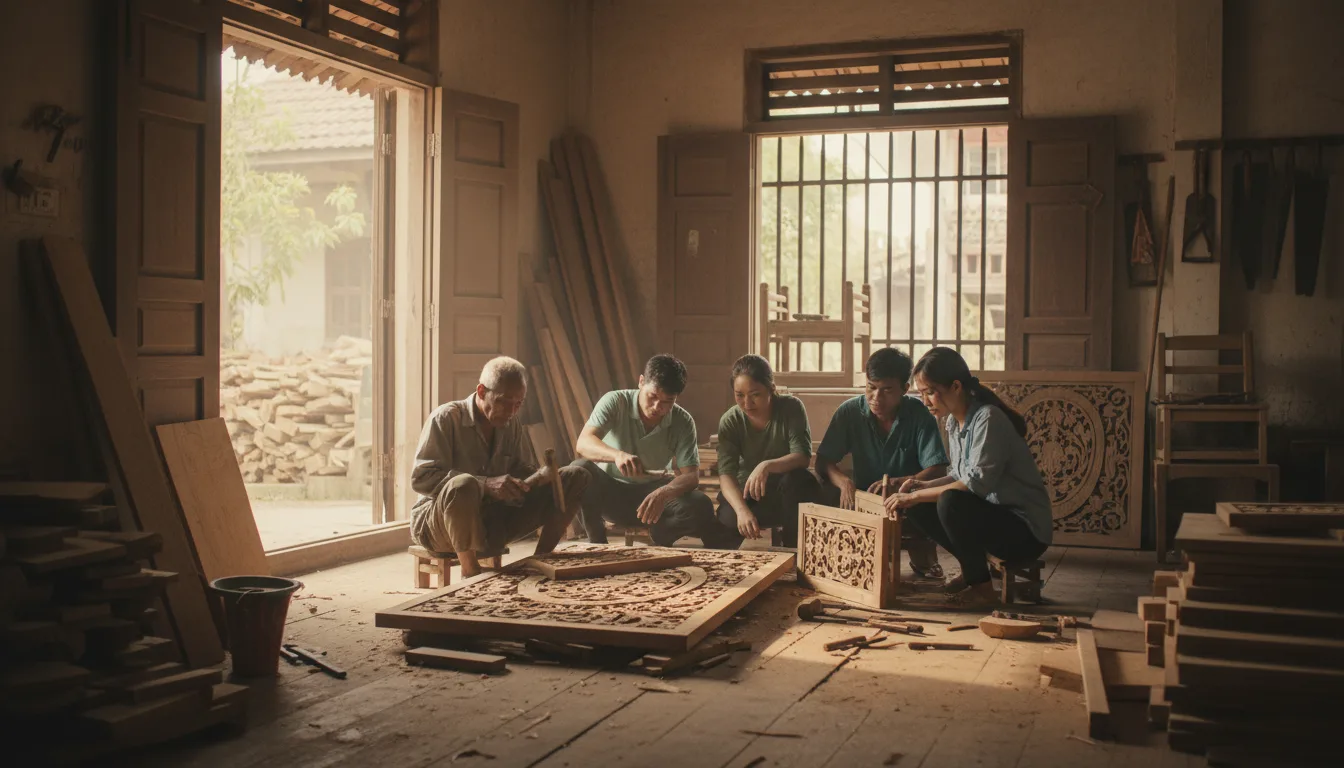
Kim Bong Carpentry Village preserves traditional woodworking by keeping the full craft chain alive, from selecting timber to hand-carving, assembly, and finishing. Visitors who come here usually want more than a photo stop; they want to see how a living craft survives in a modern travel destination. The village answers that need with open workshops, working tools, and artisans who still rely on inherited techniques passed down through generations.
The strongest reason this matters is authenticity. In many places, traditional crafts are staged for visitors, but Hoi An local tours can bring you closer to a real working environment where wood dust, tool marks, and unfinished pieces are part of the scene. That is what makes Kim Bong Carpentry Village valuable for solo travelers, couples, and families who want a local experience with cultural depth.
Kim Bong Carpentry Village preserves traditional woodworking through hand tools, inherited carving methods, and daily workshop practice. Visitors can observe artisans shaping wood, refining details, and restoring old pieces, which keeps the village’s craft identity active rather than frozen as a display.
| Criteria | Traditional workshop | Tourist-facing demo | Visitor value |
|---|---|---|---|
| Tool use | Hand chisels, saws, planes | Simple show tools only | Real craft process |
| Craft output | Furniture, carvings, repairs | Souvenirs only | Better cultural insight |
The woodworking process begins with choosing the right timber, then marking, cutting, shaping, carving, smoothing, and assembling. Artisans often work in small teams, and each person handles a specific stage. For example, one craftsman may rough-cut the frame while another focuses on decorative motifs, especially dragon, phoenix, and floral patterns that remain closely tied to local heritage.
Main materials usually include durable wood, bamboo supports, and natural finishing supplies, while the essential tools are chisels, mallets, hand saws, carving knives, and measuring sticks. The skill is not only in strength but in control, because a clean line or shallow cut can decide whether a pattern looks elegant or heavy. This is why apprenticeship still matters in Kim Bong Carpentry Village.
One practical way to understand the craft is to watch a repair session. A visitor may see an old wooden piece being cleaned, patched, and carved again instead of being replaced. That small detail shows the village economy and its preservation logic: keep usable material in circulation, protect the craft, and teach visitors that tradition can remain functional.
For travelers planning a deeper local day, all Toward Local tours can help match Kim Bong with nearby cultural stops, so the visit feels connected rather than rushed. If you prefer a quieter route, go in the morning when artisans are most active and the workshop atmosphere is easier to observe.
In a real visit, expect to hear the rhythm of chisels, see wood shavings on the floor, and notice unfinished pieces drying in the open air. That is the clearest proof that Kim Bong does not just preserve woodworking as heritage; it keeps it alive as everyday labor, which is exactly what makes the village worth your time.
Top Reasons to Visit Kim Bong Carpentry Village
Kim Bong Carpentry Village is one of the best places in Hoi An for travelers who want more than a quick photo stop. It gives you a direct look at living craft culture, skilled woodwork, and a slower rhythm that feels genuinely local. If you are tired of crowded streets and polished attractions, this village offers a more grounded way to understand how Hoi An grew through trade, craft, and family tradition.
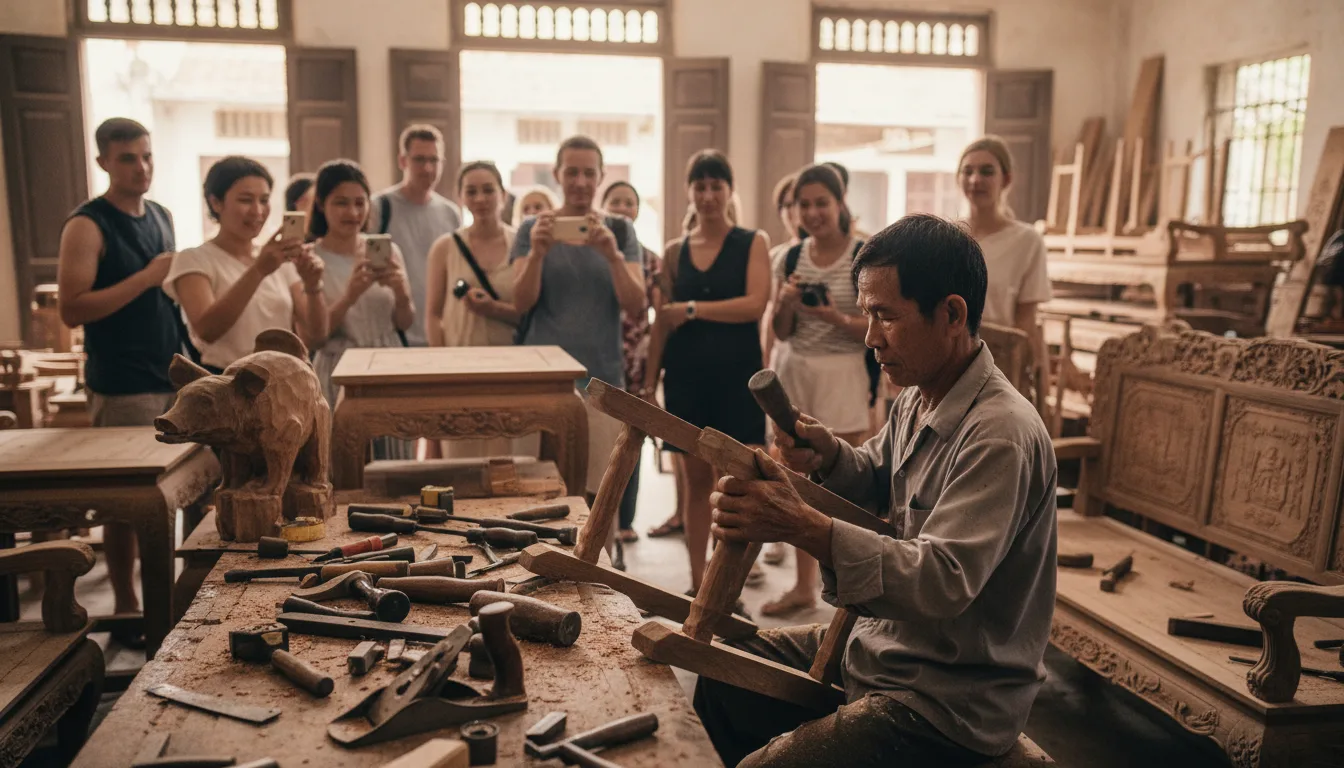
For first-time visitors, the main advantage is simple: you can learn, observe, and experience without needing a full-day tour plan. The village works well for solo travelers, couples, and families because it combines culture, light activity, and easy exploration. In one visit, you can see artisans at work, ask questions, and enjoy a setting that feels personal rather than staged.
Kim Bong Carpentry Village is worth visiting for its authentic craft culture, educational value, and hands-on visitor experiences. Travelers can watch woodworking demonstrations, join simple workshops, and see a quieter side of Hoi An that feels local, practical, and less crowded than the old town.
The strongest reason to come here is cultural depth. This is not just a village with old houses; it is a living workshop where traditional skills still matter. Visitors can see how wood is shaped into furniture, religious pieces, and decorative details that support Hoi An’s heritage. The full Toward Local tours can also help travelers combine this stop with other nearby experiences if they want to build a richer day around Hoi An.
Typical visitor experiences are easy to enjoy and do not require special preparation. Many travelers spend time watching craftsmen carve, sand, assemble, and finish products by hand. Others join short workshops, take photos of the workspaces, or buy a small souvenir directly from the maker. A useful way to compare the visit is this:
| Criteria | Kim Bong Carpentry Village | Busy Tourist Spot | Best For |
|---|---|---|---|
| Visitor pace | Quiet, slow, and easy to explore | Often crowded and rushed | Travelers who want calm |
| Experience type | Craft watching and simple workshops | Sightseeing and quick photos | People who value learning |
Choose this destination over busier places when you want a more educational stop, especially if you travel with children or curious companions. It also works well after a morning in Hoi An tours, because the village feels like a quieter counterbalance to the old town. If you want a more local Hoi An day, add this village to your route and keep the schedule flexible so you can stay longer when the craftsmen are active.
Best of all, the village gives you a clearer sense of place. Instead of just seeing heritage from the outside, you watch it being made in real time. That makes Kim Bong especially valuable for travelers who prefer meaningful experiences over famous checklists. Plan the village as a priority stop if you want authentic craft, fewer crowds, and a visit that leaves you with both memories and context, not just photos.
Kim Bong Carpentry Village vs Other Hoi An Cultural Attractions
Kim Bong Carpentry Village is the better choice when you want Hoi An to feel local, hands-on, and less polished than the Old Town core. For travelers who enjoy slow exploration, artisan work, and a real village setting, it adds depth that museums and postcard streets cannot fully deliver. The main trade-off is that it is quieter, so it rewards curiosity more than passive sightseeing.
Compared with central attractions, this stop feels practical rather than performative. You can watch wood carving, see boat repair, and notice how craft still supports daily life. A good way to plan is to pair it with a river crossing or another nearby stop, then keep the rest of your day flexible. If you prefer guided discovery, Hoi An tours can help you connect the village with the town in one smooth route.
Kim Bong Carpentry Village is best for travelers who want an authentic craft experience in Hoi An. It is less crowded than museums or the Old Town, offers real artisan workshops, and works well for half-day trips, especially for couples, solo travelers, and families who prefer local culture over busy sightseeing.
| Criteria | Kim Bong Carpentry Village | Hoi An Old Town | Other craft villages |
|---|---|---|---|
| Best for | Local craft, village life, quiet exploration | Landmarks, heritage streets, easy photos | Specific craft focus and workshop visits |
| Travel style fit | Adventurous and curious | First-time and mainstream sightseeing | Interest in one craft only |
| Time needed | Half day | Most of a day | 1 to 3 hours |
Pros are clear: it is authentic, relatively easy to combine with the river area, and more interesting than a simple stop-and-look visit. Cons are just as clear: there is less signage, fewer built-in amenities, and the experience depends on whether you enjoy observing rather than expecting constant entertainment. If you are planning a broader Vietnam trip, all Toward Local tours can help you compare Hoi An with other city-based experiences.
Use this simple decision rule: choose Kim Bong if you want one meaningful cultural stop, choose the Old Town if you want maximum convenience, and choose another village if your goal is a very specific craft. For families, it works best when children like workshops and boats. For couples and solo travelers, it is strongest when you want a slower, more personal Hoi An side. The best fit is usually a half-day slot before lunch or late afternoon, when the village feels calm and easy to enjoy.
Visitor Tips, Common Questions, and Final Advice
Kim Bong Carpentry Village is easiest to enjoy when you plan for its slow pace, open-air setting, and hands-on craft culture. Many visitors arrive expecting a quick photo stop, then miss the best part, which is watching local artisans work, asking simple questions, and walking at a relaxed rhythm across the village.
If you are building a local Hoi An itinerary, this chapter helps you avoid common mistakes, set the right expectations, and decide how long to stay. A short visit can still be meaningful, but a better plan gives you time to see real woodwork, join a workshop, and connect the village with nearby experiences such as Hoi An tours or even a broader craft-focused day with all Toward Local tours.
Kim Bong Carpentry Village is a traditional craft village near Hoi An where visitors can watch woodworking, meet artisans, and explore shipbuilding history. Plan 1 to 2 hours for a calm visit, bring cash, dress lightly, and go early in the day for better weather and more activity.
| Criteria | Best choice | Why it matters | Quick tip |
|---|---|---|---|
| Visit time | Morning | Cooler weather and more active workshops | Arrive before noon |
| Stay length | 1 to 2 hours | Enough for walking, photos, and a short demo | Longer if joining a workshop |
| Transport | Boat or bike | Matches the local river and village setting | Pick the option that fits your pace |
Common mistakes to avoid are simple but important: arriving too late, wearing shoes that are hard to walk in, skipping small cash for souvenirs, and treating the village like a theme park. The better approach is to move slowly, watch the details, and ask artisans before taking close-up photos. For travelers who want a fuller local trip, a day that combines craft culture with Da Nang Tours can create a smoother regional route.
FAQ: location, opening time, duration, and what to expect. The village is in Cam Kim Commune, across the river from Hoi An Ancient Town. Opening hours are flexible because it is a living craft area, but daytime is best. Plan on 60 to 120 minutes. Expect wood shavings, simple workshops, small family-run shops, and artisans who may be busy with real production, not staged performances.
Before you go, check the weather, wear light clothing, and keep your plan flexible if you want to stop for photos or join a carving activity. Couples and solo travelers usually enjoy the quiet atmosphere, while families often appreciate the educational side of the visit. If you want to pair culture with food, some visitors also combine the village with HCMC Food Tours on a longer Vietnam itinerary.
For a better visit, choose one clear goal, such as learning how carpenters shape wood, buying a small handmade item, or understanding the village’s role in Hoi An history. That focus makes the experience more memorable than rushing through every corner.
If you want a calmer, better-organized cultural trip in Hoi An, plan ahead instead of improvising on arrival. A local guide, the right timing, and a realistic schedule can turn Kim Bong Carpentry Village into one of the most rewarding stops in your day. Book your Hoi An route early, leave space for walking and conversation, and build a trip that feels authentic rather than crowded.