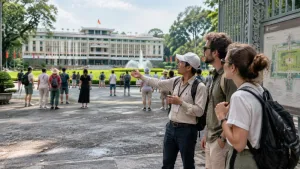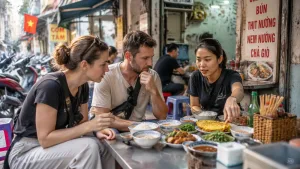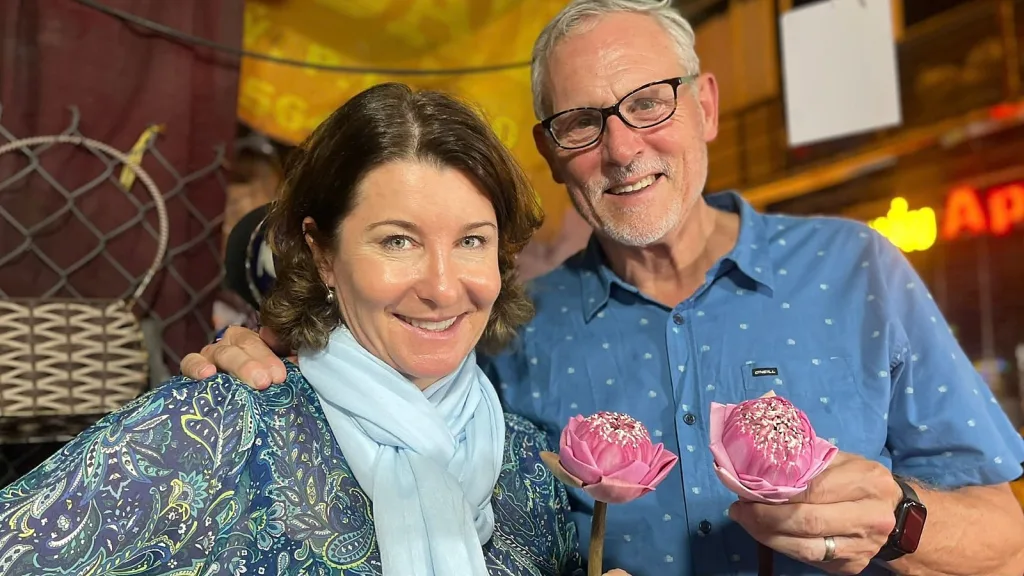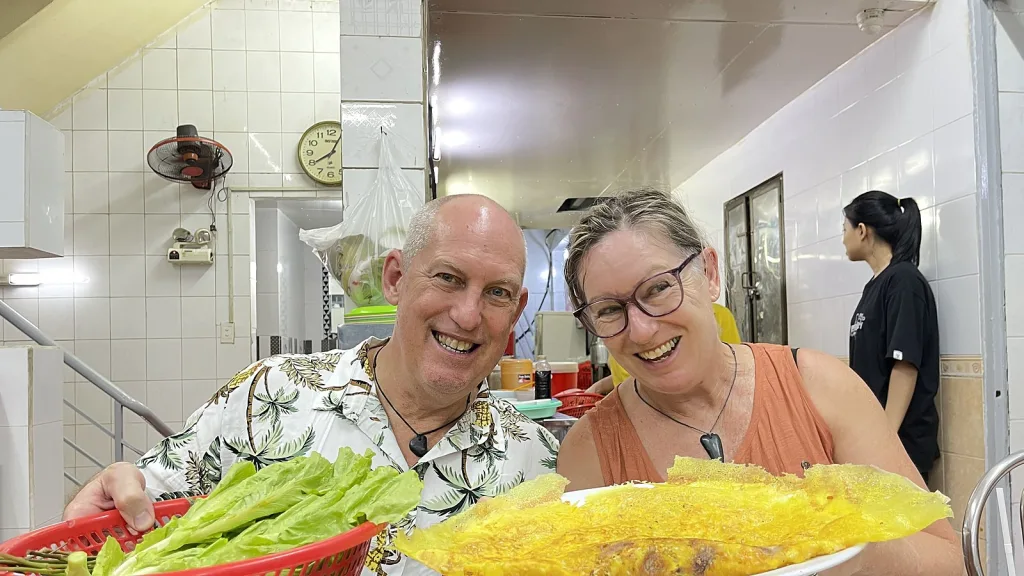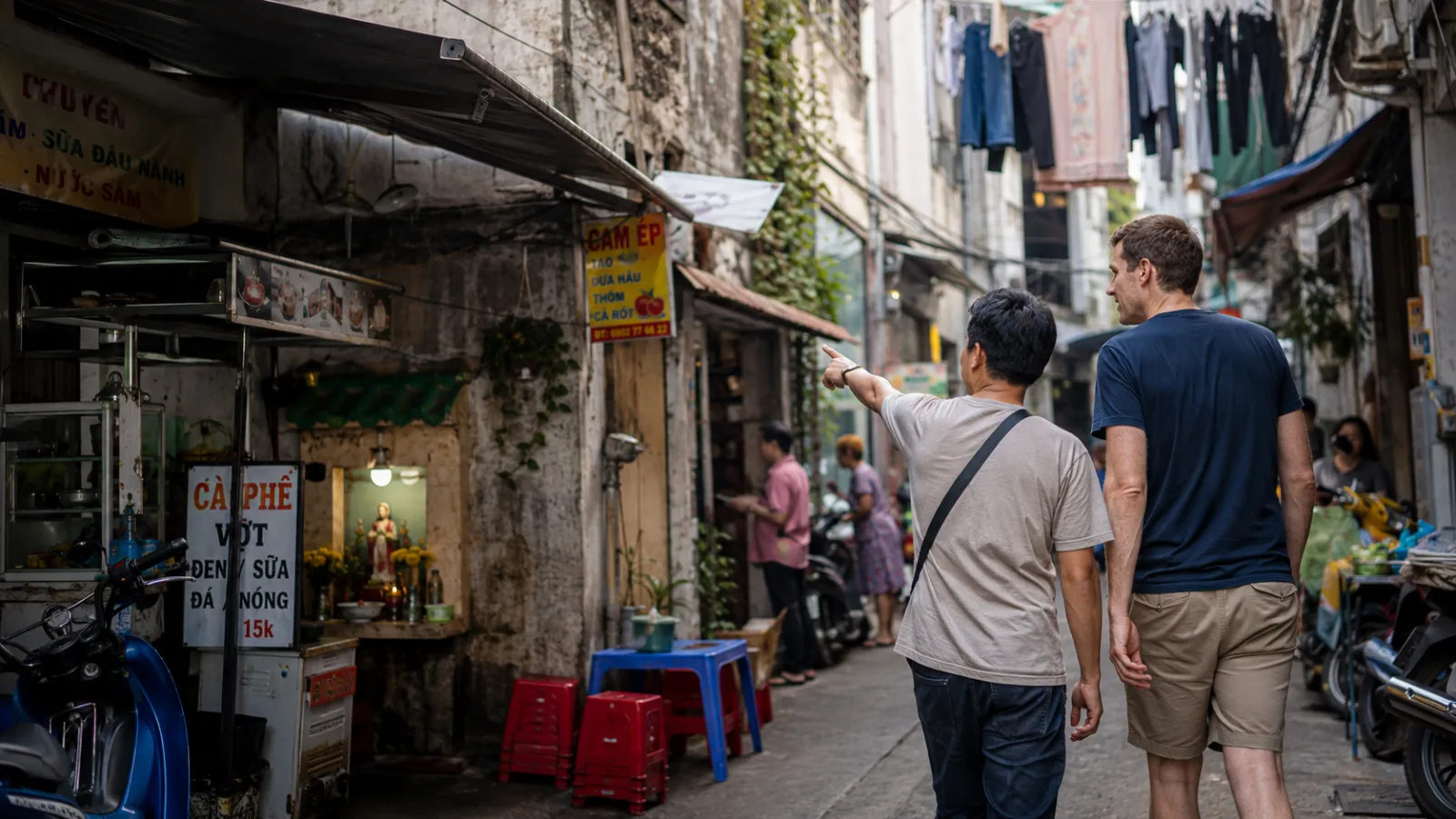

Saigon alleyways are one of the best ways to see Ho Chi Minh City beyond the main roads, especially if you want a more local, adventurous feel. Travelers often come looking for hidden food spots, neighborhood life, and quieter streets, but they miss the details that make these lanes memorable.
This guide shows you how to explore Saigon alleyways with confidence, from reading the atmosphere to finding the right corners for coffee, street food, and small temples. If you are planning a short city stay, pairing an alley walk with a local food tour can help you spot places you would likely walk past on your own.
Featured insight: The most interesting alley experiences in Ho Chi Minh City are not random dead ends. They are lived-in neighborhoods where daily routines, family homes, and small businesses sit side by side, so the best visit is usually slow, observant, and on foot.
| Criteria | Main Streets | Saigon Alleyways | Best For |
|---|---|---|---|
| Atmosphere | Busy and exposed | Quiet and intimate | Slow exploration |
| Experience | Transit and traffic | Food, homes, local rhythm | Culture seekers |
For first-time visitors, the key is not to chase a perfect route. Choose one neighborhood, walk with curiosity, and look for signs of everyday life such as open kitchens, tiny shrines, and family-run stalls. That is where the city feels most real, and where Saigon alleyways become more than a photo stop.
When you want a deeper look at local neighborhoods without the stress of planning every turn, it helps to explore with a trusted operator and keep the pace flexible. A smart alley walk can turn a normal afternoon into the most memorable part of your trip.
Use this guide as a practical starting point, then build your own path from what you see, smell, and hear. That is the simplest way to find hidden alleys in Ho Chi Minh City that feel authentic, safe, and worth the time.
What Makes Saigon Alleyways So Distinct?
Saigon alleyways are the city’s most revealing places for travelers who want to see daily life beyond the main roads. They are narrow residential lanes where homes, food stalls, small shrines, and workshops sit close together, creating a human-scale version of Ho Chi Minh City that feels calmer, more local, and more personal.
For first-time visitors, the challenge is knowing what is worth exploring and when to go. The answer is simple: go when you want to slow down, eat well, and understand how the city really works. In Saigon, the most memorable moments often happen a few steps away from the traffic.
Saigon alleyways are narrow local lanes that connect homes, food, faith, and street life. Unlike main streets, they are quieter, more residential, and more intimate, making them ideal for travelers who want to experience authentic everyday Saigon through walking, eating, and observing.
What makes them distinct is the contrast. Main roads are built for movement, noise, and speed. Alleys are built for living. You may pass a family cooking at the doorway, a vendor selling breakfast from a tiny cart, and a child doing homework beside a parked motorbike. That mix of privacy and openness is why Toward Local tours often work best here when paired with a guide who knows where to turn.
Typical signs you are in a real alley district include:
- Thin lanes with parked scooters and laundry overhead
- Small eateries serving one or two signature dishes
- Pagodas, chapels, and neighborhood altars tucked between homes
- Residents greeting each other from open doors and chairs on the sidewalk
Historically, these lanes grew as the city expanded inward from canals, markets, and older residential blocks. Many neighborhoods kept their alley networks because they were practical, affordable, and socially connected. That is why the cultural role of alleyways is so strong: they preserve the everyday rhythm of Saigon even as the skyline changes. For travelers focused on food, HCMC food tours can be a smart way to experience this pattern without missing the best stops.
| Criteria | Main streets | Saigon alleyways | Best for |
|---|---|---|---|
| Noise and pace | Fast, loud, traffic-heavy | Quiet, slow, walkable | Travelers who want local atmosphere |
| Experience | Commercial and directional | Residential and observational | Food walkers and curious explorers |
The best time to explore is early morning or late afternoon, when residents are active and the heat is softer. Early hours are ideal for breakfast bowls, coffee, and fresh markets. Late afternoon brings cooking smells, open doors, and children playing outside. If you are traveling as a couple or with family, those windows feel safer, calmer, and easier to enjoy.
Use this simple rule: if you want landmarks, stay on the main road; if you want texture, step into the alley. The payoff is not just better photos, but a clearer sense of how Saigon lives. For travelers who want a deeper city experience, a well-planned route through the back lanes can turn a short visit into a real discovery.
When you are ready to explore more than the obvious sights, choose the alleys first and the itinerary second. They reward patience, curiosity, and a slow pace, especially if you want local food, cultural detail, and a more authentic read on the city. For broader route ideas across the country, you can also explore Da Nang tours and compare how urban life changes from city to city.
How to Explore Saigon Alleyways Like a Local
Saigon alleyways are the easiest way to see how the city really works, especially if you want more than landmarks and traffic. The challenge is not finding them, but knowing how to move through them without missing the small details that make each lane feel alive. If you walk slowly, stay alert, and read the street like a local, the experience becomes simple and rewarding.
Start with a flexible route instead of a strict plan. Narrow lanes often connect to bigger roads, so you can explore without worry if you drift off course. Look for signs of daily life, not just sights. A food stall at dawn, a café tucked beside a family home, or a child doing homework at the doorway will tell you more than any guidebook. For travelers who want a deeper local experience, a guided route can help, and all tours of Toward Local are a practical way to compare options before booking.
To explore Saigon alleyways like a local, walk slowly, follow small food cues, and notice how homes, cafés, and street vendors share the same narrow space. The best lanes are not the most famous ones; they are the ones where daily routines are still unfolding in front of you.
Best ways to navigate narrow lanes and find hidden spots: use intersections as landmarks, keep your phone map open, and enter from a main street with multiple exits. In districts like Phu Nhuan or District 4, the lanes form a rough grid, so it is easy to loop back. If you prefer a food-first experience, HCMC food tours can save time while still giving you that local alley atmosphere.
| Criterion | Easy to Spot | What It Suggests | Best Time |
|---|---|---|---|
| Food stalls | Steam, stools, queues | Local meals and fast turnover | Morning or evening |
| Homes and cafés | Open doors, small tables | Residential life mixed with daily coffee culture | Late morning or afternoon |
In real districts, the feel changes fast. District 10 often mixes flower markets, street food, and family activity in one compact zone. District 1’s back lanes can feel calmer and more residential than the busy center, while Phu Nhuan may show newer homes beside older shops. That contrast is the main insight: the alley is not a shortcut, it is the city’s living room. If you are planning a short trip and want a curated route with local context, Toward Local tours are worth checking.
For solo travelers, couples, and families, the safest approach is to keep walking, observe quietly, and stop where the energy feels natural. A hidden café, a temple gate, or a noodle stall with mostly local customers is usually a good sign. End your walk with something simple to eat or drink, then leave enough time to wander one more lane before heading back. That extra detour is often where the best discovery happens.
Top Reasons to Visit Saigon Alleyways
Saigon alleyways are one of the easiest ways to see the city beyond its main roads. If you want a more local trip, they solve a common problem for first-time visitors: how to find real daily life without spending hours on planning or paying for a packaged experience.
For solo travelers, couples, families, and curious visitors from Europe, North America, Korea, and Japan, the appeal is simple. The lanes are walkable, full of small discoveries, and closely tied to food, community, and rhythm. You do not just pass through Saigon; you step into how people actually live, eat, and move.
Saigon alleyways are narrow neighborhood lanes where visitors can experience local food, quiet residential life, and everyday culture at street level. They are best for travelers who want authentic scenes, short walking routes, and flexible exploration without a rigid itinerary.
Why alleyways feel more authentic is easy to explain: they are not staged for tourism. You see laundry drying over doorways, neighbors chatting in front of homes, kids doing homework near motorbikes, and vendors selling breakfast from tiny fronts of houses. That mix of ordinary details creates a stronger sense of place than many major attractions.
In practice, Saigon alleyways are ideal when you want to focus on one neighborhood and observe it slowly. A morning walk may reveal noodles, coffee, and fresh market activity. Evening usually brings brighter signs, louder conversation, and more food. The change in atmosphere is part of the experience.
Common uses include street food hunting, photography, and slow travel. If you like tasting several dishes in one area, the lanes near local markets are especially rewarding. If you want better photos, the narrow light, open doors, and layered textures give strong visual contrast. If you prefer calm exploration, the smaller side streets offer a slower pace than central districts.
For a softer introduction to the city, consider pairing alley exploration with a guided food walk such as Ho Chi Minh City food tours, especially if you want help ordering, understanding ingredients, and choosing the best spots without wasting time.
| Criteria | Best for | Why it works | What to expect |
|---|---|---|---|
| Street food | Hungry explorers | Many small vendors in one compact area | Easy grazing and local dishes |
| Photography | Visual travelers | Layered streets, signs, and daily scenes | Natural light and candid moments |
| Slow travel | Relaxed visitors | Short distances with constant detail | Easy walking and frequent stops |
Choose alley exploration when you have half a day, want to stay close to the city center, or prefer places where there is something interesting on every corner. It is also a strong option after a busy museum day or before dinner, when you want a lighter activity that still feels memorable.
For travelers who like flexible routing, a wider selection of experiences can be found in all Toward Local tours, which is useful if you want to compare food-focused, city-based, and regional options before booking. The key point is simple: alleyways are best when your goal is not to check boxes, but to understand Saigon from the inside.
When should you go? Morning is best for breakfast culture, late afternoon works well for cooler walking, and early evening is ideal for street food and photos. If you only have one city window, choose the time that matches your goal, then let the lanes guide the pace.
To decide quickly, use this rule: go to alleyways if you want authenticity, local food, and a walkable neighborhood experience. Skip them only if you need fast transport, major monuments, or a fully structured sightseeing plan. For most curious visitors, they are one of the smartest ways to spend a few hours in Saigon.
In short, Saigon alleyways reward travelers who pay attention. The more slowly you move, the more they give back. That is why they remain one of the strongest choices for visitors who want a local, adventurous, and genuinely memorable city experience.
How to Choose the Right Saigon Alleyways for Your Trip
Saigon alleyways are best chosen by matching the mood you want with the way you like to travel. If you want easy food access, short walking routes, and a gentler introduction to local life, pick tourist-friendly lanes near busy districts. If you want a rawer, more residential feel, choose smaller lanes where daily routines are visible and the pace slows down.
The key is not to chase the most famous alley. It is to choose the one that fits your comfort level, timing, and appetite for surprise. That is how you avoid wandering into an area that feels too chaotic, or too polished, for your trip style.
| Criteria | Tourist-Friendly Alleys | Residential Local Lanes | Best For |
|---|---|---|---|
| Wayfinding | Clearer, easier to enter and exit | Smaller, more maze-like, less obvious | First-time visitors |
| Atmosphere | Food stalls, cafes, and lively corners | Daily routines, quiet homes, local rhythm | Repeat visitors and explorers |
Choose Saigon alleyways by deciding what matters most: easy navigation, local food, or a deeper neighborhood feel. Tourist-friendly alleys suit shorter, safer-feeling walks, while residential lanes reward slower exploration, better observation, and a stronger sense of everyday Saigon.
If food is your priority, look for areas with dense snack clusters and evening activity, such as Ho Chi Minh City food tours that connect markets, family-run stalls, and hidden side streets. A soft guided option can save time if you only have one afternoon and want context without wandering aimlessly.
Exploring alone works well if you are confident, patient, and happy to stop often. A guide helps when you want stories, local etiquette, and a smoother route through less obvious lanes. A food tour is the easiest choice for couples or families who want variety, portions, and a clear plan without losing the local feeling.
The best alley for most travelers is not the quietest one, but the one that gives you enough activity to stay curious without feeling overwhelmed.
Match the experience to your travel style: solo travelers usually enjoy flexible wandering, couples often prefer a slower route with coffee stops, and families tend to do better in busier alleys with short walks and easy exits. For deeper planning across Vietnam, you can also browse all Toward Local tours when you want a trip that balances local access with practical comfort.
If you want the easiest way to choose well, start with one food-heavy alley and one residential lane, then compare how each one feels at your pace.
Pick the alley that matches your energy, not the one that looks best in photos. That is the simplest way to enjoy Saigon alleyways in a more authentic and memorable way.
What to Know Before Visiting Saigon Alleyways
Saigon alleyways are best explored with a simple plan: pick one area, walk slowly, and stay aware of how locals use the space. The biggest mistake first-time visitors make is treating every lane like a tourist attraction. These are living neighborhoods, so the best experience comes from blending in, not rushing through.
If you want a deeper local feel without wasting time, start with a food-focused route or a neighborhood walk that matches your pace. A guided option like HCMC food tours can help you learn the basics first, then branch out on your own later.
Common mistakes are easy to avoid:
• Wearing loud clothing or oversized bags that make you stand out
• Blocking doorways while taking photos
• Entering too aggressively into residential alleys
• Ignoring motorbikes, scooters, and narrow corners
The calmest alleys are often the most interesting, because daily life is happening right in front of you. Watch for open kitchens, small shrines, laundry lines, and people chatting from their doorways. That is where the character of the city becomes visible.
| Criteria | Best Choice | Why It Works | Best For |
|---|---|---|---|
| Daytime walking | Tran Hung Dao alleys | Easier to navigate and less intense for beginners | First-time visitors |
| Night food exploring | Ho Thi Ky alleys | Busy, bright, and full of food stalls | Solo travelers and couples |
Safety is usually about timing and attention. Go earlier in the evening if you are unfamiliar with the area, keep your phone secure, and avoid overloading your route with too many stops. If you prefer a smoother introduction, build confidence with all Toward Local tours before doing longer independent walks.
Are Saigon alleyways safe?
Yes, most are safe in normal daytime and early evening conditions when you stay alert.
What should you wear?
Light, modest, comfortable clothes and walking shoes.
Can you visit at night?
Yes, and some alleys are best after dark, especially food lanes.
Which areas are best?
For atmosphere, food, and easy access, Ho Thi Ky, Phan Xich Long, and Tran Hung Dao are strong starting points.
For etiquette, keep your voice low, ask before entering small shop fronts for photos, and buy something if you stay longer than a quick look. In family alleys, a small purchase or a polite nod goes a long way. Start with one neighborhood alley and build your route from there, so the experience feels natural instead of forced.
That approach also helps you notice the details that matter: which alleys feel residential, which ones are food-driven, and which ones are better in daylight. If you are traveling with a partner or family, choose a short route first, then expand once you understand the rhythm of the neighborhood.
Saigon alleyways reward patience, not speed. Walk, pause, observe, and let the route unfold one lane at a time.