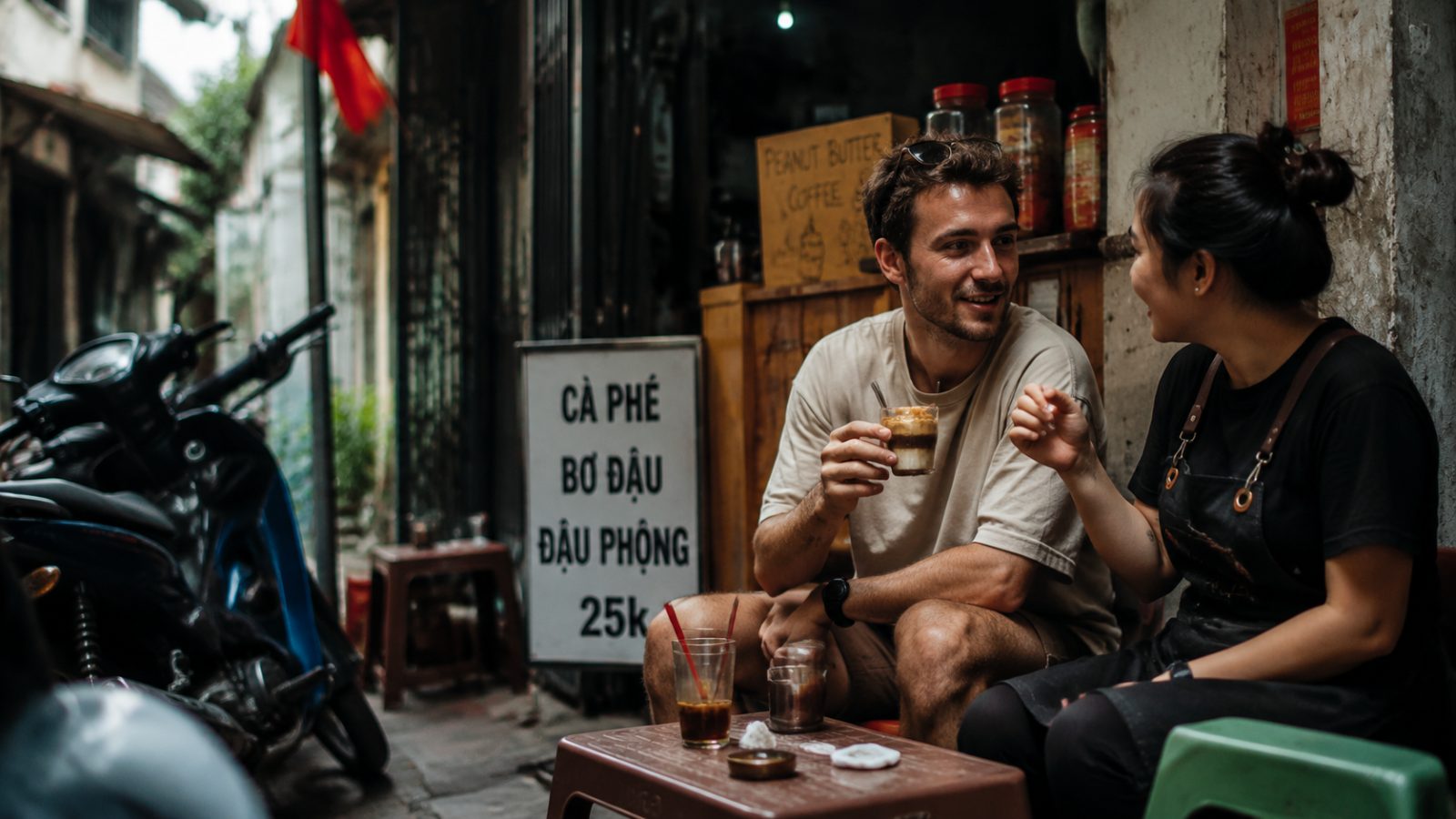

Things to do in Ho Chi Minh City can feel overwhelming on a first trip, especially when you only have a short stay and want a plan that actually works. The city moves fast, traffic is intense, and the best sights are spread across different districts, so first-time visitors need a simple way to prioritize history, food, and local culture without wasting energy.
The easiest solution is to focus on a compact route that mixes iconic landmarks, real neighborhood life, and one or two memorable local experiences. Start with the city center, then choose a food stop or evening area based on your travel style. If you want a deeper local flavor, HCMC food experiences can help you spend less time planning and more time enjoying the city. For most travelers, that is the difference between a rushed visit and a trip that feels vivid, balanced, and worth repeating.
What Makes Ho Chi Minh City Worth Visiting
Ho Chi Minh City is worth visiting because it gives first-time travelers a fast, high-energy introduction to Vietnam in one place. The city moves quickly, but it is still easy to enjoy if you know where to look for real local life, from sidewalk coffee to late-night food stalls and historic streets.
For travelers searching for things to do in Ho Chi Minh City, the appeal is not just one landmark. It is the mix of French colonial buildings, dense street markets, modern rooftop views, and neighborhoods that still feel lived in. That contrast is what keeps many visitors curious after the first day.
A quick snapshot of the city’s identity: it is busy, friendly, and layered. You can start the morning with a bowl of noodles near a wet market, spend the afternoon at a museum, then end the day in a local alley café or on a motorbike ride through District 1. The experience feels active, not staged.
What makes the city especially strong for solo travelers, couples, and families is its range. You can choose easy sightseeing, food-focused exploration, or deeper cultural stops without needing long transfers. A good first plan often includes local breakfast, a heritage walk, and one neighborhood where you simply observe daily life.
For a deeper food-focused experience, many travelers pair sightseeing with local food tours in Ho Chi Minh City, which is a smart way to taste the city without wasting time guessing where to eat. If you want a broader trip plan, browse all Toward Local tours and compare what fits your pace.
| Criteria | Ho Chi Minh City | What you get | Best for |
|---|---|---|---|
| Atmosphere | Fast and energetic | Constant street life and movement | Curious, active travelers |
| Experience mix | Food, history, cafes, markets | Easy variety in one city | First-time visitors |
Featured snippet: Ho Chi Minh City is worth visiting because it combines local food, colonial history, modern skyline views, and a lively street culture in one destination. It is especially good for travelers who want an active, urban Vietnam experience with easy access to markets, museums, cafés, and neighborhood life.
In practical terms, this means the city works well even on a short stay. You do not need a packed itinerary to feel the place. One morning in a market, one afternoon at a heritage site, and one evening in a local dining street can already show you why many visitors consider it one of the most rewarding urban stops in Southeast Asia.
If you want a softer way to plan your first days, think in three layers: see one historic area, eat where locals eat, and leave room for one spontaneous stop. That balance is what turns a basic city break into a memorable trip, especially in a place as dense and character-rich as Ho Chi Minh City.
To make the most of your stay, start with one guided local experience, then explore on your own. That gives you context, saves time, and helps you notice details you might otherwise miss. For travelers who want the city to feel local rather than generic, that approach usually delivers the best results.
When you are ready to go beyond inspiration and build a real plan, book a route that fits your pace and interests. Ho Chi Minh City rewards travelers who stay curious, move slowly when needed, and choose experiences that reveal how the city actually lives.

Top Things to Do in Ho Chi Minh City for a Balanced Itinerary
Things to do in Ho Chi Minh City work best when you balance major landmarks with local street life. If you only chase famous sights, the city can feel rushed and repetitive. If you only stay in neighborhoods and markets, you may miss the history that gives Saigon its depth. The sweet spot is a mixed route that keeps the day varied, walkable, and easy to enjoy.
For first-time visitors, that balance matters even more because traffic, heat, and distance can quickly drain energy. A smart plan pairs one heritage cluster in District 1 with one or two slower experiences nearby, such as a market stop, a riverfront walk, or a local coffee break. That way, things to do in Ho Chi Minh City feel richer without turning the day into a checklist.
Visit the city’s core landmarks first, then leave space for a more local layer. A practical half-day could start with the War Remnants Museum, continue to the Notre-Dame Cathedral Basilica of Saigon, and finish with the Central Post Office or the nearby book street. This route works well because the sites are close together, so you spend more time exploring and less time in transit.
Inside the War Remnants Museum, the experience is reflective and often emotional, so keep enough time to read a few exhibits instead of rushing through. Then shift the pace with a lighter stop nearby, such as a coffee break at a heritage cafe or a short walk through the colonial streets. If you want a broader city day, you can pair this cultural section with a local HCMC food tour later in the day, which adds a relaxed and practical way to experience the city’s everyday flavor. A simple mini insight: visitors remember the transition between serious history and casual street life more than either part alone.
| Criteria | Landmark First | Local First | Best For |
|---|---|---|---|
| Energy level | High focus in the morning | Easy-going from the start | Solo travelers and couples |
| Trip style | History and architecture | Markets, streets, and food | Families and adventurous visitors |
The second half of the day should feel more open and human. Explore local neighborhoods like Ben Thanh area, Nguyen Hue, or the riverfront near Bach Dang to see how the city changes once the formal landmarks fade out. Markets give you fast, high-energy snapshots of daily life, while the riverfront gives you breathing room. That contrast is exactly what makes a balanced itinerary easier to enjoy than a packed one.
A good example is to walk through a market for snacks, then continue toward the water for a slower finish. You may hear street vendors calling, see office workers heading home, and notice couples sitting by the river at sunset. Those details turn a standard sightseeing day into something more memorable. For travelers who want to go deeper, a small detour into the alleys or a coffee stop in a local apartment building can reveal a more authentic side of the city. If you are planning several stops, browse all Toward Local tours to compare options that fit different energy levels and interests.
In practice, the best balance is simple: one historical block, one local block, and one flexible break in between. That structure keeps the day realistic for families, solo travelers, and couples who want a mix of meaning and momentum. It also helps you avoid the common mistake of overpacking District 1 and missing the city’s living rhythm. If you want your time in Saigon to feel complete rather than crowded, build your day around contrast, not quantity.
Featured snippet: A balanced Ho Chi Minh City itinerary combines iconic landmarks like the War Remnants Museum and Notre-Dame Cathedral Basilica of Saigon with local experiences such as markets and riverfront walks. This mix gives first-time visitors history, atmosphere, and authentic daily life without overloading the day.
For a final upgrade, group sights by area, travel light, and leave one open slot for a spontaneous stop. That single habit makes the city feel easier and more rewarding. If you want the most efficient version of things to do in Ho Chi Minh City, focus on close-together landmarks in the morning, local neighborhoods in the afternoon, and a soft food or coffee stop in between. Book a guided experience when you want convenience, or keep it self-planned when you prefer freedom. Either way, the smartest itinerary is the one that leaves room for the city to surprise you.

Best Food and Cultural Experiences in Ho Chi Minh City
Things to do in Ho Chi Minh City often start with food, because the city is easiest to understand at the table. If you want a local experience that feels real rather than staged, focus on street stalls, coffee shops, markets, and small cultural venues where daily life still shapes the atmosphere. That is where the city becomes memorable for first-time visitors, solo travelers, couples, and families alike.
Ho Chi Minh City rewards curious travelers who like to taste, walk, watch, and compare. You do not need a perfect plan, but you do need a smart route: eat where locals eat, pause for coffee like locals do, then balance the day with heritage spots that explain how Saigon became the city it is today.
Featured snippet: The best food and cultural experiences in Ho Chi Minh City combine Vietnamese street food, strong coffee, and heritage stops such as museums, temples, and live performances. For a local-first day, start with breakfast noodles or banh mi, add a coffee break, then finish with a cultural visit in District 1 or Chinatown.
For food, keep the order simple: breakfast at a noodle stall, lunch at a market, and dinner near a busy local street. A typical day might include pho in the morning, com tam or bun thit nuong at midday, and fresh spring rolls or grilled seafood at night. If you want a more guided route, consider local food tours in HCMC because they remove guesswork and help you sample more dishes in less time.
Vietnamese coffee culture is just as important as the meals. A phin coffee with condensed milk is the classic choice, but egg coffee, coconut coffee, and iced black coffee all show different sides of the city’s habits. The best coffee stops are usually busy, modest, and unhurried, with people staying far longer than tourists expect. That is a useful signal: in Saigon, coffee is a pause, not a pit stop.
When you add culture, keep the visits close together so the day stays relaxed. The War Remnants Museum, Independence Palace, and Saigon Opera House give strong context for modern history, while Cholon and local temples show older layers of the city’s heritage. A practical route is to pair one museum with one performance or temple, then leave time for a slow walk. If you are comparing city experiences elsewhere in Vietnam, Hoi An tours for culture offer a different but equally local perspective.
| Criteria | Best choice | Why it works | Best for |
|---|---|---|---|
| Street food | Busy local stalls | Fresh, fast, authentic | Adventurous eaters |
| Cultural sightseeing | One museum plus one temple | Balanced pace and better context | First-time visitors |
Mini insight: the most satisfying local days in Ho Chi Minh City are not the ones with the most stops, but the ones with the best rhythm. Eat well, slow down for coffee, then choose one cultural anchor that helps the whole city make sense.
For a soft upgrade, travelers who want more structure can mix self-guided exploring with curated experiences. That is especially useful if you are traveling with family or visiting for the first time and want fewer missed turns, better food choices, and more time spent in the right neighborhoods.
To make the most of Ho Chi Minh City, keep your plan flexible but focused: one strong food block, one coffee stop, and one heritage experience per half day. That combination gives you variety without rushing, and it is the easiest way to turn a short stay into a richer trip.
How to Choose the Right Things to Do in Ho Chi Minh City for Your Trip
Things to do in Ho Chi Minh City can feel endless on a first trip, especially if you want the real city and not just the obvious landmarks. The best plan is not to do more, but to choose the right mix of experiences that fit your time, energy, and travel style.
For adventurous solo travelers, couples, families, and local-first explorers, the strongest itinerary usually combines one cultural stop, one food experience, and one flexible neighborhood walk. That balance keeps the day active without feeling rushed, and it gives you a clearer sense of how Saigon actually works.
Featured snippet: Choose activities in Ho Chi Minh City by matching them to your trip length, budget, and pace. Sightseeing works well for short stays, food tours deliver the best local value, nightlife suits travelers who want energy after dark, and day trips fit visitors who want more depth beyond District 1.
| Criteria | Sightseeing | Food tours | Day trips |
|---|---|---|---|
| Best for | First-time visitors and short stays | Local flavor and adventurous travelers | Travelers with extra time and curiosity |
| Typical effort | Low to moderate | Low, easy to enjoy in any weather | Higher, because transport takes time |
If you only have one full day, start with a compact city route, then save your evening for a local HCMC food tour that takes the pressure off planning. In practice, this is the easiest way to avoid tourist traps because a good guide knows which stalls are busy for the right reasons.
Sightseeing is the safest choice when your trip is short or your group has mixed interests. A family may prefer the Central Post Office, a couple may enjoy the Opera House area at sunset, and solo travelers often like flexible stops such as Ben Thanh Market or the Cafe Apartments. The mini insight is simple: sightseeing works best when it adds context, not just photo stops.
Food tours usually give the highest value per hour because they combine movement, local stories, and actual meals. They are ideal if you want to understand the city through flavor rather than monuments. For travelers who like to compare options first, the broader Toward Local tours page helps you see how food, cycling, and cultural routes differ before you commit.
Nightlife is best treated as a bonus, not the core of the trip, unless your style is social and high-energy. Bui Vien is famous, but not every traveler will enjoy the noise. A smarter approach is to use one night for bar hopping or craft beer, then keep the next morning light. Day trips suit people who want contrast, especially if they have already seen the main districts.
Final rule: prioritize by time first, then budget, then travel style. If you have 2 to 3 days, focus on one iconic city day, one food-heavy day, and one relaxed or offbeat experience. That mix usually creates the best trip memory and makes things to do in Ho Chi Minh City feel intentional instead of random.
Choose sightseeing if you want the clearest first impression, food tours if you want the deepest local connection, nightlife if you want energy after dark, and day trips if you want more variety. The strongest itinerary is the one that matches your pace, not the longest list on the internet.
For travelers who want a soft conversion path, book one guided experience early and leave the rest flexible. That gives you structure without locking the whole trip, and it helps you spend more time enjoying Saigon instead of deciding what to do next.
Useful Tips, Common Mistakes, FAQs, and Next Steps
Things to do in Ho Chi Minh City can feel endless, but first-time visitors usually get better results when they plan around pace, location, and heat. Start with one heritage area in District 1, add one food stop, then leave room for a neighborhood walk or a local ride so the city still feels alive instead of rushed.
The best trips here mix structure with flexibility. A strong first day might include coffee, one major landmark, and an early dinner, then a night market or rooftop view if energy allows. If you want a deeper local angle, explore HCMC food tours for an easy way to taste the city without wasting time on guesswork.
| Criteria | Best choice | Why it works | Example |
|---|---|---|---|
| First day pace | 2 to 3 stops | Limits fatigue and traffic stress | Cathedral, coffee, food lane |
| Local experience | Neighborhood walk | Shows real street life | Cholon or a quiet alley cafe |
Common mistakes first-time visitors make when planning things to do in Ho Chi Minh City
One common mistake is overpacking the schedule. The city looks compact on a map, but traffic, heat, and crowds can turn a short move into a long one. Another issue is sticking only to famous landmarks, which makes the trip feel polished but not local. A better approach is to pair one headline sight with one lived-in street or market.
Visitors also underestimate how good simple planning can be. Booking a morning start, carrying cash for small vendors, and choosing areas by cluster instead of by fame saves time. If your style is adventurous and local, see all Toward Local tours to match the city with a route that fits couples, solo travelers, or families.
Featured snippet: The smartest way to plan things to do in Ho Chi Minh City is to group nearby attractions, start early, and leave space for food and street-level discovery. Avoid cramming too many transfers into one day, because traffic and heat quickly drain energy and reduce time on site.
FAQ: best time to visit, how many days to stay, and what to do first
Best time to visit: December to April is usually the easiest for sightseeing because rain is lighter and walking feels more comfortable. How many days to stay: Two to four days is ideal for first-timers who want a mix of history, food, and local neighborhoods. What to do first: Begin with District 1 so you can cover a landmark, a cafe, and an early meal without long transfers.
Mini insight: If you arrive tired, choose one low-effort activity first, such as a coffee stop or short walking loop, then save a bigger outing like Cu Chi or Cholon for the next day. That small adjustment often improves the whole trip because you spend less time recovering and more time exploring.
Next steps: Pick your travel dates, map two nearby areas for each day, and book at least one local experience before arrival. That gives you a clear base while keeping the trip flexible enough for spontaneous food stops, hidden cafes, and unexpected discoveries in the city.
For travelers who want a more efficient and memorable route, consider adding one guided experience and one free exploration day. If you are ready to turn ideas into an actual plan, book an HCMC local tour or browse all Toward Local tours for a softer, more confident first trip.