
Things to do in Ho Chi Minh City can feel overwhelming on a first visit because the city moves fast, roads are busy, and the best spots are spread across different districts. The good news is that you do not need to see everything to get a real feel for Saigon. A smart plan helps you balance famous landmarks, local food, and a few experiences that show how the city actually works.
If you are a first-time visitor, start with a simple mix of culture, street life, and easy logistics. A central base in District 1 makes sightseeing smoother, while a food-first itinerary helps you understand the city faster than any museum. For travelers who want a deeper local angle, this guide also points you toward authentic neighborhoods, hidden corners, and a guided food tour in HCMC that saves time and removes the guesswork.
What Makes Ho Chi Minh City Worth Exploring
Things to do in Ho Chi Minh City go far beyond the usual postcard stops. The city rewards travelers who like street-level energy, layered neighborhoods, and experiences that feel local rather than polished. If you want a destination that moves fast, eats well, and keeps surprising you after dark, Saigon delivers that mix with confidence.
For first-time visitors, the challenge is not finding activities but choosing the right ones. District 1 gives you the classic landmarks, while nearby areas reveal markets, cafes, river views, and hidden corners that make the city feel alive. The best way to explore is to balance famous sights with a few local experiences that show how residents actually spend their time.
Ho Chi Minh City is worth exploring because it combines historic landmarks, dense street life, strong food culture, and easy access to local experiences. The best visits mix iconic sights in District 1 with markets, coffee spots, river walks, and evening neighborhoods that show the city’s real pace and personality.
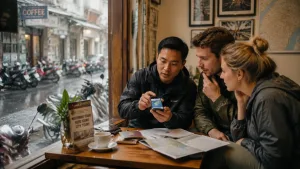
The city’s energy is immediate. Motorbikes flow through intersections, sidewalk food stalls stay busy from morning to late night, and cafes fill with students, office workers, and travelers. That mix matters because it creates constant movement without making the city feel one-note. A morning coffee, a lunch stop in a market, and a sunset rooftop view can each feel like a different version of Saigon.
A practical way to plan is to divide your day by atmosphere. Start with a cultural landmark, add a food stop, then finish in a district where you can walk, browse, and people-watch. If you prefer a guided local experience, a Ho Chi Minh City food tour can quickly connect the dots between signature dishes and the neighborhoods where they belong.
| Criteria | District 1 | District 3 | District 5 |
|---|---|---|---|
| Best for | Landmarks and first-time planning | Cafes and calmer local streets | Chinatown food and temples |
| Travel style | Easy and central | Balanced and walkable | Adventurous and culture-rich |
The best time to visit depends on what you value most. Dry season, roughly December to April, is the most comfortable for walking, rooftop dining, and day trips. Rainy season can still work well if you are flexible, because showers are often short and many indoor attractions remain easy to enjoy. For families and solo travelers alike, the city stays active year-round, so timing is about comfort, not whether the trip is possible.
One useful rule is to match the season with your priorities. If you want the easiest sightseeing weather, come in the dry months. If you want greener streets, fewer crowds at some attractions, and lower hotel rates, the wet season can be a smart choice. In either case, Ho Chi Minh City is strongest when you slow down enough to notice the details, from early-morning sidewalks to late-night food lanes.
Browse all Toward Local tours if you want to pair the city’s highlights with a smoother local-led itinerary. It is an easy way to save time, avoid guesswork, and still leave room for spontaneous discoveries.
The Best Things to Do in Ho Chi Minh City by Neighborhood
Things to do in Ho Chi Minh City make the most sense when you plan by neighborhood, not by checklist. District 1 is the easy starting point, but the city opens up fast once you map in District 3, District 5, and the riverfront. That approach helps first-time visitors avoid backtracking, save energy, and see more of the real city in less time.
If you are building a route for a solo trip, a couple’s getaway, or a family stay, the key is to group nearby sights with food stops and short transfers. In practice, that means one area for heritage, one for markets, and one for local meals. A Ho Chi Minh City food tour can also help you understand what to eat before you start exploring on your own.
The best way to explore Ho Chi Minh City is by neighborhood. Start in District 1 for landmarks, move to District 3 for the Pink Church and café culture, then finish in District 5 for Chinatown and street food. This keeps travel time low and gives you a clearer, more local experience.
District 1 is where most visitors begin because it combines major landmarks, walkable streets, and easy ride-hailing access. A smart half-day route can include Notre-Dame Cathedral Basilica, Saigon Central Post Office, Book Street, and the Saigon Opera House, then end with a quick stop at the Cafe Apartment or Nguyen Hue Walking Street. If you want a simple decision rule, choose District 1 for your first morning and District 3 for your second. That balance gives you the classic city sights without feeling trapped in one tourist bubble.
| Criteria | District 1 | District 3 | District 5 |
|---|---|---|---|
| Best for | Iconic sights and easy routing | Churches, cafés, slower pace | Markets, temples, Chinatown feel |
| Visitor fit | First-time visitors and short stays | Repeat visitors and photo seekers | Food lovers and local explorers |
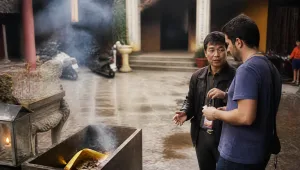
For a more local route, District 3 and District 5 add texture that many travelers miss. Tan Dinh Church stands out for its pink façade and photogenic side streets, while Cholon gives you temples, herbal shops, and a Chinatown rhythm that feels older and more lived-in. The takeaway is simple: if District 1 is about seeing the city, District 5 is about feeling how it works. That shift matters for travelers who want something beyond the standard sightseeing loop.
Street food belongs in the middle of any neighborhood plan, not as an afterthought. Use lunch or early evening to sample bánh mì, bún bò Huế, cơm tấm, and fresh spring rolls near local markets or busy corners where turnover stays high. For travelers who want structure without losing flexibility, one of the Toward Local tours can save time while still leaving room to wander after the meal. The best routes usually mix one landmark, one food stop, and one slow walk.
District 4 and the riverfront are good for a later shift in pace, especially if you want views, café breaks, or a relaxed evening. The Saigon River walkway, Mong Bridge, and rooftop bars work well together because they reduce transport time and keep the cityscape in view. For couples, this is one of the easiest ways to turn a busy sightseeing day into a more memorable night. For families, it is also a practical option because the walking is simple and the scenery changes often.
District 1 is the best starting point for landmarks, while District 3 and District 5 add depth through cafés, churches, markets, and authentic food. Build one route around heritage, one around local dining, and one around the river. If you want a smoother trip with fewer guesswork moments, book a guided HCMC food experience, then use the rest of the day to explore by neighborhood at your own pace.
For soft planning support, start with the area that matches your travel style, then branch out. If you want a stronger local angle, mix Chinatown, street food, and a café stop into the same route. If you want convenience, keep your base in District 1 and use short rides to reach the others. That is the simplest way to turn things to do in Ho Chi Minh City into a trip that feels both efficient and genuinely local.
How to Experience Ho Chi Minh City Like a Local
Things to do in Ho Chi Minh City becomes much more rewarding when you stop chasing only the obvious landmarks and start following the city’s daily rhythm. For most travelers, the challenge is not a lack of options, but knowing which experiences feel authentic, easy to navigate, and worth your limited time.
The best local-style itinerary mixes food, coffee, riverside movement, and small neighborhood discoveries. That approach gives you a clearer sense of how Saigon actually works, especially if you are visiting as a solo traveler, a couple, or a family that prefers adventurous but practical plans.
To experience Ho Chi Minh City like a local, focus on street food, Vietnamese coffee, hidden apartment cafes, riverside walks, and evening neighborhoods. Start in District 1 or District 3, then move outward for more atmosphere. The result is a trip that feels less rushed, more local, and easier to enjoy.
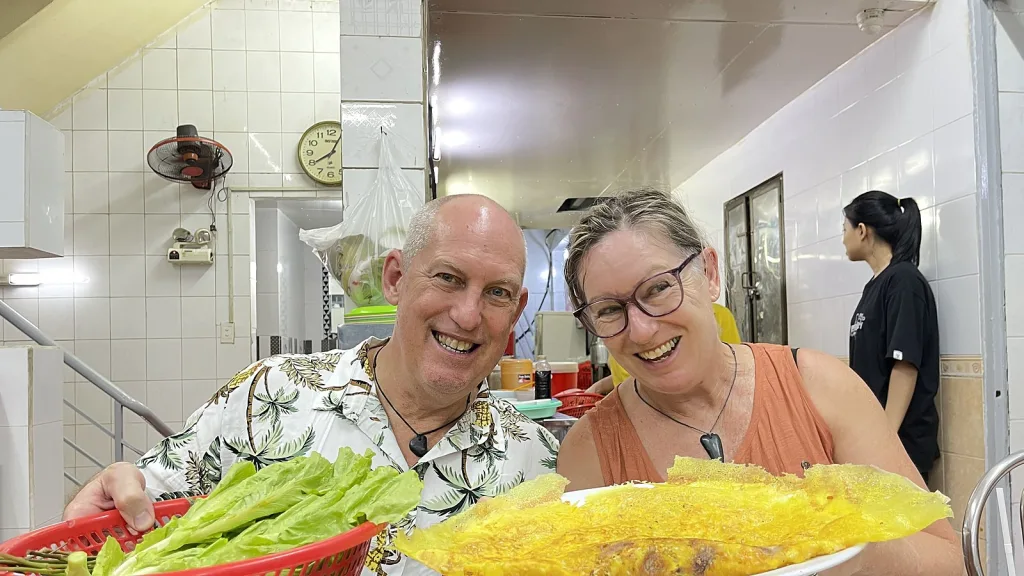
Food is the fastest way to understand the city. A good local food tour is not just about pho; it is about the full range of southern Vietnamese flavors, from banh xeo to broken rice and iced coffee stops. If you want a guided option that saves time and removes guesswork, a Ho Chi Minh City food tour can help you sample more dishes in one evening than most visitors manage in two days.
A simple rule: eat where the place is busy, sit where locals sit, and order one unfamiliar dish each time. That small habit turns lunch into a cultural lesson. A useful comparison for first-timers is this: street food gives you speed and variety, while a workshop or market visit gives you context and confidence. A local insight many visitors miss is that Vietnamese coffee is best understood as part of daily life, not just as a drink. People meet, work, wait, and socialize in cafes for hours, which is why the city feels so alive in the morning and late afternoon.
| Criteria | Food tour | Cafe hopping | Evening walk |
|---|---|---|---|
| Best for | First-time visitors | Slow travel fans | Low-cost exploration |
| What you gain | Dish variety and guidance | Local routine and atmosphere | City views and street energy |
For a softer planning shortcut, book one experience early in your trip and then leave the rest open. That balance keeps your schedule flexible while still giving you a trusted anchor for the day.
After dark, the city changes mood fast. Hidden cafes, rooftop corners, and riverside paths become more appealing as the heat drops and office crowds thin out. If you like a more structured evening, the full Toward Local tour collection is an easy place to compare city-focused experiences before committing.
For hidden gems, look beyond District 1 for a short stretch of walking, then return to the center for dinner or drinks. The riverside promenade is especially good for an unhurried stroll, while older apartment blocks and side streets often hide independent cafes and bars that feel genuinely local. A practical example: spend late afternoon at a coffee shop, walk the river at sunset, then finish with a simple dinner near Nguyen Hue or District 3.
If you want the city to feel local rather than tourist-led, keep the evening simple: one walk, one drink, one neighborhood. That is usually enough to see why Ho Chi Minh City stays memorable long after the trip ends.
For travelers who prefer a more curated night out, a second good fit is a small-group tour or local-led bar route, especially if you are visiting for only a short stay and want to avoid trial and error.
If you want a Saigon day that feels organized without losing local character, choose one food experience, one coffee stop, and one neighborhood walk. That combination gives you the best balance of comfort, discovery, and authentic city life.
Ready to turn your trip into a true local experience? Explore the best Ho Chi Minh City options now and build a plan that fits your pace, your interests, and your travel style.
Which Things to Do in Ho Chi Minh City Are Best for Your Travel Style
Things to do in Ho Chi Minh City vary a lot by travel style, which is exactly why first-time visitors often overpack the itinerary and still miss the city’s best moments. If you like local experiences, the smartest plan is not to chase every landmark, but to match your days with the kind of energy you want: culture, food, or slower time between the chaos.
For adventurous solo travelers, couples, families, and expats from Europe, North America, Korea, or Japan, that usually means choosing a few high-impact stops and leaving room for street-level discovery. A good mix keeps the city exciting without turning it into a checklist. It also helps you avoid the common mistake of booking only the famous sights and forgetting how much Saigon rewards wandering.
The best things to do in Ho Chi Minh City depend on your pace. Choose cultural activities for history and architecture, food experiences for local flavor, and river or cafe time for recovery. Short stays work best with one activity from each category, while longer stays can go deeper into neighborhoods, hidden bars, and day trips.
Use this simple filter: if you want context, start with museums, temples, and colonial buildings; if you want energy, focus on food tours, markets, and local coffee spots; if you want balance, add a rooftop view, a river walk, or a slow afternoon in a quiet cafe. For an easy entry point, many travelers begin with a guided food tour because it shows how the city works at street level and saves time deciding where to eat.
| Criteria | Cultural | Food | Relaxation |
|---|---|---|---|
| Best for | History lovers | Hungry explorers | Slow-paced travelers |
| Typical choice | Opera House, churches, Chinatown | Street food, markets, coffee | River walk, rooftop, cafe time |
If your stay is short, keep it tight: one cultural stop, one food experience, and one slow activity in the evening. That gives you variety without rushing through traffic-heavy days. If you have three or four nights, add a neighborhood walk or a broader local tour selection so you can compare districts and see more than the central tourist core.
For longer stays, the best approach is to rotate by mood. Do a temple or museum in the morning, a market lunch, then a quiet cafe or riverfront break before dinner. That rhythm works especially well for couples and solo travelers because it keeps the trip active but not exhausting. Families usually benefit from shorter legs, fewer transfers, and one or two anchor activities per day.
If you want to save planning time and still feel local, book one experience that connects food, neighborhood life, and movement through the city. It is the fastest way to understand what Ho Chi Minh City is really like.
In practice, the best travel style for Saigon is flexible, not packed. Pick a theme, build around it, and leave one open slot each day for whatever the city gives you. That is how you get memorable moments instead of just sightseeing receipts. If you want the easiest next step, start with one small-group experience and let the rest of the trip unfold around it.
For travelers who want a smoother, more local introduction, a well-run Ho Chi Minh City food experience is one of the most efficient ways to see, taste, and understand Saigon in a single outing.
Essential Tips, Common Mistakes, FAQ, and Next Steps
Things to do in Ho Chi Minh City can feel overwhelming on a first visit, especially if you are trying to balance local experiences with practical planning. The city rewards travelers who move with a simple plan: stay central, time your days well, and leave room for street-level discoveries.
For first-time visitors, the biggest mistake is trying to cover too much in one day. A better approach is to pair one major sight with one local experience, such as a food tour, a hidden cafe, or a short river ride, so the pace stays enjoyable instead of exhausting.
| Criterion | Best Choice | Why It Helps | Who It Suits |
|---|---|---|---|
| Getting around | Ride-hailing apps | Fast, clear pricing, easy for short hops | Solo travelers and couples |
| First food experience | Guided street food tour | Safer ordering, better variety, local context | Families and adventurous visitors |
First-time visitors should focus on central districts, use ride-hailing for short transfers, and book one guided food experience early in the trip. This reduces stress, helps you understand the city faster, and makes it easier to enjoy both famous landmarks and local neighborhoods.
What first-time visitors often get wrong is assuming Saigon works like a compact walking city. It does not. Distances are wider than they look, traffic is constant, and some of the best experiences are tucked inside apartment blocks, side streets, and neighborhood markets.
That is why a guided local food tour can be such a smart first move, especially if you want to sample the city without wasting time decoding menus or transport. You get a practical introduction and usually end up finding places you would never spot alone.
Another common miss is underestimating heat and humidity. Light clothes, water, and an early start make a real difference, particularly for temple visits, river walks, or outdoor photography. If you want a calmer pace, plan cafés and museums for midday, then save night views and dining for later.
FAQ: Safety, transportation, budget, and best time to go
Is Ho Chi Minh City safe for tourists? Yes, for most visitors it is safe when you use normal city awareness. Keep your phone secure, avoid distracted street crossing, and watch your bag in crowded areas. The main issues are petty theft, traffic, and overly aggressive sales tactics, not major tourist danger.
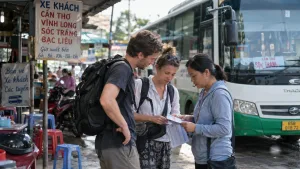
How should you get around? Use ride-hailing apps for longer hops and short taxi rides when you are tired or moving between districts. Walking works best in compact areas like District 1, but even there, heat and intersections can be tiring after a while.
What budget should you expect? A comfortable mid-range day can be managed without overspending if you mix local meals, casual transport, and one paid activity. For travelers who want a richer experience, browse all Toward Local tours to compare options before you book.
When is the best time to go? The drier months are usually easier for sightseeing, photography, and outdoor day trips. If you travel in the wetter season, just keep plans flexible and do your outdoor stops earlier in the day.
Soft next step: Choose one neighborhood base, one signature food experience, and one cultural activity. That simple structure keeps the trip easy to enjoy while still leaving space for spontaneous discoveries.
If you want a smoother first trip, start with a local-led experience that connects food, streets, and neighborhood life. It saves time, lowers uncertainty, and gives you a stronger sense of the city from day one. For travelers who want a deeper local angle, booking a small-group experience is often the best next move.
Strong next step: Pick your dates, lock in a central stay, and reserve a tour that matches your style before the best slots disappear. If you want to turn a good visit into a memorable one, begin with the city’s food and local life through Toward Local HCMC food tours.