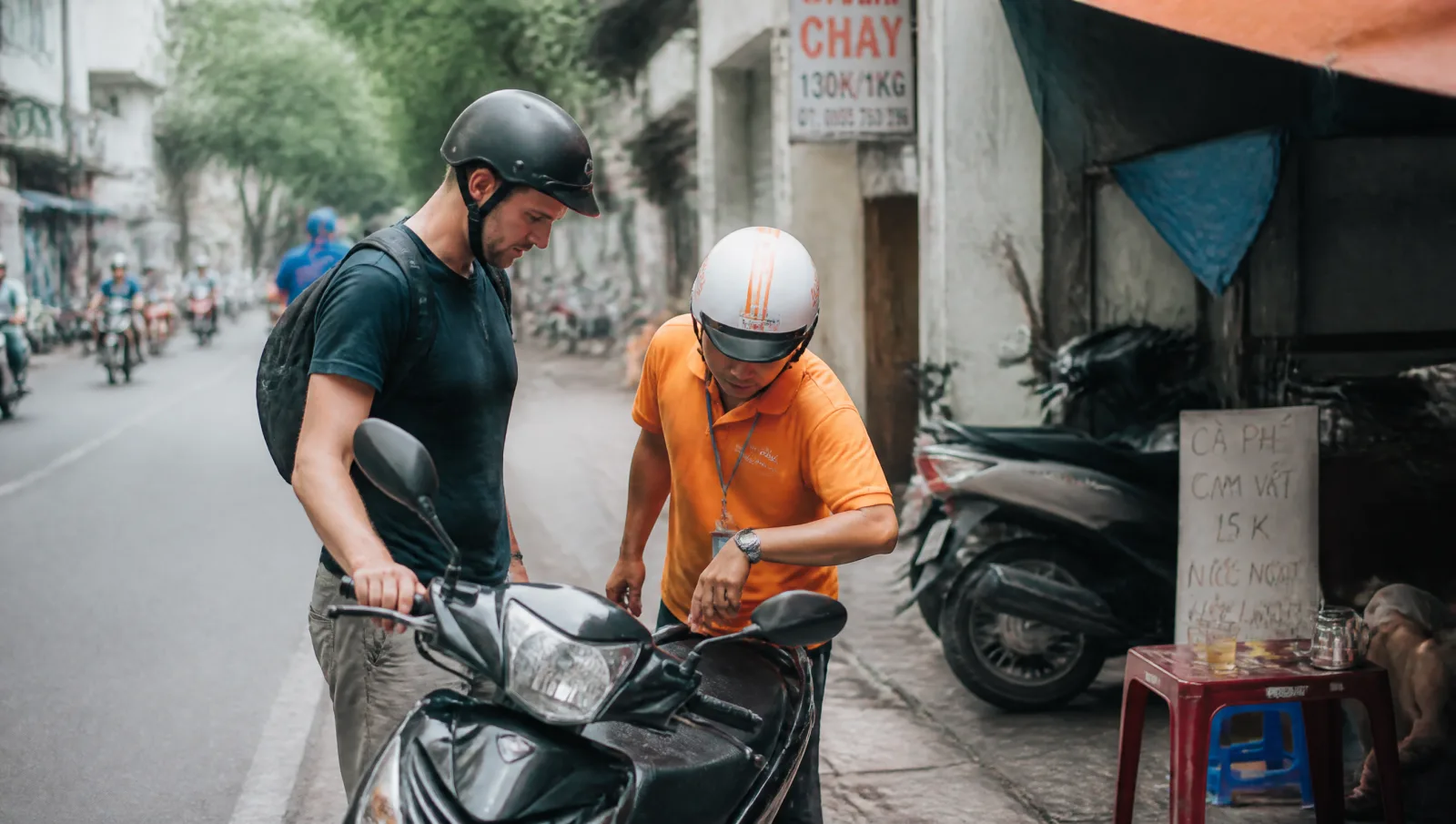

Vietnam motorbike guide readers usually face the same problems first: confusing traffic rules, uneven road quality, uncertain rentals, and real safety worries. In Vietnam, riding can feel overwhelming at street level, especially for first-time visitors who are used to clearer lane discipline. This guide breaks the ride into practical steps so you can make smarter decisions before you start the engine.
The key is learning how local traffic culture works, what to check before renting, and how to reduce risk without killing the adventure. For a local context beyond the road, you can also plan a relaxed stop with Toward Local tours after your ride. If you want a quick benchmark, compare scooter condition, helmet quality, and support options before choosing a rental.
| Criteria | What to Check | Why It Matters | Quick Tip |
|---|---|---|---|
| Traffic flow | How locals merge and signal | Prevents panic in busy streets | Ride predictably and leave space |
| Rental quality | Brakes, tires, lights, helmet | Directly affects control and safety | Test everything before paying |
For solo travelers, couples, and families, the smartest approach is not speed but preparation. A good Vietnam motorbike guide helps you avoid common mistakes, choose the right bike for your route, and ride with more confidence from city streets to coastal roads. If you plan to combine riding with city experiences, Ho Chi Minh City tours can be a useful add-on on arrival or before departure.
What You Need to Know Before Riding in Vietnam Motorbike Guide
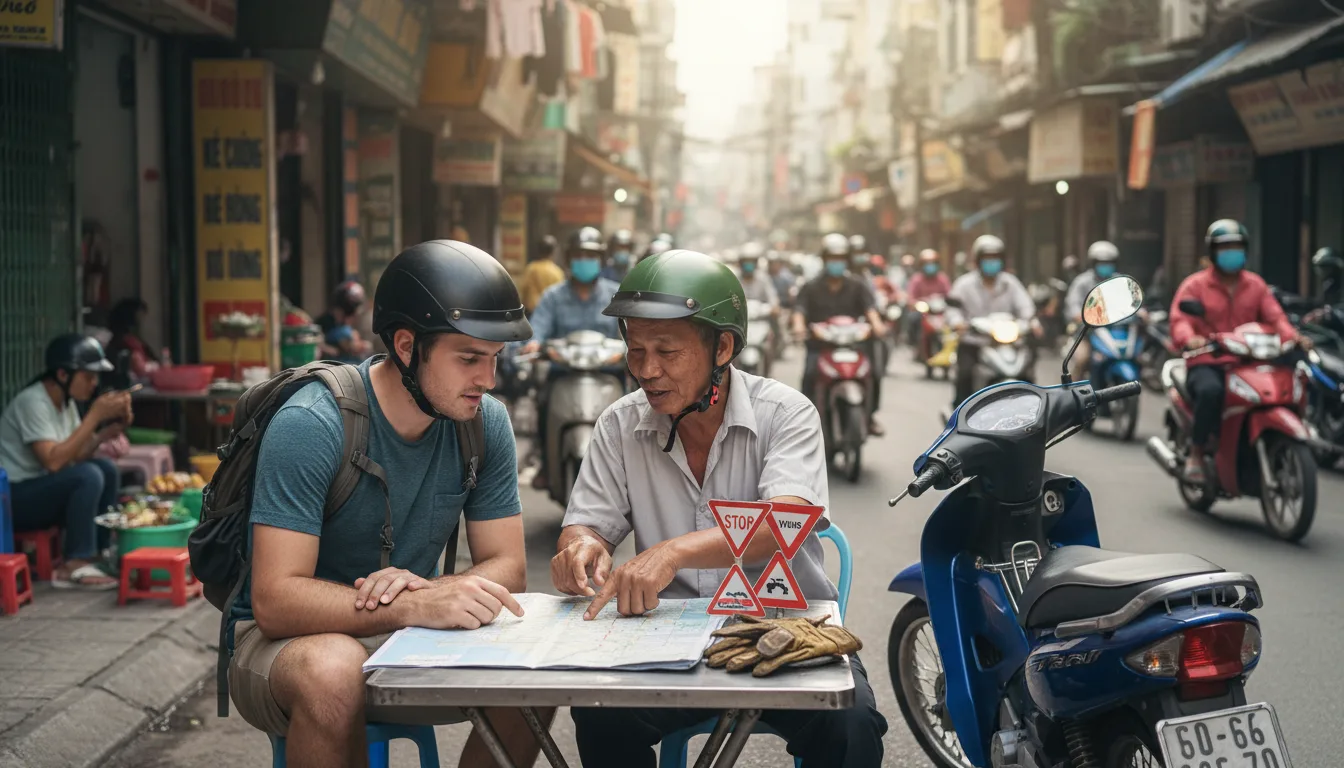
Vietnam motorbike guide: Riding in Vietnam is not a single experience. In Ho Chi Minh City, you may spend the first hour learning how to merge with dense traffic, watch for sudden lane changes, and stay calm at roundabouts. On long routes, the challenge shifts to heat, rain, fuel stops, road surfaces, and fatigue. A good plan starts with knowing which kind of ride you are actually signing up for.
Motorbikes are central to daily life in Vietnam because they move through narrow streets, rural roads, and crowded city blocks with ease. That flexibility is why many travelers choose them, but it is also why the decision should be realistic. If you want freedom to stop in small towns, reach viewpoints, and follow your own pace, a bike can be ideal. If you are nervous in traffic, a guided option may be smarter.
For readers comparing options, the key question is not whether a motorbike is exciting, but whether it matches your experience level, route, and comfort in mixed traffic. all Toward Local tours can also help when you want local access without managing every road decision yourself.
| Criteria | Motorbike is a fit | Better alternative | Why |
|---|---|---|---|
| Traffic comfort | Confident in busy streets | Private car or tour | Urban riding demands quick reactions |
| Trip style | Flexible, local, adventurous | Guided itinerary | Long routes need pacing and support |
Use a motorbike when you want control, short stopovers, and access to places bigger vehicles often miss. Skip it when you are traveling with small children, carrying heavy luggage, or arriving with zero riding confidence. For a city-based day with local flavor, a structured Ho Chi Minh City tour may give you the same energy with less risk.
Featured insight: The best Vietnam ride is not the longest one. It is the one that matches your skill, your route, and your tolerance for traffic, weather, and uncertainty. First-time riders often enjoy the trip more when they choose a guided day or a shorter regional route before committing to a bigger journey.
If you are still deciding, start by asking three simple questions: Can I handle unpredictable traffic, do I want full independence, and am I comfortable managing breakdowns or detours? If the answer is no to any of these, a tour or private transfer may be the smarter first step. If the answer is yes, a motorbike can become one of the most rewarding ways to explore Vietnam.
When you are ready to keep planning, choose the format that fits your travel style and comfort level, then build the rest of the route around it. That approach saves time, reduces stress, and helps you enjoy the road instead of fighting it.
How to Use Vietnam Motorbike Guide for Renting and Preparing
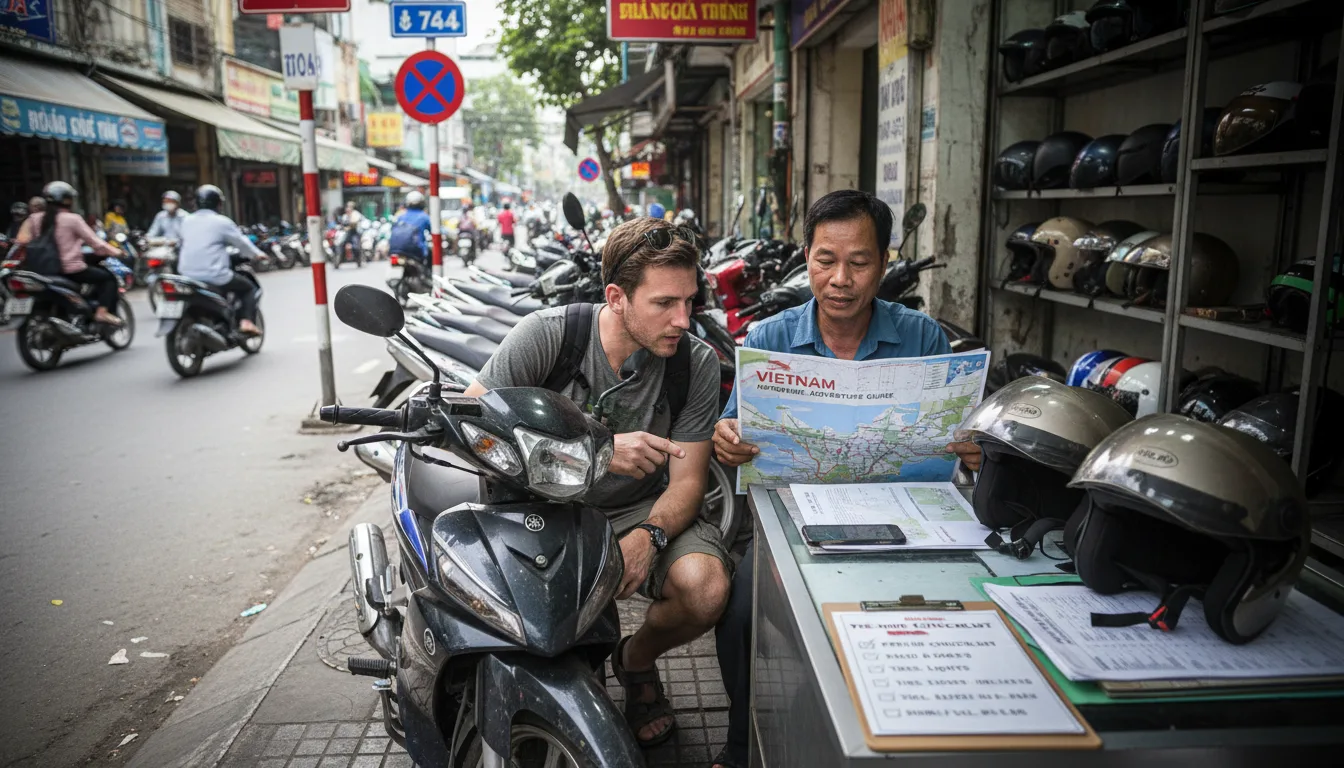
Vietnam motorbike guide readers usually want one thing first: a safe, fair rental process that does not waste time or money. The best approach is simple: choose the right bike for your route, verify the papers, inspect the condition in daylight, and lock in the final price before you ride away.
That matters even more for first-time visitors and solo travelers who may not know local rental habits. A clean helmet, valid insurance, a license that matches your travel plan, and reliable navigation tools can turn a stressful pickup into a smooth start. If you are also planning city activities, it helps to pair your ride with a few local tours in Vietnam so your trip stays flexible.
Use this short checklist before you sign anything:
- Match the bike to your route: scooter for city use, stronger bike for long roads.
- Check registration, rental terms, and any deposit requirement.
- Inspect brakes, tires, lights, fuel level, and engine sound.
- Confirm helmet quality and ask about basic insurance coverage.
- Save offline maps and test your phone mount before leaving.
Rent a motorbike in Vietnam by comparing the bike to your route, checking documents, inspecting brakes, tires, lights, fuel, and engine condition, then confirming the final price and safety gear before departure. This reduces disputes and helps you ride with more confidence.
A practical difference between a city ride and a multi-day road trip is preparation depth. For a short city run, a light scooter, decent helmet, and working brakes are usually enough. For a road trip, you need stronger tires, a healthy engine, and better storage, because one small issue becomes a major problem after hours on open roads.
For example, a couple riding around Da Nang for café stops can choose an easy automatic bike and keep luggage light, while a solo traveler heading north should spend more time checking the chain, mirrors, and fuel efficiency. If your plan includes sightseeing breaks, consider Hoi An tours as a low-effort way to balance riding with guided local experiences.
| Criteria | City Ride | Multi-day Trip | Best Check |
|---|---|---|---|
| Bike type | Automatic scooter | Stronger manual or touring bike | Match engine size to distance |
| Safety focus | Helmet and brakes | Tires, lights, engine, storage | Inspect before paying |
If you want to keep your travel day simple, combine bike rental with a pre-planned local stop so you spend less time organizing and more time exploring. A short booking buffer also gives you room to test the bike properly and ask the owner direct questions.
Final advice: do not treat the rental counter like a quick handoff. Walk around the bike, photograph any scratches, start the engine, and ask how to handle breakdowns. That small routine is the easiest way to protect your deposit and enjoy the ride from the first kilometer.
If you are building a Vietnam road trip, use this Vietnam motorbike guide as your pre-departure checklist, then book your ride only after the bike, documents, and safety gear all feel right. Smart preparation is what keeps the adventure fun, especially on unfamiliar roads.
Why Vietnam Motorbike Guide Matters for Travel and Exploration
A Vietnam motorbike guide matters because it gives travelers the freedom to move beyond fixed schedules and reach places that buses, taxis, and packaged tours often miss. For first-time visitors, solo travelers, couples, and adventurous families, that flexibility can turn a simple transfer into the best part of the trip.
Motorbike travel also changes the pace of discovery. You can stop for a roadside coffee, take a quiet detour into the countryside, or follow a coastal road when the light is best. A good Vietnam motorbike guide helps you choose routes, understand road conditions, and make smarter decisions for comfort, budget, and safety.
In practice, motorbikes are ideal for urban sightseeing, short countryside loops, scenic coastal rides, and adventure routes where public transport is limited. If you want more control than a bus tour and more access than a taxi, this is often the most practical option.
It is especially useful when your plan includes several stops in one day, local food spots, or areas outside main tourist zones. For example, a half-day city ride can connect markets, cafes, pagodas, and river viewpoints without wasting time waiting for transport. In places like Toward Local tours, that kind of route planning can make a short trip feel much richer.
The best motorbike experience is not about riding far, but about riding with purpose. Choose the bike when you want independence, when the route is scenic, and when you need easy access to small roads, local neighborhoods, and spontaneous stops.
For independent travelers, the strongest use case is a route that is too slow for a car and too limited for a bus. That includes coastal day trips, countryside loops, and flexible city exploration. If you are planning a food-focused ride in the south, Ho Chi Minh City experiences can pair well with this style of travel, especially when you want to stay close to street-level life.
| Criteria | Motorbike | Bus or Taxi | Tour |
|---|---|---|---|
| Flexibility | High, with easy stops and detours | Limited by route and timing | Fixed itinerary and schedule |
| Local access | Strong for alleys, markets, and small roads | Moderate, depends on drop-off point | Often focused on major highlights |
A motorbike is the best travel option in Vietnam when you want freedom, low-cost mobility, and direct access to local areas. It works especially well for city sightseeing, countryside day trips, coastal roads, and independent exploration where buses, taxis, and tours feel too restrictive.
If your plan includes more than one neighborhood, one food stop, or one scenic detour, build the route around a motorbike-friendly day and keep the rest of the trip flexible.
When the goal is local discovery rather than simply moving from point A to point B, a motorbike becomes more than transport. It becomes the tool that helps you experience Vietnam at street level, with more freedom and far better value than most alternatives.
For travelers heading to central Vietnam, Da Nang tours can be a useful reference point for planning coastal rides and city-to-beach movement with less friction.
If you want the most authentic and efficient way to explore Vietnam independently, use a motorbike for the routes that reward flexibility, then build the rest of your itinerary around that same freedom.
Choosing the Right Vietnam Motorbike Guide for Your Trip
Vietnam motorbike guide decisions come down to one question: how much control do you want versus how much support do you need? For confident riders, self-riding can feel liberating, but it also means handling traffic, navigation, repairs, and police checks on your own. For first-time visitors, that freedom can turn into stress fast, especially on mountain passes or long coastal legs.
The safer middle ground is often a local operator or a guided motorbike tour, where the route, luggage, and timing are handled for you. That setup is especially useful for couples, solo travelers, and families who want local experiences without spending mental energy on logistics. If you are planning a short trip or a complex route, a structured option usually saves time and reduces risk.
Choose self-riding if you already ride confidently and want full independence. Choose a local rental operator if you want flexibility with backup support. Choose a guided tour if your route is difficult, your trip is short, or you want language help, safer pacing, and fewer mechanical surprises.
Use this simple decision frame to narrow it down:
- Self-riding: best for experienced riders, lighter budgets, and simple routes
- Local operator: best for mixed experience levels and trips needing practical support
- Guided tour: best for beginners, remote roads, and travelers who want a smoother plan
For example, a rider crossing central Vietnam with mountain roads, rainy weather, and tight timing may prefer a guided local tour rather than managing every detail alone. On the other hand, a couple with riding experience and several weeks available may only need a dependable bike and route advice. The best choice is rarely the cheapest one; it is the one that matches your confidence, route, and backup needs.
Before booking, compare road safety, language support, mechanical reliability, and legal requirements. A strong travel planning option should give you clear insurance terms, helmet quality, bike condition, and emergency contact support. If those basics are missing, keep looking. The right setup should make the ride feel adventurous, not risky.
Safety Tips, Common Mistakes, FAQ, and Next Steps
Vietnam motorbike guide readers often focus on routes and rentals, but the real difference between a smooth trip and a stressful one is preparation. If you are a first-time rider, the safest approach is simple: check the bike, understand the traffic flow, and wear proper gear before you leave the rental shop.
Most problems start with small shortcuts. Travelers skip a full brake and tire check, ride too fast in city traffic, or assume a short distance means low risk. In Vietnam, a five-kilometer ride can still include buses, lane changes, rain, gravel, and sudden stops, especially in busy places like Ho Chi Minh City or on mountain roads near Da Nang and Hoi An.
A quick safety routine should cover the essentials: helmet fit, mirrors, lights, brakes, horn, fuel level, and phone navigation setup. If you are planning a flexible trip, compare your options first through all Toward Local tours, especially if you want to mix riding with guided experiences instead of handling every transfer on your own.
| Criteria | Safer Choice | Riskier Choice | Best For |
|---|---|---|---|
| Bike condition | Fresh tires, working brakes, clear lights | Unknown maintenance history | Beginners and long rides |
| Riding conditions | Daytime, dry roads, light traffic | Rain, darkness, steep roads | Solo travelers and families |
The safest way to ride a motorbike in Vietnam is to start with a well-checked bike, wear a quality helmet, avoid night and rain riding when possible, and stay conservative in traffic. New riders should choose an easier route, keep speed low, and never assume local roads will feel predictable.
Safety reminders matter even more in difficult conditions. In rain, painted lines and metal covers become slippery. At night, depth perception drops and scooters appear late. On mountain roads, corners tighten quickly and trucks can take more space than expected. In urban areas, the biggest mistake is rushing through intersections instead of waiting an extra second to read the flow.
Do you need a license?
In most cases, yes, and rental shops may still hand over a bike without asking much.
Is it safe to ride in Vietnam?
Yes, if you respect the traffic, ride defensively, and choose conditions that match your skill level.
What is the best motorbike for beginners?
A light automatic scooter is usually easier than a manual bike.
How much does it cost to rent?
Prices vary by city, bike type, and rental length, but budget more for quality and support than for the cheapest daily rate.
If your goal is to travel smart, not just fast, take time to compare the route, the weather, and the bike before committing. For travelers who want an easier city-based start before going farther, Ho Chi Minh City experiences can be a practical way to build confidence first.
Plan carefully, choose the safest riding window, and match the motorbike to your comfort level. That approach gives you more freedom, fewer surprises, and a better trip overall. If you want to keep exploring, Da Nang tours and nearby routes are worth comparing before you decide where to ride next.