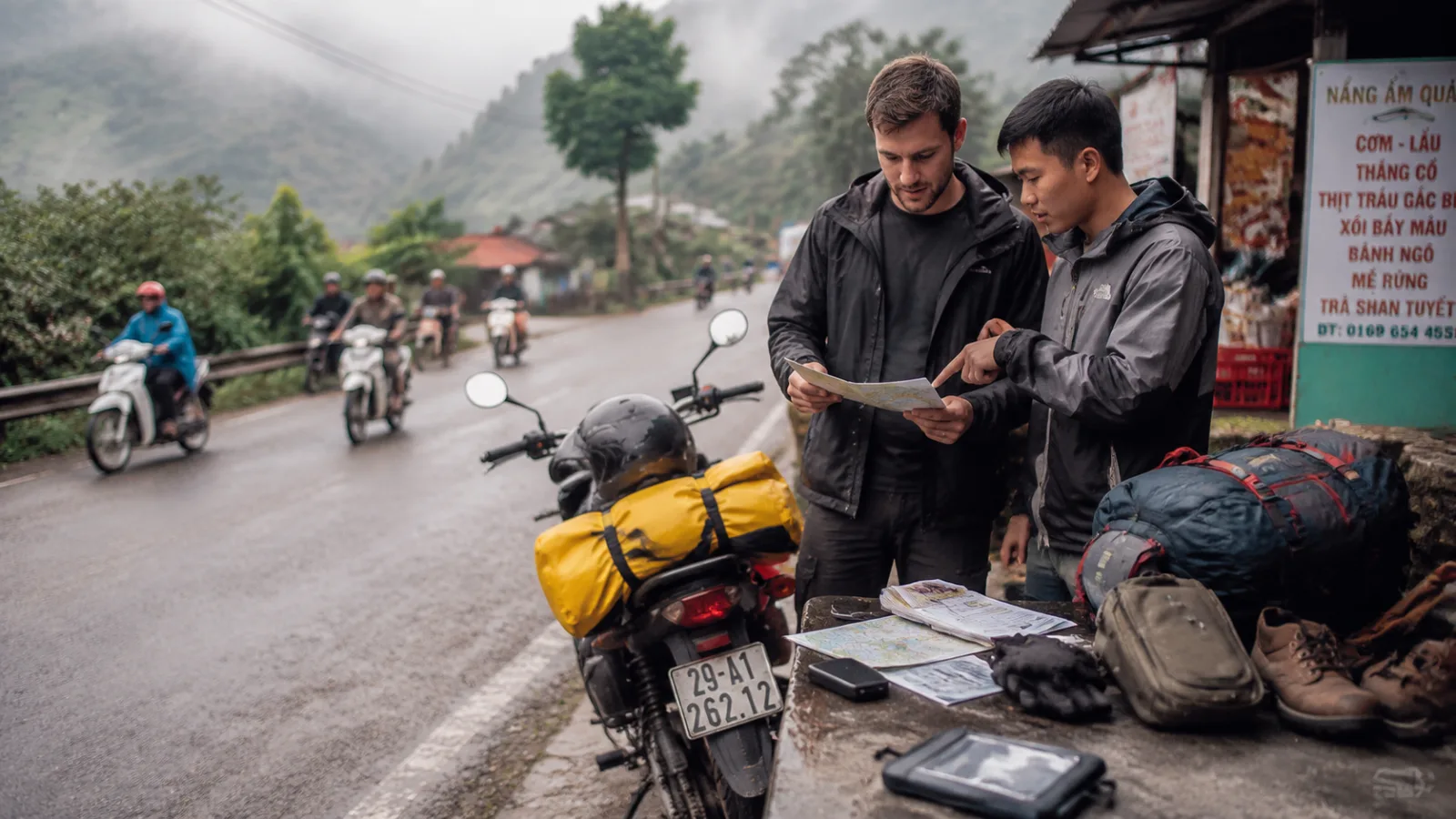

What to pack for a Vietnam motorbike tour starts with one simple idea: expect changing weather, long riding days, and limited access to shops once you leave the cities. Riders often bring too much clothing and still forget the items that matter most, like rain protection, riding layers, and the right documents. A smart packing list keeps you safer and makes the trip feel easier from day one.
This guide shows you how to pack for real road conditions, not just for photos. You will learn which gear is worth the space, what to leave behind, and how to stay comfortable through heat, rain, and mountain cold. If you are planning a route through northern roads, you can also compare timing with all Toward Local tours before you finalize your trip.
For most riders, the best approach is simple: pack light, protect well, and keep essentials easy to reach. That means a helmet you trust, quick-dry clothes, a waterproof layer, a small first aid kit, and copies of your license and insurance. If your itinerary includes city stops before the ride, a short break on Hoi An tours can be a good way to test your bag setup before heading into the mountains.
| Criteria | Pack It | Skip It | Why It Matters |
|---|---|---|---|
| Weather protection | Rain gear, warm layer | Heavy casual jackets | Road conditions change fast |
| Ride essentials | Helmet, gloves, boots | Extra shoes | Saves space and improves safety |
Pack a helmet, gloves, boots, rain gear, quick-dry clothing, a first aid kit, travel documents, a power bank, and waterproof storage. For a Vietnam motorbike tour, the smartest bag is not the fullest one. It is the one that keeps you dry, protected, and ready for sudden weather changes.
If you want a trip that feels smooth instead of stressful, use this packing guide as your filter before every item goes into the bag. Keep the important things close, reduce duplicates, and leave room for souvenirs or wet gear. For riders planning more adventurous coastal days, Da Nang tours can also help you see how local conditions affect what you should carry.
A soft reminder before you ride: the right packing list saves money, time, and energy on the road. It also helps you enjoy homestays, mountain passes, and remote stops without worrying about missing gear. Follow the checklist, pack with intention, and you will be ready for a Vietnam motorbike tour that feels more comfortable from the first kilometer.
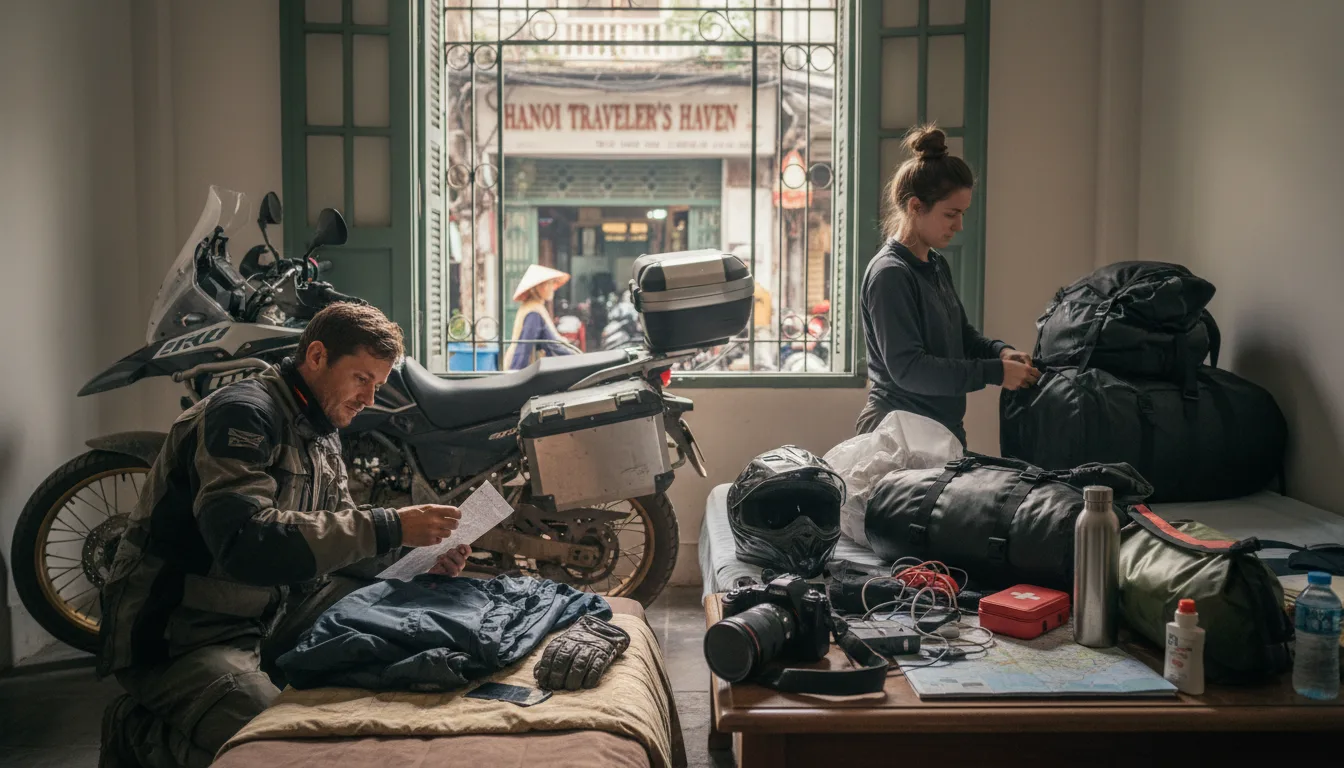
What to Pack for a Vietnam Motorbike Tour: The Essentials You Shouldn’t Forget
What to pack for a Vietnam motorbike tour depends on where you ride, how long you stay, and how much weather you want to handle on the road. The safest approach is simple: pack light, protect your body, and prepare for heat, rain, dust, and mountain cold in the same trip.
For first-time riders, the biggest mistake is packing for one climate only. Vietnam can shift from humid lowland roads to chilly highland passes in a single day, so your bag should cover riding comfort, personal safety, and quick recovery after long hours in the saddle.
Pack a helmet, riding jacket, gloves, boots, rain gear, quick-dry clothing, sun protection, first aid, power bank, documents, and cash. Add warm layers for the north and waterproof storage for the wet season. If you are joining a guided ride, confirm which items are already provided before you overpack.
What a complete packing list usually includes is a balance of protection and practicality. Your core set should cover safety gear, clothing, toiletries, medicine, electronics, and travel documents. A rider on the Ha Giang loop needs different layers than someone cruising the coast near Hoi An, but both need the same logic: reduce risk, stay dry, and keep essentials easy to reach.
Use this quick breakdown before departure:
| Criteria | Must Pack | Optional | Why It Matters |
|---|---|---|---|
| Safety | Helmet, gloves, jacket, boots | Extra armor | Protects you on rough roads and in wet conditions |
| Comfort | Quick-dry clothes, rain gear, sun block | Travel pillow | Keeps you functional during long riding days |
For clothes, choose function over style. Quick-dry shirts, a light insulation layer, riding pants, socks that do not trap sweat, and a buff for dust will serve you better than bulky fashion pieces. On a wet day near northern Vietnam, a packable rain jacket matters more than a second pair of jeans.
My soft advice is to check your tour style before you buy anything extra. If you are considering a guided route, browse all Toward Local tours to compare trip length, terrain, and season, because the right packing list changes when the ride shifts from city roads to remote mountain tracks.
When these items matter most on a Vietnam route is usually at the exact moments people forget to prepare: a sudden mountain shower, a dusty off-road section, a late-night village arrival, or a cold morning in the north. That is when spare layers, first aid, offline maps, and a charged power bank stop being extras and become trip savers.
In the wet season, rain gear, waterproof bags, and anti-slip footwear become critical, especially on long transfers and dirt sections. In the dry season, sun protection, hydration, and breathable clothing matter more, but you still need a light shell for highland weather and long downhill rides where temperature drops fast.
If your route includes northern villages, remote homestays, or beach-to-mountain transitions, pack for delays as well as comfort. A second set of socks, a simple medication kit, and enough cash for places that do not take cards can save time and stress when you are far from town.
For riders planning a food stop or city break during the journey, a short detour can also improve the experience. A break through Ho Chi Minh City food experiences can be a good contrast to the road, especially if you want one easy recovery day before heading back into the countryside.
Final packing rule: bring what keeps you safe, dry, charged, and legally ready to ride. If an item does not help with those four goals, it probably belongs at home. That mindset keeps your bag manageable and makes the whole Vietnam motorbike tour feel smoother from the first kilometer to the last.
Before you leave, make a final check for helmet, license, insurance, power bank, rain gear, first aid, and cash. If you want a route that matches your experience level and packing style, choose a Vietnam motorbike tour that fits the season, terrain, and pace you actually want to ride.
How to Pack for a Vietnam Motorbike Tour Based on Weather, Distance, and Road Conditions
What to pack for a Vietnam motorbike tour depends on three things: weather, distance, and road conditions. If you get those wrong, you end up too hot in the lowlands, too cold in the mountains, or carrying gear you never use. The smart approach is simple: pack for changing conditions, not for one perfect riding day.
For most riders, the best setup is light, layered, and easy to dry. That matters whether you are crossing the North in misty mornings, riding coastal heat, or bouncing through remote roads where shops are far apart. If you want a smoother trip, see all Toward Local tours and compare routes before you finalize your bag.
Pack for Vietnam by matching your gear to heat, rain, cold, and road type. Bring quick-dry clothes, a waterproof layer, riding protection, compact toiletries, medicine, cash, and offline maps. For long remote rides, add warm layers, power backup, and a small tool kit. Keep the bag light and weather-ready.
Packing for heat, rain, and mountain temperatures starts with layers that breathe and dry fast. On lowland rides, a quick-dry shirt, vented jacket, and sun protection are more useful than heavy cotton. In the rainy season, a real rain shell and waterproof bag matter more than a poncho, especially when afternoon storms arrive fast.
In northern highlands, the temperature drop can feel sharp after sunset. A thin thermal base layer, light fleece, and neck gaiter can save the day on a cold pass near Ha Giang or Sapa. A practical rule: if one item only works in one climate, leave it behind unless you know you need it.
| Criteria | Hot Lowland Rides | Rainy Season | Mountain Roads |
|---|---|---|---|
| Clothing | Breathable, quick-dry layers | Fast-drying layers plus rain shell | Base layer, fleece, windproof outer |
| Must-have extra | Sun hat, sunscreen, hydration | Dry bag, waterproof gloves, cover | Warm neck cover, spare socks |
For long-distance rides, city hops, and remote areas, packing changes again. A two-hour city transfer can be done with a lighter setup, but a multi-day route needs better planning because you may not find pharmacies, repair shops, or ATMs when you need them. That is why a soft duffel, not a hard suitcase, usually works better on Vietnam roads.
If you are booking a guided ride or planning a multi-stop route, keep one compact day set accessible for each morning. Use the main bag for spare layers, toiletries, and backup items, while the top pocket holds water, documents, and meds. This is where a smart route choice helps too, and Da Nang tours are a good example of how different terrain can change your packing list.
For road conditions, think in terms of protection and recovery. Smooth highways need less spares, but rough mountain tracks and remote detours call for a mini kit: tire patch, zip ties, small flashlight, and power bank. Families and couples usually pack a little more comfort gear, while solo travelers benefit from a stricter essentials-only approach.
Use this simple decision list: pack for heat with ventilated clothing, pack for rain with waterproof layers, pack for altitude with warm layers, and pack for distance with tools and backup power. If a trip includes remote roads, do not rely on convenience stores or quick repairs. The best packing strategy is one that keeps you riding even when conditions change mid-day.
If you want help choosing the right route before you pack, start with the road type first and build your bag around it. That small decision can save space, reduce stress, and make the whole motorbike tour feel easier from day one.
Pack light, pack smart, and match your gear to Vietnam’s real conditions, not a generic travel checklist. If you are ready for a route built around weather, distance, and road type, explore the full selection at Toward Local tours and choose the ride that fits your travel style.
Why the Right Gear Matters on a Vietnam Motorbike Tour
What to pack for a Vietnam motorbike tour is not just a checklist question; it is the difference between enjoying the road and spending half the trip fixing avoidable problems. The right gear keeps riders safer, drier, more comfortable, and far more flexible when Vietnam shifts from hot coastlines to cold mountain passes in a single day.
For foreign tourists, first-time visitors, couples, families, and solo riders, gear choice also shapes the whole experience. A smart setup reduces fatigue, protects against weather changes, and helps you move easily between guided rides, homestays, and local stops. That means more time riding, less time worrying, and better odds of actually enjoying the route.
The right gear matters on a Vietnam motorbike tour because roads, weather, and riding conditions change quickly. Proper protection, layered clothing, waterproof storage, and compact essentials improve safety, comfort, and convenience while helping riders stay prepared for rain, dust, heat, and long days on mixed terrain.
Safety comes first, but comfort is what keeps a rider focused. A full-face helmet, gloves, armored jacket, and proper boots reduce risk on rough roads and in wet weather. If you are joining a northern loop or a long coastal ride, even small upgrades like moisture-wicking layers and a neck gaiter can make a big difference after several hours in the saddle.
Convenience matters just as much on remote routes. A dry bag, quick-dry clothing, and a compact first-aid kit save time when the weather changes or the next stop is hours away. For many riders, this is where all Toward Local tours and local trip styles become easier to enjoy, because good packing removes friction from the day.
| Criteria | Basic Gear | Smart Gear | Best For |
|---|---|---|---|
| Weather protection | Light rain cover | Waterproof layers and dry bag | Rainy and mountain routes |
| Ride comfort | Standard clothes | Breathable, padded riding gear | Long days and mixed terrain |
Real-world use is where gear decisions become obvious. A solo traveler usually benefits from lighter, fast-drying items and a reliable phone charger, while couples often need one shared dry system and simple layers for both riders. Families should prioritize comfort, sun protection, and easy storage, especially if the trip includes stops at villages, markets, or scenic viewpoints.
For adventurous riders, the goal is not to carry more; it is to carry the right things. If you are planning a ride that includes local food stops or city starts, a short break with Hoi An tours can be a useful contrast to mountain riding, showing how gear needs shift between relaxed town travel and open-road days. That contrast is a useful reminder that one packing list never fits every route.
Best practice is simple: choose protection first, then comfort, then convenience. Pack for weather, road type, and daily use, not for every possible scenario. Riders who do this usually feel fresher, stay safer, and make better decisions on the road, especially when the route gets remote or the conditions turn suddenly.
If you are still deciding what to bring, start with the essentials that match your route, riding style, and season. That small planning step usually saves more money and stress than any last-minute purchase.
Build your packing list around safety, weather, and storage space, then choose the route that fits your comfort level. When you travel prepared, a Vietnam motorbike tour feels less like a gamble and more like the adventure you actually wanted.
What to Pack for a Vietnam Motorbike Tour vs. What You Can Buy on the Road
What to pack for a Vietnam motorbike tour depends on one simple rule: bring what protects you, buy what is cheap, common, and easy to replace locally. Riders often overpack bulky clothing, but Vietnam rewards lean packing. The right setup keeps your bag light, your shoulders free, and your day focused on the road instead of your luggage.
For solo travelers, couples, and families heading into mountain routes, the smartest approach is to split your gear into essentials and flexible add-ons. Safety gear, prescription items, and season-specific layers are worth bringing from home. Everyday toiletries, basic rainwear, and casual clothes can usually be purchased in cities, though quality and sizing vary outside major hubs.
Pack riding gear, medications, and one weather-ready clothing system from home, then buy simple items like toiletries, flip-flops, and extra rain covers in Vietnam. This keeps your bag light and avoids wasting space on things you can replace cheaply on the road.
Bring from home: helmet, gloves, riding jacket, base layers, prescription medicines, and any gear that must fit your body well. These items matter because road conditions change fast, especially in the north where cold mornings can turn into hot afternoons. If you plan to ride remote loops, a reliable waterproof layer is worth far more than a second pair of jeans. For route planning, check all tours of Toward Local if you want a guided option that reduces packing stress.
Buy on the road: sunscreen, shampoo, wet wipes, flip-flops, snacks, bottled water, and even cheap dry bags. In cities like Hanoi, Da Nang, and Hoi An, you can find practical replacements quickly. That said, local gear is best for backup, not mission-critical protection. If you want a break from riding days, Hoi An tours and Da Nang tours are easy add-ons to a longer Vietnam trip.
| Criteria | Bring From Home | Buy on the Road | Best Choice |
|---|---|---|---|
| Fit and safety | Helmet, gloves, boots, armor | Basic rentals only | Bring from home |
| Daily convenience | Medication, chargers, adapter | Toiletries, snacks, rain cover | Split between both |
Choose lightweight alternatives whenever possible. Merino or quick-dry shirts beat heavy cotton, and a packable shell beats a bulky jacket. The same rule applies to shoes: one riding pair and one casual pair are enough for most trips. If you book a supported ride, ask what is already provided so you do not duplicate gear you will never use.
Soft planning tip: if you are still comparing routes and rider support, look at the full range of Toward Local tours before you finalize your packing list. The more remote the route, the more you should prioritize compact, weatherproof, body-specific gear.
In short, pack for safety, comfort, and fit first, then buy the rest locally. That balance saves space, lowers stress, and makes your Vietnam motorbike trip easier to enjoy from the first riding day to the last stop.
Common Packing Mistakes, FAQ, and Final Advice for Your Vietnam Motorbike Tour
What to pack for a Vietnam motorbike tour depends on one simple rule: pack for changing weather, long riding days, and limited storage, not for a city break. The biggest mistakes are usually too much clothing, too little rain protection, and no space for documents, cash, or medicine. A smart bag keeps you safer, lighter, and calmer on the road.
For first-time riders, the goal is not to bring everything. It is to bring the right layers, protective gear, and a few compact essentials that solve real problems on the road. If you are planning a local and adventurous route, keep your bag small enough to move easily between homestays, and flexible enough for mountain cold, heat, and sudden rain. That balance matters more than style.
Common packing mistakes riders make usually fall into five patterns. They bring too many shoes, they trust local weather too much, they skip waterproof storage, they forget offline navigation, and they assume every clinic or shop will be nearby. A better approach is simple: protect the items that cannot get wet, wear what you can wash fast, and leave room for anything you buy along the way.
For example, one rider may pack three jackets and no dry bag, then struggle when a storm hits Ha Giang. Another may bring only summer clothes and freeze in the north highlands at night. A third may forget a copy of their license and lose time at a police check. The fix is practical, not extreme: one rain layer, one warm layer, one safe document pouch, and one compact first aid kit.
Quick decision guide:
| Item | Bring it | Skip it | Why |
|---|---|---|---|
| Rain gear | Yes | No | Vietnam weather can change fast |
| Extra shoes | No | Yes | Space is better used for safety gear |
| Dry bag | Yes | No | Keeps clothes and documents protected |
Soft advice for planning: if you want a smoother route and less packing stress, check a well-organized local ride like Toward Local tours before you finalize your bag. Seeing the route style often tells you whether you need more mountain layers, more rain protection, or just a lighter daypack for village stops.
FAQ: What is the minimum I should pack? Pack one helmet, one protective jacket, one rain layer, two riding outfits, one warm layer, a small first aid kit, power bank, documents, cash, and waterproof storage. That is enough for most guided routes.
FAQ: Do I need heavy riding boots? Yes, if you ride long distances or off-road. At minimum, choose sturdy ankle protection with a solid sole. Sandals are fine for evenings, but not for the ride itself.
FAQ: Should I bring toiletries from home? Bring only the basics you rely on, such as sunscreen, insect repellent, medicine, and a small towel. Vietnam has stores in cities, but remote routes do not always offer easy replacements.
FAQ: What should I keep with me on the bike? Keep passport copies, license, cash, phone, charger, snacks, water, and a waterproof pouch within easy reach. Anything valuable or wet-sensitive should never be buried under clothes.
Final advice: pack light, but do not pack casually. The best setup for a Vietnam motorbike tour is safe, compact, and ready for weather changes. If your bag is organized, you will ride with more comfort, less stress, and more energy for the road itself. For a better travel experience, choose gear that serves the journey, not your suitcase.
When your packing list is ready, the road becomes easier to enjoy. A strong final check is simple: documents protected, rain layer packed, warm layer ready, boots selected, medicine sorted, and storage sealed. If you want a travel day that feels smoother from the start, build your bag around the ride, then book the experience that matches it.