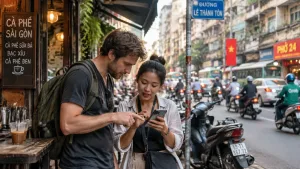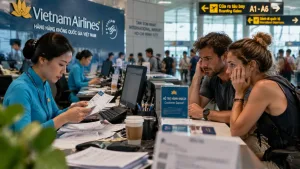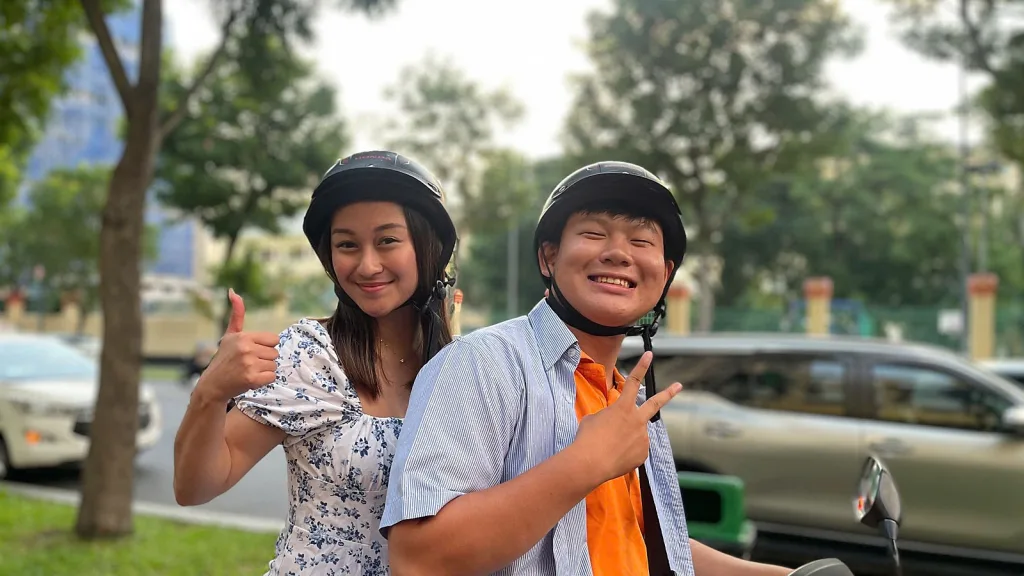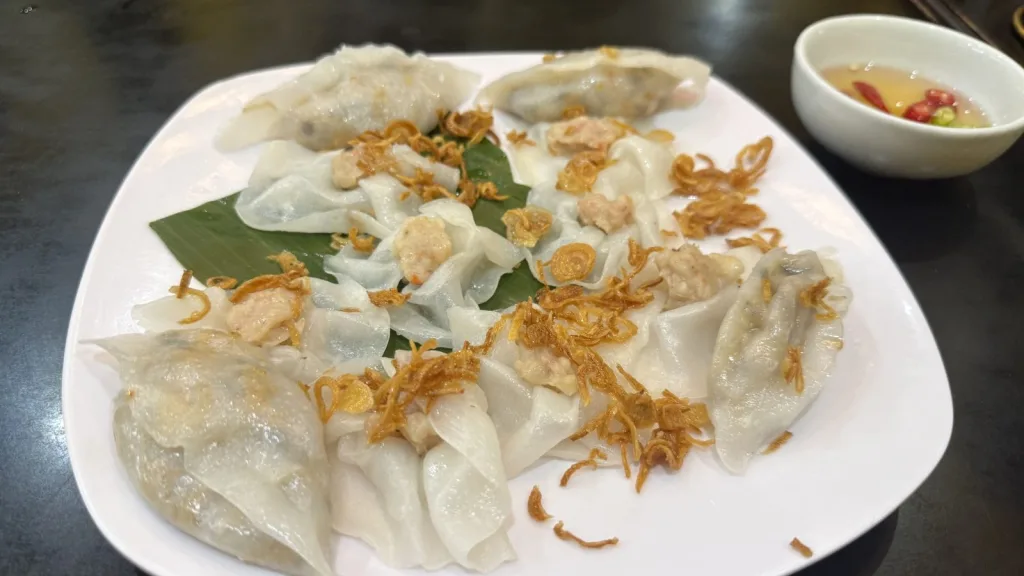

Vietnam solo travel is one of the easiest ways to turn a first trip to Southeast Asia into a real adventure, but it can feel overwhelming when you are deciding where to land, how to move around, and what to avoid. For first-time travelers, the biggest pain points are usually safety, transport, and overplanning, so this guide starts with practical choices that save time and stress.
If you want a trip that feels local rather than polished for tourists, the smartest approach is to build around a few well-connected cities and simple daily habits. In Vietnam solo travel, that means using reliable rides, eating where locals eat, and choosing neighborhoods that are easy to walk after dark. A useful first step is comparing regions before you book, especially if you are weighing all Toward Local tours against doing everything on your own.
| Criteria | Independent Travel | Local Tour Support | Best For |
|---|---|---|---|
| Flexibility | High and self-paced | Moderate with clear structure | Travelers who like control |
| Local Experience | Depends on your research | Stronger local context | First-time visitors seeking confidence |
Vietnam solo travel is best approached by choosing one or two easy-to-navigate regions, using trusted transport, and keeping your daily plan simple. First-time travelers usually get the smoothest trip when they mix independent exploration with local guidance, especially for food, city transport, and day trips.
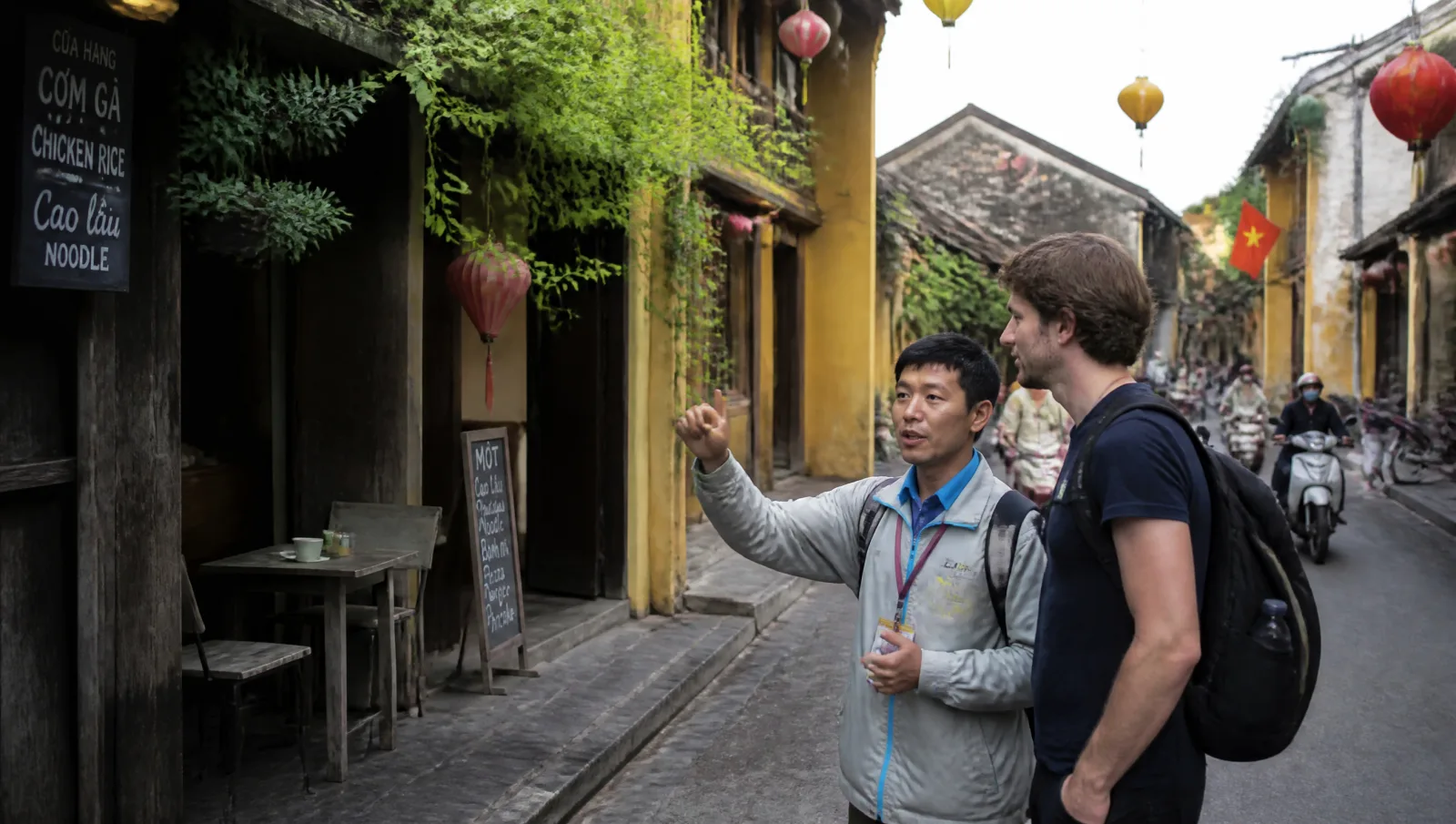
A practical rule is to start with places that match your comfort level, then add adventure once you are settled. If your route includes central Vietnam, consider how a guided day in Hoi An tours can help you understand the city fast while still leaving room for solo exploring. This is the kind of soft support that makes a first trip feel easier without taking away the freedom.
For a first-time solo traveler, the goal is not to see everything. It is to land well, move confidently, and leave room for the moments that make Vietnam memorable, from a bowl of noodles at a corner stall to a last-minute motorbike ride to the waterfront. That balance is what turns a stressful plan into a trip you can actually enjoy.
What Vietnam Solo Travel Is Really Like
Vietnam solo travel is a flexible way to explore the country on your own terms, from city streets and coastal towns to mountain loops and heritage towns. It suits independent travelers who want local food, easy movement, and the freedom to change plans without waiting on a group.
For first-time travelers, the real advantage is range. You can spend one day in a dense city market, the next on a quiet beach, then move into cooler highlands or a cultural region with strong traditions. That mix is why Vietnam works so well for adventurous solo travelers, couples splitting up for different activities, and even families who want independent time between shared plans.
Featured insight: The country is easy to enjoy alone because the hardest part is not the activity, but choosing what to prioritize. If you want food, history, nature, and local energy in one trip, Vietnam gives you all four without forcing a rigid itinerary.
In practice, solo travel makes the most sense when you want control over pace and budget. You can stay in a simple guesthouse, upgrade for one night, or book a private transfer after a long travel day. For a smoother start, many travelers begin with all Toward Local tours to see which route fits their style before committing to a full plan.
Expectation versus reality is where Vietnam surprises people. Convenience is better than many first-time visitors expect in major corridors, but not every region moves at the same speed. Budget can stay moderate if you use trains, sleeper buses, and local meals, while flexibility is strongest when you avoid overpacking your schedule. If you are basing yourself in the south, a Ho Chi Minh City food tour can be a smart first-night choice because it removes stress and gives you a fast read on the city.
| Criteria | City travel | Beach and island travel | Mountain and cultural regions |
|---|---|---|---|
| Best for | Food, nightlife, short stays | Slow pace, rest, simple logistics | Adventure, scenery, local immersion |
| Main tradeoff | More noise and traffic | Weather and transfer timing | Longer travel time between stops |
If you want to turn that flexibility into a well-paced trip, start with one region, then connect to the next only after you know your travel rhythm. That is how Vietnam feels easy instead of rushed.
For travelers focused on local texture, Da Nang and Hoi An are strong examples of how different Vietnam can feel in one corridor. A Da Nang tour helps you cover beaches, food, and city movement efficiently, while a Hoi An tour adds the quieter cultural side that many independent visitors miss when they move too fast.
If you are planning your first independent trip, use the route that matches your energy, not just the famous places. Vietnam rewards travelers who keep the plan light and the expectations practical.
Choose the region first, then build the trip around how you want to travel solo, whether that means food in the cities, slow days by the sea, or deeper time in the mountains and cultural heartlands.
How to Plan Vietnam Solo Travel Step by Step
Vietnam solo travel works best when you plan the route first, then build the details around your pace, budget, and energy. The biggest mistake is trying to fit too many stops into one trip, which usually leads to rushed transfers, tired mornings, and weaker experiences in the places you came to enjoy.
A smarter approach is to choose a clear north, central, or south focus, estimate realistic transport costs, and lock in the essentials before departure. For a first trip, that usually means booking your first two nights, checking your visa rules, and mapping how long you really want to stay in each city before adding optional side trips.
Plan Vietnam solo travel in this order: choose your main destinations, connect them by the easiest transport, then estimate total costs before booking. Confirm visa rules, buy a local SIM on arrival, reserve the first nights of accommodation, and keep one slower stop in the itinerary so the trip does not feel like a transit race.
Core planning starts with three decisions: where to go, how to move, and what the trip should cost. If you want a classic route, pair Hanoi with Ninh Binh and Ha Long Bay in the north, or combine Ho Chi Minh City with the Mekong Delta in the south. If you want a more balanced rhythm, add Hoi An or Da Lat between the big cities using Hoi An tours or HCMC Food Tours as a soft idea of what each region offers on the ground.
The best solo routes are not the ones with the most places, but the ones with the fewest bad transfer days. A 10-day plan often feels better than a 7-day plan because it lets you include one slower destination without forcing a night bus immediately after arrival.
Before you book, check these essentials:
• Visa rules for your nationality and length of stay
• SIM card or eSIM for maps, ride-hailing, and translation
• Accommodation near walkable areas or transport hubs
• Train, bus, flight, or private transfer for each leg
If you want a smoother booking flow, start with the route and then choose stays that match it, not the other way around. A central hotel in Hanoi may cost a little more, but it saves time and reduces confusion on your first night, which matters even more when you are traveling alone.
For a 7-day trip, keep it tight: Hanoi, Ninh Binh, and Ha Long Bay, or Ho Chi Minh City with the Mekong Delta and one beach or city break. For 10 days, add Hoi An or Da Lat to slow the pace. For 14 days, you can connect Hanoi, central Vietnam, and Ho Chi Minh City, but only if you accept a few domestic flights or longer travel days.
A simple decision table can help you choose the right style of trip:
| Criteria | 7 Days | 10 Days | 14 Days |
|---|---|---|---|
| Best for | First-time solo travelers | Balanced pace and variety | Deeper regional coverage |
| Route style | One region, fewer transfers | Two regions with one slow stop | North to south or vice versa |
A strong practical rule is to balance major cities with quieter places. Hanoi and Ho Chi Minh City are useful for arrival, food, and transport, but they can feel intense if you stay too long. Hoi An gives you a softer walking rhythm, while Da Lat adds cooler air and a more relaxed base, making the whole trip feel more human and less rushed.
If you want help building a route that feels local rather than generic, explore the full range of all Toward Local tours and compare what each city naturally supports. That way, your itinerary becomes a sequence of real experiences instead of a list of names.
To finish the plan, do one final check: transport timing, accommodation location, and the amount of free space in your itinerary. Strong solo travel in Vietnam is usually the result of fewer assumptions and better margins, not a bigger budget.
Book the first nights, confirm the visa, buy the SIM, and keep the route flexible enough to adjust after you arrive. That is the simplest way to protect your energy, avoid decision fatigue, and enjoy Vietnam at a pace that actually feels like travel.
Why Vietnam Solo Travel Works So Well for Independent Travelers
Vietnam solo travel works so well because it gives independent travelers a rare mix of low daily costs, easy movement, and constant local interaction. For a first trip on your own, that combination matters: you spend less time managing stress and more time choosing experiences that actually fit your pace.
It is also beginner-friendly in a practical way. Cities, coastlines, and mountain towns are connected by clear transport options, while food, stays, and day trips can be adjusted on the fly. That flexibility makes Vietnam a strong choice for travelers who want freedom without feeling isolated.
| Criteria | Why it helps solo travelers | Best fit | Value |
|---|---|---|---|
| Affordability | Affordable food, stays, and transport keep planning simple | Budget and mid-range trips | More days, less pressure |
| Flexibility | Easy to change cities, dates, or activities without wasting money | Slow travel and short breaks | Better control of your trip |
| Cultural immersion | Street markets, cafés, and local transport create real contact with daily life | Food lovers and curious travelers | Deeper local understanding |
A good example is a food-first trip in Ho Chi Minh City, where you can spend one afternoon joining HCMC food tours and the next morning exploring a different neighborhood at your own pace. That kind of trip suits solo travelers who want structure without losing independence.
The confidence benefit is easy to underestimate. Once you handle a train, order food in a small local shop, or plan a last-minute day trip, the country starts to feel manageable fast. Many travelers use that early success as a reset point, then move on to richer experiences like all Toward Local tours for deeper exploration.
Vietnam is especially strong for specific use cases. Food-focused travelers get endless variety in one trip, while nature seekers can pair rice fields, bays, and mountain roads without long planning. Digital nomads also benefit from reliable city bases, and slow travelers can stay longer in places like Hoi An or Da Nang to build rhythm instead of rushing between highlights.
Vietnam is a strong solo travel destination because it combines affordability, flexibility, cultural immersion, and beginner-friendly logistics. It works especially well for food trips, nature escapes, digital nomad stays, and slow travel, where independent travelers want control, comfort, and real local connection.
For a softer itinerary, start with one city, one food experience, and one slower day outdoors. That sequence keeps decision fatigue low and helps you judge what style of travel suits you before adding more stops.
If you want a trip that rewards independence without demanding advanced travel experience, Vietnam is one of the best places to start. Build around the pace you enjoy, then choose one local experience that gives the trip real character.
How to Choose the Right Vietnam Solo Travel Style
Vietnam solo travel works best when your style matches the route, budget, and pace you actually want. If you like local markets, motorbike views, and easy social moments, you can build a trip that feels adventurous without becoming exhausting. The key is choosing the right mix of comfort, flexibility, and regional focus before you book anything.
Most first-time visitors try to see too much, too fast. A better plan is to decide whether you want a backpacking trip, a balanced mid-range itinerary, or a comfort-focused journey, then pick the region that fits that choice. That simple decision removes stress, saves money, and makes every day on the road feel more intentional.
Choose Vietnam solo travel style by matching your budget, energy level, and comfort needs. Backpacking suits flexible explorers, mid-range travel fits most first-timers, and comfort-focused travel works best for low-stress itineraries. Then choose north for mountains and culture, central for beaches and heritage, or south for food, easy logistics, and warmer weather.
| Criteria | Backpacking | Mid-range | Comfort-focused |
|---|---|---|---|
| Best for | Adventure seekers and social travelers | Most solo travelers and first-timers | Low-stress, privacy, and ease |
| Main trade-off | More movement and less comfort | Moderate cost with good balance | Higher budget but fewer hassles |
Backpacking is the cheapest way to move fast and meet people, but it usually means shared rooms, overnight buses, and less control over daily comfort. Mid-range travel gives you private rooms, better transport, and room to join local guided experiences without pushing your budget too far. Comfort-focused travel is ideal if you want reliable drivers, higher-end hotels, and a smoother pace.
A practical rule: if you enjoy spontaneous plans and do not mind basic stays, choose backpacking. If you want value and convenience, choose mid-range. If you are traveling alone for the first time, or you simply want less friction, comfort-focused is often worth it. One real example is spending three nights in Hanoi on a mid-range plan, then booking a private day trip to balance freedom with structure.
Region matters just as much as budget. Northern Vietnam is the best fit for scenery, cooler weather, and a stronger sense of local culture, especially if you want mountains or motorbike routes. Central Vietnam works well for travelers who want beaches, heritage towns, and slower days, especially around Da Nang and Hoi An. Southern Vietnam is usually the easiest for first-timers because the city connections are simple, the food scene is lively, and the pace is more straightforward.
If you want a low-stress itinerary, start in the south or central coast, then move north only if you still have energy. Women traveling alone often prefer routes with clear transport options and walkable evening areas, which is why Hoi An, Da Nang, and central city stays are so popular. For a more local, food-first trip, a few days in Ho Chi Minh City can be paired with Ho Chi Minh City food tours before continuing to quieter destinations.
If you are still deciding, build your route around one base city first, then add one or two nearby areas instead of forcing a full-country loop.
For most readers, the smartest Vietnam solo travel plan is simple: pick one travel style, one region, and one pace you can sustain. That approach makes booking easier and keeps your trip enjoyable from the first day to the last. If you want adventure with less guesswork, choose a balanced route and leave space for one guided local experience when it matters most.
Choose your style now, then book the region that matches it. Backpacking for freedom, mid-range for balance, comfort-focused for ease. If you want the smoothest first solo trip, start with central or southern Vietnam, then build the rest of your journey around how you like to travel, not how others travel.
Vietnam Solo Travel Tips, Common Mistakes, and FAQ
Vietnam solo travel works best when you plan for movement, not just destinations. The country looks compact on a map, but buses, trains, ferries, and city traffic can stretch a one-day idea into a half-day reality. If you want a smoother trip, focus on light packing, realistic transfers, and flexible booking choices that match the pace of each region.
For first-time solo travelers, the biggest win is confidence. Start with one route that feels manageable, then add another only after you know how Vietnam actually moves. That approach reduces stress, helps you stay open to local food, and gives you more room to enjoy the trip instead of managing it.
Solo travel in Vietnam is easier when you pack light, allow extra time between cities, and use local transport apps or shared rides for short trips. Safety improves when you stay aware in busy areas, keep key bookings flexible, and build your itinerary around one realistic route instead of trying to cover too much at once.
Common mistakes to avoid
Many travelers overpack, then regret it as soon as they face stairs, buses, or frequent hotel changes. A 7 to 10 kg bag is usually easier to manage than a heavy suitcase, especially if you plan to move between Hanoi, Da Nang, and Hoi An.
Another common mistake is underestimating travel time. A 100 km trip can take far longer than expected because of weather, road conditions, or traffic. For example, a midday transfer may feel simple on a map, but the real journey can eat into your afternoon plans.
It also helps to ignore the assumption that taxis are always the best option. In many cities, Grab, local buses, sleeper buses, and trains can be cheaper and more efficient. For a food-focused base in the south, HCMC food tours can also help you understand the city before going fully independent.
| Criteria | Good choice | Risky choice | Best for |
|---|---|---|---|
| Bag size | Small backpack or carry-on | Large checked suitcase | Solo movers |
| Transport | Grab, train, sleeper bus | Last-minute private taxi only | Budget and flexibility |
Safety, communication, and booking tips for a smoother trip
Vietnam is generally safe for solo travelers, but smart habits matter. Keep your phone charged, save hotel addresses offline, and use a translation app when ordering transport or food. A simple phrase book can save time in smaller towns where English is less common.
Book the first night in each new city, then stay flexible after that. This works well if you want to explore places like Da Nang or Hoi An without locking yourself into a rigid schedule. If your route includes central Vietnam, Da Nang tours can be a good reference point for organizing a balanced stop.
Solo travel becomes easier when you plan one anchor point each day, such as a market, a café, or a simple walking route. That gives structure without making the trip feel overplanned.
FAQ
Is Vietnam safe for solo travelers? Yes, Vietnam is generally safe for solo travelers who use normal precautions. The main risks are petty theft in crowded areas, traffic, and booking mistakes, not major threats. Staying aware, using trusted transport, and avoiding late-night confusion around stations makes a big difference.
How much should I budget? A comfortable solo budget often starts around 30 to 60 USD per day for basic private rooms, local meals, and mixed transport. If you want more comfort, guided experiences, and slower travel, plan higher. Costs also change by city, season, and route.
What is the best time to visit? For most travelers, November to March is the easiest window, especially for the north and south. Central Vietnam can be better from February to August. If you want the most reliable first trip, choose a season with less rain and shorter transfer delays.
Do I need to book everything in advance? No. Book your first night, major transport on tight routes, and anything with limited availability. Then leave space for changes. That balance is ideal for solo travelers who want freedom without losing control of the plan.
If you are new to Vietnam solo travel, start with one well-planned route, keep your schedule flexible, and add new regions only after you have learned how each city feels. That is the fastest way to travel with confidence and enjoy the local side of Vietnam without rushing.
For travelers who want a softer introduction before going fully independent, all Toward Local tours can help you compare routes and build a trip style that fits your pace.