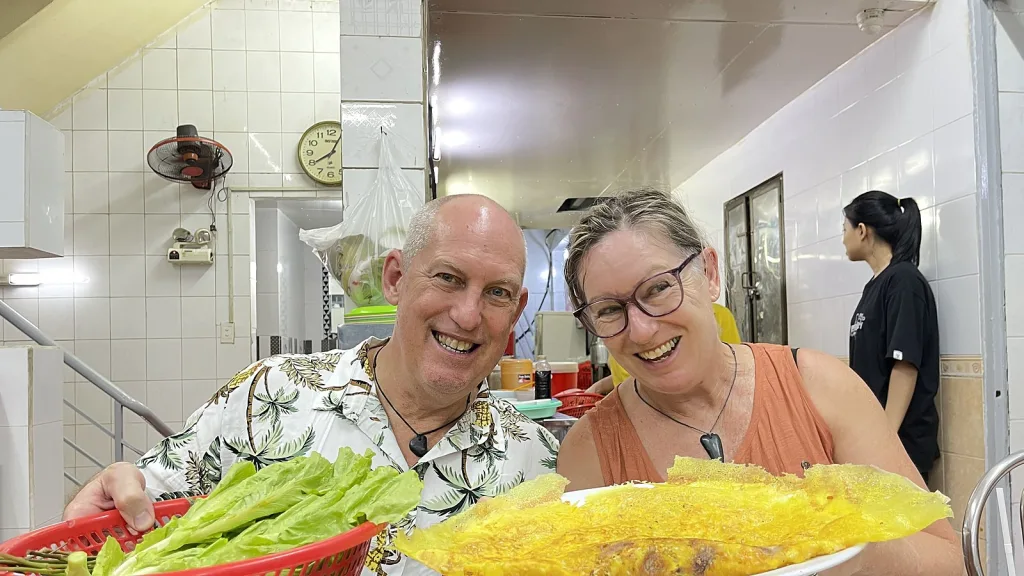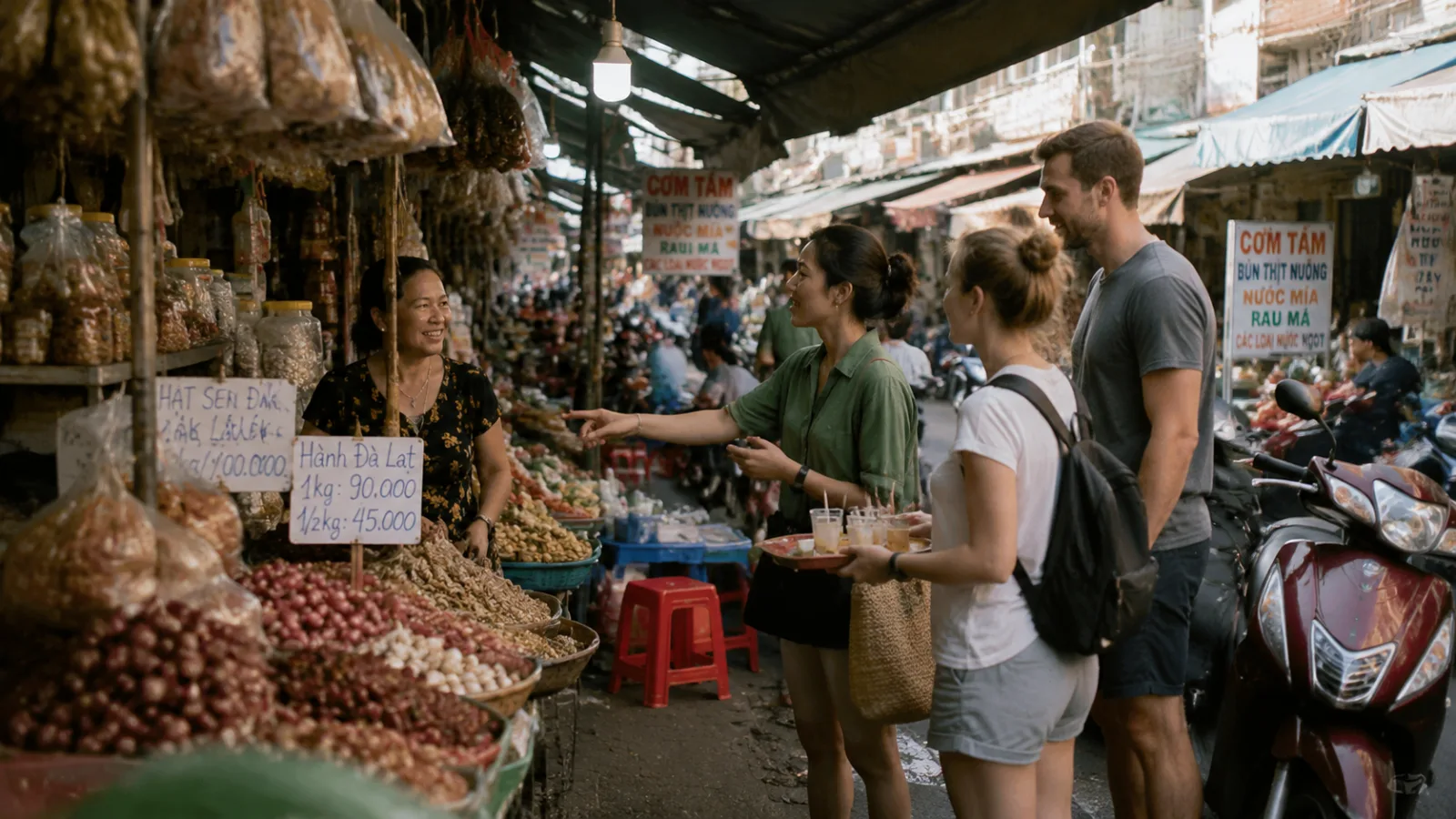

Bargaining in Vietnam can feel confusing for first-time visitors, especially in busy markets where prices are not always posted and the first quote is often flexible. If you are exploring local stalls, street shopping, or artisan shops, the goal is not to argue but to understand when negotiation is normal and how to do it politely.
This guide shows you how bargaining works in everyday travel situations, what price signals to watch for, and how to avoid overpaying without creating awkward moments. For travelers planning a local experience, it is useful to know that the best results usually come from patience, a smile, and a fair counteroffer, not pressure. If you are also looking for more immersive travel ideas, browse all Toward Local tours to match your route with local experiences.
Bargaining in Vietnam is common in markets, street stalls, and some souvenir shops, but not in fixed-price places like malls or chain stores. Start politely, ask for the best price, and be ready to walk away if the number feels too high. A respectful tone usually works better than aggressive haggling.
| Criteria | Local market | Fixed-price shop | Best approach |
|---|---|---|---|
| Price flexibility | Often flexible | Usually fixed | Ask first, then decide |
| Traveler behavior | Negotiate gently | Pay the listed price | Match the setting |
For solo travelers, couples, and families who want more authentic food and market experiences, the same logic applies in cities like Ho Chi Minh City and Da Nang. A soft approach helps you get a fair deal while keeping the interaction friendly, which is especially useful in places where the seller may remember you as the polite customer rather than the difficult one. If your trip includes food-focused exploring, see HCMC food tours for a local-style day out.
What Bargaining in Vietnam Means and When It’s Appropriate
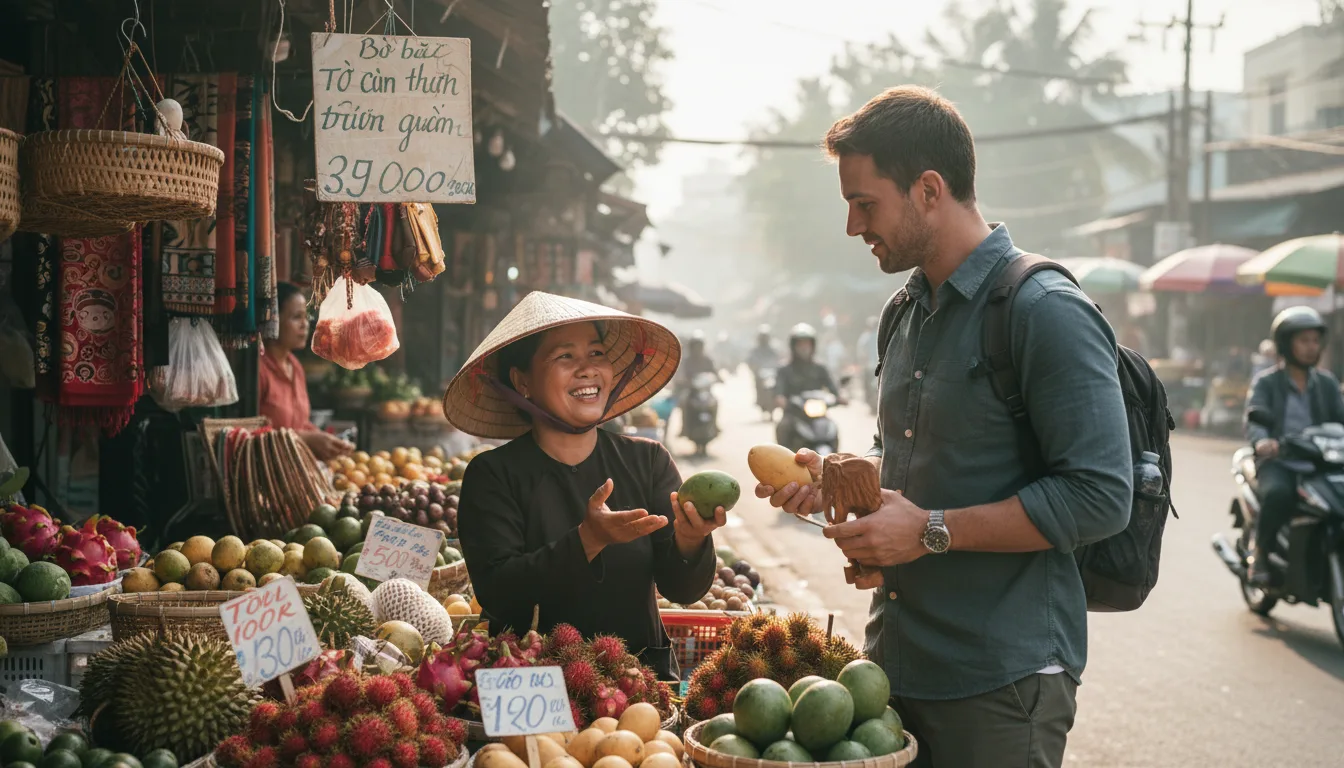
Bargaining in Vietnam is the normal back-and-forth used to reach a fair price in places where sellers expect negotiation. In fixed-price settings, the tag is usually final. In negotiable-price settings, the first number is often a starting point, especially in local markets, street stalls, and small souvenir shops.
For travelers, the key is knowing the difference before you speak. A set menu, a convenience store, or a modern mall is usually not the place to haggle. A hand-painted item at a market stall, a bike ride arranged on the spot, or a casual tour quote may be open to discussion. That is where bargaining in Vietnam feels natural, not awkward.
Bargaining in Vietnam means negotiating a price where discussion is expected. It is common in markets, street stalls, souvenir shops, and some transport or tour situations. Fixed-price places usually do not allow it, while small local sellers often leave room for a polite counteroffer.
| Criteria | Fixed-price | Negotiable-price | Best move |
|---|---|---|---|
| Where you see it | Malls, chains, cafes | Markets, stalls, souvenir shops | Look for price tags or ask politely |
| How to respond | Pay the listed price | Make a calm counteroffer | Keep it friendly and brief |
If you want a smoother local experience, browse all Toward Local tours for small-group options that already remove the guesswork on pricing, while still keeping the trip local and practical. That matters most for solo travelers and families who want less friction and more time exploring.
Common places where bargaining is expected include wet markets, night markets, roadside souvenir stands, and some taxi or private tour situations where no meter or posted rate is used. A useful takeaway is this: the more handmade, informal, or unlisted the service looks, the more likely negotiation is part of the experience.
For a city-based food-focused experience, see HCMC Food Tours if you want local guidance without having to negotiate every detail on the spot.
When in doubt, read the setting first. If locals are paying the same posted amount, skip the bargaining. If a seller gives you a first quote and waits, a polite counteroffer is usually appropriate. For adventurous travelers, that simple判断 saves money, avoids awkwardness, and helps you sound respectful from the start.
If you are planning a trip through local neighborhoods and want a smarter way to experience markets, food, and transport, choose tours that already match the local rhythm instead of guessing every price alone.
Before you go, learn where bargaining belongs and where it does not, then choose a local tour that helps you explore Vietnam with confidence, comfort, and fewer pricing surprises.
How to Bargain in Vietnam the Right Way
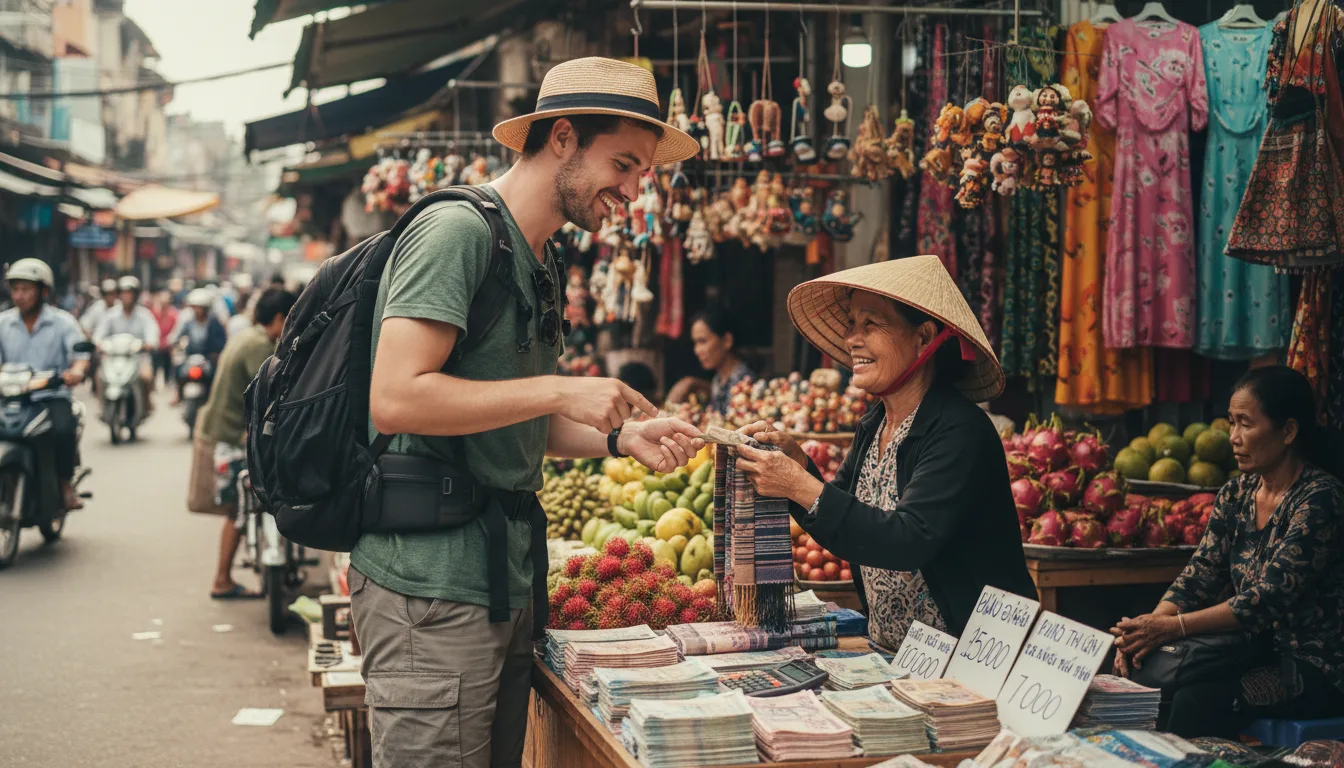
Bargaining in Vietnam is normal in many local markets, souvenir stalls, and small street-side shops. For first-time visitors, the hard part is not the price itself, but knowing how to negotiate without sounding pushy, rude, or awkward. The good news is that a calm tone, a little patience, and a clear process usually lead to a fair deal.
If you are traveling through busy neighborhoods, night markets, or craft villages, bargaining is part of the experience, not a battle. The goal is simple: pay a price that feels fair to both sides while keeping the exchange friendly and respectful.
To bargain well in Vietnam, ask the price, offer a lower amount, respond politely to the counteroffer, and agree only if the number feels fair. Keep your voice soft, smile, and be ready to walk away. In local markets, respect matters as much as the final price.
The easiest process is straightforward. First, ask the price and listen without reacting too quickly. Then make a lower offer that still feels reasonable. A common mistake is going too low and creating tension. A better approach is to leave room for the seller to meet you in the middle.
For example, if a vendor quotes 200,000 VND for a bag, you might start at 140,000 or 150,000 VND and see how they respond. If they counter at 180,000 VND, you can move once more and decide whether the final number fits your budget. This is how bargaining in Vietnam often works: short, polite, and practical.
| Criteria | Good approach | Poor approach | Result |
|---|---|---|---|
| Opening tone | Smile and ask calmly | Sound impatient or demanding | Better chance of a fair reply |
| Price strategy | Offer lower but realistic | Start unrealistically low | Negotiation stays respectful |
Etiquette matters just as much as the numbers. Keep your body language open, avoid crossing your arms, and do not look annoyed if the seller refuses your first offer. Timing helps too, since bargaining is often smoother when the stall is not crowded and the seller is not rushing another customer.
Soft language makes a big difference. Phrases like How much is this, Can you do a better price, or Thank you, I will think about it keep the conversation easy. If you want to see how local travel often blends food, culture, and market life, our local tours collection can help you plan a smoother day out.
One useful takeaway: many sellers remember travelers who are friendly and fair, and they may offer a better deal if you come back later. That is why a relaxed attitude often works better than aggressive haggling.
When you want a strong but respectful ending, say thank you and decide quickly. If the number is still too high, walk away without drama. On the other hand, if the price feels right, close the deal and move on. For travelers who want to combine market visits with an easy city experience, our Ho Chi Minh City tours are a practical next step.
In the end, the best bargaining is not about winning. It is about reading the situation, staying polite, and making a purchase that feels good for both sides. That mindset will help you bargain in Vietnam with more confidence and less stress, whether you are shopping for food, gifts, or small local souvenirs.
Benefits and Real-World Uses of Bargaining in Vietnam
Bargaining in Vietnam is a practical skill that helps travelers pay fair prices, avoid tourist markups, and feel more connected to local daily life. For first-time visitors, it can turn an awkward purchase into a smoother exchange, especially in places where prices are flexible rather than fixed.
The real value is not only saving money. It is also about reading the room, understanding local buying habits, and making small interactions feel more natural. In busy markets, on street corners, and in family-run shops, a calm negotiation often leads to better service, better prices, and a more authentic travel experience.
| Criterion | Best for | Typical result | Traveler value |
|---|---|---|---|
| Local markets | Souvenirs, fruit, dried goods | Flexible pricing | Good savings and local interaction |
| Fixed-price shops | Branded items, cafés, malls | Little or no bargaining | Less time spent, more certainty |
Bargaining in Vietnam is most useful in local markets, small transport deals, handicraft stalls, and group purchases. It helps travelers save money, avoid inflated tourist pricing, and enjoy a more local experience when the price is not clearly fixed.
In practice, bargaining in Vietnam works best where sellers expect negotiation. At wet markets, souvenir stalls, and craft shops, a traveler can ask for a better rate on items like lanterns, silk scarves, or conical hats. With taxis or motorbike rides, it is often smarter to agree on the fare before the trip begins, especially in areas without meters.
The same logic applies to all local tours when you want to compare options for group experiences or private arrangements. If you are exploring the city’s food scene, HCMC Food Tours can also be a useful reference for travelers who want a guided experience instead of negotiating every detail on their own.
The best bargain is not always the cheapest one. A fair price, a friendly tone, and a quick agreement usually create more value than pushing too hard. That matters most for solo travelers, couples, and families who want to keep the trip smooth and low-stress.
Use these situations as a simple rule of thumb:
- Markets: negotiate on souvenirs, snacks, and local crafts
- Transportation: confirm the fare before boarding
- Clothing: ask politely when buying from small stalls
- Group purchases: request a bundle price for several items
For travelers who want a deeper, more local day out, bargaining can be part of the adventure rather than a chore. It works especially well when you combine shopping with a guided experience in places like Hoi An tours, where handmade goods, lantern shops, and local streets naturally invite comparison and conversation.
If you want to experience Vietnam beyond standard tourist stops, use bargaining as one small part of a more local travel style. It helps you spend smarter, interact better, and notice the real rhythm of the place.
Try bargaining only where it makes sense, keep it respectful, and focus on fair value over winning. That approach saves money, avoids overpaying, and gives you a more memorable trip across Vietnam.
Bargaining in Vietnam vs. Fixed-Price Shopping: How to Choose the Right Approach
Bargaining in Vietnam works best when the price is flexible, the setting is informal, and the seller expects a short negotiation. In local markets, street stalls, and some souvenir shops, the first quote is often a starting point rather than a final number. If you know when to negotiate and when to pay the listed price, you save money without slowing down your trip.
The smarter approach is simple: bargain for items with unclear pricing, and choose fixed-price shopping when the value is already transparent. That usually means food menus, branded stores, convenience shops, and many tour bookings. A respectful conversation, a calm tone, and a willingness to walk away often matter more than pushing hard for the lowest price.
| Criteria | Bargain | Pay listed price | Best for |
|---|---|---|---|
| Price clarity | Flexible or unclear | Clear and posted | Markets vs. shops |
| Traveler effort | Needs time and confidence | Fast and simple | Busy days or first-time visitors |
For most first-time visitors, the biggest mistake is bargaining where it is not normal. If you are ordering coffee, buying a SIM card, or booking a standard service, fixed-price shopping is usually the better choice. Save your energy for places where negotiation is expected, such as local markets, handmade goods, and casual transport. If you want a deeper local experience, pairing street-market exploration with a guided day out like local Vietnam tours can help you learn where bargaining feels natural and where it does not.
A useful rule is this: bargain when the seller has room to negotiate, and accept the first price when the item already feels fairly priced. In practice, that means you should slow down only when the purchase is optional, the product is similar across sellers, and the conversation feels relaxed. On the other hand, if a menu, sign, or ticket clearly lists the price, paying immediately often gets you better service and less stress. For travelers exploring Ho Chi Minh City, a food-focused day with Ho Chi Minh City food tours can also show how local pricing works in real settings.
The right choice is not about being tough, it is about reading the room. In crowded markets, a short back-and-forth is normal. In modern cafes, malls, and structured experiences, bargaining can feel out of place. If the seller smiles, offers alternatives, or invites a counteroffer, negotiation is probably welcome. If the price is printed, fixed, or part of an official service, move on quickly and keep the trip smooth.
For adventurous travelers, especially solo visitors, couples, and families who prefer local experiences, this balance helps you avoid awkward moments and wasted time. Bargaining in Vietnam is most effective when it feels light, respectful, and practical, not aggressive. When in doubt, ask yourself whether the item is part of a market-style exchange or a standard commercial transaction. That one question usually tells you which path is smarter.
Bargain in Vietnam at local markets, souvenir stalls, and informal services where prices are flexible. Pay the listed price for restaurants, convenience stores, branded shops, and most booked activities. If the price is clearly posted, fixed-price shopping is usually the faster and smarter choice.
Quick decision guide:
- Choose bargaining when prices are unclear and multiple sellers compete nearby
- Choose fixed-price shopping when the menu, ticket, or label is already posted
- Walk away politely if the deal feels too high or the seller is not engaging
- Accept the first price when speed, comfort, and convenience matter more than saving a little money
Soft tip: If you want to pair local market visits with a smoother travel experience, planning one guided day in the city can help you learn the difference between tourist pricing and everyday local pricing before you shop on your own.
Bottom line: use bargaining for flexible, local, human interactions, and fixed-price shopping for anything standardized. That approach keeps your trip efficient, respectful, and better value overall. If you are building a travel plan that mixes real local scenes with less stress, explore curated options like all Toward Local tours and choose the experience that fits your style.
Common Mistakes, FAQs, and Final Tips for Bargaining in Vietnam
Bargaining in Vietnam works best when you stay calm, read the setting, and focus on fairness instead of trying to squeeze every last đồng. The biggest mistake is treating every shop like a market stall. In Vietnam, some places expect negotiation, while others have fixed prices and no room to move.
For first-time visitors, the goal is not to win. It is to get a reasonable deal without creating tension. If you are shopping in a local market, small roadside stall, or souvenir stand, polite back-and-forth is normal. If you are in a supermarket, branded store, or modern convenience shop, the price is usually fixed. A simple mental rule helps: bargain where the seller has flexibility, not where the system does.
| Situation | Should You Bargain | Best Approach | Risk |
|---|---|---|---|
| Local market, souvenir stall, handicrafts | Usually yes | Smile, ask, make a polite counteroffer | Overpaying if you accept the first quote |
| Supermarket, chain store, pharmacy, branded shop | No | Pay the listed price and move on | Looking rude or wasting time |
A common mistake is bargaining too aggressively. If you push too hard, the seller may simply disengage, especially in places that depend on regular local goodwill. Another mistake is making the conversation only about the lowest price. A few thousand đồng saved is not worth turning a friendly exchange into an awkward one. In many cases, the better result is a fair price and a respectful interaction.
The best attitude for bargaining in Vietnam is polite, curious, and flexible. Start with a reasonable offer, listen to the seller, and be ready to walk away calmly if the price still feels too high. In markets, this approach often works better than pressure.
Can you walk away? Yes, and it is often the cleanest option. If the seller does not meet your budget, a calm no thank you is perfectly acceptable. Walking away is not rude when it is done respectfully. In fact, it can sometimes reopen the conversation with a better offer, especially in busy tourist areas.
How much should you bargain? There is no universal number, but many travelers start below the first quote and adjust upward from there. The exact gap depends on the item, the location, and how touristy the area is. For small souvenirs, the difference may be modest. For clothes, bags, or crafts, there is often more room to negotiate. If you want to explore more local experiences after the market, consider Hoi An walking tours or browse all Toward Local tours for a smoother, guided way to discover neighborhood life.
FAQ summary: bargaining is expected in many local settings, not in supermarkets; it is normal to negotiate with a smile; and the strongest result usually comes from patience, not pressure. Final tip: bargain to find a fair price, then leave on good terms. That is how you keep the experience local, easy, and memorable.
For travelers who enjoy adventurous, local-first trips, the soft skill is knowing when to negotiate and when to simply enjoy the moment. If your trip also includes food-focused exploring, HCMC food tours can help you experience street culture without the stress of haggling everywhere.
Use this simple formula: ask, compare, counter once or twice, then decide. If the price feels fair, pay it. If not, leave politely and keep moving. That mindset protects your budget, supports local sellers, and makes bargaining in Vietnam feel natural instead of exhausting.