
Motorbike riding rules in Vietnam matter from the moment you leave your hotel, because traffic can feel fast, compact, and unpredictable for first-time riders. If you are planning to explore city streets or scenic coastal roads, the safest approach is to understand the basics before you twist the throttle. That means knowing the license rules, helmet requirements, and what local police usually check.
Most problems happen when riders assume Vietnam works like home. A quick example is a traveler who rents a bike for a short trip, skips the helmet strap, or forgets documents and gets stopped at an intersection. This guide helps you avoid those mistakes with practical, travel-friendly advice, so you can ride with more confidence and spend less time worrying about fines. For riders who want a slower start, all Toward Local tours can also be a useful backup while you plan your route.
| Criteria | What to check | Why it matters | Simple example |
|---|---|---|---|
| Documents | License and passport | Avoid fines and delays | Police stop at a city checkpoint |
| Safety gear | Helmet fit and strap | Reduces injury risk | Short ride in Hanoi traffic |
To ride a motorbike safely in Vietnam, carry the right documents, wear a properly fitted helmet, follow speed limits, and never ride after drinking. These basic rules help travelers avoid common fines, reduce risk in busy traffic, and make city or countryside riding much easier to handle.
If you are combining self-drive freedom with a lighter travel plan, you can also use a soft base such as HCMC food tours before or after your ride. That way, you keep the adventure flexible while still giving yourself a safe, low-stress way to experience Vietnam.
At a glance, the smartest rider is not the fastest one, but the one who reads the road early, keeps space around the bike, and respects local traffic habits. That small shift in mindset is often what separates a stressful ride from a memorable one.
What Are the Motorbike Riding Rules in Vietnam?
Motorbike riding rules in Vietnam are the traffic laws, document checks, safety requirements, and road habits that riders must follow to travel legally and reduce risk. For first-time visitors, the key point is simple: wear a helmet, carry the right license documents, obey signals, and never assume local traffic will make exceptions for tourists.
These rules matter because Vietnam’s roads move fast, mix many vehicle types, and can feel unpredictable if you are used to stricter lane discipline. A tourist who understands the basics can avoid fines, prevent stressful police stops, and ride with more confidence whether in city traffic or on a scenic loop with an adventurous local tour.
Motorbike riding rules in Vietnam include wearing a helmet, carrying a valid license and passport, following speed limits, obeying traffic lights, and avoiding alcohol before riding. These rules apply to tourists, expats, and locals alike, and they are the fastest way to stay legal and safe on Vietnamese roads.
A practical breakdown helps most travelers:
- Helmet on before the engine starts
- Valid license and passport available for checks
- No phone use or earphones while moving
- Keep a safe distance and respect lane flow
- No alcohol before riding, even short distances
A useful travel insight is that Vietnamese traffic rewards calm, predictable riding more than aggressive speed. If you are planning a city day or a longer road experience, this is where local guidance matters. For example, riders who join a Ho Chi Minh City tour often adapt faster because they see how professional riders manage spacing, turns, and intersections in real traffic.
One small mistake can cause a big delay, especially if police stop you or if parking rules are ignored near markets, temples, or busy streets. The safest approach is to treat every ride as part of your trip planning, not just transport, and to choose routes and timing that match your comfort level.
| Criteria | City Riding | Long-Distance Riding | Tour Riding |
|---|---|---|---|
| Best for | Short trips, hotels, markets | Experienced riders, scenic roads | Travelers who want local support |
| Main risk | Dense traffic and sudden stops | Fatigue and road surprises | Less risk with guided route control |
For many foreign visitors, the smartest move is to learn the rules before riding, then choose the type of trip that matches their confidence. That is especially true for couples, solo travelers, and families who want freedom without turning the trip into a legal or safety problem. If you want a softer start before renting on your own, browse Da Nang tours for riders and compare how guided travel changes the experience.
In short, the rules are not there to slow your trip down. They are there to keep you visible, legal, and in control on roads where awareness matters more than bravado. Follow the basics, and Vietnam becomes far easier to enjoy on two wheels.
How Motorbike Riding Rules in Vietnam Work on the Road
Motorbike riding rules in Vietnam matter because the road can feel intuitive to locals and unpredictable to visitors. If you are planning a self-guided ride, the fastest way to avoid fines and stress is to understand what police check, how lanes work, and which habits local riders expect you to follow. The motorbike riding rules in Vietnam are not complicated once you know the basics.
For first-time riders, the biggest pain point is not the traffic volume itself, but reading the road correctly in real time. A helmet, proper documents, and calm lane choice solve most problems before they start. If you are combining city travel with a scenic ride, you can also consider a guided route like Ho Chi Minh City tours for a safer first look at local traffic.
To ride legally in Vietnam, carry a valid license and passport, wear a helmet, keep your registration available, and follow lane and signal rules. Police often check documents, helmet use, and unsafe riding at busy intersections, city exits, and main tourist roads.
License, helmet, and registration requirements
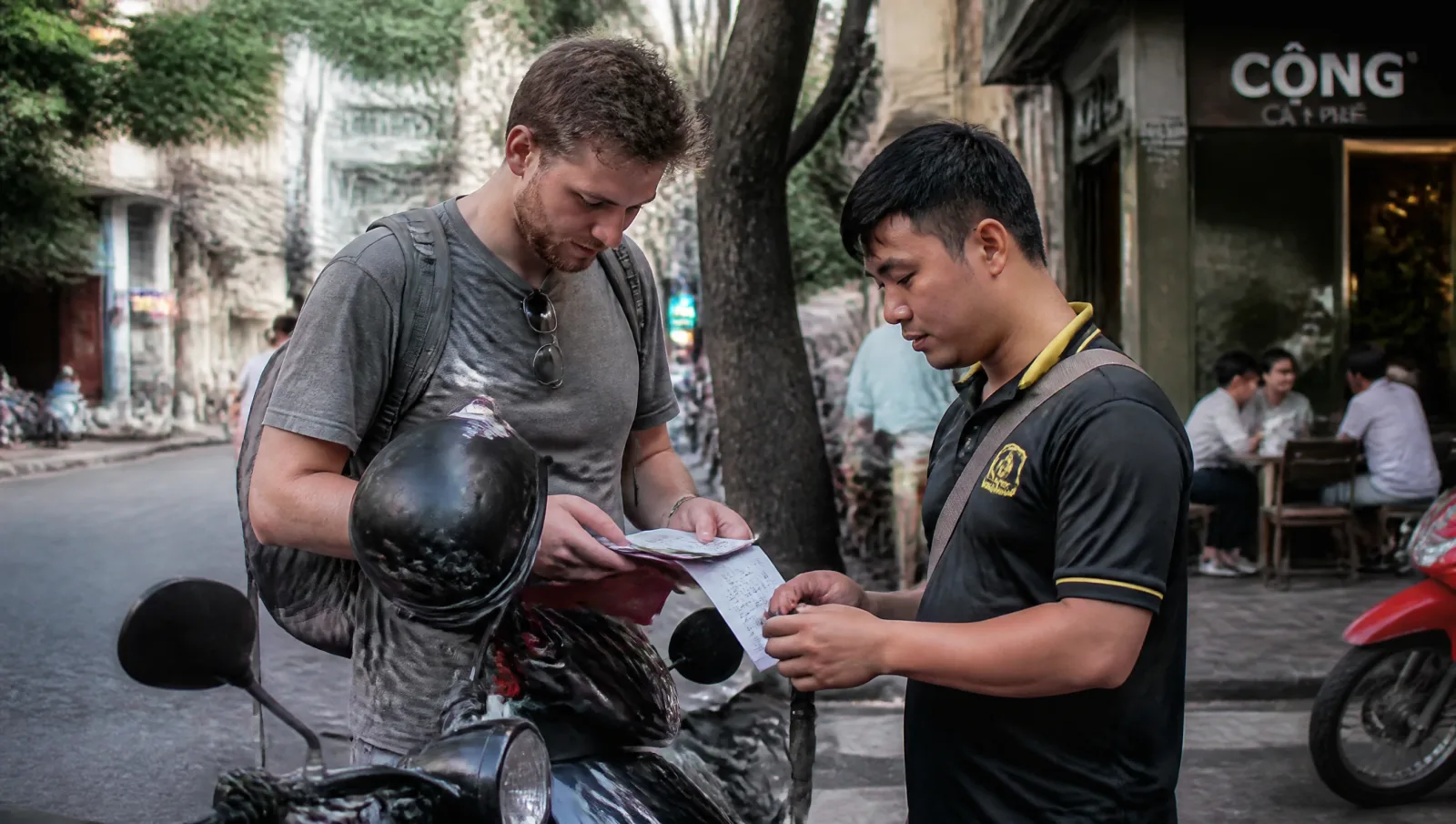
You need the right documents before you move an inch. In practice, that means a valid license or International Driving Permit where required, plus your passport and the motorbike registration papers. Police can ask for these at random stops, especially in tourist areas, so keep them together and easy to show.
Helmet use is mandatory for both rider and passenger, and the fit matters as much as the fact that you are wearing one. A loose helmet looks compliant but does not protect well. If you are renting, check that the bike registration matches the plate and that the shop has given you all paperwork before departure.
| Criteria | What to carry | Why it matters | Common check point |
|---|---|---|---|
| License | Valid driving permit | Proves you are allowed to ride | City stops and rental checks |
| Helmet and papers | Helmet, passport, registration | Reduces fines and delays | Intersections, tourist roads |
Many travelers assume the rental shop handles everything, but roadside enforcement is based on what you can present at the stop, not what was promised online.
When in doubt, keep your documents dry, accessible, and separate from your phone. If you want a softer first ride outside the city, routes such as Da Nang day rides can be an easier way to learn local traffic before taking on denser streets.
Traffic behavior, lane use, and common enforcement points
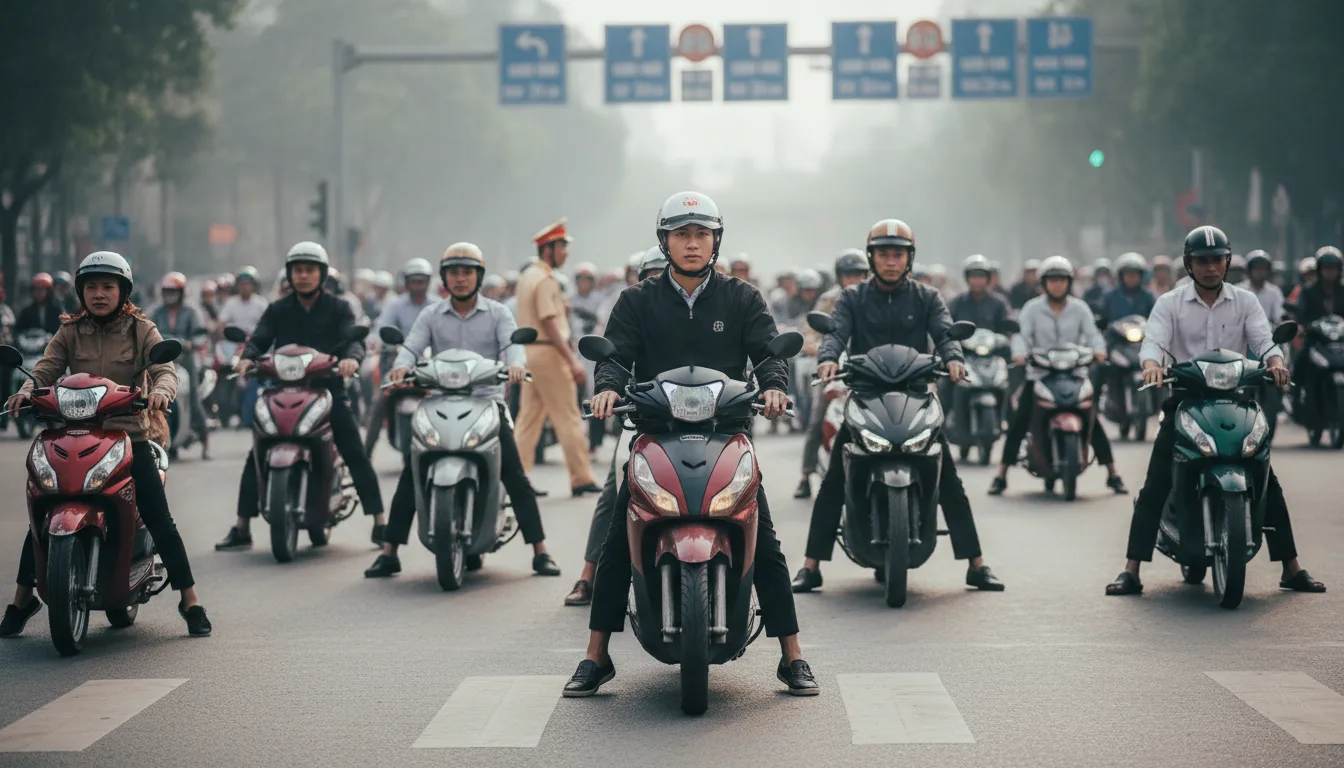
Vietnam road behavior is built around flow, spacing, and awareness rather than strict personal space. Motorbikes usually keep to the right or use the lane that matches the direction and pace of traffic, while faster vehicles pass when safe. The key is to stay predictable: signal early, do not weave hard, and avoid sudden braking unless necessary.
Common enforcement points include red lights, busy intersections, school zones, city gates, and main roads during rush hour. Police also watch for phone use, helmet violations, alcohol, and wrong-way riding. A practical rule: if the road feels chaotic, slow down and blend into the flow instead of forcing your own rhythm.
For travelers planning a scenic loop, local support matters. If you prefer to learn the road gradually, browsing all Toward Local tours can help you match your comfort level with the kind of riding experience you want.
Strong takeaway: follow the lane the road is already giving you, keep both hands free, and expect checks where traffic naturally compresses. That is the simplest way to stay legal, stay calm, and enjoy the ride without turning every intersection into a risk.
Why Following Motorbike Riding Rules in Vietnam Matters
Following motorbike riding rules in Vietnam is the fastest way to turn a risky road trip into a smooth, confident adventure. For first-time visitors, the real challenge is not the scenery, it is the traffic rhythm, the lane changes, and the local habits that can surprise you in seconds.
When you understand the rules early, you reduce the chance of crashes, police stops, and wasted travel time. That means more energy for the route itself, whether you are exploring city streets, coastal roads, or mountain passes with a guide, a partner, or on your own.
Following motorbike rules in Vietnam protects you from accidents, fines, and confusion on the road. It also gives you more control in busy traffic, helps you ride legally, and builds confidence when you move through cities, coastal routes, and local neighborhoods.
Safety is the first reason these rules matter. In Vietnam, traffic can feel unpredictable because motorbikes, cars, buses, and pedestrians often share tight spaces. A helmet, a valid license, and steady speed control are not just formalities, they are the difference between a near miss and a serious incident. For solo travelers and couples especially, one small mistake can end the day early.
Here is the practical breakdown:
| Criteria | Follow the rules | Ignore the rules | Travel impact |
|---|---|---|---|
| Road safety | More control and fewer surprises | Higher crash risk | Better ride confidence |
| Legal status | Documents and helmet ready | Fines or bike checks | Less stress and delays |
Legal protection matters just as much. Police checks, document requests, and traffic fines can happen even during an ordinary ride. If you are carrying the right license, wearing a proper helmet, and respecting speed limits, you travel with more confidence and less fear of interruption. That is especially useful for families and travelers planning a full day out.
A useful example is a couple riding outside Da Nang after lunch. If they have already reviewed the local riding rules, they know when to stop, how to park legally, and when not to use a phone on the bike. For easier local planning, many visitors pair that preparation with Da Nang local tours or compare options through all Toward Local tours.
Quick checklist:
- Wear a helmet every ride
- Carry your valid license and passport
- Keep a safe speed and distance
- Never ride after drinking
- Park only in allowed areas
That small amount of discipline gives you more freedom, not less. When you ride legally and safely, you spend less time worrying about fines or accidents and more time enjoying Vietnam like a confident local-style traveler.
For adventurous travelers, that confidence is the real value. It lets you focus on the road, the food stops, the views, and the local atmosphere. If you want a smoother experience from the start, choose a route or tour support that matches your comfort level, then build the ride around safety first.
Final takeaway: The best motorbike trip in Vietnam is not the fastest one. It is the one where you stay protected, avoid unnecessary fines, and keep the whole journey calm, legal, and memorable from start to finish.
Motorbike Riding Rules in Vietnam vs. Common Riding Mistakes
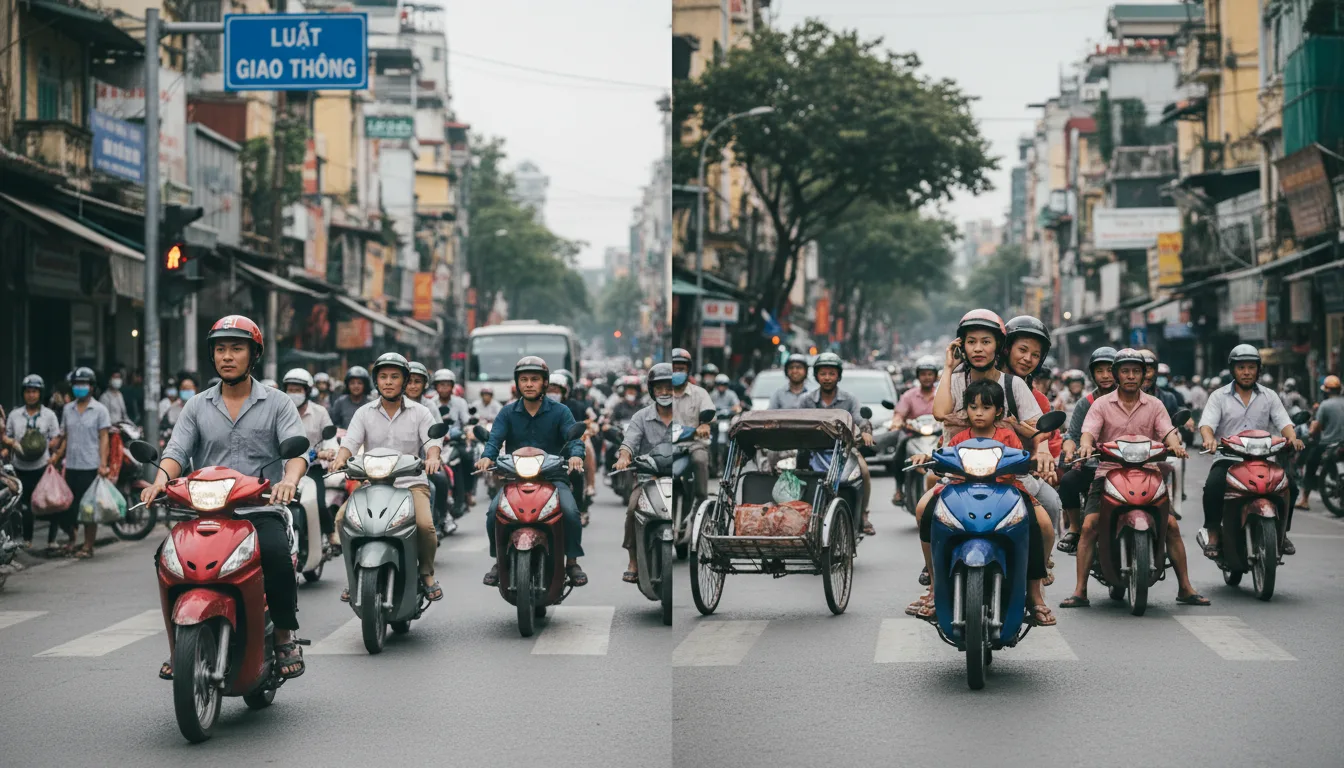
Motorbike riding rules in Vietnam matter most when your plan is to explore local streets, coastal roads, and mountain passes without turning a fun ride into a risky one. Many first-time riders assume Vietnam works like home, but traffic flow, lane behavior, and police checks can feel very different. The safest approach is to know the legal standard first, then ride with a calmer, more defensive mindset.
For adventurous solo travelers, couples, and families, the real challenge is not only the road itself but the small mistakes that happen fast: missing documents, assuming helmet use is optional, or following local habits that are not actually legal. A smart rider learns what is allowed, what is tolerated, and what can still lead to fines, delays, or safety problems.
The safest way to ride a motorbike in Vietnam is to follow the legal standard, carry valid documents, wear a proper helmet, respect speed limits, and avoid common habits like phone use, alcohol, and unsafe lane changes. Local traffic may look informal, but the rules still apply.
What riders often do wrong compared to the legal standard is usually simple, not dramatic. The most common mistake is riding without the correct license or IDP, then assuming a rental receipt is enough. Another frequent problem is helmet use that is loose, decorative, or left unfastened. On busy streets, many visitors also treat traffic lights as suggestions rather than rules, especially at yellow lights.
Here is the practical breakdown:
- Wrong: using a phone at a stoplight and rolling forward while checking maps
- Legal standard: stop fully before using any device
- Wrong: carrying more passengers than allowed
- Legal standard: one driver and one passenger unless an exception applies
- Wrong: speeding because the road looks empty
- Legal standard: follow posted limits, not assumptions
A useful takeaway: in Vietnam, many accidents happen not because riders do something extreme, but because they copy local traffic rhythm before understanding local traffic law.
How to choose the safest and most compliant riding approach starts with one rule: ride defensively, not aggressively. That means leaving more space than you think you need, slowing earlier at intersections, and avoiding the pressure to match the speed of local traffic. If you are planning a self-guided route, it helps to combine clear route planning with a stop at a trusted local experience such as Ho Chi Minh City local tours or a more scenic ride through central Vietnam with Hoi An tours when you want a safer alternative to navigating everything alone.
| Criteria | Common mistake | Legal standard | Safer choice |
|---|---|---|---|
| Documents | Riding with only a rental agreement | Valid license and required ID papers | Carry originals and keep copies too |
| Road behavior | Following local flow without checking signs | Obey traffic lights and speed limits | Ride slower and scan ahead |
The strongest choice is usually the simplest one: stay legal, stay visible, and stay predictable. If a road feels confusing, pull over safely and reset rather than forcing the ride. That one habit reduces stress and makes the trip much more enjoyable, especially for beginners and mixed-experience groups.
For travelers who want the local adventure without the guesswork, pairing careful self-riding with a guided day out can be a smart balance. If you want to explore more confidently, browse all Toward Local tours and choose the route style that fits your comfort level before you ride deeper on your own.
In short, the best riding approach is not the fastest one. It is the one that respects Vietnamese traffic laws, fits your experience level, and gives you enough margin to react when the road changes suddenly. That is how you keep the journey safe, legal, and still genuinely adventurous.
Common FAQs and Final Tips for Riders in Vietnam
Motorbike riding rules in Vietnam matter most when the road gets busy, the signs change fast, and local traffic feels unfamiliar. The biggest risk for first-time riders is not the bike itself, but small mistakes that create legal trouble, stress, or avoidable accidents. A few smart habits can make the difference between a smooth trip and a frustrating one.
If you are planning a local ride through cities, coastlines, or mountain roads, focus on the basics that police actually check and the mistakes tourists repeat most often. That means your documents, helmet, passenger count, and how you behave at checkpoints. For route ideas that fit slower, more local travel days, you can also browse Toward Local tours before deciding where to ride next.
The safest way to handle motorbike riding rules in Vietnam is to carry a valid license and passport, wear a proper helmet, never overload the bike, and stay calm during police checks. Most fines happen because riders forget one simple detail, not because they are reckless.
Most common mistakes riders make are easy to spot and even easier to avoid:
- Riding without the right license or an acceptable International Driving Permit
- Using a loose or low quality helmet instead of a properly fitted one
- Carrying more than one passenger on a small scooter
- Stopping in traffic flow to check maps or answer messages
- Assuming a friendly wave means police will ignore document checks
A practical example: a couple renting a scooter in Hanoi may feel fine on short city roads, but a hidden issue appears when they are stopped and asked for papers. If one person has no valid riding permit, the whole day can be delayed. That is why checking documents before the ride is more important than most travelers expect. If you are planning a day in central Vietnam, the slower streets around Hoi An tours can be a safer place to start.
FAQ on licenses, helmets, passengers, and police checks:
| Criteria | Best Practice | Common Mistake | Result |
|---|---|---|---|
| License | Carry a valid permit and passport copy | Riding with no recognized license | Fine or bike impound risk |
| Helmet | Wear a fitted helmet every ride | Using a loose helmet for short trips | Safety risk and penalty |
Police checks in Vietnam are usually less stressful when your documents are organized and visible. Keep your license, passport, and rental papers in one easy-to-reach place, and speak calmly if stopped. Soft tip for planning: if you want a safer first ride in a new city, booking a guided experience such as HCMC Food Tours can help you understand local traffic rhythm before riding solo.
Final tips for riders: start early, avoid rain hours if possible, and ride slower than the traffic around you until you understand the flow. In Vietnam, confidence matters less than control. A rider who stays visible, predictable, and patient usually has a far better experience than someone trying to move fast.
Before every trip, do this quick check: tires, brakes, mirrors, fuel, phone map offline, and documents in a dry pouch. If your plan includes longer scenic routes, choose the ride that matches your comfort level instead of the one that looks fastest on paper.
For travelers who want a more guided and local way to explore, the best next step is to pair smart riding habits with the right route choice. Check all Toward Local tours for trip ideas that fit solo travelers, couples, and families looking for a safer adventure. Ride legally, ride calmly, and enjoy Vietnam with more confidence from the first kilometer to the last.