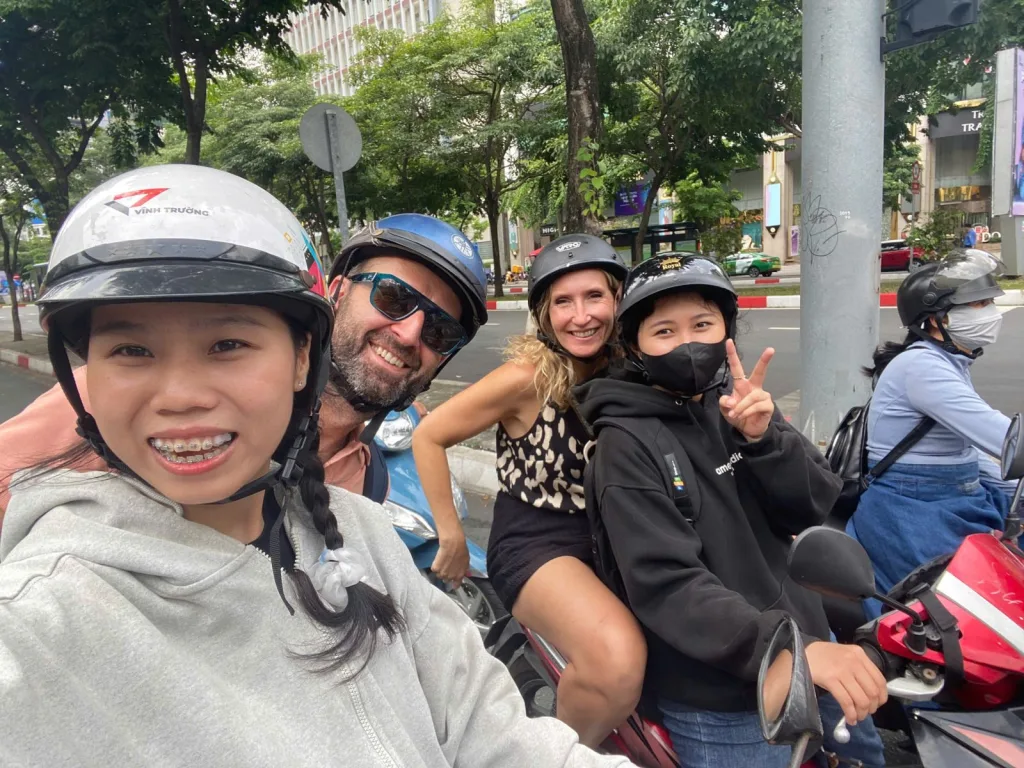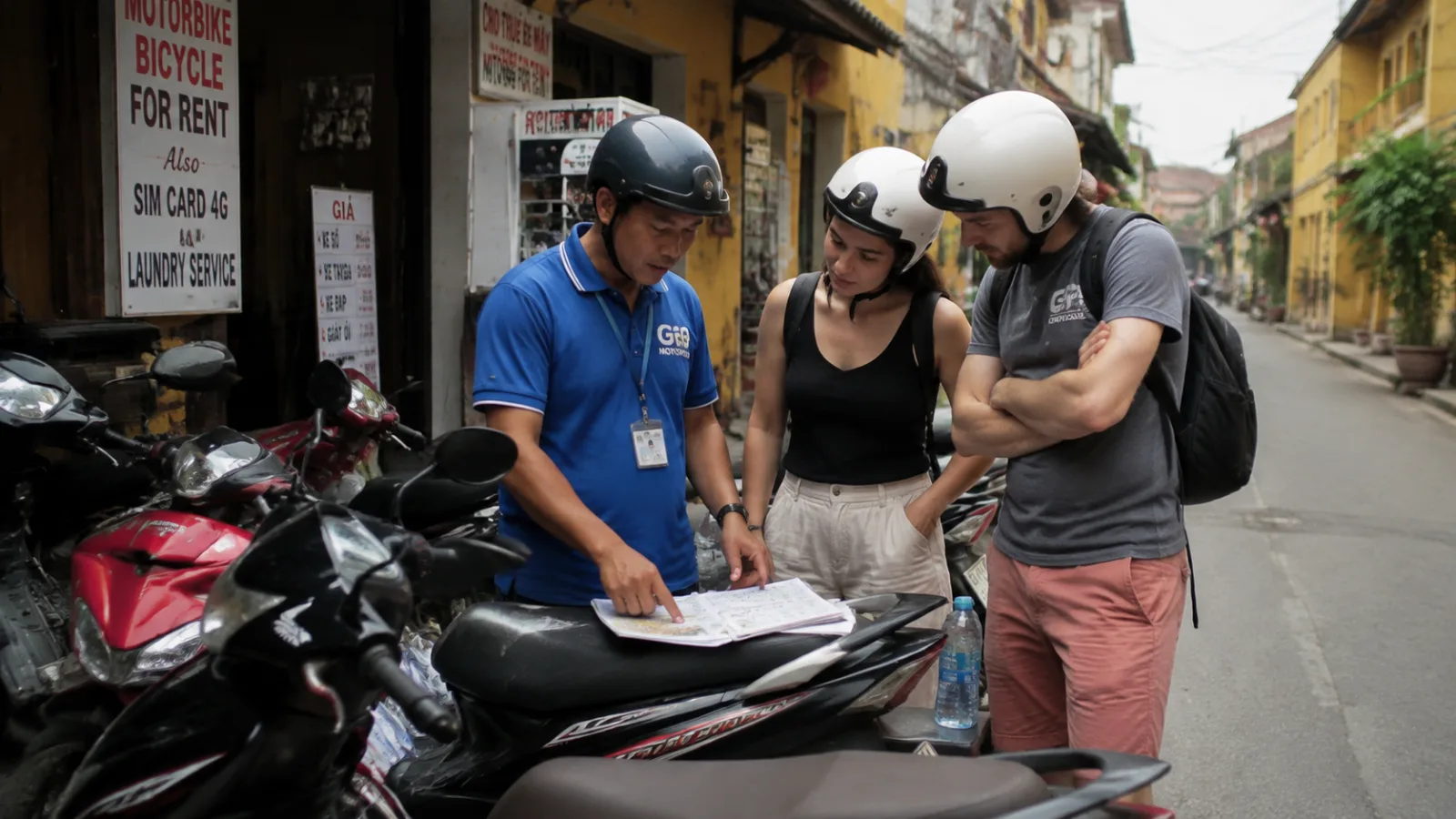

Motorbike rental Vietnam is the fastest way to turn a standard trip into a flexible road adventure, but the choice is not as simple as picking the cheapest scooter. Many first-time riders want the freedom to reach beaches, lanes, and countryside stops on their own schedule, yet they also need to avoid paperwork mistakes, unsafe bikes, and rental traps that can ruin the journey before it starts.
For foreign tourists, especially solo travelers, couples, and families from Europe, North America, Korea, and Japan, the real challenge is knowing what is legal, what is practical, and what is safe. A good rental can open up places like Toward Local tours and the quieter roads around the coast, while a bad one can leave you with a broken bike, no support, and a stressful police stop.
| Criteria | Self Ride | Guided Ride | Best Use |
|---|---|---|---|
| Freedom | High | Moderate | Independent city or beach exploring |
| Risk Control | Low | High | First-time riders or mountain routes |
A simple rule helps: if you are confident on two wheels and staying in easy terrain, rental can work well. If you want local insight, less stress, and a smoother route through places like Da Nang or Hoi An, a local experience such as Hoi An tours can be the smarter first step. The rest of this guide will help you choose the right option without overpaying or taking unnecessary risks.
What Motorbike Rental Vietnam Means for Travelers
Motorbike rental Vietnam usually means renting a scooter or motorcycle for independent travel, from quick city runs to multi-day road trips. For travelers, it is less about getting from one point to another and more about reaching streets, beaches, and countryside routes that buses and taxis often miss.
It matters because Vietnam is a country where distance feels different on two wheels. A short ride can take you from a hotel lane to a local market, a fishing village, or a coastal viewpoint, while a bigger bike opens the door to mountain passes and rural backroads. For many visitors, the appeal is freedom, not speed.
Featured insight: motorbike rental is the flexible choice when you want direct access to local life, but the right bike depends on your route, riding skill, and how much comfort or control you need.
What motorbike rental Vietnam includes depends on the vehicle and the trip style:
- Automatic scooter for easy city movement and short beach rides
- Semi automatic bike for mixed roads and longer distances
- Manual motorcycle for mountain routes and experienced riders
- Daily or monthly rental, often with helmet and basic support
A practical example: a couple in Da Nang may rent a scooter for a food crawl and coastal drive, while a solo traveler heading toward Ha Giang usually needs a stronger bike or a guided ride. If you want to explore with less pressure, you can also pair self-guided travel with local tour options that cover the most scenic stops without the stress of navigating alone.
If you are still deciding between self-riding and a guided route, compare the bike type with the road you plan to take before you book.
| Criteria | City scooter | Semi automatic bike | Manual motorcycle |
|---|---|---|---|
| Best use | Short city rides and beach access | Mixed roads and day trips | Long routes and mountain terrain |
| Rider level | Beginner friendly | Intermediate | Experienced only |
When it is the right choice: pick motorbike rental for short trips, flexible day tours, and routes where public transport feels slow or indirect. It is especially useful for solo travelers, couples, and adventurous families who want more freedom between stops. Final CTA: if your goal is to see Vietnam in a more local way, choose the bike after you choose the road, not the other way around.
How Motorbike Rental in Vietnam Works
Motorbike rental Vietnam is usually simple on the surface: choose a bike, show basic documents, pay a deposit, sign the agreement, then return the bike on time. The real difference is how each shop handles paperwork, fuel, damage checks, and support if something goes wrong. For first-time visitors, understanding that flow saves time, stress, and avoidable disputes.
In busy cities like Hanoi, Da Nang, and Ho Chi Minh City, the process is designed for fast turnover, but the best rentals still take a few minutes to explain the bike and confirm conditions. Before you plan a ride, see our guides to motorbike riding rules in Vietnam and Vietnam motorbike laws.
Renting a motorbike in Vietnam usually follows five steps: choose a bike, provide passport details and a deposit, review the rental agreement, inspect the bike before departure, then return it with the same fuel level and condition. The most common issues are missing documents, unclear damage terms, and skipping the pre-rental inspection.
Here is the practical rental process:
1. Book online or walk in and confirm the bike type, rental period, and drop-off location.
2. Provide a passport copy, deposit, and often a driver’s license or IDP for the contract file.
3. Inspect brakes, lights, tires, mirrors, horn, and scratches before leaving.
4. Take photos and agree on fuel, mileage, and return time in writing.
5. Return the bike, allow a final check, and collect your deposit back.
A useful takeaway: the cheapest shop is not always the best choice. A slightly higher daily rate often includes a better helmet, clearer paperwork, and faster help if the bike has a flat tire or battery issue during your trip.
Common requirements are straightforward but important. Most shops ask for a passport copy, a cash deposit, and a signed rental agreement. Some will request your original passport, but that is not ideal for you. A serious rental should be willing to accept a photocopy and a refundable deposit instead, because it keeps your travel documents safe and reduces conflict later.
A real-world example helps. In Hanoi, a solo traveler might rent a Honda Wave for a city loop, leave a deposit, and be back the same evening after a short test ride. In Da Nang, couples often rent scooters for the coast road and use the bike for a beach-to-café itinerary. In Ho Chi Minh City, many visitors rent for one or two days only, then combine riding with local neighborhoods, so the handover and return are usually very efficient.
| Criteria | Cities | Mountain Areas | Best Use |
|---|---|---|---|
| Bike type | Auto scooter or semi-auto | Manual or stronger semi-auto | Match the road and your experience |
| What matters most | Easy parking and short rides | Engine power and control | Choose comfort for cities, stability for long routes |
If your plan includes food stops, beach roads, or a relaxed day in central Vietnam, a rental can support the trip well, especially when paired with Da Nang tours for a balanced local experience. The key is to treat the handover like a quick checklist, not a formality.
Before you ride away, confirm the deposit terms, photograph the bike, and ask how roadside support works. That small effort makes motorbike rental Vietnam much smoother, and it protects both your budget and your time when you return the bike.

Benefits and Practical Uses of Motorbike Rental Vietnam
Motorbike rental Vietnam is the easiest way to move at your own pace, especially if you want to reach places that buses, taxis, and fixed tours often skip. For travelers who like local streets, hidden food stops, and scenic detours, a rented bike gives you control over time, budget, and route. That freedom is the main reason so many solo travelers, couples, and adventurous families choose it.
It works best when your trip needs flexibility, short transfer times, and the option to stop whenever something looks interesting. Instead of waiting for a driver or following a group schedule, you can leave early for sunrise, pause for coffee in a small town, or change plans if the weather shifts. That simple control often turns a good trip into a better one.
Featured insight: renting a motorbike is most valuable when your travel plan depends on spontaneous stops, local roads, and a low daily budget. It is less about speed and more about freedom, which is why it fits city commuting, beach hopping, and long scenic loops so well.
For many visitors, the biggest advantage is how much ground you can cover without paying for private transport all day. A scooter can be the right choice for city errands, while a semi automatic bike gives more stability for longer routes. On routes like Ha Giang, the appeal is not only the scenery but also the ability to stop at viewpoints, villages, and roadside stalls whenever you want.
Common use cases include:
- City commuting for short hops between hotels, cafes, markets, and restaurants
- Ha Giang loop travel for riders who want a flexible schedule and scenic stops
- Beach trips where you can move between different coastlines in one day
- Countryside exploration for rice fields, small villages, and local markets
For planning a stopover in the south, many travelers pair their ride with Ho Chi Minh City food tours to enjoy the city before or after a self ride. If your route continues through central Vietnam, Hoi An tours can add a relaxed cultural break without removing the freedom of the bike.
| Criteria | Motorbike rental | Taxi or bus | Guided tour |
|---|---|---|---|
| Flexibility | High, you choose every stop | Low, route and timing are fixed | Medium, depends on the itinerary |
| Best use | Short city rides and scenic exploration | Point to point transfers | Structured sightseeing with support |
If you want maximum independence and do not mind handling your own pace, a rented bike usually makes more sense than paying for repeated taxi rides or joining a group tour. It is especially practical when you plan to explore more than one area in a day. Compare where self-riding adds value versus where a local guide saves time: our Iconic Saigon daytime sightseeing tour by motorbike has you ride behind a local driver.
If your Vietnam trip includes both city time and open-road adventure, plan the bike for flexible legs and use local experiences to fill the gaps. That balance usually gives the best mix of freedom, comfort, and memorable stops.
In simple terms, renting a motorbike is the smart choice when you want low-cost transport, route freedom, and the ability to discover places that are hard to reach by public transit. It is not for every traveler, but for people who like authentic, local, and adventurous trips, it is often the most practical option.
Choose the bike when freedom matters more than convenience, and choose taxis or tours when you want less stress. That one decision will shape how deeply you experience Vietnam.
How to Choose the Right Motorbike Rental Option in Vietnam
Motorbike rental Vietnam is not just about finding the cheapest key handoff. The right choice depends on where you ride, how confident you are, and how much risk you are willing to take. In Vietnam, a scooter that feels perfect in the city can become exhausting on mountain roads, while a stronger bike may be unnecessary for a beach loop or short urban trip.
For many travelers, the smartest approach is to match the bike to the route instead of chasing the lowest price. That means understanding the difference between local shops, hotel rentals, and online platforms, then choosing between scooters, semi-automatic bikes, and manual motorcycles based on your own skill level. If your trip includes local city experiences, convenience matters more than horsepower, and that can save both money and stress.
The best motorbike rental choice in Vietnam depends on three things: your riding experience, the road type, and your budget. Scooters suit cities and short coastal rides, semi-automatic bikes work well for mixed terrain, and manual motorcycles are best for experienced riders on mountain routes. Compare rental sources, inspect the bike, and avoid paying for power you will not use.
When comparing rental sources, local shops usually give the lowest price and the most flexibility, but quality varies widely. Hotel rentals are easier and safer for beginners because staff explain the process, yet the daily rate is often higher. Online booking platforms add convenience, clearer reviews, and more predictable service, which is useful if you are planning ahead for all tours in Vietnam and want to keep transport simple before or after a guided trip.
| Criteria | Local shop | Hotel rental | Online platform |
|---|---|---|---|
| Price | Lowest | Mid to high | Varies by supplier |
| Convenience | Good if nearby | Very easy | Best for advance planning |
Scooters are the easiest option for beginners, especially if your plan is city traffic, coffee stops, and short beach transfers. Semi-automatic bikes are better for longer days because they handle rougher roads and carry luggage more comfortably. Manual motorcycles are only worth it if you already know how to shift smoothly and expect steep hills, gravel, or remote routes. A useful takeaway: more power does not automatically mean more comfort.
Choose based on your experience level. First-time riders should stay with an automatic scooter on flat routes. Intermediate riders can handle a semi-automatic for mixed terrain. Experienced riders who want mountain scenery should only consider manual bikes if they are already confident in wet conditions and traffic. For travelers heading beyond the cities, Da Nang day trips often combine better with a stable, easy-to-manage bike than with a heavy machine you barely know how to use.
If budget is your main concern, remember that the cheapest rental is not always the lowest-cost trip. A poorly maintained bike, the wrong transmission, or a route that is too ambitious can turn a saving into a problem. The practical move is simple: rent for the road you will actually ride, not the one you imagine on paper.
Before you book, compare the bike type, rental source, and route difficulty together. If you want a smoother local-style trip with less guesswork, choose a trusted provider, ask about helmet quality and roadside support, and pick the machine that matches your real comfort level. That is the safest way to enjoy Vietnam without paying extra for avoidable mistakes.
Motorbike Rental Vietnam Tips, Mistakes to Avoid, and FAQs
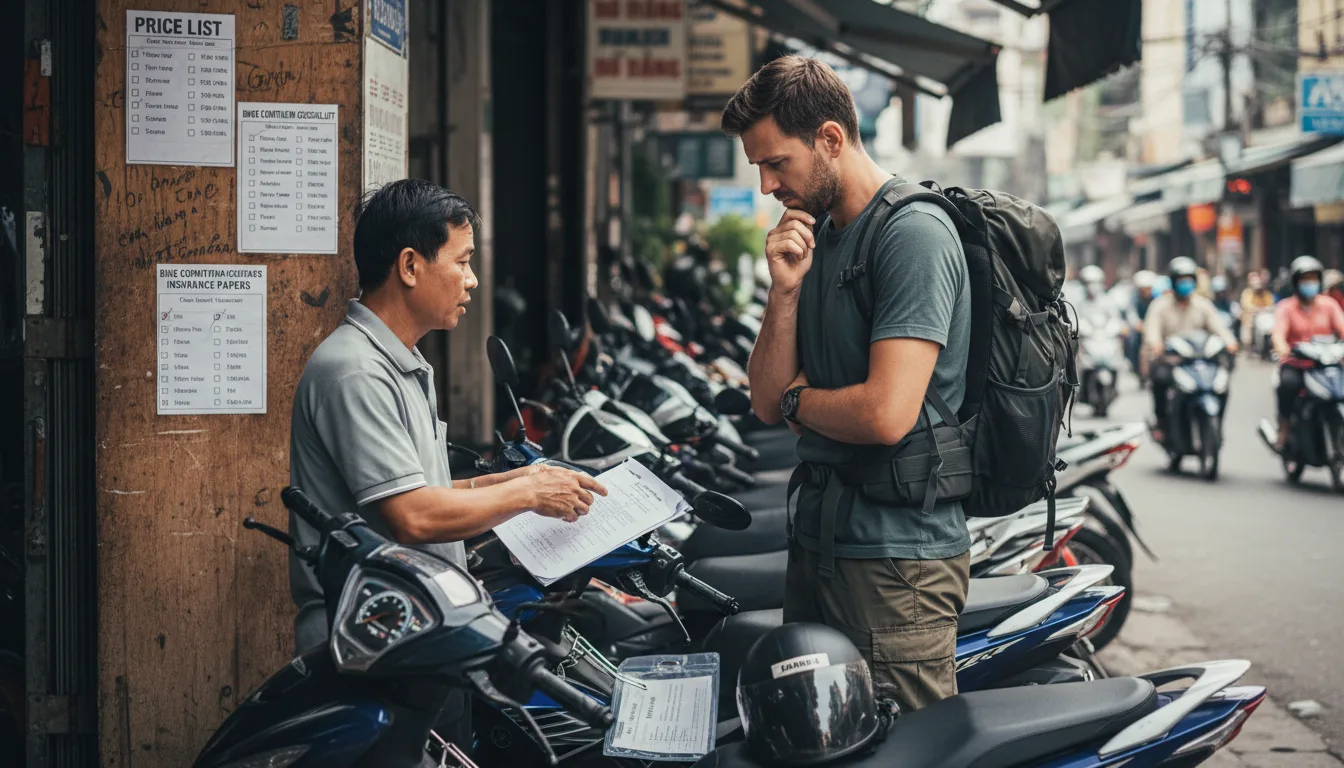
Motorbike rental Vietnam works best when you treat it like a safety decision, not a convenience booking. Many travelers focus on price and bike style, then miss the details that matter most: insurance coverage, helmet quality, paperwork, and the bike’s real condition. A careful check before you ride can save money, stress, and serious risk on busy city roads or mountain passes.
The smartest approach is simple: confirm what your rental includes, inspect the motorbike in front of the shop, and know the local rules before you leave. If you are planning a route through Ho Chi Minh City tours or looking at longer regional travel, the same rule applies: book carefully, ride slowly at first, and avoid assuming every rental is road-ready.
Before renting a motorbike in Vietnam, check three things first: insurance coverage, helmet quality, and the bike’s condition. Then confirm your license situation, fuel policy, deposit terms, and local road rules. A 10-minute inspection can prevent costly repairs, denied claims, and avoidable accidents later.
Common mistakes are usually easy to avoid, but they cause the biggest problems. The first is skipping insurance checks and assuming the shop’s daily add-on protects the rider. It often covers only the bike. The second is taking the cheapest helmet without checking the strap, shell, or fit. The third is renting without a proper inspection, then discovering weak brakes, bald tires, or broken lights after you are already on the road.
A practical example: a scooter may look fine from the outside, but a quick test ride can reveal poor brakes or a slipping throttle. That matters even more if you plan to explore coastal roads or day trips outside the city. If your trip includes more sightseeing and less riding, you may be better off mixing transport options, especially when planning Da Nang tours or other local experiences that reduce road stress.
Essential FAQs
| Criteria | Best choice | Why it matters | Risk if ignored |
|---|---|---|---|
| License and police checks | Carry valid documents | Reduces trouble at checkpoints | Fines, delays, or bike seizure |
| Bike inspection and helmet quality | Check before paying | Improves safety and lowers repair disputes | Unsafe ride and extra charges |
Do you need a license? Yes, and it should match the vehicle you rent. Is fuel included? Usually no, so ask whether you should return the bike full or at the same level. How much deposit is normal? Many shops ask for cash or a passport copy, but leaving your passport is a bad idea. What about road rules? Expect helmets to be mandatory and speed discipline to matter more than many first-time visitors expect.
The best rental is not always the cheapest one. A slightly higher daily rate often means better brakes, clearer paperwork, and a shop that answers the phone if something goes wrong. That is especially useful for solo travelers and couples who want flexibility without turning the trip into a repair problem.
If your plans include a slower, more local experience, a motorbike can still be part of the journey without becoming the whole trip. Many travelers pair short rides with guided day activities, especially when exploring places where traffic, weather, or road confidence can change quickly. If you would rather skip the rental question, check dates for the Iconic Saigon daytime tour before you commit.
Book carefully, inspect the bike, and ride within your skill level. That is the simplest way to enjoy Vietnam on two wheels without turning a great trip into an expensive mistake. If anything feels unclear at the rental counter, slow down, ask again, and choose the option that keeps you safer on the road.