
Vietnam motorbike laws can feel confusing for tourists, expats, and first-time riders, especially when license rules, helmet checks, and road behavior vary from what you are used to at home. If you are planning a ride through cities, coastal roads, or mountain routes, the safest approach is to understand the basics first so you can avoid fines, protect your insurance, and ride with confidence.
This guide breaks down the most important Vietnam motorbike laws in simple English, with practical examples that matter on real roads. Whether you are a solo traveler, a couple, or a family planning a local adventure, the goal is the same: help you ride legally, stay safe, and enjoy the journey without stress. For route ideas after you understand the rules, explore our local tours in Vietnam or compare options like HCMC food tours if you want an easier first day on the road.
| Criteria | Ride before understanding the law | Ride after reading this guide | Best for |
|---|---|---|---|
| Risk | High chance of fines, confusion, and insurance issues | Lower risk with clearer documents and safer decisions | First-time riders |
| Experience | Stressful at checkpoints and in traffic | More confident, legal, and prepared | Tourists and expats |
Vietnam motorbike laws require the right license, a fastened helmet, and zero alcohol before you ride. Tourists should also check local speed limits, passenger rules, and area-specific permits. The easiest way to stay legal is to confirm your documents before riding and choose a route that matches your skill level.
If you want a smoother start, choose a guided option or a local route that matches your comfort level before tackling busy streets on your own.
Read the full guide carefully, then prepare your documents before you rent a bike so you can ride legally, avoid unnecessary fines, and enjoy Vietnam with peace of mind.
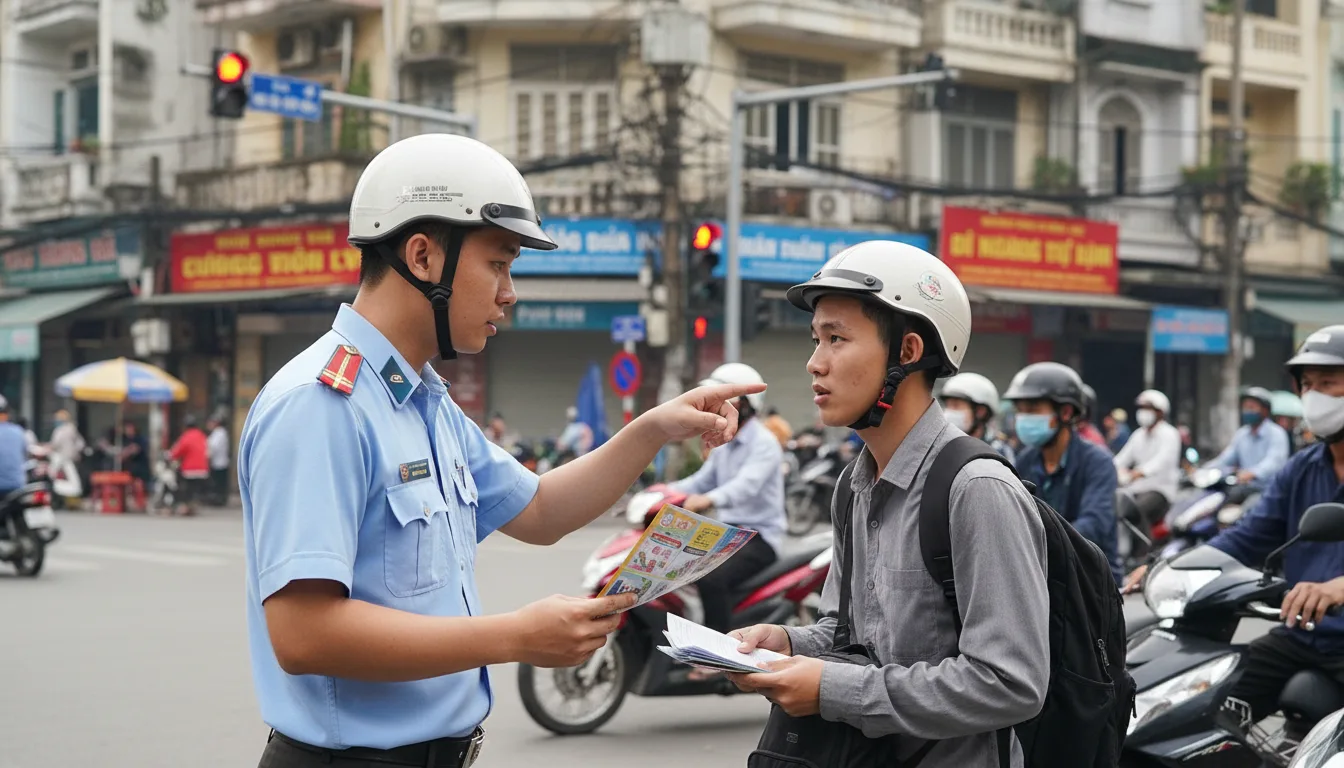
Understanding Vietnam Motorbike Laws
Vietnam motorbike laws matter from the moment you pick up the keys, because police checks, camera fines, and licence rules can affect tourists, expats, and locals differently. If you are planning a relaxed city ride or a longer road trip, the safest approach is to understand what the law actually covers before you enter traffic.
For foreign riders, the main pain point is not the road itself, but the paperwork. A valid licence, the right bike category, a helmet that is properly fastened, and zero alcohol are the basics. If you want a smoother trip, this chapter gives you the legal essentials in plain English so you can ride with confidence and avoid costly mistakes.
At a practical level, Vietnam motorbike laws cover four things: who can ride, what licence is accepted, what safety gear is required, and which behaviours trigger fines. That means the rules apply to everyday decisions such as whether your scooter is 125cc or larger, whether your passenger wears a helmet, and whether you signal before turning.
A quick example: a tourist with the wrong permit may be fine on a slow backstreet in theory, but one checkpoint or camera can turn that mistake into a major problem. If you are still planning your route, it is worth checking all tours of Toward Local for safer local travel options that fit your comfort level.
Who these laws apply to is straightforward: locals must follow Vietnamese traffic rules, expats need the correct local or converted licence, and tourists must carry documents that Vietnam recognises. In real life, enforcement is the same for everyone, so a foreign passport does not reduce responsibility.
For most visitors, the smart approach is simple: use a legal bike category, wear a certified helmet, avoid alcohol, and carry your documents at all times. If you prefer to explore with less stress, a guided ride can remove the guesswork and keep the experience focused on the scenery. For route ideas that are especially popular with independent travellers, Hoi An tours can be a useful starting point.
| Criteria | Locals | Expats | Tourists |
|---|---|---|---|
| Licence needed | Vietnamese licence | Vietnamese or recognised converted licence | Valid recognised IDP plus home licence |
| Main risk | Traffic violations and camera fines | Wrong licence or expired documents | Wrong permit, wrong bike, missing helmet |
Vietnam motorbike laws cover licence validity, bike size, helmet use, alcohol limits, and road behaviour. They apply to locals, expats, and tourists alike, and foreigners are expected to follow the same checkpoints, fines, and safety rules as Vietnamese riders.
Before you ride, check your documents, choose the right bike size, and treat the road as shared space rather than a casual shortcut. That one habit reduces most legal problems and makes the trip far more enjoyable. If you want a softer way to discover the country, ride with a local expert or book a route that already matches your comfort level.
If you are planning a scenic trip and want to keep things simple, choose an itinerary that suits your experience, then ride only where your documents and confidence match the road.
For a safer and more local way to explore, book a guided ride, follow the legal requirements from the start, and enjoy Vietnam without worrying about fines, checkpoints, or avoidable mistakes.
How Vietnam Motorbike Laws Work in Practice
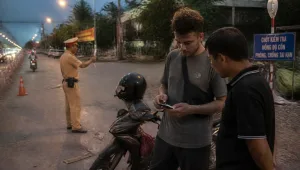
Vietnam motorbike laws matter most when you are already on the road, helmet on, traffic moving, and a checkpoint appears ahead. The practical answer is simple: carry the right licence, wear a properly fastened helmet, and ride a bike that matches your category. For first-time visitors, the challenge is not memorising every rule, but knowing which documents and habits keep you legal and calm.
Most foreign riders run into trouble because they assume a car licence, a digital permit, or a quick rental agreement is enough. It is not. Vietnam checks documents, speed, signals, and alcohol strictly, especially on scenic routes where tourists ride casually. If you want a smoother trip, plan for the law first, then enjoy the road.
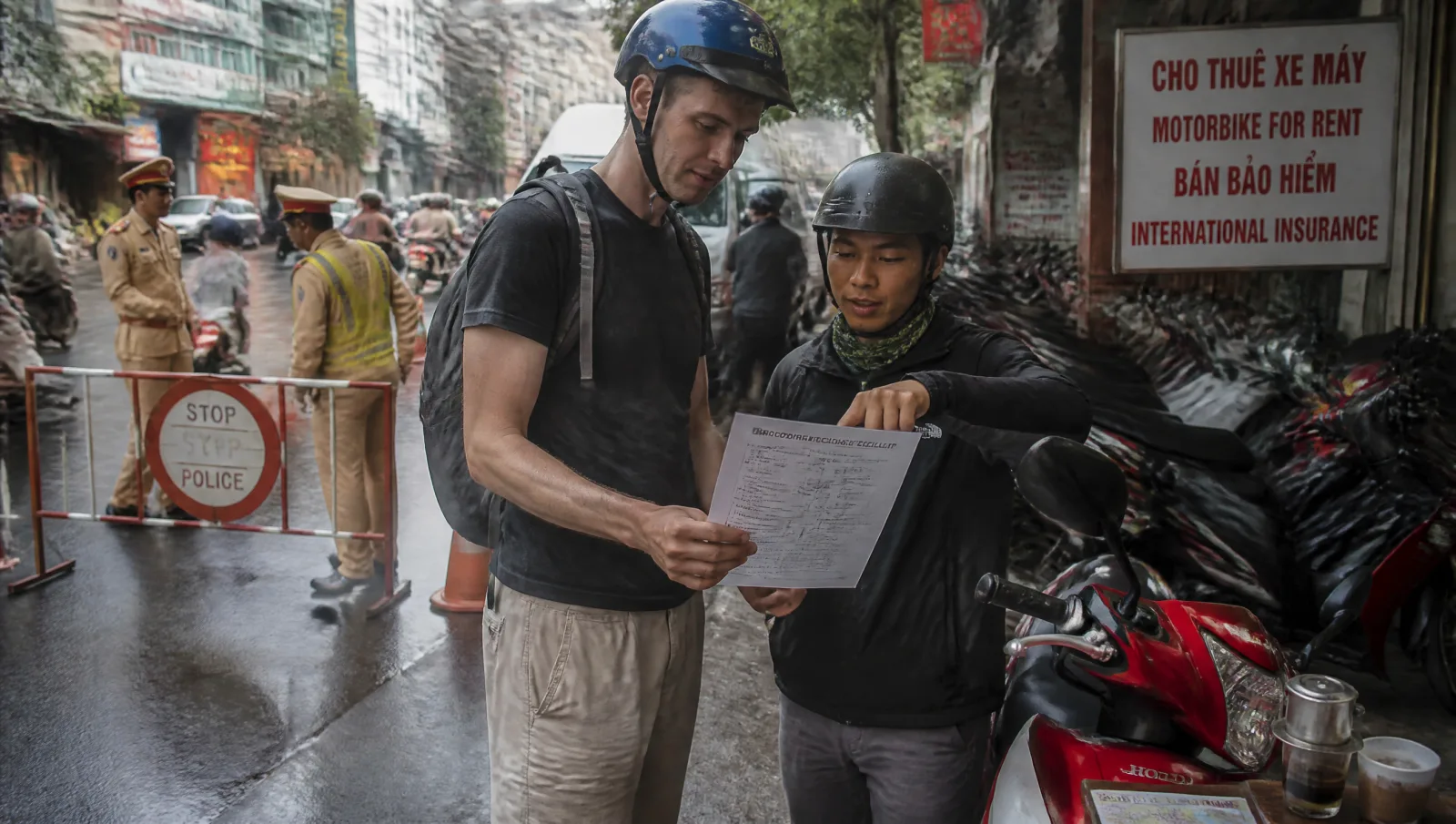
To ride legally in Vietnam, you need a recognised driving licence, a physical helmet worn correctly, and a motorbike that fits your licence category. Police can stop riders for missing documents, no helmet strap, red-light violations, speeding, or alcohol. On tourist routes, enforcement is real and fines can be costly.
For most visitors, the first question is licence eligibility. If your home country issues an accepted International Driving Permit under the 1968 convention, carry it with your original licence. If not, rent only as a passenger or choose a guided option such as Toward Local tours where local support removes the stress of checkpoints and paperwork. That is often the smartest choice for couples, solo travelers, and families who want adventure without risk.
Helmet rules are strict and very practical. The rider and every passenger must wear a helmet, and the strap must be fastened. In real traffic, this is one of the easiest fines to avoid. A quick example: a family riding two-up through Da Nang may feel safe on short city hops, but an unfastened strap can still lead to a stop and a fine. Small detail, big consequence.
| Criteria | Legal | Risky | Best move |
|---|---|---|---|
| Licence | Recognised IDP plus original licence | Car licence only or no valid IDP | Check category before renting |
| Helmet | Worn and strapped | Loose strap or no passenger helmet | Fasten before starting |
Traffic enforcement in Vietnam also targets everyday riding habits. Use indicators, slow down in villages, avoid alcohol completely, and never assume cameras are only in cities. If you want a scenic route with less stress and more local insight, a day in HCMC Food Tours can be a smart break between longer rides, especially for travelers who prefer to experience local life without handling every road rule themselves.
If you are unsure about your licence or route, choose the safest version of the trip first. A legal ride or a guided local experience often delivers more enjoyment than trying to force a self-ride that may end at a checkpoint.
In Vietnam, the best motorbike trips are not the fastest ones. They are the ones where you stay compliant, read the road clearly, and keep enough energy to enjoy the scenery, street life, and smaller local stops that make the journey memorable.
Before you book a bike, confirm your documents, choose the right engine size, and decide whether self-riding or a guided local tour fits your comfort level. The smartest travelers protect their trip before the first kilometre, not after the first fine.
}} to=functions.format_final_json_response 六和彩final 大发快三彩票json}]}}}]}]}}]}]}]}]}]}]}]}]}]}]}]}]}]}]}]}]}]}]}]}]}]}]}]}]}]}]}]}]}]}]}]}]}]}]}]}]}]}]}]}]}]}]}]}]}]}]}]}]}]}]}]}]}]}]}]}]}]}]}]}]}]}]}]}]}]}]}]}]}]}]}]}]}]}]}]}]}]}]}]}]}]}]}]}]}]}]}]}]}]}]}]}]}]}]}]}]}]}]}]}]}]}]}]}]}]}]}]}]}]}]}]}]}]}]}]}]}]}]}]}]}]}]}]}]}]}]}]}]}]}]}]}]}]}]}]}]}]}]}]}]}]}]}]}]}]}]}]}]}]}]}]}]}]}]}]}]}]}]}]}]}]}]}]}]}]}]}]}]}]}]}]}]}]}]}]}]}]}]}]}]}]}]}]}]}]}]}]}]}]}]}]}]}]}]}]}]}]}]}]}]}]}]}]}]}]}]}]}]}]}]}]}]}]}]}]}]}]}]}]}]}]}]}]}]}]}]}]}]}]}]}]}]}]}]}]}]}]}]}]}]}]}]}]}]}]}]}]}]}]}]}]}]}]}]}]}]}]}]}]}]}]}]}]}]}]}]}]}]}]}]}]}]}]}]}]}]}]}]}]}]}]}]}]}]}]}]}]}]}]}]}]}]}]}]}]}]}]}]}]}]}]}]}]}]}]}]}]}]}]}]}]}]}]}]}]}]}]}]}]}]}]}]}]}]}]}]}]}]}]}]}]}]}]}]}]}]}]}]}]}]}]}]}]}]}]}]}]}]}]}]}]}]}]}]}]}]}]}]}]}]}]}]}]}]}]}]}]}]}]}]}]}]}]}]}]}]}]}]}]}]}]}]}]}]}]}]}]}]}]}]}]}]}]}]}]}]}]}]}]}]}]}]}]}]}]}]}]}]}]}]}]}]}]}]}]}]}Benefits of Following Vietnam Motorbike Laws
Following Vietnam motorbike laws protects your trip before a problem starts. For foreign riders, the biggest benefits are simple: fewer fines, lower crash risk, and fewer insurance disputes if something goes wrong on the road. It also makes checkpoints easier, especially in tourist areas where police checks are common and rental bikes are watched closely.
For riders planning a local, adventurous route, Vietnam motorbike laws help you stay focused on the experience instead of paperwork. That matters whether you are riding solo, as a couple, or with family, because one mistake can turn a scenic day into a delayed, expensive one. The safest ride is usually the one that feels routine, legal, and calm from the start.
One clear benefit is financial. A valid licence, a proper helmet, and safe riding habits reduce the risk of fines that can eat into your travel budget. They also reduce the chance that a rental company or insurer will deny responsibility after an incident. In practice, compliance is not just about avoiding trouble, it is about keeping the trip flexible and stress free.
When riders ask why the rules matter, the answer is timing. The rules matter most when you are crossing cities, riding mountain roads, or joining busy traffic near tourist hubs. For example, a rider heading to Toward Local tours after a long transfer will have less room for error than someone on a quiet backstreet. In those moments, knowing the law helps you make better decisions fast.
| Criteria | Following the law | Ignoring the law | Result |
|---|---|---|---|
| Fines | Lower risk | Higher risk at checkpoints | Trip stays on budget |
| Insurance | More likely to stay valid | Claims may be rejected | Better protection if needed |
If you are still planning your route, choose the safest option first and then build the adventure around it. A legal ride gives you more freedom, not less, because you can focus on scenery, food stops, and real local experiences instead of avoiding unnecessary stops.
Another practical benefit is confidence in mixed traffic. Vietnam roads can shift from calm to chaotic in a few minutes, so knowing the rules helps you react with less stress. That matters most around intersections, night riding, and rural roads where signs may be limited. The more predictable your ride is, the more enjoyable the trip becomes.
Riders who follow the rules usually move better through the day. They stop less, negotiate less, and recover faster if weather or traffic changes. For travelers heading toward HCMC food tours or other city experiences, that reliability often means arriving on time and with more energy.
In short, the main benefit of following Vietnam motorbike laws is not only avoiding punishment. It is protecting your time, your money, and your freedom to explore. If you want a smoother trip, ride legally, keep your documents ready, and choose routes that match your skill level and licence.
For travelers who want a safer way to explore, especially on unfamiliar roads, booking a guided experience can reduce pressure while keeping the adventure. That is often the smartest move for first-time visitors, families, and solo riders who want local access without the stress of managing every rule alone.
If you want to explore Vietnam with less risk and more confidence, plan your ride carefully or book a local tour that fits your route and skill level. The right setup can save you money, protect your coverage, and make the journey feel far more relaxed from the first kilometer.
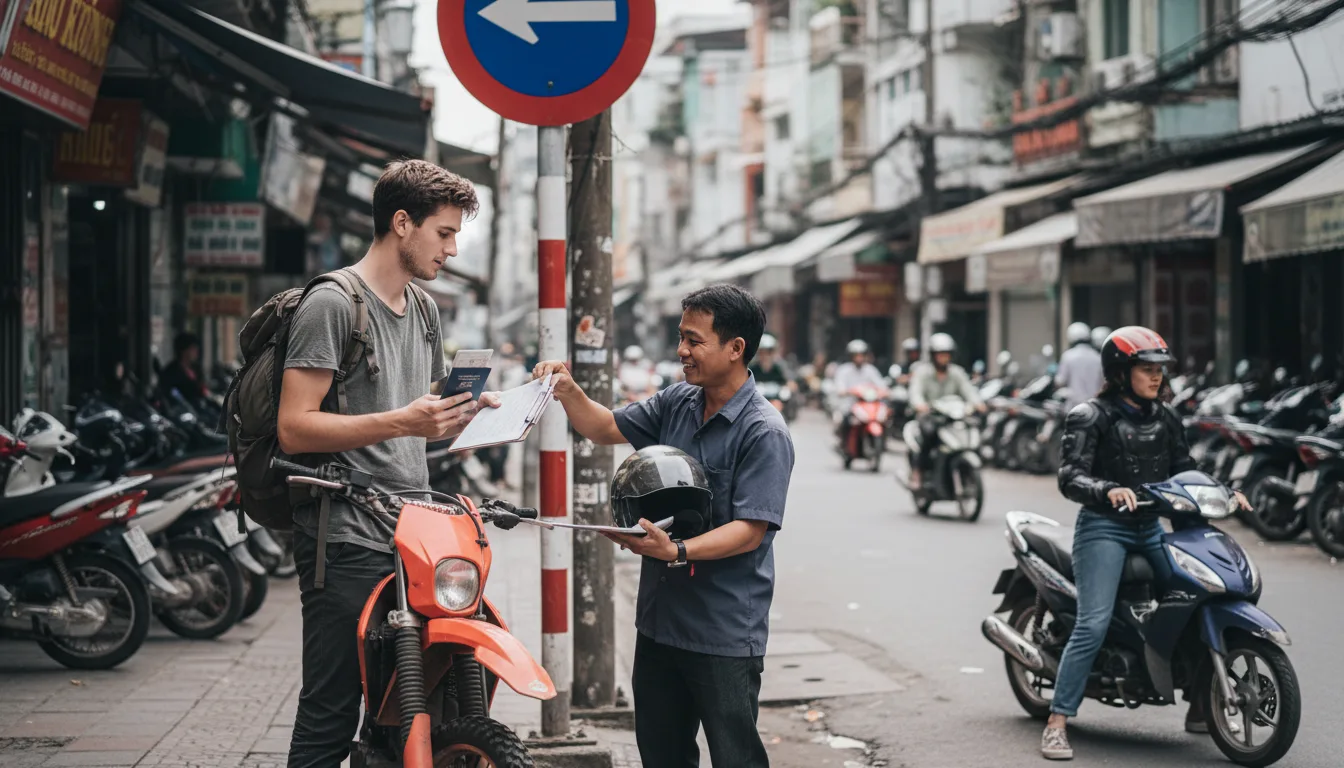
Vietnam Motorbike Laws: Choosing the Right Riding Option
Vietnam motorbike laws matter most when you are choosing how to move around: ride yourself, join a tour, or skip the bike entirely. For many foreign travelers, the real question is not whether a motorbike looks fun, but whether the documents, road conditions, and risk level match the trip you want.
If you are planning a local, adventurous route, the safest decision starts with your licence. A valid motorcycle licence can open the door to self-riding, but if your paperwork is wrong, a guided ride or a taxi app is often the smarter way to protect your trip, your insurance, and your peace of mind.
The best riding option in Vietnam depends on your licence, comfort level, and route. Legal self-riding works only if your documents are valid. Guided tours suit travelers who want scenery without stress. Taxis and ride-hailing apps are the safest choice when you want convenience, city travel, or zero paperwork risk.
Riding legally with a valid licence is the clearest path for confident travelers. If your home licence and IDP are recognized, you can rent a bike, explore side roads, and stop whenever you want. That freedom is ideal for solo riders and couples who want local food stops, hidden beaches, or mountain detours, especially when paired with a route like all Toward Local tours for added trip planning support.
The tradeoff is responsibility. You manage traffic, parking, weather, fuel, and police checks. If anything is missing in your documents, self-riding becomes a legal gamble. A simple example: a traveler with the wrong permit may save money upfront, then lose far more in fines, stress, or an invalid insurance claim.
| Criteria | Self-riding | Guided tour | Taxi or ride-hailing |
|---|---|---|---|
| Best for | Licensed riders who want freedom | Travelers who want local routes without stress | City trips and convenience |
| Main risk | Paperwork and traffic responsibility | Less independence | No scenic flexibility |
Guided tours are the middle ground for first-time visitors, families, and couples who want the adventure without handling every detail. A good local guide can manage timing, route choice, meal stops, and checkpoints, which matters in places where the road changes quickly. For travelers heading to the north, a guided option can be a practical way to experience the landscape while keeping the trip structured and safe.
For city movement, taxis and ride-hailing apps are the lowest-friction solution. They are especially useful after sunset, during rain, or after long flight days when attention is low. If your goal is to reach a market, hotel, or restaurant quickly, these options remove the paperwork issue entirely and keep the day simple. If you are in southern Vietnam and want a comfortable local city experience, consider Ho Chi Minh City tours as a soft alternative to riding yourself.
Choose the option that matches your documents, confidence, and route. If you want local freedom and already meet the legal requirements, self-riding can be unforgettable. If you want less stress and more discovery, a guided ride is often the better balance.
For most foreign travelers, the safest decision is practical, not emotional. Check your licence, compare your route, and pick the mode that gives you the best experience with the least risk. If you want help turning a Vietnam trip into a smooth local adventure, choose a route-first plan and book the ride style that fits your level.
Da Nang tours are a smart fit for travelers who want coastline views and easy logistics, while Hoi An tours work well for visitors who prefer relaxed streets, short transfers, and more time enjoying the destination than managing transport.
Do not guess your way into a motorbike trip. If your documents are valid, ride with confidence. If not, book a guided option or use a taxi app and keep the trip legal, safe, and enjoyable from the first kilometer to the last.
Vietnam Motorbike Laws: Common Mistakes, FAQs, and Final Tips
Vietnam motorbike laws trip up many first-time riders because the mistakes are small but the penalties are not. A missing strap, the wrong license, or one beer before riding can turn a smooth day into a police stop, a fine, or a denied insurance claim. If you want the freedom of riding without the stress, the solution is simple: check your documents, know the bike size, and ride defensively from the start.
The biggest issue is that foreign riders often assume their home license is enough, but Vietnam motorbike laws only recognize certain documents and categories. That means planning matters before you leave your hotel, especially if you are heading into busy city traffic, coastal roads, or mountain routes where checkpoints are common. If you want a safer local-style experience without worrying about paperwork, explore Toward Local tours and choose the trip style that matches your comfort level.
The most common Vietnam motorbike laws mistakes are riding without a valid license, wearing an unfastened helmet, drinking before riding, and missing border-area permits. Tourists should carry the correct IDP, match the bike to the license category, keep the helmet strap closed, and expect police checks in major destinations and border regions.
| Criteria | Safer choice | Common mistake | Risk level |
|---|---|---|---|
| License | Correct IDP with motorcycle category | Riding with no recognized permit | High |
| Safety | Helmet fastened and proper gear | Loose strap or no helmet | Medium to high |
| Road behavior | Zero alcohol and clear signaling | Riding after drinking or skipping signals | High |
Frequent mistakes riders make often start before the engine even turns on. A traveler may rent a 150cc bike with only an A1-equivalent permit, forget that a passenger also needs a fastened helmet, or assume a car license is enough. In real traffic, these details matter. A simple example: on a rainy afternoon in Da Nang, a rider without the right category can be stopped for a document check, while another rider with a smaller bike, a fastened helmet, and no alcohol keeps moving without issue.
There is also a hidden travel cost that many visitors miss: if police keep your license after a fine, your departure plans can get messy. That is why the smartest approach is to treat your documents like your passport, not like optional paperwork. If you are planning a ride-heavy vacation and want a softer logistics setup, a Da Nang adventure tour can remove much of the stress while still giving you access to scenic roads and local neighborhoods.
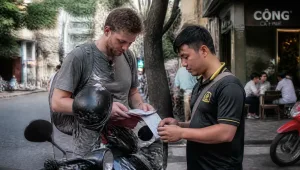
FAQ: Do you need a Vietnamese license? Usually yes for long-term legal riding, but short-term tourists need a valid international permit that Vietnam recognizes, plus the original home license. Can tourists ride motorbikes? Yes, if the documents, helmet, and bike category match the rules. What happens at a police checkpoint? Officers may ask for your license, passport, rental papers, and helmet use, and missing any of these can mean a fine or the bike being held.
Can you ride without trouble if you are careful? In many cases, yes, but only if you respect the law and the local road culture. The practical checklist is simple: carry your license, keep documents dry and accessible, never drink and ride, and slow down in villages and on mountain bends. For travelers who want an easier route with fewer legal unknowns, joining a guided ride or booking a local-led experience is often the best middle ground between freedom and safety.
Final tips matter because small mistakes are the ones that usually get tourists caught. Check your helmet strap every time, use turn signals even when traffic is chaotic, and never assume a checkpoint will be lenient because you are a foreigner. If you want to turn the ride into a smooth, memorable trip instead of a paperwork problem, choose a route that fits your experience level and book with a local operator before you go. Hoi An motorbike experiences are a good option for travelers who want scenic roads, local culture, and less administrative friction.
When in doubt, ride smaller, slower, and more legally than you think you need to. That one decision protects your insurance, saves time at checkpoints, and makes the trip more enjoyable. For adventurous travelers who still want local access without guesswork, book early, ask about permits, and travel with an operator who understands the route, the documents, and the realities of riding in Vietnam.