
What to pack for a Vietnam motorbike trip is one of the first questions smart travelers ask, because the country can shift from hot city roads to cold mountain passes in a single day. Pack too much and you’ll feel weighed down; pack too little and rain, dust, and long riding hours become a problem fast.
This guide to what to pack for a Vietnam motorbike trip focuses on the essentials that actually matter on the road: protective riding gear, weather-ready layers, and a few compact travel items that make daily stops easier. If you are planning a local-style adventure, especially through places like all Toward Local tours, the goal is simple: stay comfortable, stay safe, and keep your luggage light enough to enjoy the ride.
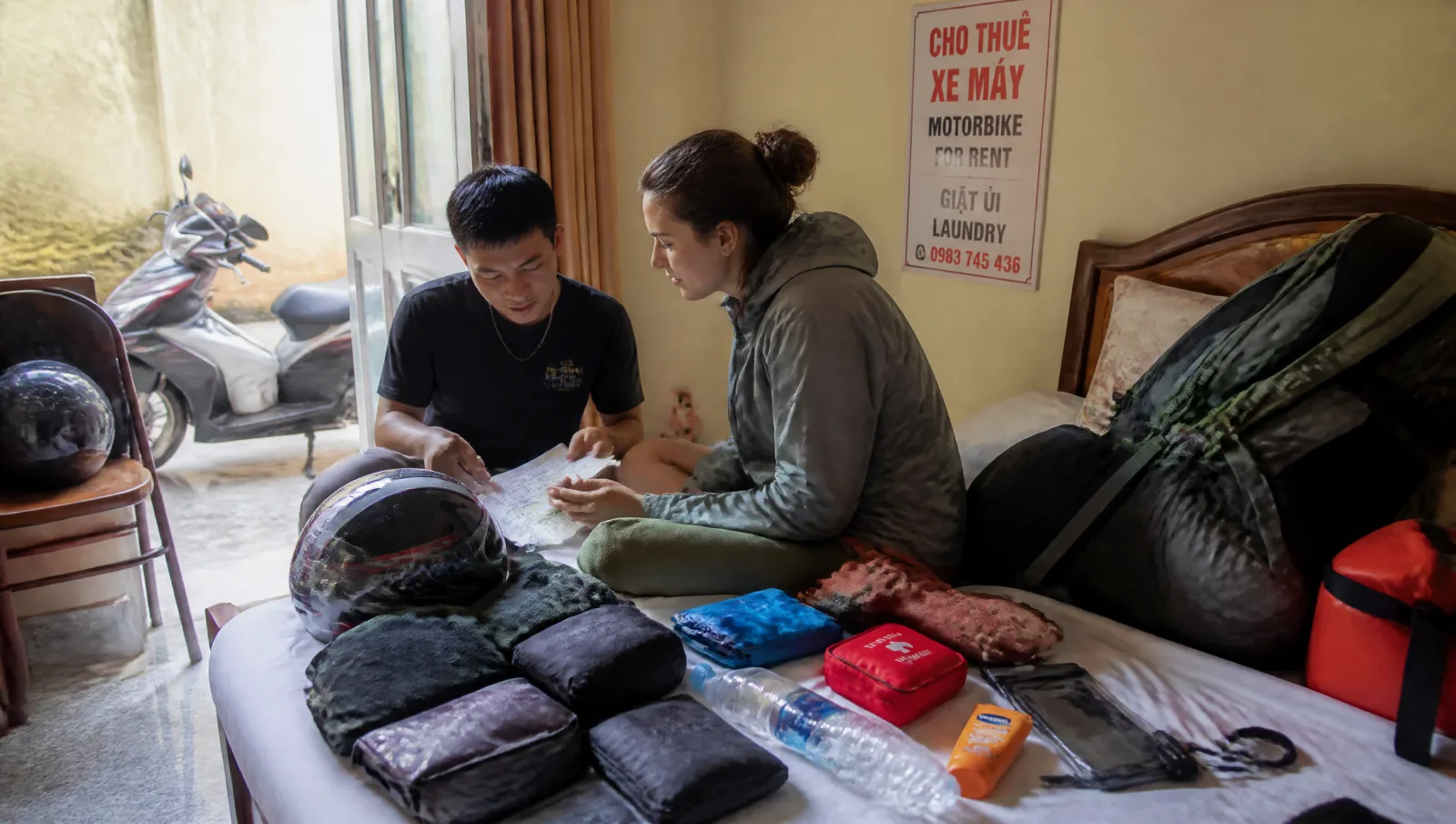
For most riders, the best packing strategy is to separate must-haves from nice-to-haves. A helmet, gloves, rain protection, and quick-dry clothes cover the basics, while sunscreen, a phone dry bag, and a small first-aid kit handle the real-world surprises that come with tropical travel. If you are pairing the ride with a food stop in the south, Ho Chi Minh City tours can be an easy add-on before or after your route.
Pack light, dry, and protective gear for a Vietnam motorbike trip. Prioritize a helmet, gloves, rain layer, quick-dry clothing, and a waterproof bag for electronics. Add sunscreen, water, and basic medical items so you can handle heat, sudden rain, and long riding days without overpacking.
| Criteria | Best choice | Why it matters | Travel impact |
|---|---|---|---|
| Riding safety | Helmet, gloves, closed shoes | Protects you from falls, dust, and road debris | More confidence on busy roads |
| Trip comfort | Quick-dry layers, rain shell, water bag | Helps with heat, sweat, and sudden showers | Less fatigue on long rides |
If you want to turn your packing plan into a smoother route, choosing the right local tour can remove a lot of guesswork, especially for first-time riders and families. A well-planned ride means you spend less time managing bags and more time enjoying the landscape, villages, and food stops along the way.
One small insight many travelers miss is that the best packing list changes by route. Northern mountain loops need warmer layers, coastal rides need sun protection, and multi-day trips need compact storage that dries quickly. If your journey includes central Vietnam, Da Nang tours are a practical way to combine riding with a relaxed city break.
Use this guide to build a packing system that fits your style, your route, and your schedule. Whether you are traveling solo, as a couple, or with family, the right setup helps you ride lighter, move easier, and enjoy Vietnam with far less stress.
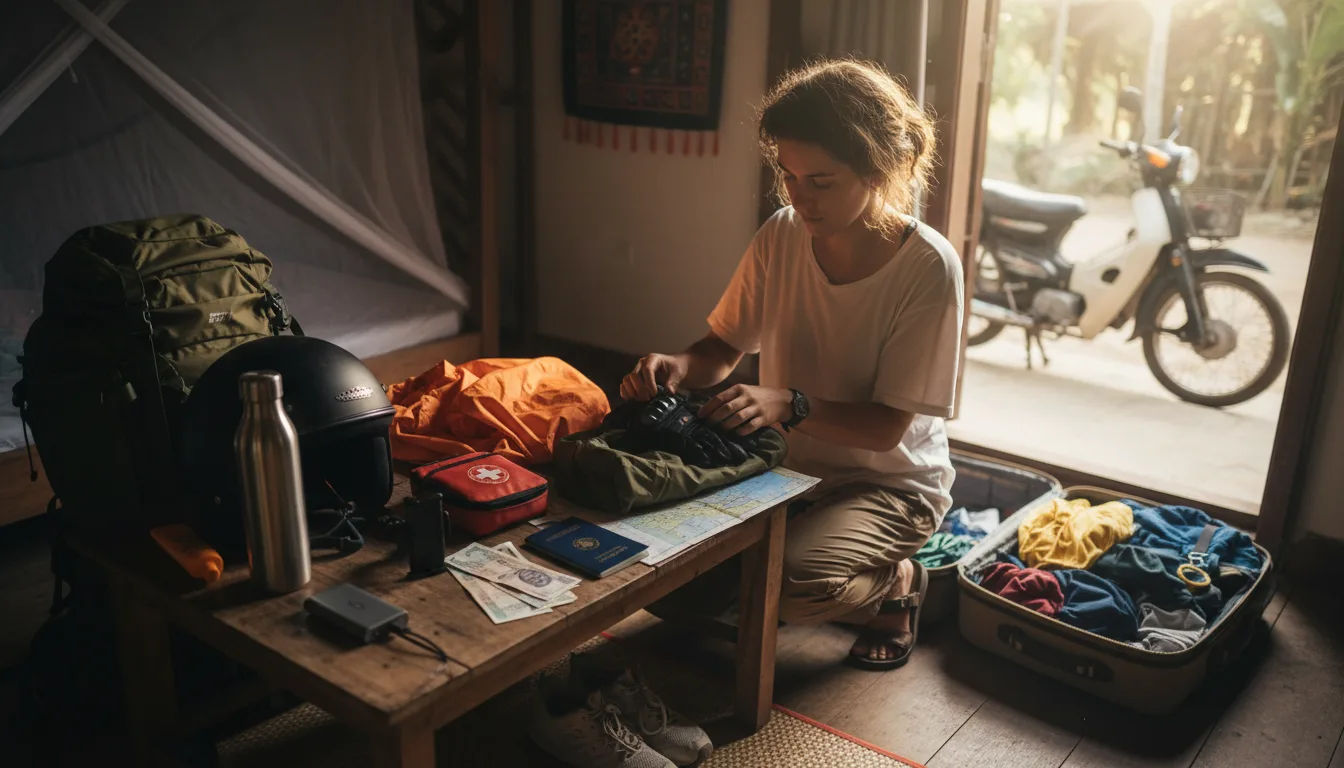
What to Pack for a Vietnam Motorbike Trip: The Essentials You Shouldn’t Skip
What to pack for a Vietnam motorbike trip matters more than most first-time riders expect, because the weather can shift fast and the roads can change from smooth pavement to wet mountain corners in one afternoon. The goal is not to carry more, but to pack the right layers, the right protection, and the small items that keep you comfortable from the first stop to the last.
For solo travelers, couples, and adventurous families, the smartest setup is simple: ride safe, dry fast, and keep your day bag light. If you are planning a longer route and want an easy way to balance adventure with comfort, take a look at all Toward Local tours as a useful reference point for trip planning and pacing.
Pack a full-face helmet, gloves, riding shoes, quick-dry clothes, rain protection, sunscreen, water, phone storage, and a small first-aid kit. For Vietnam, choose gear that is breathable, lightweight, and easy to layer, because heat, rain, and mountain wind often appear on the same day.
Core riding gear for safety and comfort
Start with the items that protect you when the road gets rough. A helmet, gloves, eye protection, and sturdy shoes should never be an afterthought. If you are renting a bike or joining a guided ride, this is where comfort and safety overlap most clearly: a helmet that fits well reduces fatigue, gloves improve grip in rain, and ankle-covering shoes help on gravel stops or village paths.
| Criteria | Must-pack | Good-to-have | Why it matters |
|---|---|---|---|
| Riding protection | Helmet, gloves, closed shoes | Knee guards, light jacket | Helps with impact, grip, and fatigue on long rides |
| Weather comfort | Breathable layers, rain shell | Neck gaiter, arm sleeves | Handles sun, wind, and sudden showers without bulk |
A practical example: on a Northern Vietnam loop, riders can start in cool morning air, climb into humid heat by noon, then finish in mist or rain. That is why one thick jacket is less useful than a light base layer, a packable rain shell, and a mid-layer you can remove quickly. If you are exploring a food-heavy city before the ride, Ho Chi Minh City food tours can also help you ease into the trip with a lighter packing rhythm and local travel mindset.
Clothing, weather protection, and daily travel essentials
For clothing, think quick-dry and low-volume. Bring two to three riding outfits, one warm layer, one rain layer, and one set of clean clothes for evenings. A compact dry bag, power bank, reusable water bottle, sunscreen, and basic medication make daily life easier, especially if your route includes mountain homestays or remote stops with limited shops.
Soft packing tip: keep your valuables in one waterproof pouch, and keep a second small pouch for documents, cash, and charging cables. That small habit saves time at every checkpoint, guesthouse, and lunch stop.
For comfort on the road, carry lip balm, insect repellent, and a simple first-aid kit with blister care and pain relief. These are small items, but they matter when you spend six to eight hours moving through heat, wind, and dust. If your route includes central Vietnam stops, Da Nang tours are a useful local benchmark for how travelers often combine urban stays with motorbike days.
What not to overpack
A common mistake is bringing heavy jeans, bulky sneakers, and too many spare outfits. They take longer to dry and occupy space you need for rain gear and essentials. Travel light, keep your load balanced, and choose items you can wear in more than one situation. The best packing list is the one that stays practical when the weather changes and the road gets busy.
If you want a smoother, safer ride through Vietnam, pack for comfort first, then add protection, then cut everything unnecessary. The best trips feel easy because your gear supports the journey instead of slowing it down. Ready to plan the next step? Use this packing list, build your day bag carefully, and choose a route that matches your pace and travel style.
What to Pack for a Vietnam Motorbike Trip Based on Route and Weather
What to pack for a Vietnam motorbike trip depends on where you ride, when you go, and how much weather change you can handle in one day. Vietnam is not one climate from north to south. A mountain loop can feel cold at dawn, wet by noon, and dusty by afternoon, while the central coast and southern lowlands stay hot and bright for much of the year.
The smartest packing strategy is to build around route, not around a generic holiday list. That means choosing layers for the north, rain protection for the shoulder seasons, and sun gear for the south. If you are planning a city-to-coast ride, it also helps to think about rest stops and culture, especially if your trip includes places like Da Nang local tours or a slower beach-to-old-town stop near Hoi An guided tours.
Pack for Vietnam by climate zone, not by suitcase size. Northern routes need warm layers and waterproof shells, central coast rides need rain protection and ventilated clothing, and southern trips need UV defense, light fabrics, and hydration. Keep one dry bag, one warm layer, one rain layer, and one sun kit. That simple setup covers most motorbike routes in Vietnam.
| Route | Best layers | Weather priority | What to avoid |
|---|---|---|---|
| Northern mountains | Thermal base layer, fleece, windproof shell | Cold mornings and rain | Cotton, thin hoodie, heavy jeans |
| Central coast | Breathable shirt, light rain jacket, quick-dry pants | Sudden showers and humid heat | Thick layers, non-breathable gear |
| Southern heat | Ventilated clothing, sun sleeves, cooling neck gaiter | Strong sun and dehydration | Dark heavy fabrics, no sun protection |
For northern mountains, pack like you may ride through three seasons in one day. Early starts in Ha Giang, Cao Bang, or Sapa can be cold enough for gloves, a neck warmer, and a thin thermal top, even when the afternoon feels pleasant. A dry-fit shirt under a shell works better than one heavy jacket because it lets you add or remove warmth fast.
In the central coast, the issue is less cold and more changeable weather. A rider can leave in bright sun, hit a short rain burst, then climb back into warm humidity ten minutes later. That is why a compact rain jacket, packable trousers, and sealed phone storage matter more than bulky clothing. If your route includes a stop in the city, you can balance riding time with a relaxed break on HCMC food tours before heading back to the road.
For the south, think light, breathable, and protective. A ventilated jacket, UV sleeves, sunscreen, sunglasses, and a reusable water bottle make long riding days much easier. The takeaway most first-time riders miss is that heat fatigue feels worse than rain because it drains focus slowly. Pack for comfort, and you will ride safer, longer, and with a better mood.
Rain gear, cold-weather layers, and sun protection should always be packed as a system, not as separate extras. Put the rain shell where you can reach it fast, keep warm layers in a dry bag, and leave sun cream in a pocket you will actually use at each stop. That small habit saves time and prevents the common mistake of arriving at lunch soaked, cold, or sunburned.
If you are building a route now, think about how your packing changes with distance, elevation, and season. A smart gear plan does not add weight; it removes stress. The more local and adventurous your trip gets, the more useful it is to travel with a simple packing system that matches the road.
Final CTA: before you lock your bag, check the route forecast, pack one warm layer, one rain layer, one sun layer, and one dry spare set of clothes. That is the easiest way to stay comfortable across Vietnam’s mixed climates. If you want a trip that feels well paced and local, choose the right route first, then pack to support it.
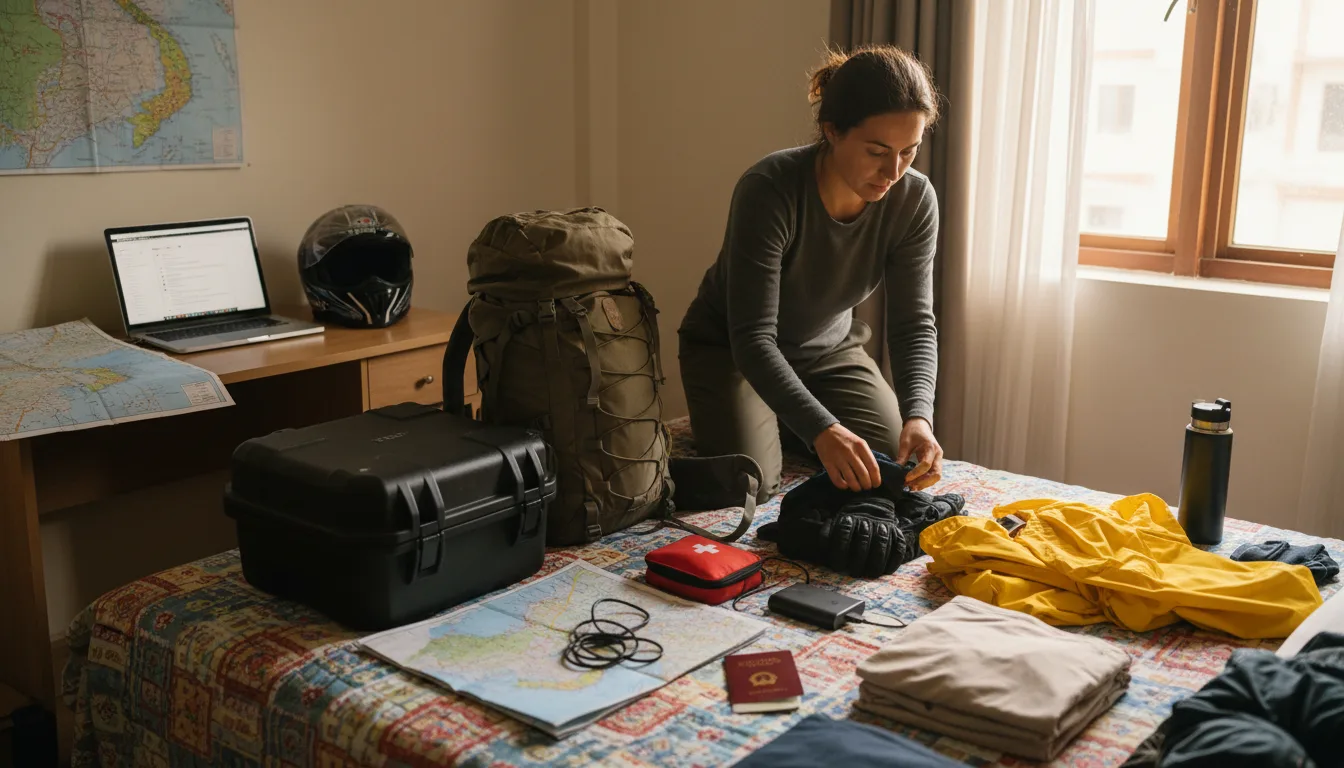
How to Organize What to Pack for a Vietnam Motorbike Trip
What to pack for a Vietnam motorbike trip is less about bringing more and more about packing in a way that keeps you fast, dry, and easy to manage on the road. On long ride days, the wrong bag setup can waste time at every stop, especially when you are moving between mountain weather, village homestays, and dusty backroads.
The simplest system is to separate your gear by access, not by category alone. Keep the items you need every hour within reach, and push everything else into sealed storage. That small shift makes a big difference when you are checking into a guesthouse after dark, changing clothes after rain, or grabbing a rain layer before the next pass.
Pack a Vietnam motorbike trip in three layers: quick-access items for documents and electronics, a sealed day system for rain and snacks, and a main bag for clothes and backup gear. Use dry sacks or packing cubes to separate clean, wet, and fragile items so you can find what you need fast.
For most riders, the best setup is one small day bag, one waterproof main bag, and two to three dry sacks inside it. That keeps the weight stable and makes unpacking easy at each stop. If you are traveling with a tour group, you can also keep one simple checklist for your own essentials and one shared storage plan for the rest.
Practical example: put socks, underwear, and a spare shirt in one dry sack, rain gear in another, and toiletries in a third. If your bike is parked in the rain or splashed on a wet road, you only open the bag you actually need. This is one of the easiest ways to stay organized on a route with changing weather and frequent short stops.
| Criteria | Best for | Main benefit | Risk if ignored |
|---|---|---|---|
| Dry sacks | Clothes, electronics, rain gear | Simple waterproof separation | Wet gear spreads across everything |
| Small access pouch | Passport, cash, phone, charger | Fast access at checkpoints | Delays and stress when needed quickly |
Keep documents, electronics, and emergency items in a pouch that never gets buried under clothes. Your passport copy, driving license, insurance, cash, power bank, charging cable, and medication should be easy to reach without unpacking the whole bike. This is especially useful when you stop for fuel, check in at a homestay, or need to show details during a roadside check.
For riders who want a smoother route through the north, a simple packing system also makes group travel easier. If your itinerary includes a food stop or city break, having one clean grab bag helps you move from road mode to town mode quickly. You can also plan downtime around all Toward Local tours if you want to add a local experience before or after the ride.
Use this order for the easiest setup: first, place essentials in your access pouch. Second, pack fragile items in a soft layer. Third, fill dry sacks with category-based clothing. Fourth, close the main bag and keep the heaviest items low and centered. That keeps your load balanced, reduces movement on rough roads, and makes the whole trip feel less chaotic.
Strong tip: if you cannot open one bag and understand its purpose in five seconds, repack it. Good organization is not about perfection, it is about reducing friction on the road. When your gear is sorted well, you spend less time digging and more time riding, resting, and enjoying the landscape.
CTA: If you are planning a ride that mixes adventure with local culture, organize your bag system before you leave home so the first day feels easy, not rushed. For travelers who want to combine the road with food and city energy, you can also explore HCMC food experiences or build in a stop from the start. The right packing system saves time, protects your gear, and makes every day on the bike feel more controlled.
What to Pack for a Vietnam Motorbike Trip vs. What to Leave Behind
What to pack for a Vietnam motorbike trip depends on one rule: bring protection and comfort, then strip away everything else. On long routes through mountain passes, coastal roads, and village stops, riders usually need less than they think. The goal is to stay light, dry, and ready for sudden weather changes without turning your luggage into a burden.
If you are riding as a couple, solo traveler, or with family, packing smart keeps the day easier and the bike safer to handle. A compact kit also helps at homestays, where stairs are steep and storage is limited. Think in layers, quick-dry fabrics, and a small day bag instead of a full vacation suitcase. That simple shift saves time from the first morning to the last checkpoint.
For a practical setup, separate your luggage into three groups: riding gear, overnight essentials, and items to leave behind. Riding gear includes helmet, gloves, eye protection, jacket, and sturdy footwear. Overnight essentials can be one change of clothes, toiletries, medication, and a power bank. Leave bulky jeans, extra shoes, and heavy jackets at home unless you are riding in the north during colder months.
Here is the fastest way to decide:
| Criteria | Pack | Leave behind | Why it matters |
|---|---|---|---|
| Clothing | Quick-dry layers and one warm top | Heavy cotton and extra outfits | Less weight and faster drying |
| Bike comfort | Gloves, eye protection, rain cover | Large backpacks and fragile items | Better balance and easier movement |
A soft packing upgrade is to use one waterproof dry bag and one small personal pouch. If you are planning a longer trip after the ride, explore local experiences in HCMC or compare other routes through all Toward Local tours once your motorbike loop is done.
The most common overpacking mistake is bringing city travel habits onto the road. Large suitcases, too many shoes, full-size toiletries, and spare electronics usually stay unused. Another mistake is packing for worst-case scenarios instead of realistic conditions. In Vietnam, laundry is easy, shops are close in many towns, and most tours already support simple travel. Pack for movement, not for every possible situation.
A useful mini rule is this: if an item is heavy, slow to dry, or hard to replace, question it twice. That mindset keeps your luggage compact and your ride more enjoyable. For travelers who want to balance adventure with easy logistics, the smartest packing list is always the one you barely notice once the road starts.
Leave behind anything that makes you hesitate when lifting your bag. Keep the essentials, remove the extras, and you will travel with more energy, better comfort, and less stress from the first day to the last.
What to Pack for a Vietnam Motorbike Trip: Final Checklist, FAQs, and Travel Tips
What to pack for a Vietnam motorbike trip depends on the route, the season, and how much you want to carry. Most first-time riders overpack clothes and underpack rain protection, power backup, and the small items that keep a long ride comfortable. The smartest approach is simple: pack light, protect the essentials, and make room for weather changes.
For solo travellers, couples, and families exploring local roads, the goal is not to bring more gear, but to bring the right gear. A good packing list reduces stress at checkpoints, homestays, and mountain stops, and it helps you enjoy the ride instead of managing your bag. If you are planning a slower cultural route, you can also combine your trip with a food experience such as Ho Chi Minh City food tours before or after the ride.
Pack a helmet, gloves, rain shell, quick-dry clothing, waterproof phone storage, basic medicine, charger, cash, and one change of warm layers. Keep luggage small, because Vietnam motorbike travel is easier when your bag is light, weather-ready, and simple to carry.
The most practical packing system is to split your items into three groups: ride gear, daily essentials, and overnight comfort. Ride gear includes a certified helmet, gloves, eye protection, and sturdy shoes. Daily essentials are phone, passport copy, cash, sunscreen, and a power bank. Overnight comfort means one set of clean clothes, sleepwear, toiletries, and any medication you need every day.
A useful rule is to pack for one riding day, one rainy day, and one cool night. In northern routes, mountain weather can shift fast, so a light layer matters even in warm months. For a local planning day in central Vietnam, many travellers also like to fit in a relaxed city break, and Da Nang tours can work well before a longer road adventure.
Quick checklist:
Helmet or rental confirmation
Gloves and closed shoes
Rain jacket or poncho
Quick-dry shirt and shorts
Power bank and charging cable
Passport, insurance, and cash
Basic medicine and personal items
Small dry bag or waterproof pouch
One soft tip before you leave: pack your day bag as if you will need one hand free at all times. That makes border stops, ferry transfers, and market breaks much easier. If your route includes a heritage town, a light bag also helps when you switch from riding to walking, especially on cobbled streets and busy village paths.
Most common packing mistakes first-time riders make
The biggest mistake is bringing too much clothing. Heavy jeans, thick hoodies, and extra shoes take space, dry slowly, and become frustrating on multi-day rides. Another common error is assuming weather will stay stable, so riders skip rain protection and end up uncomfortable for hours.
Other frequent mistakes include forgetting cash for remote stops, packing a dead phone without a power bank, and carrying valuables in soft daypacks that are not waterproof. Riders also underestimate night temperatures in the north, where a warm layer can make a big difference after sunset. If you want to build a smoother route with less guesswork, reviewing a broader set of Toward Local tours can help you match the ride with the right pace and season.
| Item | Best choice | Avoid | Why it matters |
|---|---|---|---|
| Clothing | Quick-dry layers | Heavy denim | Dries fast and stays comfortable |
| Bag | Small dry bag | Large suitcase | Easier to carry on and off the bike |
Quick FAQ and final pre-departure checklist
What should I carry on the bike every day? Bring only the items you may need within the next hour: phone, cash, water, sunscreen, tissues, and a waterproof layer if the forecast is uncertain. Everything else can stay in your main bag or support vehicle if your trip includes one.
Do I need special gear for a first ride? At minimum, yes. A proper helmet, gloves, and closed shoes are non-negotiable. Add a rain shell and a light warm layer if you are riding in the north or during shoulder season. This is especially important for beginners, because comfort directly affects confidence on the road.
Final pre-departure checklist:
Confirm helmet fit and strap
Test rain protection and boots
Charge power bank and devices
Print or save travel documents offline
Pack cash in small notes
Set aside medication and toiletries
Leave extra luggage in storage if possible
Share your route and contacts with someone at home
If you want one last practical rule, use this: pack half the clothes and twice the protection. That mindset keeps your luggage manageable and your trip easier from the first kilometre to the last stop. A smart bag means more energy for the road, the scenery, and the people you meet along the way.
When your gear is ready, the ride becomes much smoother, and that is where the real trip begins. Stay light, stay dry, and keep your essentials close. If you are combining the road with a short local stay before departure, a final stop in Hoi An tours can be a relaxed way to reset before the motorbike adventure starts.