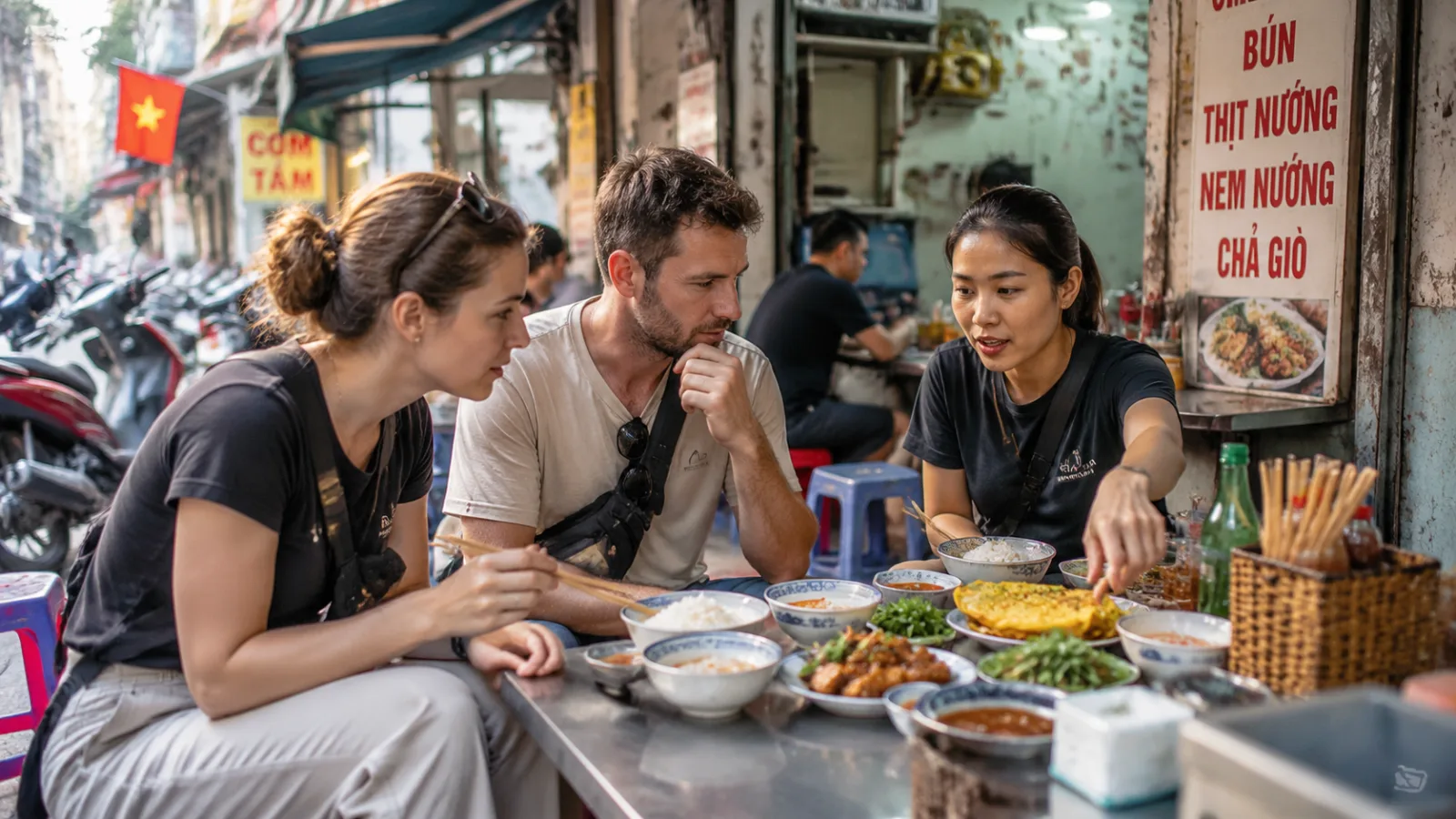

Vietnamese dining etiquette can feel unfamiliar at first, especially if you are used to more individual dining styles. In Vietnam, meals are often shared, dishes move around the table, and small gestures matter more than you might expect. This guide helps you avoid awkward moments and enjoy local food with confidence.
For first-time visitors, the biggest challenge is not the food itself but the social rules around it. You will learn when to wait, how to share, and what locals notice at the table. If you want a smoother food experience in the city, consider joining Toward Local tours or exploring a local food walk in Ho Chi Minh City for a practical introduction.
What Vietnamese Dining Etiquette Means in Everyday Life
Vietnamese dining etiquette is the everyday code of respect, sharing, and balance that shapes how people eat together. For first-time visitors, it solves a common problem: knowing how to join a local meal without interrupting the flow or seeming rude.
In practice, it is less about strict rules and more about reading the room. If you are traveling with a local food experience, you will notice that small actions, such as waiting for elders, offering dishes, and taking modest portions, help the table feel calm and connected.
Vietnamese dining etiquette means showing respect to others at the table through shared food, polite timing, and thoughtful behavior. It reflects family values, social harmony, and the idea that eating together is a community moment, not an individual one.
At a Vietnamese table, shared dishes are the norm, especially in family meals and casual local restaurants. A good rule is simple: let the host or elders start first, then take a small serving before going back for more if needed.
Key behaviors usually include:
- Wait before eating when everyone is seated
- Use serving utensils when available
- Do not reach across other people unnecessarily
- Keep conversation relaxed and considerate
| Criteria | Western-style dining | Vietnamese dining etiquette | Traveler takeaway |
|---|---|---|---|
| Food style | Individual plates | Shared dishes | Take small portions first |
| Table behavior | Personal choice first | Group awareness first | Follow the host’s pace |
This matters most in real-life settings like home dinners, street food outings, and group meals after sightseeing. If you want to understand it quickly, watch how locals pass dishes, pour drinks, and signal that others should eat before them.
For travelers who prefer authentic experiences, this is where etiquette becomes practical, not theoretical. A guided visit to Ho Chi Minh City food tours can make these habits easier to observe because you see how meals work in context, not just as rules on a page.
Soft tip: if you are unsure, smile, follow the host, and mirror the group. That approach works well across families, couples, solo travelers, and adventurous visitors who want to enjoy Vietnamese meals without awkward moments.
The deeper insight is simple: Vietnamese dining etiquette is a social language. When you understand it, meals feel warmer, conversations flow better, and locals see that you respect the culture behind the food.
If you want to experience this naturally, choose a local food tour that puts you at real tables with real hosts. It is one of the fastest ways to learn the rhythm of dining in Vietnam while enjoying the city like a local.
How Vietnamese Dining Etiquette Works at the Table
Vietnamese dining etiquette matters because the table is where most first-time visitors feel the biggest cultural gap. The food may look familiar, but the way people sit, wait, share, and finish can feel different if you are used to more individual-style dining.
The good news is that the rules are simple once you see the rhythm. In a family meal, a restaurant, or a street food spot, the goal is the same: show respect, eat at the right pace, and make the group comfortable. A few small habits will help you blend in fast.
Featured insight: Vietnamese dining etiquette is less about strict rules and more about reading the table. Wait for the eldest or host to start, use chopsticks with control, offer shared dishes politely, and avoid rushing the meal. If you can match the group’s rhythm, you already look considerate.
Step by step, the dining flow is easy to follow. Seating often goes by age or status, especially at family dinners and formal gatherings. When food arrives, do not start immediately if others are still being served. At shared meals, it is normal to use serving chopsticks or the clean end of your chopsticks when taking food from a communal dish.
Small details matter. Do not leave chopsticks standing upright in rice, since that resembles funeral offerings. Keep them on the bowl or chopstick rest when not in use, and pass dishes rather than reaching across the table. If someone fills your bowl or offers you the best piece, a simple smile and nod is enough.
In real life, the setting changes the tone but not the core behavior. At a casual restaurant, people may move faster and talk more freely, while family meals are usually slower and more respectful. At street food stalls, etiquette is lighter, but you still wait your turn, keep your space tidy, and avoid taking up too much room if the place is crowded.
For formal gatherings, observe first and copy the host. This is especially useful if you are exploring local food on your own or joining a guided experience such as Toward Local tours, where you can see how locals order, share, and toast in a natural way. It is a simple shortcut for learning by watching.
| Situation | What to Do | What to Avoid | Why It Matters |
|---|---|---|---|
| Family dinner | Wait for elders to begin | Start eating first | Shows respect at the table |
| Shared dishes | Use serving utensils or the clean end | Dig into shared plates directly | Keeps the meal hygienic and polite |
If you want to learn these habits in a real local setting, choose a food experience where you can watch the table behavior up close and copy it with confidence.
At the end of the meal, leave a little food if the host keeps insisting you eat more, because finishing every last grain can sometimes signal you are still hungry and being offered more. Thank the host, place your chopsticks neatly, and do not rush to stand up if others are still finishing.
For solo travelers, couples, and families, this knowledge removes awkward moments and helps you feel relaxed in local spaces. If you are planning a food-focused trip, the easiest way to learn faster is to join a route that shows real table habits in context, such as HCMC food tours or other local food tours.
Use this simple sequence: wait, watch, share, and finish politely. Once you follow that rhythm, Vietnamese dining etiquette becomes easy to practice anywhere from a casual noodle shop to a formal family celebration.
Why Vietnamese Dining Etiquette Matters for Travelers and Expats
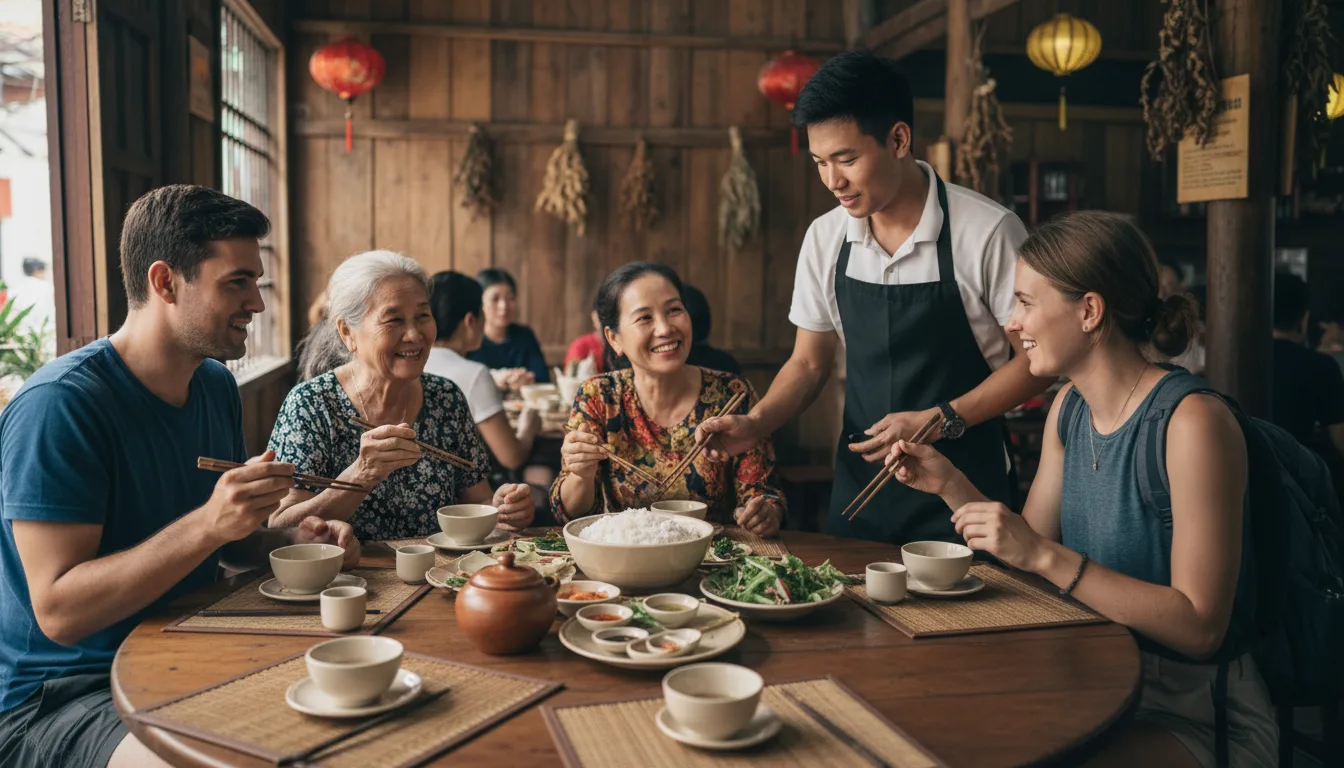
Vietnamese dining etiquette matters because it shapes first impressions, builds trust at the table, and helps you avoid small mistakes that can feel much bigger in a local setting. For travelers and expats, the right behavior is often the difference between being seen as considerate or confusing, especially when meals happen in family homes or formal gatherings.
It also makes everyday interactions easier. When you understand how to wait, share dishes, and respond politely, you move more naturally through meals in Vietnam. That matters most for visitors who want local experiences, because food is where cultural respect becomes visible fast, and where Vietnamese dining etiquette can quietly open better conversations.
Here is the core idea: Vietnamese meals are social, not just functional. People pay attention to how you join the table, how you pass food, and whether you follow the rhythm of the group. Browse local food experiences if you want a practical way to observe these customs in real settings.
| Criteria | Casual meal | Family or formal meal | Why it matters |
|---|---|---|---|
| Greeting the table | A quick hello is usually enough | Wait for the host and follow the group | Shows awareness of hierarchy and respect |
| Sharing dishes | Common in relaxed settings | Very important in family meals and celebrations | Signals trust and good social behavior |
It matters most during family dinners, business meals, weddings, and holiday celebrations, where the table becomes a place to judge manners, not just taste. In those moments, simple habits like accepting food with both hands or letting elders begin first can make a strong positive impression.
For example, a visitor at a Tet gathering may notice that serving order and shared dishes matter more than speed. At a business lunch, rushing to pay or starting before the host can create awkwardness. In places like Ho Chi Minh City food tours, you can see how locals balance warmth, structure, and hospitality in real meals.
Vietnamese dining etiquette helps travelers and expats build trust, avoid awkward mistakes, and show cultural respect. It matters most in family meals, business lunches, weddings, and holiday celebrations, where table behavior communicates politeness, awareness, and willingness to fit in.
If you want to eat more confidently in Vietnam, start with the basics: wait for the host, follow the group, share food politely, and read the table before acting. These small habits make every meal smoother and help you enjoy local dining without second-guessing yourself.
If you are planning a trip and want to experience real local dining with less guesswork, choose a guided food experience that shows you how Vietnamese meals actually work in context.
Book a local food tour and learn the etiquette, dishes, and social rhythm of Vietnamese dining from people who know the culture firsthand.
Vietnamese Dining Etiquette vs. Western Table Manners
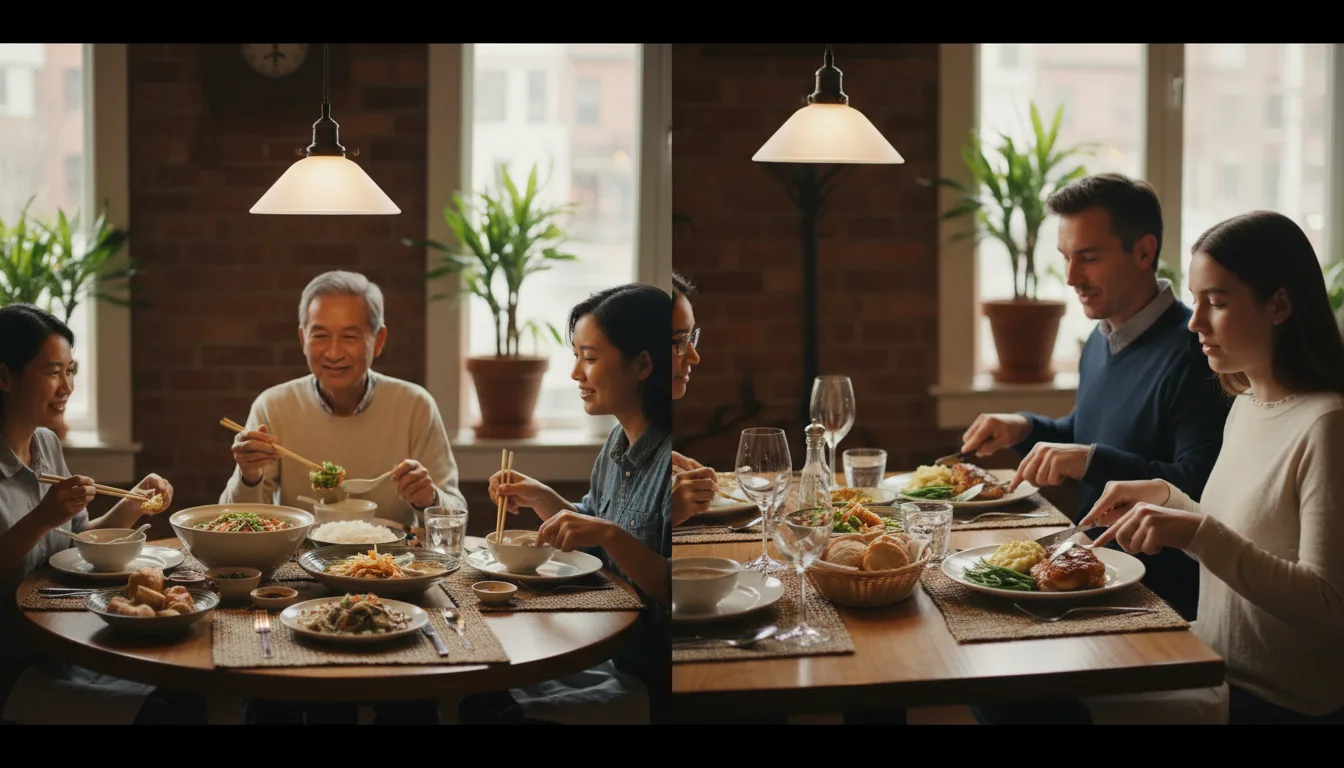
Vietnamese dining etiquette often feels simple to locals but surprisingly layered for first-time visitors. The biggest shift is not about being perfect with chopsticks or knowing every rule. It is about understanding that meals in Vietnam are usually shared, relaxed, and built around the group rather than the individual plate.
If you are coming from a Western table setting, the main adjustment is mental: watch how dishes are served, when people start eating, and how food is passed around. Once you understand the rhythm, it becomes easy to join in naturally and avoid awkward moments at the table.
Vietnamese dining etiquette is centered on sharing, respect, and practical table behavior. Guests usually wait for elders or hosts to begin, use chopsticks politely, take food from shared dishes without rushing, and keep conversation calm. The goal is not strict formality, but showing awareness of the group.
| Criteria | Vietnamese dining | Western table manners | Practical takeaway |
|---|---|---|---|
| Meal style | Shared dishes in the center | Individual plates or courses | Take small portions and leave space for others |
| Chopstick use | Used for most dishes, handled neatly | Fork and knife are standard | Hold chopsticks calmly and avoid pointing |
| Serving order | Elders and guests may be served first | Often less age-based | Wait briefly before starting |
In practice, the key difference is sharing culture. In a Vietnamese family meal, one person may place food into a common bowl, and everyone eats from the same spread. This is why grabbing the last piece too quickly can feel rude, even if no one says anything. A better approach is to let others choose first, then serve yourself modestly.
For travelers joining a food-focused experience such as an all local tours collection, this becomes easier to observe in context. You will see how locals pace the meal, offer food to guests, and keep the table flexible rather than formal. That real-life pattern is often more useful than memorizing rules.
Another difference is dish serving order. Western meals often move in a clear sequence, while Vietnamese meals may place rice, soup, vegetables, and meat on the table at once. That means there is less pressure to wait for a full course. The smart move is to follow the host’s lead and notice whether everyone starts together.
Chopsticks also have their own etiquette. Do not leave them standing upright in rice, use them to gesture, or tap bowls as if they were utensils in a casual snack bar. Keep them resting neatly when not in use. If you are unsure, a simple smile and careful movement matter more than perfect technique.
Ho Chi Minh City food tours are a good example of how this can feel easy in real life, because guides often explain what to do before you sit down. That small bit of context removes pressure and helps solo travelers, couples, and families relax faster at the table.
There are clear pros to Vietnamese dining etiquette. It encourages connection, generosity, and a relaxed atmosphere. The limitation is that first-time visitors may overthink every gesture and become stiff. The best adaptation is simple: observe first, copy the host’s pace, and keep your behavior calm and respectful.
If you want to experience local meals without guessing every rule, join a guided food walk and learn by watching. It is a low-stress way to understand real table culture while still enjoying the food.
The easiest rule is this: be considerate, not theatrical. Do not force etiquette into a performance. If you respect the shared table, wait when needed, and use chopsticks neatly, you will already fit in well. For a deeper local experience, explore a neighborhood meal through Toward Local tours and practice naturally with a local guide.
If you are planning a trip and want more than just restaurant recommendations, choose a local-led food tour and learn the social side of dining as you taste your way through the city. It is the most practical way to understand Vietnamese dining etiquette without stress.
Common Mistakes, FAQ, and Practical Tips
Vietnamese dining etiquette matters most when you are invited to a local meal, a family table, or a formal gathering. Small mistakes can change the mood quickly, but the good news is that the rules are simple once you know the logic behind them.
If you are traveling solo, as a couple, or with family, the fastest way to feel comfortable is to watch the host first, then follow the pace of the table. That usually solves the biggest concerns before they become awkward.
Common mistakes are easy to spot and easy to avoid.
- Do not stick chopsticks upright in a bowl. It resembles funeral incense and feels deeply disrespectful.
- Do not start eating before the eldest person or host begins.
- Do not leave large amounts of food untouched if you have taken a full serving.
- Do not speak too casually or joke too loudly at formal meals.
A useful rule is simple: eat with the group, not ahead of it. At a family dinner in Hoi An, for example, waiting for the host to move first shows respect and helps the meal feel warm instead of rushed. For travelers who want a smoother local experience, consider joining Hoi An food experiences where the table customs are easier to observe in real time.
| Criteria | Good choice | Avoid | Why it matters |
|---|---|---|---|
| Dining behavior | Wait for the host | Start before others | Shows respect for the table |
| Food handling | Take modest portions | Waste food | Keeps the meal polite and practical |
FAQ answers are straightforward. Tipping is usually not expected at casual local eateries, though it is appreciated in some tourist-facing places. You do not need to finish everything on the table, but leaving only a little is better than wasting half a dish. In many cases the host pays, especially when they invite you, and it is perfectly normal to ask for utensils if chopsticks are uncomfortable.
Here is the fastest decision guide. If the meal is casual, follow the group and keep things simple. If it is a formal dinner, be quieter, wait your turn, and avoid over-ordering. If you want a safer way to learn by doing, browse all Toward Local tours for food-focused routes that put local manners into context.
Vietnamese dining etiquette is simple to follow if you wait for the host, avoid wasting food, keep chopsticks out of bowls, and ask politely for utensils when needed. Tipping is usually optional, and the host often pays at local meals.
Practical tip: carry a small tissue pack, watch how locals pass dishes, and mirror the table pace. That makes you look considerate without trying too hard.
Travel-friendly CTA: if you want a smoother first meal in Vietnam, choose a local food tour where someone explains the table customs while you eat.