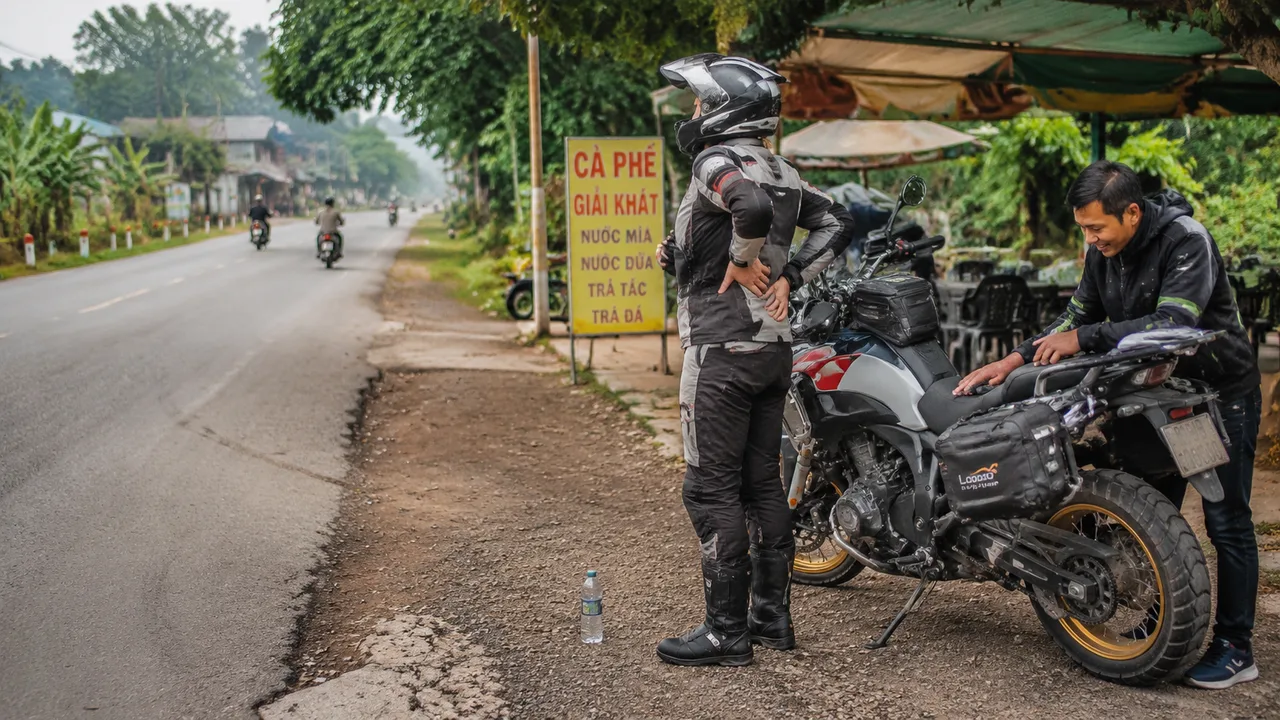

How to avoid back pain while riding a motorcycle starts with understanding how your body meets the bike. A hunched or overly stretched motorcycle riding posture, steady engine vibration, and hours in one position can leave the lower back stiff or sore, especially on uneven roads. The discomfort can build gradually, turning a scenic ride into a struggle to stay focused and comfortable.
Small changes can make longer rides easier: check that the seat, handlebars, and foot controls fit your body, keep a relaxed posture, and plan regular stops to move and hydrate. This guide also covers simple ways to ease post-ride discomfort and recognize when pain needs medical advice. If you are planning time to explore on foot between rides, browse locally guided experiences as a gentler way to discover a destination.
How to Avoid Back Pain While Riding a Motorcycle: Start With Bike Fit
How to avoid back pain while riding a motorcycle: first check whether the bike lets you sit in a relaxed, balanced position. Your arms should reach the bars without locking, your feet should rest naturally on the pegs, and your seat should support you without forcing your hips to tilt. Poor fit can make even a short ride uncomfortable.
Check the rider triangle
- Handlebars: If you reach forward or shrug to hold them, the bars may be too far away or low.
- Footpegs: Pegs set too high can cramp your knees; a stretched leg position may pull your hips forward.
- Seat and suspension: A seat that tilts or concentrates pressure, or suspension that bottoms out over bumps, can increase fatigue.
For example, a solo traveler may feel fine around town but develop lower-back tension after an hour on a rented bike with a forward lean. Note when discomfort starts, then ask a mechanic or professional fitter to assess the setup before changing parts. A seat adjustment or suitable replacement can help, but fit changes should preserve safe control and reach.
| What you notice | Possible fit issue | First step |
|---|---|---|
| Shoulders or arms tire quickly | Bars require an overreach | Ask about bar position |
| Back jolts over ordinary bumps | Suspension or seat setup | Have the bike inspected |
If pain continues off the bike, worsens, or comes with numbness or weakness, stop riding and seek medical advice. On a Vietnam itinerary, make recovery easier by planning a low-key day such as one of these local guided tours rather than stacking another long ride.
How to Avoid Back Pain While Riding a Motorcycle on Long Rides
To understand how to avoid back pain while riding a motorcycle, start with a relaxed, balanced posture and plan breaks before discomfort builds. Long stretches on unfamiliar roads can make it easy to brace against wind or bumps, especially when you are focused on navigation.
A neutral spine and regular movement are more useful than forcing yourself to sit perfectly still. Small adjustments, made safely, help reduce strain and keep attention on the ride.
Set a relaxed riding position
Sit tall without arching or rounding your lower back. Keep shoulders loose, elbows slightly bent, and hands resting lightly on the grips. Let your feet and seat share your weight rather than supporting yourself through locked arms. On a rough coastal road, for example, a death grip can make your shoulders tense and transfer stiffness into your upper back.
Use this quick posture check whenever you stop:
- Are your shoulders relaxed and your elbows soft?
- Can you hold your head level without leaning heavily forward?
- Are your hips balanced, without a persistent twist?
Schedule breaks around the ride
As a practical starting point, plan a stop roughly every 60 to 90 minutes, then shorten that interval if fatigue or discomfort appears. Only shift your position when the motorcycle is stable and the road is clear. At a safe stop, walk for a few minutes, gently move your shoulders and hips, drink water, and reassess how you feel.
| Ride situation | Useful response |
|---|---|
| Comfortable, alert riding | Keep the planned stop and check posture |
| Stiffness or tiredness building | Stop sooner and reduce the next riding stretch |
Make the ride itself part of the adventure, not a test of endurance. If exploring Hoi An, build in time to park and walk through the old town with local Hoi An experiences. Persistent, worsening, or radiating pain deserves advice from a qualified health professional; do not push through it to keep a schedule.
Build Strength and Flexibility for More Comfortable Motorcycle Riding
How to avoid back pain while riding a motorcycle starts before you set off: build the endurance to hold a relaxed posture, then break up long periods in the saddle. Core, hip, and back strength can help you stay steady without bracing your shoulders or slumping as a ride goes on.
Try these controlled movements on non-riding days, and keep the range comfortable. They are general fitness ideas, not treatment for an injury or persistent pain.
Quick routine: Warm up with a few minutes of easy walking and gentle shoulder, hip, and back mobility. For strength, try bird dogs and glute bridges with slow, controlled repetitions. After riding, walk briefly and stretch only to a mild, comfortable tension.
Build support for the riding position
- Bird dogs: On hands and knees, extend one arm and the opposite leg without arching your back; switch sides.
- Glute bridges: Lie on your back with knees bent, lift your hips comfortably, then lower with control.
- Gentle mobility: Use small, easy movements for your hips and upper back rather than forcing a deep stretch.
For example, a solo traveler planning a long ride between local stops can practice a few repetitions of each exercise the day before, then stand and walk during breaks. A relaxed walk through town can also make a gentler stop than staying seated; explore Hoi An local experiences if your itinerary includes time there.
Warm up and recover without pushing through pain
| Moment | What to do | Keep in mind |
|---|---|---|
| Before riding | Walk, then move hips and shoulders gently | Start easy; avoid static, forceful stretching |
| After riding | Walk briefly and stretch gently | Stop if a movement hurts |
Warm-up and recovery are simple ways to support comfort, but they cannot guarantee pain prevention. If discomfort is sharp, worsening, or keeps returning, stop riding and seek advice from a qualified health professional. For a more comfortable ride, pair steady, pain-free movement with regular breaks rather than trying to stretch through discomfort.
Compare Ways to Reduce Motorcycle-Related Back Discomfort
To decide how to avoid back pain while riding a motorcycle, match the fix to the discomfort: posture-related aches may respond to ergonomic changes, while pressure from a firm seat may call for different padding. No seat, belt, or riding jacket works for every rider, so test one change at a time on a short ride.
Quick comparison: Adjust your riding position first; consider a seat or lumbar support if pressure remains; use protective gear that fits without restricting movement; and take regular breaks on longer rides. Each option can reduce a specific source of strain, but persistent or worsening pain needs professional assessment.
Compare the options
| Option | May suit | Limit | Try first |
|---|---|---|---|
| Ergonomic adjustment | Shoulder or mid-back strain | May need parts or expert fitting | Relaxed elbows and neutral spine |
| Padded or aftermarket seat | Seat pressure on longer rides | Extra padding can alter reach | Test a borrowed cushion |
| Lumbar support | Lower-back fatigue | Can restrict movement if bulky | Check support while seated |
| Protective riding gear | Wind fatigue or poor fit | Does not correct bike fit | Check fit in riding posture |
| Shorter ride intervals | Aches that build over time | Does not resolve underlying cause | Stop before pain escalates |
Choose by bike, ride, and pain pattern
On a sport bike, check reach to the bars and foot controls; on a cruiser, see whether a reclined position strains your lower back. If discomfort eases when you stand at a safe stop or change position, posture or ride duration may be contributing. For a long day exploring Vietnam, plan breaks alongside local experiences across Vietnam rather than pushing through pain.
Start with a posture check and a shorter test ride, then change one factor and note what improves. Stop riding and seek medical advice for severe pain, numbness, weakness, or symptoms that persist.
Avoid Common Mistakes and Know When to Seek Medical Advice
To avoid back pain while riding a motorcycle, do not treat recurring or worsening pain as something to push through. Pain can build after hours in one position, road vibration, or a poor riding fit, but persistent symptoms deserve attention rather than guesswork.
A common mistake is taking pain relief and continuing the ride without addressing the cause. Medication may mask symptoms and can affect alertness, so follow its label and ask a health professional if unsure. Avoid major changes to handlebars, seat height, or suspension immediately before a long trip. Make one change at a time, check the bike while stationary, then test it cautiously on a short, familiar ride.
Quick guide: pause or seek care
Back discomfort after riding often relates to sustained posture, vibration, fatigue, or bike fit; this does not identify the cause for any individual. A brace may offer support for some riders, but it is not a substitute for an assessment or a comfortable riding position.
| Situation | Safer next step |
|---|---|
| Mild discomfort that settles | Stop, move gently, and reassess before riding |
| Recurring or worsening pain | Pause the ride and arrange medical advice |
| Severe pain, weakness, numbness, or bladder or bowel changes | Seek urgent medical care |
Take breaks before you become stiff; a practical starting point is to stop every 60 to 90 minutes, sooner if symptoms appear. When a riding day needs to change, consider a gentler plan such as Hoi An local experiences.
When should you see a doctor?
Get professional advice for persistent pain, pain that keeps returning, or symptoms that interfere with daily activity. Seek urgent care for severe pain or new weakness, numbness, or bladder or bowel problems. If symptoms worsen on the road, do not ride on; arrange safe transport and medical help.