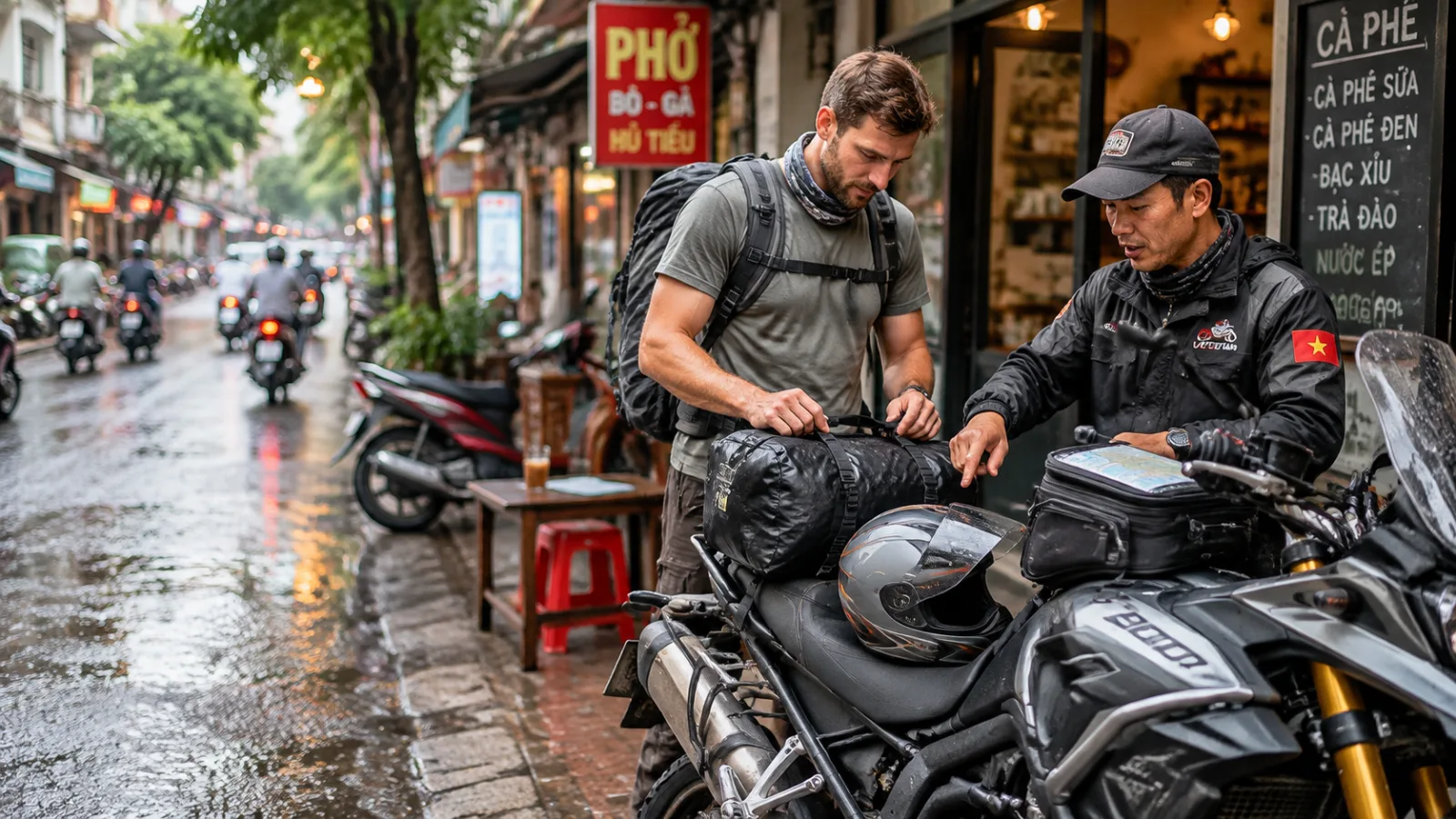

Motorcycle luggage for Vietnam has to survive rough pavement, sudden rain, humid heat, and constant stop-start traffic. For solo travelers, couples, and small families, the real challenge is not finding more space, but choosing a setup that stays stable, keeps essentials dry, and does not make the bike feel heavy or awkward on narrow roads.
The best answer depends on how you ride and how far you go. A compact tank bag may be enough for city hops and short scenic days, while a tail bag, top box, or pannier setup makes more sense for touring with extra clothing, tools, and camera gear. If you are planning a mixed route, compare storage, security, and handling first, then choose the luggage that fits the trip instead of overpacking the bike.
What Motorcycle Luggage for Vietnam Needs to Handle
Motorcycle luggage for Vietnam has to survive heat, rain, traffic, rough roads, and frequent stops without slowing the ride. For travelers crossing cities, coast roads, and mountain passes, the wrong bag becomes a daily annoyance fast. The right setup keeps valuables dry, easy to reach, and stable when the bike is loaded with camera gear, layers, and a few days of clothing.
That matters most in Vietnam because riding conditions change quickly. One hour can bring smooth asphalt, a crowded market street, then a steep road with potholes and dust. If you are planning a self-guided trip or joining a supported tour, motorcycle luggage for Vietnam should match how far you ride, how often you stop, and how much gear you actually carry.
Motorcycle luggage in Vietnam should handle rain, vibration, narrow roads, theft risk, and sudden weather changes. Most riders need a balance of weather protection, easy access, and stable weight distribution rather than the biggest bag available.
What it is and why it matters for Vietnam riding is simple: luggage is not just storage, it is part of bike control. A tank bag keeps essentials close, a tail bag supports extra layers, and panniers help on longer trips. On a coastal ride or a northern loop, too much weight high on the bike can make turns feel heavier and parking more awkward.
A practical setup usually depends on your route and riding style. For example, a solo rider on a short city-to-city transfer may only need a compact tank bag and rain cover, while a couple on a multi-day adventure may want side bags plus a small top bag. If you are choosing a route with more remote stretches, all tours of Toward Local can help you compare trip styles before you decide what to pack.
Here is the fastest way to judge the right luggage:
| Criteria | Short ride | Multi-day ride | Off-road focus |
|---|---|---|---|
| Weather protection | Basic rain cover | Sealed or lined bag | Waterproof plus strap-down |
| Load stability | Light and compact | Balanced front and rear | Low and tight to the bike |
When you actually need it depends on the trip type. For commuting, the goal is quick access and low bulk, so a small tank bag or tail bag is usually enough. For touring, you need room for clothes, chargers, first aid items, and a rain layer. For adventure riding, soft luggage often makes more sense because it can flex with the bike and is easier to manage when the road gets rough.
A useful takeaway is this: if you cannot pack and unpack your bag in under one minute at a fuel stop, it is probably too complicated for Vietnam. Riders who keep the setup simple usually enjoy more of the road and waste less time adjusting straps. If your itinerary leans toward a guided ride through central routes, Hoi An tours can be a smart starting point for building a lighter packing plan.
If you want help matching luggage to route length, road type, and group size, choose the ride first and pack second.
For most travelers, the best luggage setup is the one that protects essentials, stays dry enough, and does not change how the bike handles in traffic or on mountain roads. If your trip includes long days, mixed road conditions, or rural detours, choose gear that is stable, easy to secure, and simple to carry off the bike. That is the safest way to keep the ride smooth and the trip enjoyable.
Before you book or ride, check your route, your weather window, and your load size, then choose motorcycle luggage that fits the trip instead of forcing the trip to fit the bag.
How Motorcycle Luggage for Vietnam Works in Real-World Use
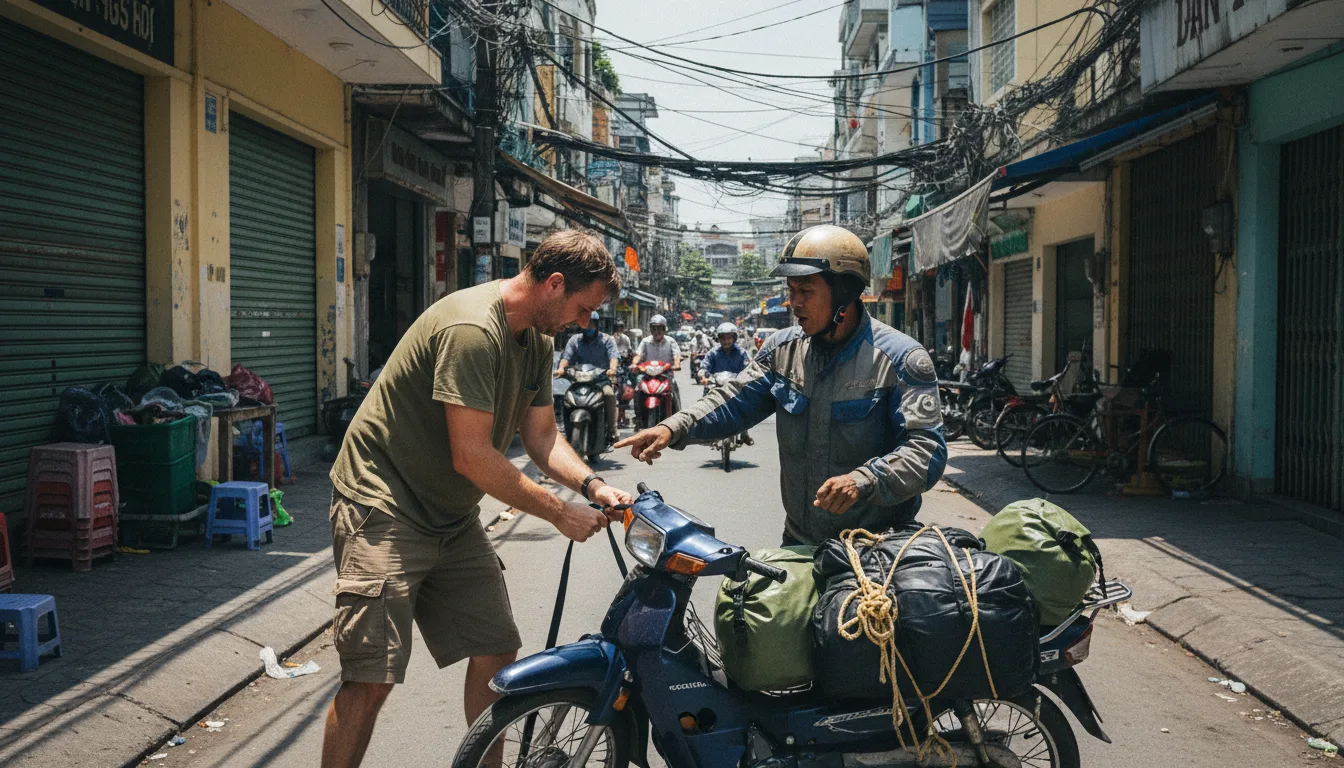
Motorcycle luggage for Vietnam has to work in traffic, rain, heat, and rough road surfaces all in the same day. That is why the best setup is not the biggest one, but the one that stays stable, keeps essentials dry, and does not slow the bike down when the route turns narrow or bumpy.
For most riders, the real challenge is balance. A bag that is easy to access in the city can feel wrong on a mountain pass, while a secure case may be annoying when you stop often. The right choice depends on how you ride, how far you go, and whether your trip is more road-focused or adventure-focused.
The main luggage types all solve different problems. Saddlebags are flexible and easy to pack, tail bags sit neatly behind the rider, tank bags keep essentials within reach, and top cases give the most rigid storage. In practice, riders often combine two types, such as a tank bag for daily items and a tail bag for clothing and rain gear. For a lighter trip style, that mix is usually enough. For a longer route, it helps to compare storage by use case rather than by litre count alone.
| Criteria | Saddlebags | Tail Bags | Top Cases |
|---|---|---|---|
| Best use | Flexible touring and soft packing | Quick access on mixed rides | City and road travel with rigid storage |
| Tradeoff | Less security than hard luggage | Smaller than full pannier systems | Higher weight and more impact on handling |
Waterproofing matters because Vietnam weather can shift fast from dry roads to heavy rain. A good setup should have a waterproof shell, a mounting system that does not loosen after hours of vibration, enough capacity for the route, and tough fabric or hard casing that can handle repeated use. Soft luggage is usually easier to fit, while hard luggage offers stronger structure and better theft resistance. If you are planning a longer ride, check the route and packing style first, then decide whether convenience or protection matters more.
For riders building a trip around comfort and flexibility, it makes sense to keep luggage simple and avoid overloading the bike. A full range of local tours can also show how different trip styles demand different packing choices, especially when the route mixes city streets with remote roads.
Motorcycle luggage in Vietnam works best when it matches the route, not just the bike. Tank bags suit quick-access items, tail bags cover rain gear and clothing, saddlebags offer flexible touring storage, and top cases give rigid capacity for road trips. Waterproofing, mounting strength, load balance, and durability are the key decision points.
In real use, the strongest setup is the one you forget about while riding. That means no wobble, no constant strap checks, and no stress when the weather turns. If you want a smoother adventure, pack lighter, choose one main luggage type, and keep the rest of the gear easy to reach during fuel stops and short breaks.
Before booking a long ride, look at how you plan to travel day by day. A rider doing open-road touring may prefer a top case, while someone exploring side roads and small villages often does better with soft luggage and a smaller front bag. If your trip starts in the south, the Ho Chi Minh City tours are a practical way to understand how urban traffic changes luggage needs before moving into longer rides.
Soft luggage is usually the easiest answer for first-time riders, but it is not the only one. The best decision comes from matching storage to speed, road quality, and stop frequency. That is what keeps the bike manageable and the trip enjoyable from the first kilometre to the last.
For travelers who want a simple rule, use this: choose tank bags for essentials, tail bags for clothes and rain protection, saddlebags for flexible touring, and top cases for rigid road use. Then test the setup before departure, because a good fit on paper can still feel wrong once the bike is moving.
Best Uses and Benefits of Motorcycle Luggage for Vietnam Riders
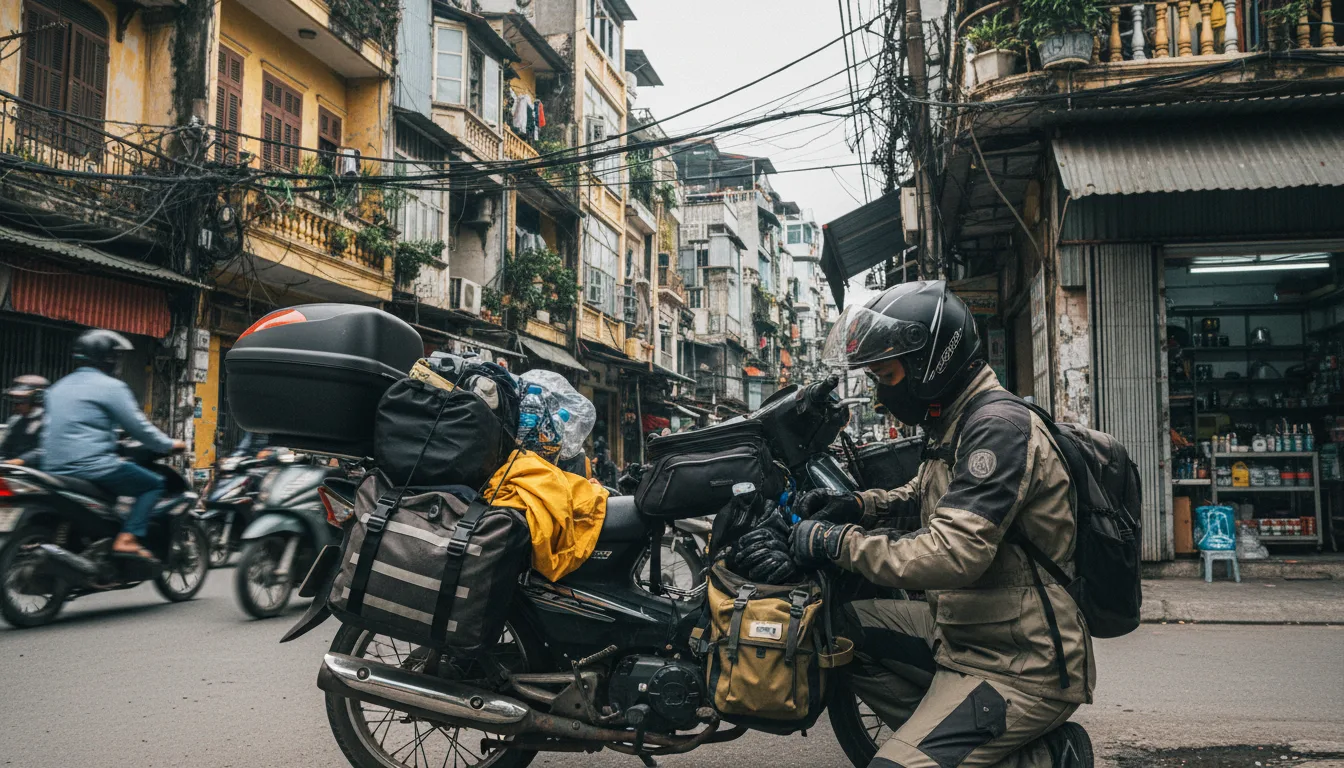
Motorcycle luggage for Vietnam is more than extra storage. For riders crossing city traffic, mountain passes, and long coastal roads, the right setup keeps the bike balanced, protects valuables, and reduces daily stress. A good system lets you pack for rain, camera gear, spare layers, and documents without overloading the motorcycle or slowing down the ride.
The real value is practical: you spend less time rearranging gear and more time enjoying the road. Solo travelers, couples, and families all need different solutions, but the same rule applies. Light, secure, and easy-to-access luggage usually works best in Vietnam, especially when your route mixes busy streets with remote stops. That is why planning luggage is part of trip planning, not an afterthought.
Motorcycle luggage helps Vietnam riders carry essentials safely, improve balance, and stay flexible on changing routes. The best setup depends on trip length, road type, and how often you need quick access to rain gear, electronics, and personal items.
Core benefits: storage, balance, security, and convenience. On a hot day in Hanoi or Ho Chi Minh City, a tank bag keeps phone, wallet, and permit close. On a northern loop, panniers or a dry bag distribute weight better and free your back from carrying everything. On crowded roads, that balance matters more than capacity.
For many travelers, the smartest upgrade is a mixed setup: small front storage for daily essentials, plus a larger rear bag for clothes and rain gear. If you are comparing routes, a rider heading to Da Nang rides and tours may want lighter city-friendly luggage, while a longer mountain route benefits from more secure packing. The takeaway is simple: do not buy for maximum volume first; buy for the way you actually ride.
| Criteria | Best for City Riding | Best for Mountain Loops | Best for Long Trips |
|---|---|---|---|
| Weight balance | Compact front and rear bags | Low-slung soft luggage | Balanced panniers or saddlebags |
| Access and safety | Fast access to documents | Weather protection and tie-downs | Lockable storage and easy packing |
Common use cases: city riding, Northern loops, Central Coast trips, and long-distance travel. In the city, you mainly need convenience for short stops, food runs, and hotel check-ins. On Northern loops, luggage must handle rougher roads, sudden rain, and long gaps between services. On the Central Coast, wind and heat make secure packing and waterproofing especially important.
For example, a couple riding from Hue to Hoi An may only need one medium bag and a small day pack, while a solo rider heading north may want a more durable system for layers, tools, and snacks. If you are building a route around coastal stops, check Hoi An local tours for inspiration and plan luggage around easy hotel changes and short daily rides. The best setup is the one that stays invisible when things go smoothly and reliable when the weather changes.
Soft luggage suits most adventurous travelers because it is lighter, easier to strap down, and less annoying in traffic. Hard cases make sense when security and long-term use matter more. If your trip includes frequent hotel moves, wet roads, and photo stops, pack only what you need and keep the heaviest items low. That approach improves handling, reduces fatigue, and makes every stop simpler. For riders who want a softer travel pace, booking through all Toward Local tours can help shape the route before you choose the luggage.
If you are planning a Vietnam ride and are not sure which luggage style fits your route, choose based on distance, road quality, and how often you will open the bag during the day. The right choice saves time from the first kilometer.
Pack smarter, ride lighter, and match your luggage to the real trip, not the ideal one. That is the easiest way to stay comfortable, protect your gear, and enjoy Vietnam with less friction and more freedom.
How to Choose the Right Motorcycle Luggage for Vietnam
Choosing the right motorcycle luggage for Vietnam starts with one simple question: how do you want the bike to feel when the road gets busy, wet, and unpredictable? For most first-time riders, the wrong setup adds stress fast. The right setup keeps your gear dry, your balance stable, and your stops easier to manage.
If you are planning a mixed route with city traffic, mountain passes, and rough back roads, motorcycle luggage for Vietnam should match the trip, not just the bike. A light solo ride needs a different setup from a couple’s tour with camera gear, jackets, and daily essentials. That is where the real decision begins.
The best motorcycle luggage for Vietnam depends on three things: your bike type, trip length, and riding style. Soft luggage is lighter, cheaper, and easier to mount, while hard luggage offers better security and structure. For most adventure riders, the safest choice is the one that stays compact, balanced, and weather-ready.
Soft luggage works well for riders who want flexibility. It is usually lighter, easier to attach, and more forgiving if the bike tips over on gravel or uneven roads. A good example is a 40-litre soft bag on a Royal Enfield Himalayan or Honda CRF 250L for a week-long loop. The main trade-off is protection, because soft bags are easier to cut, squash, or soak if the rain comes hard.
Hard luggage makes more sense when security and structure matter most. A top box or pannier setup is useful for long road days, urban hotel stops, or travelers carrying laptops and valuables. The downside is weight and width, which can make narrow lanes and traffic filtering harder. If your route includes places like all tours of Toward Local, the smarter pick is often the one that keeps packing simple and riding relaxed.
| Criteria | Soft Luggage | Hard Luggage | Best Fit |
|---|---|---|---|
| Weight and handling | Lighter and easier to manage | Heavier and more rigid | Soft for off-road and mixed terrain |
| Security and protection | Less secure, easier to access | Lockable and better protected | Hard for city stops and valuables |
When choosing based on bike type, small dual-sports and adventure bikes usually suit soft bags better because they keep the center of gravity lower. Bigger touring bikes can handle panniers or a top box more comfortably. Trip length matters too: for a short escape, keep it simple; for two weeks or more, choose a system with better packing organization and weather resistance. Budget also changes the answer, since soft luggage usually gives better value at the start.
Do not overpack to solve a luggage problem. A cleaner setup often beats a bigger one. If you are still unsure, start with the bike you will actually ride, the roads you will actually face, and the essentials you will truly use. That is the easiest way to avoid a setup that looks impressive but feels wrong on day two.
For riders who want a softer planning option, choose luggage that lets you move fast, pack light, and stop often without worry. If your route is built around scenery, local food, and overnight stays, keep the system simple enough that loading the bike never becomes part of the adventure. If you are looking at a guided ride, browse all Toward Local tours and choose the style that matches your comfort level.
If you want a Vietnam ride that feels easy from the first day, pick luggage that matches the road, not just the photo. Balanced weight, quick access, and basic weather protection will always matter more than brand name. That is the difference between traveling with confidence and constantly adjusting your bags at every stop.
Common Mistakes, FAQs, and Buying Tips for Motorcycle Luggage for Vietnam
Motorcycle luggage for Vietnam should solve three problems at once: balance, weather, and quick access. Many riders overload the bike, pack the wrong items in the wrong place, or choose a bag system that looks secure but rides badly on narrow roads and uneven surfaces. The result is a heavier bike, slower handling, and more stress on every stop.
The best setup is not the biggest one. It is the one that matches your route, bike size, and travel style. For a short city-to-coast ride, a compact tank bag and small tail bag may be enough. For longer touring, soft panniers or a top box can work better, as long as weight stays low and the load is kept tight. See all Toward Local tours if you want a trip style that fits your packing plan.
quick answer: The best motorcycle luggage setup for Vietnam is usually a light, well-balanced mix of tank bag, tail bag, or soft panniers. Keep heavy items low, protect electronics from rain, and avoid oversized top-heavy loads that make the bike harder to control on city traffic, mountain passes, and rough backroads.
Common mistakes to avoid:
- Choosing capacity before route. A 50-litre bag sounds useful until it catches wind or blocks movement in traffic.
- Packing heavy items high. Put tools, water, and spare parts low and close to the bike.
- Assuming anything is fully waterproof. Use dry bags or inner liners for clothes and electronics.
- Overusing hard cases on off-road routes. They can crack when the bike drops.
- Ignoring width. Wide panniers make filtering through traffic much harder.
A practical rule is to split gear into quick-access items and long-ride items. Phone, passport copy, sunscreen, and rain gear should stay easy to reach. Clothes, shoes, and extras can go deeper in the system. If you are planning a scenic northern route, Da Nang tours often inspire riders to think more carefully about lighter luggage because the roads mix city, coast, and hills.
| Criteria | Best for Short Trips | Best for Long Tours | Best for Off-Road |
|---|---|---|---|
| Weight balance | Light tank bag and tail bag | Soft panniers with low placement | Compact soft luggage only |
| Security and access | Easy reach, moderate security | Better lock options and storage | Simple, flexible, quick removal |
FAQ + quick setup guide
What is the safest all-round setup for a first-time rider? A 10 to 20 litre tank bag plus a small soft bag keeps essentials nearby without making the bike feel bulky.
What should solo riders choose? Solo travelers usually do best with one compact luggage system, because less bulk means easier parking, easier lifting, and less risk in busy towns.
What works for couples? One rider should carry the main load in soft panniers or a rack bag while the other keeps only personal essentials. That keeps the bike stable and reduces backseat clutter.
What about families or longer supported trips? Use the bike for daily essentials and let the rest go in a support vehicle. It is often the most comfortable choice for mixed-age groups and relaxed sightseeing. Hoi An tours can be a useful model for travelers who want smoother pacing, more stops, and less packing pressure.
Buying tips
- Check strap quality before volume.
- Choose water resistance over pure size.
- Make sure the bag can be removed fast at hotels and cafés.
- Test the load on day one, not on a long mountain ride.
If you want a ride-first setup with less packing stress, choose luggage based on route and weather rather than on maximum liters. For a soft conversion closer to booking, ask for a bike and luggage combo that fits your trip length, riding comfort, and stop frequency. The right setup turns motorcycle luggage for Vietnam from a compromise into a real advantage.