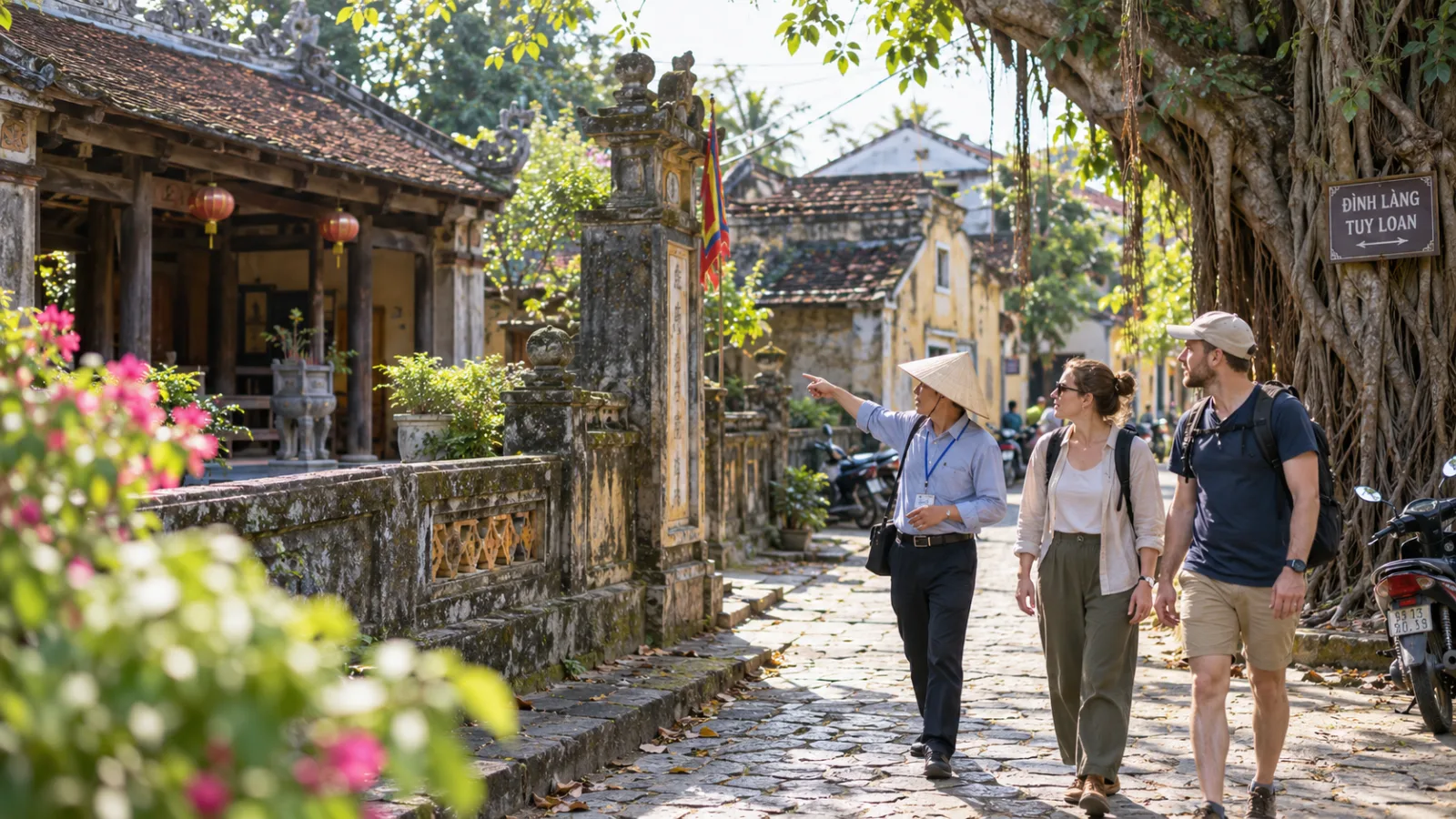

Tuy Loan ancient village is one of Da Nang’s most rewarding local heritage stops for travelers who want more than beaches and city landmarks. If you are looking for a place with old village architecture, quiet lanes, and a real sense of everyday Vietnamese culture, this is where the trip starts to feel more personal and less scripted.
Many first-time visitors stay near the coast and miss the inland side of Da Nang, where traditions still shape daily life. In Tuy Loan ancient village, you can slow down, walk past the communal house and old homes, and see how local food, rituals, and community space still connect the past with the present. For travelers planning a deeper Da Nang itinerary, local Da Nang tours can make the visit easier to combine with nearby stops. A simple rule helps here: come early, keep your pace slow, and focus on the details that most tourists rush past.
What Is Tuy Loan Ancient Village and Why Does It Matter?
Tuy Loan ancient village is one of the most authentic local places near Da Nang, where daily life, heritage, and rural scenery still feel deeply connected. For travelers who want more than a quick city stop, it offers a clear answer to a common pain point: finding a place that is culturally rich, easy to reach, and still untouched by mass tourism.
This village matters because it shows how central Vietnam preserved identity through community spaces, traditional crafts, and local food. A short visit can give you a real sense of place, especially if you are planning a slow travel day from Da Nang or combining it with Da Nang local tours. The experience is simple, but that is exactly what makes it memorable.
Tuy Loan ancient village is a historic rural village near Da Nang known for its long history, traditional communal house, local noodles, rice paper, and village scenery. It matters because it preserves the spirit of a Vietnamese ancient village while remaining easy for travelers to visit on a short cultural trip.
A Brief Introduction to Tuy Loan Ancient Village
Tuy Loan ancient village sits in a quiet countryside setting southwest of Da Nang. It is known for old houses, a communal house, rice fields, and small waterways that still shape everyday life. Visitors usually come here for a slower, more local experience rather than sightseeing by checklist.
In practical terms, this is the kind of place where you can walk, observe, and taste local specialties without needing a big itinerary. A simple visit often includes the village gate area, the communal house, and a meal of Quang noodles or rice paper made by local families. If you enjoy Hoi An countryside tours, this village gives a similar cultural mood with a less crowded feel.
- Best for travelers who like local heritage
- Good for half-day cultural stops
- Strong choice for solo travelers, couples, and families
The village is small, but the value is in the details, especially the way tradition still lives inside ordinary spaces.
| Criteria | Tuy Loan Ancient Village | Typical City Stop | Why It Matters |
|---|---|---|---|
| Atmosphere | Quiet, rural, traditional | Busy, modern, fast-paced | Better for travelers seeking authenticity |
| Experience | Local food, heritage, village walk | Shopping, cafés, landmarks | More cultural depth in a short visit |
Historical Background and Cultural Significance
The village has a long history and is often described as having preserved the structure of a classic Vietnamese rural settlement. Its communal house, family traditions, and craft culture show how local communities maintained identity through generations. That is why Tuy Loan ancient village is often mentioned in heritage discussions, not just travel guides.
One useful way to understand it is to think of the village as a living archive. Instead of being frozen like a museum, it still works as a real community, with food production, worship spaces, and local routines. That makes the visit more meaningful for first-time visitors who want context, not just photos. For travelers building a local route across central Vietnam, all Toward Local tours can help connect this stop with other cultural experiences.
If you are planning a Da Nang trip and want one genuinely local stop, include Tuy Loan early in your itinerary so you have time to slow down and explore properly.
Why it stands out:
- It preserves a strong village identity
- It combines heritage with everyday life
- It offers food, scenery, and culture in one stop
Add Tuy Loan ancient village to your Da Nang plan if you want a visit that feels local, memorable, and easy to enjoy without rushing.
How to Explore Tuy Loan Ancient Village the Right Way
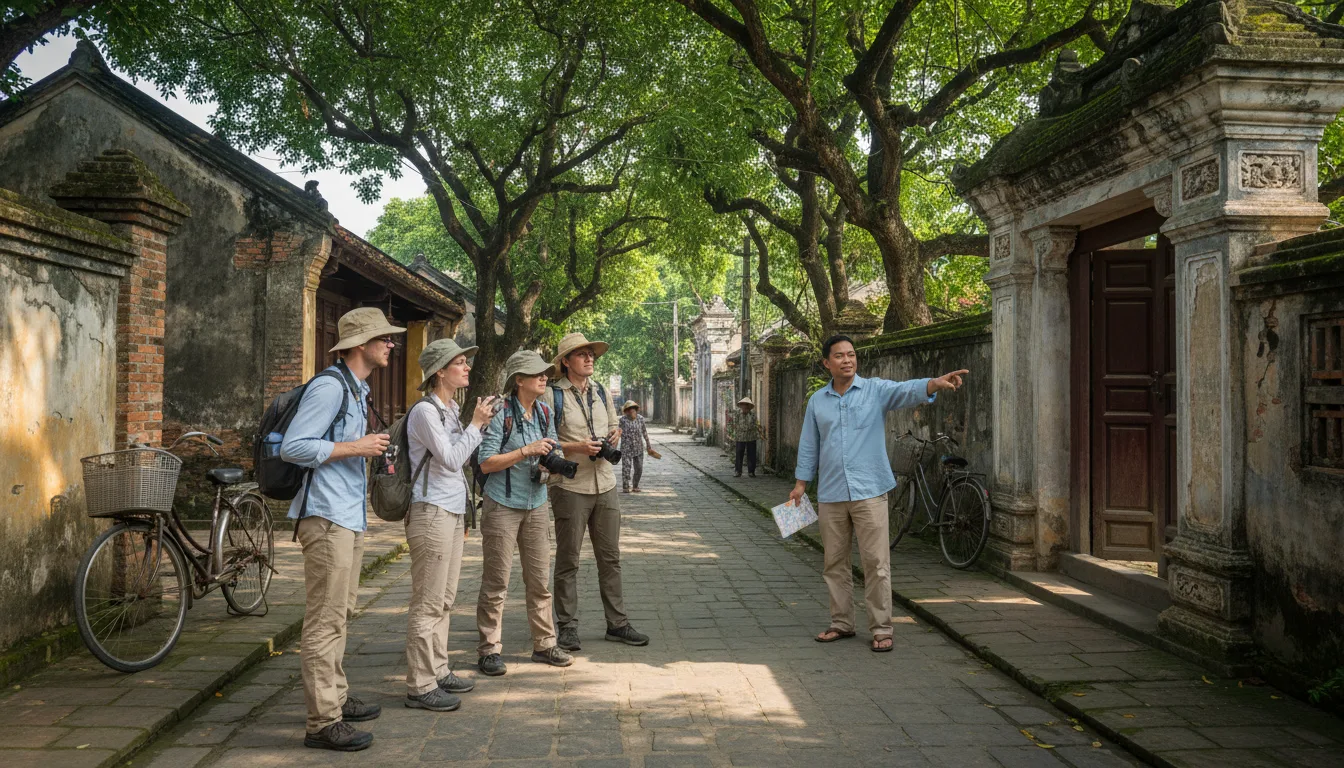
Tuy Loan ancient village is best explored slowly, with a clear plan that lets you notice the daily rhythm instead of only passing through for photos. If you are a first-time visitor or a solo traveler, the biggest mistake is rushing in and missing the communal house, the old well, the village paths, and the local food culture that still shapes life here.
A smarter visit balances heritage, walking time, and one or two simple experiences with local hosts. That approach helps couples, families, and adventurous travelers feel the village rather than just see it. If you want to combine the village with other nearby stops, many travelers also pair it with a Da Nang local tour or plan a broader day through all Toward Local tours for a smoother route.
The best way to explore Tuy Loan ancient village is to start at the communal house, walk toward the old well and village lanes, try local rice paper or Quang noodles, and visit in the morning or late afternoon for softer light, cooler weather, and more active local life.
Key highlights to see inside the village
Focus on the village markers that explain how people have lived here for generations: the communal house, ancient family spaces, rice paper making, and the water-and-road layout that gives the village its identity. These are not just sights; they show how religion, trade, and farming developed together.
- The communal house, where local heritage is most visible
- The old well and banyan tree area, which reflect the classic Vietnamese village layout
- Traditional food stops, especially Quang noodles and rice paper
- Quiet village roads, small bridges, and rice field edges for easy walking
For travelers who like culture with a city break, this style of stop pairs well with food-focused experiences in Ho Chi Minh City food tours if you are building a bigger Vietnam itinerary.
Suggested visit flow, local traditions, and best time to go
A practical route is simple: arrive in the morning, start at the heritage core, walk through the residential lanes, then finish with a local meal before noon heat builds. This flow works well for families and couples because it keeps the visit relaxed and easy to manage.
Use this order:
| Criteria | Morning | Afternoon | Best use |
|---|---|---|---|
| Light and weather | Cooler, softer light | Warmer, stronger sun | Morning for walking and photos |
| Local activity | Busier with daily routines | Quieter and slower | Morning for culture, afternoon for calm |
Local traditions matter here, so keep your voice low around family spaces and take photos only when it feels appropriate. A small gesture like buying rice paper or a bowl of noodles directly from a local vendor supports the village more than a rushed visit ever will.
Soft travel tip: If your Vietnam trip includes central coast stops, compare village visits with Hoi An tours to decide whether you want a heritage village, a heritage town, or both in one itinerary.
For the best experience, come between 7:00 and 10:00 in the morning or after 3:00 in the afternoon. These windows are easier for walking, better for photography, and more comfortable for older travelers or children. In the rainy season, build extra time into your plan and avoid depending on one fixed hour.
If you want the visit to feel authentic, stay alert to small details: the smell of fresh rice paper, the sound of conversation near the communal house, and the contrast between old village architecture and everyday modern life. That is the real value of Tuy Loan ancient village, not just the landmark itself but the living rhythm around it.
Best next step: Plan the village as a half-day cultural stop, not a quick pass-by. That gives you time to walk, taste, observe, and leave with a stronger sense of place.
What You Can Experience at Tuy Loan Ancient Village
Tuy Loan ancient village gives travelers a rare chance to step into a living rural community just outside Da Nang, where heritage is not staged for tourists but still part of daily life. If you want more than a quick photo stop, this is where you can slow down, observe how locals preserve tradition, and understand why the village remains meaningful after centuries of change.
The main appeal is simple: you can explore old communal spaces, taste local specialties, and see how village culture still works in practice. For solo travelers, couples, and families, that means an experience that feels authentic without being difficult to access. It is one of the best low-key stops for anyone planning a local day trip around Da Nang, especially if you enjoy Da Nang cultural tours with a real community atmosphere.
Featured insight: The best visit to Tuy Loan Ancient Village is not about ticking off one landmark. It is about noticing how architecture, food, and rituals still shape everyday village life. That is what makes the place memorable for first-time visitors who care about culture.
Traditional Houses, Communal Spaces, and Village Heritage
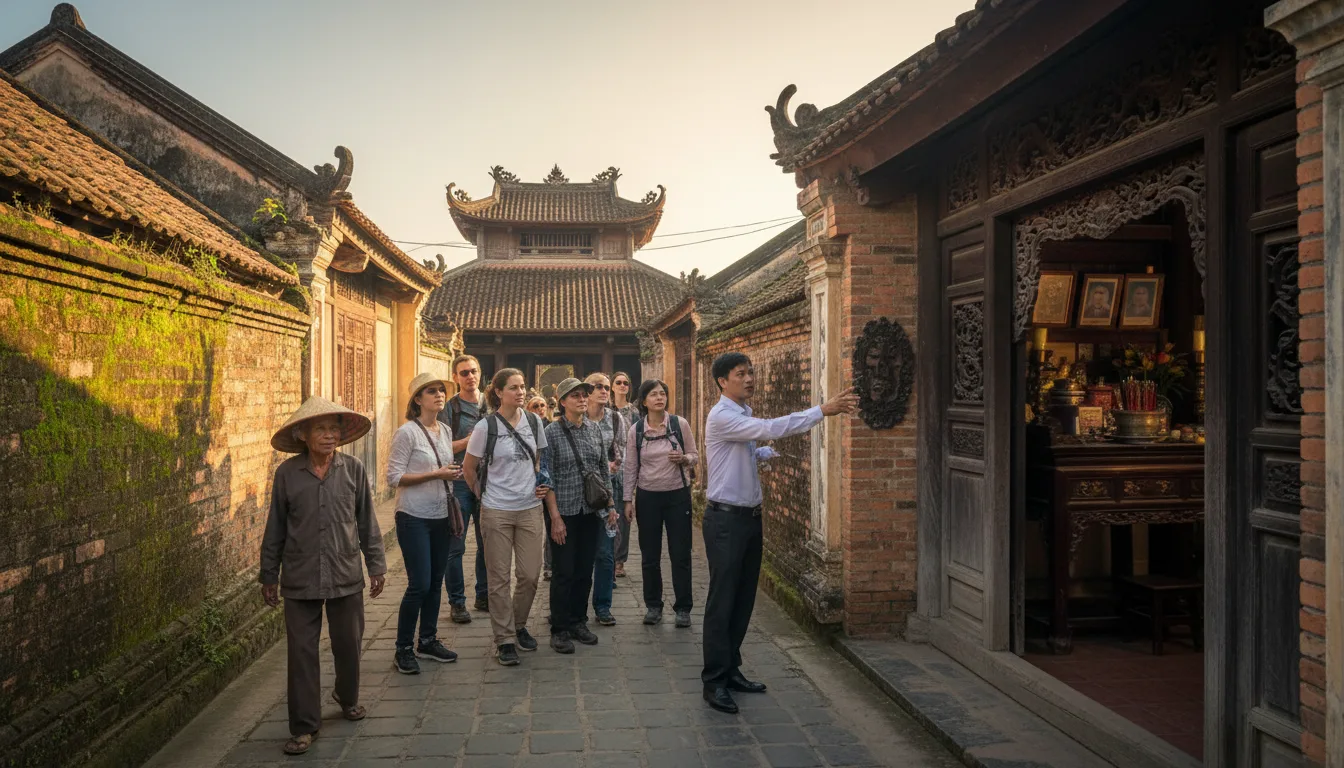
At the center of the village, you will notice traditional houses, communal courtyards, and heritage structures that show how Vietnamese rural life has been organized for generations. These are not just old buildings. They are social spaces where the community gathers, worships ancestors, and keeps local memory alive.
A useful way to experience the area is to walk slowly and compare the details: wooden frames, tiled roofs, family altars, and the open layout around the communal house. The village setting also gives you a quiet, grounded contrast to central Da Nang. If you are building a wider itinerary, this pairs well with Hoi An heritage trips because both places reveal how strong local identity can survive modernization.
| Criteria | What to notice | Why it matters | Best for |
|---|---|---|---|
| Communal house | Shared worship and gathering space | Explains village identity | Cultural travelers |
| Traditional homes | Simple architecture and family courtyards | Shows daily heritage | Families and couples |
The heritage value here is strongest when you look at how people use the spaces, not just how they photograph them.
If you want to combine culture with convenience, consider a guided route that includes the village and other nearby Da Nang highlights, so you do not waste time on transport planning.
Local Food, Festivals, and Authentic Cultural Activities
Food is one of the easiest ways to understand Tuy Loan ancient village. Local visitors often come for traditional dishes, especially Quang-style noodles and rice paper, because these foods are tied to the village’s daily rhythm rather than to tourist packaging. The flavor is important, but so is the setting: small eateries, simple tables, and a pace that feels unchanged.
During village events and seasonal festivals, the atmosphere becomes even more vivid. You may see residents preparing offerings, joining community activities, or organizing local celebrations that reflect shared beliefs and family ties. For adventurous travelers, this is a chance to watch culture in motion instead of reading about it later. If you are planning a broader food-focused trip, Ho Chi Minh City food tours can complement this kind of experience with a different urban side of Vietnamese cuisine.
What to do here is practical and rewarding:
Visit early for a quieter village walk
Try the signature dishes where locals actually eat
Ask before taking photos during religious or family rituals
Spend time talking with residents if the moment feels open
The best cultural experiences in this village often happen between the main sights, when you are simply observing daily routines and local hospitality.
If your trip style is local, curious, and low on tourist crowds, Tuy Loan ancient village is worth adding to your Da Nang plan. It delivers real heritage, real food, and a rare sense of place that is easy to appreciate without rushing.
Tuy Loan Ancient Village vs. Other Da Nang Cultural Attractions
Tuy Loan ancient village is best understood as a slow cultural stop rather than a headline attraction. If Marble Mountains gives you dramatic scenery and museum-style sightseeing, Tuy Loan offers something quieter: a lived-in village with heritage houses, a communal yard, local food, and a rhythm that still feels personal.
For travelers who want a more local and adventurous trip, that difference matters. You are not just checking off a famous landmark; you are seeing how people in Da Nang preserve daily life, craft traditions, and community memory. In practical terms, this makes the village a better fit for visitors who prefer authenticity over crowds, especially solo travelers, couples, and families who want a relaxed half-day escape.
Tuy Loan ancient village also compares well with other cultural stops in the region because it feels less staged. You can walk at an easy pace, watch small-scale food preparation, and notice details that larger attractions often miss. For a wider trip plan, many visitors pair it with Da Nang tours or build a longer day that includes nearby heritage areas and food stops.
Tuy Loan ancient village is a low-key heritage destination in Da Nang that suits travelers who want local culture, village scenery, and traditional food without the crowds. It is ideal for a slower visit, a soft cultural experience, and a more authentic look at everyday life in central Vietnam.
| Criteria | Tuy Loan Ancient Village | More Popular Da Nang Sites | Best Fit |
|---|---|---|---|
| Atmosphere | Quiet, local, heritage-focused | Busier, more tourist-oriented | Travelers who value calm exploration |
| Experience | Village life, food, traditions | Landmarks, viewpoints, crowds | Visitors seeking authentic local culture |
Pros: real community atmosphere, easy to combine with a food stop, and strong appeal for cultural travelers. Cons: fewer services, less English signage, and not enough action for visitors who expect a packed itinerary. If you want a broader mix of city attractions, you can compare it with all tours of Toward Local before deciding how much time to spend in the area.
Best for: first-time visitors who want one meaningful cultural stop, expats looking for a slower weekend outing, and couples or families who prefer gentle sightseeing. If your goal is a polished, easy-to-navigate attraction, choose the famous sites. If your goal is local depth, Tuy Loan ancient village is the stronger choice.
For many travelers, the smartest move is not choosing one over the other but using both in the same Da Nang trip. Start with a major attraction, then end the day in a village setting where the pace drops and the experience feels more human. That balance often creates the most memorable itinerary, especially for visitors planning a cultural route with a soft booking intent.
In short, Tuy Loan ancient village is not the most famous stop in Da Nang, but it may be the most rewarding for travelers who want texture, context, and a genuine local feel. If that is your style, it deserves a place on your itinerary.
To plan a balanced route with heritage and food, consider Hoi An tours as a useful comparison for a full cultural day, then choose the pace that fits your trip style. Book early if you want a private, low-stress experience that keeps the focus on local life and easy exploration.
Travel Tips, Common Mistakes, FAQ, and Final Recommendation
Tuy Loan ancient village is best explored as a slow half-day stop, not a rushed photo break. Visitors who come with a local-food-first mindset usually enjoy it more, because the real value here is in the village rhythm, the communal house area, and the everyday life around the market and noodle workshops. If you plan a Da Nang route with a cultural stop, leave enough time to walk, eat, and observe.
For travelers who want a deeper local experience, this chapter helps you avoid the small mistakes that make a visit feel flat. A good rule is to arrive early, dress simply, and combine the village with a nearby food or countryside stop. If you are comparing cultural day trips, you can also look at Da Nang cultural routes for a smoother itinerary.
The best way to visit Tuy Loan ancient village is to spend 2 to 4 hours, arrive in the morning, focus on local food and village culture, and avoid treating it like a checklist stop. The experience becomes richer when you walk slowly, talk to local sellers, and leave time for the communal house and surrounding lanes.
What Visitors Often Get Wrong When Visiting Tuy Loan Ancient Village
Many first-time visitors expect a polished tourist site. In reality, Tuy Loan ancient village is a living local community, so the charm comes from its authenticity, not from staged attractions. A common mistake is arriving too late, when food stalls slow down and the atmosphere feels less active.
Another issue is staying only at the main entrance. The village experience is better when you move deeper into the lanes, watch noodle making, and notice the old-scale rural layout. Small details matter here: a water well, a temple yard, a family shop, or a quiet path can tell you more than any quick photo stop.
Practical tips:
- Go in the morning for the best light and local activity
- Keep your schedule flexible so you can stop for food
- Bring cash for small purchases and snacks
- Respect private homes and working spaces
Worth knowing: the village feels best when you travel like a guest, not a consumer. If you enjoy local discovery, this mindset works especially well across all Toward Local tours.
| Criteria | Best choice | Avoid | Why it matters |
|---|---|---|---|
| Visit time | Morning | Late afternoon rush | Food and village life are more active earlier |
| Travel style | Slow and local focused | Quick photo stop | The experience depends on observation and pace |
If you are planning a longer central Vietnam trip, pairing this stop with a food route or countryside day can improve the overall flow of your itinerary. For travelers who like compact local experiences, a nearby food focused city tour can also help you understand how Vietnamese daily culture is expressed differently in each region.
FAQ: 3–5 Essential Questions for First-Time Visitors
1. How long should I spend at Tuy Loan ancient village
Most first-time visitors need 2 to 4 hours. That gives enough time for a short walk, a local meal, and a relaxed look at the communal house area without feeling rushed.
2. Is it suitable for families and couples
Yes. Families usually enjoy the easy pace and simple food stops, while couples often like the quiet, rustic atmosphere. Solo travelers benefit from the village being easy to explore at their own rhythm.
3. What should I eat there
Try local noodle dishes and rice paper specialties if they are available during your visit. Food is one of the clearest ways to understand the village, because it connects the place to its working traditions.
4. Do I need a guide
Not always, but a local guide can help you notice details you might miss, such as the layout of old spaces, the meaning of the communal house, and the role of the village market in daily life.
5. What is the best final recommendation
Go with realistic expectations, stay open to simple experiences, and combine the village with another local stop if you want a fuller day. Travelers who enjoy authentic cultural pacing may also appreciate Hoi An local tours as a comparison point for heritage travel.
Final recommendation: Tuy Loan ancient village is a strong choice for travelers who want something genuinely local, calm, and culturally grounded near Da Nang. It is not about big sights. It is about texture, food, history, and the feeling of being inside a real Vietnamese village. If that matches your travel style, the visit is absolutely worth it.
For adventurous visitors from Europe, North America, Korea, Japan, and beyond, the best result comes from slowing down and letting the village reveal itself naturally. If you want help shaping a local day trip around this stop, start with Toward Local tours and build around food, culture, and easy transport.