
Things to do in Chinatown Cho Lon starts with understanding why this district feels different from the rest of Ho Chi Minh City. Cho Lon is one of the city’s oldest and most culturally layered neighborhoods, with temples, medicine shops, market streets, and local eateries packed into a walkable area. If you are looking for practical Cholon attractions, this guide gives you a clear way to explore without wasting time.
Most first-time visitors come here asking what to see in Chinatown Cho Lon, and the answer is more than a single landmark. You will get the best experience by combining a temple visit, a food stop, and a slow walk through the local streets. If you want an easy way to build your route, consider pairing your city day with HCMC food tours so you can taste the area with context, not just tick off sights. For many travelers, that is the difference between seeing Cho Lon and actually feeling it.
What Makes Chinatown Cho Lon Worth Visiting
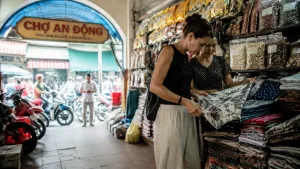
Chinatown Cho Lon is worth visiting because it feels like a living part of Ho Chi Minh City, not a staged attraction. For travelers looking for things to do in Chinatown Cho Lon, the area delivers temple visits, old market lanes, Cantonese food, and everyday street life in one walkable district.
Its identity comes from centuries of trade, migration, and local tradition, which still shape the streets today. You can see it in incense-filled temples, herbal shops, gold stores, and family-run eateries, where the pace is slower than central Saigon and the atmosphere feels more grounded.
For first-time visitors, the value is in contrast. After the city center, Cho Lon gives you a more local layer of HCMC that is active but less polished, which is often what adventurous travelers want.
| Criteria | Cho Lon | District 1 | Best For |
|---|---|---|---|
| Atmosphere | Historic and local | Modern and busy | Culture seekers |
| Experience | Temples, food, markets | Landmarks and nightlife | First timers and repeat visitors |
Visit in the morning for cooler weather and open markets, or later in the afternoon when the streets feel livelier. If food is part of your plan, a local HCMC food tour can help you skip guesswork and focus on the best bites.
Best of all, Cho Lon works for solo travelers, couples, and families because the experience is flexible. You can spend one hour or half a day, depending on whether you want temples, snacks, or simple neighborhood exploring.
Chinatown Cho Lon is a historic district in Ho Chi Minh City known for temples, markets, Chinese-Vietnamese food, and everyday local culture. It is best for travelers who want a more authentic, less touristy experience than the city center.
For an easy next step, combine Cho Lon with a broader city experience through all Toward Local tours, especially if you want a curated route instead of planning each stop yourself. That usually saves time and gives first-time visitors a better sense of scale and flow.
If you want a deeper look at local food and heritage in Ho Chi Minh City, start with a guided route and build your day around the neighborhoods that matter most.
Book a local experience before you go so your visit to Chinatown Cho Lon becomes more efficient, more flavorful, and easier to navigate from the moment you arrive.
Top Things to Do in Chinatown Cho Lon for First-Time Visitors
Things to do in Chinatown Cho Lon are best approached as a slow, street-level discovery rather than a checklist. For first-time visitors, the district feels richer when you focus on temple culture, local food lanes, and the rhythm of daily life instead of chasing only famous sights. That shift helps you see why this neighborhood still matters to residents, not just travelers.
If you want a trip that feels local, safe, and memorable, start with a simple route: temple, market, shophouse street, then a food stop nearby. This is the easiest way to avoid getting overwhelmed by traffic and scattered attractions while still seeing the most authentic parts of the area. The real reward is in the details, from incense smoke to old trade signs and morning market energy.
The most rewarding first stop is often a temple, because it gives immediate context for the area’s heritage. Visit with quiet respect, notice the incense coils, and observe how locals come to pray, not just take photos. A nearby market adds a different layer, where vendors sell herbs, dried goods, snacks, and household items that reflect everyday neighborhood life. If you prefer a guided introduction to the city’s food culture, consider HCMC food tours as an easy way to pair tasting with context.
A simple decision table can help first-time visitors plan a better route:
| Criteria | Temple visit | Market walk | Shophouse street |
|---|---|---|---|
| Best for | Cultural insight and calm pacing | Food, shopping, and local scenes | Architecture and neighborhood atmosphere |
| Time needed | 30 to 45 minutes | 45 to 60 minutes | 60 to 90 minutes |
After that, slow down and explore the side streets with traditional shophouses. This is where you notice balconies with laundry, metal shutters, family-run shops, and older facades that still support daily business. the best photos often come from turning away from the main road and looking at the small intersections where older buildings meet motorbike traffic and neighborhood routines.
For adventurous travelers, this chapter of the city works best when you allow time for wandering, tasting, and people-watching. Couples and solo travelers usually enjoy the area’s compact layout because it is easy to explore on foot with frequent stops. Families can keep it relaxed by choosing one temple, one market, and one snack break instead of trying to cover everything in a single rush.
Here is the fastest way to experience the area well: arrive in the morning, begin with a temple visit, walk through a market, then follow the streets lined with old shop houses until you find a place to sit and eat. If you want a broader look at local experiences across the country, browse all tours of Toward Local before planning the rest of your trip. The strongest takeaway is simple: Chinatown Cho Lon rewards curiosity, not speed, so the more you notice, the more it gives back.
Food, Shopping, and Local Experiences in Chinatown Cho Lon
Things to do in Chinatown Cho Lon often start with food, because this is where the district feels most alive. The real value is not just eating well, but learning how the neighborhood blends Chinese cooking, Vietnamese tastes, and everyday local routines into one walkable experience. If you want a place that feels authentic rather than staged, this chapter gives you the easiest way to choose where to eat, what to buy, and how to move like a local.
For first-time visitors, the main challenge is deciding where the good spots are without wasting time in the wrong streets. The answer is to follow peak meal hours, look for busy family-run counters, and keep your plans flexible enough for spontaneous stops. If you want a broader plan for the city, the full tour collection can help you connect Chinatown with other local experiences across Ho Chi Minh City.
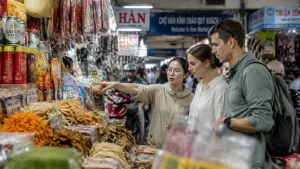
Chinatown Cho Lon is best for visitors who want classic Chinese-Vietnamese food, small market finds, and everyday local shopping in one compact area. Come for breakfast or late afternoon, when snack stalls, herbal shops, and busy food counters are most active. The best experience comes from walking, sampling, and buying a few useful items instead of trying to cover everything.
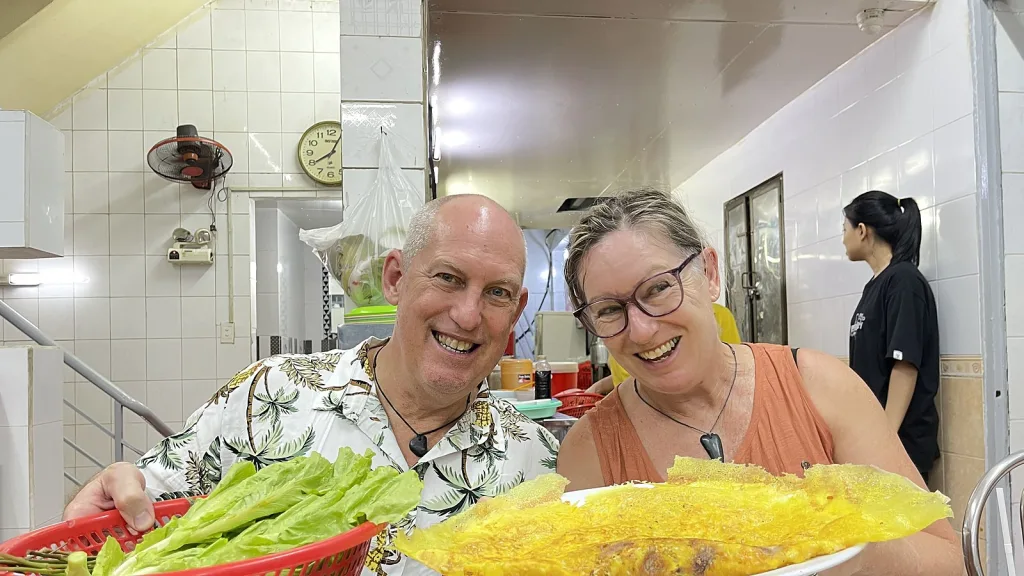
Classic meals here are usually simple, affordable, and built for repeat customers. Look for noodle soups, roast duck rice, dim sum, steamed buns, and congee with toppings that change by shop. A smart order might be a bowl of wonton noodles, a cup of soy milk, and a sweet dessert like sesame soup or grass jelly. For travelers who enjoy food-first exploring, a HCMC food tour can be a useful shortcut if you want guidance without losing the local feel.
What makes the area special is the rhythm. Shops often serve one main dish very well, then close before late evening. That means the best strategy is to arrive hungry and order quickly. If you see a stall crowded with office workers, older residents, or multi-generation families, that is usually the strongest sign of quality. A good in Cho Lon, popularity is often a better filter than decoration.
For snacks and desserts, keep an eye out for traditional pastries, nut-based sweets, herbal drinks, and iced soy desserts sold in small portions. These are easy to sample while walking between temples, markets, and side streets. The texture matters as much as the flavor, so try at least one warm item and one cold item to get the full range of the neighborhood.
Shopping here is more practical than souvenir-driven, which is why it suits adventurous travelers. Herbal products, dried goods, tea, preserved fruit, kitchen staples, and local household items are common finds. You may also see incense, ceramic bowls, and small temple-related goods, but the best purchases are the ones you will actually use or bring home as gifts. Before buying in bulk, compare a few stalls because quality and pricing can vary by street and shop age.
Here is a quick comparison to help you decide what is worth buying:
| Criteria | Best for food lovers | Best for shoppers | Best for casual visitors |
|---|---|---|---|
| Top choice | Noodle shops and dim sum counters | Herbal stores and dried food stalls | Snack shops and tea stops |
| Why it works | Fast, local, and easy to compare | Useful products with strong local character | Low effort and easy to fit into a walk |
If you want to keep exploring beyond Cho Lon, combine this chapter with a guided city plan so you do not miss the best nearby food stops. A short route can save time and still leave room for unplanned discoveries, which is often where the best memories happen.
For couples, families, and solo travelers, the best approach is to treat Cho Lon as a half-day local experience rather than a checklist. Eat one proper meal, sample one dessert, browse one herbal shop, and leave space for one market stop. That balance gives you a real sense of place without rushing. If you want a wider selection of regional experiences, the Hoi An tours and Da Nang tours are useful references for comparing different local styles across Vietnam.
If Cho Lon is on your itinerary, plan it with intention and leave room for slow discovery. The district rewards visitors who walk, taste, compare, and buy selectively. That is how you turn a simple neighborhood visit into one of the most memorable things to do in Chinatown Cho Lon.
How to Plan the Best Chinatown Cho Lon Itinerary
Things to do in Chinatown Cho Lon are best planned around your pace, not just a map. This district rewards travelers who like markets, temples, old trading streets, and a more lived-in side of Ho Chi Minh City. If you want a visit that feels local, the right itinerary makes the area easier to enjoy and much less tiring.
The main challenge is choosing how long to stay. Some travelers only need a few hours for highlights, while others want food, photography, and deeper cultural stops. The good news is that Cholon works well in multiple formats, so you can match the route to your energy, budget, and travel style.
Chinatown Cho Lon is best explored with a flexible plan: half-day for highlights, full day for deeper sightseeing, and a food-focused route for travelers who care more about local dishes than landmarks. The district is compact in spirit but spread out in detail, so timing matters more than distance.
Compared with District 1, Cholon is less polished but far more atmospheric. District 1 gives you iconic city views, cafes, and museums in a cleaner grid, while Cholon feels older, busier, and more rooted in everyday life. That is why local HCMC food tours often include this area, because the streets themselves are part of the experience.
For sightseeing, think in three options:
| Criteria | Half-day visit | Full-day trip |
|---|---|---|
| Best for | First-timers and solo travelers | Families and slow travelers |
| Focus | Temples, markets, quick street photos | Temples, food stops, lanes, and breaks |
| Energy level | Low to moderate | Moderate to high |
A half-day route works well if you want a clear answer to what matters most without overcommitting. Start early, visit two major temples, walk one market street, then leave before the afternoon heat slows you down. A full-day route makes sense if you enjoy observing daily life, sampling snacks, and stopping for coffee or dessert between sights.
If your trip is mainly about eating, a food-first plan is often the smartest choice. You can combine noodle shops, herbal drinks, dim sum, and dessert stalls without forcing too much walking. For travelers who like a broader Vietnam itinerary, it can also pair naturally with all tours of Toward Local when you want to compare city experiences before booking.
The key insight is simple: Cholon is not a place to rush. It is better when you leave room for detours, small purchases, and unplanned stops. A strong itinerary gives you structure, but it still keeps enough flexibility for what you notice on the street.
If you are traveling as a couple or with family, the safest plan is to start with a half-day and expand only if the group still has energy. Solo travelers usually enjoy the area more because they can pause for photos, snacks, and side streets without negotiation. That is the real advantage of planning Cholon well: you turn a crowded district into a smooth local experience.
Choose half-day if you want the highlights, choose full-day if you want culture and food, and choose a food route if your priority is taste over sightseeing. With the right pace, Chinatown Cho Lon becomes one of the most memorable things to do in Chinatown Cho Lon for adventurous visitors.
For travelers who want a deeper local rhythm in Ho Chi Minh City, this is the kind of area that rewards good timing and a simple route. If you want help turning that into a bookable experience, start with a trusted local operator and build from there.
Tips, Common Mistakes, and FAQs About Things to Do in Chinatown Cho Lon
Things to do in Chinatown Cho Lon are easier to enjoy when you know the local rhythm before you arrive. Many first-time visitors lose time on transport, miss the best food hours, or rush through the area without understanding which streets are most active. A little planning helps you see more, spend less, and stay respectful in temples, markets, and family-run shops.
For adventurous travelers, this district rewards slow walking, curiosity, and a flexible schedule. If you want a broader taste of the city after exploring here, browse all Toward Local tours for more local-led experiences. The key is to arrive with realistic expectations: this is not a polished tourist zone, but that is exactly what makes it memorable.
| Tip | Why it matters | Best practice | Common mistake |
|---|---|---|---|
| Start early | Markets and streets are livelier before noon | Arrive for breakfast or mid-morning | Coming after lunch and expecting full energy |
| Carry cash | Small vendors may not accept cards | Keep small notes for snacks and offerings | Relying only on contactless payment |
A practical mistake is trying to cover too much in one trip. Instead, focus on a simple route with one temple, one food stop, and one market lane. That pace gives you time to notice incense smoke, calligraphy signs, and the older shopfronts that many visitors walk past too quickly. Another useful habit is checking opening hours, because some family businesses close between meal peaks or on specific lunar dates.
If you want a smoother first visit, join a local food-focused outing in the city after this chapter and use Chinatown Cho Lon as your cultural anchor.
Respect matters here. Dress modestly for temples, speak softly inside worship spaces, and do not point your camera directly at people who are praying or working unless they clearly allow it. When buying food, a simple smile and patience go a long way. For travelers who enjoy organized local tastings, the Ho Chi Minh City food tours can be a smart add-on after a self-guided walk.
The best way to enjoy Chinatown Cho Lon is to visit early, bring cash, dress respectfully, and keep your plan simple. Focus on one temple, one market, and one food stop. This approach avoids common mistakes and gives you a more authentic local experience without feeling rushed.
FAQ: The best time to visit is usually morning to early afternoon, when shops are open and food stalls are active. It is easiest to get there by taxi, ride-hailing app, or a short public bus ride from central Ho Chi Minh City. It is walkable for short loops, but distances between highlights can feel longer in heat, so plan breaks. Yes, it is worth visiting if you want old-city character, local food, and a less curated side of Saigon.
For many first-time visitors, the real value comes from combining street food, heritage temples, and everyday neighborhood life in one compact area. If you prefer an easier guided format, a local tour can reduce confusion and help you notice details you might miss alone. That is especially useful for solo travelers, couples, and families who want a balanced pace.
If you are planning a deeper local trip in southern Vietnam, save Chinatown Cho Lon for a slow half-day and pair it with a trusted guided experience so you get more culture and less guesswork.