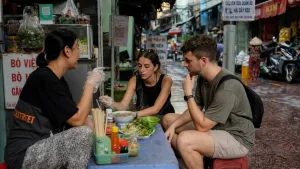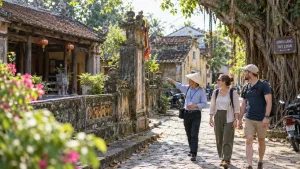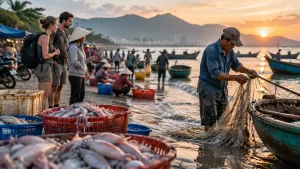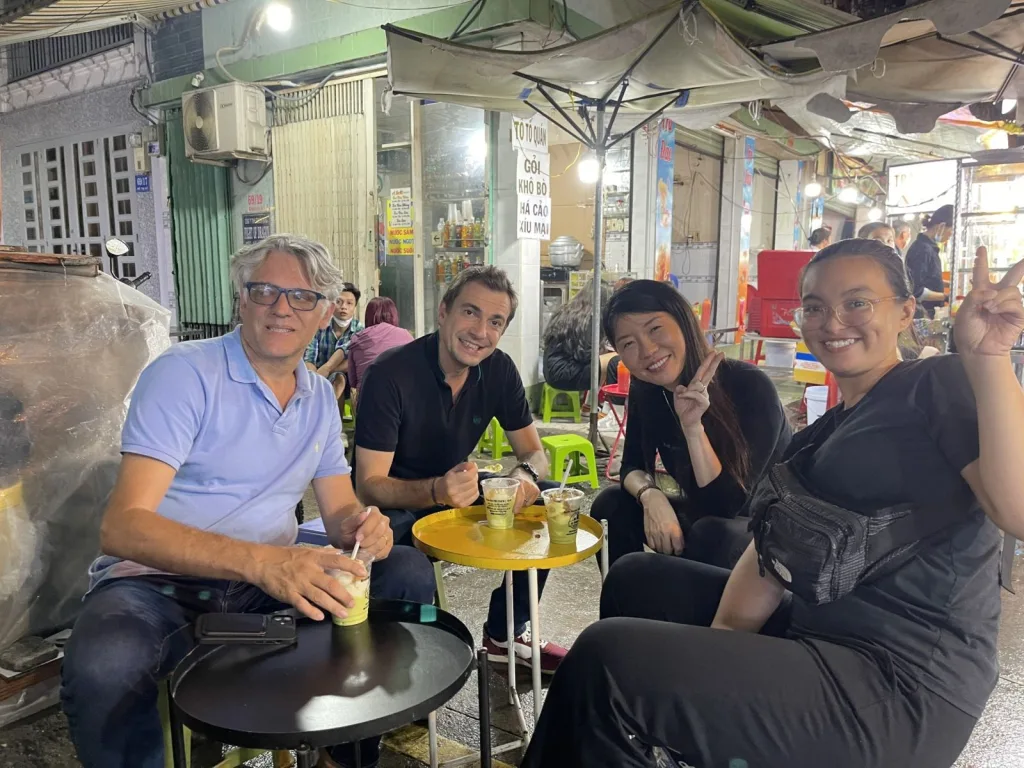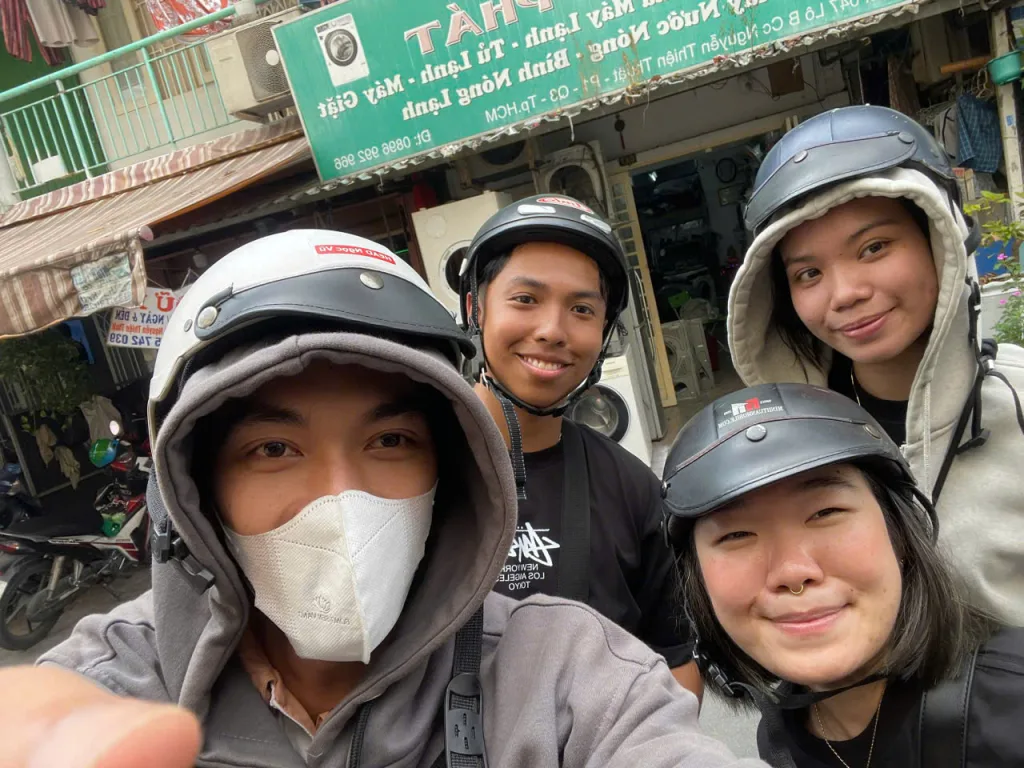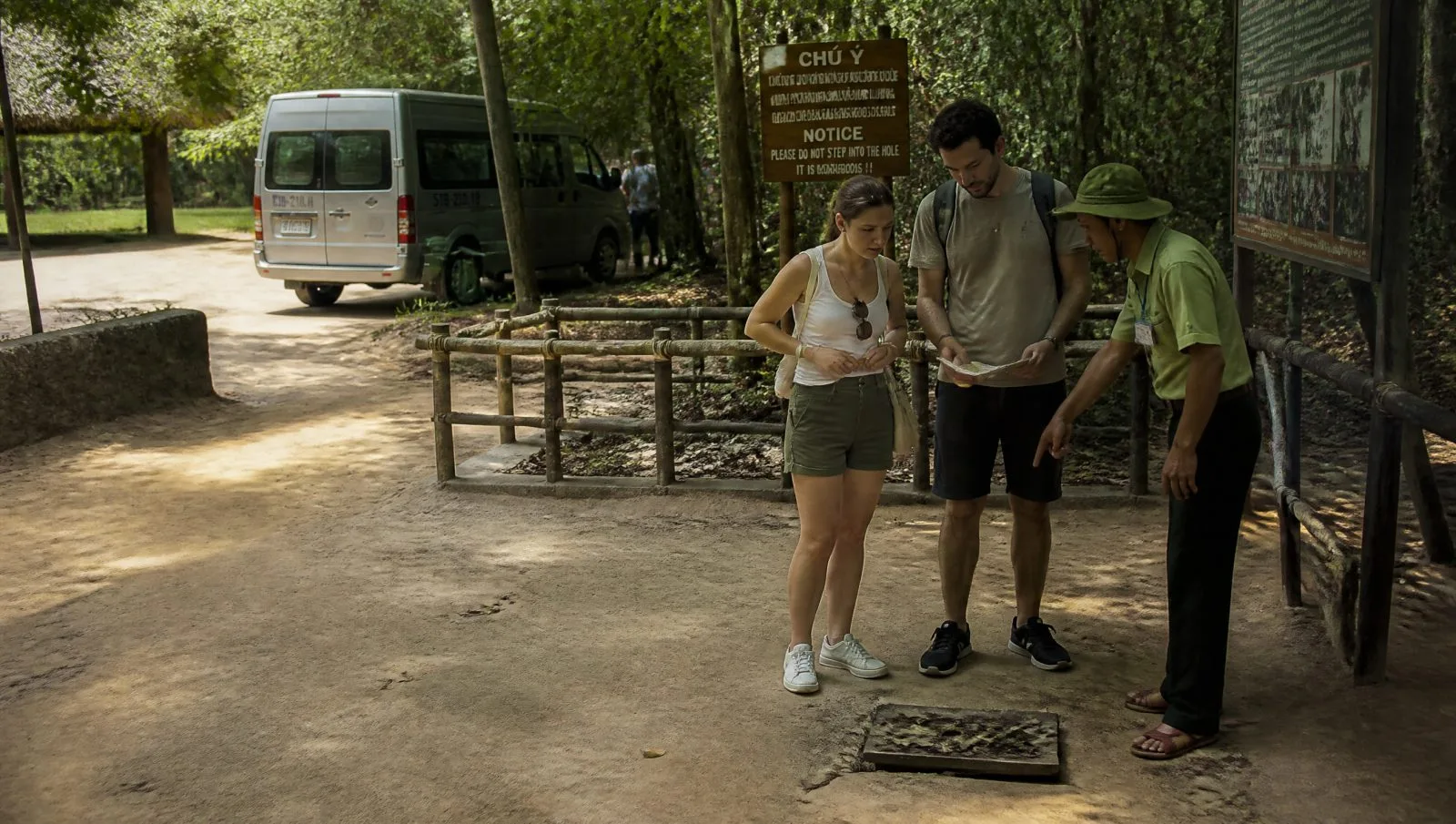

Da Nang food guide is the fastest way to avoid wasting meals on tourist traps when you first arrive in the city. Many visitors know the beaches and bridges, but not the local dishes that define daily life here. If you want Da Nang local food that feels authentic, you need a clear plan for what to eat, where to go, and how to spot the best stalls before the lunch rush.
That is where a practical approach to Vietnamese cuisine makes the difference. In Da Nang, a good meal can be a bowl at a roadside shop, seafood near the coast, or a small family-run spot hidden in a neighborhood market. This guide helps solo travelers, couples, and families choose with confidence, and it also shows where a Da Nang local tour can save time when you want the food, not the guesswork.
Da Nang food is best explored through local noodle shops, street food alleys, seafood restaurants, and neighborhood markets. Start with signature dishes like Mi Quang and bun cha ca, then move to evening spots for snacks, sweet soups, and coffee. The best strategy is to eat where locals line up, especially during lunch and after sunset.
| Criteria | Street Food | Local Restaurant | Seafood Spot |
|---|---|---|---|
| Best for | Quick bites and low cost | Classic Da Nang dishes | Fresh catch and group meals |
| Good choice if | You want a local feel | You want comfort and consistency | You want a coastal dinner experience |
For travelers who want a smoother start, comparing food areas before you go can help narrow the search. A short city food experience elsewhere in Vietnam can also sharpen your expectations, but Da Nang has its own rhythm: simple dishes, fresh ingredients, and places that get busy for a reason. The real win is knowing the pattern, then eating like someone who already lives here.
What Makes Da Nang Food Guide Unique
Da Nang food guide is useful because the city sits at the center of Vietnam’s culinary map, where coastal ingredients, imperial influences, and everyday street food meet in one place. For first-time visitors, that makes eating here easier to plan, but also harder to choose, because the best bowls and grills are often hidden in ordinary neighborhoods.
In practice, Da Nang food means a lighter, more coastal version of Central Vietnam cooking. You will see fresh seafood, rice noodle dishes, and late-night snacks that reflect local routines rather than tourist menus. A smart Da Nang food guide helps you spot the difference between a popular photo stop and a place locals actually return to.
| Criteria | Da Nang | Hoi An | Hue |
|---|---|---|---|
| Food style | Coastal, fresh, casual | Mixed heritage, more polished | Bold, royal, spice-driven |
| Best for | Seafood and noodle lovers | Slow dining and heritage meals | Deep local flavors and small plates |
For travelers who like local, adventurous food experiences, Da Nang works well because it is easy to explore without needing a rigid plan. You can start with a morning noodle shop, pause for coffee, then move to a beachside seafood meal in the evening. If you want a broader trip idea after food, Da Nang local tours can help you connect meals with neighborhoods, markets, and short city stops.
What makes the city stand out is rhythm. Seafood is often chosen live, noodle dishes are built for quick everyday eating, and street food stays active from morning until late night. That is why this Da Nang food guide is less about one signature dish and more about understanding how locals eat across the day.
Featured insight: Da Nang is the best place in Central Vietnam to taste a full range of local food without traveling far between meals. Expect fresh seafood, regional noodle bowls, and simple street snacks that feel authentic, affordable, and easy to navigate.
When comparing where to eat, use a simple decision rule: choose seafood for freshness, noodles for regional identity, and street stalls for atmosphere. If your trip also includes nearby heritage towns, Hoi An day tours can pair well with a Da Nang food-focused stay, especially for couples and families who want variety without rushing.
For the best results, focus on places where locals queue, tables turn quickly, and menus stay short. That usually signals a stronger kitchen than a decorative one, which matters more than reviews alone when you are eating in a city built around everyday food culture.
Must-Try Dishes in a Da Nang Food Guide
Da Nang food guide begins with dishes that define the city’s everyday rhythm, not just its tourist menus. If you want the most local experience, start with bowls and plates that locals actually order for breakfast, lunch, and dinner, then match each one to the right time of day.
For first-time visitors, the challenge is not finding food, but knowing what to choose and how to eat it. A good rule is simple: follow the crowd, watch how the dish is served, and pair it with the right heat level, herbs, or dipping sauce so the flavors stay balanced.
Da Nang’s signature foods include mì Quảng, bún chả cá, bánh tráng cuốn thịt heo, and fresh seafood. Each dish has a best time to eat it, from breakfast bowls to late-day seafood feasts, and the best local experience comes from matching the dish with the right setting, sauce, and pace.
Da Nang local tours can help travelers taste these dishes in the right neighborhoods, but even on your own, the order matters. Mì Quảng is the city’s comfort bowl: wide rice noodles, a little broth, herbs, peanuts, and toppings like shrimp, pork, or chicken. It works best at lunch, when you want something filling without feeling heavy.
Bún chả cá is the breakfast bowl to know if you like light but layered flavors. The fish cake and clear broth feel clean in the morning, especially after a beach walk. For a more hands-on meal, bánh tráng cuốn thịt heo is ideal for lunch or early dinner because you assemble each bite yourself with rice paper, pork, herbs, and dipping sauce.
| Criteria | Mì Quảng | Bún chả cá | Seafood |
|---|---|---|---|
| Best time | Lunch | Breakfast | Late afternoon or dinner |
| Local style | Rich, rustic, satisfying | Light, clean, aromatic | Shared, fresh, market-driven |
Seafood belongs to the coast, but the smartest way to eat it is with timing and restraint. Go when tanks are full and the kitchen is busy, usually in the late afternoon. Choose a few dishes instead of too many, such as grilled clams, tamarind crab, or steamed squid, so the meal feels fresh rather than rushed.
The best Da Nang meals are rarely about one huge signature dish. They are about the sequence, the sauce, and the setting. If you want a smooth first day, pair a street bowl in the morning, a noodle plate at lunch, and seafood at night, then continue with all Toward Local tours if you want a deeper food-focused route.
For travelers who want to book a soft local food experience without overplanning, this is where a guided format helps. A well-timed food stop saves energy, reduces language friction, and makes it easier to compare flavors side by side. That is especially useful for couples, solo travelers, and families who want local food without guesswork.
Practical tasting order: eat bún chả cá in the morning, mì Quảng at lunch, bánh tráng cuốn thịt heo before sunset, and seafood once the city cools down. If you only choose two dishes, make them mì Quảng and seafood, because they show both the comfort side and the coastal side of the city.
Soft booking cue: If you want to taste these dishes with less trial and error, use a local food route that knows where the queues move fast and the flavors stay consistent.
Plan your Da Nang food experience with Toward Local so you can eat like a local, save time, and get the right dish at the right moment.
Where to Find the Best Da Nang Food
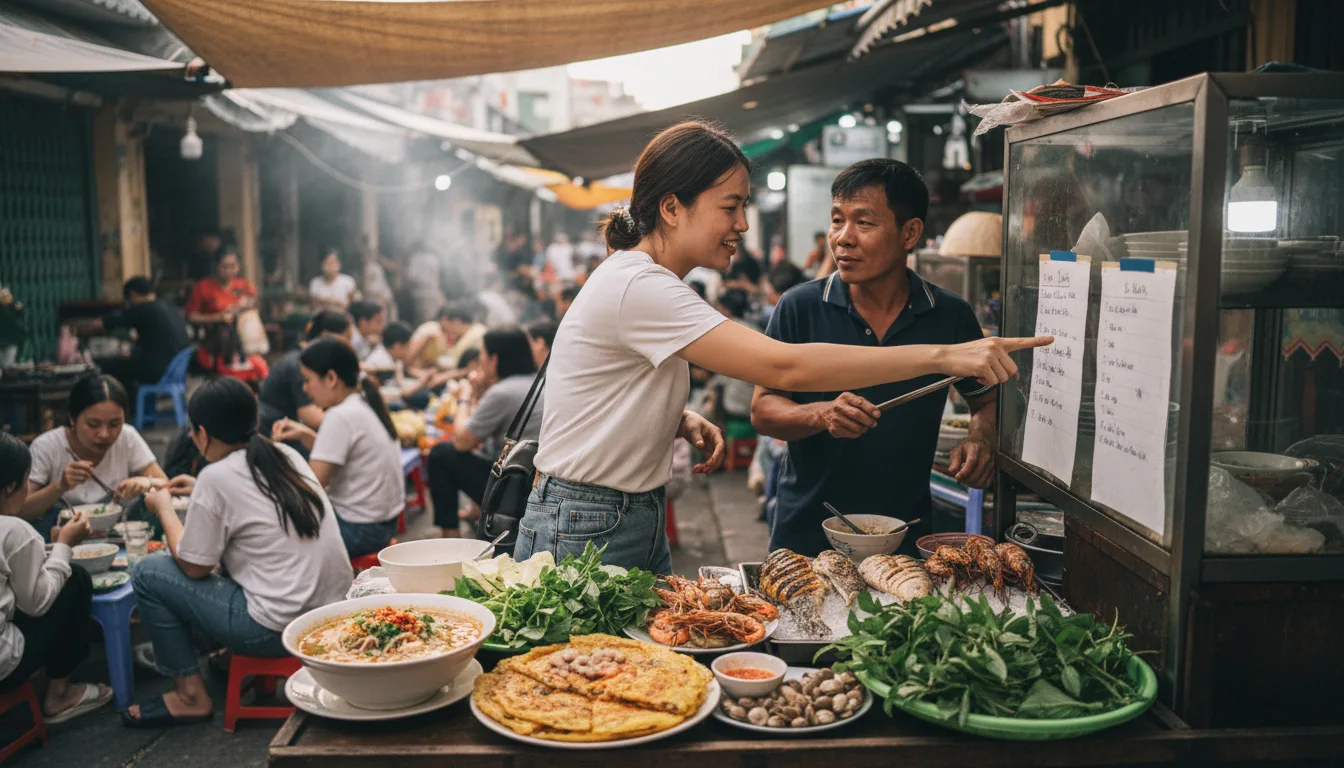
Da Nang food guide: if you want the most local meals, start where office workers, market vendors, and late-night snack crowds actually eat. The best bowls, grills, and rice dishes are usually found away from tourist strips, inside neighborhoods where the menu is small, the turnover is fast, and the flavors stay regional.
For first-time visitors, the challenge is not finding food, but choosing the right spot for the moment. A seafood dinner by the coast feels very different from a quick bowl of mì Quảng at a family-run stall, and both can be excellent. If you are building a flexible plan, the full Toward Local tours list can help you match food stops with the rest of your trip.
The best places to eat in Da Nang are local markets, busy street-side eateries, night markets, and neighborhood restaurants near the beach or river. Look for steady local traffic, short menus, visible cooking, and fresh ingredients. That combination usually signals better flavor, fairer pricing, and a more authentic experience.
Choose by food style, not just location.
| Criteria | Local restaurant | Seafood spot | Budget stall |
|---|---|---|---|
| Best for | Family meals and classic dishes | Group dinners and fresh seafood | Quick lunch and street snacks |
| What to check | Busy lunch rush and short menu | Live tanks and clear pricing | Clean setup and fast turnover |
For a soft plan, split your day by appetite: markets for breakfast, street-side stalls for lunch, and a seafood meal after sunset. If you want a curated route with local flavor, Da Nang food tours can save time while keeping the experience adventurous and local.
The most reliable places are rarely empty at peak meal hours. If locals are queueing for one dish and the kitchen keeps moving, that is usually the strongest sign you will eat well without overpaying.
In practical terms, markets are best for variety, night markets are best for casual tasting, and small restaurants are best for dishes that need precision such as noodles, fish cakes, or rice plates. Seafood spots work best when you want shared plates and a longer meal, especially for couples and families who prefer sitting down and choosing from fresh catches.
To decide fast, use this rule: if you want depth, go local; if you want freshness, go seafood; if you want value, go stall. For travelers combining food with sightseeing, Hoi An tours are a useful add-on when you want to compare central Vietnam flavors in one trip. The best Da Nang food is not hidden in one famous place. It is spread across neighborhoods, markets, and everyday streets where the city eats for real.
How to Build the Perfect Da Nang Food Itinerary
Da Nang food guide travelers need usually starts with one problem: too many good options and not enough time. The city is compact, but the best meals are spread across beach roads, market lanes, and café streets, so a loose plan saves energy and helps you eat better without rushing.
The easiest solution is to match each meal with the right food style. Start light with a noodle breakfast, keep lunch focused on one signature dish, choose seafood for dinner, then leave room for a late snack or dessert. If you want a smoother day, pair this route with one of the Da Nang local food tours and keep your own flexibility for café stops.
Build a Da Nang food itinerary by dividing the day into four stops: breakfast for local noodles, lunch for a classic specialty, dinner for seafood, and late night for sweet soup or avocado ice cream. Add one café break in the afternoon, and keep travel time short by grouping nearby neighborhoods.
| Time | Best choice | Why it works | Example |
|---|---|---|---|
| Morning | Bún chả cá or bánh mì | Quick, local, and easy before sightseeing | Street shop near the city center |
| Evening | Seafood or a modern Vietnamese dinner | Best time for a slower meal with family or couples | Beachfront restaurant or chef-led venue |
A simple route works best for first-time visitors: breakfast in the city center, lunch near your sightseeing stop, café time in the afternoon, and dinner closer to the coast. For example, a solo traveler can move quickly between street stalls, while couples and families usually do better with one longer sit-down meal and fewer transfers. This is where balance matters in a real Da Nang food guide.
Try this structure: noodles or bánh mì before 9 a.m., Mì Quảng or bánh xèo around noon, coffee after the heat peaks, then seafood after sunset. The takeaway is simple: do not overload lunch if you want to enjoy dinner, because the city’s seafood and sweet snacks are strongest when you still have appetite left.
For local specialties, choose one bowl-based dish and one street snack, not five different mains. That keeps the day focused and prevents food fatigue. If you want a deeper regional circuit that connects nearby culinary stops, combine your Da Nang day with Hoi An food experiences on another day instead of trying to force both cities into one meal schedule.
Seafood is best saved for early evening, when the market chill and sea breeze make the meal feel more relaxed. Pick live-tank restaurants, order a few shared dishes, and let the table decide the pace. A practical order is clams, grilled oysters, tamarind crab, and one vegetable dish so the meal stays balanced. That mix works especially well for families and small groups.
For café stops, avoid placing them directly after a heavy lunch. The better move is to use coffee as a reset between sightseeing and dinner. Old-school cafés suit travelers who want atmosphere, while modern roasters are better for long conversations, work breaks, or a slow afternoon with kids resting nearby. One smart coffee stop can rescue the whole itinerary.
Use this decision rule: if you are short on time, keep one breakfast, one big lunch, and one seafood dinner. If you have a full day, add one dessert stop and one café. If you are traveling with kids, split the day into shorter meals and add more breaks. Small adjustments like this make the itinerary feel natural instead of forced.
If you want a food day that feels local without wasting time, start with a planned route and leave the rest open for market finds and street-side surprises.
In the end, the best way to build a Da Nang food itinerary is to think in neighborhoods, not just dishes. Group nearby stops, keep one signature meal per session, and leave space for a sweet finish. That approach gives you variety, comfort, and enough energy to actually enjoy every bite. For a ready-made option, browse all Toward Local tours and compare what fits your pace, appetite, and travel style.
If you want the easiest path to local food without the planning stress, choose a guided route, then use free time for the cafés and snacks that catch your eye along the way.
Da Nang Food Guide Tips, Common Mistakes, and FAQs
Da Nang food guide readers usually want one thing first: a simple way to eat well without wasting meals on tourist traps. In Da Nang, the best food is often found in small family spots, beachside grills, and street stalls that look modest but stay busy all day. If you know what to order, where to sit, and when to go, the city becomes much easier to enjoy.
For first-time visitors, the challenge is not shortage of options, but too many choices with little context. A smart plan helps you balance local specialties, price, hygiene, and comfort, especially if you are traveling solo, as a couple, or with family. A good Da Nang food guide should help you eat confidently, not just list dishes.
Start with one signature dish, choose a busy local restaurant, and ask how the dish is usually served before adding sauces. In Da Nang, that small habit helps you get better flavor, better value, and a more authentic meal. It also reduces ordering mistakes, especially for travelers unfamiliar with Vietnamese menus.
Common mistakes travelers make are easy to avoid once you know how locals eat. Many visitors choose a restaurant only by decor, then miss better food in plain-looking spots. Others over-order too early, expecting every dish to arrive large, when many Central Vietnamese meals are meant to be shared across a table.
A better approach is simple:
- Check if the place is busy with local diners at meal time
- Look for short menus with one or two specialty dishes
- Ask whether the broth, sauce, or herbs come on the side
- Use small portions first, then order more if needed
Another common mistake is assuming all seafood is the same. In Da Nang, beach restaurants may price by weight, so always confirm the price before cooking begins. If you want a more structured meal experience, a Da Nang food tour can help you compare dishes with less guesswork, especially on a short stay.
The safest local spots are often the ones where the staff can answer your questions quickly, show ingredients clearly, and serve food while it is still hot. That is a stronger trust signal than polished branding.
| Criteria | Best Choice | Why It Works | Watch Out For |
|---|---|---|---|
| Busy local eatery | Short menu, many local guests | Usually fresher turnover and clearer specialty focus | Long wait if you arrive at peak lunch |
| Beach seafood place | Menu with prices or live tank labels | Helps you control budget before cooking starts | Vague pricing by market weight |
For food safety, focus on hot, freshly cooked dishes, clean serving tools, and stalls with steady turnover. If you want to combine eating with a broader local experience, all Toward Local tours are a useful starting point for planning around neighborhoods, markets, and easy first-time routes.
What should you eat first in Da Nang?
Begin with mì Quảng or bún chả cá, because both show the city’s core flavors quickly.
Is Da Nang cheap for food?
Yes, especially at street stalls, local noodle shops, and casual seafood places, where a satisfying meal often costs far less than in major Western cities.
Is street food safe? Usually yes when the stall is busy, food is cooked fresh, and drinks are sealed or boiled. What dishes are best for vegetarians? Try mì Quảng chay, bánh xèo chay, fresh spring rolls without meat, and sweet desserts like chè. These options are easy to find near markets and central neighborhoods.
If you are planning a food-focused trip and want less trial and error, the smartest move is to mix two local meals, one coffee stop, and one seafood dinner into a single day. That gives you variety without rushing. For travelers who want a smoother first taste of the city, Da Nang tours can add context and save time.
Da Nang food guide takeaway: choose busy local places, confirm prices before seafood is cooked, start with signature dishes, and keep one eye on freshness. That simple framework helps you eat like a local, avoid common mistakes, and make every meal in Da Nang more memorable.